


- 8 Cities Where the Weather Changes So Fast Locals Carry Everything - November 11, 2026
- 10 Traditional Building Techniques From Hot Climates Architects Are Revisiting - November 10, 2026
- 2026 Atlantic hurricane season winding down? El Niño eases late-season storm threat - November 10, 2026
Neptune was discovered in 1846. It completed its first full trip around the Sun, as observed since that discovery, in 2011. That gap says a lot about how differently time works across the solar system.
A year is simply the time a planet needs to circle the Sun once. Because planets sit at very different distances and move at very different speeds, those years range from a few weeks to well over a century. Here’s how the eight planets compare.
What a Planetary Year Actually Measures
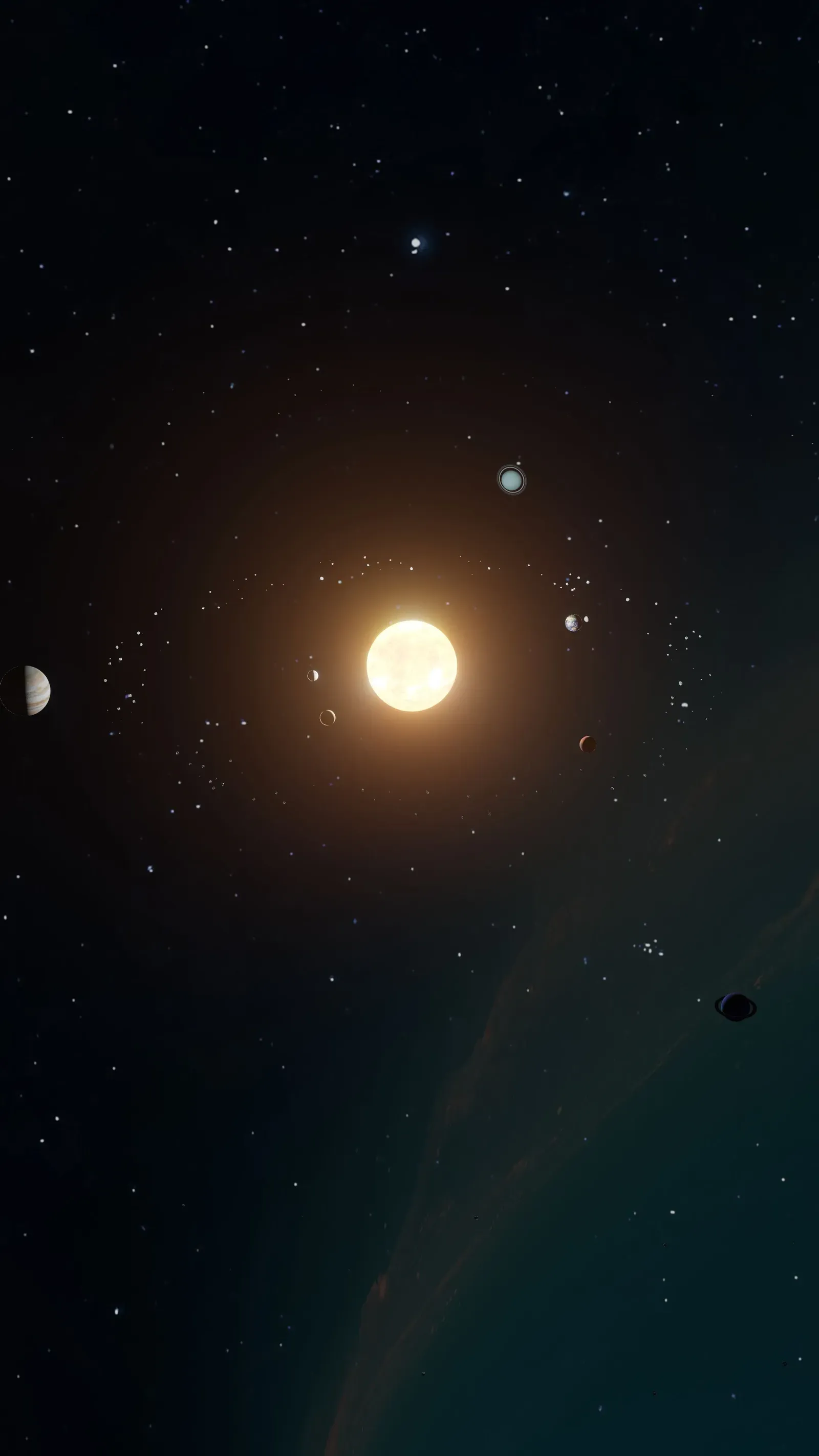
A planetary year is the time needed to complete one orbit around the Sun. Astronomers usually call this the sidereal period, meaning the orbit is measured against the distant stars rather than against the planet’s own seasons.
Earth’s orbit takes about 365.25 days, which is why we add a leap day roughly every four years. Every other planet’s year is measured against that same Earth yardstick, so Mercury’s year is counted in Earth days and Neptune’s in Earth years.
Mercury Finishes a Lap in Eighty Eight Days
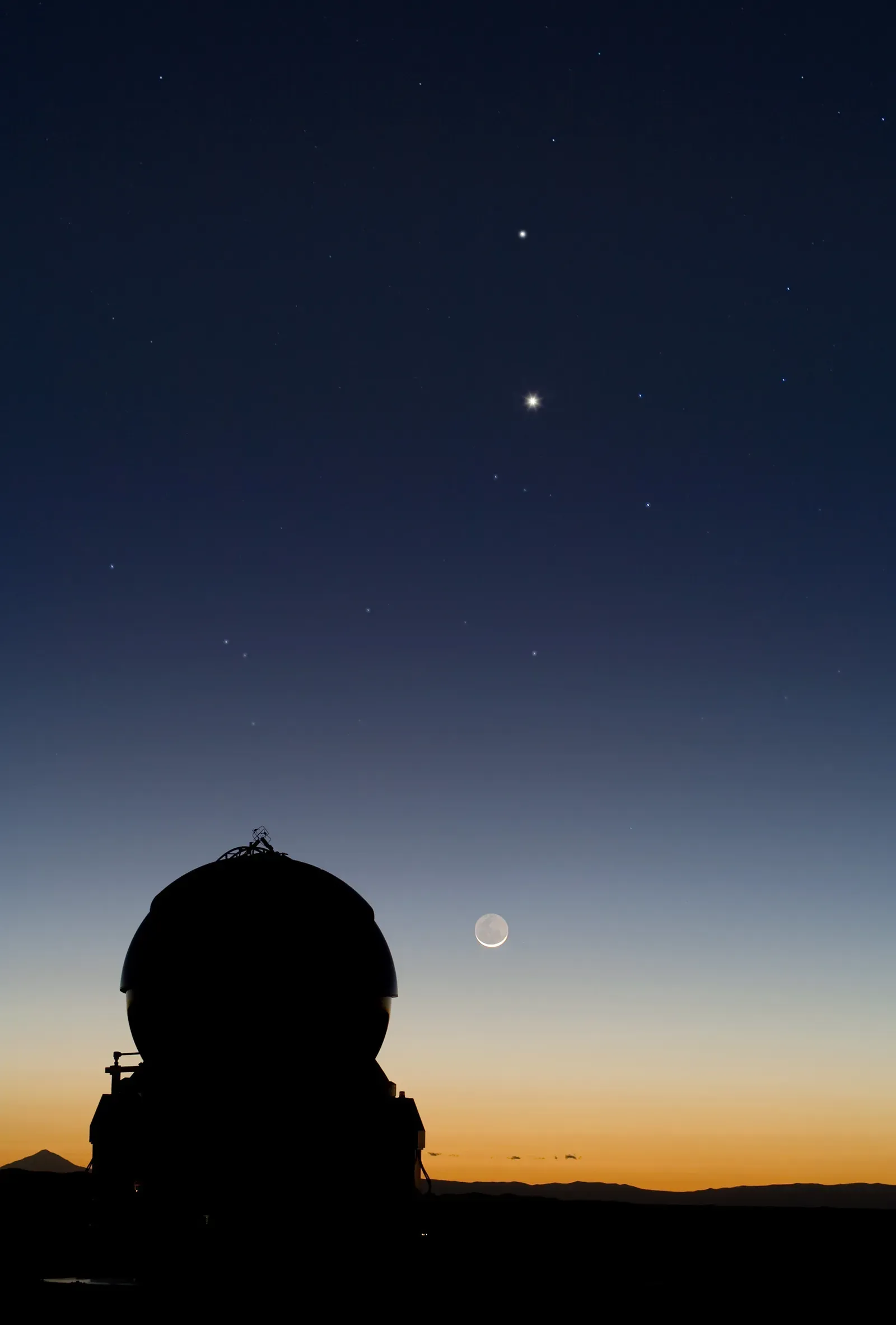
Mercury is the closest planet to the Sun, and it moves the fastest. It circles the Sun in about 88 Earth days, a bit less than three months. NASA lists its average orbital speed at nearly 47 kilometers per second.
Its day is strangely slow by comparison. Because of how its rotation and orbit interact, one solar day on Mercury, sunrise to sunrise, lasts about 176 Earth days, which is two Mercury years.
Venus and Earth, Neighbors With Different Calendars
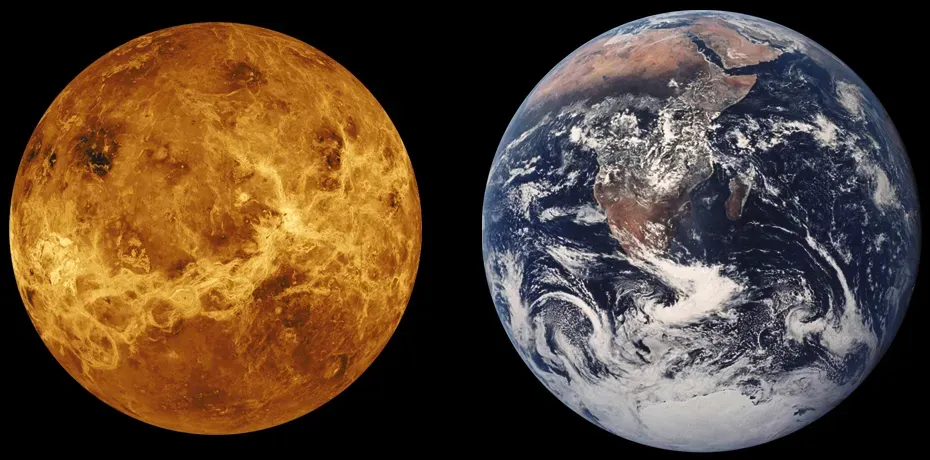
Venus takes about 225 Earth days to orbit the Sun. That makes its year shorter than ours, though it often feels longer in practice. Venus rotates backward and extremely slowly, taking about 243 Earth days to spin once.
That means a Venus day is actually longer than its year in terms of rotation. Earth sits in between at 365.25 days, and its steady orbit is what defines the calendar we use.
Mars Runs Nearly Two Earth Years Long
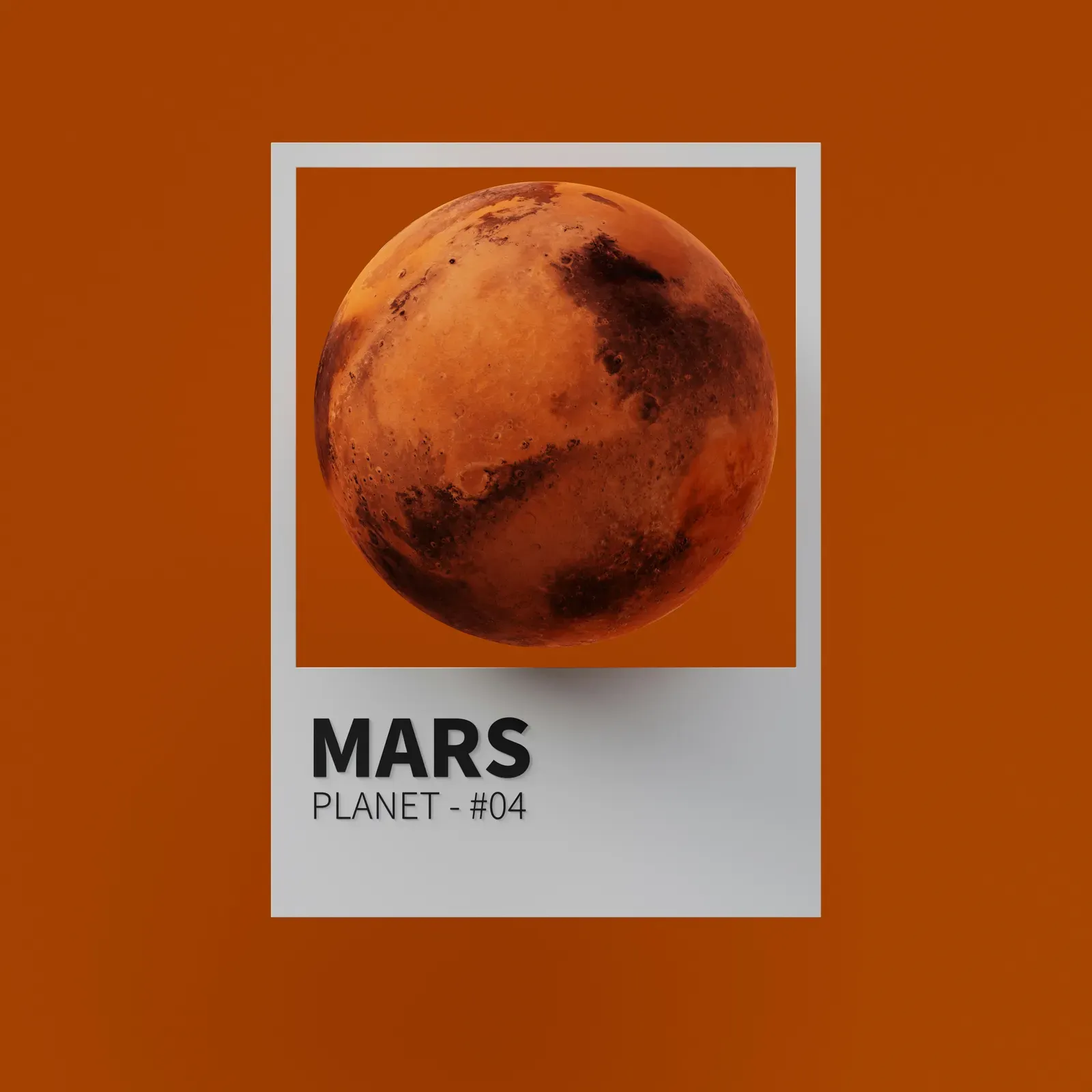
Mars takes about 687 Earth days to go around the Sun, close to one year and ten and a half months. Its orbit is farther out and more elongated than Earth’s, so it moves more slowly.
Its day is close to Earth’s, at about 24 hours and 37 minutes. A Martian year therefore contains roughly 668 Martian days, which mission teams call sols.
Jupiter, the First Giant, Takes Nearly Twelve Years
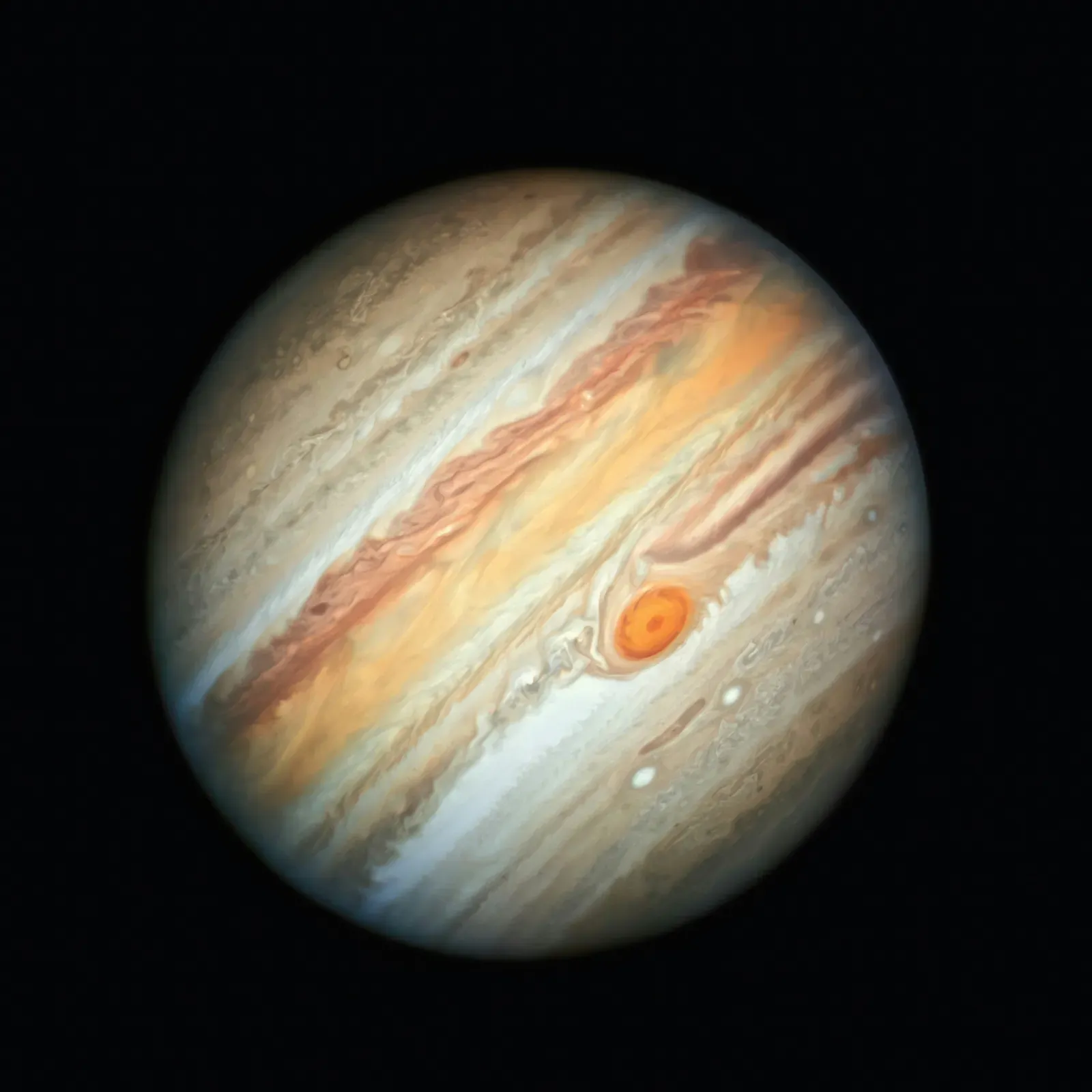
Jupiter needs about 11.9 Earth years to complete one orbit. It sits roughly five times farther from the Sun than Earth does, so it has a much bigger path to travel and moves more slowly along it.
Despite being the largest planet, it spins faster than any other. A day on Jupiter lasts under ten hours, so a Jovian year holds a huge number of those short days.
Saturn Takes Nearly Thirty Years
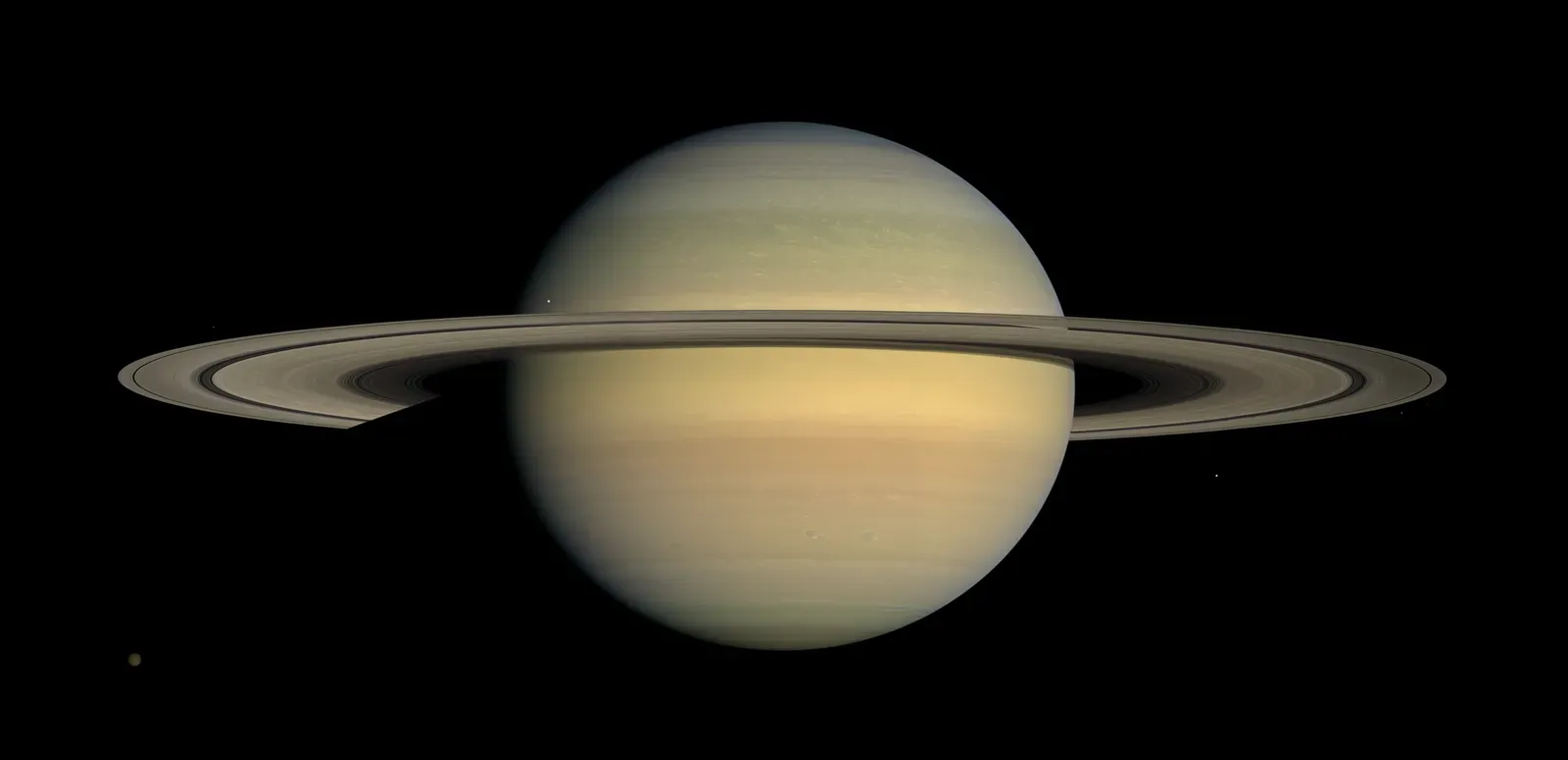
Saturn’s year lasts about 29.4 Earth years. Someone born when Saturn was at a particular spot in the sky would see it return there around their late twenties.
Its orbit also gives the planet long seasons. Saturn is tilted about 27 degrees, similar to Earth, so each season lasts more than seven Earth years, and its rings appear to open and close as the viewing angle changes over time.
Uranus Is Slow and Tipped on Its Side
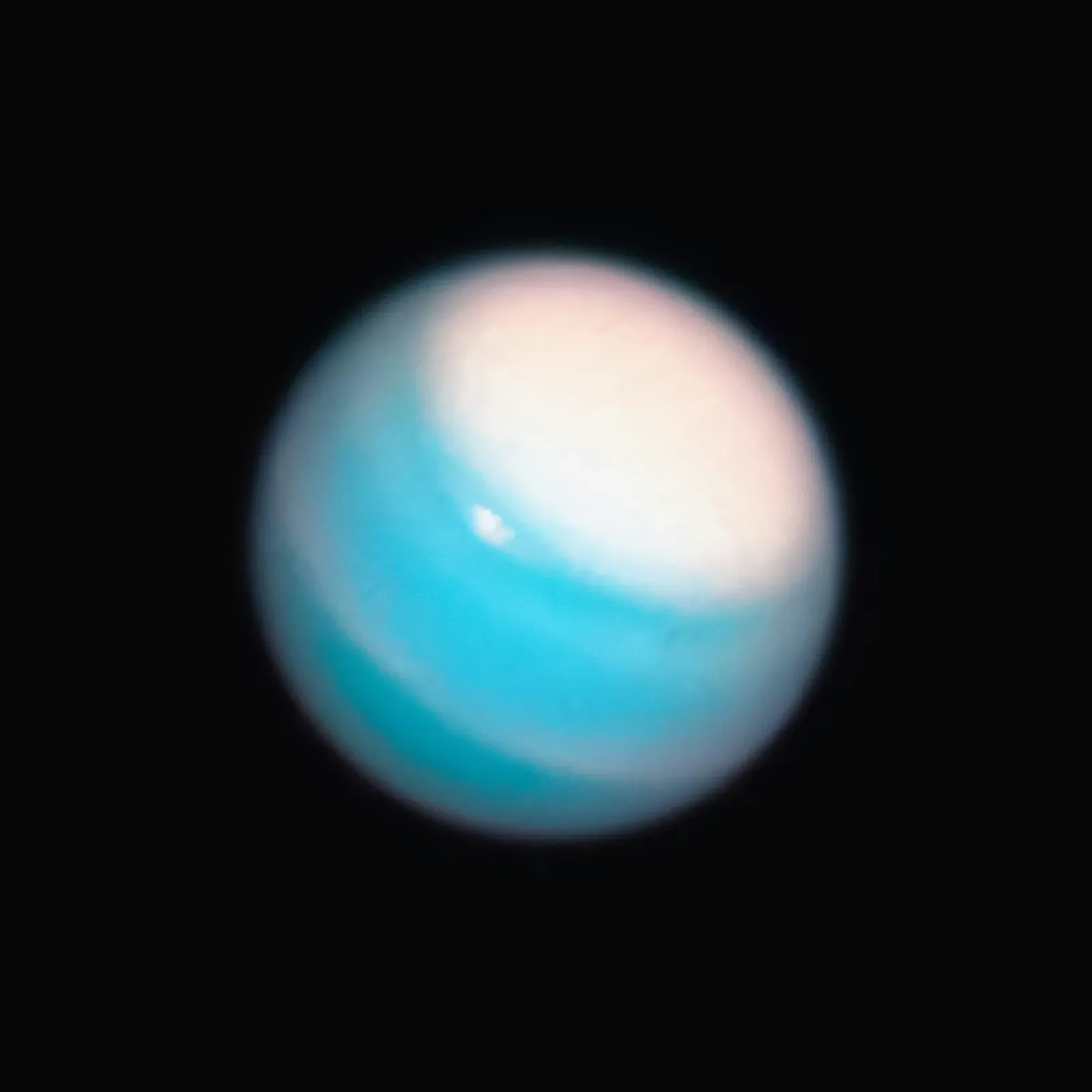
Uranus takes about 84 Earth years to orbit the Sun. Since it was discovered in 1781, it has completed only a little over two full laps.
Its axis is tilted by roughly 98 degrees, so it effectively rolls along its orbit. As a result, each pole spends about 42 years in sunlight followed by about 42 years of darkness, which produces some of the most extreme seasons known in the solar system.
Neptune and Its 165 Year Orbit
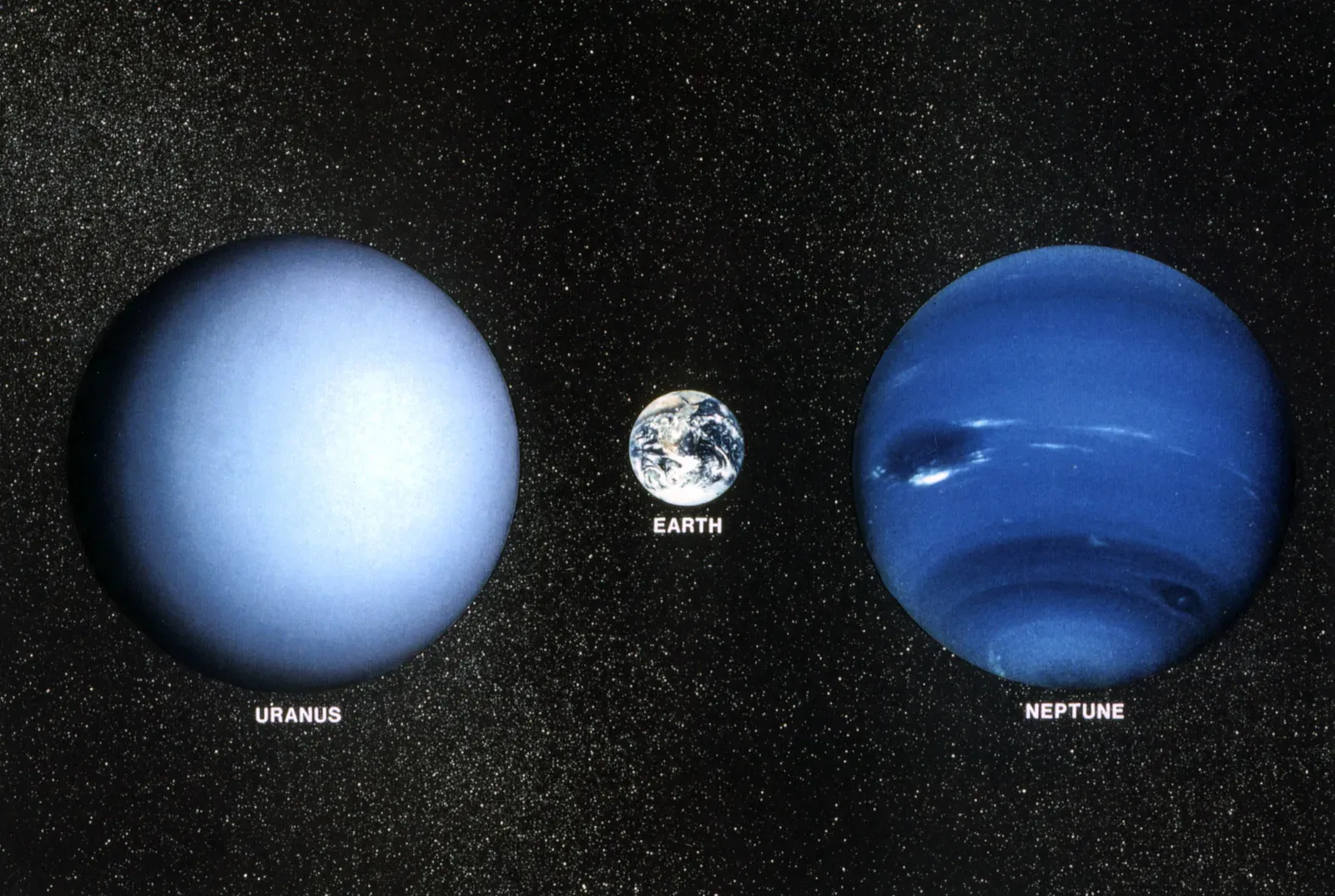
Neptune is about thirty times farther from the Sun than Earth, and its orbit takes about 165 Earth years. It was found in 1846, so its first completed orbit since discovery came in 2011, a milestone astronomers noted at the time.
Sunlight there is weak, yet Neptune is still an active world with fast winds. Each of its seasons lasts more than forty Earth years, which makes tracking long term changes in its atmosphere a slow process. Research in recent years, including observations from the James Webb Space Telescope, has continued to study those changes.
Why Distance Sets the Pace
Two forces explain the pattern. Gravity from the Sun weakens with distance, so outer planets move more slowly, and they also have much longer paths to travel. Kepler’s third law ties these together: the square of a planet’s orbital period is proportional to the cube of its average distance from the Sun.
That is why the difference grows so sharply. Mercury takes weeks, Earth takes one year, and Neptune takes more than a century and a half. Pluto, now classed as a dwarf planet, takes about 248 Earth years.
