
The 5 percent figure and where it comes from
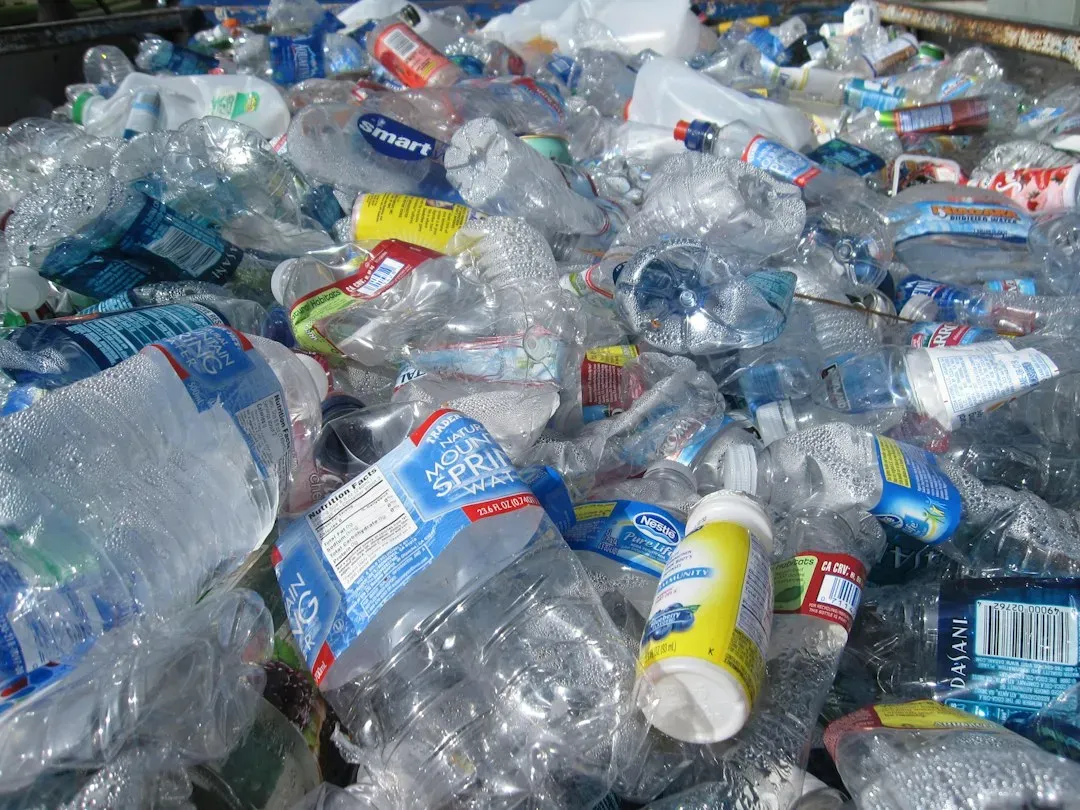
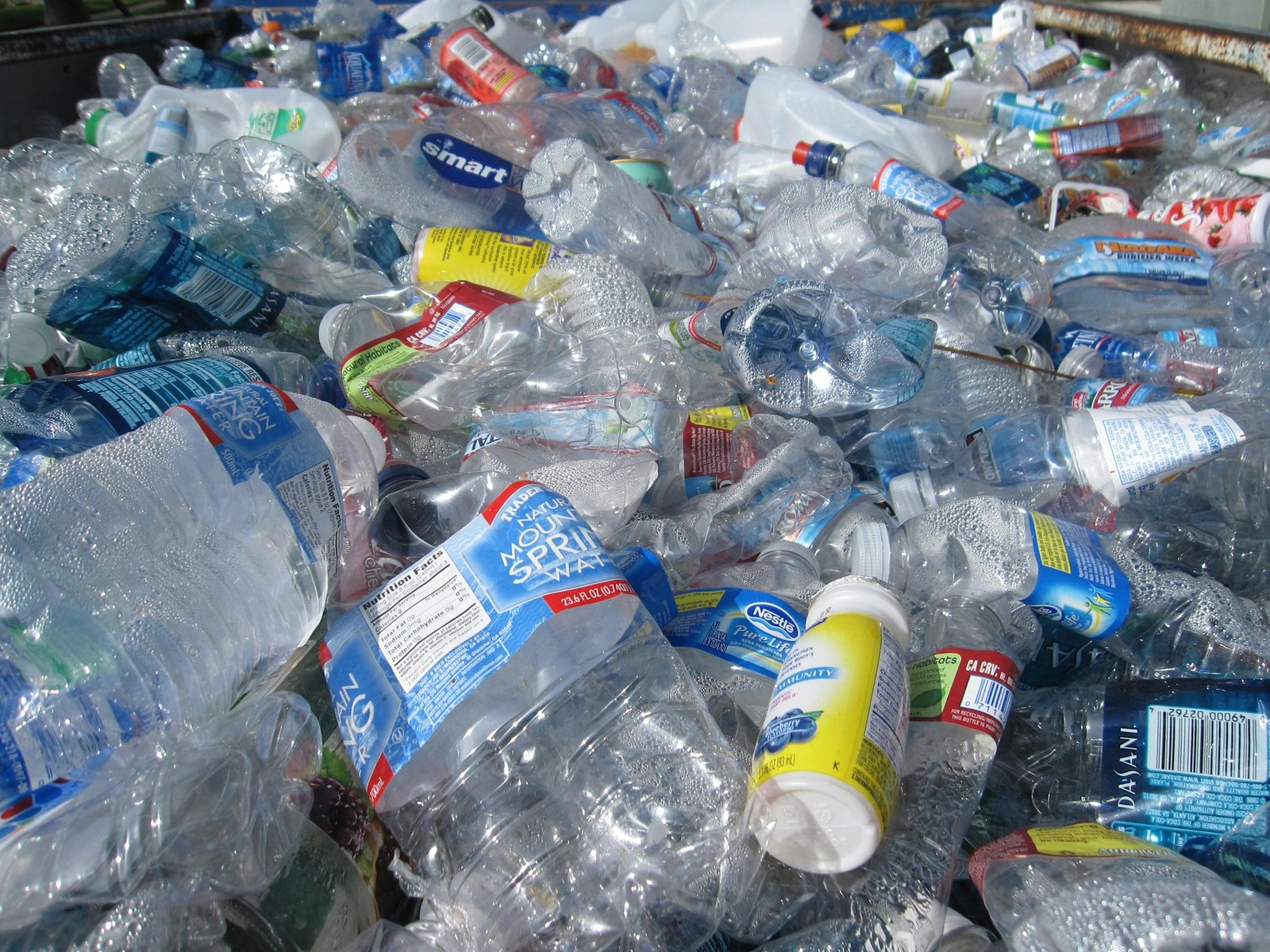
The number circulating widely today traces back to research from The Last Beach Cleanup and Beyond Plastics, whose 2022 report documents a recycling rate of just 5-6% for post-consumer plastic waste in the U.S. for 2021. Around the same time, the Department of Energy also released a research paper, which analyzed data from 2019, and came to the same number: only 5% of plastics are being recycled.
That convergence from two very different sources, one advocacy driven and one federal, is part of why the figure has stuck. It is worth noting that the U.S. plastic recycling rate dropped from 2018’s 8.7% rate when imports to China were still accepted and counted as recycled. In other words, the rate did not fall because Americans got worse at sorting trash. It fell because a major offshore dumping ground disappeared.
Landfills are the largest single destination
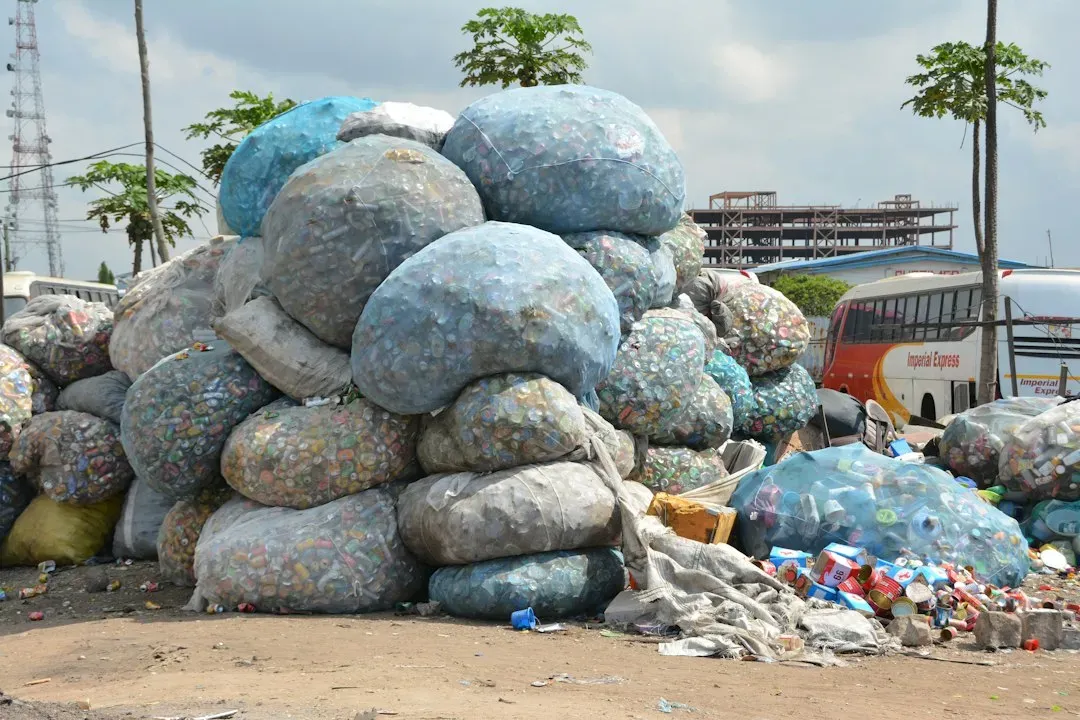
If recycling is the exception, landfilling is the rule. According to research cited by the Guardian, around 85% of plastics end up in landfills, and the remaining 10% are incinerated. That leaves only a sliver for actual mechanical recycling once you account for contamination and processing losses.
Landfilled plastic does not simply sit there and disappear from the story. Researchers analyzing waste trends note that landfilled plastic waste in the United States has been on the rise for many reasons, including “low recycling rates, population growth, consumer preference for single-use plastics, and low disposal fees in certain parts of the country”. Cheap dumping fees in many states make landfilling far more economical than building out recycling infrastructure.
Incineration and waste-to-energy facilities
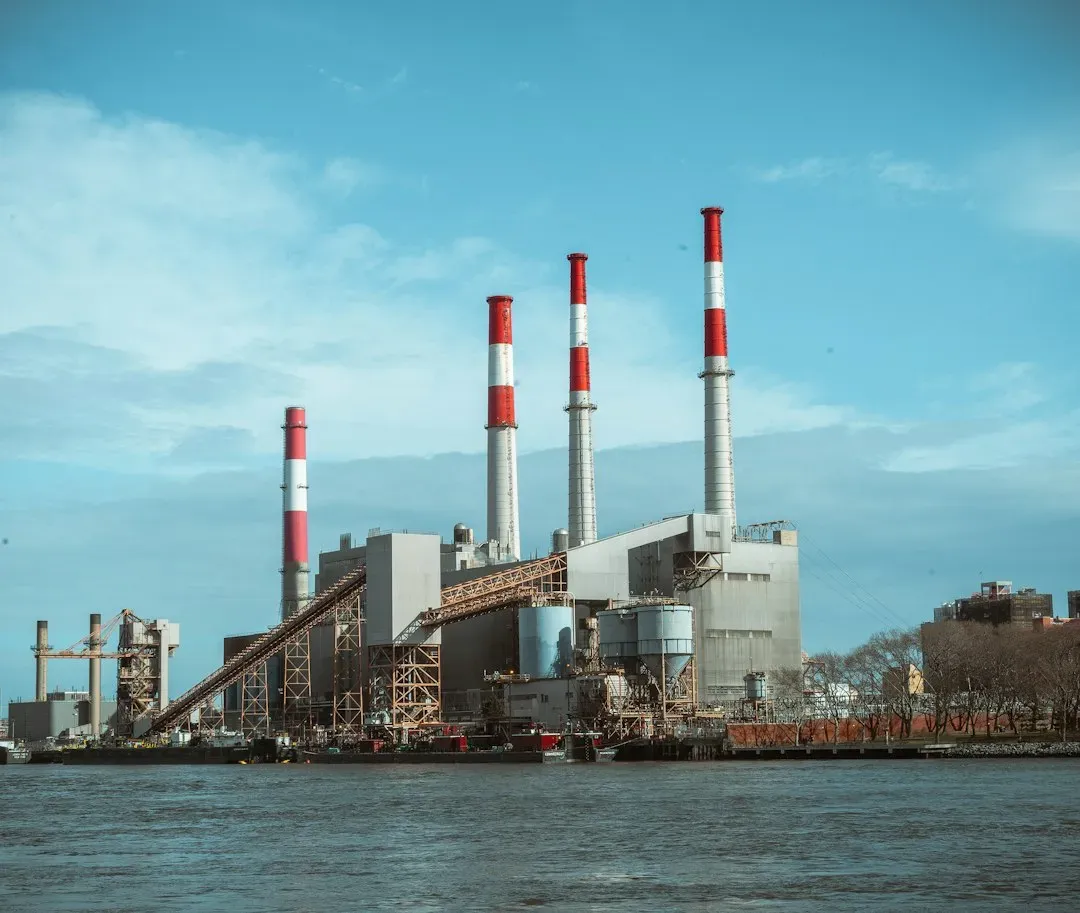
A smaller but still significant share of plastic waste goes up in smoke, quite literally, inside incineration facilities designed to generate electricity or heat from burning trash. High-income countries generally run these plants with modern filtration systems, though even well-controlled incineration produces carbon dioxide and other greenhouse gases that contribute to the climate crisis. The process does not make plastic vanish cleanly either.
What remains after burning is not nothing. Ash residue from incineration is also left as a byproduct from incineration and often ends up in landfills, leaching chemicals into soil and groundwater. So even the plastic that gets “burned away” often completes its journey in the same place as the plastic that was landfilled directly, just with an extra industrial step in between.
The collapse of the export market to China
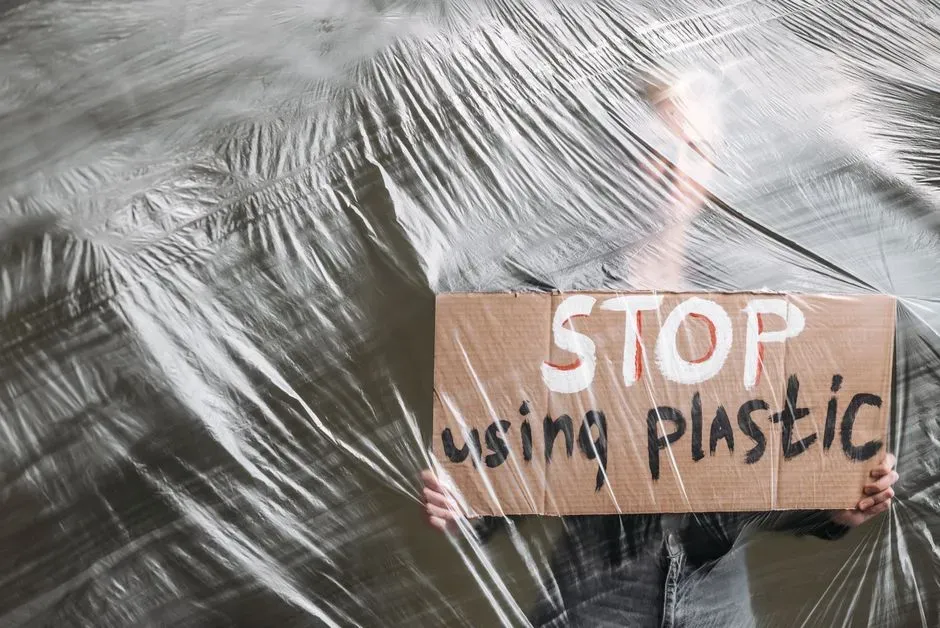
For decades, a huge portion of what Americans thought was being recycled was actually being shipped overseas. Jan Dell, founder of the Last Beach Cleanup, explained that countries such as China used to accept ships full of plastic waste from the US, but without that option, more plastic is ending up thrown away, since few US facilities have the capacity to recycle it. China’s 2017 import ban did not just close one market. It exposed how little domestic recycling capacity the country actually had.
Dell has been blunt about the structural gap this created. She has argued that “the rate of plastic recycling in the US has never been about 4% to 5% ever,” adding “we don’t have factories to do it”. Without buyers abroad willing to take mixed plastic bales, much of that material simply gets redirected to landfills or incinerators at home.
Why so many plastics can’t be recycled in the first place
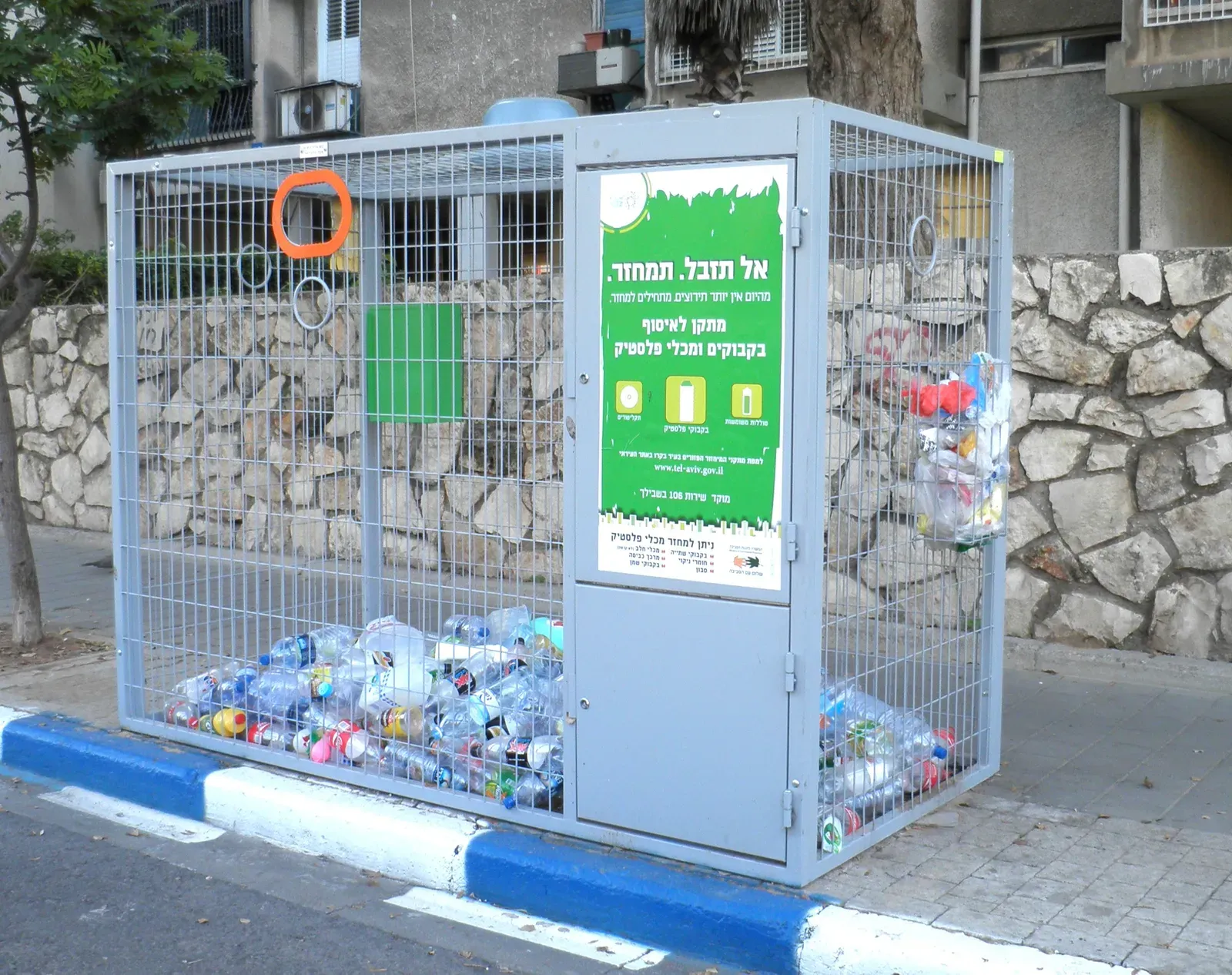
Part of the problem is chemistry, not laziness or apathy. Plastics come in many different resin types, and most curbside programs are only equipped to handle a couple of them efficiently, typically PET and HDPE, the plastics used in bottles and jugs. Everything else, from flexible film to multilayer packaging to certain colored or opaque containers, often gets rejected at the sorting facility even if a household believed it was recyclable.
Even when material is accepted, the process loses a lot along the way. Reporting on the 2022 studies noted that even when plastics are recycled, about a third of the material from a PET plastic bottle is discarded in the process. Analysts point to a mix of causes behind these losses, noting that some plastics cannot be recycled because of their composition, while local infrastructure also prevents some materials from being recycled properly.
Litter, mismanaged waste, and the natural environment
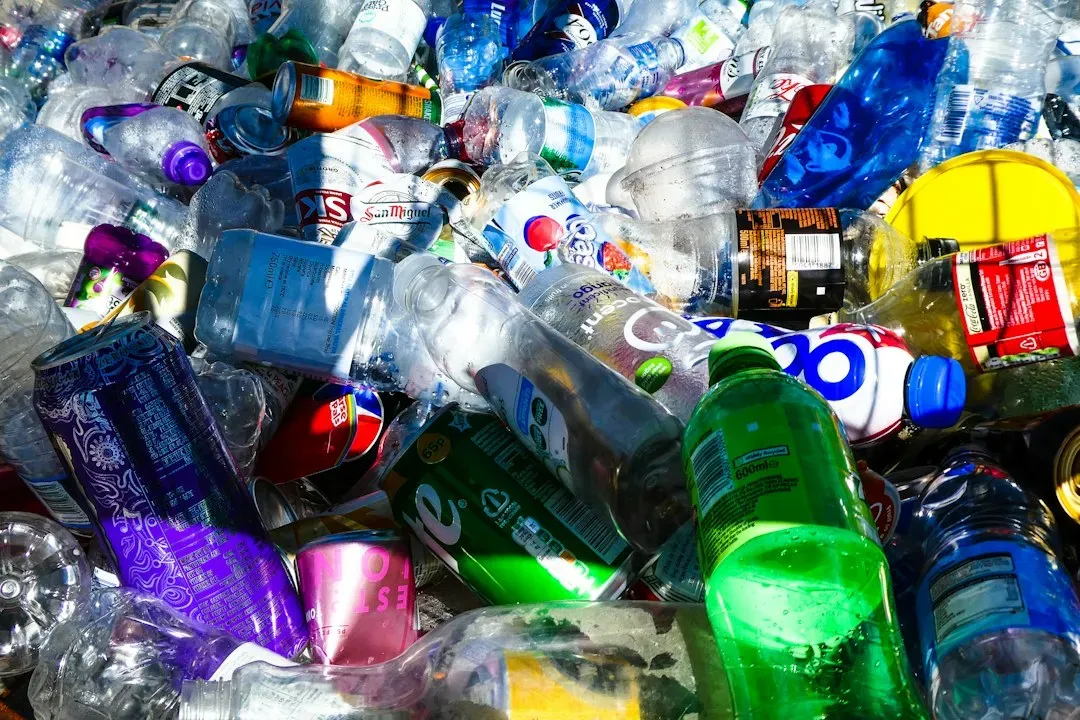
Not all discarded plastic makes it into a landfill or incinerator through an organized collection system. A meaningful share simply escapes into the environment as litter, whether blown from open dumps, washed off streets, or dropped outdoors. Researchers describe this mismanaged category broadly, explaining that it includes plastic that is dumped in seas or open waters, disposed of in unsanitary landfills and dumpsites, or burned in an open pit.
Globally, this is a substantial slice of the plastic waste stream. One widely cited estimate finds that more than 22 percent of all plastic produced worldwide is mismanaged. In the United States, weaker rural collection infrastructure and inconsistent local rules mean pockets of the country contribute disproportionately to this category, even though curbside service is common in most metro areas.
How plastic waste reaches rivers and oceans
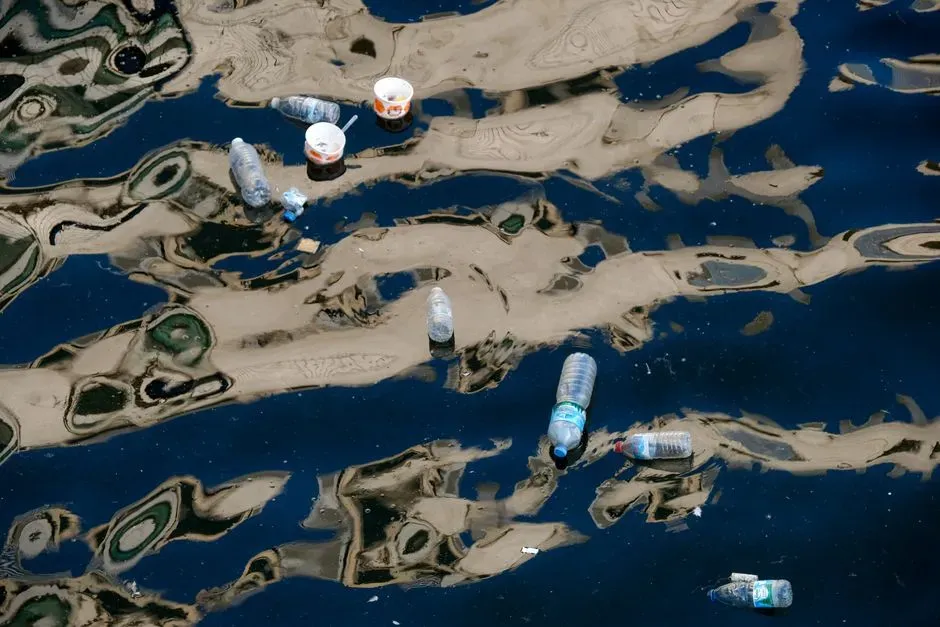
Litter does not stay put. Once plastic debris is exposed to wind and rain, it tends to migrate toward waterways, and from there toward the sea. As one waste industry explainer puts it, plastic litter gets washed or blown away into waterways during heavy winds, rains, and storms, and travels all the way to rivers and eventually to the ocean.
Once plastic reaches marine environments, ocean currents largely determine where it accumulates. Research shows that due to ocean currents, the majority flows into the North Pacific or Indian Ocean, home to whales, manta rays, turtles, and millions of other ocean creatures. Some of that debris is decades old, since some items in the Great Pacific Garbage Patch are estimated to be over 50 years old.
The toll on wildlife and human health
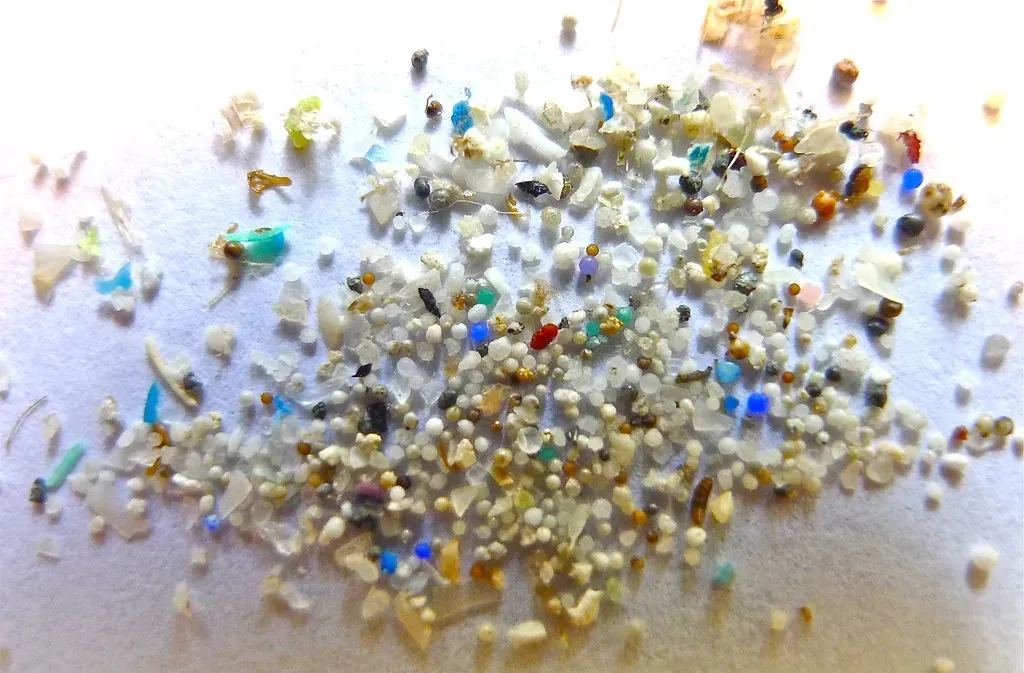
The consequences of plastic accumulating in landfills, waterways, and oceans extend well beyond aesthetics. Marine wildlife faces direct physical harm, with estimates suggesting at least 100,000 marine animals die in this way each year, and around 1 million sea birds. Floating debris also creates unexpected ecological ripple effects, since it can act as “rafts” that invasive species then climb aboard, transporting them to new ecosystems and impacting biodiversity and food webs.
Human health is increasingly part of this conversation too. Patent research summarizing the broader scientific literature notes that microplastics are now detectable across the food chain and human body, and that microplastics are now found in bodies of humans and animals, in food eaten by humans, in drinking water, and the air in and around human settlements, with plastic pollution linked to cancer, infertility, gastrointestinal issues, liver damage, disruption of the endocrine system, and developmental disorders. Scientists caution that the full extent of these health effects is still being studied, but the exposure pathways themselves are no longer in dispute.
Advanced or chemical recycling, hype versus reality
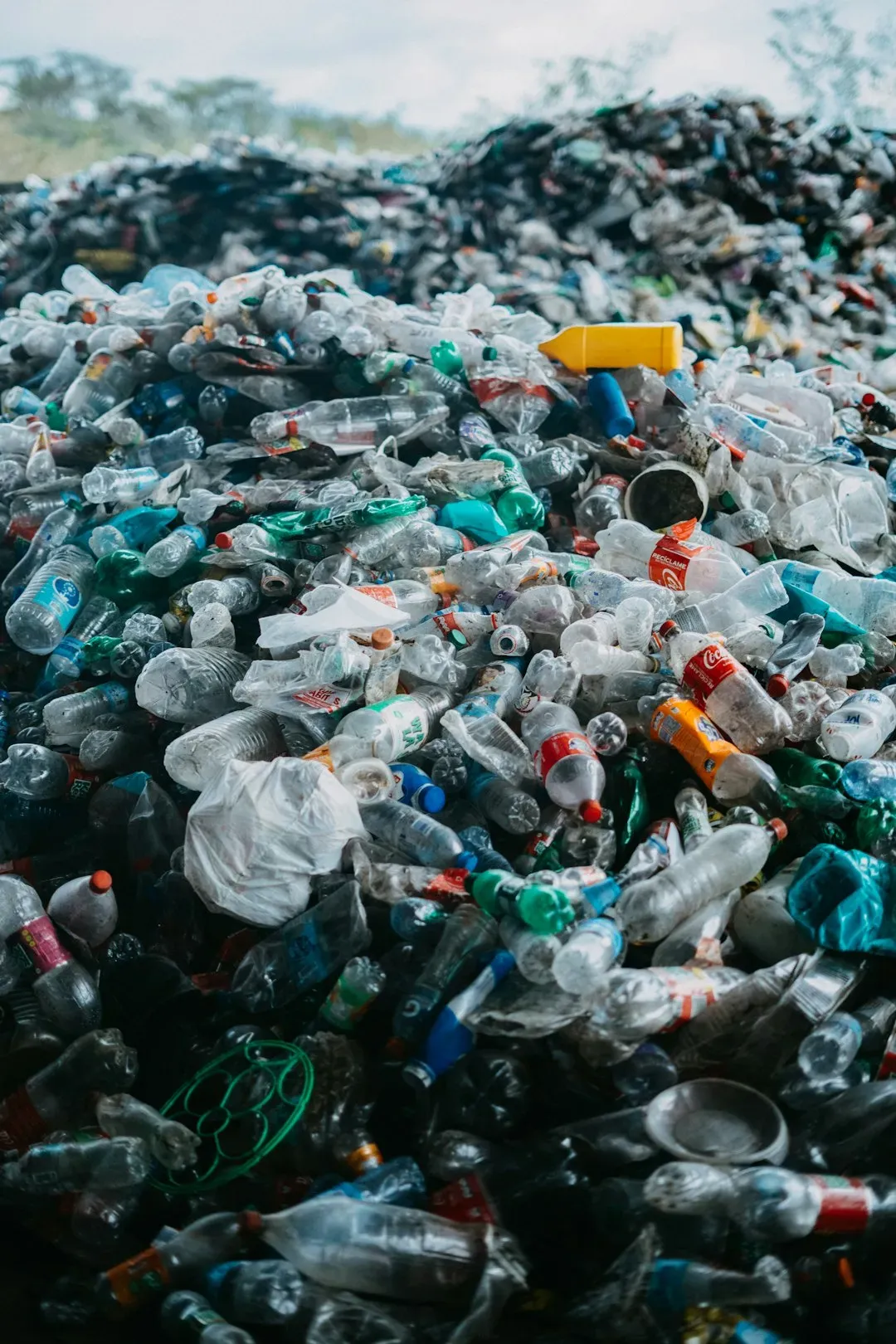
In recent years, the plastics industry has promoted “advanced” or “chemical” recycling as a technological fix for the limitations of traditional mechanical recycling. These processes use heat or solvents to break plastic down to a molecular level, theoretically allowing even hard-to-recycle plastics to be remade into new material. Proponents argue this could unlock plastic types that curbside programs currently reject outright.
So far, capacity for these technologies remains tiny compared to the scale of plastic waste generated each year, and independent environmental groups have raised concerns about energy use, emissions, and whether some of these facilities function more like incineration than true recycling. Meanwhile, there is unused capacity in the conventional system too. A 2025 industry study found that mechanical recyclers in the U.S. and Canada have significant unused processing capacity, with reclaimers able to process nearly 2 billion more pounds of plastic annually if more material were collected from homes and businesses. That gap suggests the bottleneck is less about technology and more about collection, sorting, and market demand for recycled resin.
Policy shifts reshaping the system in 2024 through 2026
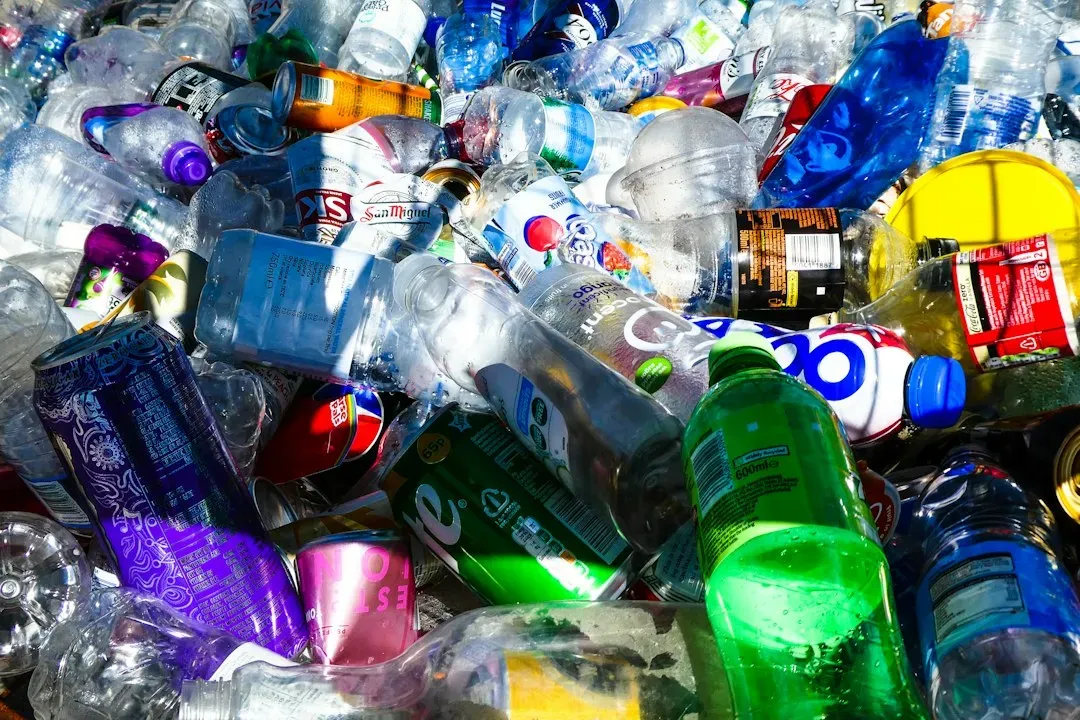
State-level policy has become the main engine of change since Washington has largely stayed on the sidelines. Extended producer responsibility laws, which require companies that make plastic packaging to help fund its collection and recycling, have expanded in states like California, Colorado, and Oregon. California’s SB 54 law is a notable example, calling for an overall reduction of such packaging, along with requirements to make covered materials recyclable or compostable by 2032.
These laws represent a meaningful departure from decades of relying on voluntary consumer behavior and municipal budgets alone. Still, waste industry coverage in 2025 noted that broad participation numbers can be misleading, since survey figures showing high participation are up from 66% reported in the company’s 2024 survey, yet the report notes only about 32% of material is recycled in the United States once actual processing outcomes are measured rather than just curbside pickup rates. The gap between putting something in a bin and that material actually becoming new material remains the central challenge these policies are trying to close.
Final thoughts
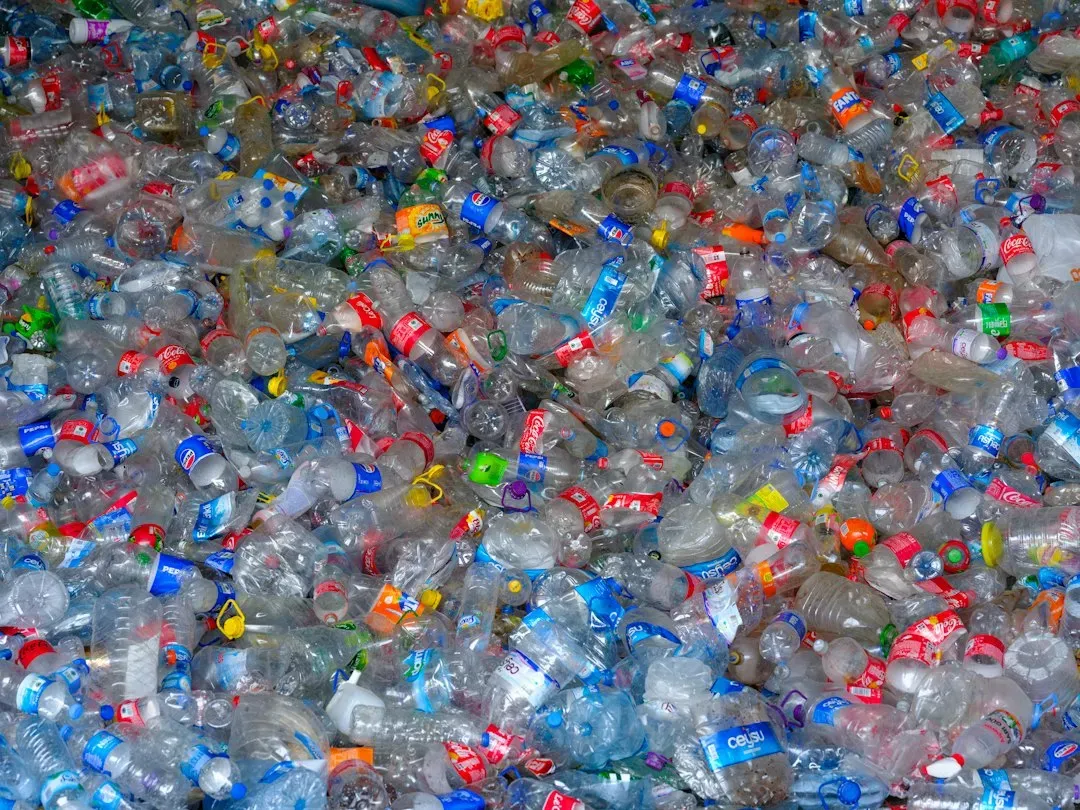
The plastic recycling system Americans were promised decades ago never fully materialized, and the 5 percent figure is the clearest evidence of that gap between intention and outcome. Landfills, incinerators, and the natural environment absorb the overwhelming majority of what gets thrown away, regardless of which bin it started in.
Newer state laws and unused mechanical recycling capacity offer some reason to think the numbers could improve modestly in the coming years. Whether that happens will depend less on individual sorting habits and more on whether companies are required to design packaging that can actually be processed at scale.

- Blue whales vanish from the Galápagos, and scientists suspect El Niño - November 11, 2026
- 8 Famous Battles That Were Decided by the Weather - November 11, 2026
- Black Sunday 1935: 9 Photos From the Worst Dust Storm of the Dust Bowl Era - November 11, 2026
