


- VR tool shows how rising seas could flood Fort Lauderdale - November 12, 2026
- NASA invites students to design a moon base in $1 million challenge - November 11, 2026
- Why Some People Can Feel a Storm in Their Joints, According to Experts - November 11, 2026
Most solar system diagrams lie to you. They squeeze the planets into a tidy row, make them look like neighbors, and hide the one fact that matters most, which is how much empty space sits between them.
A basketball can fix that. Shrink the Sun to the size of a regulation men’s ball, about 24 centimeters across, and every other number falls into place. The results are stranger than the usual poster.
Setting the Scale
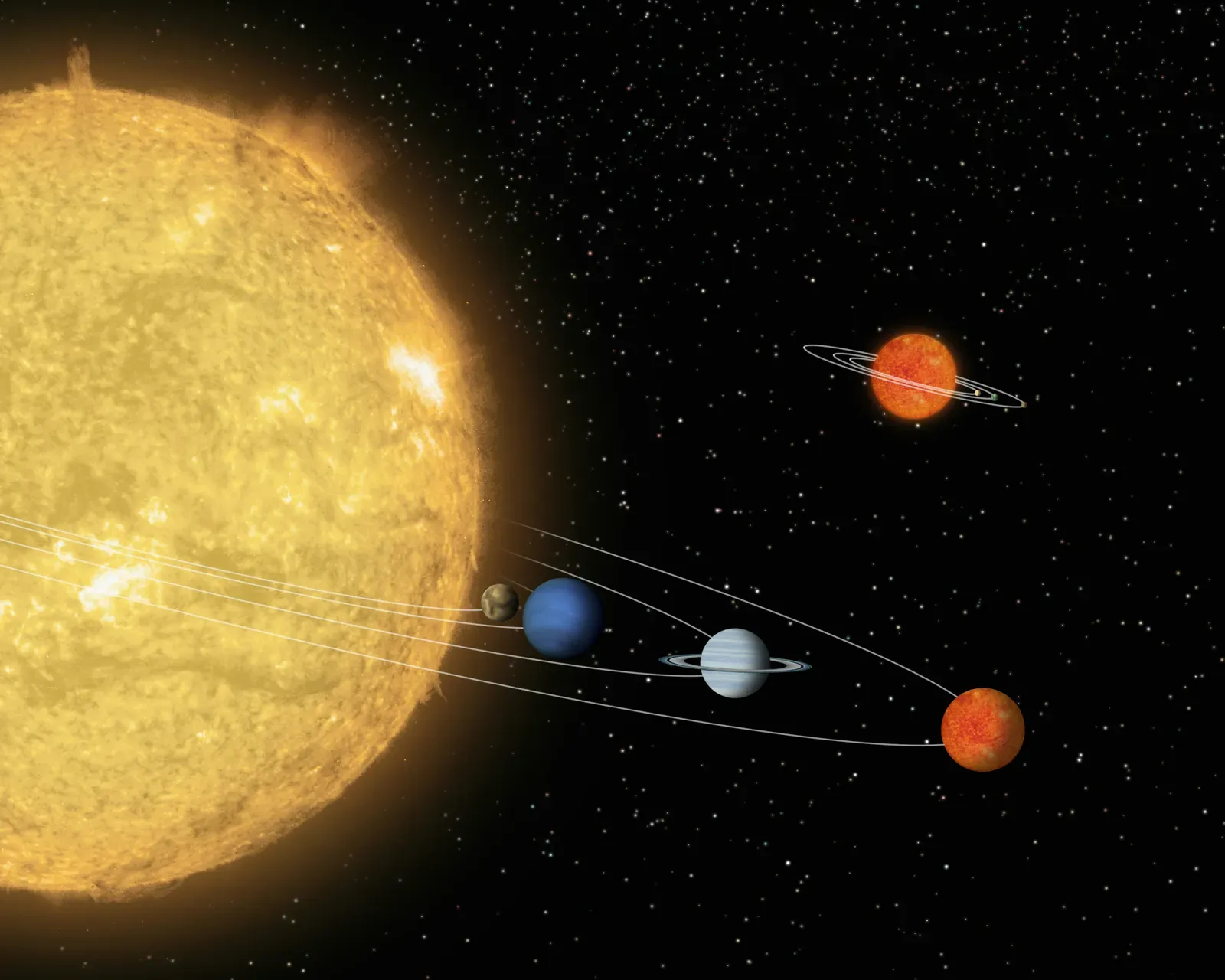
The Sun is roughly 1.39 million kilometers wide. A standard size seven basketball measures close to 24 centimeters across, so the shrink factor works out to about one to 5.8 billion. Every distance and every planet in this article uses that same ratio.
Using one ratio matters, because most models cheat. They enlarge the planets so you can see them, then crowd the orbits to fit on a page. Here nothing gets enlarged and nothing gets squeezed, so the proportions stay honest.
The Sun at Center Court
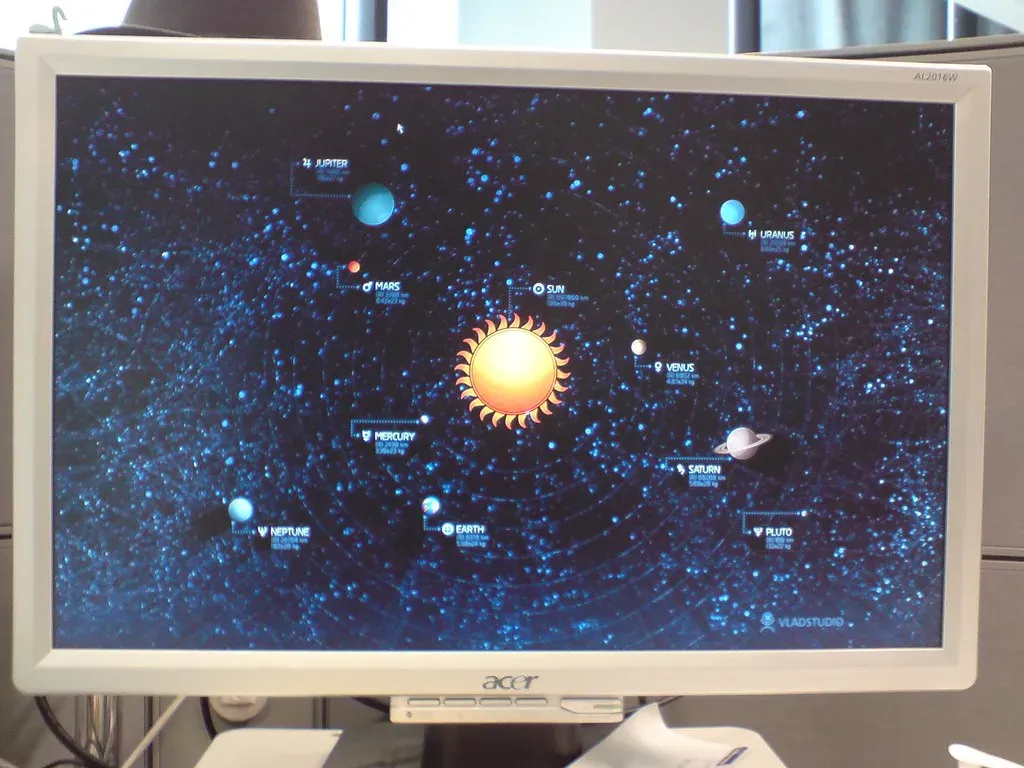
Put the basketball down on a driveway or a field. It would hold up fine as a Sun, since the real thing is so large that about 1.3 million Earths could fit inside it. In our model, that volume is packed into something you could carry under one arm.
The Sun also holds the vast majority of all the mass in the solar system. Everything else, planets, moons, asteroids and comets, is a small leftover. That’s why the whole system orbits it.
Earth Is a Grain of Sand
On this scale, Earth shrinks to about two millimeters across. That’s roughly the size of a peppercorn or a small bead. Our entire planet, with its oceans, mountains and billions of people, becomes something you could lose in a carpet.
The distance is just as surprising. Earth sits about 150 million kilometers from the Sun, a distance astronomers call one astronomical unit. In the model that comes to roughly 26 meters, or about 84 feet, which is a little less than the length of a basketball court plus a few strides.
The Moon Is Only a Few Centimeters Away
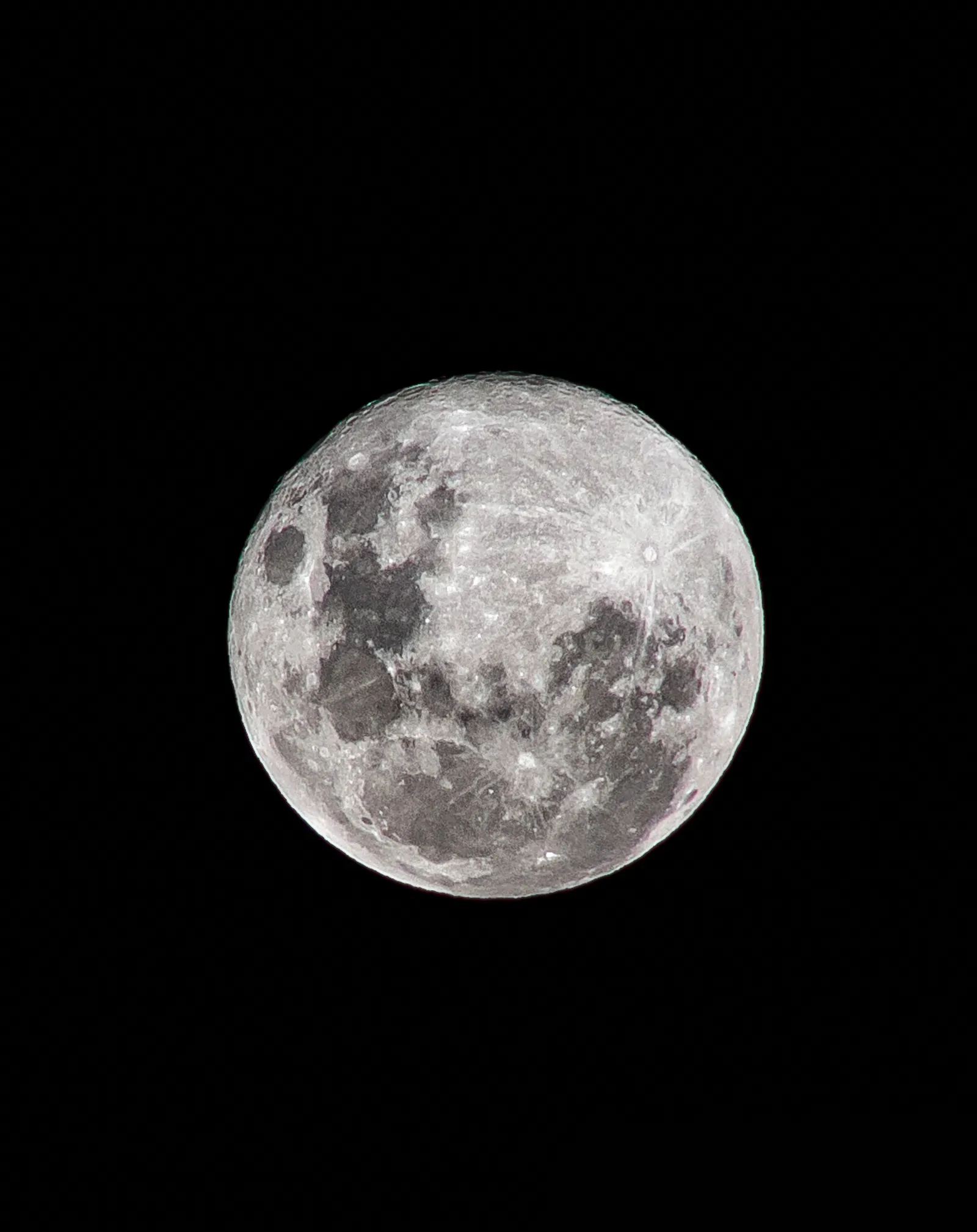
Earth’s Moon becomes a speck about six tenths of a millimeter wide. It would sit around six or seven centimeters from the Earth bead, close enough that you could cover both with a thumb. Real Earth and Moon are about 384,000 kilometers apart.
That tiny gap is the farthest humans have ever traveled from home. The Apollo astronauts crossed it, and the whole trip fits in the space between two fingers. Everything beyond it, in this model, is a very long walk.
The Inner Planets Along the Sidewalk
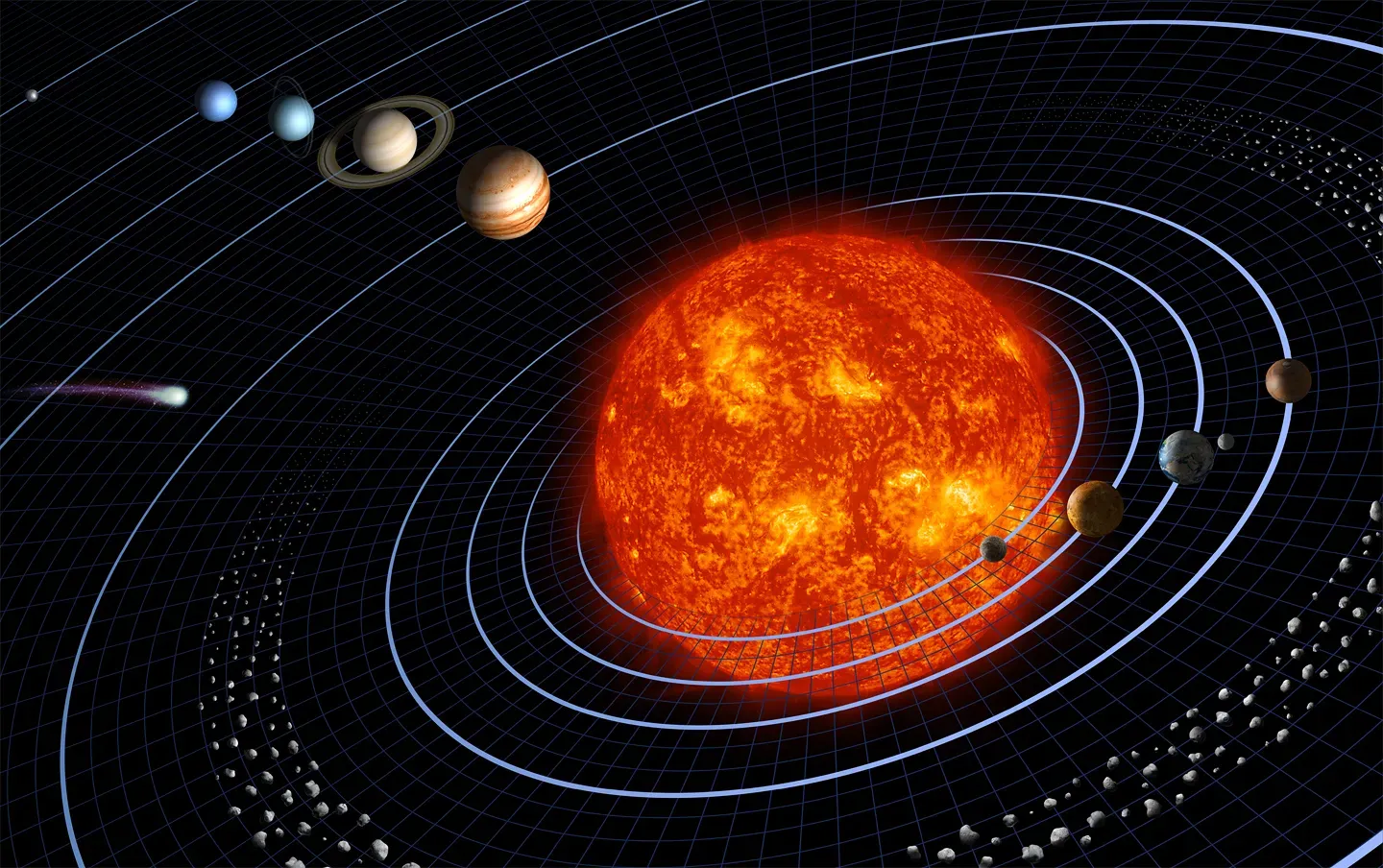
Mercury, the smallest planet, would be under a millimeter wide and sit about ten meters from the ball. Venus, almost Earth’s twin in size, would be a two millimeter bead about 19 meters away. Mars, at about one millimeter, would sit near 39 meters out.
Together those four rocky worlds fit within roughly the length of half a football field. They look crowded compared with what comes next. The jump to the outer planets is where the model starts to feel like a real journey.
Jupiter and Saturn, the Giants
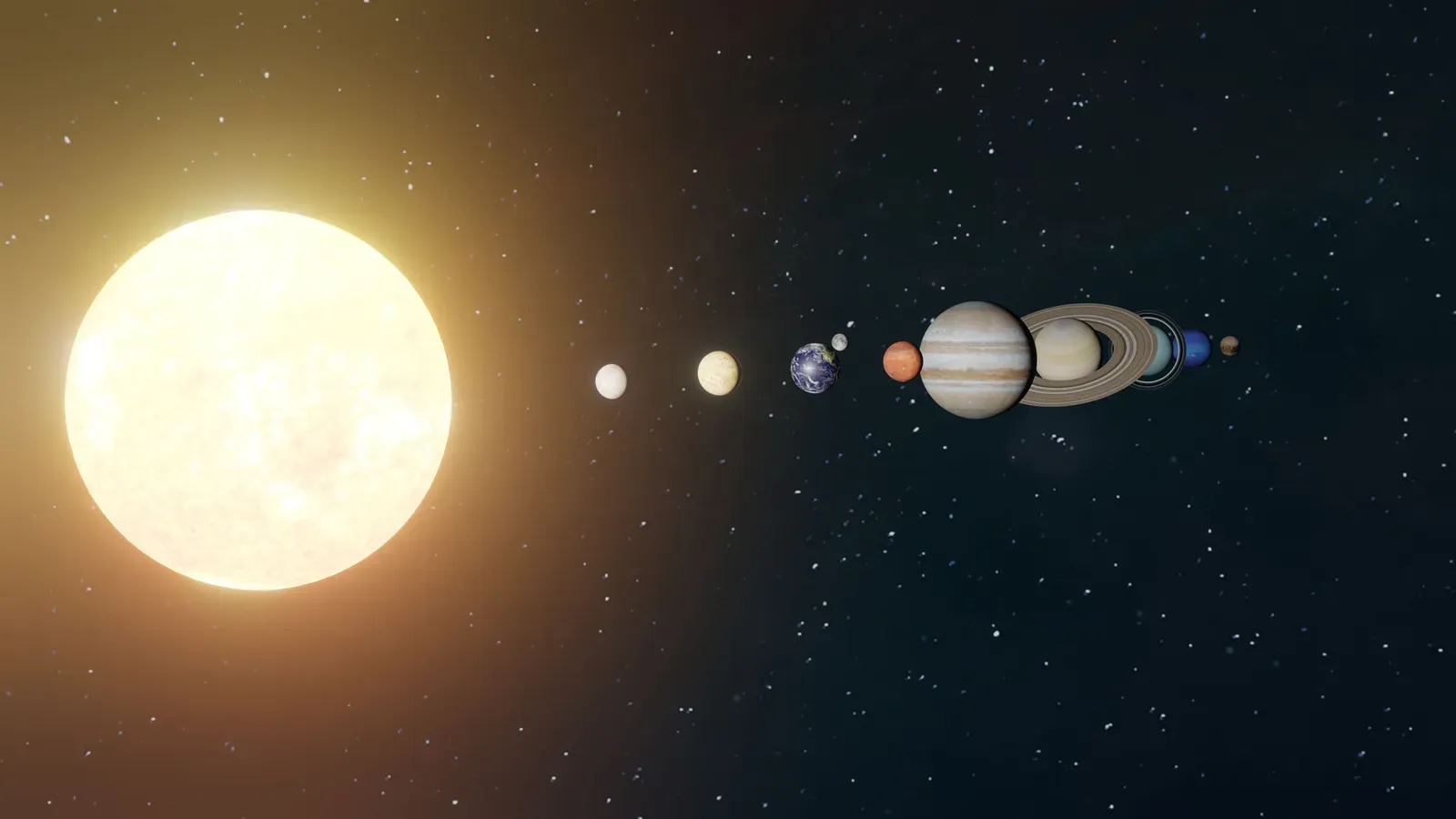
Jupiter is the largest planet, and here it would be about 2.4 centimeters wide, roughly the size of a large marble or a grape. It would sit around 134 meters from the basketball. All the other planets combined would still be smaller in mass than this one.
Saturn would be a little smaller, close to two centimeters wide, about 245 meters away. Its rings would stretch across nearly five centimeters in the model, though they’re extremely thin. A walk to Saturn covers more than two football fields.
Uranus and Neptune in the Dark
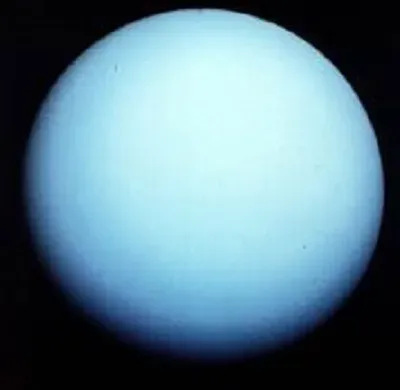
Uranus and Neptune are both about four times wider than Earth. In the model, that makes each one a bead under a centimeter across. Uranus would be around 490 meters from the Sun, and Neptune about 770 meters, closing in on a kilometer.
The Sun’s light is much weaker out there, and a year on Neptune lasts about 165 Earth years. Walking to it at a normal pace would take roughly ten minutes. Meanwhile, the basketball at the starting point would be too distant to see clearly.
Pluto and the Edge of the Planets
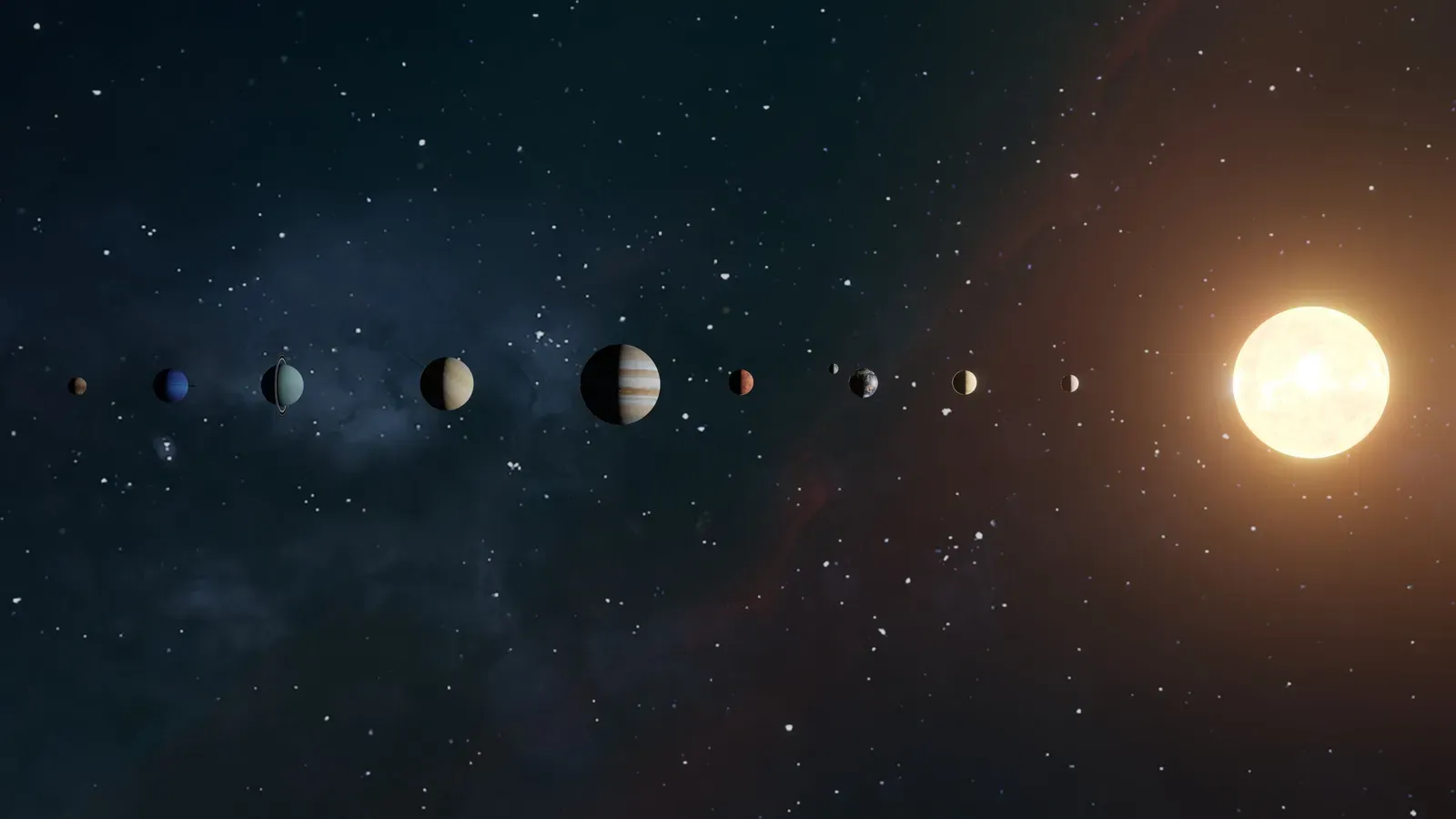
Pluto, now classed as a dwarf planet, would be a speck about four tenths of a millimeter wide. It averages about 39 times Earth’s distance from the Sun, so it would sit about one kilometer from the basketball. Its orbit is tilted and stretched, so its distance changes a lot over its 248 year trip around the Sun.
NASA’s New Horizons spacecraft flew past Pluto in 2015. It had launched in 2006, and the flight took more than nine years. On our model’s scale, that’s a mission that needed almost a decade to cross a stroll of one kilometer.
Voyager and the Nearest Star
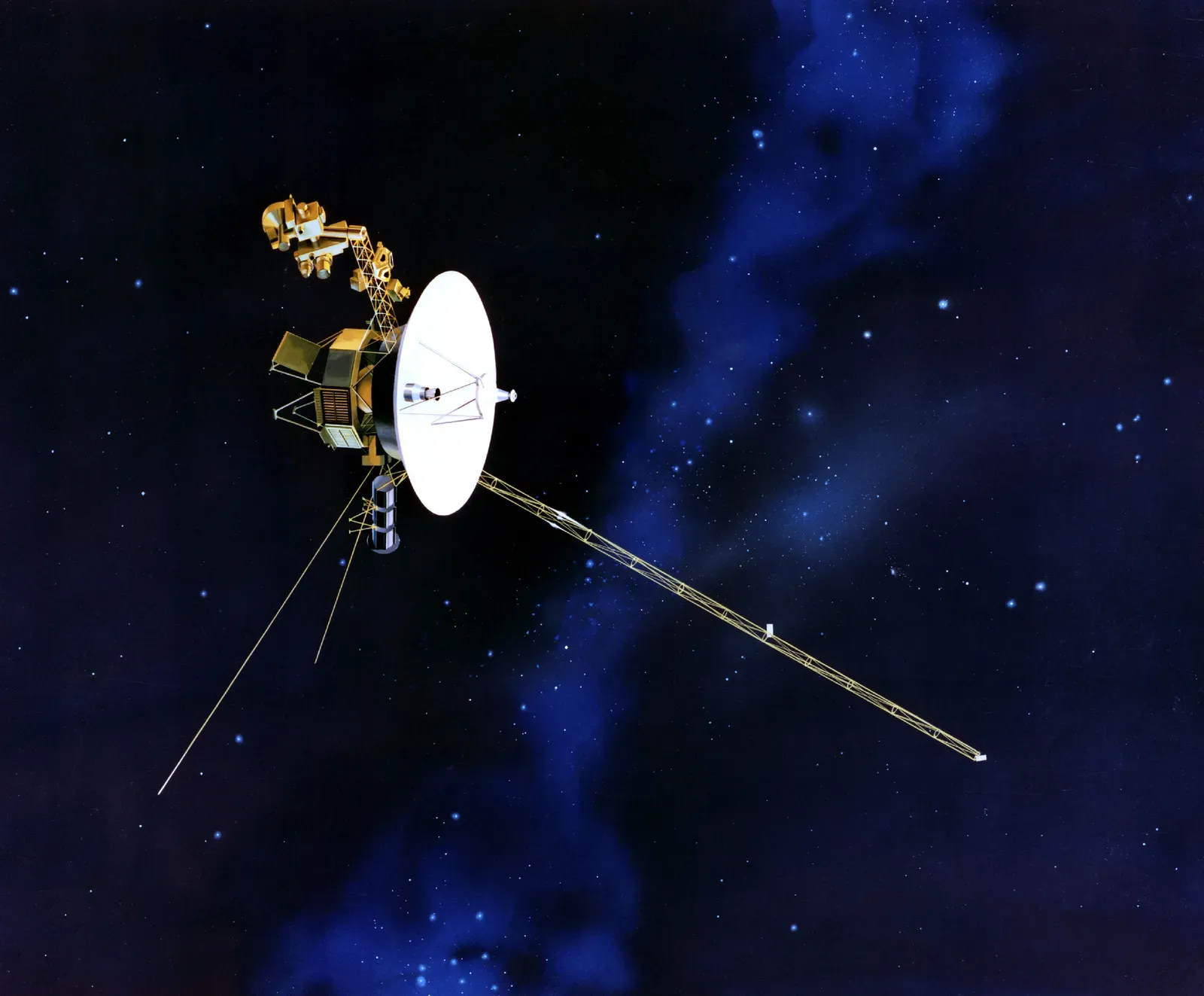
Voyager 1, launched in 1977, is the most distant human made object. NASA has said it is expected to reach a distance of one light day from Earth around late 2026. In the model, that’s roughly four kilometers from the basketball, and it is the spacecraft still traveling after almost fifty years.
The nearest star, Proxima Centauri, is about 4.2 light years away. On this scale it would be about 6,900 kilometers from the basketball, a distance similar to flying from New York to Rome. Between the Sun and its closest neighbor, there is almost nothing at all.
