

- NASA invites students to design a moon base in $1 million challenge - November 11, 2026
- Why Some People Can Feel a Storm in Their Joints, According to Experts - November 11, 2026
- 7 Foods That Taste Better on a Rainy Day, According to Chefs - November 11, 2026
Most winter drivers have felt it at least once. The road looks wet, maybe a little shiny, and then the steering goes light and the car drifts as if the tires have lost their grip on the world. Black ice rarely announces itself.
Bridges and overpasses are where it tends to show up first. Understanding the physics behind that, and learning a few visual and sensory cues, can change how you approach cold mornings.
What Black Ice Actually Is
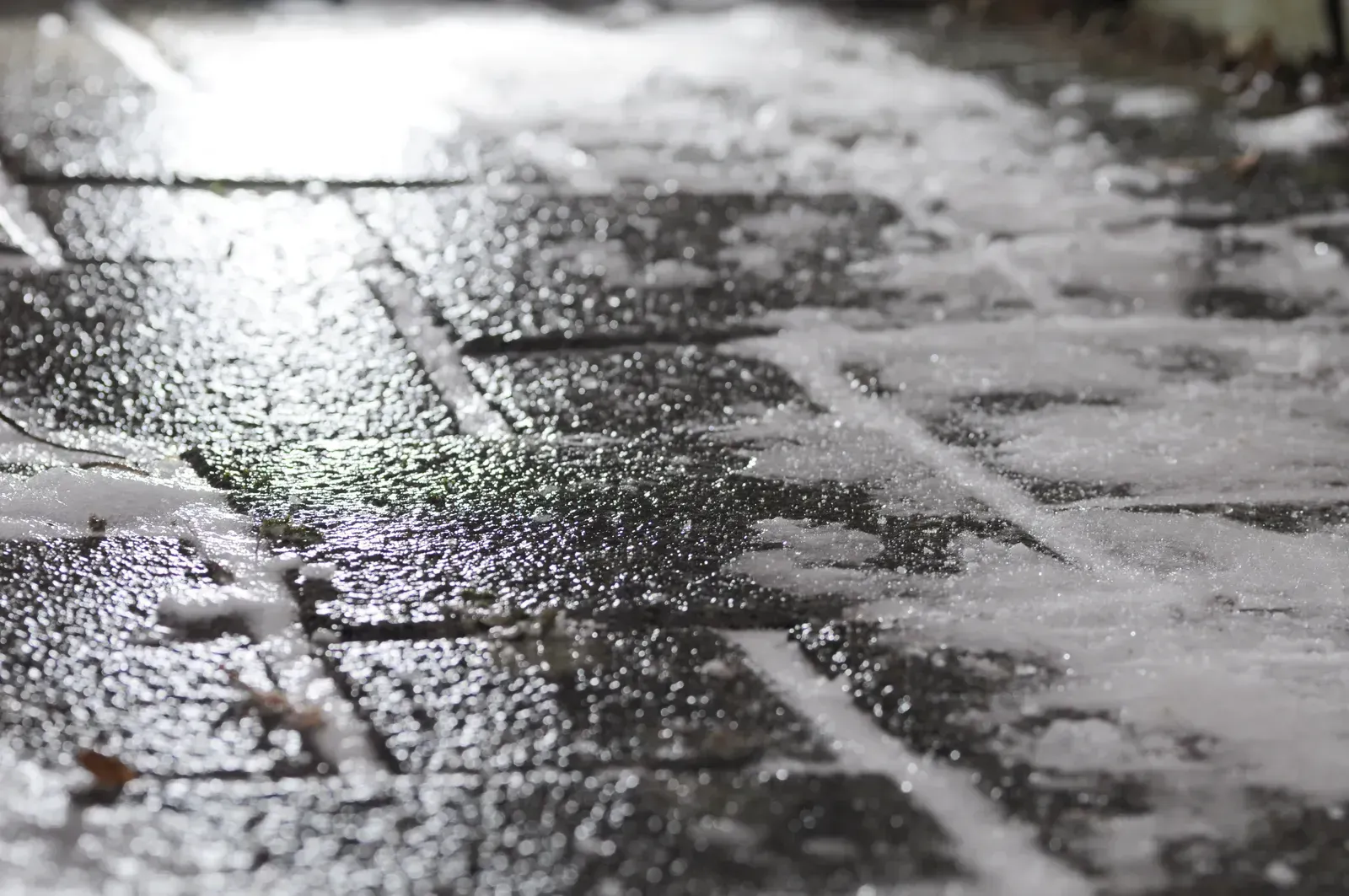
Black ice is a thin, mostly transparent layer of ice that forms on pavement. It’s called “black” only because the dark asphalt shows through it, so the surface looks merely wet. It isn’t a different kind of ice, just ice that’s hard to see.
It typically forms when light rain, drizzle, fog, or melted snow lands on or refreezes on a cold surface. Because the layer is so thin, it can be almost invisible until your tires are already on it. That’s why transportation agencies treat it as one of the trickiest winter hazards.
Why Bridges Freeze Before Regular Roads
A normal road sits on the ground, and the earth underneath holds heat. Even in cold weather, soil releases stored warmth slowly, which keeps pavement a bit warmer than the air for a while. A bridge deck has no such cushion.
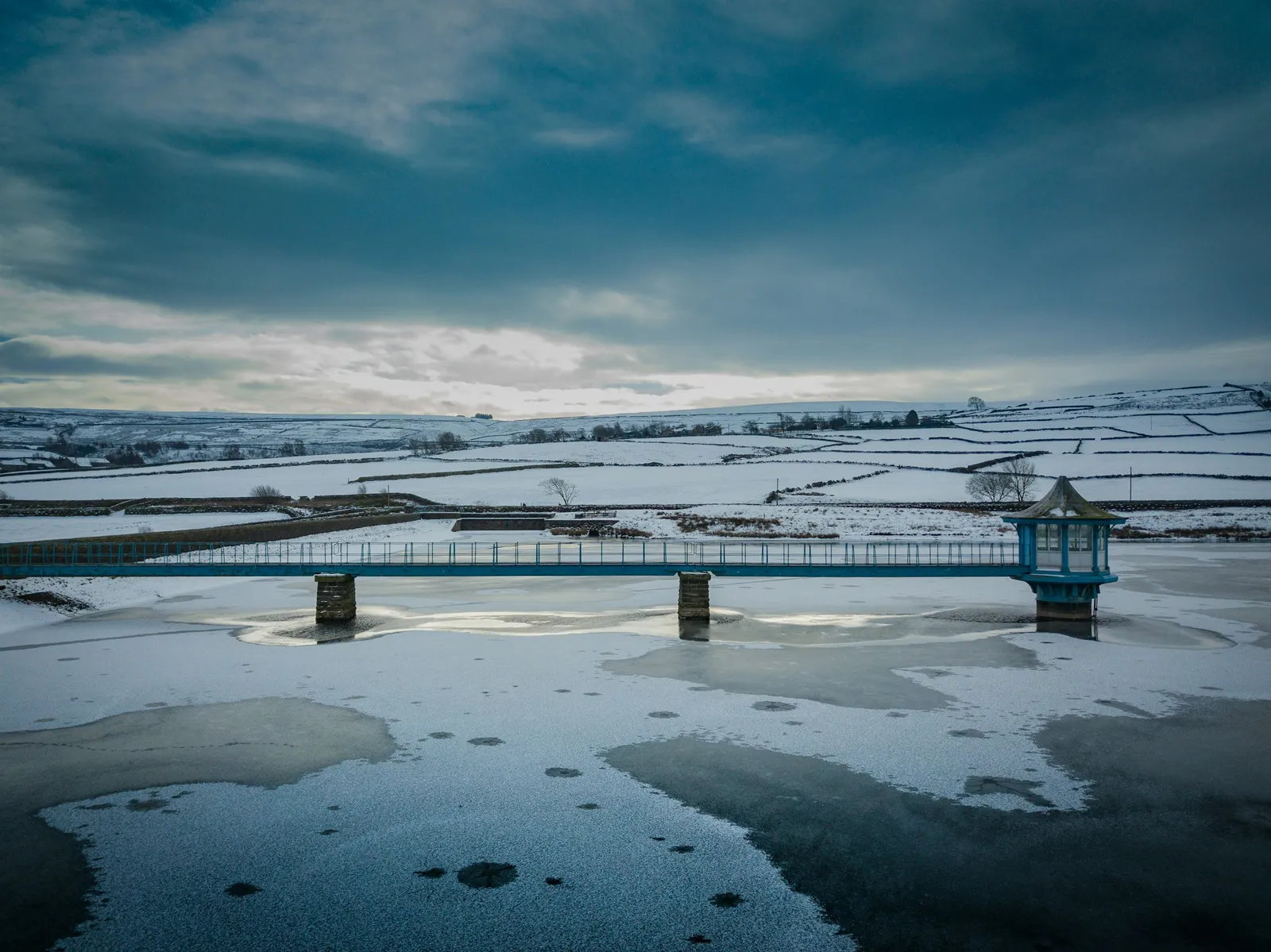
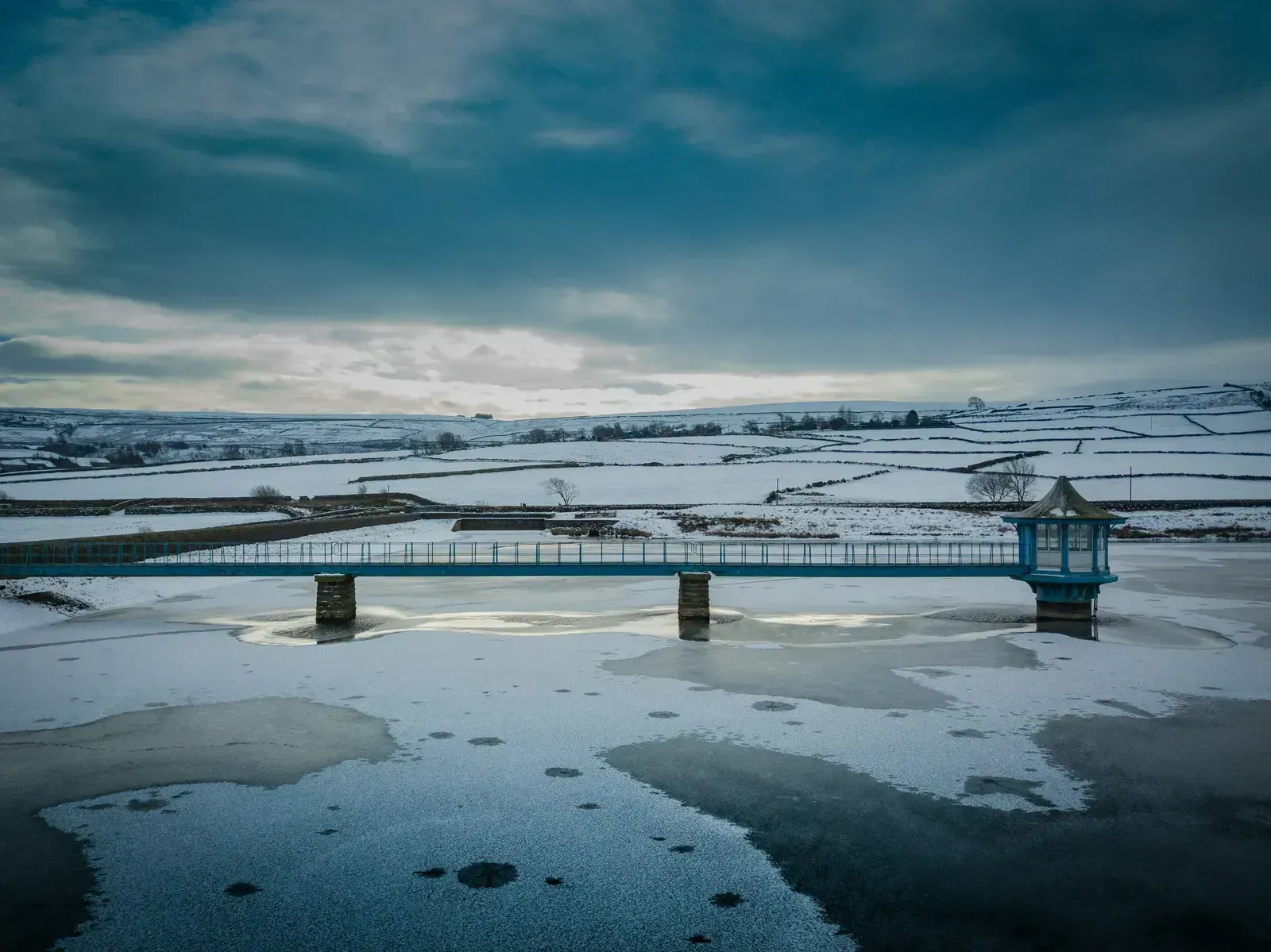
Cold air flows over the top of the deck and also underneath it, so the structure loses heat from both sides. Its surface temperature drops faster and can fall below freezing while the roads leading to it are still just damp. This is why many highway agencies post signs warning that the bridge may ice before the road does.
The Role of Materials and Design
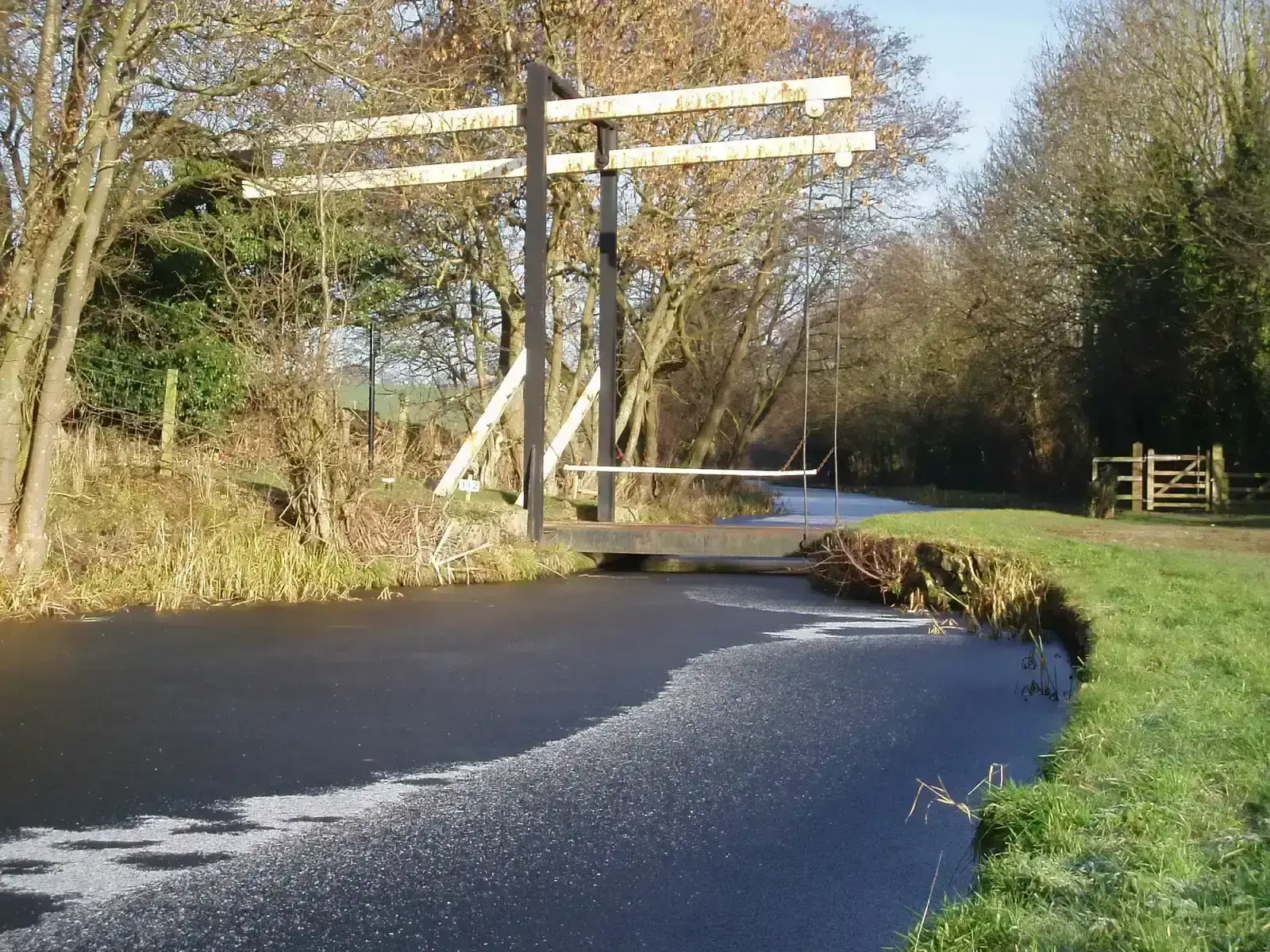
Concrete and steel conduct heat quickly, and they don’t store much of it compared with soil. Once the air temperature drops, a bridge deck follows it closely. Ground level pavement changes temperature more slowly, so it can lag behind by hours.
Overpasses and elevated ramps behave the same way. Wind makes it worse, since moving air strips heat from exposed decks even faster. A bridge over a river or valley may also sit in damp air, which adds moisture that can turn to frost or ice.
The Weather Conditions That Set the Stage
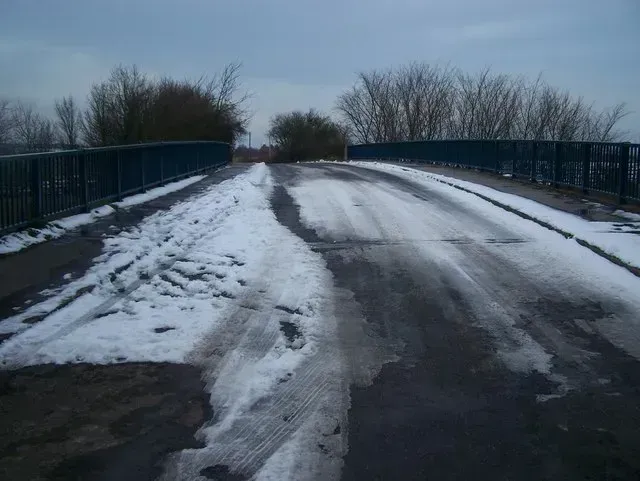
Black ice is most likely when air temperatures hover near freezing, roughly around the freezing point of water. That might sound mild, yet it’s a dangerous range because melting and refreezing happen back and forth. Early mornings and the hours after sunset are common trouble times.
Freezing fog and light drizzle can coat a surface without leaving obvious puddles. Meltwater from daytime sun can also run across a road and freeze once the evening chill sets in. A clear, calm night can cool pavement even below the air temperature, which is worth remembering when your dashboard reads a few degrees above freezing.
Visual Clues That Point to Ice
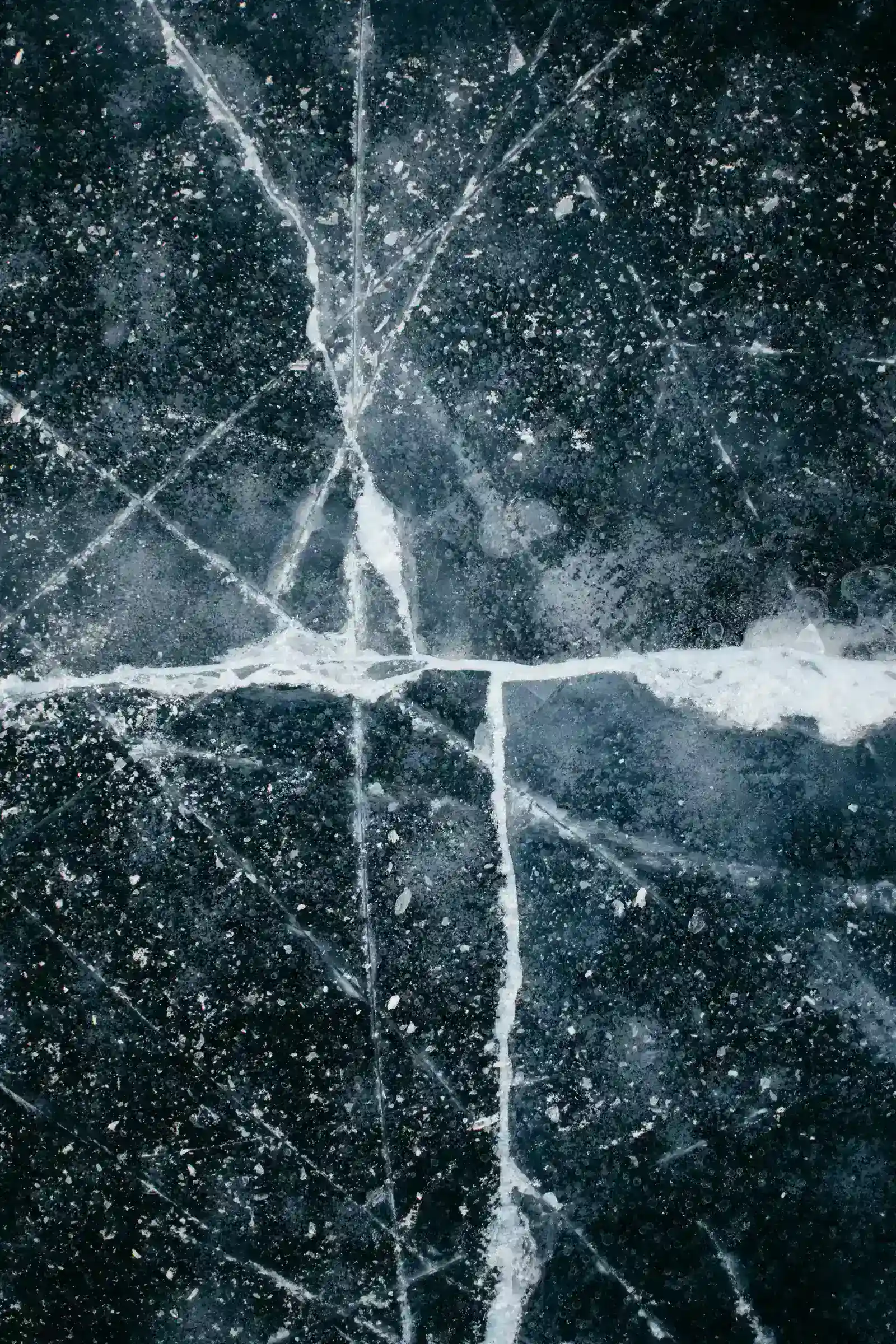
Look for pavement that appears glossy or darker and smoother than the road around it. If other parts of the surface look dull or textured, a shiny patch deserves suspicion. Shaded areas, such as under trees, tunnels, or overpasses, are common spots for ice to linger.
Watch the vehicles ahead as well. If their brake lights flicker oddly or the cars wobble slightly, the surface may be slick. Ice on mirrors, wipers, or the roadside rail is another hint that the pavement may be just as cold.
Clues You Can Hear and Feel
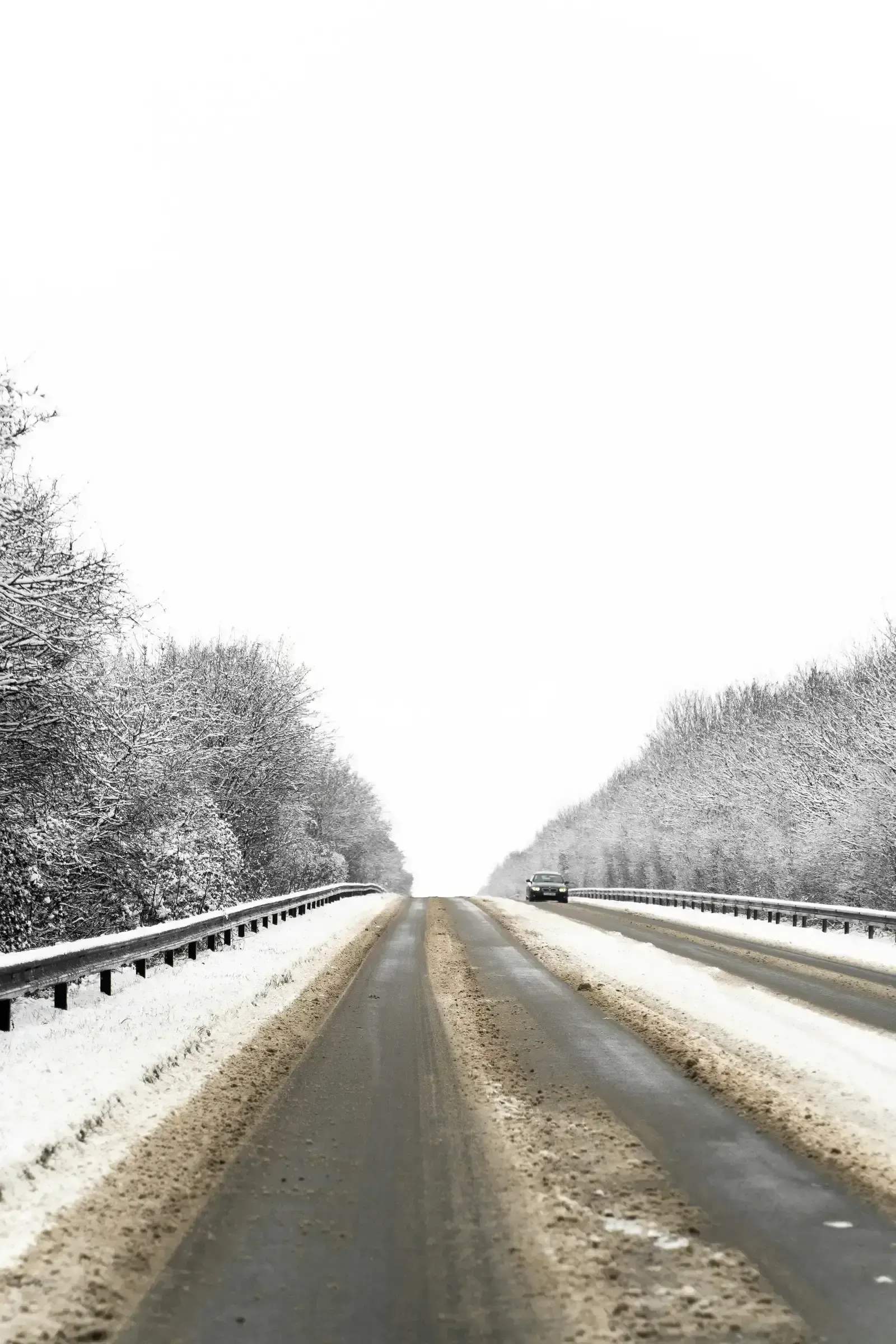
Tire noise often changes before you see anything. A road that suddenly goes quiet can mean a thin film of ice is smoothing the contact between rubber and pavement. The steering may also feel unusually light or loose.
Check the outside temperature reading, but treat it as a rough guide. The sensor sits in the car, not on the bridge deck, so the deck can be colder than the number shows. Some vehicles flash an ice warning at around a few degrees above freezing, which is a sensible prompt to slow down.
How to Drive Across a Suspected Icy Patch
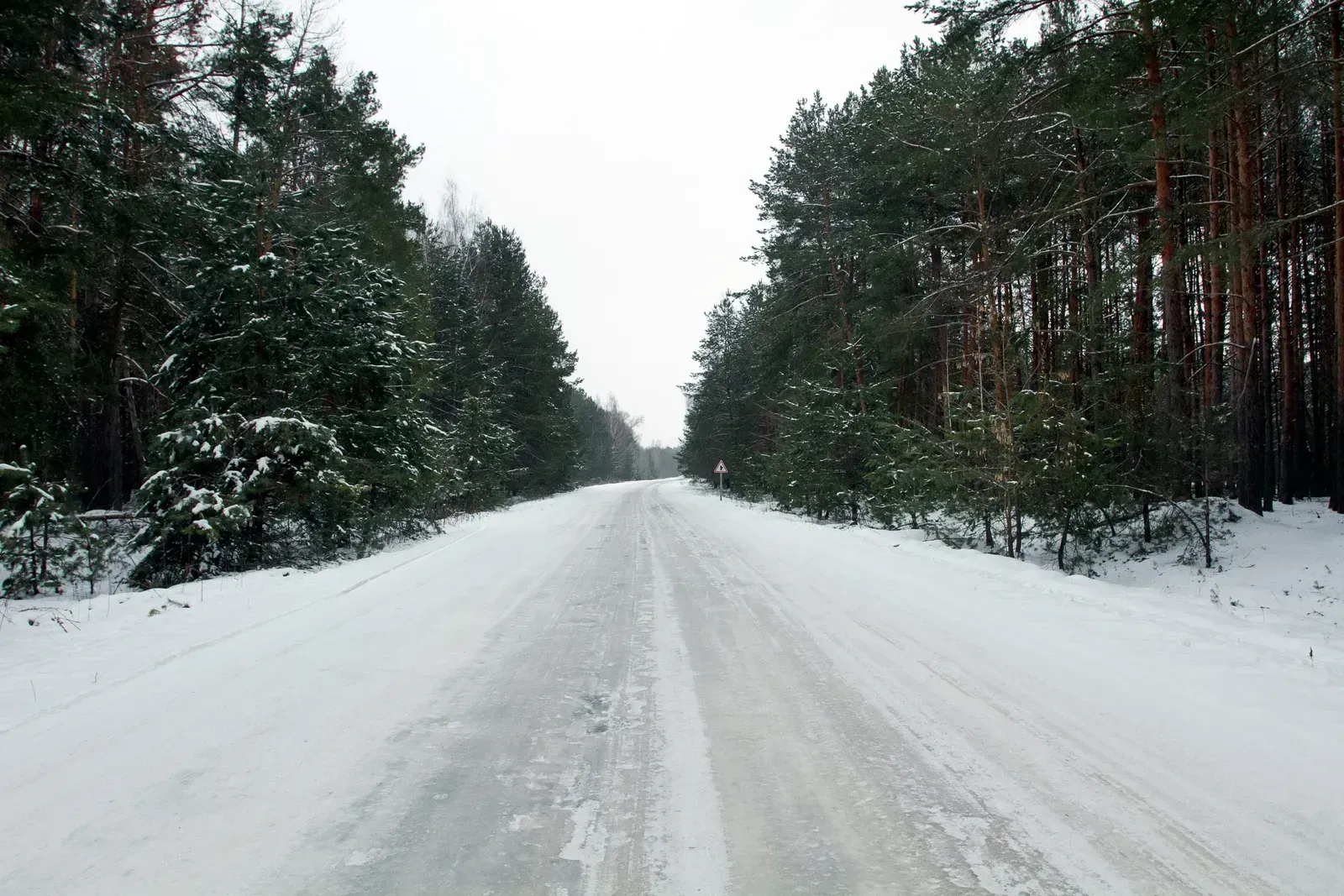
Slow down early, before you reach the bridge, because braking on the ice itself is the move that often starts a skid. Keep your hands steady and make small, smooth inputs on the wheel and pedals. Avoid sudden steering, hard acceleration, and cruise control, which can react poorly on slick surfaces.
If you do start to slide, ease off the accelerator and look and steer gently toward where you want the car to go. In a car with anti-lock brakes, press the brake firmly if you must, rather than pumping it. Leaving a much larger gap behind the vehicle ahead gives you room to correct without panic.
Preparing Your Car and Your Trip
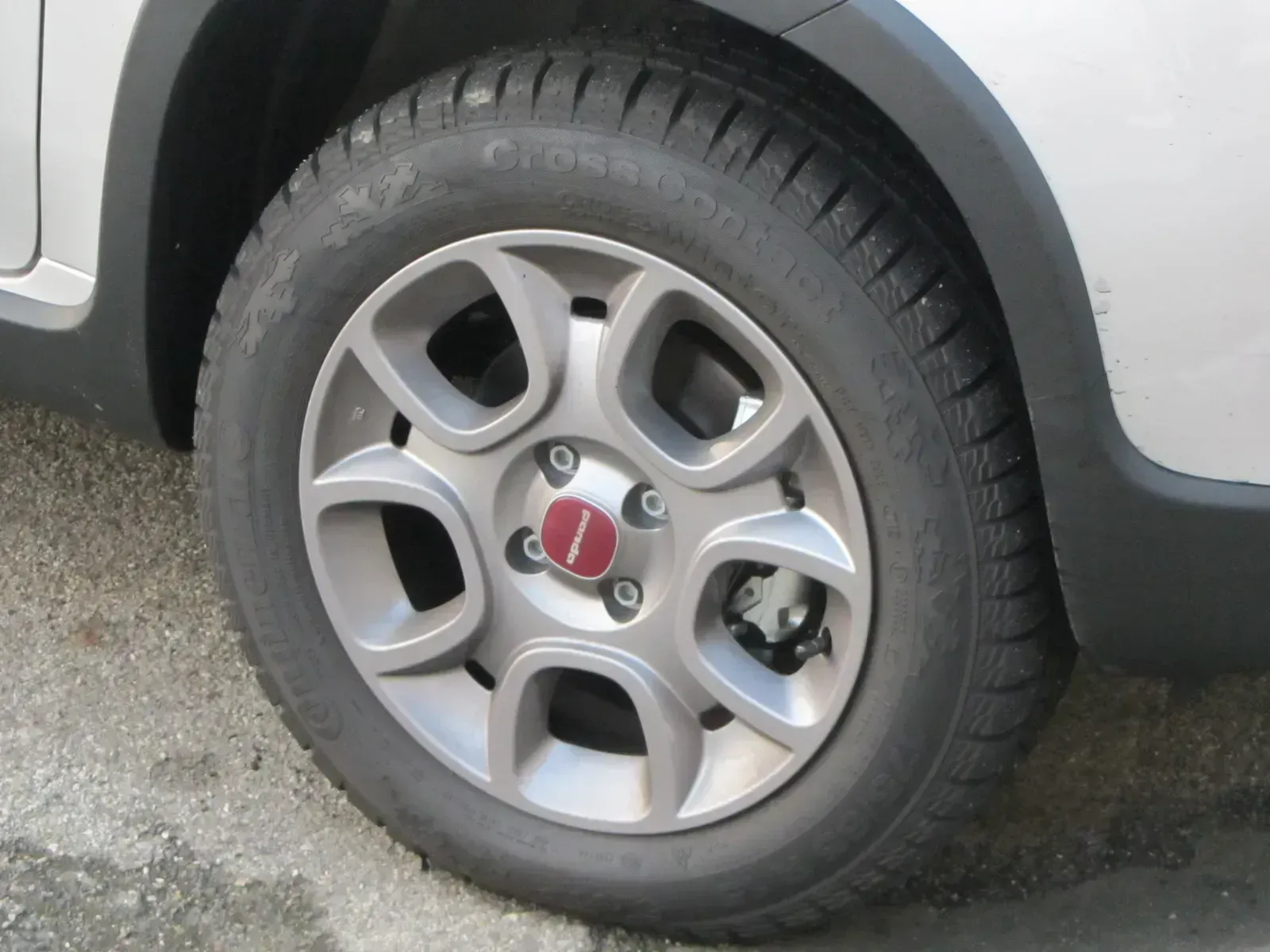
Good tires matter more than almost anything else. Tread depth and rubber that stays flexible in the cold improve grip, and winter tires are designed for exactly these temperatures. Correct tire pressure is a simple check that is easy to skip.
Check local road condition services before heading out, since many state transportation departments publish alerts and cameras. Leave extra time so you aren’t tempted to rush. Many agencies also treat bridges with salt or brine in advance, yet treatment can wear off or arrive late, so staying alert remains your best protection.
A Short Checklist for Cold Mornings
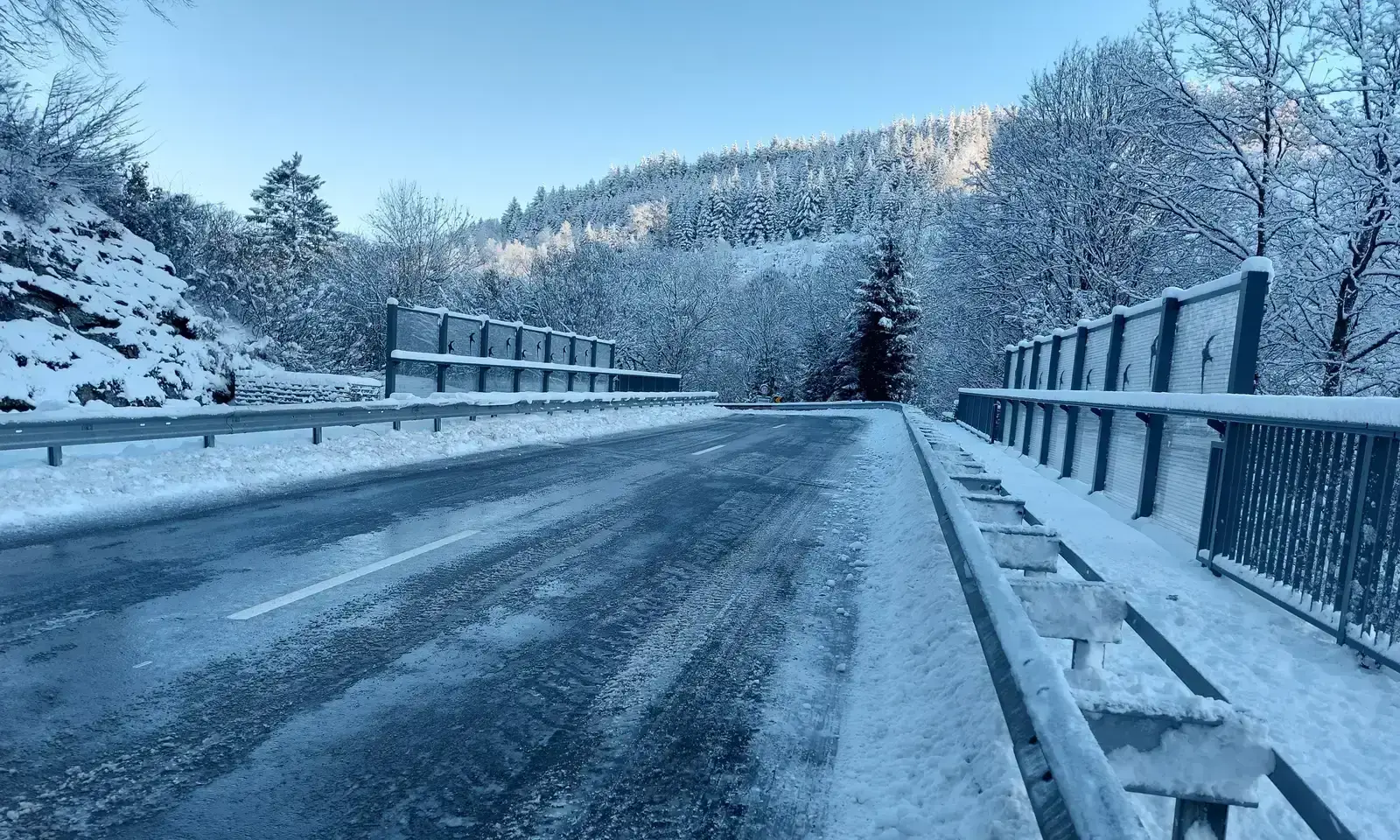
Check the forecast for temperatures near or below freezing, especially after rain or fog. Lower your speed before bridges, overpasses, and shaded stretches. Keep a longer following distance and avoid sudden moves.
Watch for shiny pavement, listen for quiet tires, and notice how other vehicles are behaving. Remember that a bridge deck can be colder than the road beside it. If conditions look doubtful, delaying a trip is a legitimate choice.
