

Plenty of us learned it in school, usually delivered with total confidence: the Great Wall is the one human-made structure you can spot from space. It’s a tidy, impressive claim, which may explain why it has lasted so long.
The truth depends on what “space” means, how good the viewer’s eyesight is, and what equipment is involved. The details are more interesting than a simple yes or no.
Where the Claim Came From
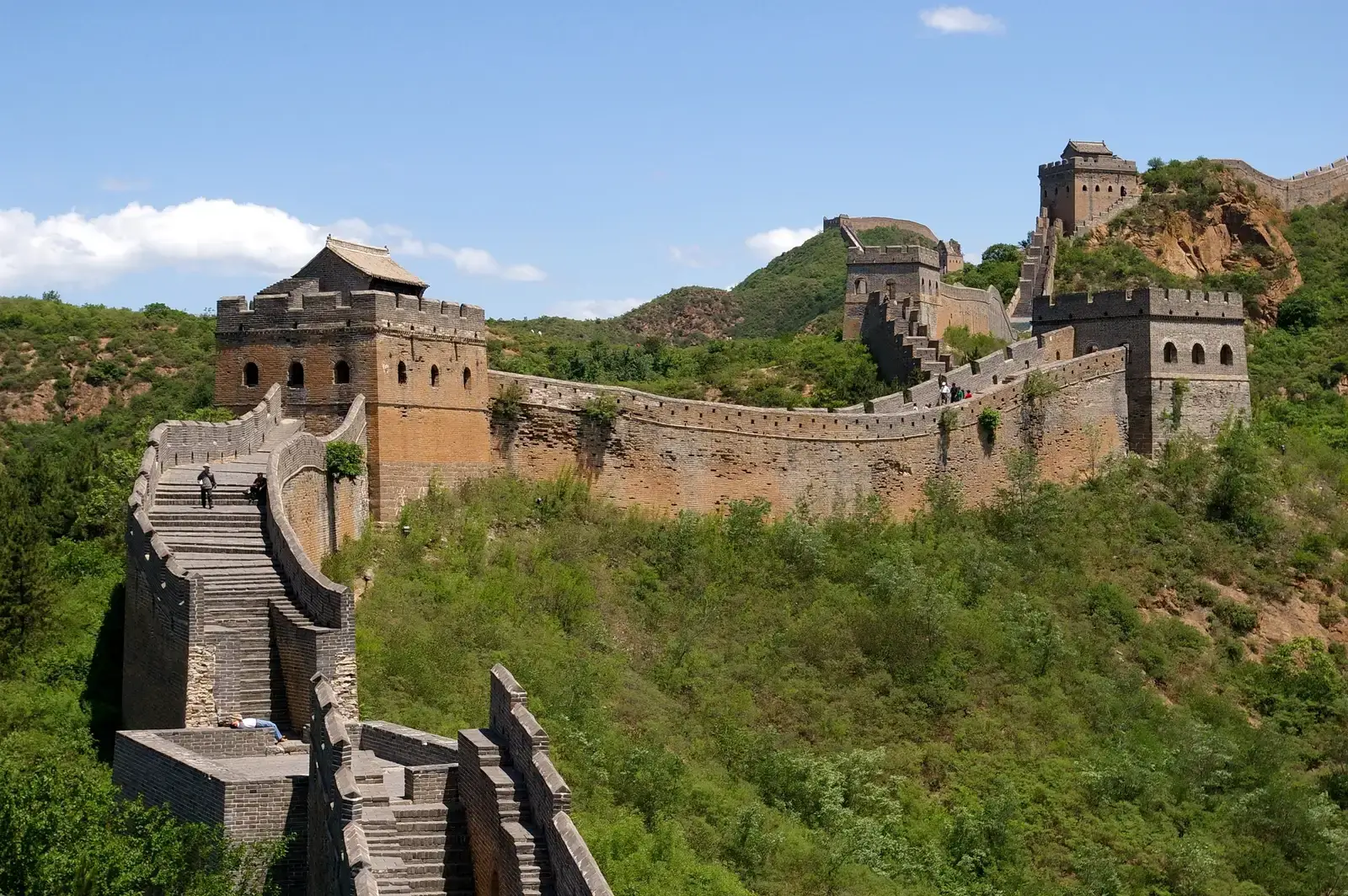
The idea is older than spaceflight. In 1754, the English antiquarian William Stukeley wrote that the Great Wall could be seen from the Moon, decades before anyone could test it. Versions of the claim kept circulating through the nineteenth and early twentieth centuries.
In 1932 the Ripley’s Believe It or Not cartoon repeated the line, and it reached a huge popular audience. From there it moved into textbooks, trivia books and classroom lore without much checking.
How Big the Wall Really Is

The wall is long, but length isn’t what makes something visible. A 2012 survey by China’s State Administration of Cultural Heritage put the combined length of all Great Wall sections, across many dynasties, at about 21,196 kilometers. The well known Ming dynasty portion makes up roughly 8,850 kilometers of that.
Width matters far more for visibility, and here the wall is modest. Most sections are only a few meters wide, about the width of a country road. Seen from hundreds of kilometers up, that’s a very thin line.
How High Orbit Really Is
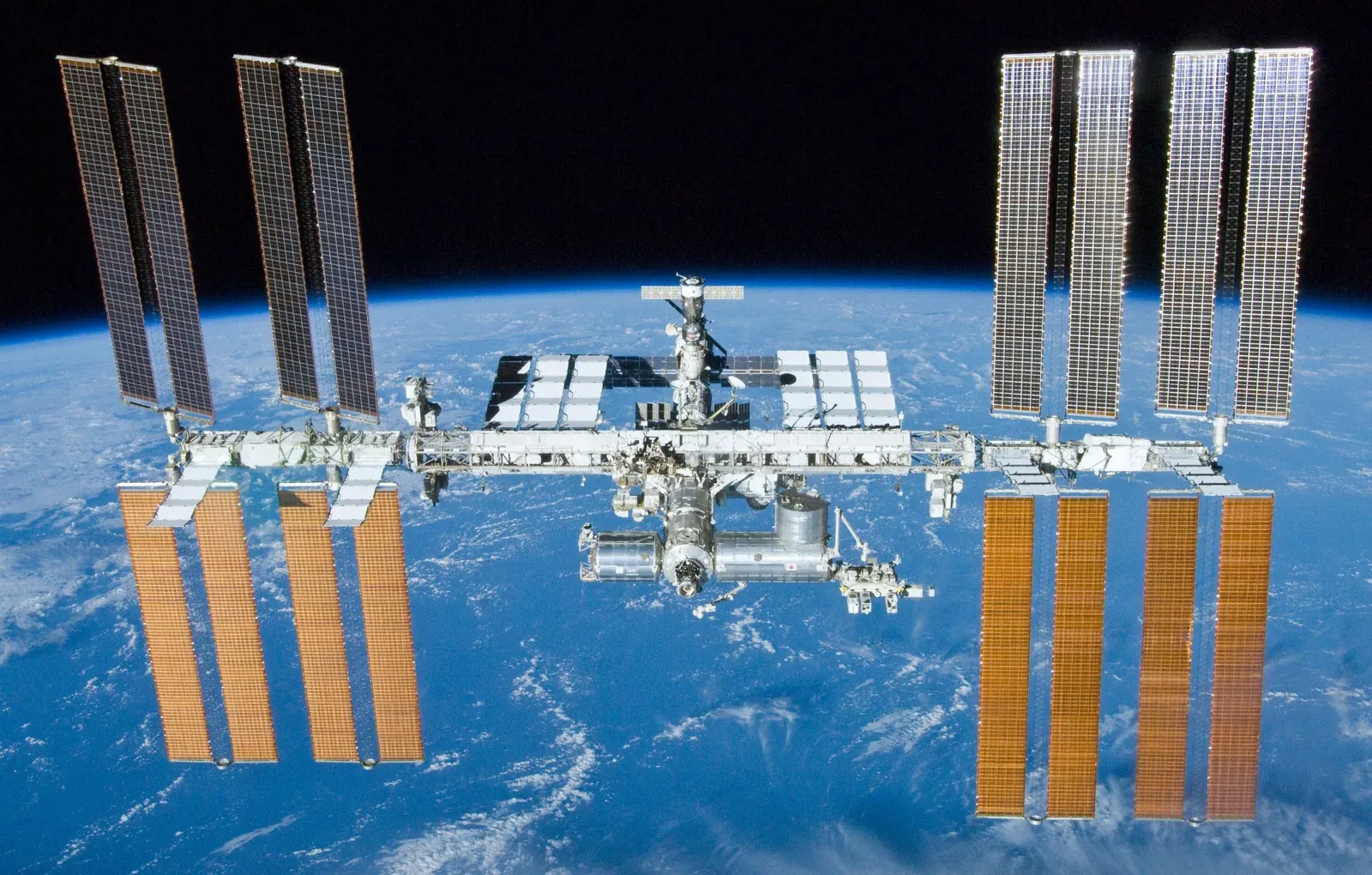
The International Space Station circles Earth at roughly 400 kilometers, or about 250 miles. That’s close in cosmic terms, about the distance from Beijing to Shanghai if you could fly straight up instead. Even so, picking out a narrow ribbon from that height is difficult.
The Moon is a different matter entirely. It sits an average of about 384,400 kilometers away, nearly a thousand times farther than the station. From there, Earth looks like a small marble, and no individual human structure is visible to the unaided eye.
What Chinese Astronaut Yang Liwei Reported

China’s first astronaut, Yang Liwei, flew aboard Shenzhou 5 in October 2003. After returning, he said he had looked for the wall and could not see it. The admission drew wide attention in China, where the wall is a national symbol.
Chinese education officials later moved to revise textbook passages that repeated the claim. It was a rare case of a firsthand report from orbit directly correcting a popular belief.
The Leroy Chiao Photograph
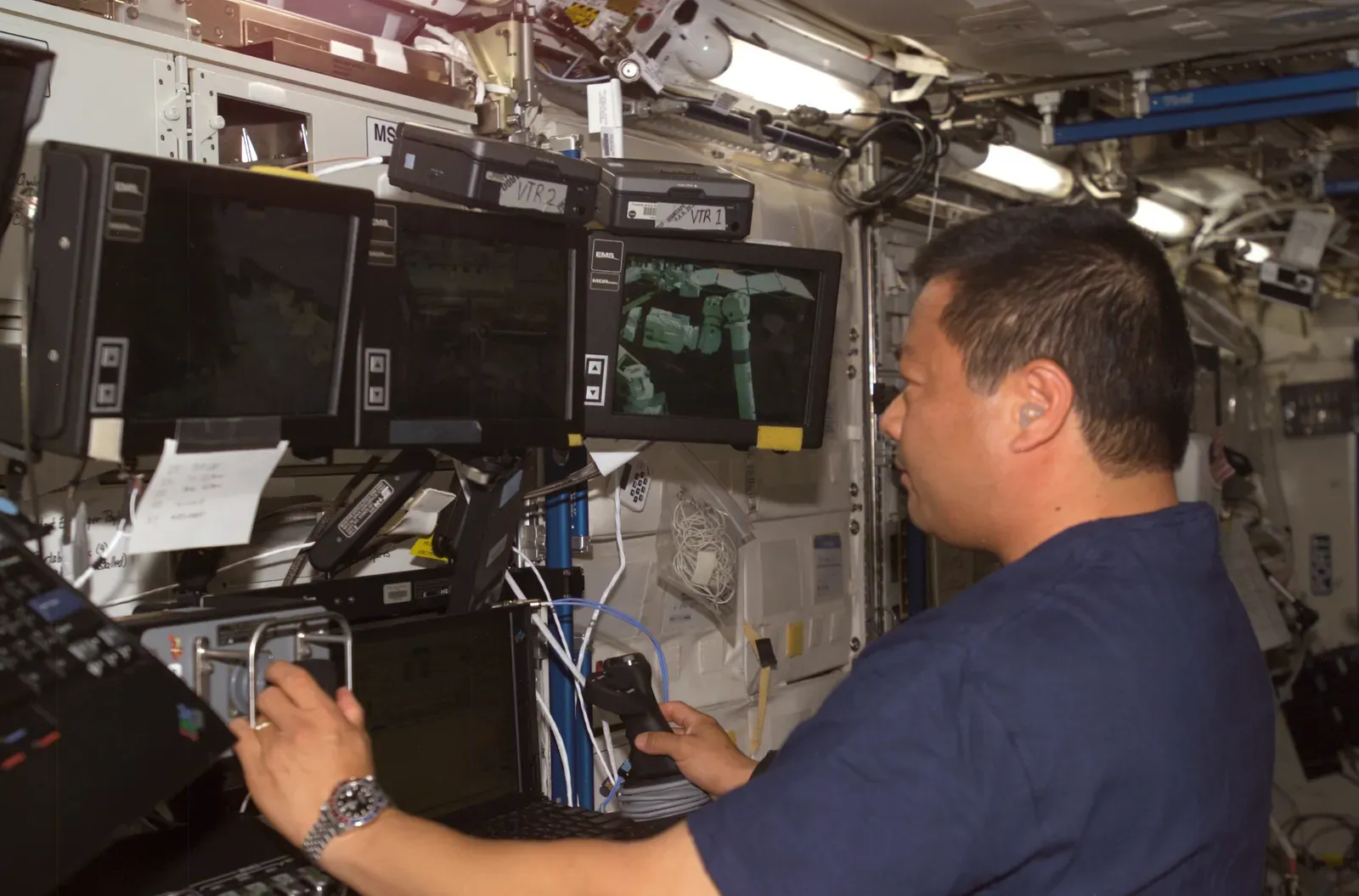
The story gets murkier with American astronaut Leroy Chiao, who photographed northern China from the ISS in 2004 with a long lens. He thought the image might show a section of the wall. Later analysis suggested the feature was more likely a river or a canal.
The episode shows how easily a linear feature can be misidentified from orbit. It also shows that cameras with strong zoom lenses perform very differently from the human eye.
Why the Wall Blends In
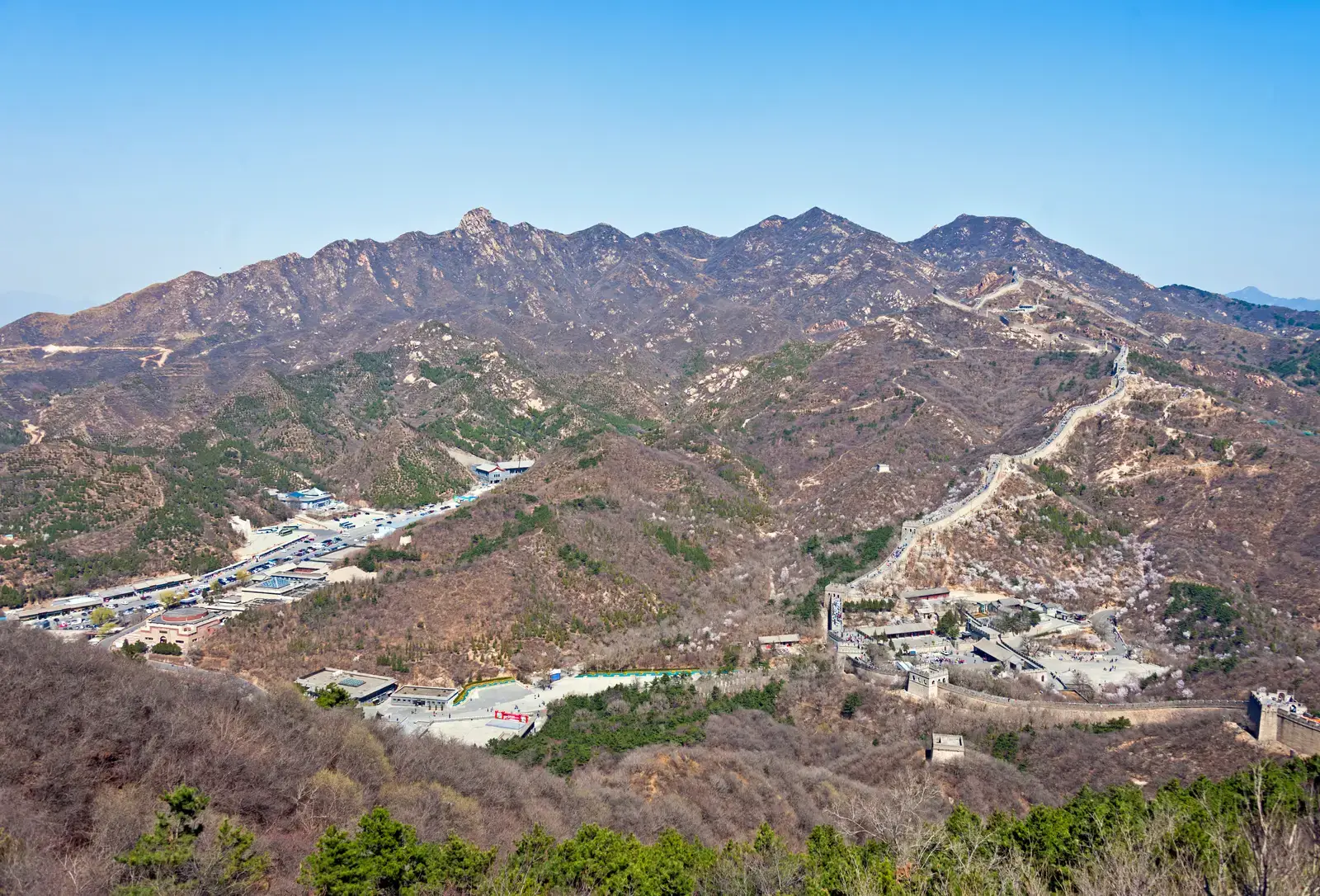
Visibility comes down to contrast, not just size. Much of the wall was built from local stone, packed earth and brick, so its color is close to the hills and plains around it. A structure that matches its surroundings is hard to pick out, especially under haze or cloud.
Lighting also plays a part. Low sun angles can cast long shadows along raised sections, which helps a little. Still, those conditions are brief and hard to rely on.
What Astronauts Can See Easily
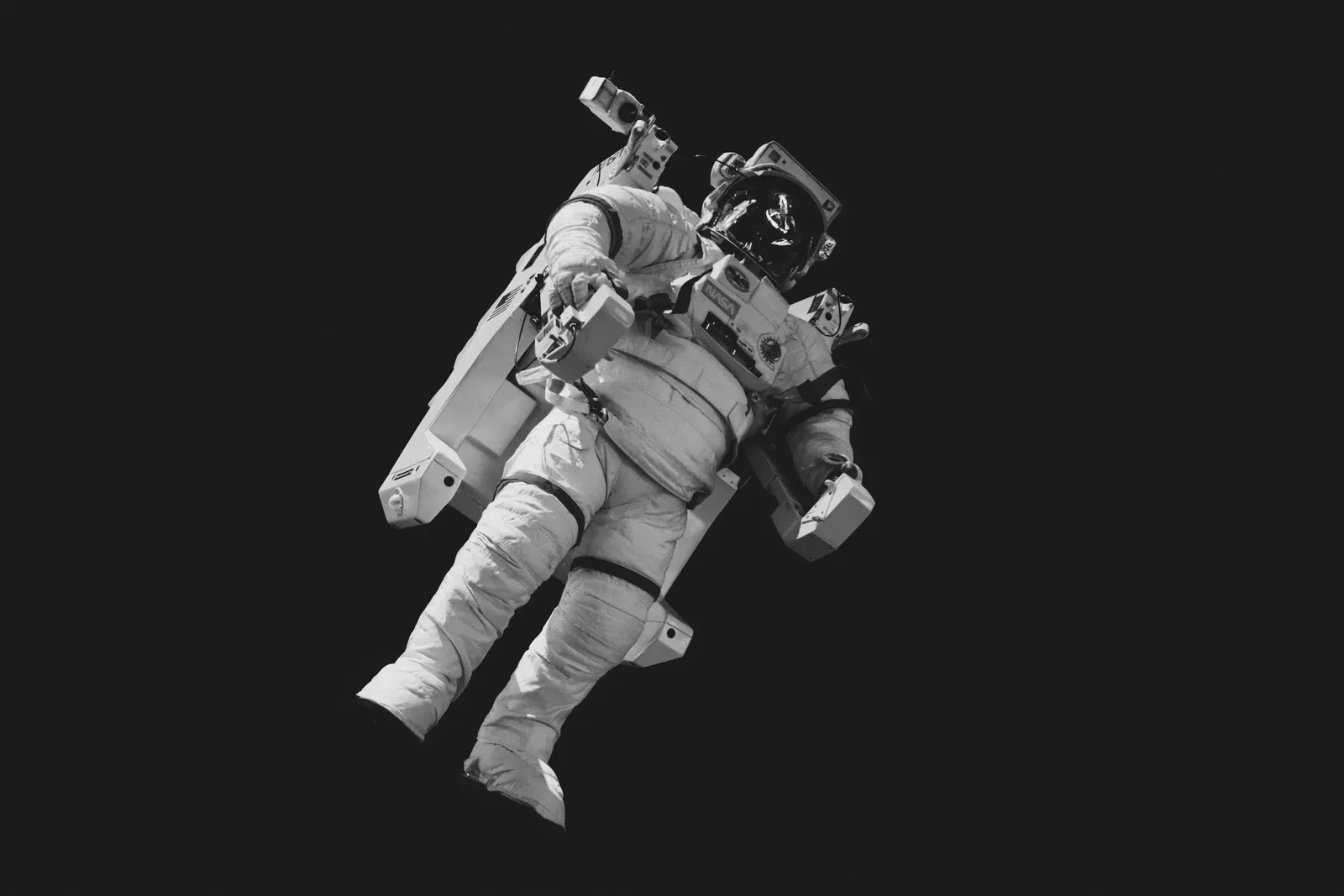
Astronauts do report seeing human traces from low Earth orbit, but they tend to be broad or bright. Large airports, big cities, major highways and greenhouse clusters can stand out. At night, city lights make settlements far easier to recognize than any wall or road in daylight.
Contrast is again the deciding factor. A wide, light colored runway against dark ground is easier to spot than a narrow wall that shares the color of its surroundings.
What Satellites and Cameras Can Do
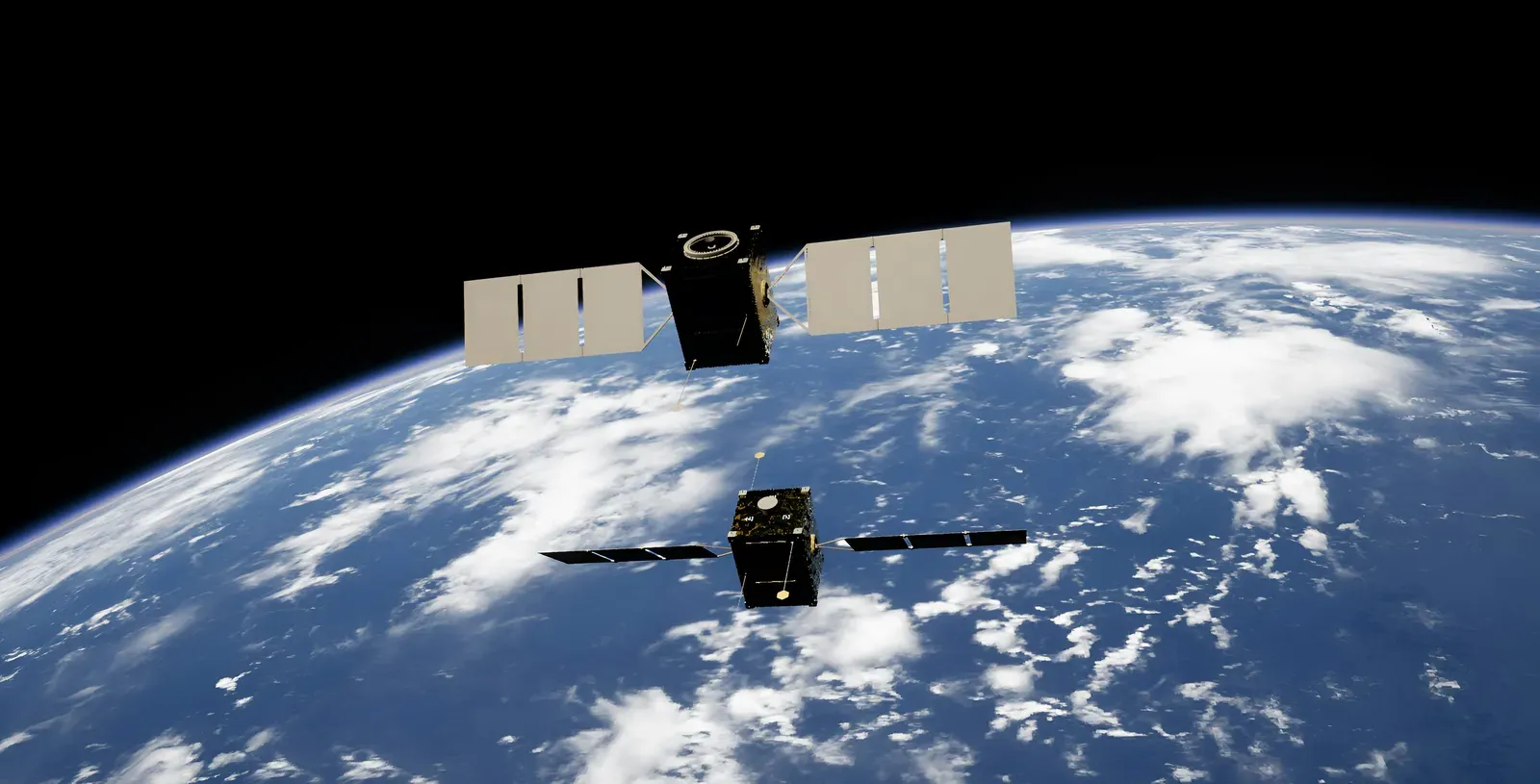
Technology changes the answer. Earth observation satellites such as those in the Landsat and Sentinel programs, and commercial imaging satellites, capture detailed images in which wall sections can be identified. Analysts can enlarge those images and compare them with maps to confirm what they are looking at.
That’s very different from seeing the wall with your own eyes from orbit. Magnified, processed imagery can resolve small features that no person could pick out unaided.
The Verdict
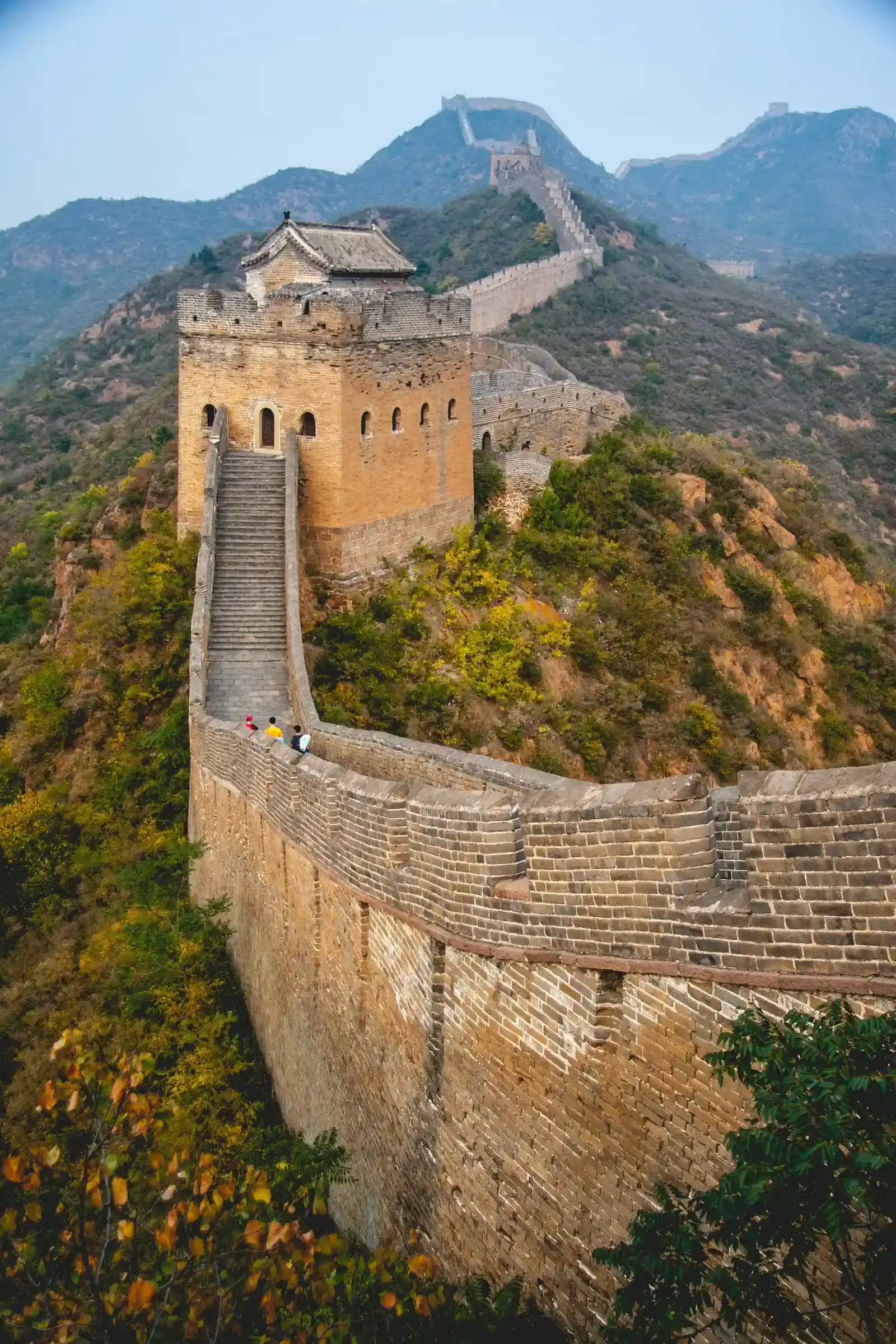
The claim that the Great Wall is visible from space with the naked eye is a myth. From the Moon it is certainly invisible, and from low Earth orbit it is extremely hard to see, as Yang Liwei’s account indicates.
Cameras and satellites can capture it, and astronauts can see other, more contrasting human structures. The wall remains one of the largest construction projects in history, even though space isn’t where you’ll see it.

- Blue whales vanish from the Galápagos, and scientists suspect El Niño - November 11, 2026
- 8 Famous Battles That Were Decided by the Weather - November 11, 2026
- Black Sunday 1935: 9 Photos From the Worst Dust Storm of the Dust Bowl Era - November 11, 2026
