

Summer afternoons often bring more than just rising temperatures. Humidity can turn a warm day into something that feels far more oppressive, leaving people drained and uncomfortable long before the sun sets. The heat index captures this combined effect, offering a clearer picture of how conditions actually feel to the body.
Weather services rely on this measure to issue alerts and help the public prepare. It translates raw numbers into practical guidance that accounts for real human experience rather than temperature alone. Understanding the heat index helps explain why some days feel manageable while others quickly become hazardous.
What Exactly Is the Heat Index?
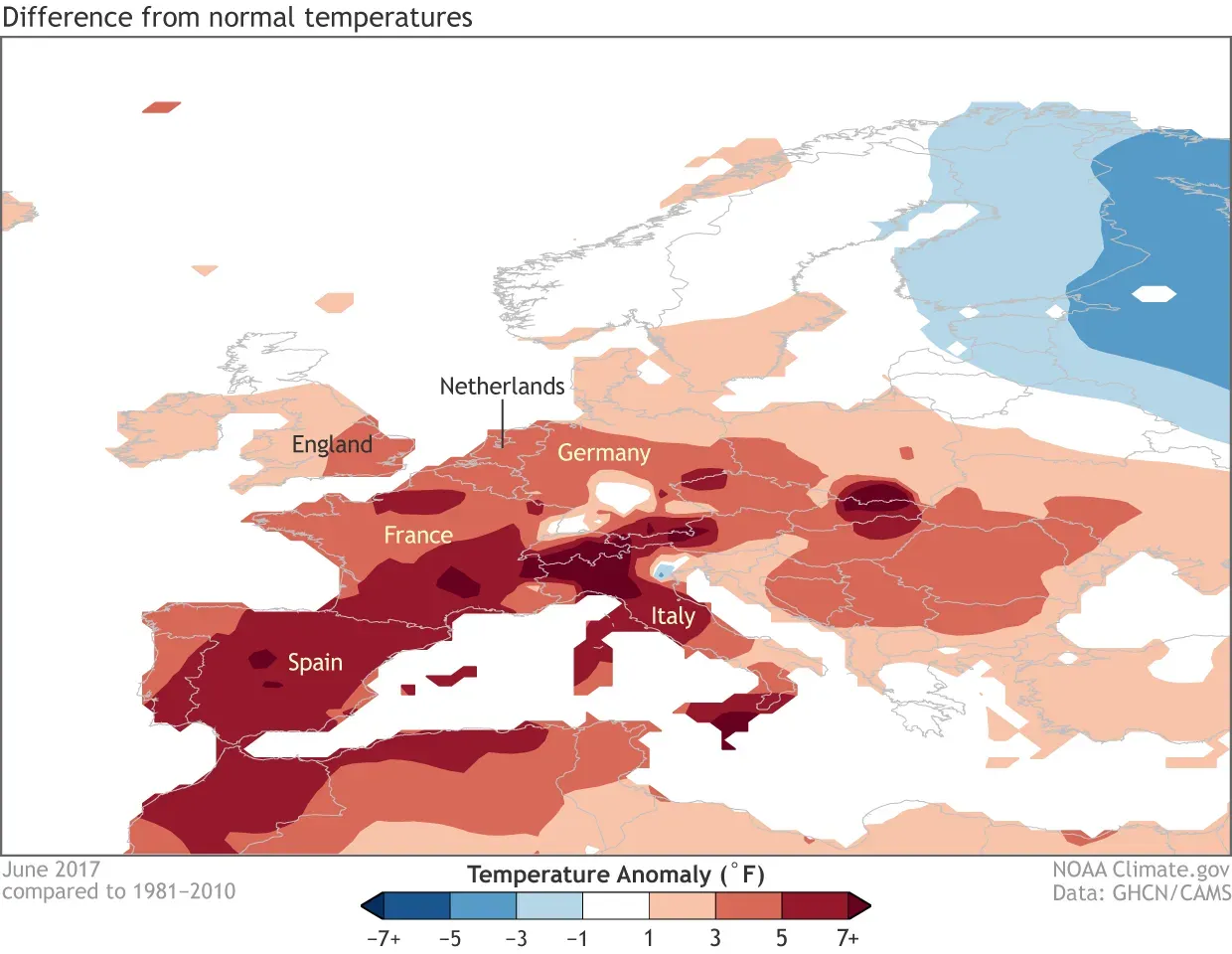
The heat index combines air temperature with relative humidity to show the apparent temperature. It estimates how hot the body perceives conditions to be when moisture in the air slows the evaporation of sweat. This value appears on weather reports during summer months across much of the country.
Developed decades ago, the index remains a standard tool for forecasters. It provides a single number that reflects both heat and moisture rather than listing them separately. Many people check it before outdoor plans to gauge comfort levels more accurately.
How Humidity Influences the Feel of Temperature
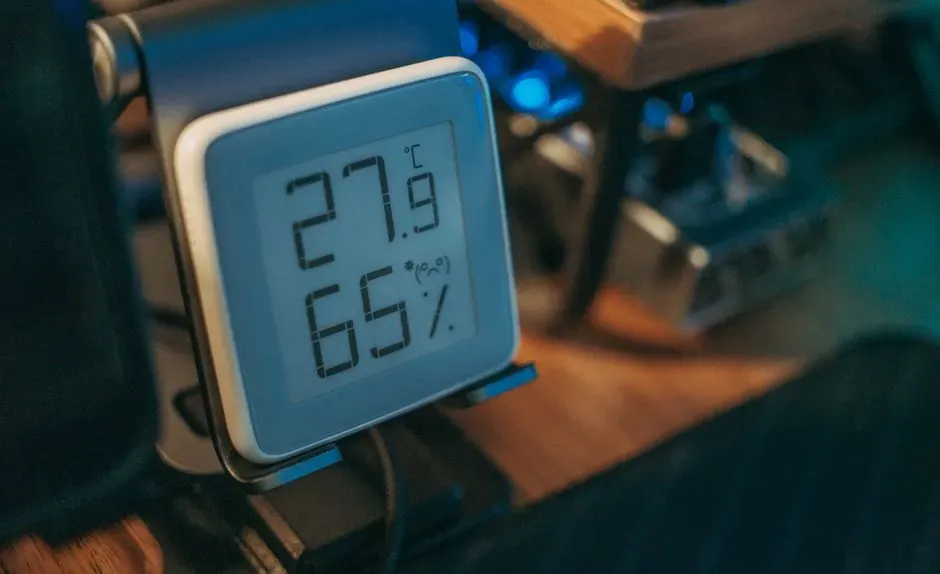
High humidity prevents sweat from evaporating efficiently, which normally cools the skin. When moisture lingers in the air, the body retains more heat and core temperature rises faster. This process explains why a 90 degree day with high humidity can feel like over 100 degrees.
Lower humidity allows sweat to evaporate more readily, creating a cooling effect even at higher temperatures. Dry air regions often feel more comfortable despite similar thermometer readings. The contrast becomes especially noticeable during travel between different climates.
The Formula and Calculation Process

Meteorologists use a mathematical equation that factors in temperature and relative humidity percentages. The result yields the heat index value displayed in forecasts and apps. Adjustments account for wind and sun exposure in some extended versions of the calculation.
Simple charts from weather agencies allow quick reference without complex math. These tables list combinations of temperature and humidity to produce the corresponding heat index. Updates to the charts reflect ongoing refinements based on physiological data.
Health Risks Associated with High Heat Index Values

Values above 103 degrees increase the chance of heat exhaustion and heat stroke. The body struggles to maintain safe internal temperatures when cooling mechanisms fail. Vulnerable groups include older adults, young children, and those with chronic conditions.
Prolonged exposure without adequate hydration or rest raises the likelihood of serious outcomes. Medical experts note that symptoms can appear quickly once the heat index climbs into dangerous ranges. Early recognition of warning signs remains essential for prevention.
Official Guidelines from Weather Services
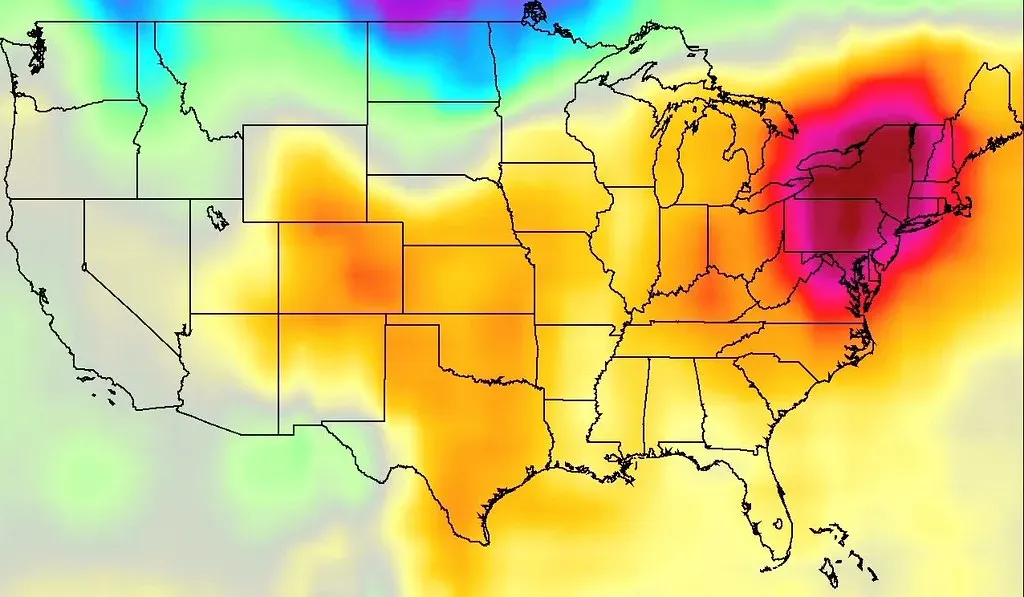
The National Weather Service issues heat advisories when the heat index reaches certain thresholds for several hours. These alerts encourage reduced outdoor activity and increased fluid intake. Criteria vary slightly by region to reflect local acclimatization patterns.
Excessive heat warnings apply at even higher levels where widespread health impacts become likely. Public health campaigns often reference these categories during peak summer periods. Consistent messaging helps communities respond appropriately each season.
Differences Across Various Climates and Regions
Coastal areas frequently experience higher humidity that elevates the heat index even when air temperatures stay moderate. Inland locations with drier air may register lower heat index values at the same temperature. These regional patterns influence daily routines and building design choices.
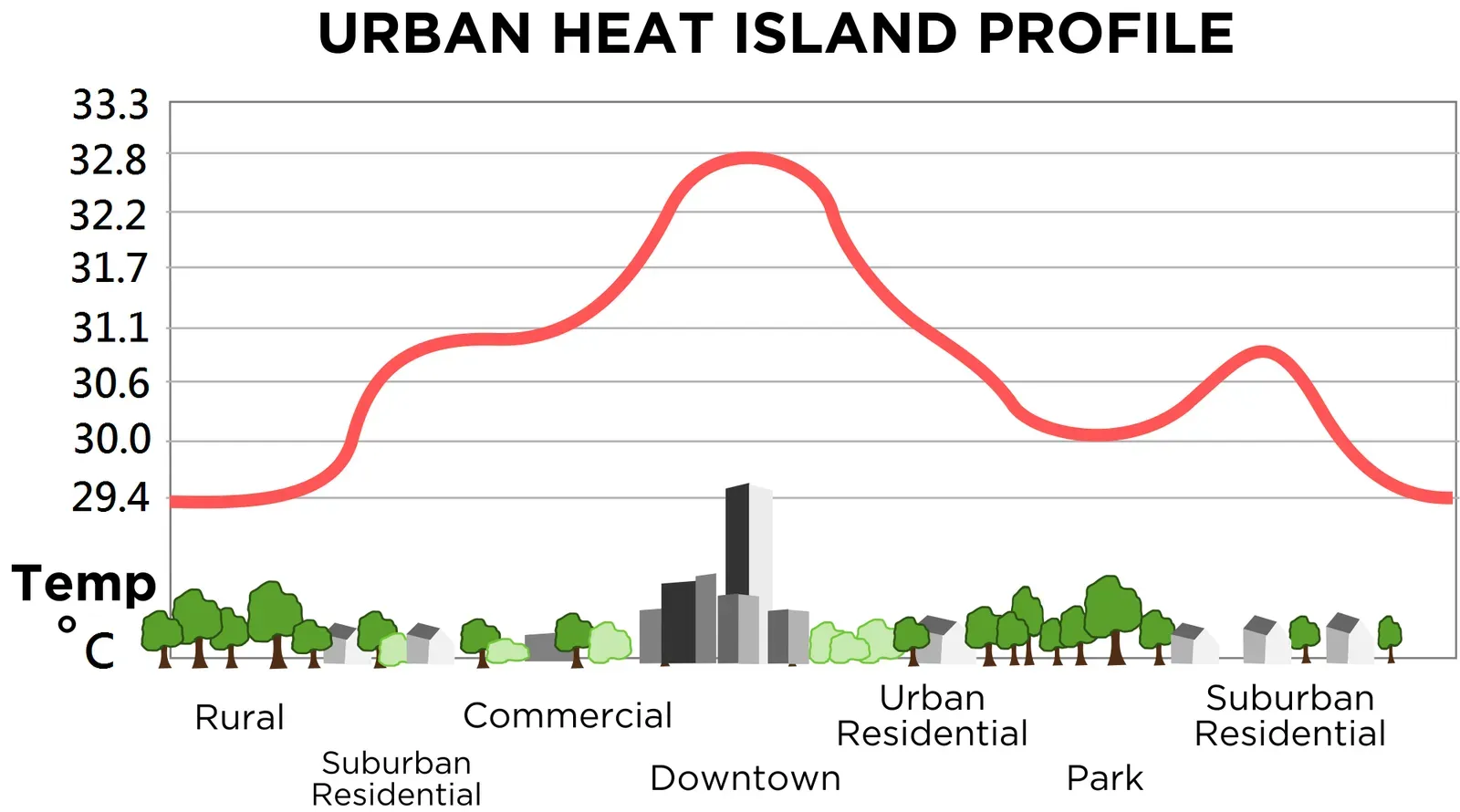
Urban environments can amplify the effect through heat islands created by pavement and buildings. Rural spots sometimes offer relief through more vegetation and open space. Travelers benefit from checking local forecasts rather than relying on home conditions.
Practical Ways to Monitor and Respond to Heat Index
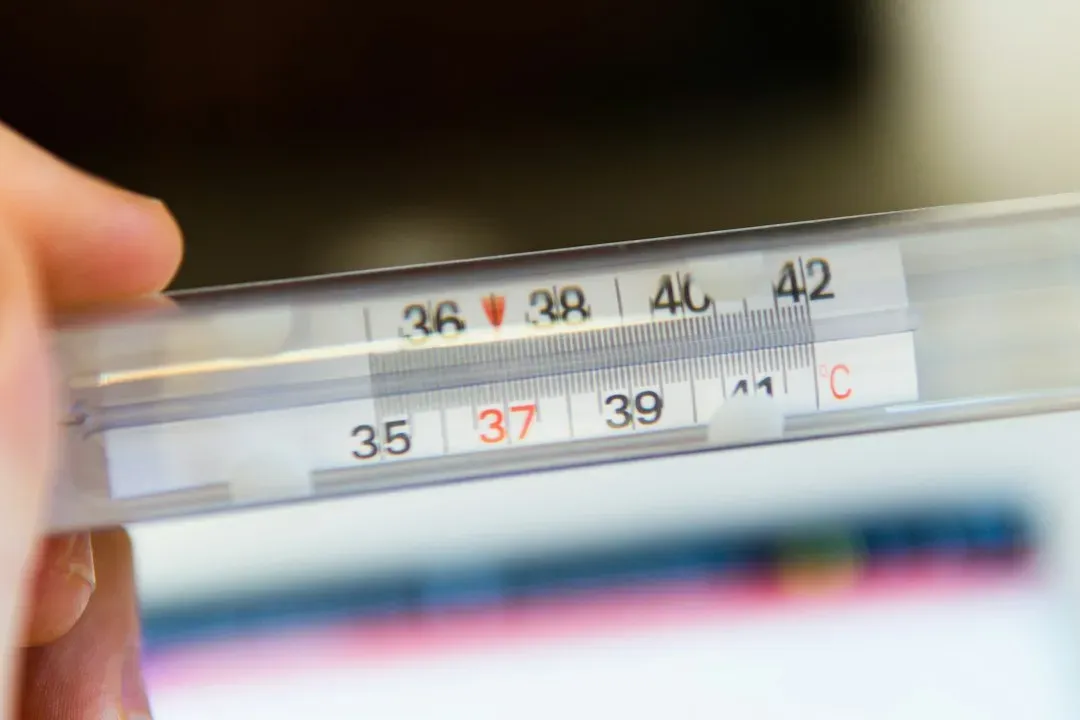
Smartphone apps and weather websites provide real time heat index readings alongside temperature. Checking these before midday activities allows better planning of schedules. Simple adjustments like shifting exercise to early morning or evening reduce exposure.
Staying hydrated, wearing light clothing, and seeking shade or air conditioning help manage the effects. Community cooling centers open during extreme periods in many cities. These steps prove effective when applied consistently throughout hot spells.
Understanding Heat Index for Better Summer Safety

Paying attention to the heat index turns vague discomfort into actionable information. It highlights why certain days demand extra caution and why standard temperature readings fall short. This awareness supports safer choices for work, recreation, and daily life.
Over time, familiarity with the measure builds intuition about personal limits in varying conditions. Reliable forecasts make it easier to stay ahead of rising risks each summer. The result is greater confidence when navigating warm weather.

- The Shoreline Sucked Dry in Seconds – 5 Tsunami Signals Beachgoers Mistake for Low Tide - November 14, 2026
- 9 Dark-Sky Destinations Around the World Where the Stars Look Unreal - November 14, 2026
- The Fault Line That Never Slips – 7 Locked Seismic Zones Overdue for a Massive Release - November 14, 2026
