


- NASA invites students to design a moon base in $1 million challenge - November 11, 2026
- Why Some People Can Feel a Storm in Their Joints, According to Experts - November 11, 2026
- 7 Foods That Taste Better on a Rainy Day, According to Chefs - November 11, 2026
Ask most people why seas are rising and they’ll point to melting ice. That’s a big part of the story, but it isn’t all of it. Water also takes up more room when it warms, even if no ice melts at all.
That quieter process is called thermal expansion, and its share of sea level rise has been in the spotlight since 2024. The details of how it works and how big it is say a lot about where coastlines are heading.
What Thermal Expansion Actually Means

Thermal expansion is the tendency of a substance to take up more volume as its temperature goes up. Seawater is no exception. Warmer water is less dense, so it takes up more room than cold water.
No extra water is needed for this to happen. The same amount of water simply spreads out a little, and across an ocean that is miles deep, a tiny change per layer adds up to a measurable rise at the surface.
How Heat Gets Into the Ocean

The ocean works as the climate system’s main heat sponge. Oceans store about nine tenths of the excess heat in the climate system. That’s why a warming atmosphere shows up so strongly in the sea.
NASA describes the chain simply. Heat-trapping greenhouse gases drive Earth’s warming, and more than 90 percent of that trapped heat goes into the oceans. As the water absorbs it, temperatures climb and the water expands.
Why Ice Melt Is Only Part of the Picture
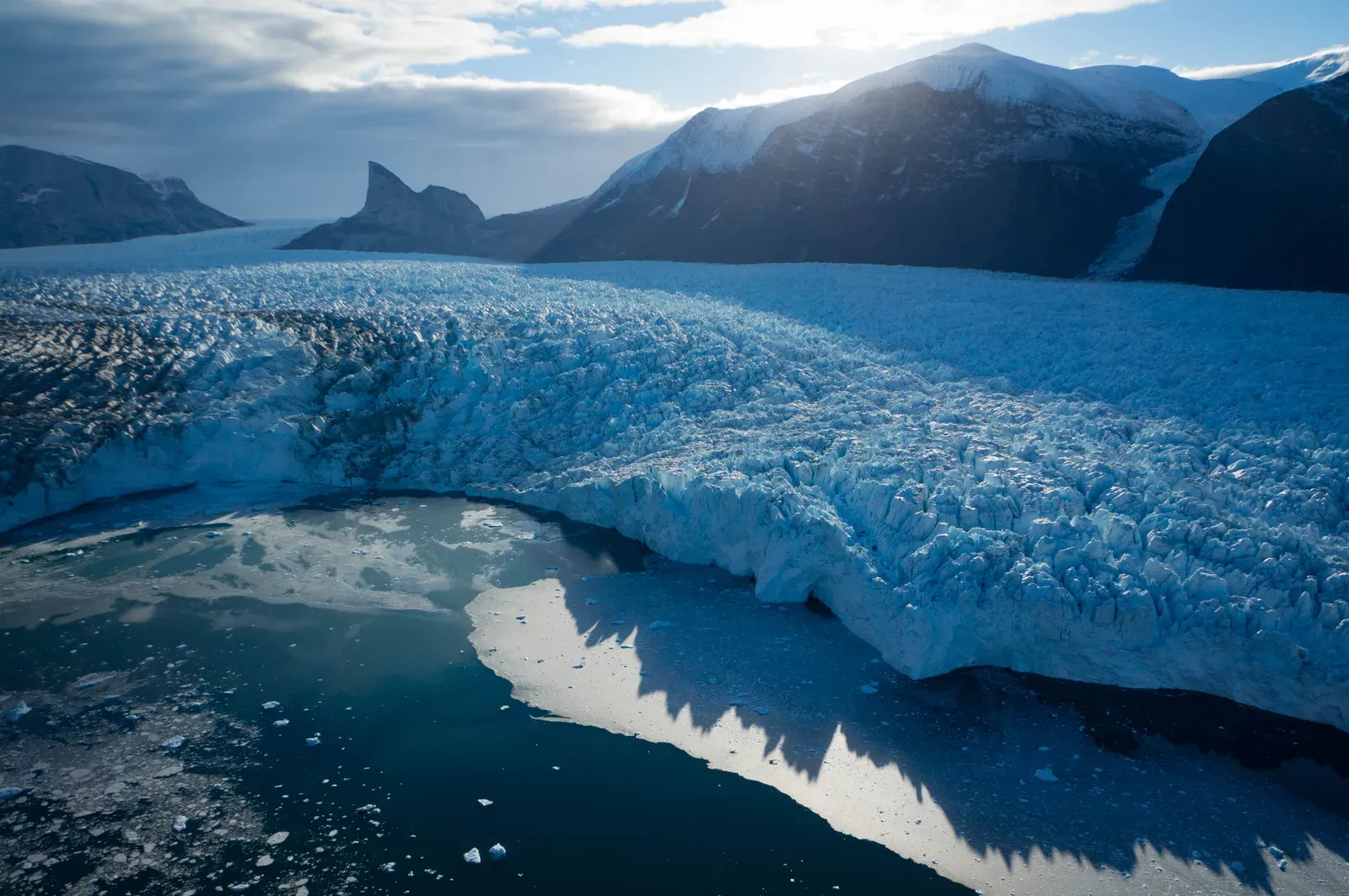
There are two main ways sea level goes up. One adds water from land, through melting glaciers and ice sheets. The other changes the volume of water already in the ocean.
A glass of ice water is a handy comparison. When ice cubes melt, the level barely changes because the water was already in the glass. Floating sea ice behaves the same way, while ice on land adds new water. Warming the liquid itself raises the level too.
The Numbers Behind the Rise
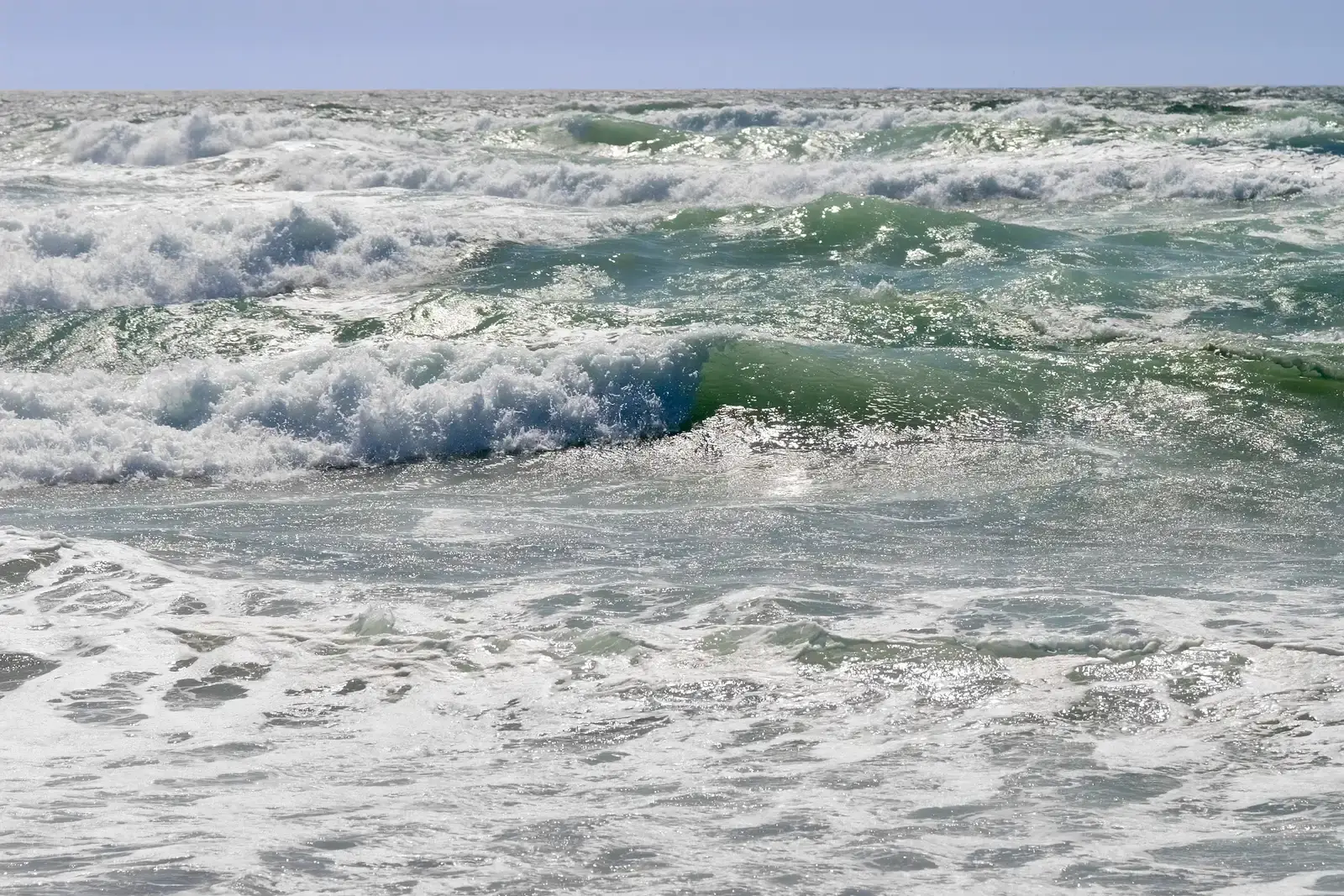
Satellites have tracked ocean height since 1993. The annual rate of rise has more than doubled over that time, and global sea level is up about 4 inches (10 centimeters).
Copernicus puts the long view in context. Global mean sea level has risen by an average of 3.64 mm per year since 1999. About 30% of that is attributed to thermal expansion, while 60% comes from land ice melt. A separate 2025 study found a higher share, about 56 percent, so estimates vary with method and time period.
What Happened in 2024

Last year’s data surprised researchers. NASA’s analysis put the 2024 rate of rise at 0.23 inches (0.59 centimeters) per year, against an expected 0.17 inches (0.43 centimeters).
The usual balance also flipped. In recent years, about two thirds of the rise came from added land water and about a third from thermal expansion, but in 2024 two thirds came from thermal expansion. The year was the warmest on record, which fits the pattern.
How Heat Moves Deeper Into the Water

Oceans are layered, with the warmest, lightest water on top. Mixing that layering matters, because it carries heat downward where more water can expand. Extreme winds, strong currents and events such as El Niño move heat vertically through the ocean’s temperature layers.
Storms can add to the effect. More storms and faster winds mix the layers more thoroughly, sending heat into lower layers faster. The ocean’s warming therefore isn’t confined to the surface.
Why Some Regions See More Than Others

Sea level doesn’t rise evenly across the globe. A 2025 analysis of ocean reanalysis and satellite data found that increases in ocean heat content and sea level were most evident in the 20°N to 40°N and 20°S to 40°S bands.
Currents, wind patterns and natural cycles shift water and heat around from year to year. Local land sinking can add to what coastal residents experience, so regional figures can differ from the global average.
How Scientists Separate Expansion From Melt
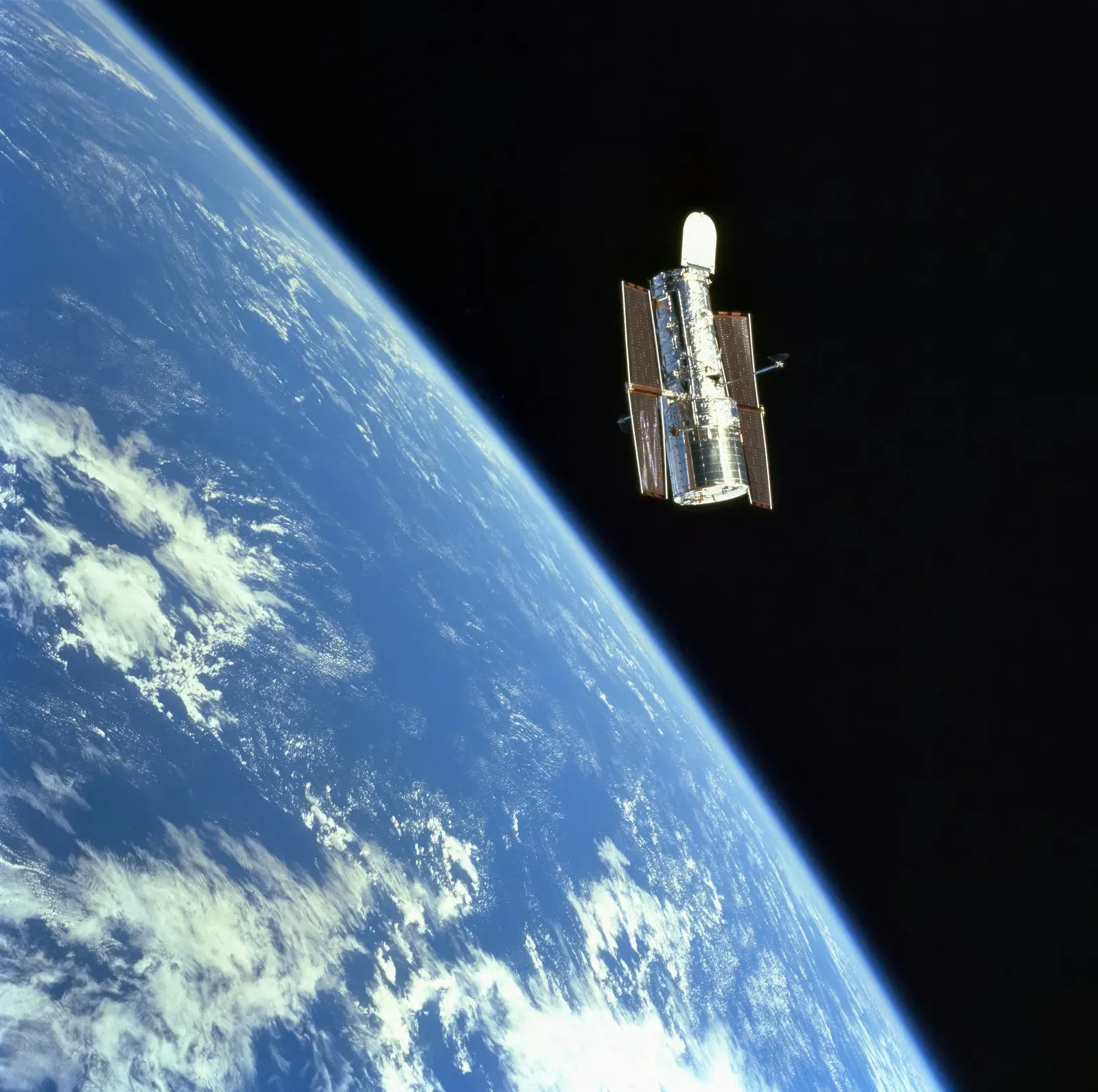
Satellite altimeters measure the total height of the sea surface. This record rests on an uninterrupted series of ocean observing satellites starting with TOPEX/Poseidon in 1992.
To split that total into causes, researchers pair it with ocean temperature and heat content data, along with measurements of ice and land water. Copernicus notes that changes in land water storage, such as soil moisture and groundwater, account for the remaining tenth. Each piece is checked against the others.
Why the Expansion Doesn’t Stop Quickly
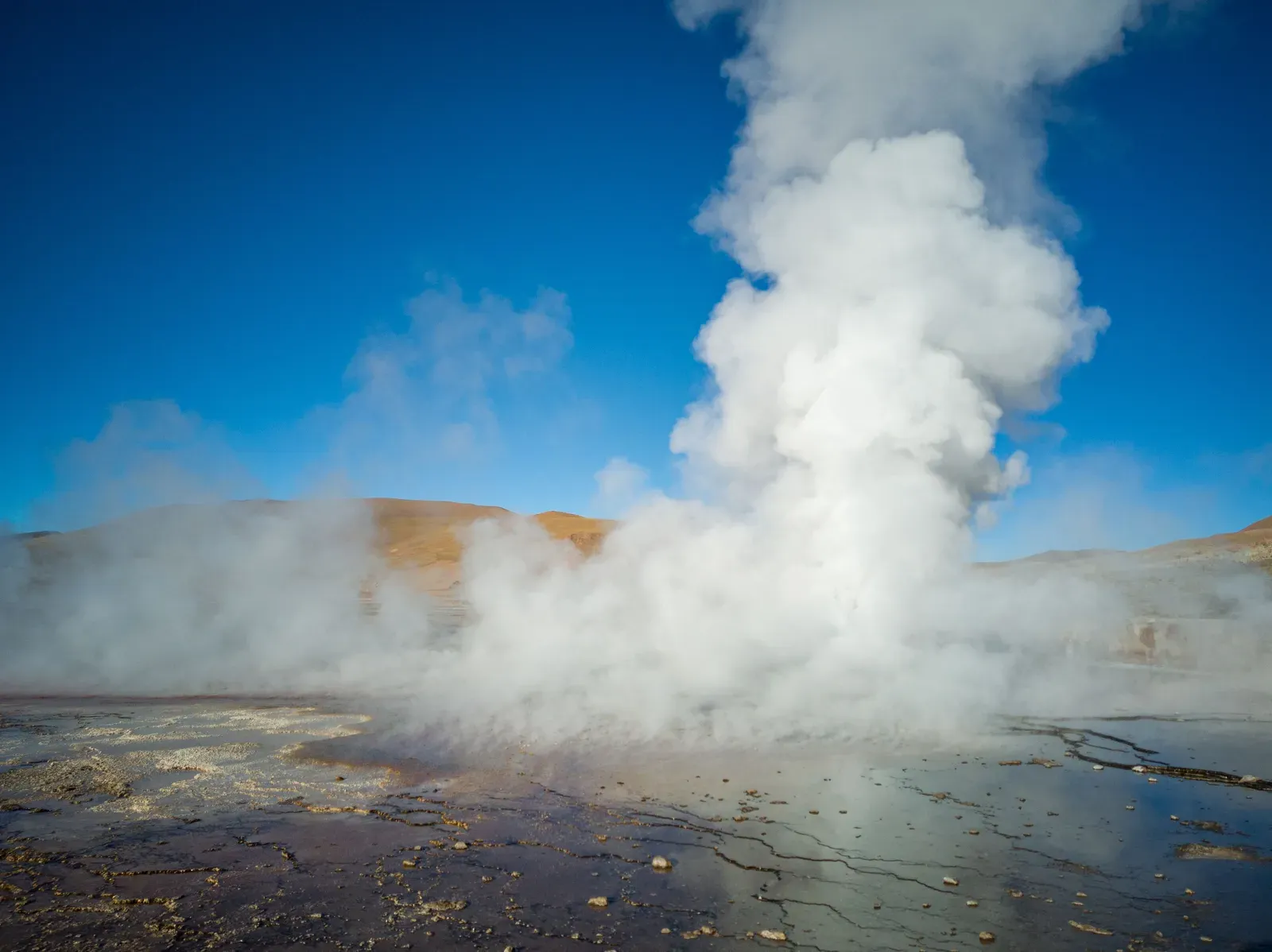
Heat that has already entered the ocean doesn’t leave fast. The heat already absorbed will keep expanding water for years, if not centuries. That lag is one reason sea level keeps climbing even when surface temperatures level off for a time.
The long term trend also keeps steepening. Copernicus reports that the rate rose from 2.92 mm per year over 1999 to 2009 to 3.82 mm per year over 2015 to 2025. Thermal expansion is a steady contributor within that acceleration.
