

High in the mountains, slow rivers of ice act like savings accounts. They store winter snow and release it gradually through dry seasons, long after the rain has stopped. Two of the world’s most important ranges, the Himalaya and the Andes, rely on this arrangement to supply water to huge populations downstream.
That arrangement is now under strain. Recent reviews and policy briefs from 2025 describe fast ice loss in both regions, with consequences for farms, cities, and power supplies. The picture varies from place to place, and some effects are still uncertain, so it helps to look at what the evidence does and doesn’t say.
The Third Pole and the Rivers It Feeds
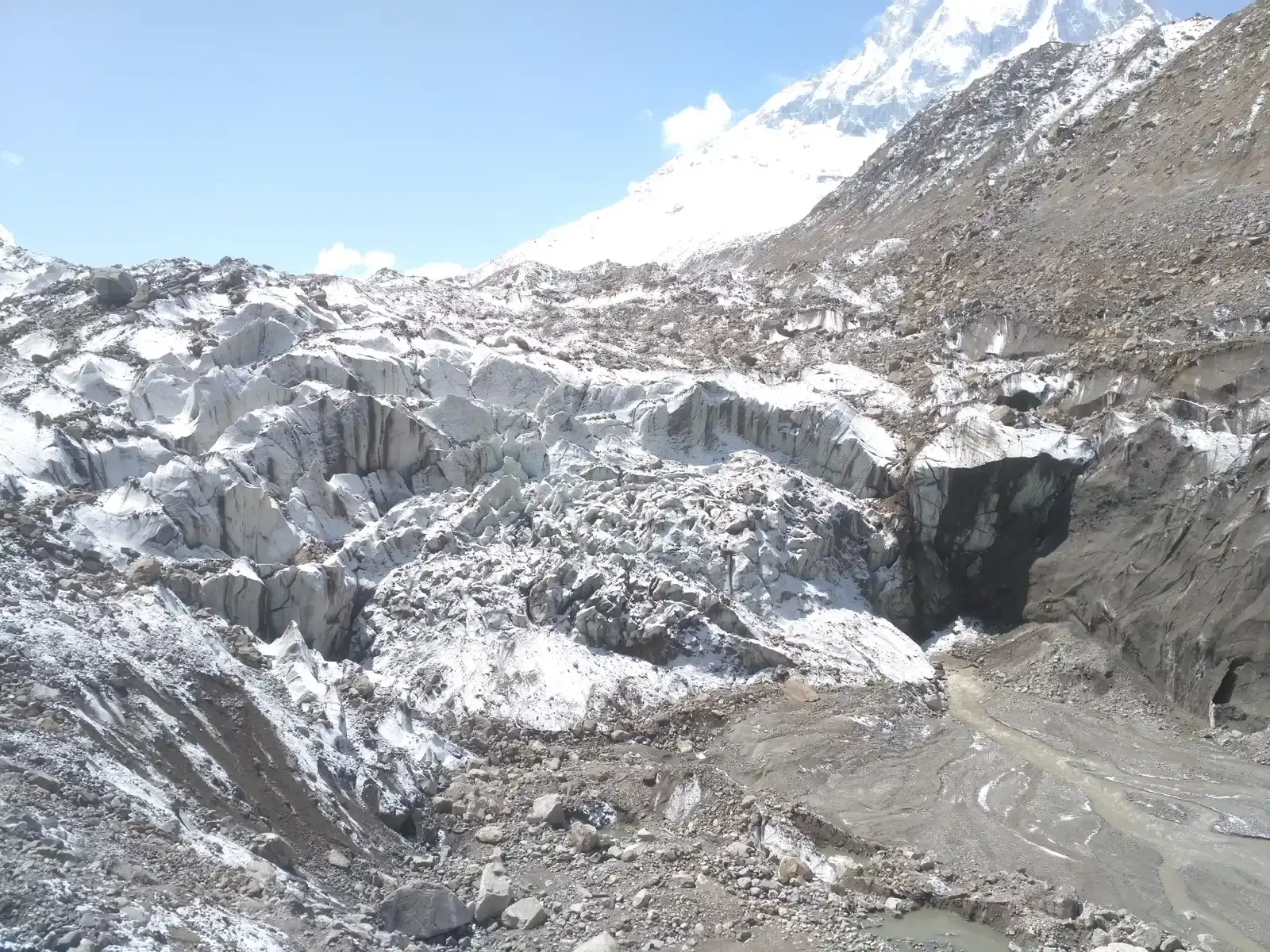
The Himalaya and neighboring ranges are often called the “Third Pole” because they hold so much ice. Their meltwater and snow feed Asia’s great river systems, including the Ganges-Brahmaputra, Indus, Mekong, Yangtze, and Yellow rivers, which supply drinking water and irrigation for billions of people. A 2025 mini review in Frontiers in Environmental Science describes the region as crucial for the livelihood of nearly two billion people downstream.
Not every downstream person relies on glaciers equally. In the lower basins, monsoon rain does much of the work. Glacier and snowmelt matter most in the drier upper reaches and in the pre-monsoon months, when other sources run thin.
How Fast Himalayan Ice Is Disappearing
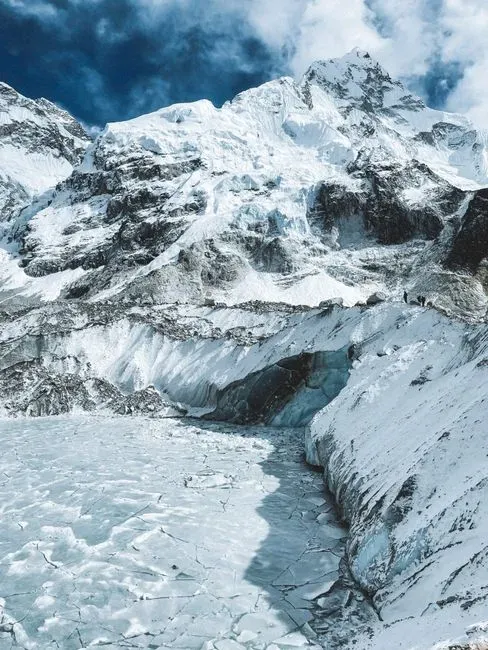
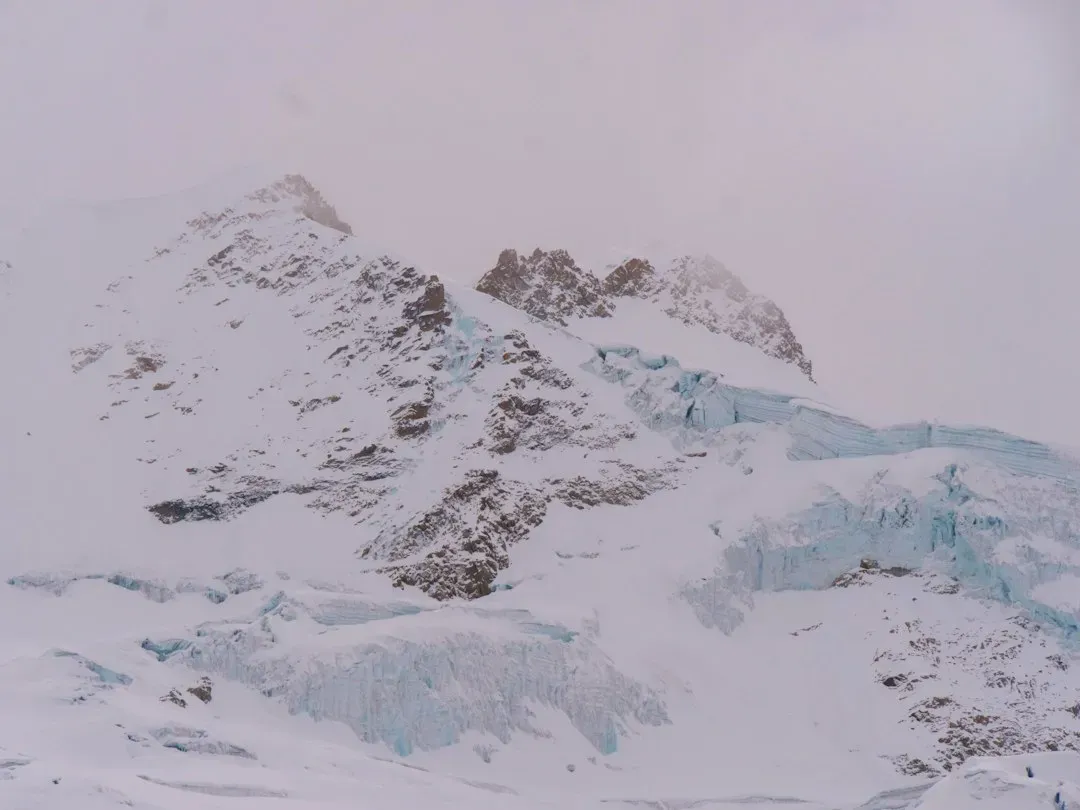
A 2025 review in Evolving Earth reports that Himalayan glaciers have been retreating since the mid-twentieth century, with major mass loss documented in the 1990s as global temperatures rose. The drivers include less snowfall, faster melting from warmer air, and a shift from snow to rain in several locations.
Individual glaciers give a sense of scale. According to the Frontiers review, the Gangotri Glacier has retreated more than 1,500 meters since 1935. The same Evolving Earth review notes that the retreat isn’t uniform, so some glaciers lose ice much faster than others.
Peak Water and the Risk of a Later Shortfall
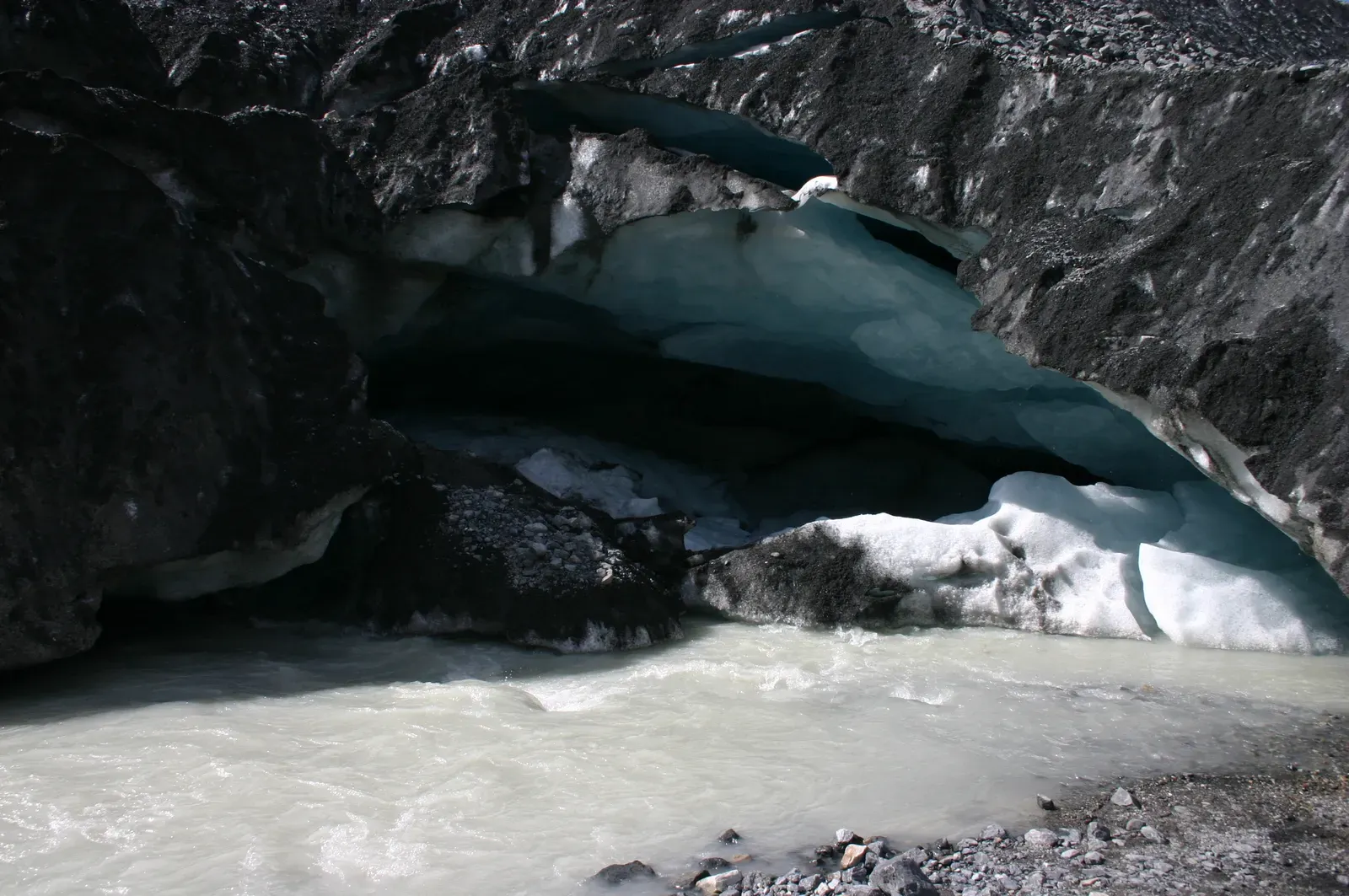
Scientists use the term “peak water” for a turning point. It’s when glacial meltwater reaches its highest annual contribution to river systems, then falls as glaciers shrink. Before that point, melting actually adds water to rivers, which can hide the problem.
The Frontiers review makes the same point: accelerated melting first boosts runoff, but can lead to severe scarcity once critical thresholds are crossed. When each basin reaches that point differs, so it would be wrong to give one date for the whole region. The National Academies also cautions that although glaciers in the region are retreating, the consequences for water supply are unclear.
The Andes: Water Towers Under Pressure
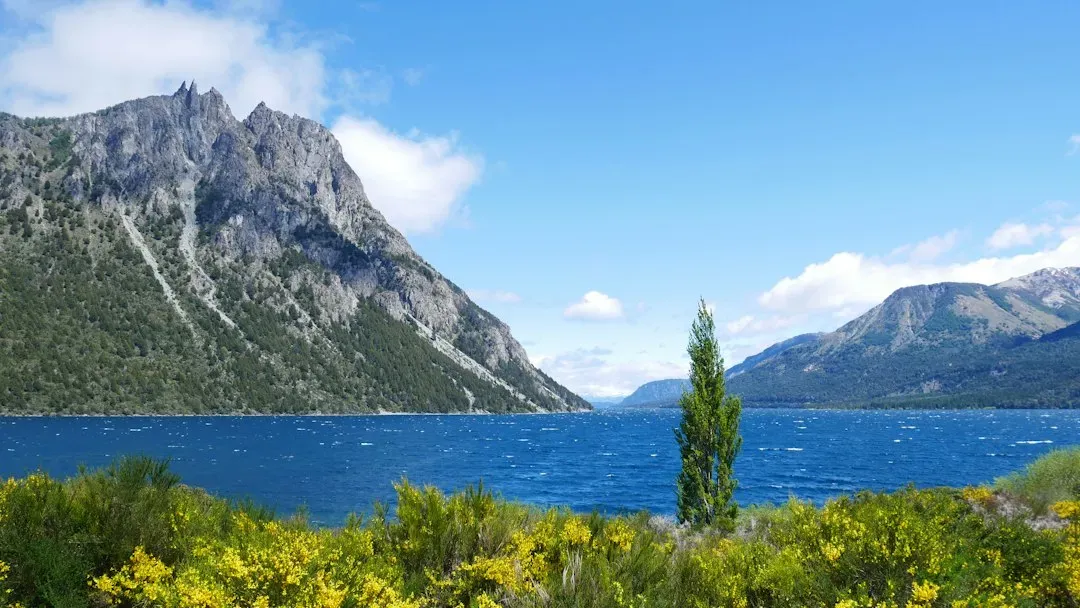
On the other side of the world, Andean glaciers supply cities and farms along South America’s western edge. A March 2025 policy brief from researchers at the Universities of Sheffield and Newcastle warned that shrinking glaciers pose a real threat to the water and food security of millions of people. Headlines from the brief put the figure at about 90 million people.
The brief states that Andean glaciers are thinning by 0.7 meters a year, 35 percent faster than the global average. It adds that ice loss has accelerated in recent decades, with unprecedented rates after 2000.
A Record Low in 11,700 Years
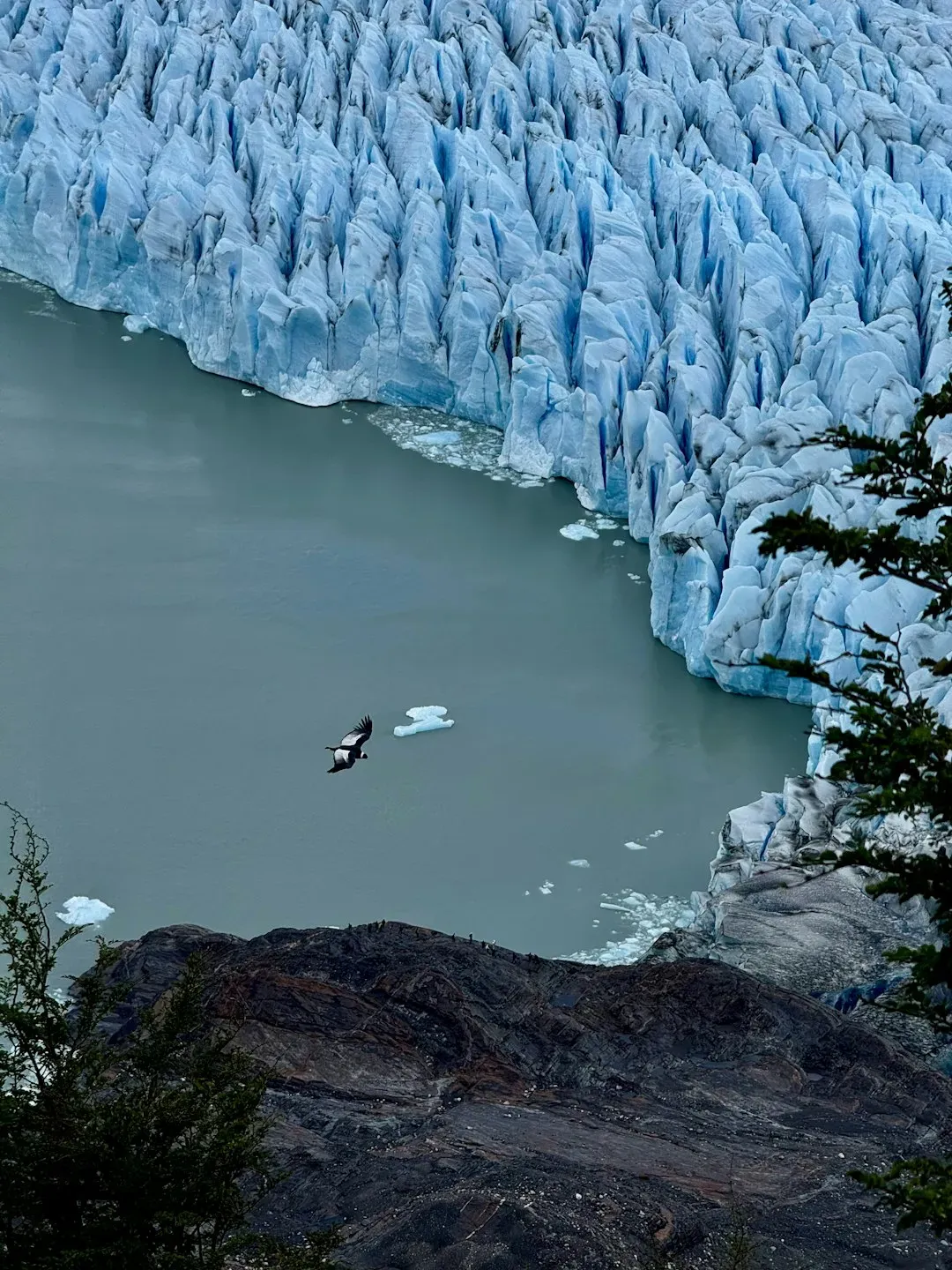
Long-term context makes the present look even starker. A study published in Science, covered by Columbia’s Climate School in January 2025, found that Andean glaciers are the smallest they’ve been in 11,700 years. That timespan covers the entire Holocene.
The researchers used a new technique to reconstruct past glacier extent, and their findings indicate unprecedented glacial retreat. The result suggests that today’s ice loss isn’t part of an ordinary natural swing.
Cities, Farms, and Hydropower
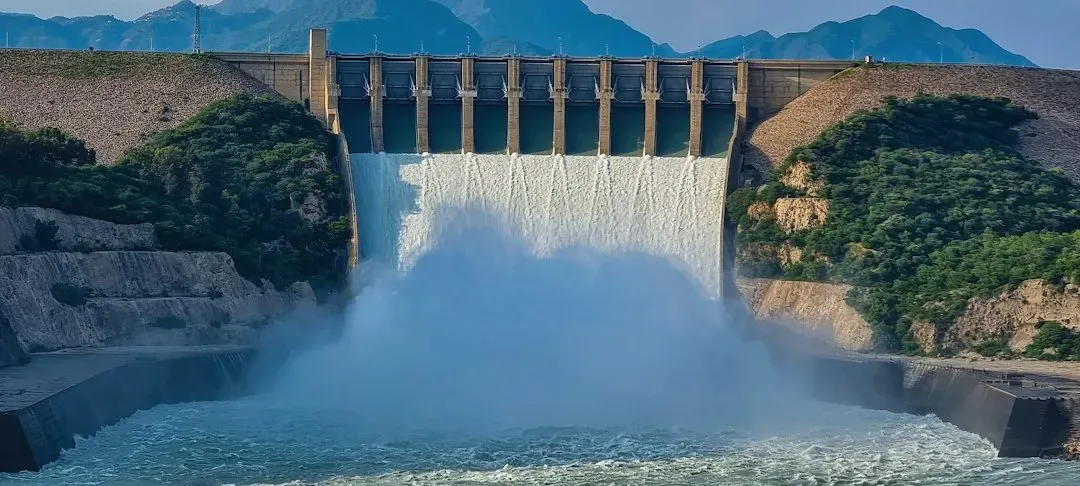
Andean cities such as Quito, Lima, Santiago, and La Paz have long drawn on glacier-fed water. Andean glaciers are described as natural water towers for tens of millions of people, including those in these capitals. An older Yale Environment 360 report also noted that hydropower supplies roughly half the electricity in Bolivia, Peru, and Ecuador. That article is dated, so its projections should be read as historical context rather than current forecasts.
In the Himalaya, the same pressures reach farming and energy. The Evolving Earth review states that millions of people across the Himalayas depend on glacial meltwater for agriculture, drinking water, and hydropower. Changes in flow also bring increased sediment loads and greater risks from glacial hazards.
Floods Before Drought: Glacial Lake Hazards
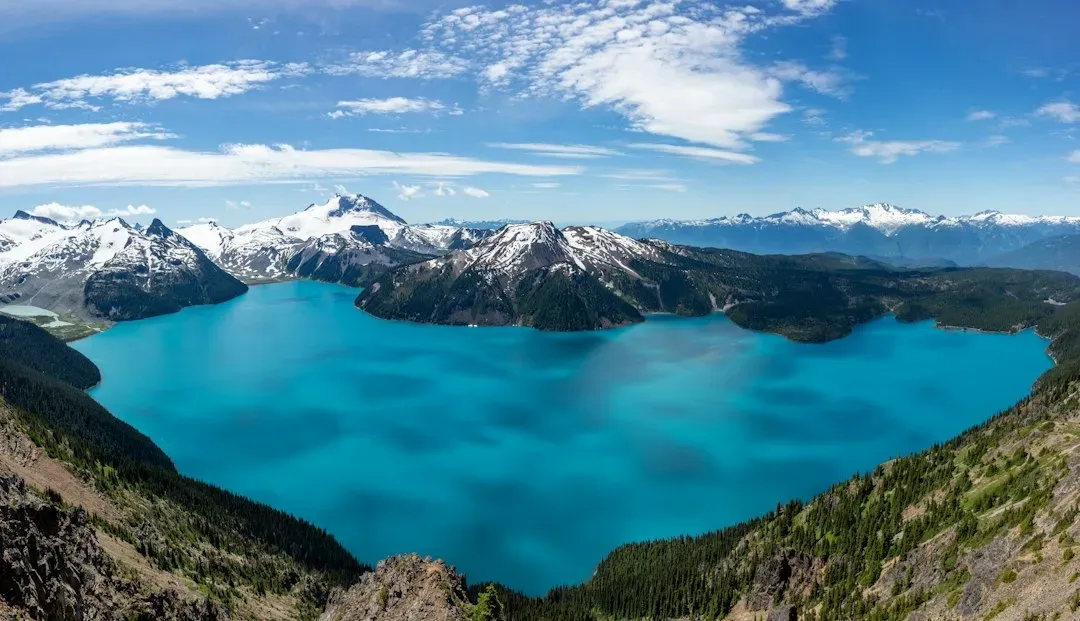
Retreat doesn’t only mean less water. As ice pulls back, meltwater collects behind moraines and ice. The Frontiers review notes that glacier retreat expands glacial lakes, raising the risk of outburst floods that can devastate infrastructure, communities, and ecosystems.
That’s why researchers call for monitoring as well as water planning. The same review recommends early warning systems to reduce risks from glacial lake outburst floods and landslides. For mountain villages, a warning system can matter as much as a long-term water forecast.
A Global Pattern of Loss
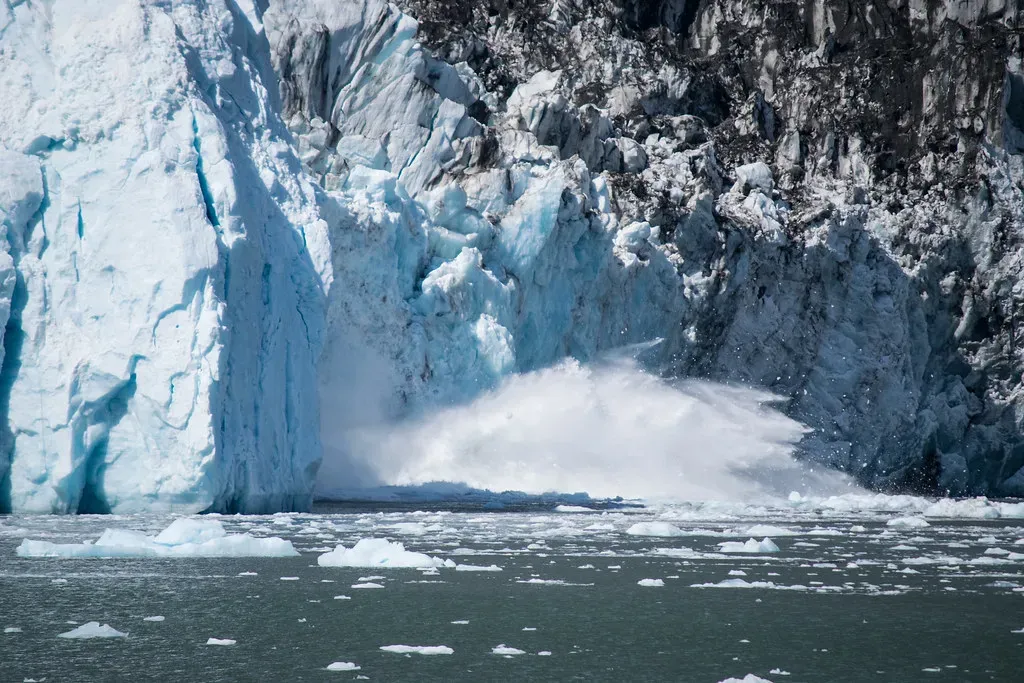
The Himalaya and Andes aren’t isolated cases. A 2025 summary of the World Meteorological Organization’s water report says 2024 was the third consecutive year of massive glacier mass loss globally, with about 450 billion tonnes of ice melted. The same summary says 23 out of 24 glaciers assessed in the Himalaya and Tian Shan showed continued mass loss.
Water stress was already widespread. The same report found only about one third of major river basins had normal water conditions in 2024, a record hot year. Glacier retreat sits on top of that existing strain.
Adapting to Less Ice
Responses are costly and uneven. The Andean policy brief notes that many countries may build major water storage such as dams, but this takes significant investment that poorer, climate-vulnerable countries may not afford. Its authors also warn that, under higher warming scenarios, parts of the Andes could be entirely or almost entirely ice-free by 2100.
Demand matters too. The National Academies report stresses that changing water use and management decisions are likely to affect water demand at least as much as environmental factors affect supply. In other words, how people use and share water will shape outcomes as much as how fast the ice melts.
Conclusion
The evidence from 2025 points the same way in both ranges: glaciers are losing ice quickly, and tens to hundreds of millions of people depend on what they release. Exact timelines for water shortages differ by river basin, and the science is still sorting out how much glaciers contribute downstream. What’s clear is that the margin for planning is shrinking, because ice that has taken millennia to build can’t be rebuilt on a human timescale.

- I Asked AI and a Waste Auditor How to Cut My Household Trash – Where They Disagreed - November 12, 2026
- Einstein’s equations suggest gravity can reconnect like the sun’s magnetic field - November 12, 2026
- This Map Shows Which States Get the Most Severe Storms Each Year – And It’s Not What You’d Expect - November 12, 2026
