

- The Planet Where It Rains Liquid Glass – 7 Alien Worlds Defying Known Physics - November 14, 2026
- Stars Consuming Entire Worlds – 6 Planetary Systems Swallowing Their Own Worlds - November 14, 2026
- The Ground Liquefies Like Water – 6 Silent Fault Lines Geologists Watch Closely - November 14, 2026
A pellet stove looks simple from across the room. You pour in small cylinders of compressed sawdust, press a button, and warmth shows up. Living with one for a winter is a bit more involved than that.
Some things turned out better than expected, others cost more or took more attention. Here’s what stood out, backed by current figures from 2025 and 2026 pricing guides and heating references.
The Price of Pellets Isn’t One Number

I assumed pellets had a fairly fixed price, like gasoline on a street corner. They don’t. One 2026 pricing guide puts wood pellets at $200 to $400 per ton, with most homeowners spending around $250. Yet a Massachusetts dealer lists pallets from $399 to $569 per ton, depending on brand and wood type.
Region, brand, and timing all move the number. Prices can spike during peak winter demand if you buy late in the season. Getting local quotes before the cold arrives is worth the effort.
The Stove Is Only Part of the Bill
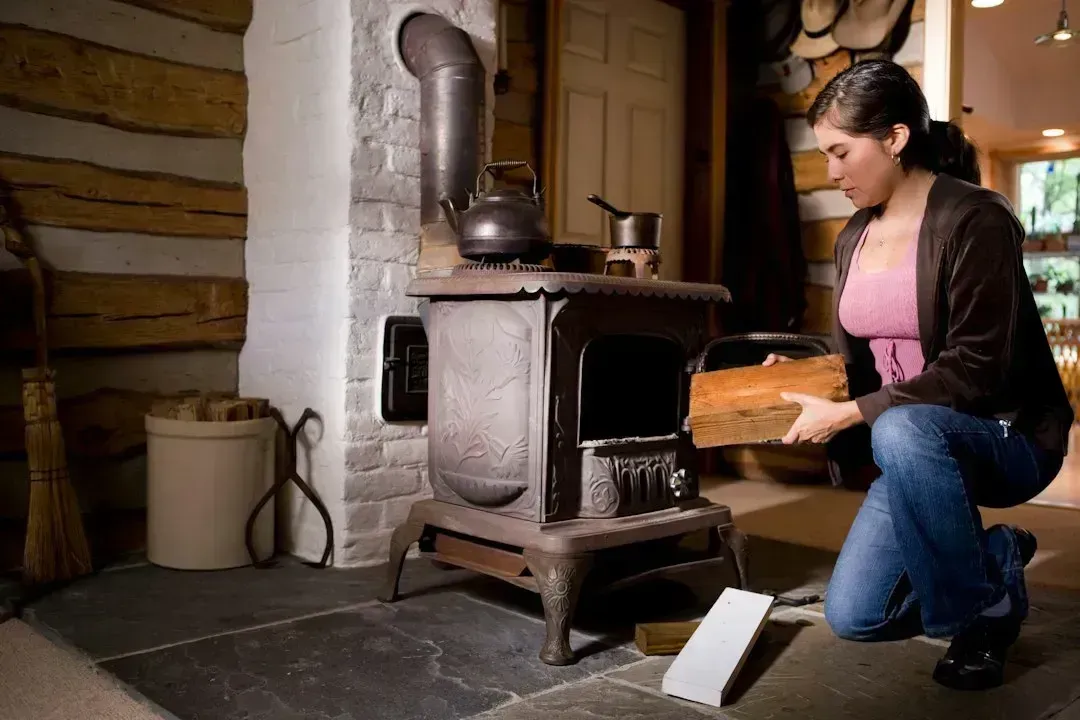
The sticker price of the stove looked modest at first. Pellet stoves run $900 to $2,600 depending on heating output. Then installation enters the picture.
That same guide estimates labor of $700 to $1,500, for a total installed cost of $1,600 to $4,100 for a freestanding model. Venting and your home’s layout can shift that range. Even so, a wood stove installation can cost $3,000 to $8,000, so pellets can still come out cheaper up front.
A Ton of Pellets Is a Lot of Bags
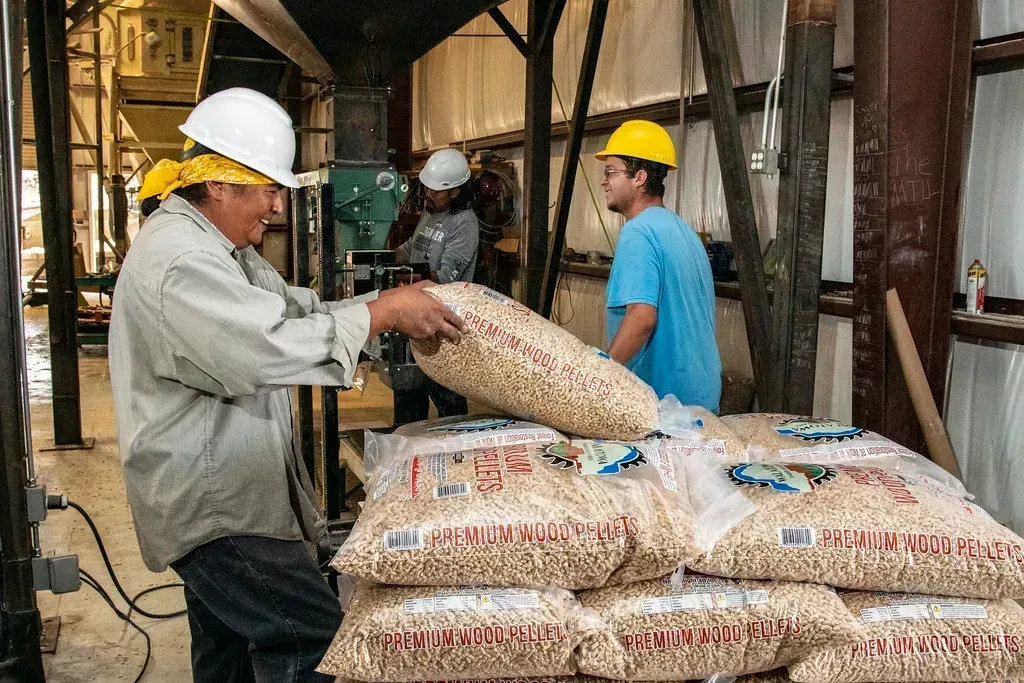
Nobody warned me how physical the fuel side would be. A ton of pellets typically means 50 bags of 40 pounds each. That’s a full pallet that needs a dry spot, ideally a garage or basement.
Delivery helps, though it isn’t free. Delivery costs run $50 to $120 depending on distance. Hauling bags yourself saves that fee and gives your back a workout.
One Winter Can Burn Through Several Tons
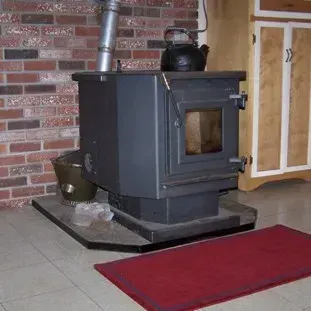
I figured a season’s fuel would fit in a corner. As a primary heat source, it doesn’t. Households using a pellet stove as their main heat in a larger home might burn three to four tons or more, costing roughly $600 to $1,200 or higher.
Light use is far gentler. Supplemental heating might use one to two tons. How much you lean on the stove, and how cold your winter runs, decides which camp you’re in.
Efficiency Is Better Than I Expected
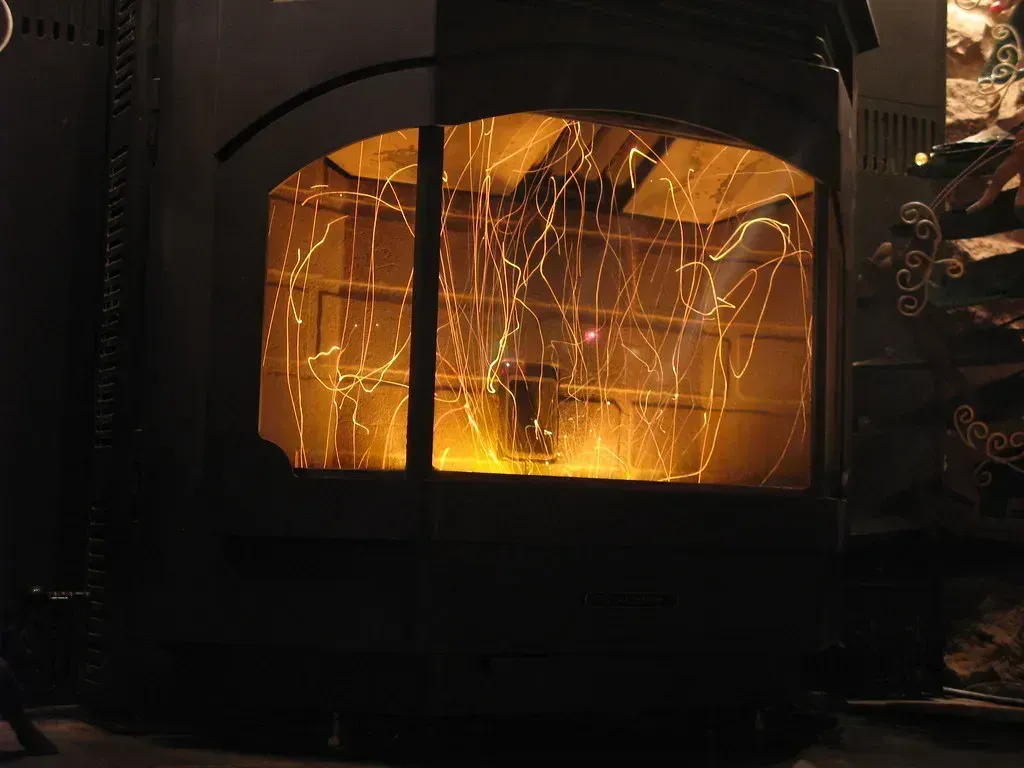
Heating with sawdust sounded wasteful to me. The numbers say otherwise. EPA certified pellet stoves run roughly 70 to 83 percent efficiency.
Pellets also carry a decent amount of energy. One dealer rates a typical pallet at about 16.3 to 16.9 million BTUs per ton. That consistency is one reason the heat feels steady rather than the peaks and valleys you get with a wood fire.
Pellet Quality Changes the Daily Routine

Not all pellets behave the same, and you notice fast. Hardwood burns longer and produces less ash, while softwood delivers higher heat output. Those differences show up in how often you’re scooping out the burn pot.
Cheaper bags can cost you in upkeep. Lower cost brands may require more maintenance because of ash or clinkers, while higher quality pellets burn cleaner and yield more heat per ton. Trying a couple of brands early in the season saves frustration later.
It Still Needs Electricity to Run
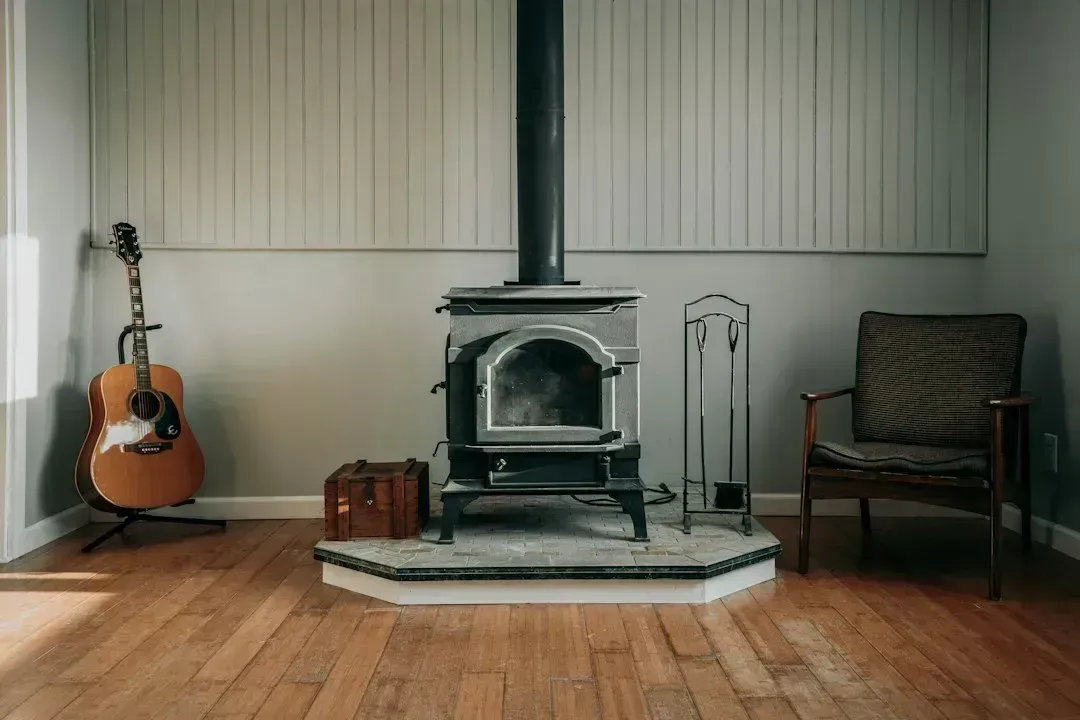
This one caught me off guard. A pellet stove feels like old fashioned heat, yet it relies on an electric auger to feed pellets and a fan to move air. When the power goes out, a standard unit generally stops working unless you have battery backup.
Plan for that if outages happen where you live. A small backup power setup is a common fix. Reliable heat on a quiet night is nice, but it depends on the grid more than the rustic look suggests.
