
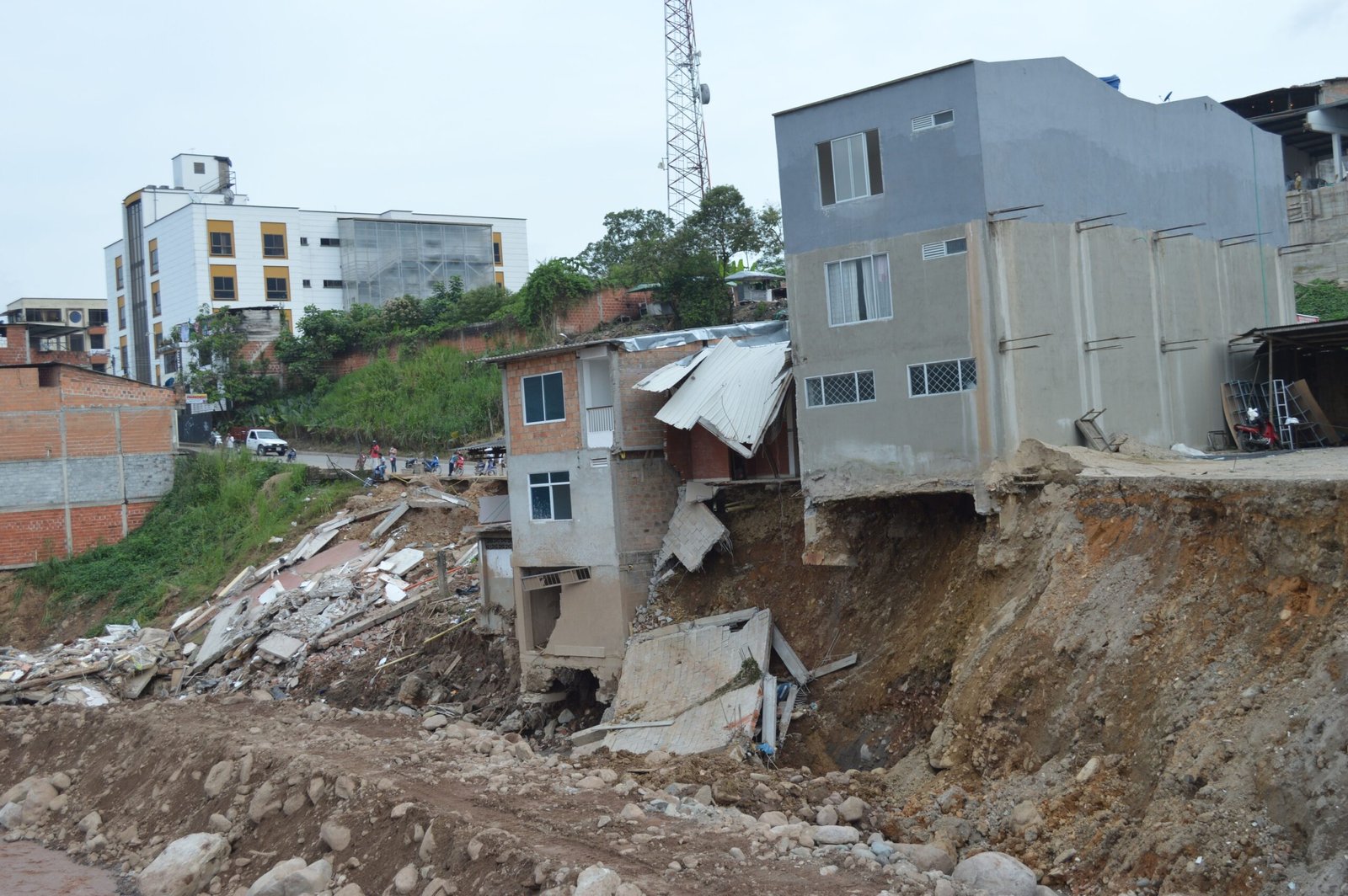
1. I assumed elevation alone would keep me dry
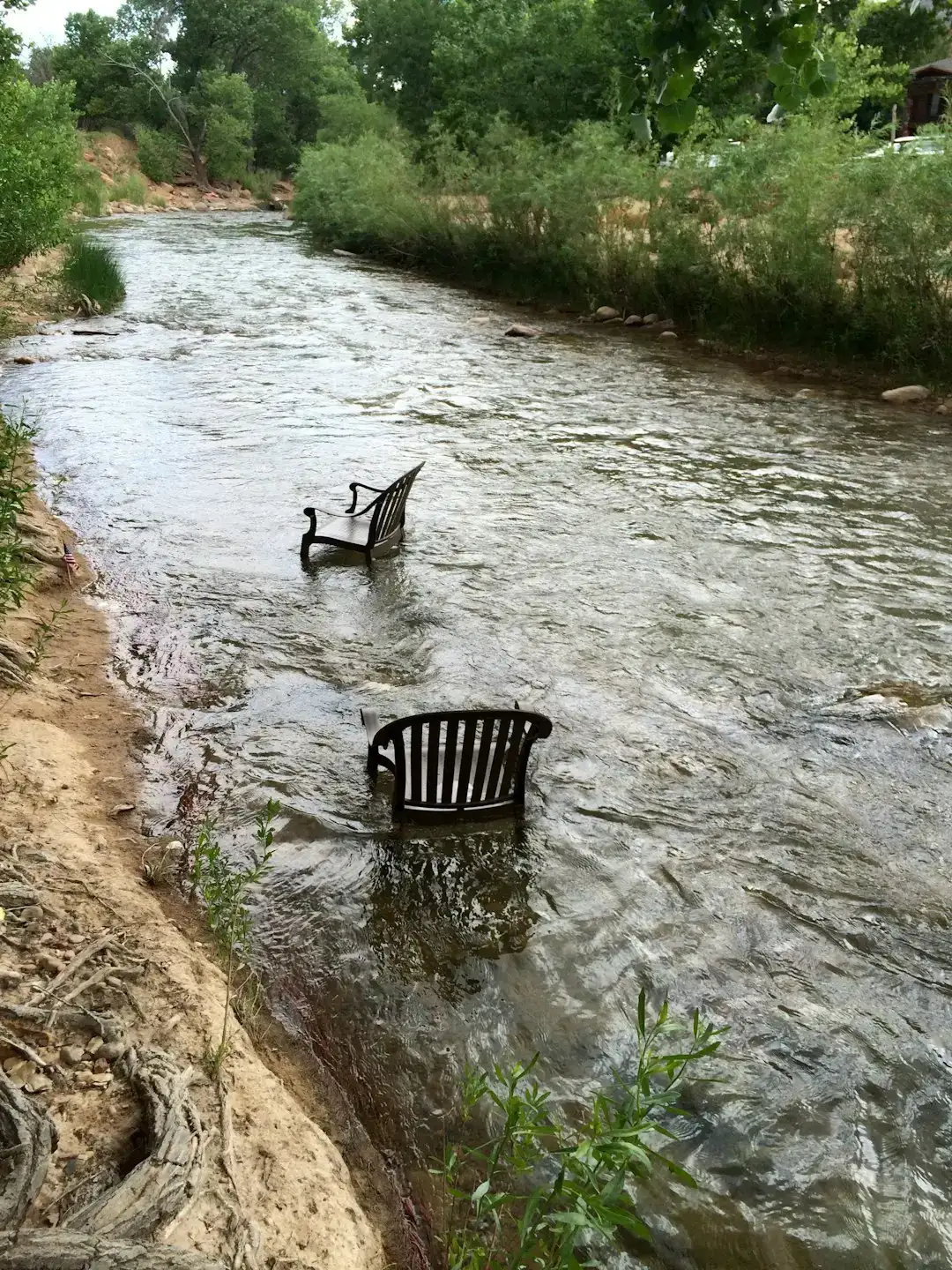
My old logic was simple: water flows downhill, so living higher means water problems stay below me. That’s true for slow-rising river floods, but it ignores how fast small creeks can behave in steep terrain. According to NOAA’s National Severe Storms Laboratory, mountains and steep hills produce rapid runoff, which causes streams to rise quickly, and a creek only 6 inches deep in mountainous areas can swell to a 10-foot deep raging river in less than an hour if a storm lingers.
I live nowhere near a major river, but there’s a small drainage creek about 200 feet from my property line that I barely noticed when I bought the house. During a heavy summer storm, that creek turned into something unrecognizable within minutes. The ground itself doesn’t help either, since rocks and shallow, clayey soils don’t allow much water to infiltrate, and saturated soils can lead to rapid flash flooding.
2. I trusted the flood map more than I should have

Before buying, I checked the FEMA flood map and felt reassured that my new address sat outside any designated flood zone. What I didn’t understand is how outdated and geographically narrow those maps can be, especially in hilly regions. Research groups like First Street have found that FEMA’s maps underplay risks everywhere, but especially in mountainous regions like rural North Carolina and Tennessee, where the biggest discrepancies between independent models and FEMA’s maps showed up in Appalachia.
A big part of the problem is what the maps simply don’t count. Experts note that flooding from rainfall causes a lot of property damage but generally isn’t factored in unless it causes rivers to overtop their banks, and the models largely ignore small waterways like streams, creeks, and tributaries. In other words, the exact kind of water that threatens hillside homes is the kind the official map was never really built to track.
3. I underestimated landslide and mudslide risk
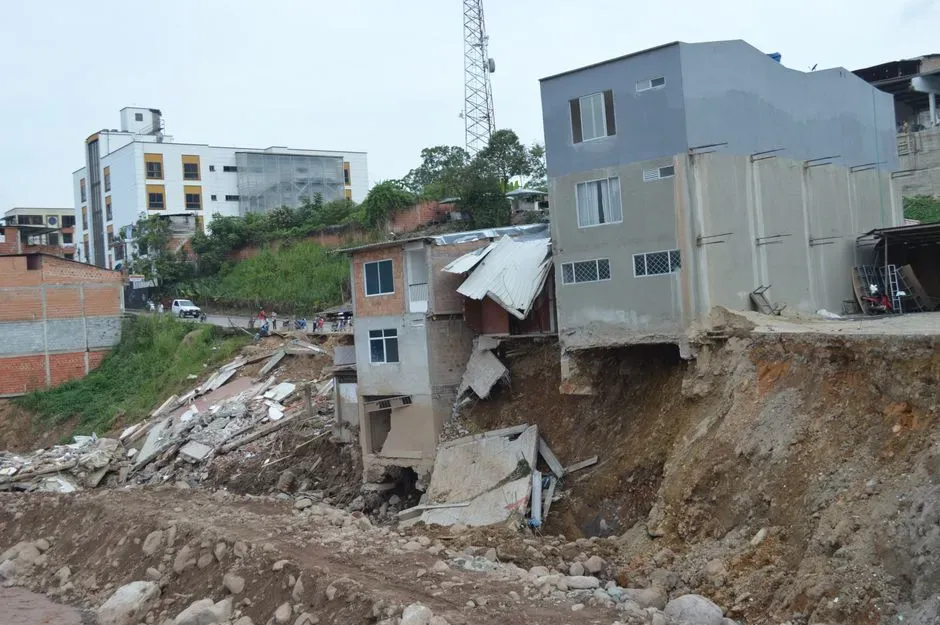
Nobody warned me that trading a floodplain for a slope meant trading one hazard for another. Landslides are more common than people realize, and federal geologists point out that landslides are a serious geologic hazard common to almost every state, and as people move into hilly or mountainous terrain it’s important to understand their exposure to that risk.
The danger multiplies after wildfires strip vegetation from nearby hillsides, something I hadn’t connected to my own situation until I read about it. Geology experts have explained that the risk of landslides rises in the months and years after wildfires because flames kill the vegetation that keeps hillsides stable. Even without fire involved, steep ground that’s been disturbed by construction, erosion, or heavy saturation can shift with surprisingly little warning.
4. I dropped my flood insurance too quickly
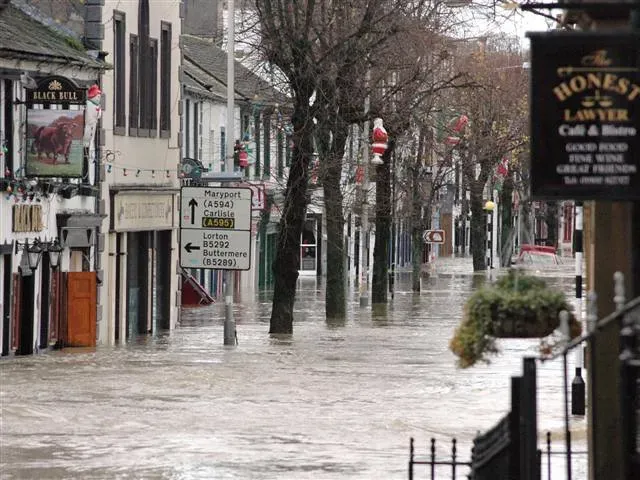
Once my address showed up as outside a flood zone, I canceled my policy within the first year. Looking back, that was premature, because agencies have repeatedly stressed that location outside a mapped zone doesn’t mean immunity. FEMA has warned for years that people who live outside a designated flood zone are nonetheless susceptible to flooding.
The numbers back up that caution more than I expected. Industry data shows that only about 4 percent of homeowners in the U.S. have flood insurance, even though flooding is the most common natural disaster in the U.S., and 99 percent of counties have experienced at least one flood event since 1996. I’ve since reinstated a policy, and it feels less like a formality now and more like basic upkeep.
5. I overlooked what elevation does to well water
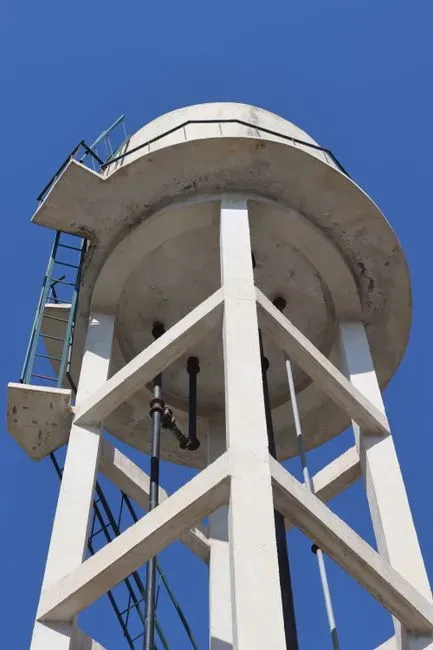
My new property runs on a private well, which wasn’t something I’d dealt with before. I assumed being higher up meant my water source was naturally protected from the kind of contamination that plagues low-lying wells during storms. That’s not entirely true, since wells located near streams or drainage ditches are particularly vulnerable to flooding following rapid snowmelt or heavy rainfall, but wells located away from surface water can also become submerged if they sit inside leaky pits as shallow water tables rise.
Even short of a flood event, groundwater in hillside terrain has its own quirks worth knowing. State health guidance recommends checking whether a well’s casing is properly sealed and elevated, since in areas subject to flooding, the top of the casing, cap or well cover must be at least 2 feet above the highest known floodwater elevation and surrounded with earth fill. Mine wasn’t, and getting it corrected turned into an unplanned expense during my first spring there.
6. I didn’t factor in the wildfire trade-off
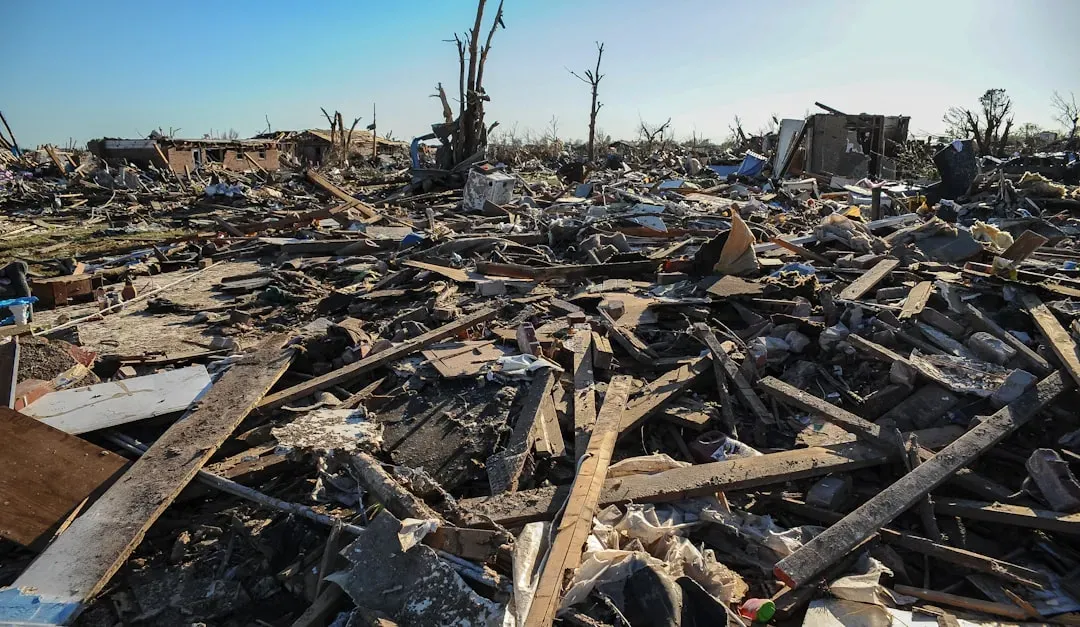
This was the biggest blind spot of all. In chasing flood safety, I ended up in wooded, elevated terrain that carries its own seasonal hazard, wildfire, and the mudslides that can follow it. It’s a documented pattern in fire-prone regions, where officials have described how burned hillsides can remain hazardous long after the flames are out, warning that mud and debris flow hazards can exist even when it’s not raining, once vegetation and soil structure have been destabilized.
The rainfall thresholds that trigger post-fire debris flows are also lower than most people assume. Researchers at Virginia Tech noted that in the first year after a fire, what might be a moderate amount of rain, say half an inch in a 15-minute period, can be a trigger for these fast-moving, destructive landslides. I hadn’t considered any of this when I was focused solely on getting away from flood zones, and it’s now a permanent part of how I think about storm season. Moving uphill didn’t turn out to be the clean solution I imagined, but it wasn’t a bad decision either. It just came with a different set of risks that needed the same level of attention I used to give to flood zones alone. Elevation changes the type of water problem you might face, not whether you’ll ever have to think about water again.

- The Shoreline Sucked Dry in Seconds – 5 Tsunami Signals Beachgoers Mistake for Low Tide - November 14, 2026
- 9 Dark-Sky Destinations Around the World Where the Stars Look Unreal - November 14, 2026
- The Fault Line That Never Slips – 7 Locked Seismic Zones Overdue for a Massive Release - November 14, 2026
