
- Phantom Energy Sucking Power 24/7 – 7 Home Electronics Quietly Inflating Utility Bills - November 14, 2026
- A Million-Mile Storm Raging for Centuries – 6 Violent Weather Wonders in Our System - November 14, 2026
- Animals Flee Hours Before the Tremor – 7 Natural Warnings Before Disasters Strike - November 14, 2026
1. New York City
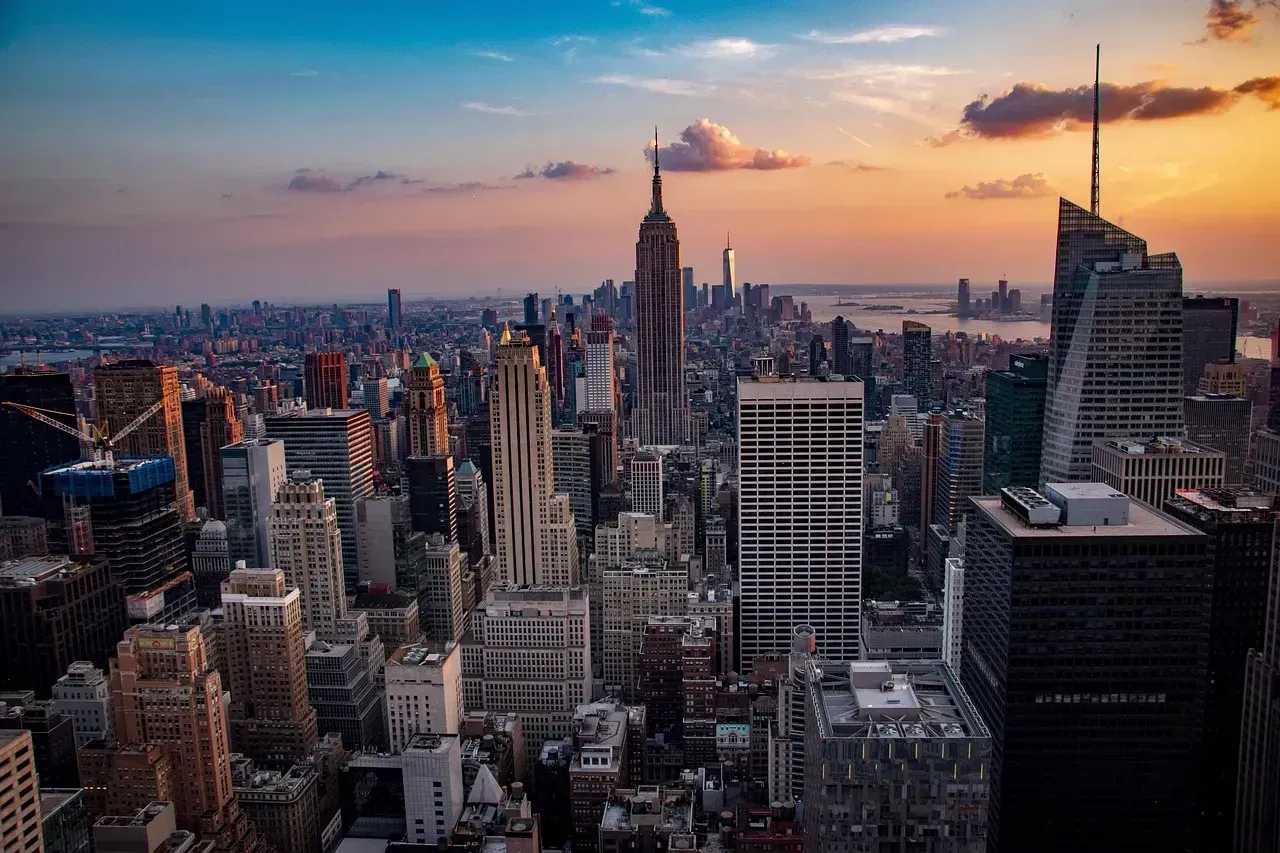
New York City runs one of the more unlikely water stories in the country. Despite being one of the densest urban centers on the planet, the city draws from a watershed system that keeps the water remarkably clean before it even reaches a treatment plant. New York City boasts some of the cleanest tap water for any megacity on the planet, sourced from the protected Catskill watershed, a rarity for a city of its size.
That watershed spans roughly a million protected acres upstate, feeding reservoirs that supply the city almost entirely by gravity. The arrangement means less energy spent pumping water uphill and fewer points where contamination can creep in. It’s the kind of infrastructure decision made generations ago that keeps paying off today.
2. Seattle
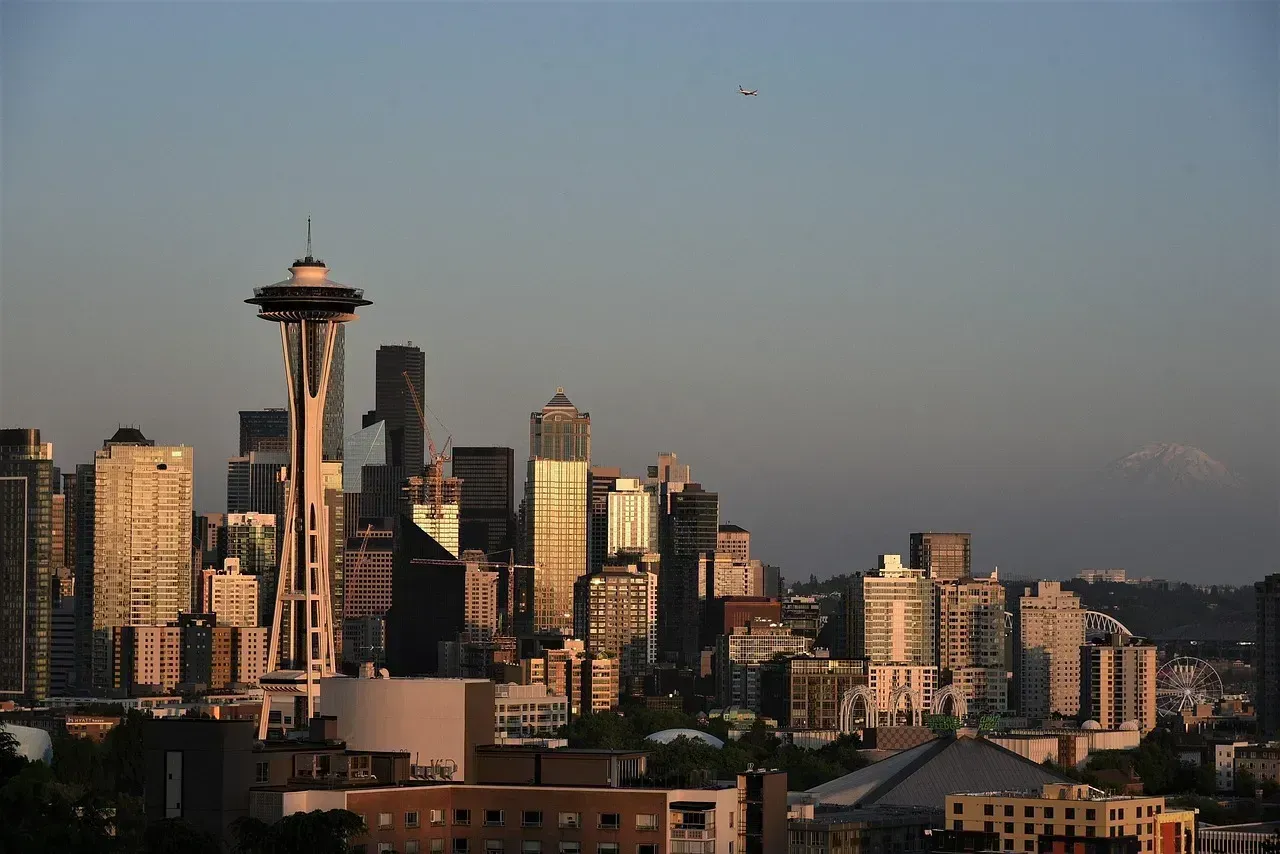
Seattle benefits from geography as much as engineering. The city sits close to mountains that catch heavy winter precipitation, feeding rivers that stay full even when summers turn dry. Seattle draws from the protected Cedar River watershed, which produces soft water with minimal need for aggressive treatment.
Because the watershed is closed to most public access and heavily forested, runoff pollution stays low year after year. Seattle Public Utilities has also invested steadily in backup supply lines and reservoir storage, so a single system failure doesn’t leave the city scrambling. It’s a quieter kind of security, built on keeping the source clean rather than fixing problems after they start.
3. Portland
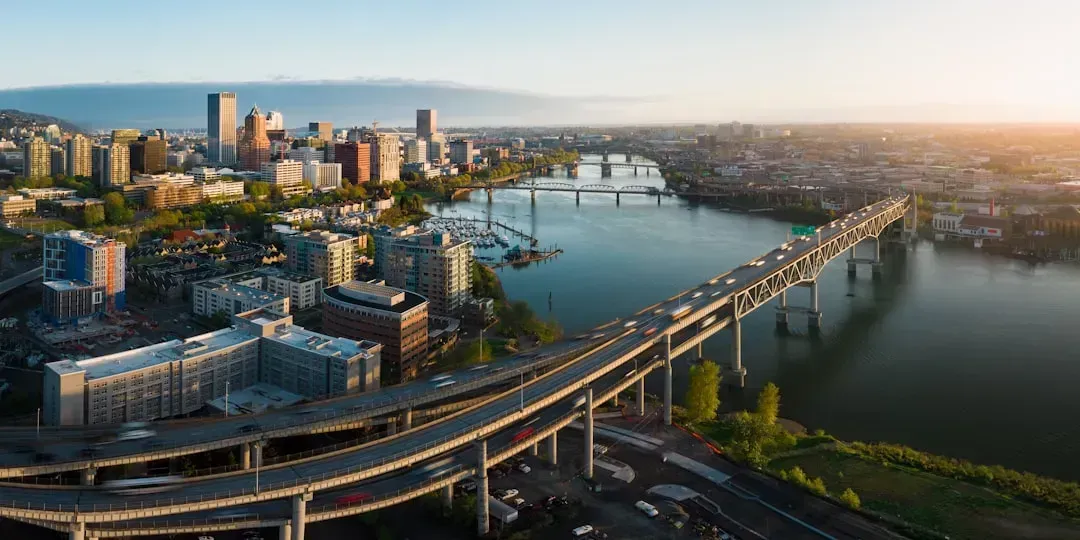
Portland’s water story runs through the Bull Run Watershed, a forested area east of the city that has supplied drinking water for well over a century. The Bull Run watershed requires minimal treatment before reaching households and businesses across the metro area.
That low-treatment approach isn’t just about cost. It reflects a long-standing decision by the city to protect the land around its water source rather than rely purely on chemical treatment downstream. Combined with the region’s reliable rainfall, Portland has avoided many of the supply anxieties playing out in drier parts of the West.
4. San Francisco
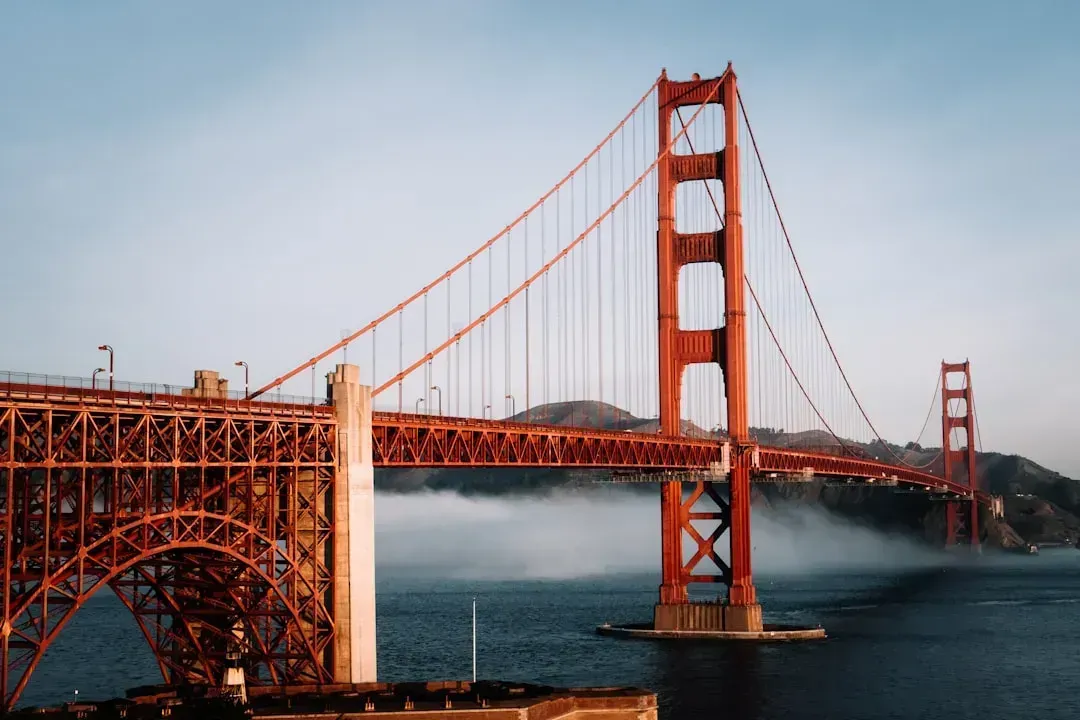
San Francisco’s water security traces back to a decision made in the early twentieth century to tap a source far outside city limits. San Francisco’s tap water originates from the pristine wilderness of Yosemite, benefiting from the natural filtration processes of the Sierra Nevada mountains, which results in crisp, clean water that requires minimal treatment.
The Hetch Hetchy Reservoir system stores snowmelt from the Sierra high country and delivers it hundreds of miles to the Bay Area, largely by gravity. That distance from urban development means the source water stays relatively free of the runoff issues that plague cities drawing from nearby rivers. It’s a system built for a different era that still performs well today.
5. Boston
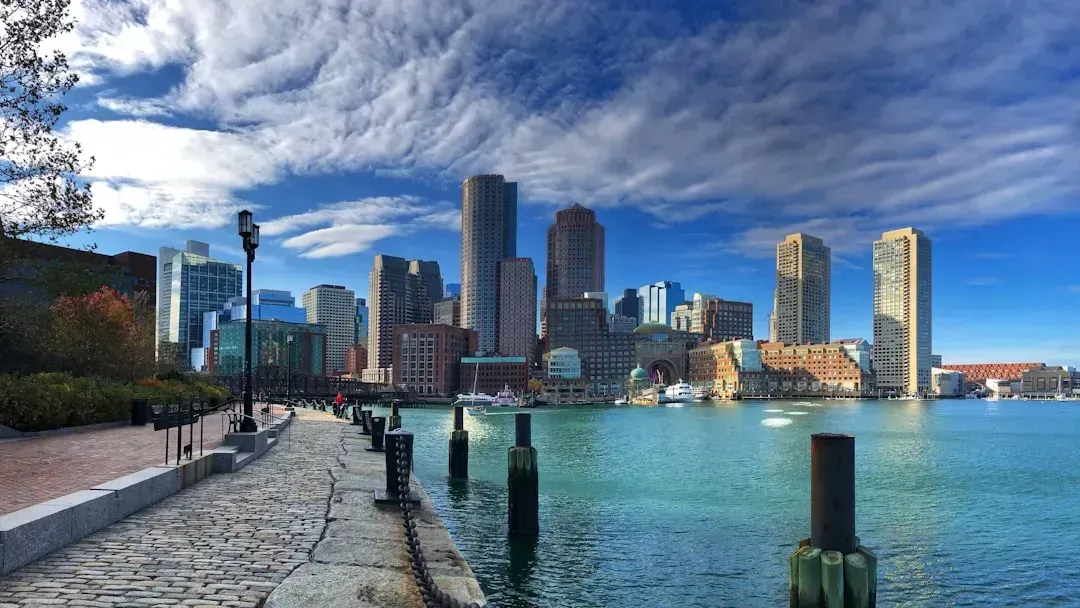
Boston’s case is a little more nuanced, and that’s part of what makes it worth including. Boston is currently under a three-day-per-week outdoor watering schedule after a Drought Level 2 declaration in September 2025, triggered when combined storage at the Quabbin and Wachusett Reservoirs dropped to 68 percent of capacity, the lowest point since 2016. That sounds like a strike against security, until you look at the scale of the buffer behind it.
The Quabbin Reservoir, about 65 miles west of Boston, combined with the Wachusett Reservoir, supplies an average of approximately 200 million gallons per day, and the Quabbin alone can hold a five-year supply of water. The reservoirs can safely provide about 300 million gallons per day even during periods of extended drought, an amount known as the “safe yield.” Few systems anywhere in the country carry that much slack, which is exactly why a dry stretch triggers watering restrictions rather than a crisis.
6. Chicago
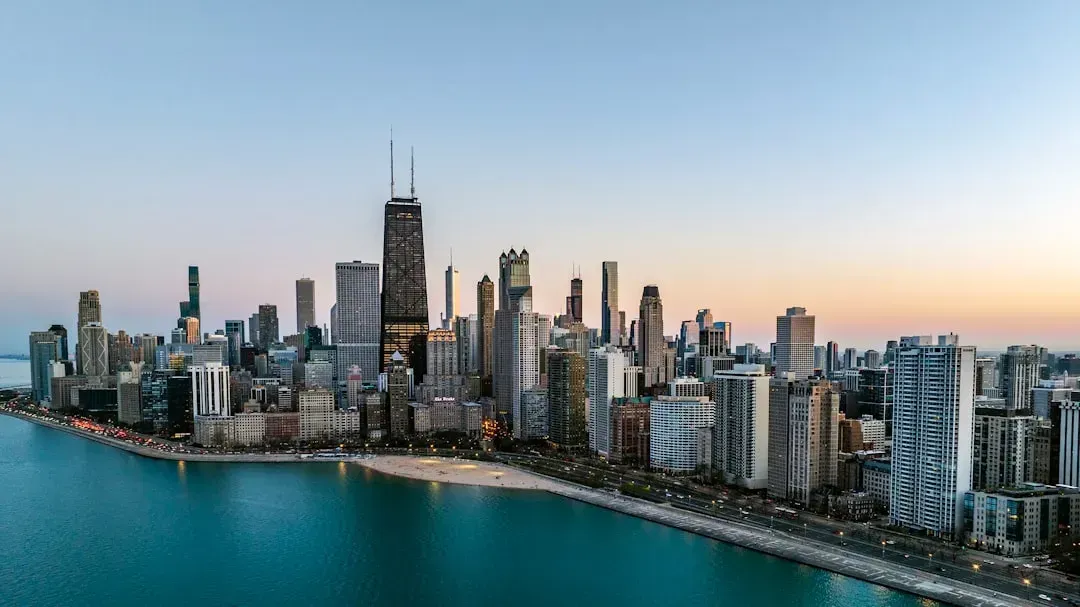
Chicago’s advantage isn’t engineering finesse, it’s sheer volume. The city draws from Lake Michigan, part of a freshwater system so large that supply scarcity is almost a non-issue compared to drought-prone regions. The Great Lakes hold 21 percent of the world’s surface freshwater and support over 40 million people across eight U.S. states and Ontario.
That scale gives Chicago a kind of structural security other cities can’t easily replicate. Water level swings and algal bloom concerns get plenty of attention in Great Lakes policy circles, but for a city the size of Chicago, running out of raw water simply isn’t the risk it is elsewhere. The bigger ongoing task is treatment and distribution, not finding enough water to treat in the first place.
7. Minneapolis-St. Paul
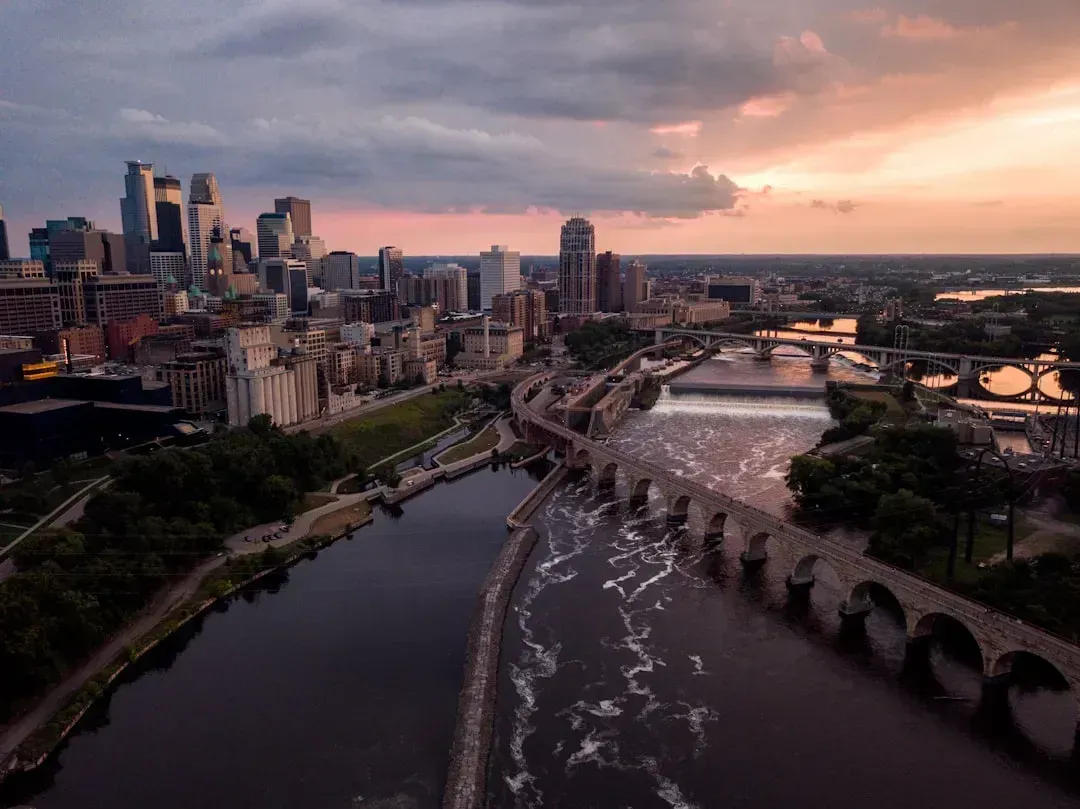
The Twin Cities sit at the intersection of the Mississippi River and a state famously dotted with lakes, giving the metro area layers of backup that drier cities can only envy. Minneapolis draws primarily from the Mississippi, while St. Paul blends river water with groundwater, so the two systems aren’t leaning on the exact same source at the exact same time. That kind of built-in redundancy matters more than people realize until one source runs into trouble.
Minnesota’s cold winters and heavy snowpack also mean the region rarely faces the kind of prolonged drought stress that shows up in the Southwest or parts of the Southeast. Groundwater recharge happens reliably most years, which keeps the whole system from ever feeling stretched thin. It’s not a flashy water story, but it’s a remarkably stable one.
8. Washington, D.C.
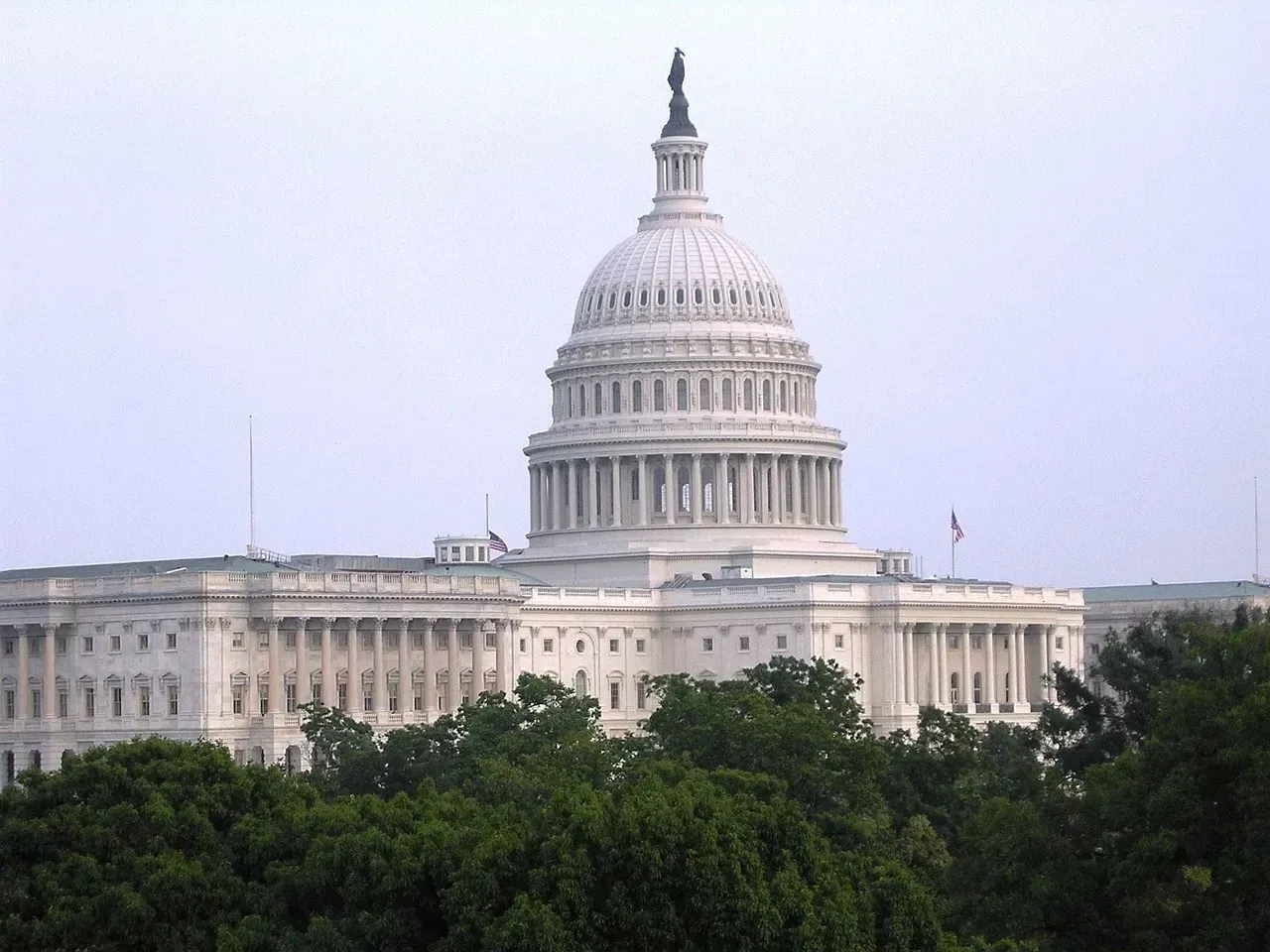
Washington doesn’t get the same attention as New York or Seattle when water reliability comes up, but the data backs its inclusion here. Washington, D.C., ranked 13th globally, alongside Toronto and New York, as one of North America’s most sustainable water cities in the Arcadis Sustainable Cities Water Index.
The city draws from the Potomac River through the Washington Aqueduct, a system old enough to have weathered plenty of regional droughts already. Ongoing investment in filtration and distribution upgrades has kept pace with the demands of a growing metro population. For a river-fed system in a region that isn’t naturally water-rich, that combination of infrastructure investment and regional planning goes a long way.
9. Louisville
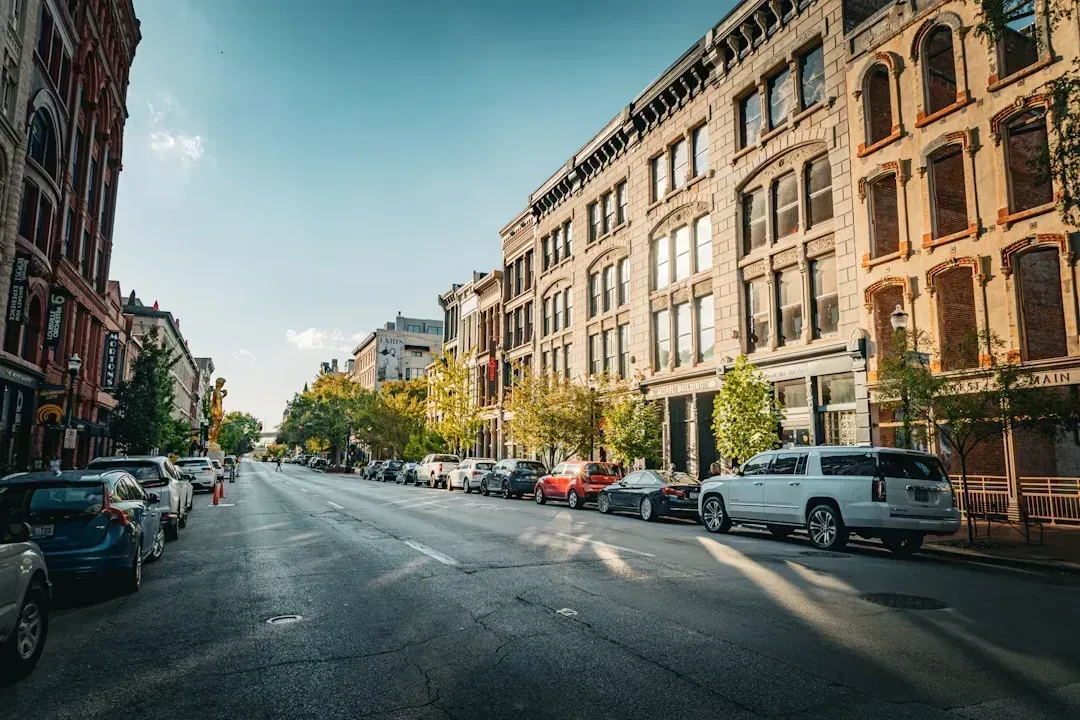
Louisville rounds out the list on the strength of both its source and its reputation. Drawing from the Ohio River, a waterway with far more volume than most people give it credit for, the city has built a treatment system respected well beyond Kentucky’s borders. Louisville’s tap water is trademarked and backed by award-winning treatment, a distinction few municipal systems can claim.
The Ohio River’s flow rarely drops to levels that threaten supply, even during regional dry spells, which gives Louisville Water Company a comfortable margin to work with. That margin, paired with decades of treatment innovation, has turned what could be an unremarkable river source into one of the more consistently reliable systems in the country.
What separates secure cities from vulnerable ones