
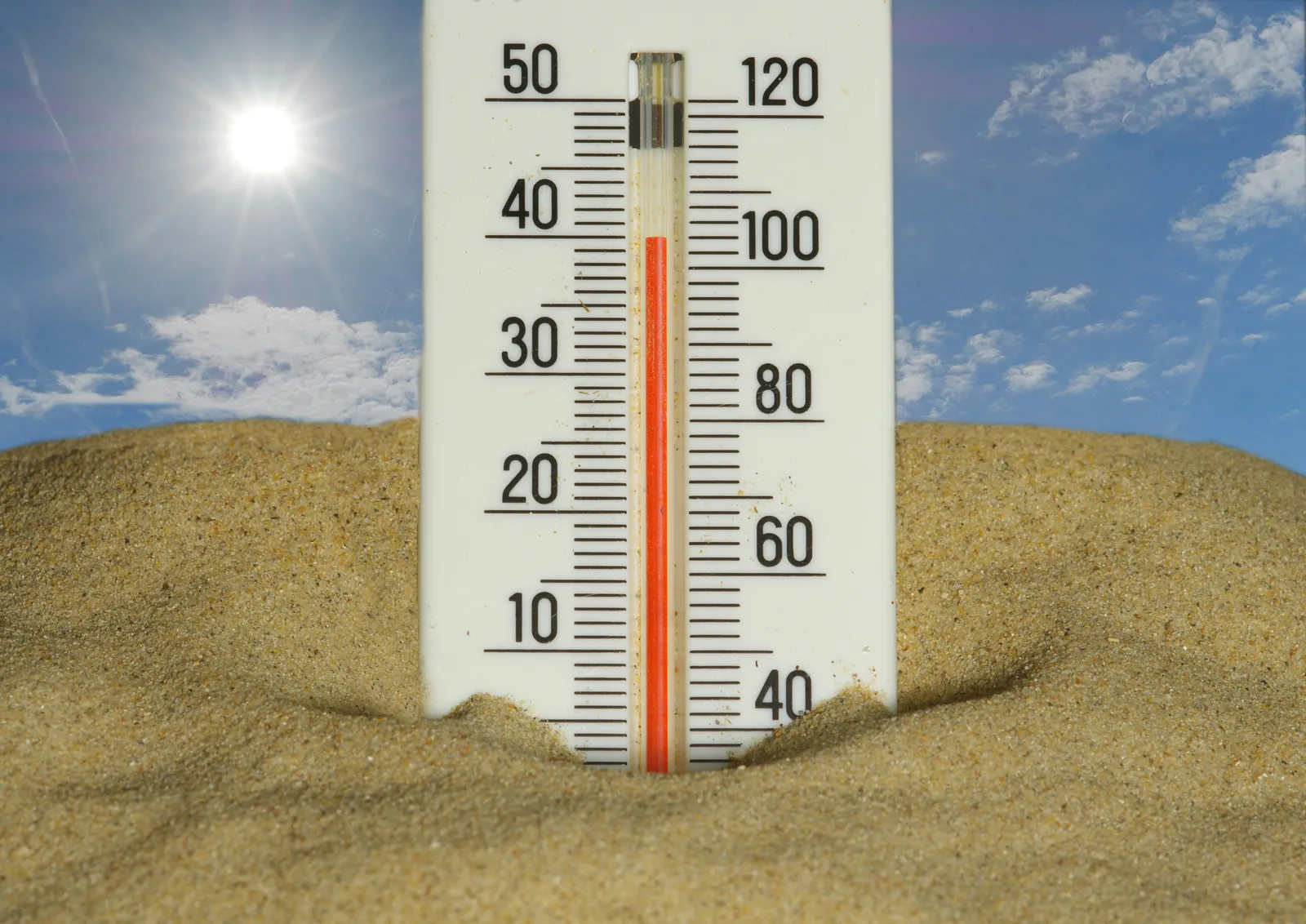
Half the country spent the Fourth of July weekend under a heat alert this year, and that wasn’t an accident of timing. A sprawling heat dome settled over the eastern half of the United States just as Americans headed outside to mark the nation’s 250th birthday, pushing temperatures into territory that hadn’t been seen in over a decade in some cities. It was a preview, not an anomaly, of what a warming atmosphere combined with a strengthening El Niño can do to a summer.
Seasonal outlooks from NOAA and private forecasters both point toward a hotter than normal summer across most of the country, with only a narrow band of the Upper Midwest spared from the warm signal. Below is a rundown of the ten U.S. metro areas that climate data, recent heat waves, and current forecasts suggest are the most likely candidates to see new heat records fall before the summer of 2026 is over.
10. San Antonio, Texas
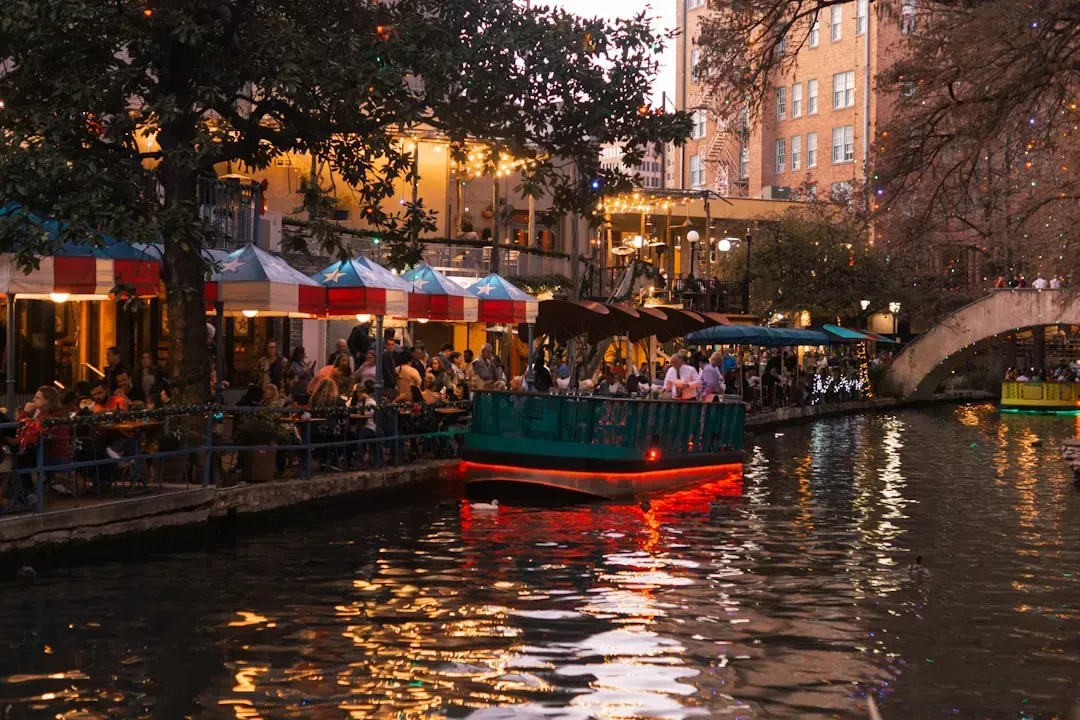
San Antonio has already shown what a bad summer looks like in this decade. San Antonio recently saw its hottest year on record in 2024, with 95°F and above temperatures for a full week in May, a heat index that reached 117°F in June, and a record breaking heat wave with temperatures over 100°F for a week in August. That kind of stretch used to be rare in this part of Texas.
The trend line is not comforting for anyone hoping 2026 is different. One hundred degree days are now three times more common in San Antonio than they were 30 years ago. With El Niño adding extra warmth to the southern Plains this year, San Antonio sits near the top of the list of cities watching their thermometers closely.
9. Richmond, Virginia
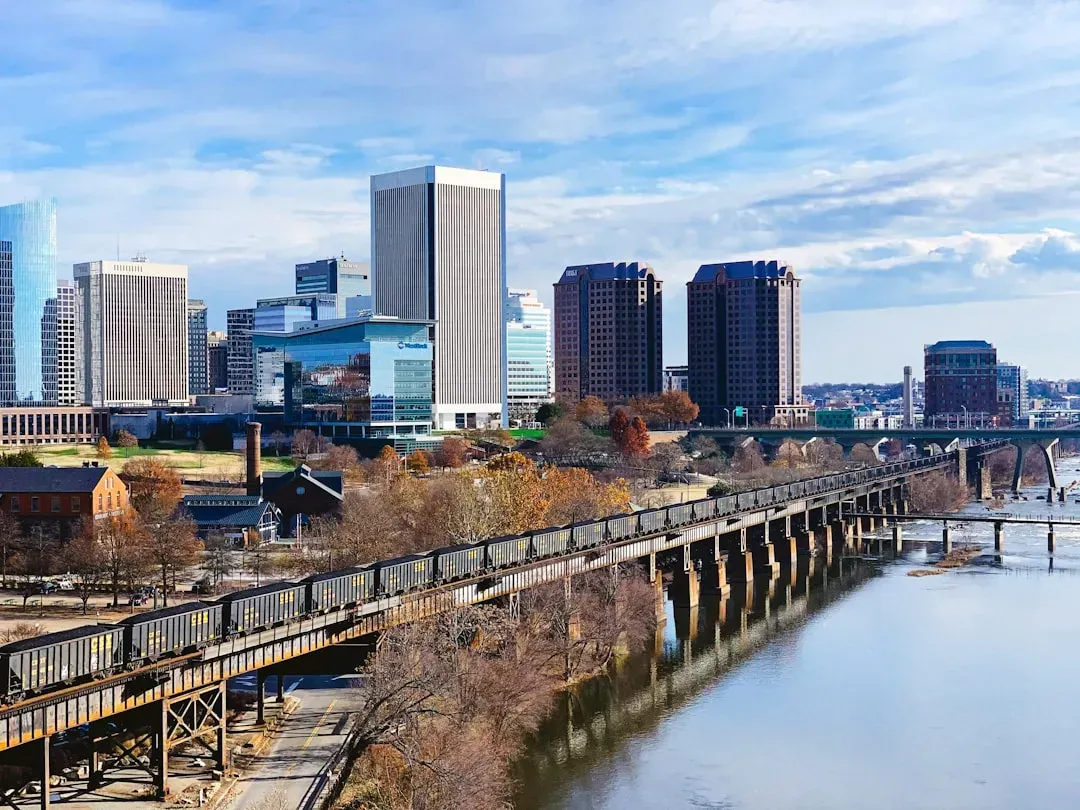
Richmond does not usually make lists of the nation’s hottest cities, which is exactly why its recent stretch has stood out. The National Weather Service says this could be the region’s most significant heat wave since July 2012, and Richmond was forecast to top 100 degrees for three consecutive days, potentially breaking daily records each day. That 2012 event was notable enough to be remembered by name in the region.
Humidity levels this far into the Mid Atlantic tend to make daytime highs feel worse than the number on the thermometer suggests. Richmond’s inland location, away from any moderating coastal breeze, leaves it more exposed to the kind of heat domes that have parked over the Ohio Valley and pushed east this year. If a similar setup returns later in the summer, the city’s daily record book could see more changes.
8. Baltimore, Maryland
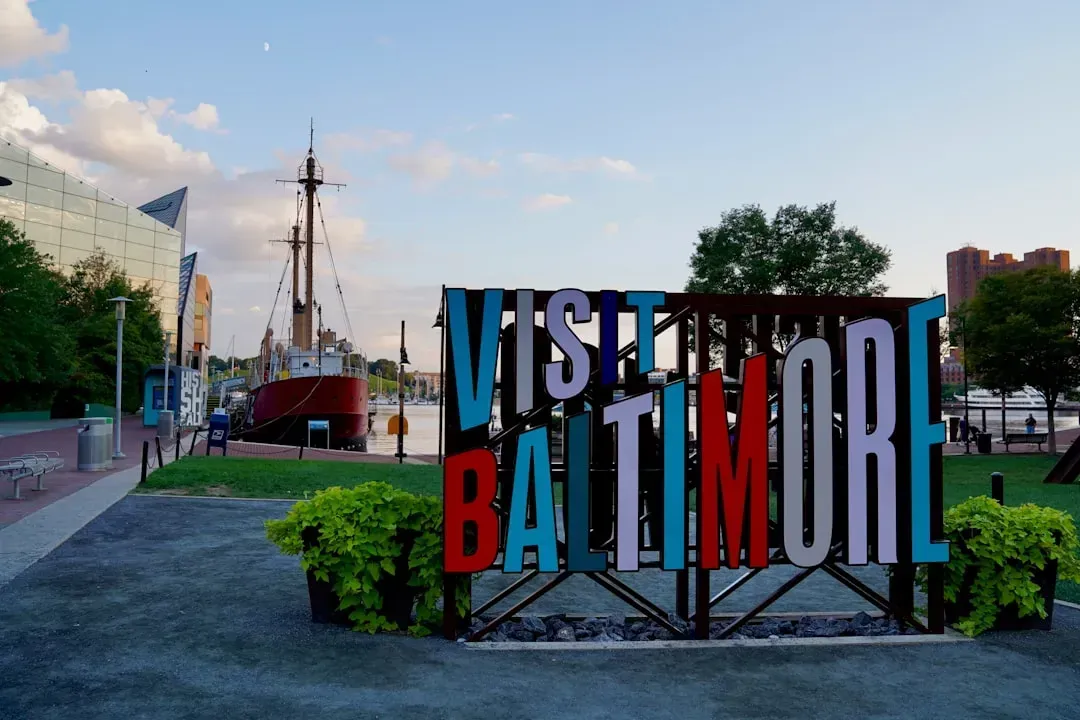
Baltimore’s brush with its own history came close enough to feel uncomfortable. Baltimore was forecast to come within a few degrees of its all time record high of 107 degrees during the late June heat dome. That kind of margin is thin, and it does not take much of a shift for a near miss to become an actual record.
What makes Baltimore worth watching for the rest of 2026 is less about any single day and more about the pattern. Urban heat retention in the harbor area keeps overnight temperatures elevated, which compounds the stress of consecutive hot days. Another heat dome settling over the Mid Atlantic, which forecasters expect to be a recurring feature this summer, would put Baltimore’s all time mark back in play.
7. New York City, New York
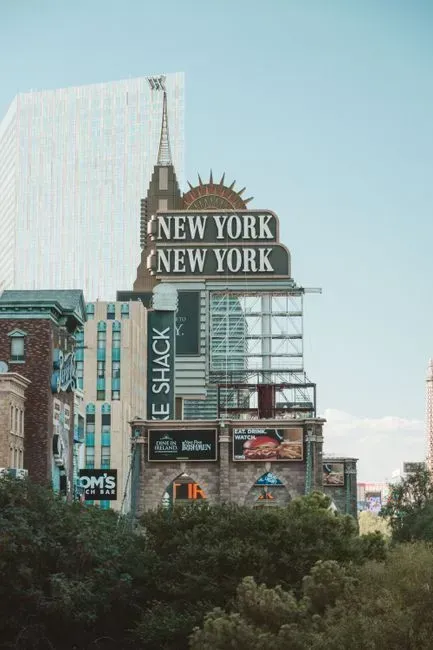
New York doesn’t usually top heat lists, but 2026 has already been unusual. The city had a shot at consecutive 100 degree days for the first time since July 2011 during the late June heat dome. That kind of stretch is rare enough in the five boroughs that it makes headlines on its own.
City officials clearly took the threat seriously. A heat wave forecast for much of the East Coast pushed temperatures in the city toward 100 degrees and prompted the mayor to activate a heat emergency plan that included hundreds of cooling centers. Coastal cities like New York tend to build up humidity along with heat, and that combination is part of why AccuWeather has flagged the city for a summer with 90 degree days at or above its historical average.
6. Washington, D.C.
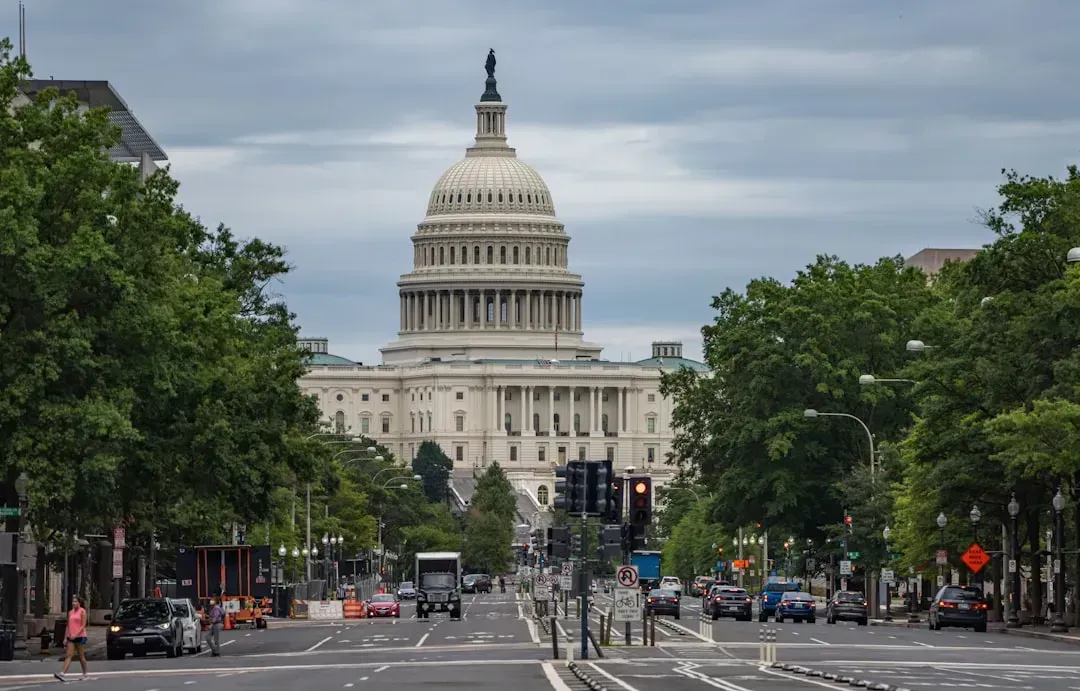
The nation’s capital had a rough Independence Day. The July Fourth parade was cancelled in Washington as temperatures hit a historic daily high of 103°F. Cancelling a parade tied to the country’s 250th anniversary is not a small decision, and it says something about how serious the heat had become.
Washington was also among the cities flagged as most exposed during that same stretch. Charlotte, Cleveland, New York City, Pittsburgh and Washington were among the cities where records could fall, with Washington forecast to come within a few degrees of its all time record high of 106 degrees. The city sits at the southern edge of the Ohio Valley heat dome pattern that tends to build through summer, which keeps it in the crosshairs for more record challenges before fall.
5. Denver, Colorado
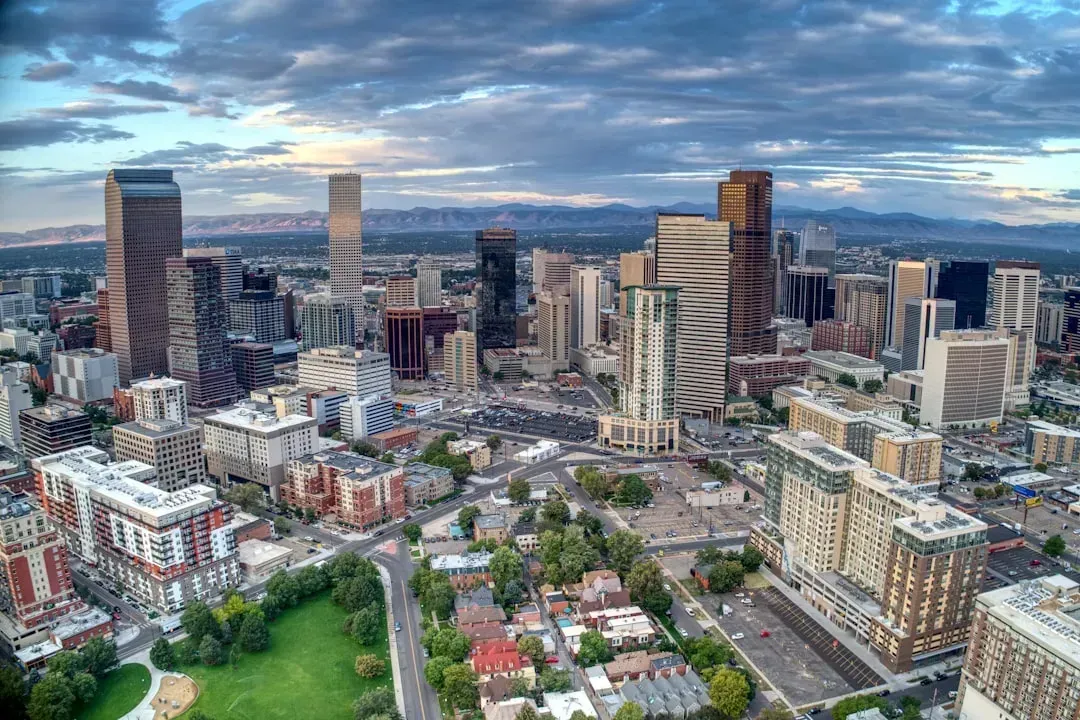
Denver’s elevation used to offer some protection from the worst desert heat, but that buffer has been shrinking. Temperatures were expected to climb into the upper 90s and low 100s across cities such as Denver, with the potential to break daily heat records. For a city where triple digit readings once made local news, that kind of forecast is a shift.
Part of what’s driving Denver’s exposure this year is the broader western pattern tied to El Niño. Warmer, drier conditions across the interior West have become a recurring feature of recent summers, and Denver’s Front Range location puts it squarely in that zone. Combined with a dry spring that left little soil moisture to buffer daytime heating, the city has less natural cooling to rely on than it once did.
4. Salt Lake City, Utah
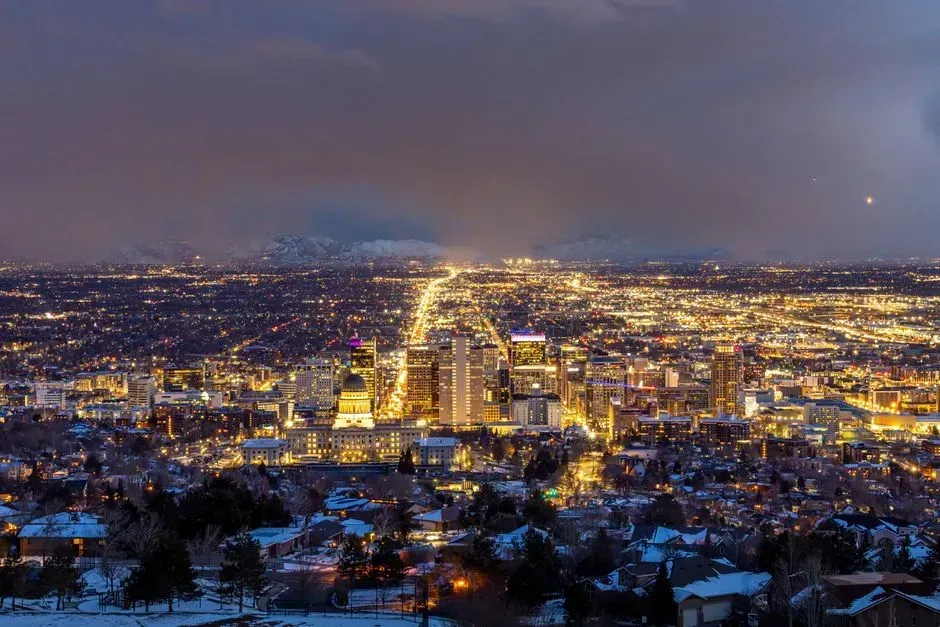
Salt Lake City shares Denver’s problem of rising baseline heat layered on top of an already dry climate. Temperatures were forecast to climb into the upper 90s and low 100s across cities such as Salt Lake City, with the potential to break daily heat records. The Great Salt Lake’s shrinking footprint in recent years has only added more exposed, heat absorbing land nearby.
The city’s long term warming trend backs up the short term forecasts. Salt Lake City’s average summer temperatures have risen by 6.0 degrees Fahrenheit since 1970, one of the sharper increases among major U.S. cities. A rise of that size over five decades moves a city’s typical summer into territory that once would have counted as an unusually hot year.
3. Reno, Nevada
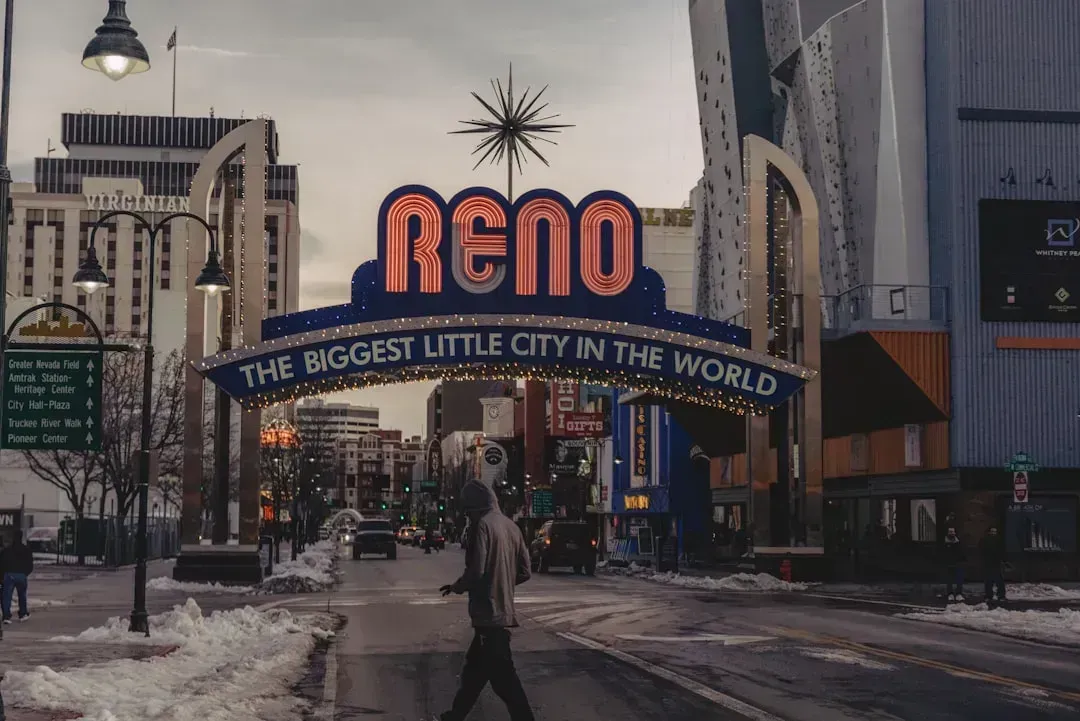
Reno’s warming has been so pronounced that it stands apart from every other major U.S. city in recent climate research. Reno has seen average summer temperatures rise by 11.3 degrees Fahrenheit since 1970, according to research published in May by Climate Central. That is not a typo. It is roughly double the increase seen in most other fast warming cities.
Researchers themselves flagged how unusual this is. Reno stands out as a clear outlier, with nearly double the increase seen in the next highest cities on the list. Rapid population growth and expanding development around the Truckee Meadows basin have added urban heat island effects on top of a regional warming trend already running hotter than almost anywhere else in the country.
2. Las Vegas, Nevada
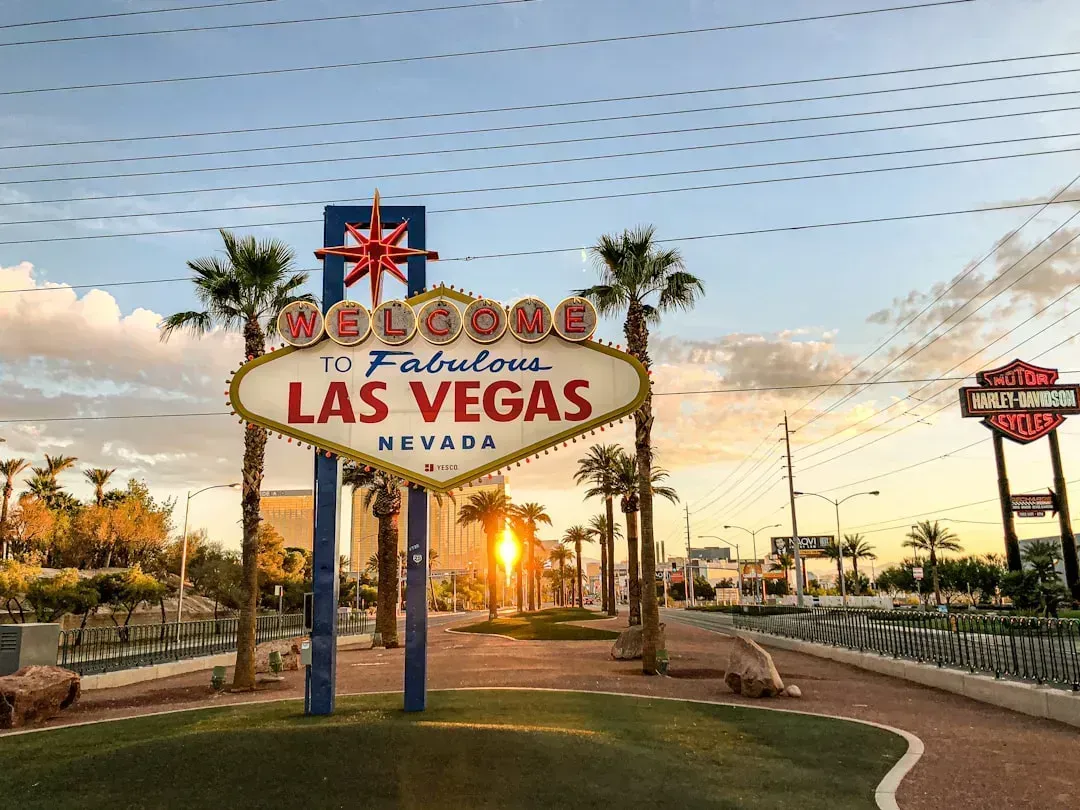
Las Vegas has become something of a case study in how quickly a desert city’s climate can shift. Residents experienced record heat first hand in 2024 during a record breaking summer, when the city saw seven straight days with highs above 115°F and three days topping 118°F, both records. Those numbers would have sounded implausible for Las Vegas even a decade earlier.
The city’s warming trend is not slowing down. Las Vegas has warmed faster than any major U.S. city since 1990, up 4.8 degrees Fahrenheit, as the metro tripled in population and replaced desert with concrete and asphalt that radiates heat long after sunset. That combination of a hotter regional climate and a built environment that traps heat overnight is exactly the kind of setup that produces new records rather than just uncomfortable days.
1. Phoenix, Arizona
If any city was going to top this list, it had to be Phoenix. Phoenix isn’t just the hottest major city in America, it’s in a different league, with an average summer day hitting 105.4°F and the city averaging 107 days above 100°F per year since 1990. No other large American metro comes close to that kind of sustained extreme heat.
Recent summers have only pushed the numbers further into record territory. In 2023, Phoenix recorded 31 consecutive days above 110°F, and the city’s urban heat island is so intense that overnight lows frequently stay above 90°F, which is rare in most desert cities. With El Niño adding extra warmth to an already extreme baseline climate, Phoenix enters the back half of 2026 as the metro area most likely to see its own record book rewritten again.

- Crows Remembering Human Faces for Decades – 6 Bird Behaviors Far Smarter Than We Knew - November 15, 2026
- 8 Things Astronauts Do on Their First Day in Orbit That Rookies Find Strange - November 15, 2026
- 11 Everyday Routines That Are Completely Normal on the Space Station but Baffle Everyone on Earth - November 15, 2026
