
Florida

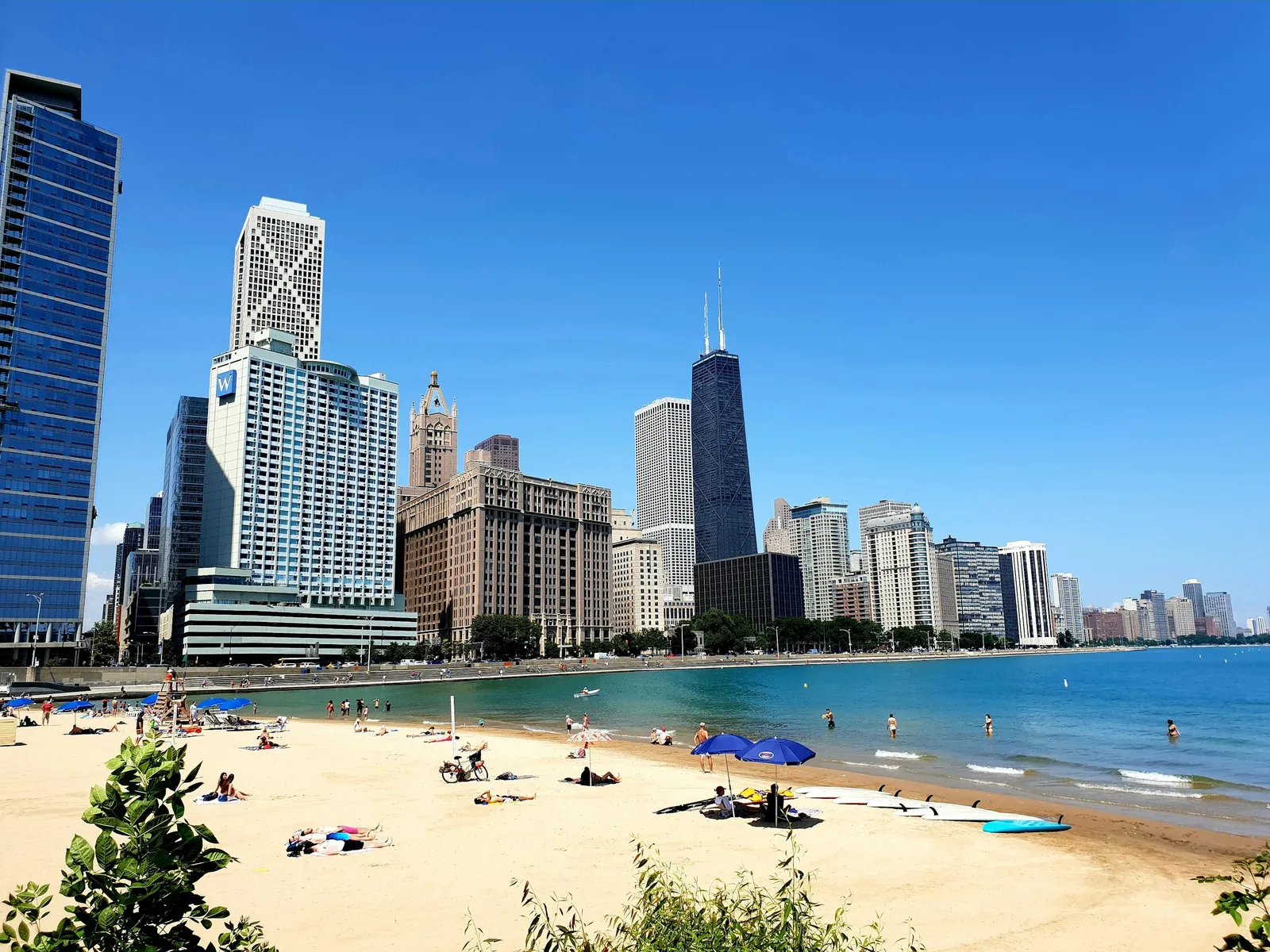
Florida already sits at the top of most national heat rankings, and forecasters expect that lead to grow rather than shrink. Florida tops the states that will see the largest increase in days with a heat index over 100 degrees, though residents all along the Gulf Coast and Southeastern Atlantic are also expected to live through more weeks of dangerous heat because of muggy summertime conditions, low elevation, and warm Gulf waters. That combination of humidity and geography makes the state a special case among the eight.
The financial side of the forecast is just as striking as the temperature side. Florida’s Miami-Dade County is on the brink of a 694% increase in average annual losses from heatwaves, with economic losses attributable to heatwaves expected to climb from 19 million dollars to 135 million dollars over the next three decades, driven largely by at-risk infrastructure, water systems, and energy demand. Local officials are watching those numbers closely as they plan cooling infrastructure for the years ahead.
Texas
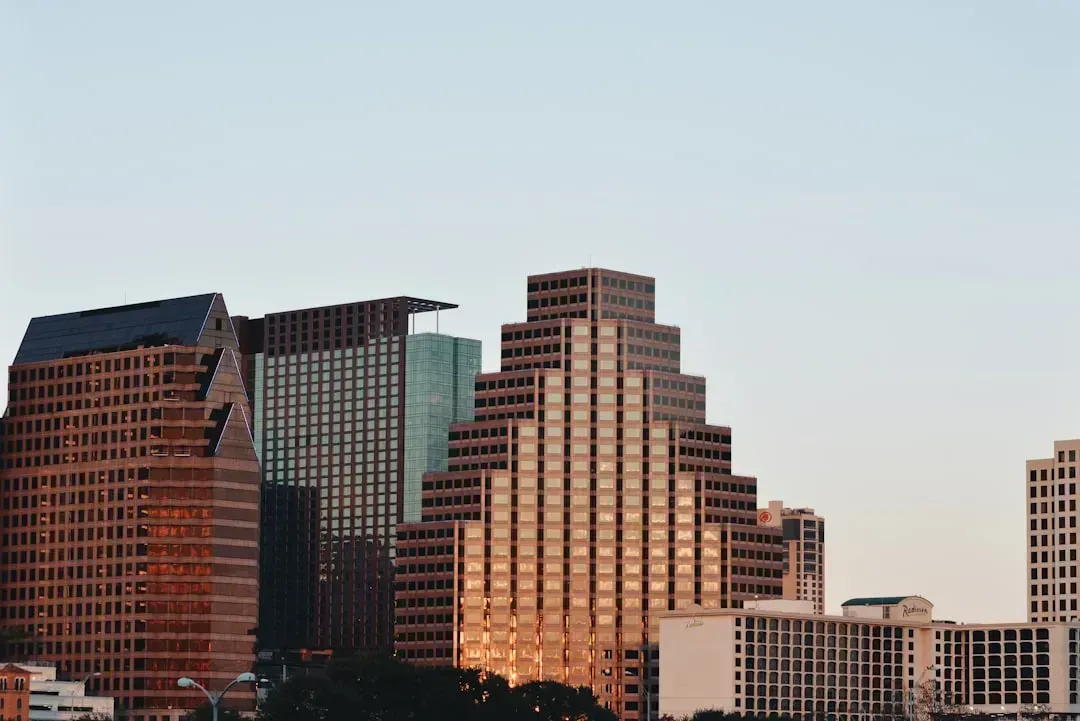
Texas shows up in nearly every extreme heat model, and its sheer size means the impact touches an enormous number of people. By 2050, each of Texas’s 254 counties will experience at least 20 additional heatwave days, and over half will see more than 25 days with temperatures above 95 degrees. That is not a localized problem confined to one region of the state; it is a statewide shift.
Urban areas are already feeling the strain on infrastructure and energy systems. Harris County, where Houston dominates, is facing a 65% increase in average annual losses reported from heatwaves. Grid operators have also flagged rising demand as a growing concern, since in states like Texas, where hotter periods will last longer, that could push power grids to the edge.
Arizona
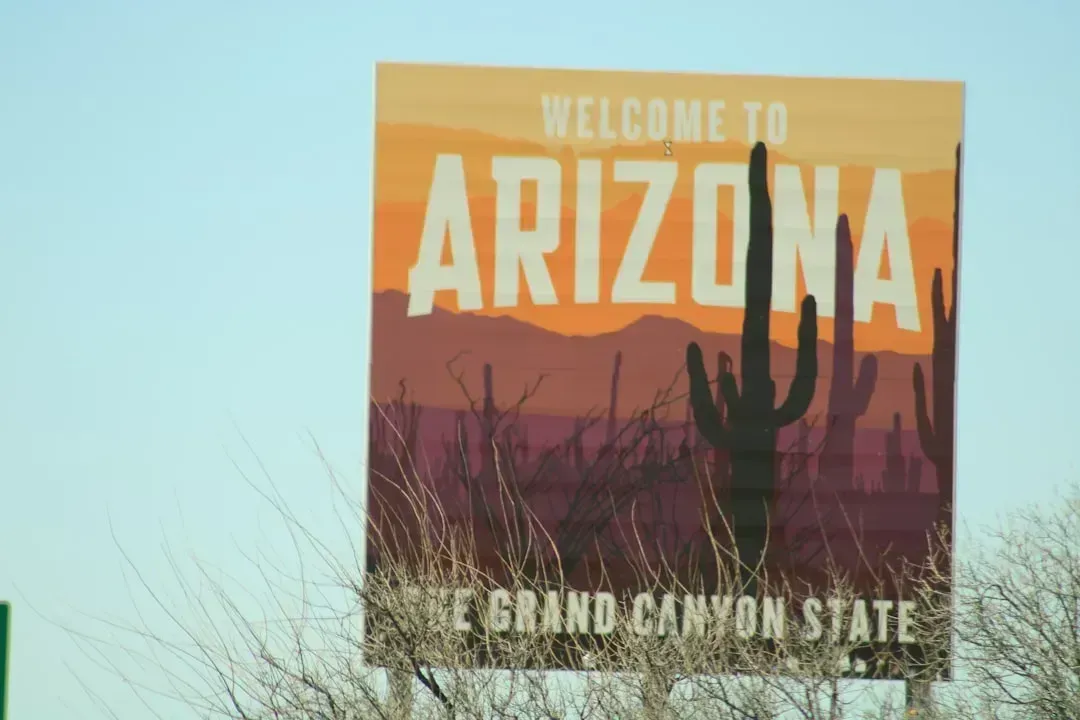
Arizona’s heat story is less about a sudden spike and more about an already extreme baseline climbing higher. Researchers modeling the state’s future have flagged specific counties where the jump in the hottest days is projected to be dramatic. Cotality forecasts the heat stress from days above 110 degrees Fahrenheit in parts of Arizona to increase 39% by 2050.
That kind of shift raises a real question about the state’s identity as a retirement and relocation hotspot. Climate researchers have pointed out that if temperatures increase too drastically, it will dull the attraction of sunshine and low taxes that brought people to Arizona in the first place. Still, there is some optimism that better building design and planning can soften the impact over time.
Missouri
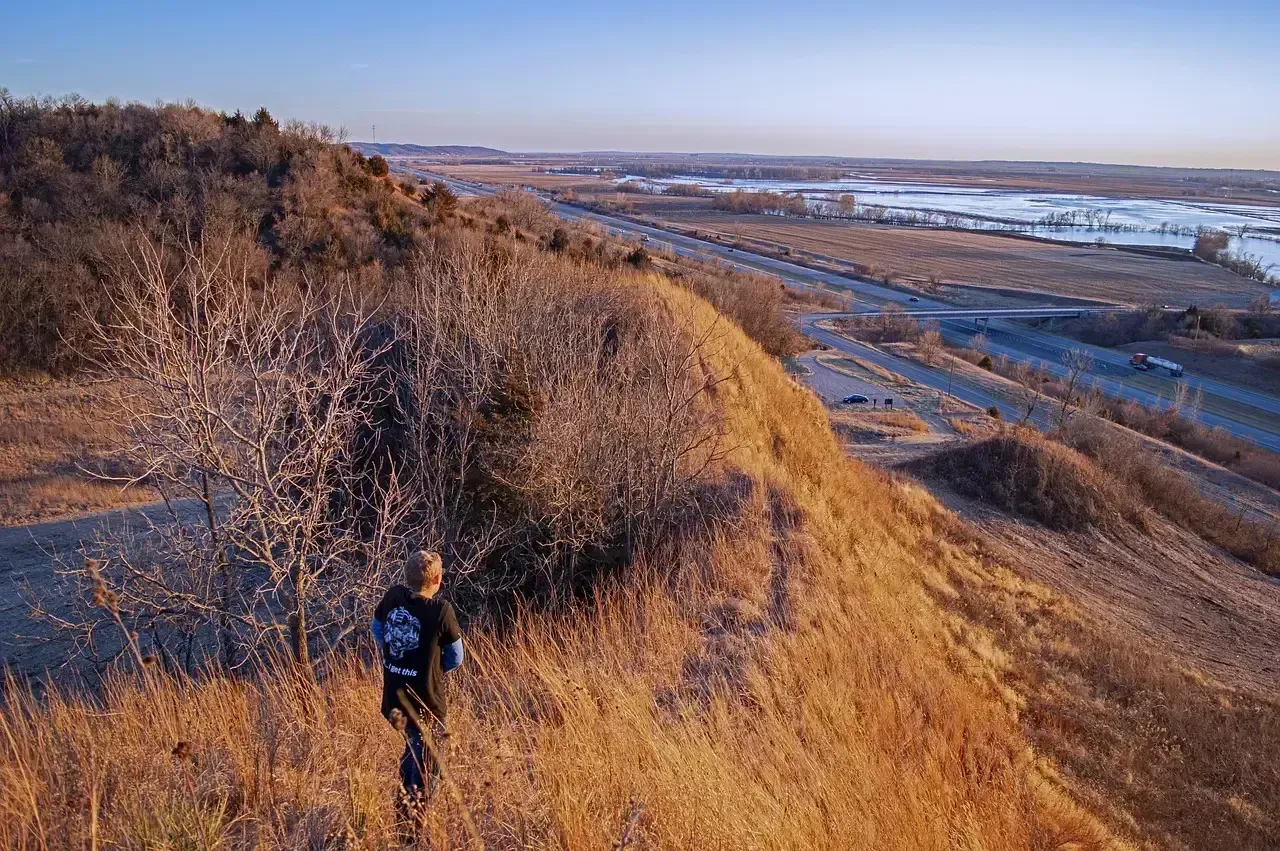
Missouri sits inside what climate researchers call the developing Extreme Heat Belt, a region that has drawn attention because it is not traditionally associated with the worst summer heat. St. Louis and Kansas City are both named specifically in projections tied to this emerging pattern. The developing Extreme Heat Belt forms a region of vulnerability from northern Texas to Illinois, and includes the cities of St. Louis, Kansas City, Memphis, Tulsa, and Chicago.
What makes Missouri’s case notable is the topography behind it. Researchers have described the region between the Appalachian and Rocky Mountains as forming something like a bowl, and the National Weather Service classifies a heat index of 125 degrees as an “extreme danger” day, at which heat stroke becomes highly likely. Missouri’s inland position leaves it more exposed to that funneling effect than many people realize.
Illinois
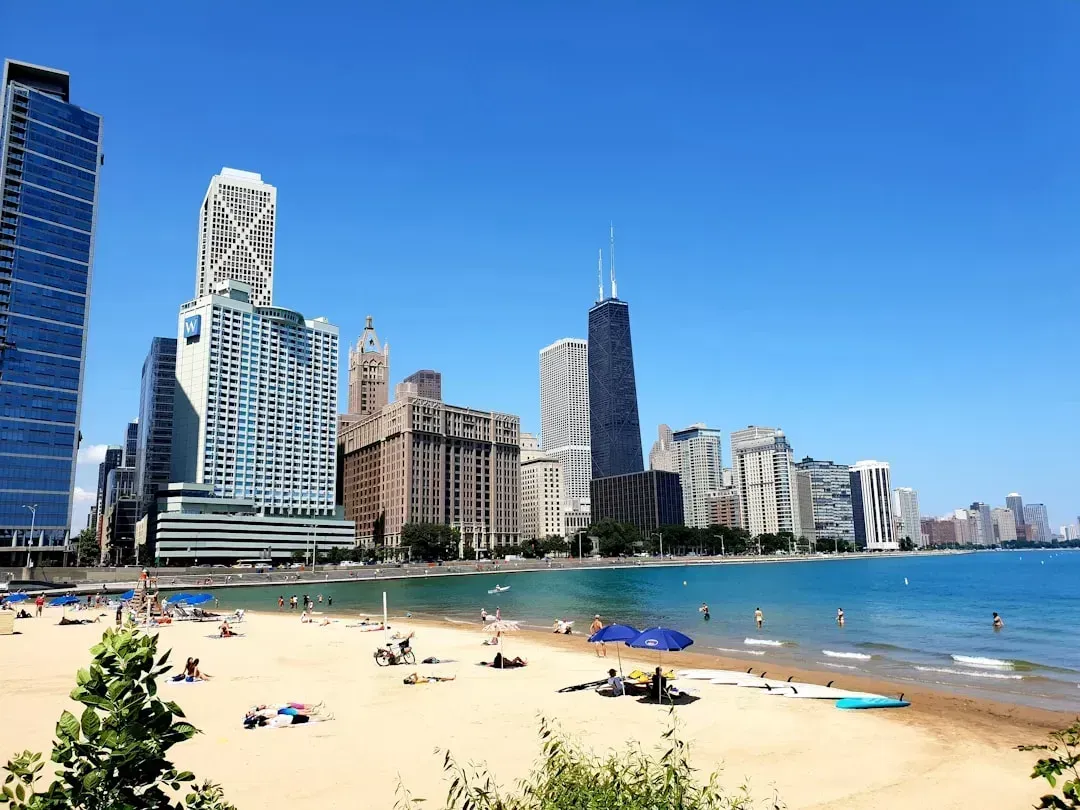
Chicago rarely comes up in conversations about extreme heat, yet it is repeatedly named in the models that define the Extreme Heat Belt. By 2053, 1,023 counties are expected to exceed the 125-degree heat index threshold, an area home to over 107 million Americans, concentrated in a region the Foundation calls the Extreme Heat Belt, stretching from the Northern Texas and Louisiana borders to Illinois, Indiana, and even into Wisconsin.
Illinois’ inclusion matters because its infrastructure, from housing stock to power grids, was largely built for a cooler climate than the one it is heading toward. Cities in the northern half of the Heat Belt often lack the widespread residential air conditioning common in the Deep South, which researchers note can leave residents more vulnerable even at lower absolute temperatures than places like Phoenix are used to.
Oklahoma
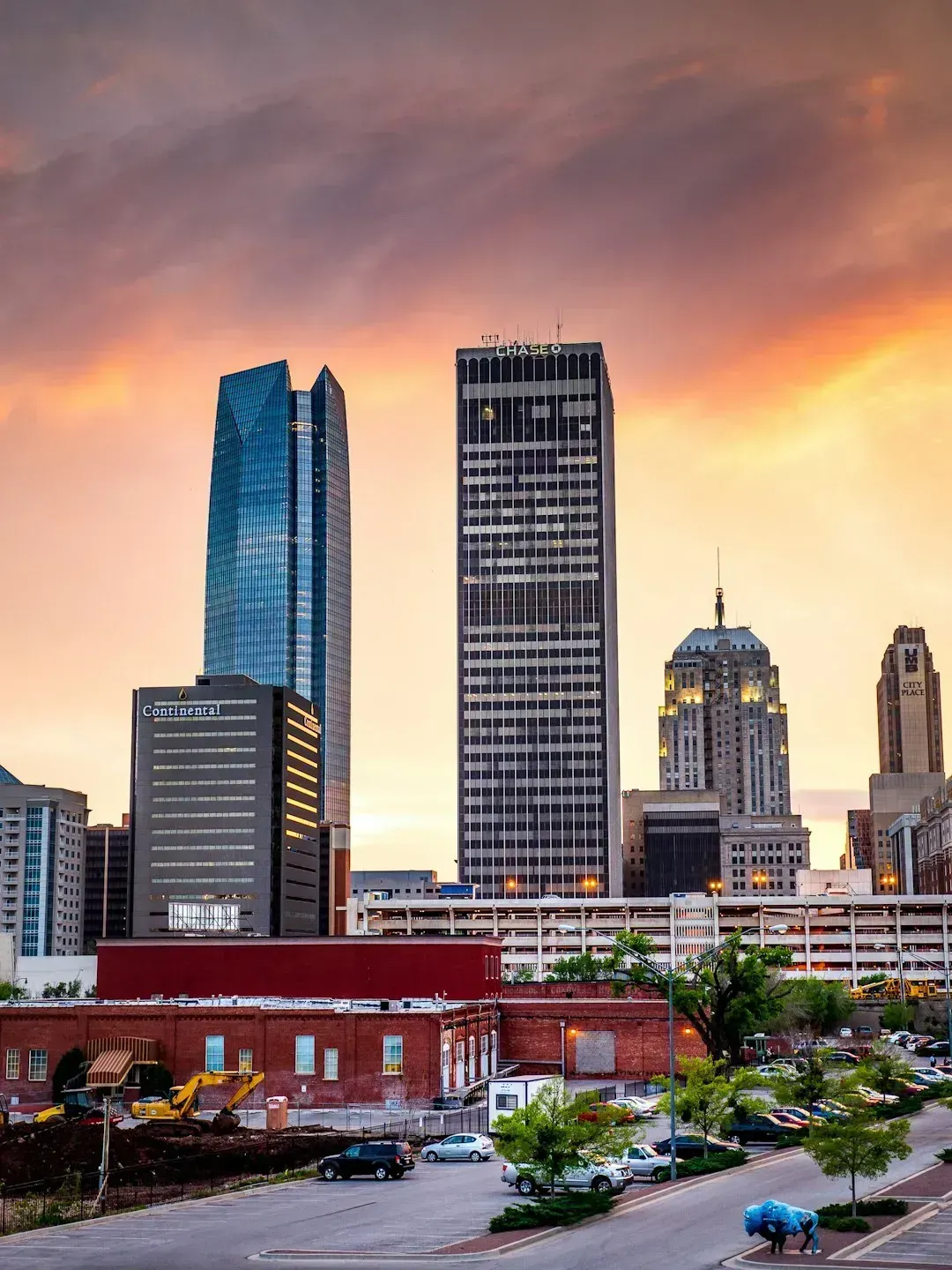
Tulsa’s appearance in the Extreme Heat Belt projections places Oklahoma squarely among the states meteorologists are watching most closely heading into 2030. The state’s central location within the funnel-shaped humidity zone described by First Street Foundation researchers means it faces both rising daytime highs and increasingly oppressive heat index readings.
What sets Oklahoma apart from coastal heat hotspots is the speed of the projected change. The most severe shift in local temperatures nationally is expected in Miami-Dade County, but across the country on average, the local hottest 7 days are expected to become the hottest 18 days by 2053, a pattern researchers say will touch inland Heat Belt states like Oklahoma nearly as sharply. That kind of tripling in extreme-day frequency changes how communities need to plan for summer.
Louisiana

Louisiana anchors the southern edge of the Extreme Heat Belt, and its position along the Gulf compounds the humidity problem that already defines much of the Southeast. The developing Extreme Heat Belt forms a region of vulnerability from northern Texas to Illinois, and includes cities extending from the Louisiana border northward.
Beyond the belt itself, Louisiana shares the broader Gulf Coast pattern researchers have flagged for extreme heat index days. Some places, like Florida, could experience up to 50 more days over 95°F per year under a 2°C warming scenario, and Louisiana’s low elevation and proximity to warm Gulf waters put it in a similar category. That combination of factors makes the state one of the more consistently cited names in Southern heat forecasts.
Wisconsin
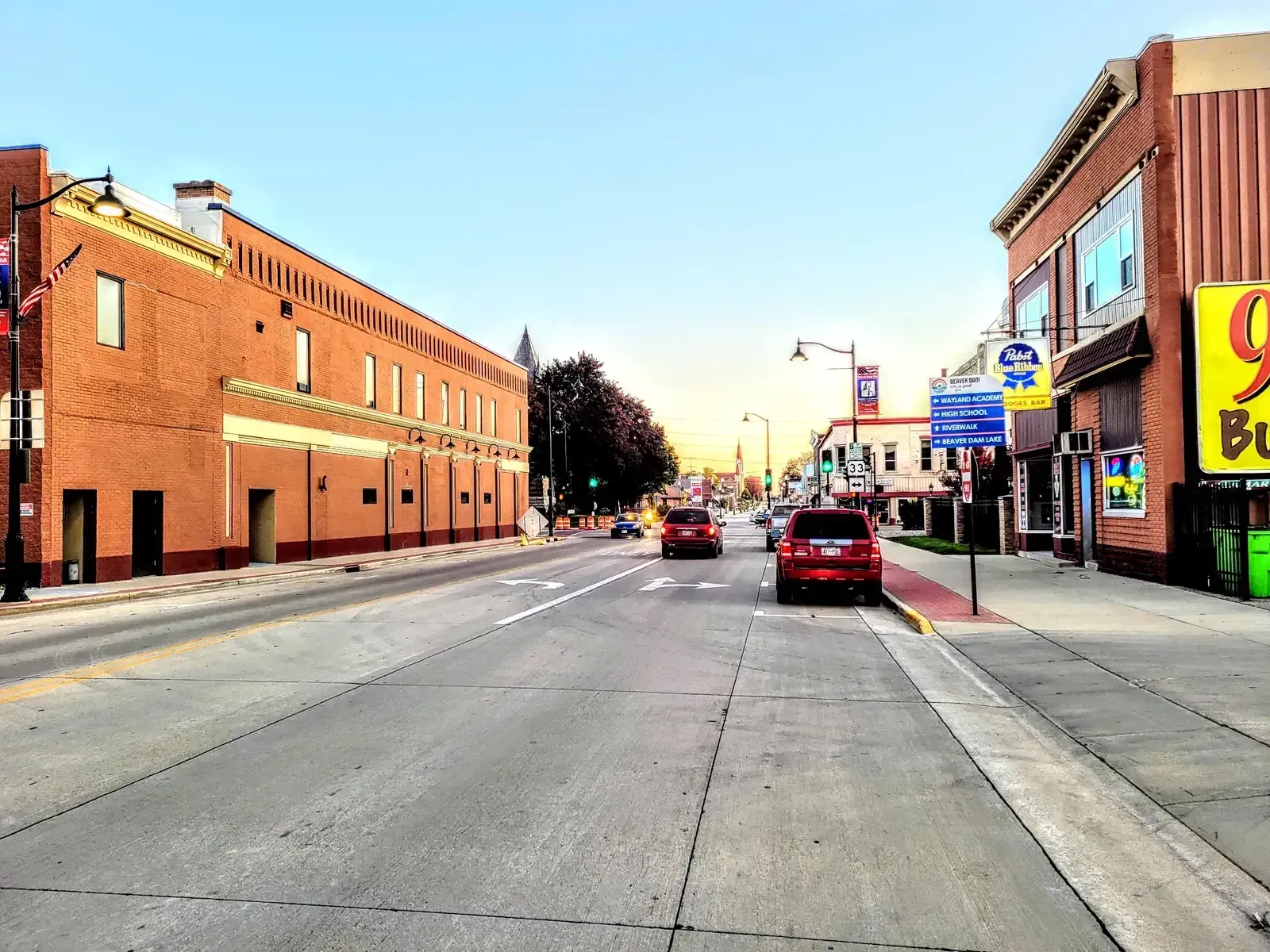
Wisconsin is perhaps the most surprising entry on this list, since it sits far outside the traditional Sun Belt heat corridor. Recent modeling has singled it out specifically for the pace of change expected by 2030, not just the eventual severity. Nearly every American home will face more days of extreme heat by 2030, but the largest jumps in hot days will begin in Wisconsin, Michigan, and Minnesota, where communities will see a 7-percentile-point increase in their risk of exposure.
That rapid rate of change matters because Wisconsin’s homes, cooling systems, and public health infrastructure were not built with this kind of heat exposure in mind. Communities that have historically planned around cold winters are now having to reconsider summer risk planning on a much faster timeline than they expected even a few years ago. The state’s inclusion in the Extreme Heat Belt’s northern reach only reinforces how far this pattern has spread beyond its traditional Southern and Central boundaries.
What This Means Going Forward
Taken together, these eight states tell a story that goes beyond simple geography. Some, like Florida and Texas, are extensions of heat patterns people have expected for decades. Others, like Missouri, Illinois, Oklahoma, and especially Wisconsin, represent a genuine shift in where dangerous heat shows up, moving well beyond the traditional Sun Belt and into regions whose infrastructure was never designed for it.
The common thread across all the research is that the rate of change matters as much as the eventual peak temperature. Communities with the least historical exposure to extreme heat, and often the least air conditioning per household, may end up facing the sharpest adjustment curve between now and 2030.

- The Shoreline Sucked Dry in Seconds – 5 Tsunami Signals Beachgoers Mistake for Low Tide - November 14, 2026
- 9 Dark-Sky Destinations Around the World Where the Stars Look Unreal - November 14, 2026
- The Fault Line That Never Slips – 7 Locked Seismic Zones Overdue for a Massive Release - November 14, 2026
