


- Phantom Energy Sucking Power 24/7 – 7 Home Electronics Quietly Inflating Utility Bills - November 14, 2026
- A Million-Mile Storm Raging for Centuries – 6 Violent Weather Wonders in Our System - November 14, 2026
- Animals Flee Hours Before the Tremor – 7 Natural Warnings Before Disasters Strike - November 14, 2026
Alaska: the runaway leader
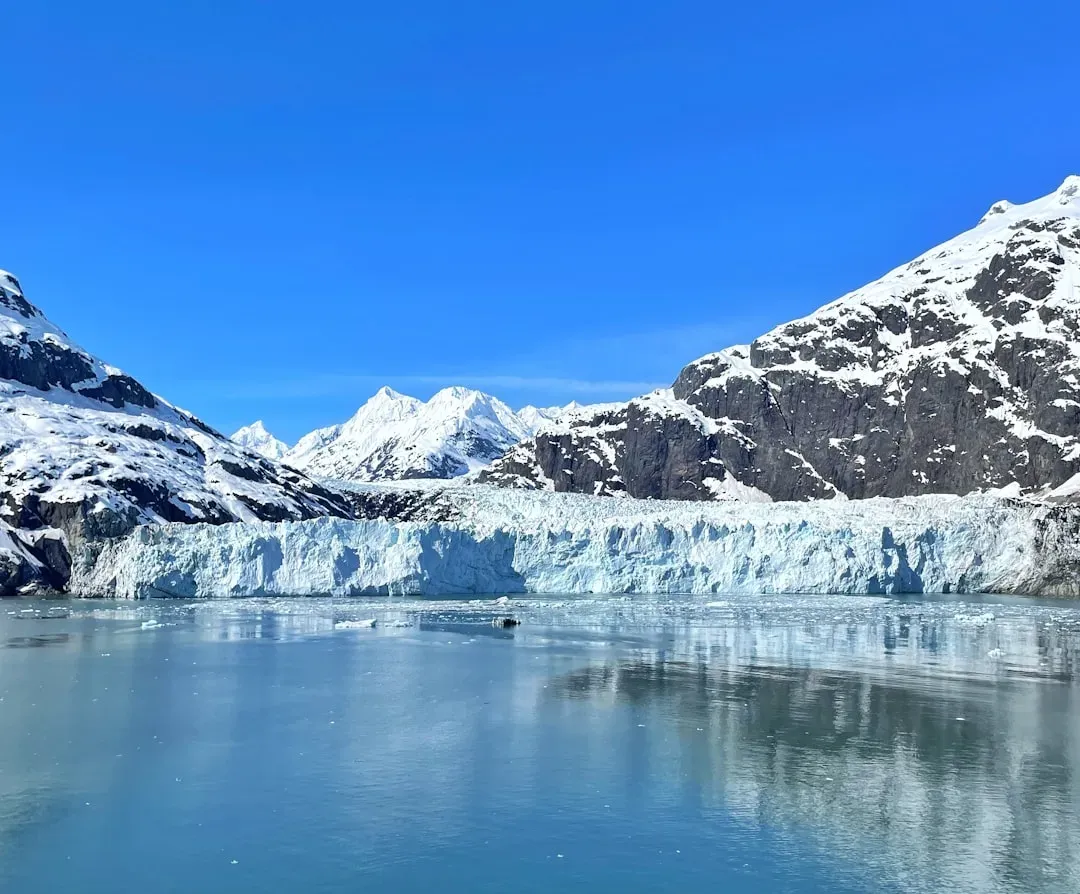
No state comes close to Alaska when it comes to long-term warming. Alaska was the fastest-warming state by far, warming 4.4°F since 1970, due to its high latitude. That single fact explains a lot about why the state keeps making headlines for melting permafrost, retreating glaciers, and shifting wildlife patterns.
The reason has to do with geography more than anything else. Alaska’s high latitude location makes it a target for rapid warming, with Arctic regions experiencing warming at about twice the rate of the global average. Even a relatively mild year at the state level can still rank among the warmest on record, since the baseline keeps climbing.
New Jersey: quietly warming fast
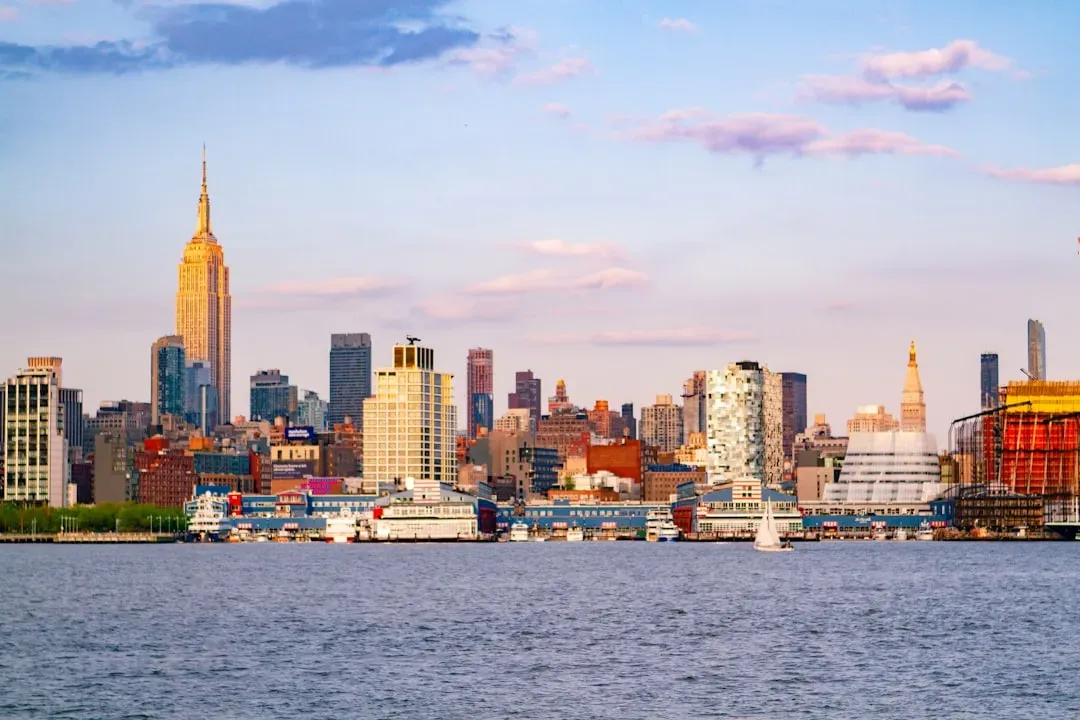
New Jersey rarely gets mentioned in the same breath as Alaska or the desert Southwest, yet it sits near the very top of the long-term warming list. New Jersey has warmed by 2.1°C, or 3.7°F, since the first Earth Day in 1970. That places it in a tier with only a handful of other states nationwide.
Part of the story is consistency rather than dramatic spikes. Thirteen of the state’s warmest years have occurred since 1990, highlighting a need for critical action. New Jersey has responded with formal climate legislation, including a state law aimed at cutting greenhouse gas emissions by roughly eighty percent below 2006 levels by the middle of the century.
New Mexico: desert heat intensifies
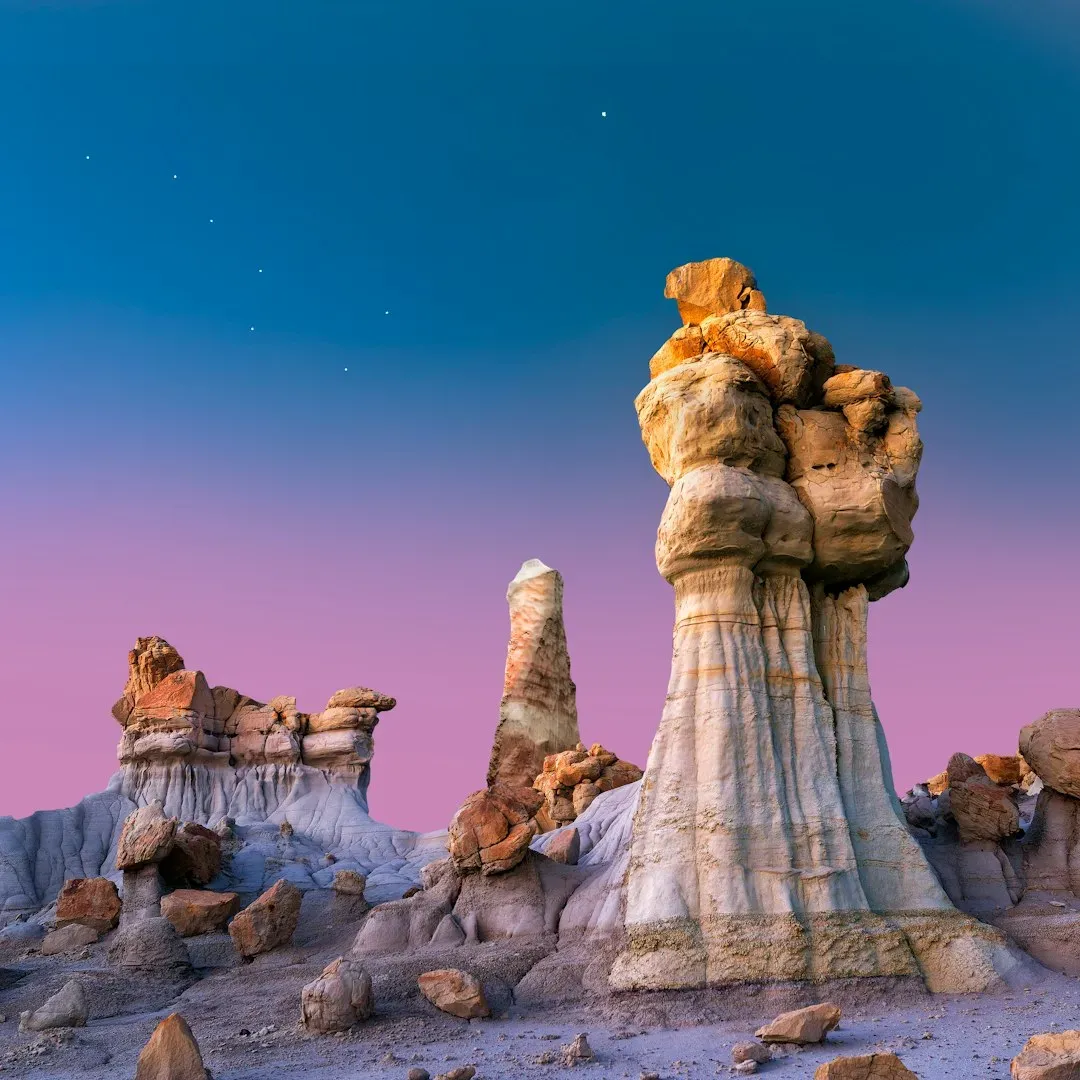
New Mexico shares the second spot on the national warming list alongside New Jersey. New Mexico has also warmed by 2.1°C, or 3.7°F, since 1970. For a state already defined by dry conditions, that additional heat compounds existing pressures on water and land.
The practical effects show up in seasonal patterns. New Mexico has warmed by 3.5°F, facing challenges such as drought and heat extremes that are likely to get worse as climate change continues, with rising temperatures leading to increased rainfall instead of snow in the winter and wildfire risks in summer. State officials have set a target of cutting emissions by 45 percent by 2030.
Delaware: small state, big shift

Delaware is easy to overlook on a map, but its temperature trend is not small at all. Delaware has warmed by 2°C, or 3.6°F, since the first Earth Day. That ties it with two other East Coast states for a spot among the six fastest-warming places in the country.
Coastal geography plays a role here too. Low elevation and proximity to the Atlantic make Delaware particularly exposed to the combined effects of rising air temperatures and sea level rise, a pairing that shows up repeatedly in state climate assessments for the Mid-Atlantic region.
Massachusetts: New England’s warming edge
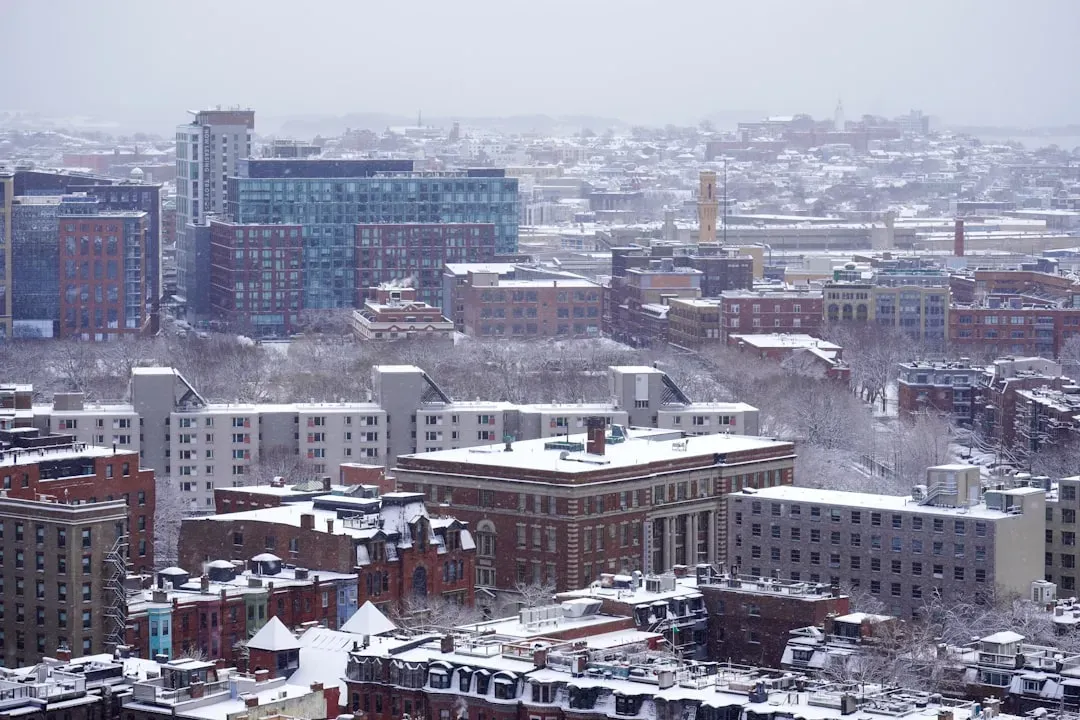
Massachusetts joins Delaware and Vermont in the same warming bracket. Massachusetts has warmed by 2°C, or 3.6°F, since 1970. That is a notable trend for a state whose identity has long been tied to cold winters and reliable snowfall.
The regional pattern helps explain why. Since the first Earth Day, the 49 states analyzed by Climate Central have warmed by an average of 1.7°C, or 3.0°F. Massachusetts sits well above that national average, putting it in the same league as states known for far more extreme climates.
Vermont: even ski country is heating up
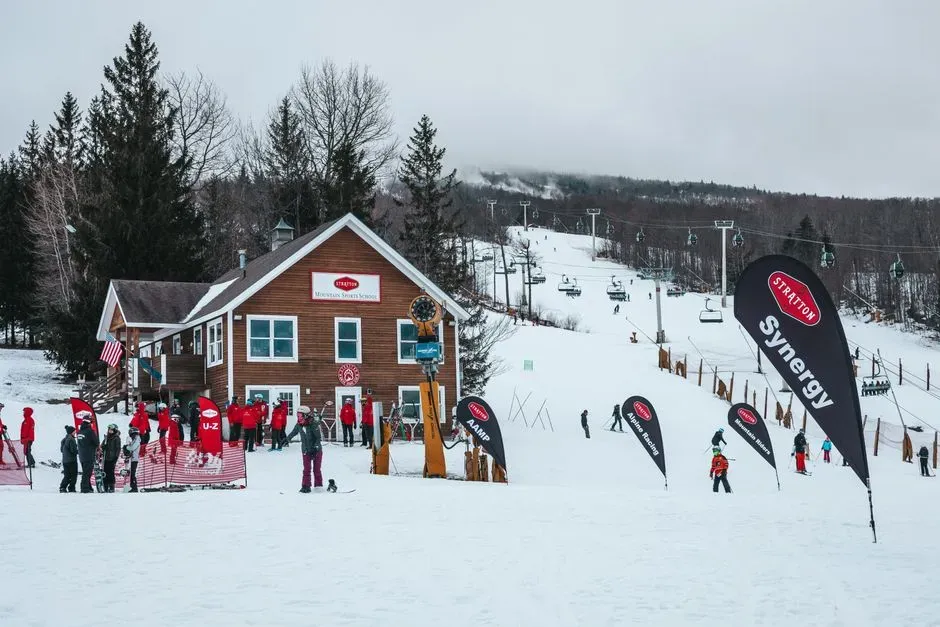
Vermont might be the most surprising name on this list to casual observers. Vermont has warmed by 2°C, or 3.6°F, since 1970. For a state whose winter tourism economy depends on cold, reliable snow, that trend carries real economic weight.
Burlington, Vermont’s largest city, backs up the statewide pattern at the local level. Burlington ranks among the fastest-warming U.S. cities, alongside Reno, Las Vegas, El Paso, and Tyler. That puts a small New England city in the same conversation as some of the hottest and fastest-growing metro areas in the desert Southwest.
Nevada and Utah: the record-breaking newcomers
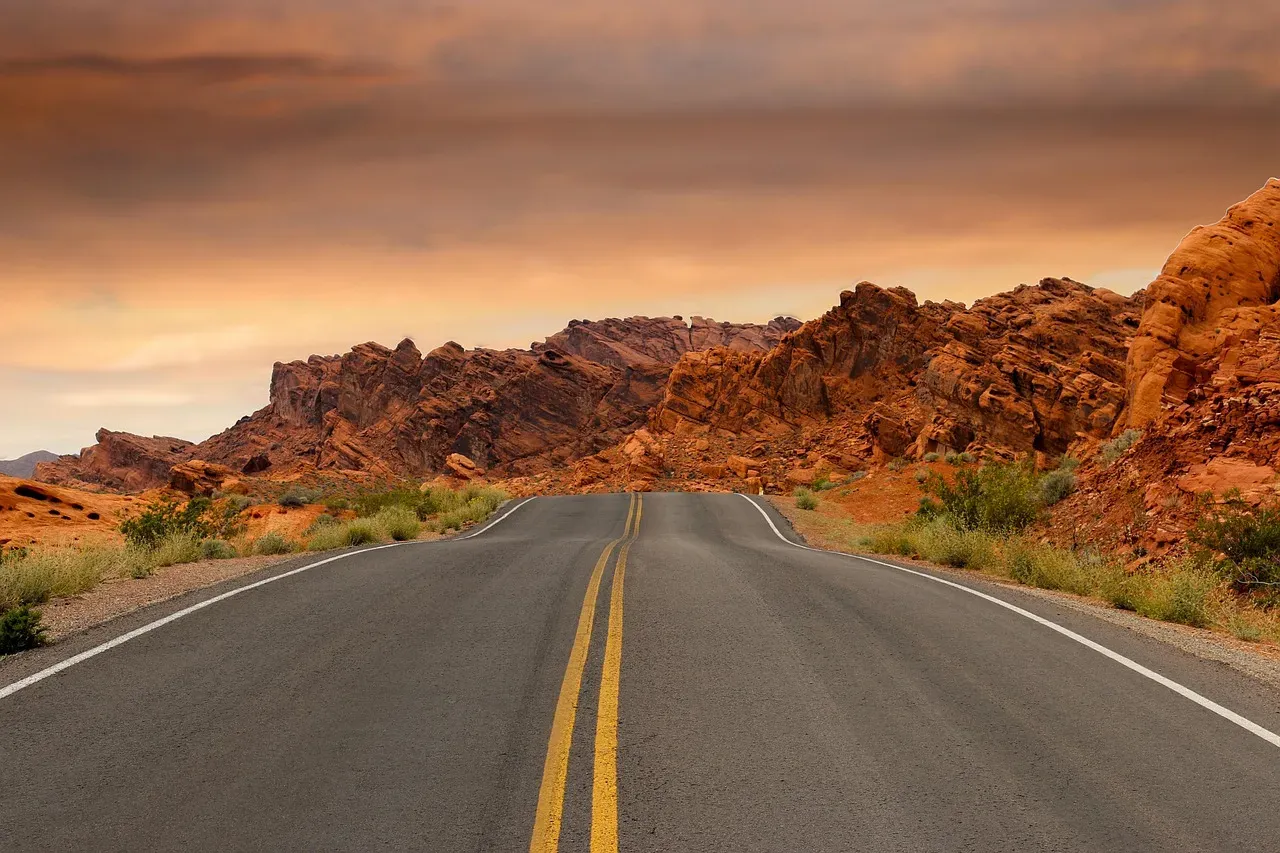
While Alaska, New Jersey, and the others lead on multi-decade trends, Nevada and Utah have grabbed attention for a different reason: recent record-breaking years. Statewide, Utah and Nevada recorded their warmest years on record at 4.3°F and 3.7°F above their 20th-century averages, respectively. That single year alone reshuffled how climate scientists talk about the pace of change in the Mountain West.
Nevada’s cities tell the same story from a different angle. Reno, Nevada, has seen the most warming of any U.S. city, with an increase of 7.9 degrees, followed by Las Vegas, El Paso, Burlington, and Tyler. Nevada’s dry climate makes it especially vulnerable to the combined effects of heat and evaporation, and it is actually the number one state for drought risk in the southwest, with continued drought conditions creating heightened water stress.
Arizona: extreme heat capital
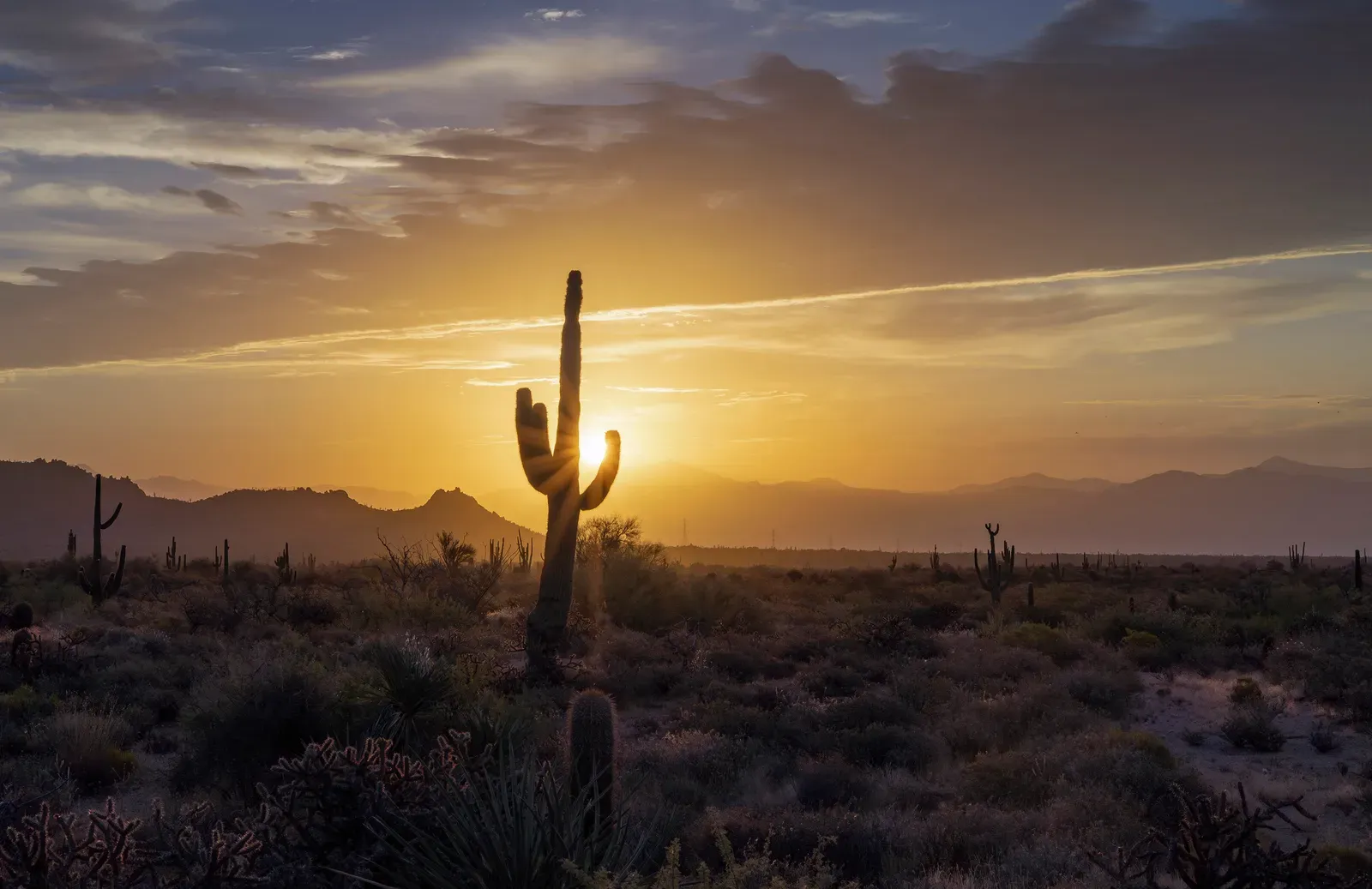
Arizona doesn’t top the long-term national list, but it remains one of the most consistently hot states in the country. With a temperature rise of 3.3°F, Arizona is particularly vulnerable to drought and extreme heat, which affect its ecosystems and agriculture. The state’s cities regularly post some of the highest average temperatures in the nation.
Tucson stands out even within Arizona’s already hot climate. Tucson has recorded an average temperature increase of about 5.0°F between 1970 and 2025, making it one of the fastest-warming cities in the country. That kind of local acceleration adds pressure on infrastructure built for a cooler era, from power grids to water systems.
The winter warming surge across the West and South
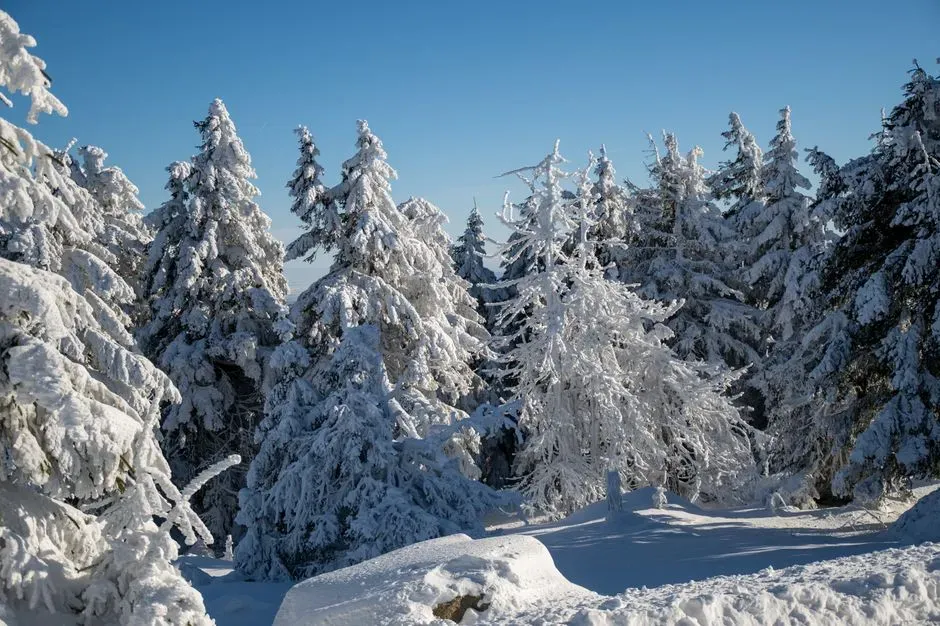
Long-term averages tell part of the story, but recent winters have revealed just how quickly things can shift in a single season. The winter of 2025 to 2026 was the second warmest on record in the continental U.S., with temperatures 4.9°F above the 20th-century average, and nine states, covering over one-third of the Lower 48, experienced their warmest winter in history. That is a striking number for a single three-month stretch.
The geography of that winter warmth was concentrated but far from isolated. These nine states are located across the South, Southwest, and West, and in each of them, multiple counties also reported record-breaking average temperatures this past winter. Wyoming led the pack by a wide margin, with average temperatures over the past three months in Wyoming, Colorado, Montana, and Utah running more than 7°F above normal, and Wyoming topping the list at 9.3°F above normal.
Why some states warm faster than others
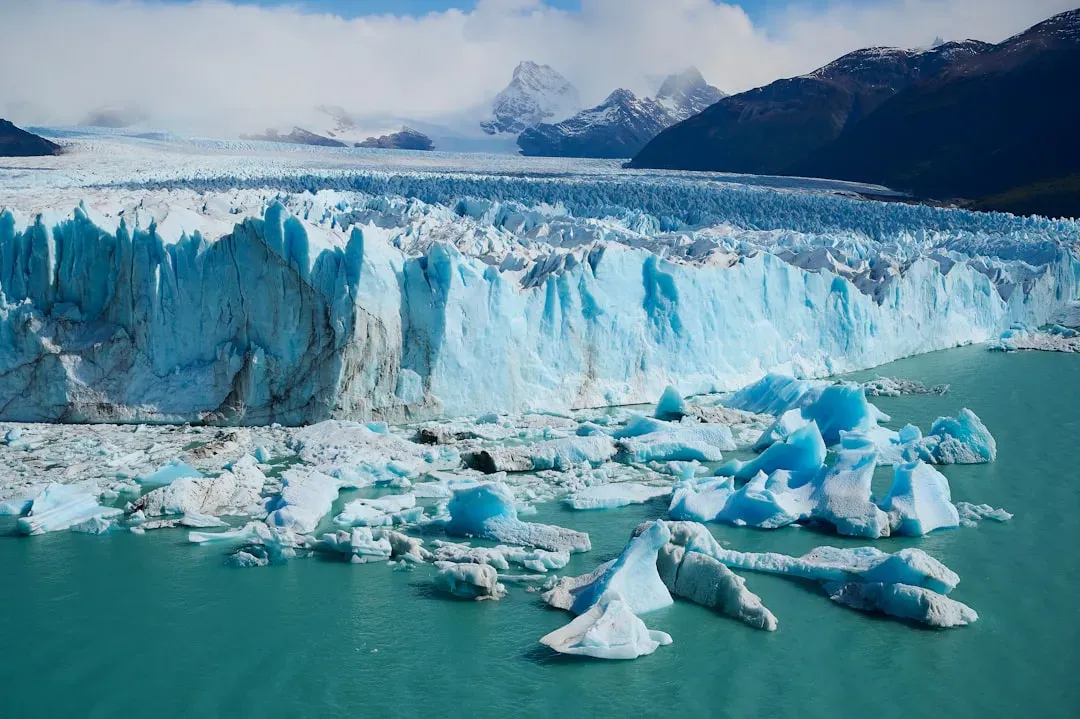
The uneven distribution of warming across the map isn’t random. Regional factors play a significant role, with Alaska’s high latitude location making it a target for rapid warming, as Arctic regions experience warming at about twice the rate of the global average. Elevation, distance from moderating ocean currents, and local land use all shape how quickly a given place heats up relative to the national average.
Broader regional groupings make the pattern easier to see. Warming trends in the United States are most pronounced in the Southwest, where cities have warmed an average of 1.9°C, or 3.5°F, since 1970. The Upper Midwest and South follow closely behind, while the Northeast, despite containing several individual fast-warming states like New Jersey and Massachusetts, averages slightly less warming as a whole region.
