
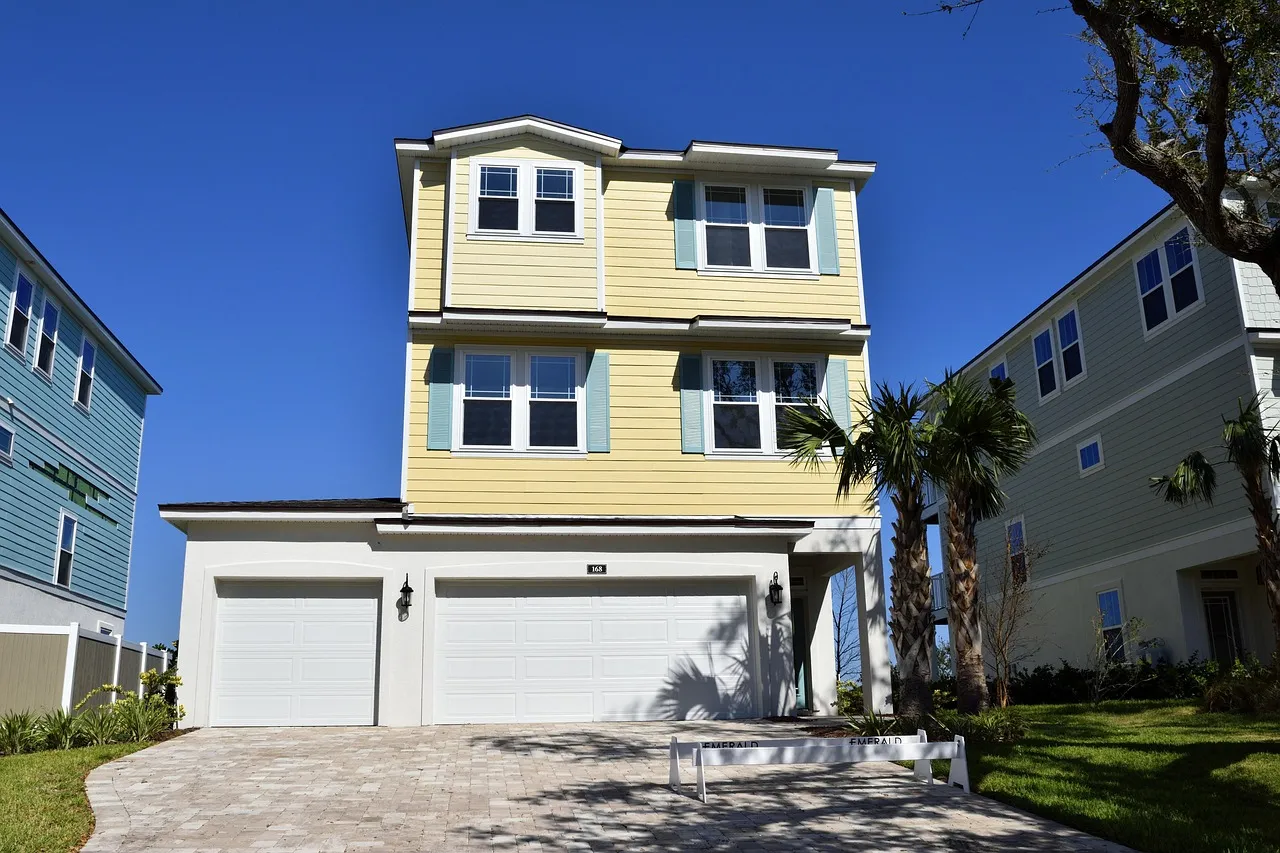
Florida: The Most Expensive State by a Wide Margin
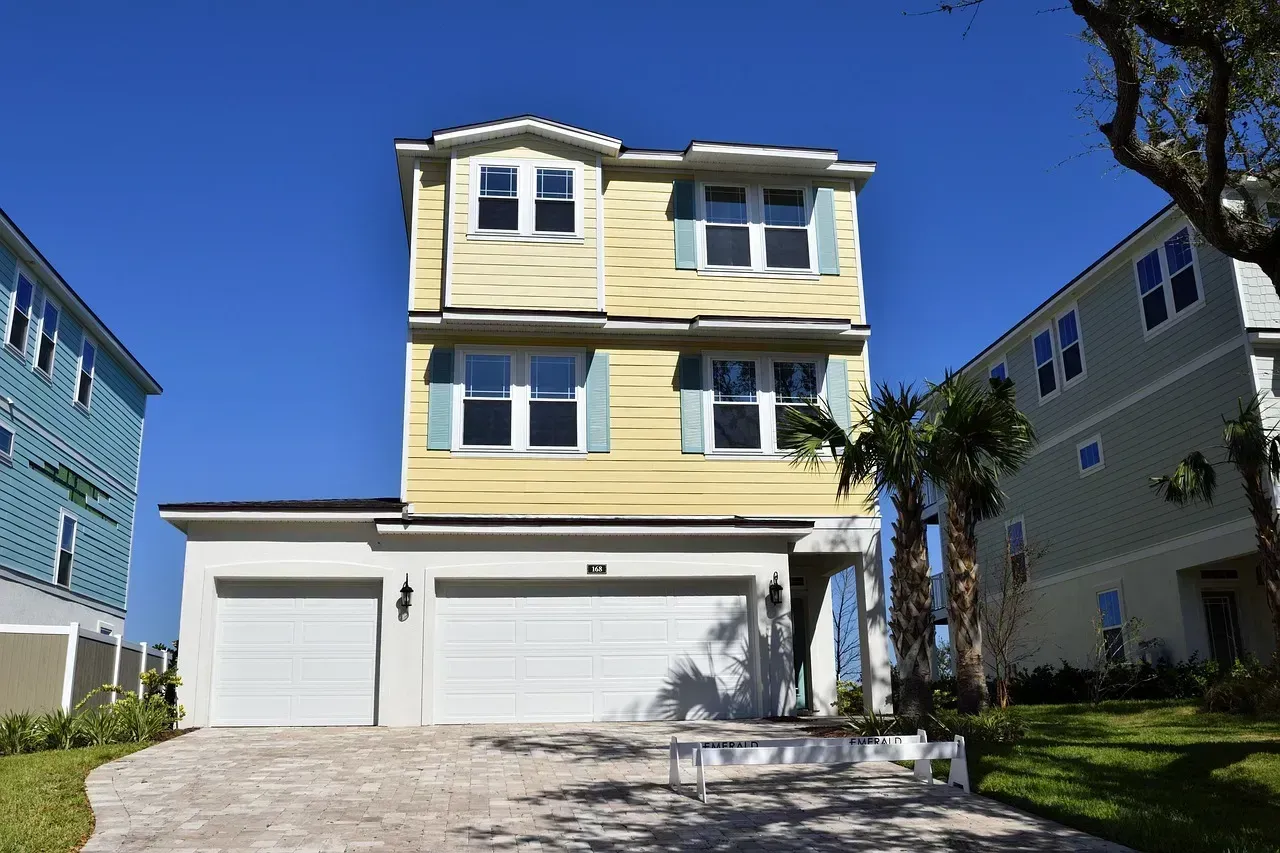
Florida sits alone at the top of the national rankings. Florida homeowners pay an average of $10,240 per year, 189% above the national average. Florida is in a league of its own, with premiums exceeding the next most expensive state, Louisiana, by more than $1,700.
Part of the reason is recent history catching up with pricing. Following hurricanes Helene and Milton in 2024, Floridians filed about 300,000 home insurance claims, and as insurers tried to recover losses, the average annual rate in Florida jumped 18% in 2025, to just under $8,300 per year. There’s a small silver lining for some residents, though. Some Florida homeowners avoid more rate hikes in 2026, as state officials said the state-backed insurer of last resort, Citizens Property Insurance, will undergo an average rate decrease of 9%.
Louisiana: Hurricanes and Flooding Keep Costs Elevated

Louisiana’s insurance market has struggled with the same core problem for years now. Louisiana and Florida face recurring hurricanes and flood risks, and these events lead to repeated large-scale losses and keep premiums elevated. It’s a pattern that repeats almost every hurricane season, with each major storm forcing insurers to reassess how much cushion they need to stay solvent.
What makes Louisiana notable is that it consistently ranks near the very top of national cost comparisons, trailing only Florida. The state’s exposure isn’t limited to wind damage either; storm surge and inland flooding add another layer of financial pressure that keeps rebuilding costs high year after year. For homeowners there, the math rarely gets easier, even in relatively quiet storm seasons.
California: Wildfire Losses Are Reshaping the Market
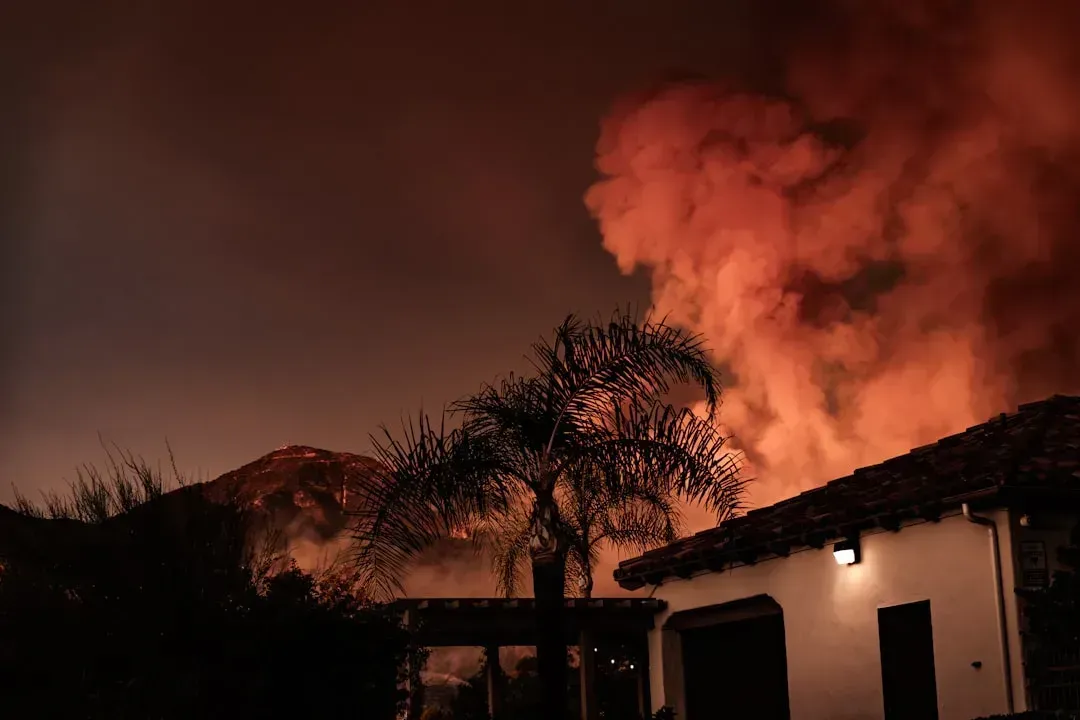
California’s insurance troubles have become impossible to ignore. In 2024, California saw its average rate climb 10%, followed by a 5% increase in 2025, and Los Angeles County enters 2026 as the most expensive county for insurance in the state, with an average annual cost of $4,173. The situation intensified after a devastating start to 2025.
Insurers are still absorbing the shock from that period. In terms of insured losses, the Palisades and Eaton fires are now the first and second-most expensive fires on record globally, and Insurify predicts that California premiums rise 16% in 2026, the largest estimated hike in any state. That single number puts California ahead of every other state on the projected increase list this year.
Colorado: A Perfect Storm of Wildfire and Hail Risk
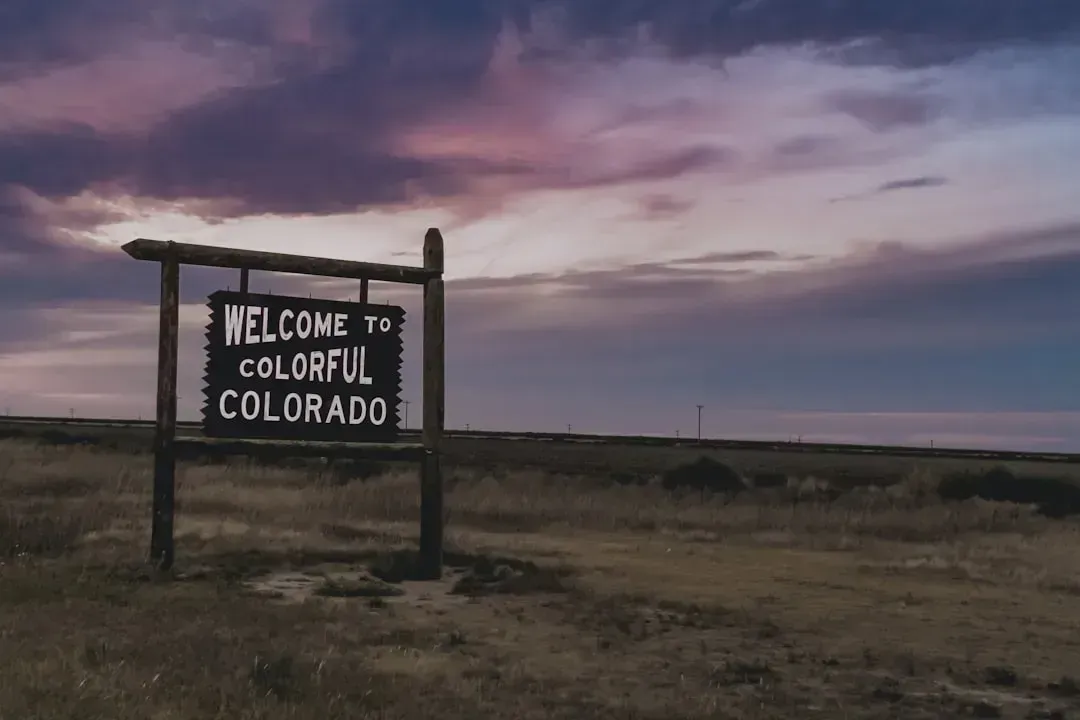
Colorado’s exposure isn’t tied to just one type of disaster, which is part of what makes it so difficult to underwrite. In 2025, Colorado saw some of the steepest rate hikes in the country, continuing to face a perfect storm of risk with escalating wildfire exposure, severe convective storms, and rapidly rising reconstruction costs. That combination shows up directly in what people are paying.
The numbers back this up in concrete terms. As of December, homeowners purchasing a new policy in Colorado were paying $666 more than in 2024, according to Matic’s premium data. Add to that the fact that premiums jumped by more than 20% in the state during 2025 alone, and it’s clear Colorado has become one of the harder markets to insure affordably in recent years.
Nebraska: Hail and Storms Drive a Decade of Increases

Nebraska rarely gets mentioned alongside coastal disaster zones, yet it belongs on this list for a different reason entirely. The average annual premium is $6,015 in Nebraska, a figure that reflects years of frequent hailstorms rather than any single catastrophic event. In the central U.S., states like Nebraska and Kansas deal with frequent storms, and hail and strong winds drive a steady volume of claims in these regions.
The trend has been building for a long time, not just spiking recently. Going back over ten years, Nebraska has seen some of the highest rates of increases in home insurance premiums in the country. Combine that with a 25 percent jump in 2025 alone, and Nebraska homeowners have watched their costs climb steadily with little relief in sight.
Oklahoma: Where Premiums Eat Deepest Into Household Income

Oklahoma’s insurance burden looks different when measured against what people actually earn. The average annual premium sits at $7,255 a year for Oklahoma. That’s a striking figure for a state that isn’t typically associated with the kind of catastrophic hurricane losses seen along the coasts.
Federal analysis backs up just how disproportionate this burden is. Premiums as a percentage of 2023 median household income were highest in Florida, Louisiana, and Oklahoma. A 24 percent premium increase in 2025 only deepened that squeeze, making Oklahoma one of the clearest examples of how climate risk translates into real affordability problems, not just abstract price tags.
Texas: A State Facing Nearly Every Kind of Risk at Once

Texas doesn’t fit neatly into one risk category, and that’s exactly the problem for insurers trying to price policies there. Texas presents a different challenge, as the state faces a mix of risks spanning hurricanes, hailstorms, and wildfires, and this spread of exposure contributes to higher insurance costs. Few other states deal with such a wide variety of perils within a single set of borders.
That diversity of risk makes Texas harder to model than states with a single dominant hazard. Gulf Coast counties worry about hurricanes and storm surge, while inland areas contend with severe hailstorms and, increasingly, wildfire exposure in drier regions. Insurers end up spreading their caution across the whole state rather than isolating it to one coastline or one season.
Minnesota: An Unexpected Midwest Hotspot
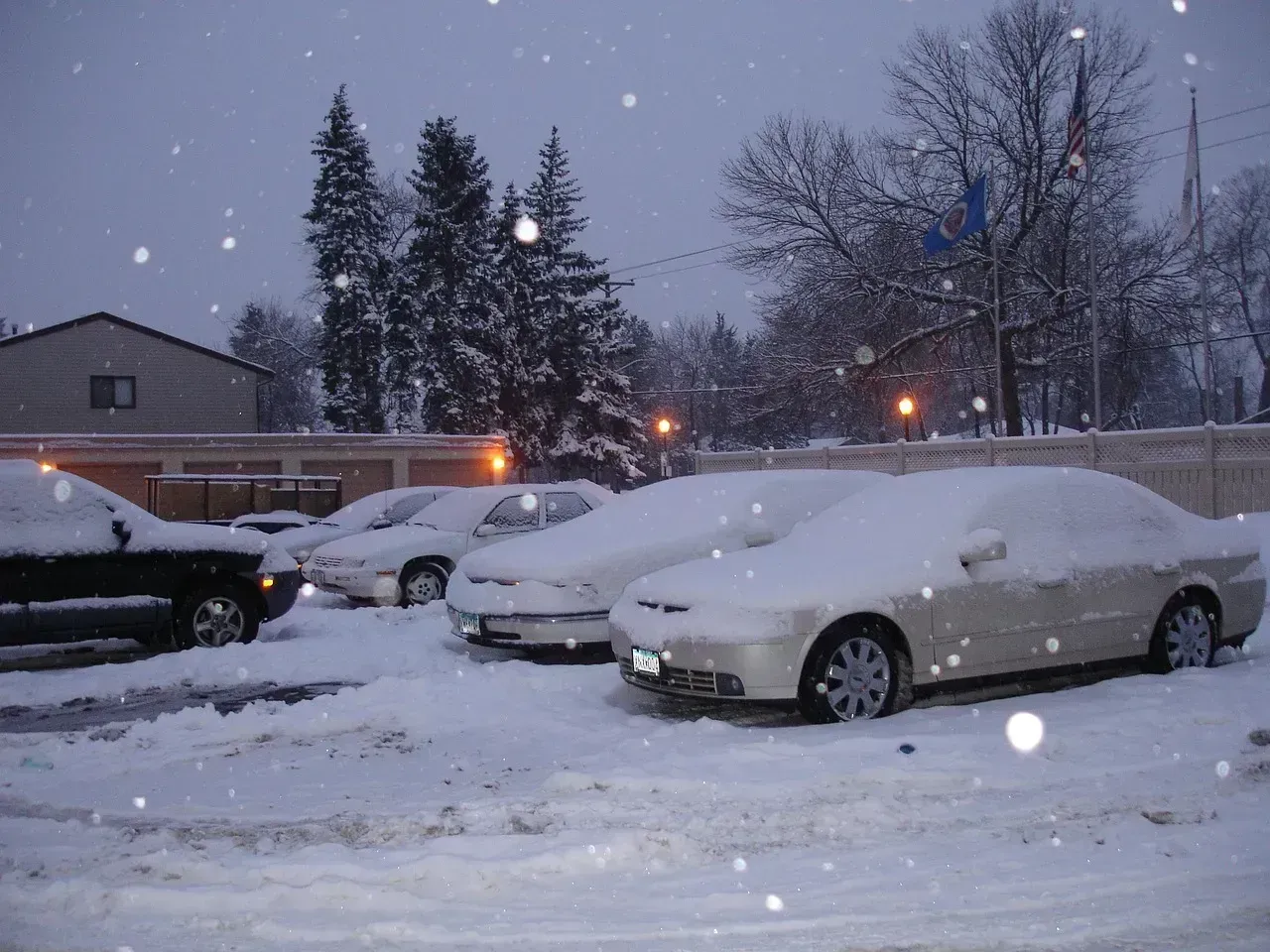
Minnesota surprised a lot of people when it landed near the top of recent rankings. A new report shows home insurance rates are going up nationwide because of severe weather, and Minnesota ranked 10th. That ranking reflects a state more associated with harsh winters than headline-grabbing catastrophes, yet its severe storm exposure has quietly become a major cost driver.
The scale of the recent jump is hard to overstate. Minnesota saw premiums rise by roughly 34 percent in 2025, the steepest increase of any state that year. Insurance experts point to insurers still figuring out how to price a risk profile that’s shifted faster than their older models anticipated.
North Carolina: Regulators Push Back Against Steep Hikes
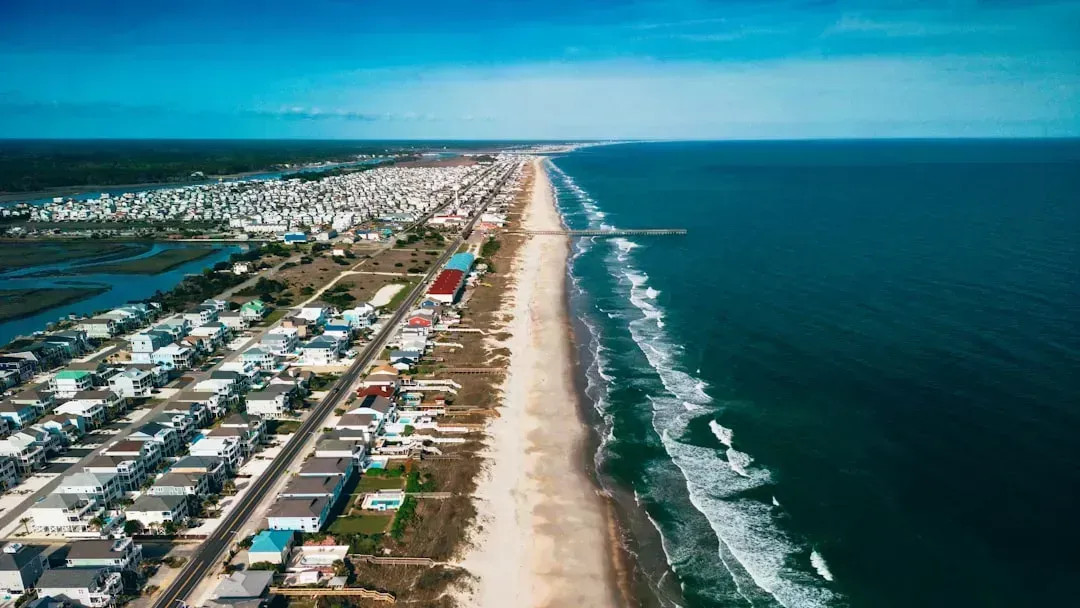
North Carolina offers a rare case where regulators actually pushed back hard against insurer requests. The state’s rate bureau asked for a 42 percent rate hike last year, citing both increased, risky development in hurricane-prone coastal areas and billions in storm damage from Hurricane Helene, but the state insurance commissioner granted just a 7.5 percent increase. That gap between what was requested and what was approved tells its own story about the tension between insurer losses and consumer affordability.
There’s a complicating detail worth understanding here, though. Much of the damage incurred by North Carolina homeowners over the past several years is flood damage from extreme, multi-billion-dollar storms like Helene in Western North Carolina and Florence in the coastal region, but flood damage is not covered by homeowners’ insurance. That means even a modest premium increase doesn’t necessarily reflect the full scale of what residents are actually losing.
Arkansas: Tornado Frequency Has Nearly Tripled
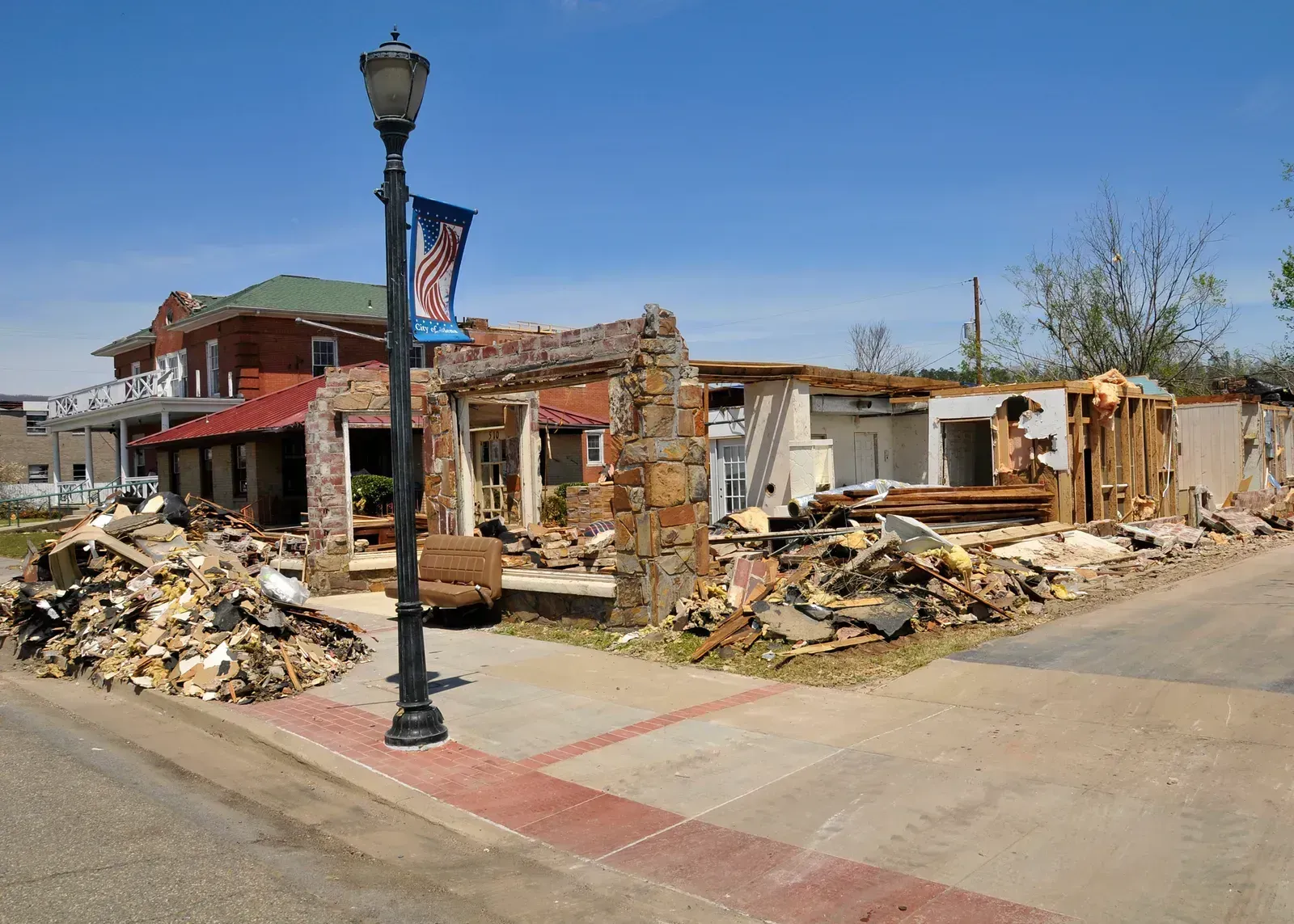
Arkansas has quietly become one of the least affordable states for coverage, and the shift traces directly to wind. Strong winds are becoming more of a problem for homeowners and insurers, as the state previously averaged 37 tornadoes per year but recorded 107 in the past two years. That’s not a marginal increase. It’s nearly triple the historical average.
One outbreak in particular stood out for its severity. In March 2025, one tornado outbreak generated four twisters deemed EF-3 or stronger, the most in a single Arkansas outbreak since 1999. In response, Arkansas recently established the Strengthen Arkansas Homes Program, a model other states have embraced, providing grants to homeowners to fortify their homes against catastrophic windstorms.

- Insurers Ranked Every State by Climate Risk – This One Came in Dead Last - August 18, 2026
- I Asked 3 Water Engineers How Bad the Next Drought Will Be – Their Answers Didn’t Match - August 18, 2026
- The Real Reason Some Cities Are Becoming Unlivable in Summer – And It’s Not Just Heat - August 18, 2026
