
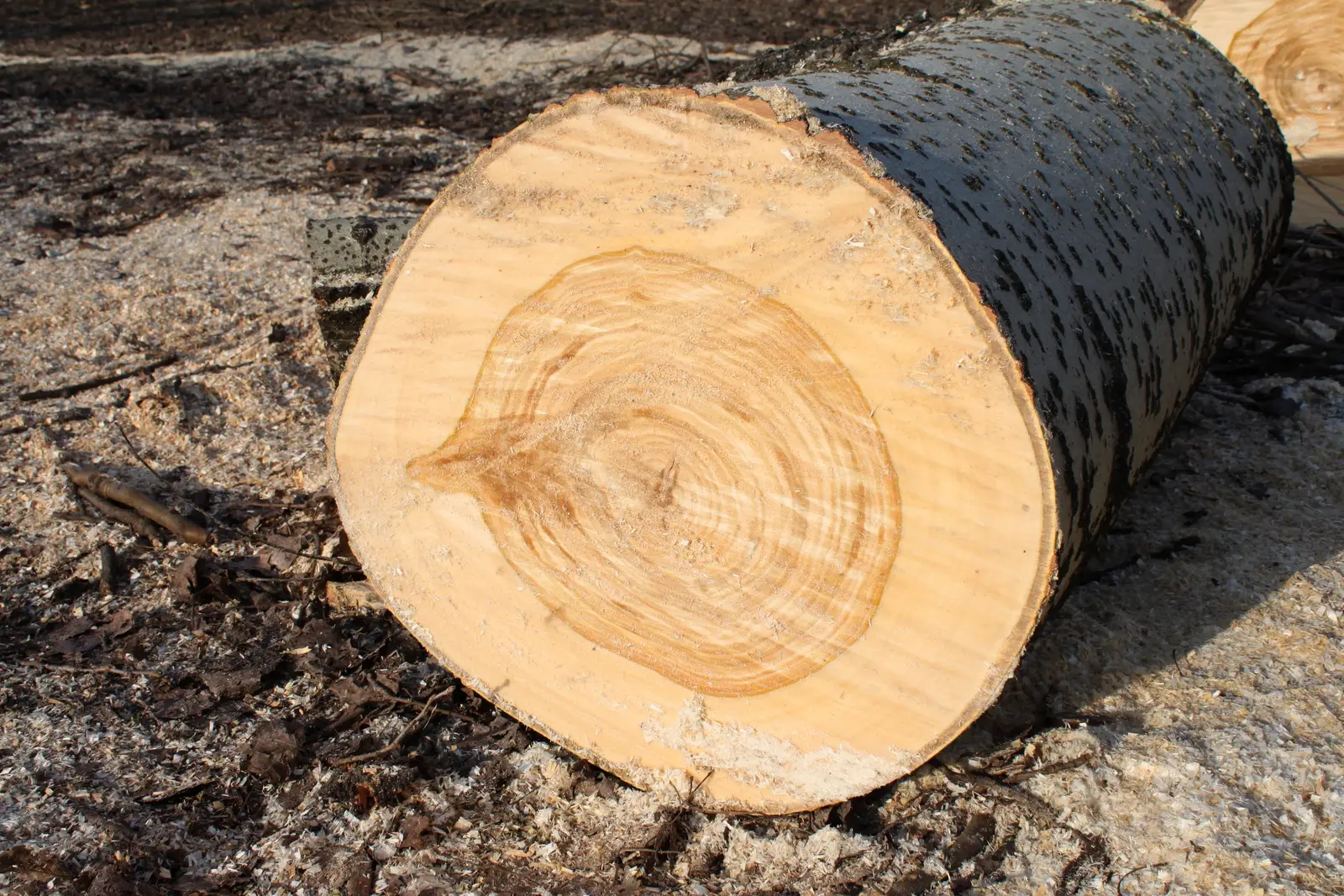
Cut a tree down and you’ll find a record of its life in the wood. Each year, the tree adds a new layer, and the width and makeup of that layer reflect the conditions it grew through. Stack up enough of those layers and you get a calendar of good years, bad years and the odd catastrophe.
Scientists have been reading these records for more than a century, and the field keeps getting sharper. Recent studies from 2025 and 2026 show how far the method now reaches, from Vietnamese mountains to the Amazon and Arizona’s forests.
How a Ring Records a Year
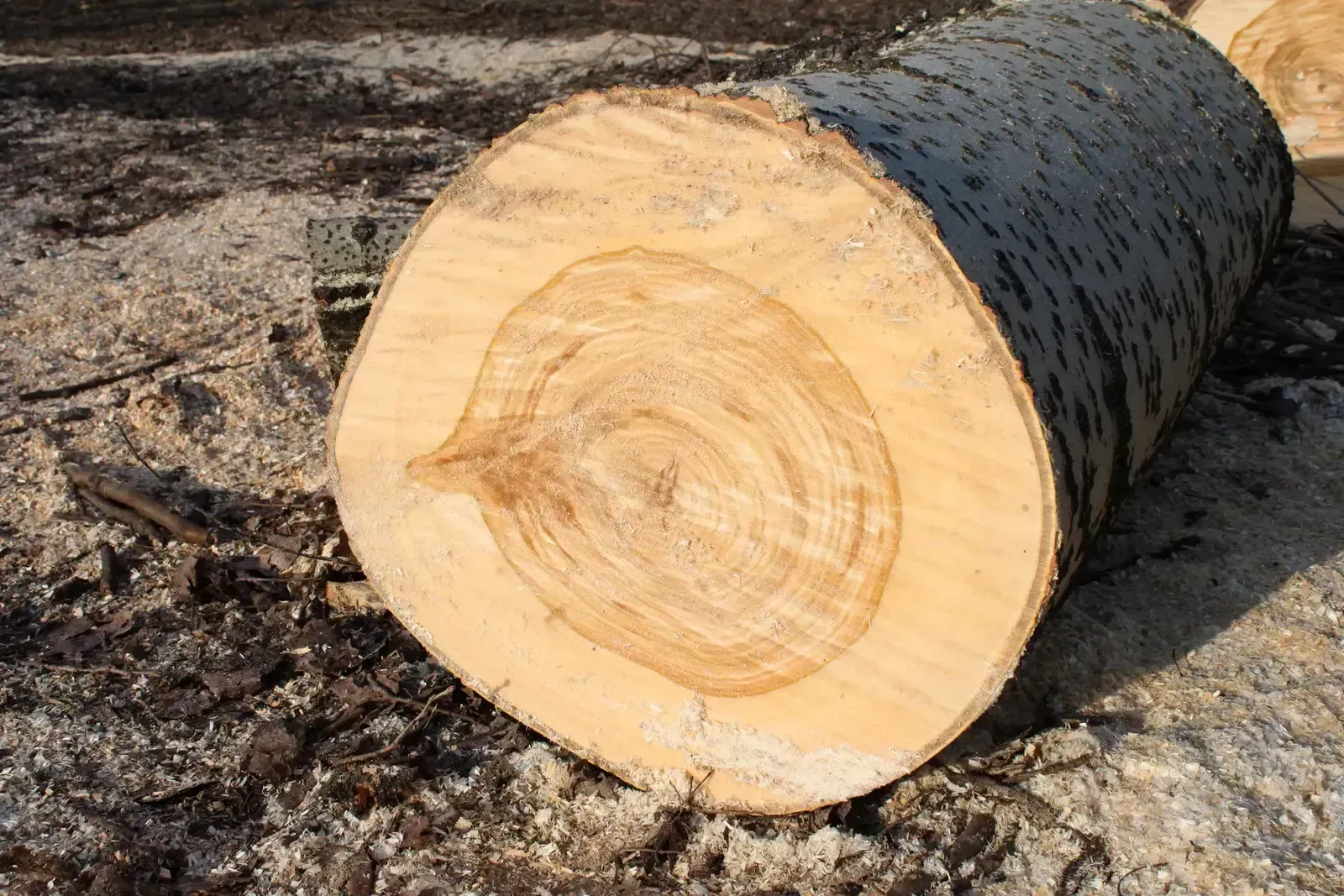
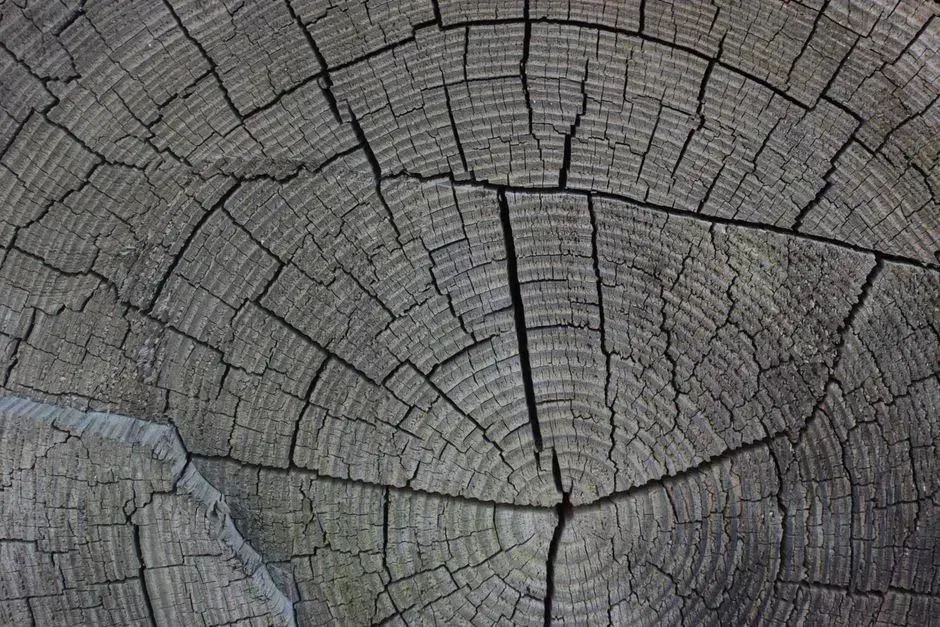
In temperate regions, a tree grows quickly in spring and early summer, then slows in autumn and winter. That cycle leaves one visible ring per year. A wide ring usually means favorable growing conditions, while a narrow one points to stress.
What counts as stress depends on the place. In dry areas, ring width is often a strong indicator of precipitation, while in high-latitude or high-elevation locations, it more closely reflects temperature. That’s why researchers choose sampling sites carefully, matching each tree to the climate variable they want to recover.
Matching Rings to Calendar Years
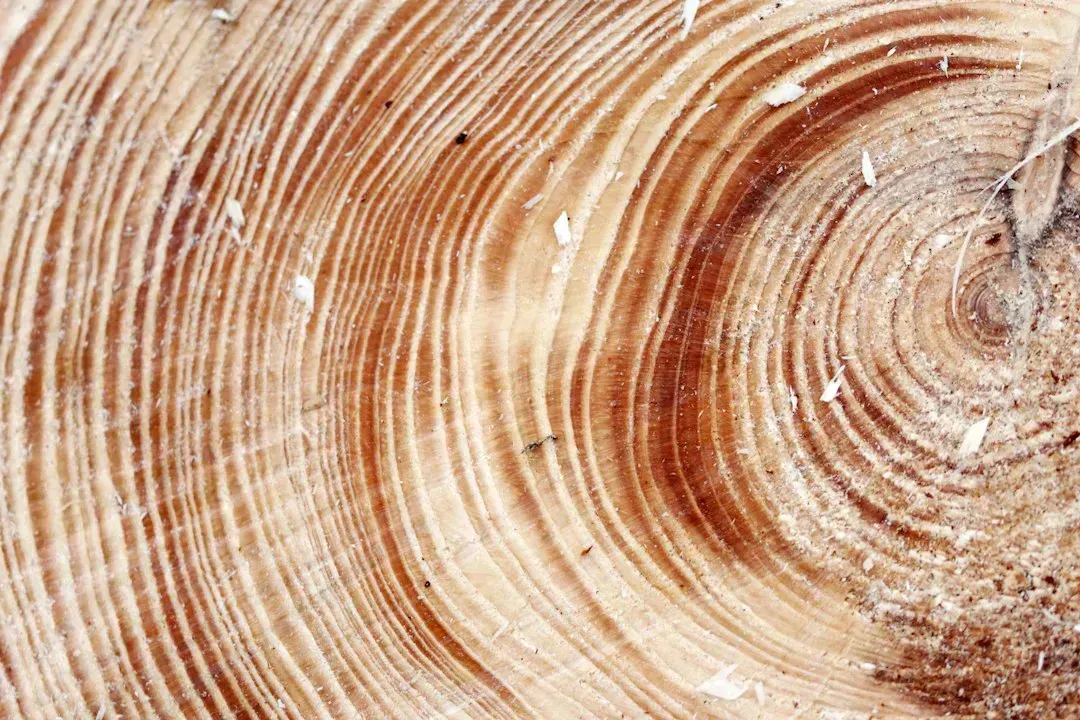
Counting rings sounds easy, but trees sometimes skip a ring or add a false one. To avoid errors, researchers use crossdating, which compares ring patterns between many trees and lines up the matching sequences. Once the pattern fits, every ring can be pinned to an exact calendar year.
This is what separates tree rings from many other climate proxies. Ice cores and sediments often come with dating uncertainty, while a well-crossdated ring is tied to a single year. That precision lets scientists compare a drought in a tree with a written harvest record or a volcanic eruption.
Turning Ring Widths Into Temperature and Rainfall
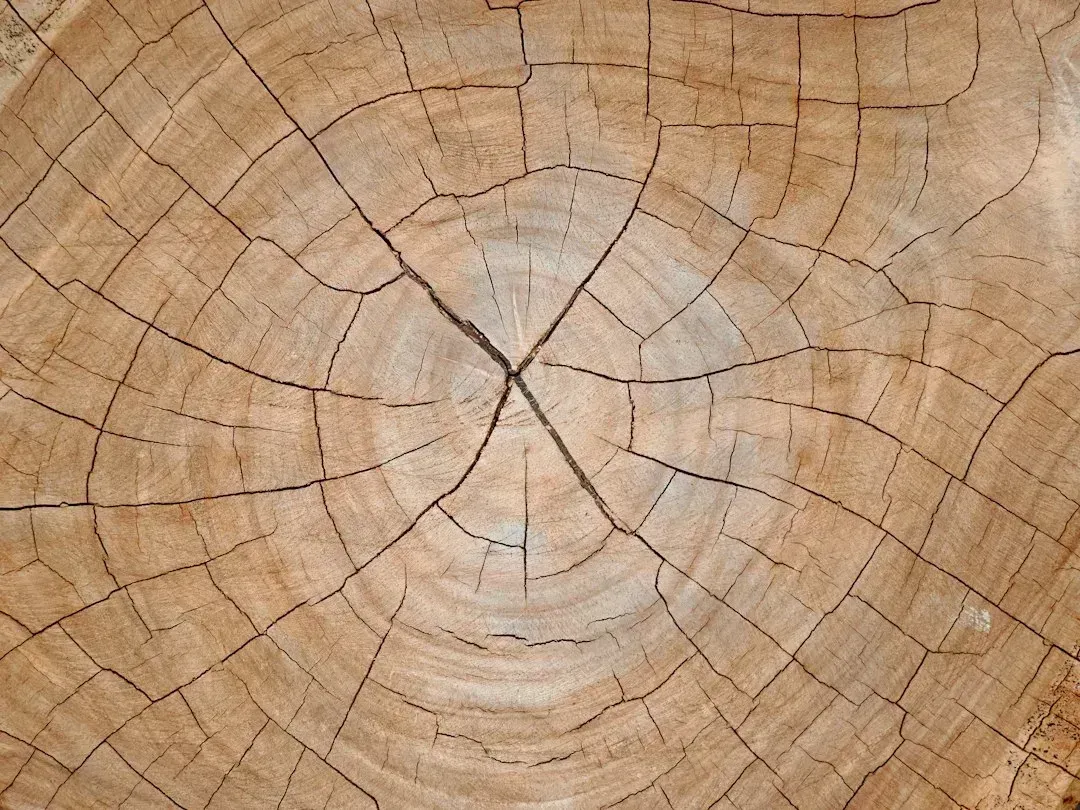
A ring on its own is just wood. To make it useful, scientists calibrate ring data against modern weather station records. The method relies on the correlation between climate records from meteorological stations and tree-ring chronologies.
If the statistical link holds during the period when both exist, researchers extend it backward into the centuries before instruments. Verification matters here. Results are tested against data left out of the calibration, so the reconstruction isn’t simply fitted to match.
A 600 Year Window in Vietnam
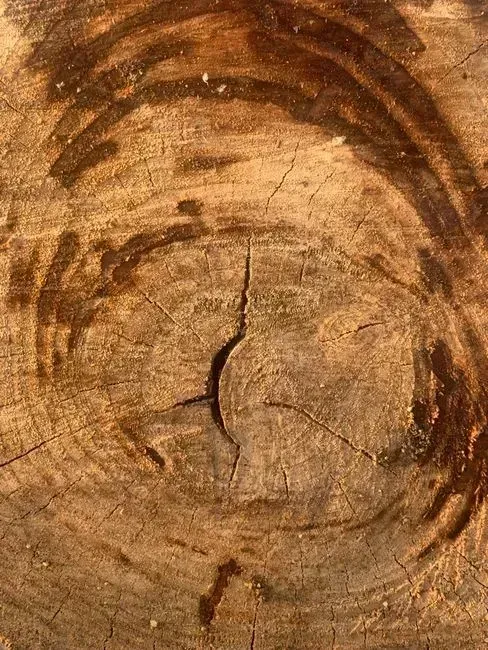
A study published in 2026 in the journal Trees, Forests and People looked at Fokienia hodginsii trees in south-central Vietnam. The tree-ring records allowed reconstruction of historical climate variability from 1575 to 1979. Tropical and subtropical Asia has far fewer long records than Europe or North America, so each new chronology fills a real gap.
The team found an overall warming trend of roughly 0.47 to 0.7 °C over the past 600 years, which they say fits long-term changes seen across Southeast Asia. They also identified 26 wet periods and 39 dry periods in a drought index. That mix of warming and swings between wet and dry is typical of what regional records show.
Two Thousand Years of Northern Summers
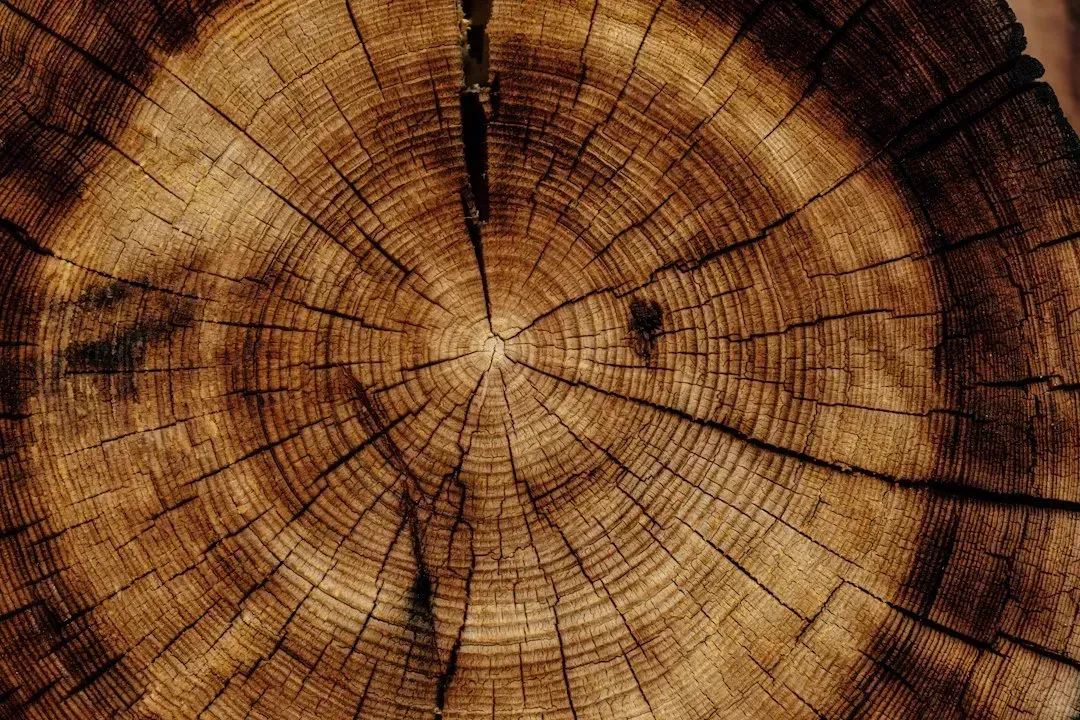
Some of the largest efforts combine thousands of series. A community ensemble reconstruction used 10,437 tree-ring width series analysed by fifteen expert groups of dendrochronologists working independently. The goal was a shared temperature scale for Northern Hemisphere summers over the past two thousand years.
A 2026 paper by Samuli Helama used that scale to put recent heat in context. It reported that summer 2024 was the warmest in the instrumental record, 2.8 °C above the preindustrial 1850 to 1900 reconstruction mean. The author also noted that the reconstruction still contains considerable uncertainties.
Picking Out Famous Events
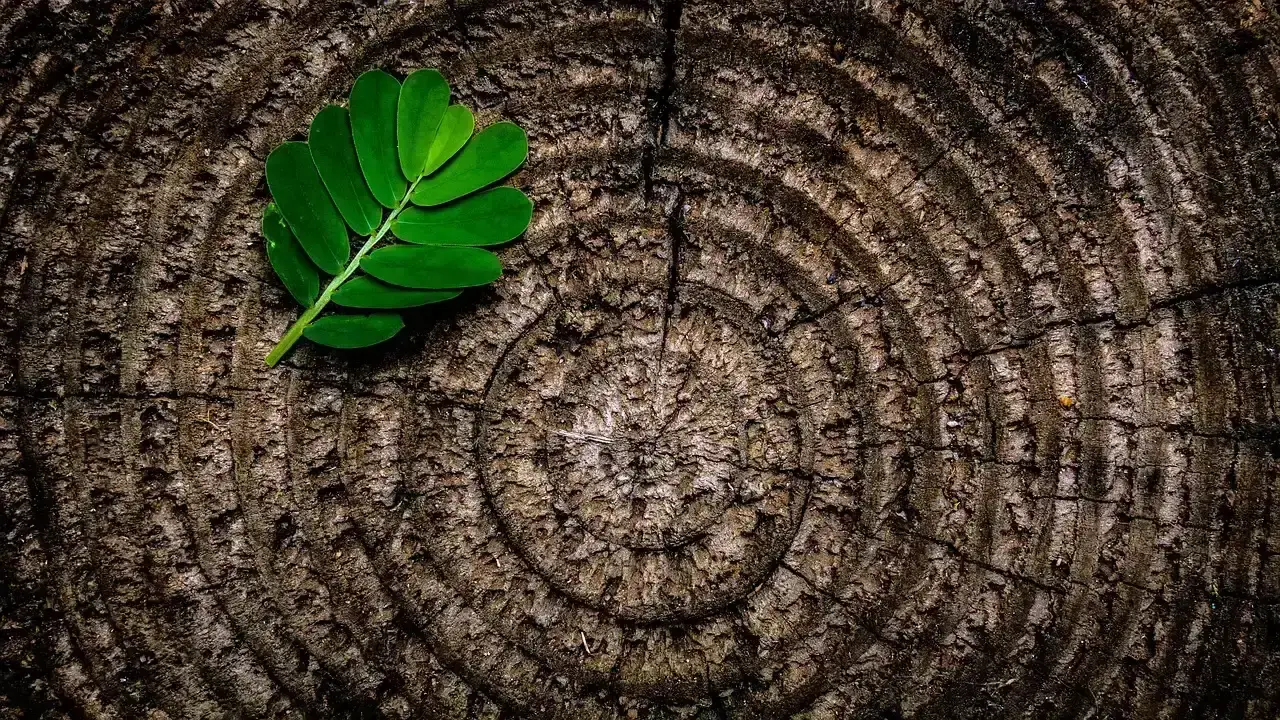
Long reconstructions don’t just show a smooth trend. They pick out the big swings that historians and climatologists have discussed for years. The warmest and coldest preindustrial years lined up with the Roman Warm Period, the AD 536/540s event, the Mediaeval Warm Period and the Little Ice Age.
The AD 536 and 540s cold spells are a good example of why annual resolution matters. A record built from decades or centuries would blur them away, while a ring series catches the sudden narrow rings. That sharpness helps researchers link climate shocks to volcanic activity and to human history.
Drought Histories in the Southwest
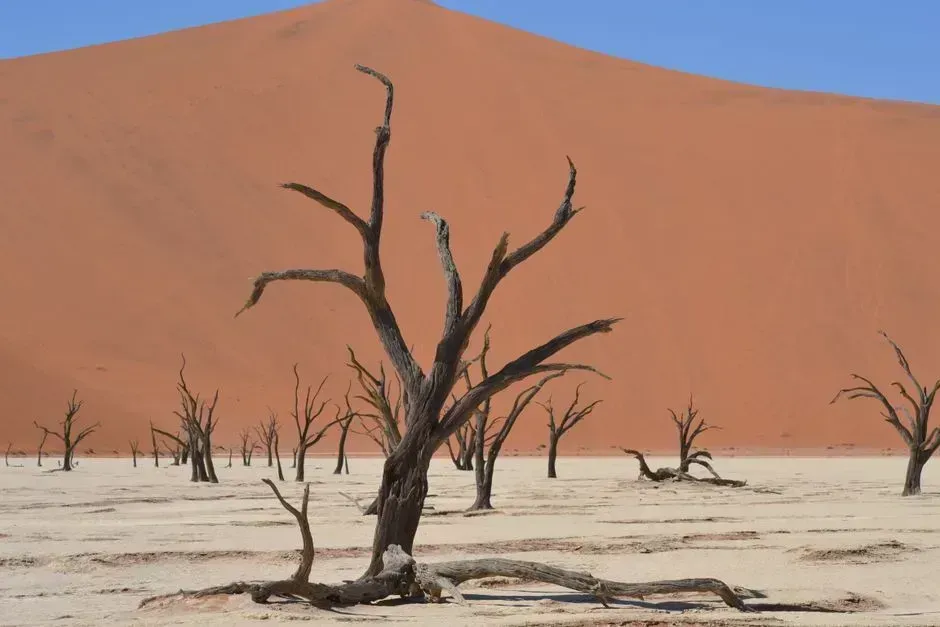
Tree rings are also changing how scientists think about drought today. In March 2026, the University of Arizona highlighted work by Margaret Evans showing that warmer temperatures, not just a lack of precipitation, are causing a new type of drought in Arizona’s forests.
High-elevation trees once sheltered by cold weather now struggle in warm years about as much as low-elevation ones. They show narrow rings even when rainfall is similar to previous droughts. The ring record makes that shift visible because it lets researchers compare today’s stress against earlier dry spells.
Tropical Forests and the Amazon
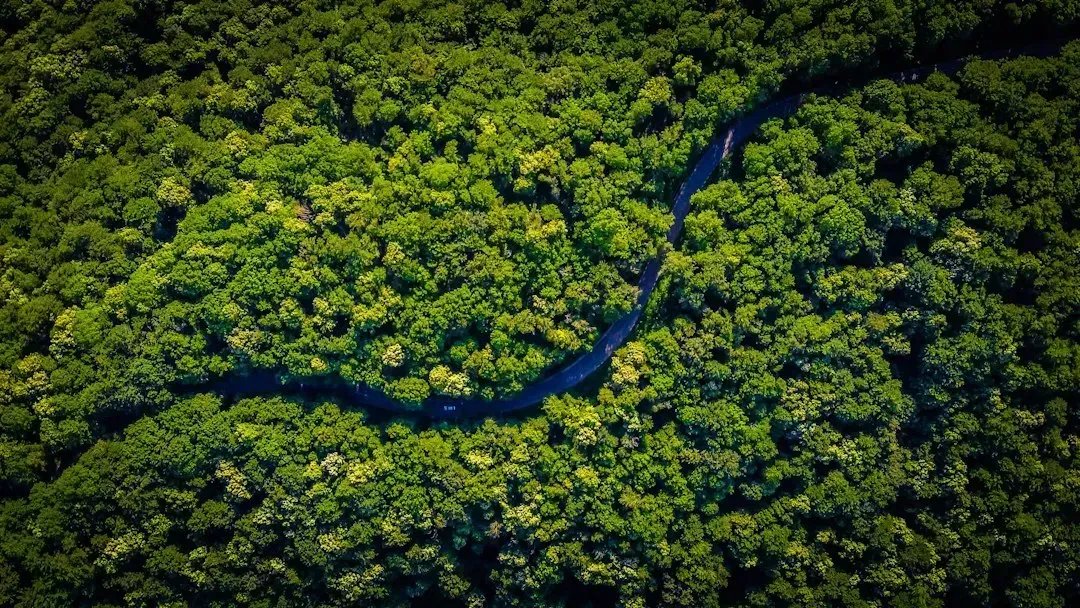
The tropics were long considered poor territory for tree rings because seasons are less distinct. That’s changing as researchers find rings in more species and use chemical methods too. A 2025 review noted that classical dendrochronology uses annually formed anatomical proxies such as ring width to reconstruct environmental conditions, and isotope work now helps where ring width fails.
A study from the Tropical Tree-Ring Network, reported by Mongabay in May 2026, involved 150 other researchers from 124 institutions and examined more than 10,000 trees from Brazil and other tropical regions. It found that severe drought slightly reduced tree diameter growth, but enough to increase the mortality rate by 10%. The paper appeared in Science.
Limits, Uncertainty and Debate
No proxy is perfect. Trees respond to more than one factor, and the signal can fade in very old sections of a chronology where fewer samples overlap. Reconstructions also tend to work best over regions near the sampling sites. In the Helama study, the proxy data verified against temperature only within about 10 degrees of latitude and longitude of the tree-ring sites.
Tree-ring findings get pulled into public arguments too, sometimes with a sharp slant. Some websites claim that new ring studies show no human influence on rainfall, but those pieces are advocacy outlets and read selected regional results as global proof. Regional drought histories from a few sites can’t settle questions about worldwide climate, which is why combined datasets and careful uncertainty ranges matter.
What Comes Next for Dendroclimatology
The field is moving toward more regions and more kinds of evidence. A 2025 special issue gathered 41 interdisciplinary studies exploring forest and climate interactions through dendrochronological and ecological approaches. The topics included anatomical adaptations and methodological innovations in isotope analysis and multi-proxy integration.
Southern Africa’s savannas are one example of work still ahead. A 2026 paper there used stable isotopes because tree adaptations limit the use of classical tree-ring studies in those landscapes. As more of these gaps close, the map of past climate gets more complete, one ring at a time.

- Blue whales vanish from the Galápagos, and scientists suspect El Niño - November 11, 2026
- 8 Famous Battles That Were Decided by the Weather - November 11, 2026
- Black Sunday 1935: 9 Photos From the Worst Dust Storm of the Dust Bowl Era - November 11, 2026
