

- Real Estate Analysts Just Changed Their Mind About the Safest Places to Buy – Here’s Why - November 12, 2026
- Black Holes Firing Beams at Near-Light Speed – 5 Cosmic Engines Warping Spacetime - November 12, 2026
- Silent Rogue Worlds Drifting in Total Dark – 6 Planets Ejected From Their Star Systems - November 12, 2026
Basements get most of the attention in tornado safety advice. Plenty of houses don’t have one, especially in warmer regions and on ground that doesn’t suit digging. If you live in one of those houses, the advice is different, and it matters to know it before a warning sounds.
The National Weather Service and its partner agencies give consistent guidance for this situation. The details are simple, but some of them go against common habits and old myths.
Why a Basement Is the Benchmark
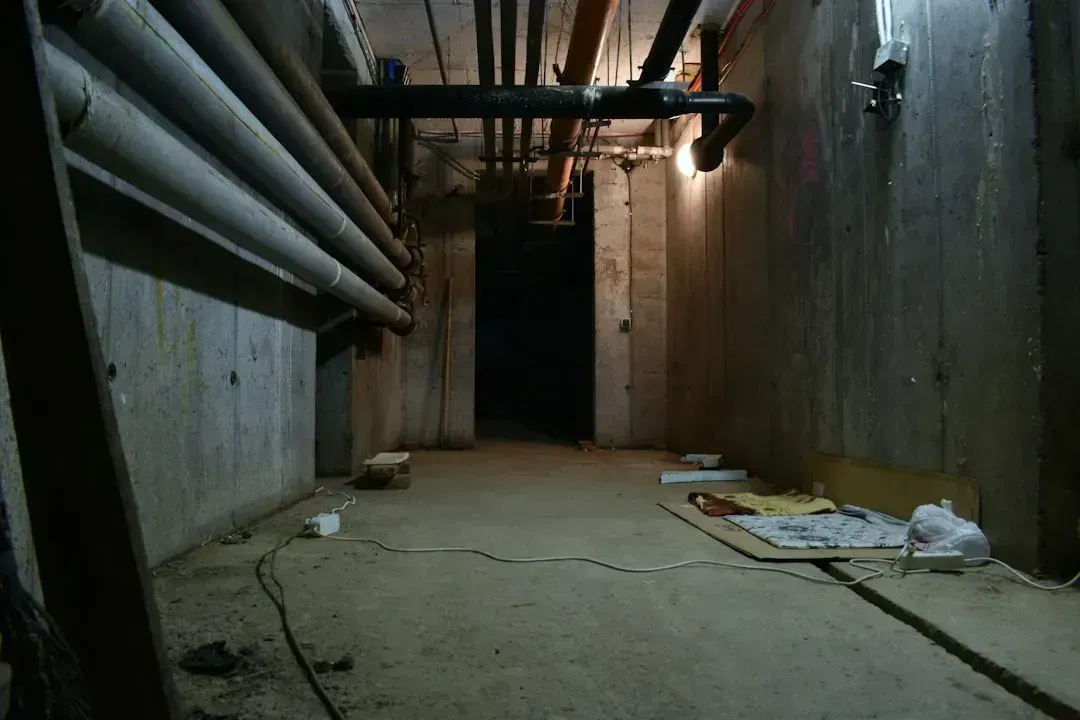
The NWS tells people that the safest place in the home is the interior part of a basement. Being underground helps because below ground you’re protected from powerful winds and flying debris, which cause most tornado injuries.
Without one, the aim is to copy that protection as closely as you can. That means getting as low as possible and putting solid structure between you and the outdoors.
Head to the Lowest Floor
The NWS advises that if there’s no basement, you should go to an inside room, without windows, on the lowest floor. A Missouri NWS meteorologist explained the reasoning: trees, buildings and other ground structures create friction that slows the tornado’s destructive air rotation.
That’s why upper levels can lose windows and roofs while the ground level stays comparatively intact. In a one-story house, the main floor is already your lowest option. In a two-story house, go downstairs.
Choose a Small Interior Room
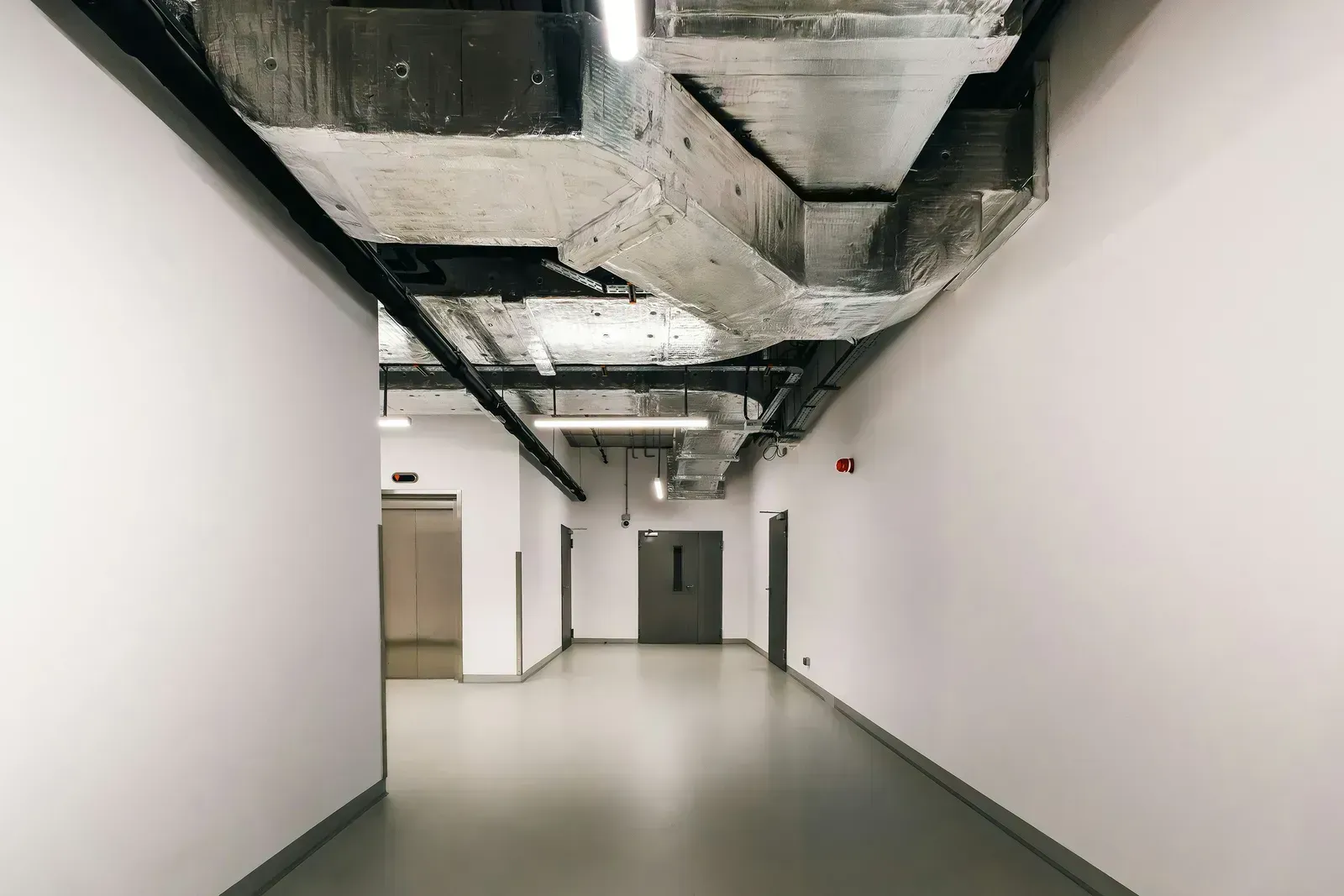
The NWS says this could be a center hallway, bathroom, or closet. Another version of the guidance says closets, bathrooms, and interior halls afford the best protection in most cases.
The logic comes down to walls. The key is to put as many walls as possible between you and the outside. A small room also has shorter roof spans than a large one.
Keep Away from Windows and Exterior Walls

The NWS puts it bluntly: one basic rule is to avoid windows, since an exploding window can injure or kill. Skylights and glass doors fall under the same rule, since strong winds or hail could break them and cause damage or injury.
Large open rooms are poor choices too. Safety guidance advises avoiding living rooms, kitchens or garages, where roofs are more likely to collapse.
Add Layers of Protection
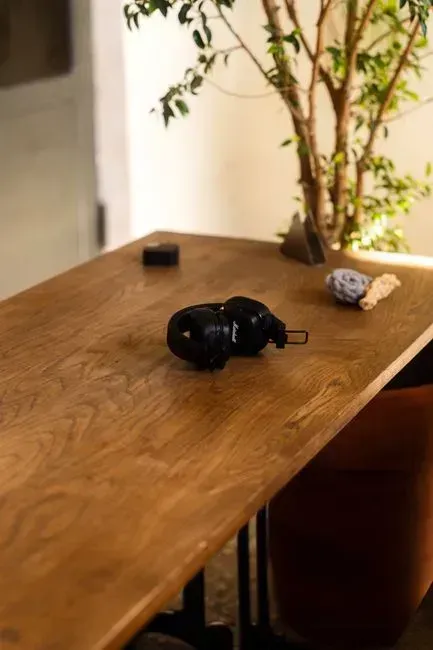
Location is only part of the plan. The NWS recommends that you get under something sturdy such as a heavy table or workbench for added protection. It also suggests that you cover your body with a blanket, sleeping bag, or mattress and protect your head with anything available.
An under-the-stairs space can work as well. A National Weather Service stairwell recommendation appears in the Twin Cities office’s guidance, which calls a stairwell a good place to hide during a tornado.
Watch What Sits Above You
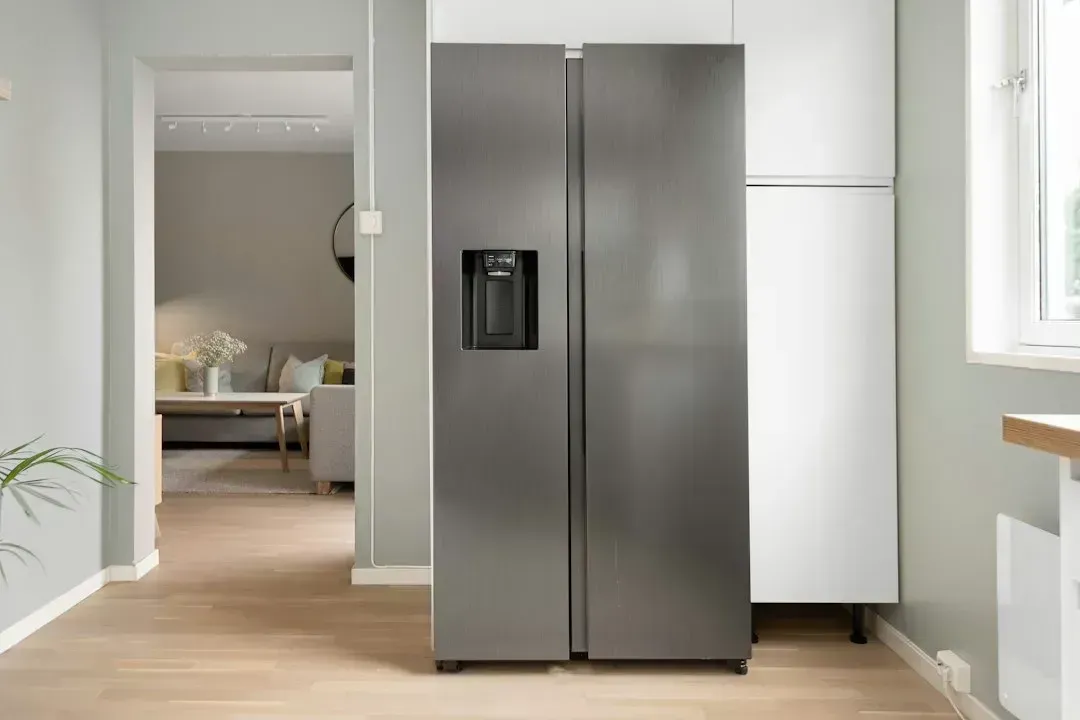
Here’s a detail many people miss. The NWS says to avoid sheltering where heavy objects like pianos or refrigerators sit on the floor directly above you. This matters mostly in two-story homes, where a heavy item upstairs could crash through the floor if the house is hit.
Before storm season, walk through your home and check what’s stacked over your chosen spot. Moving that one problem is easier than it sounds.
Skip the Old Myths
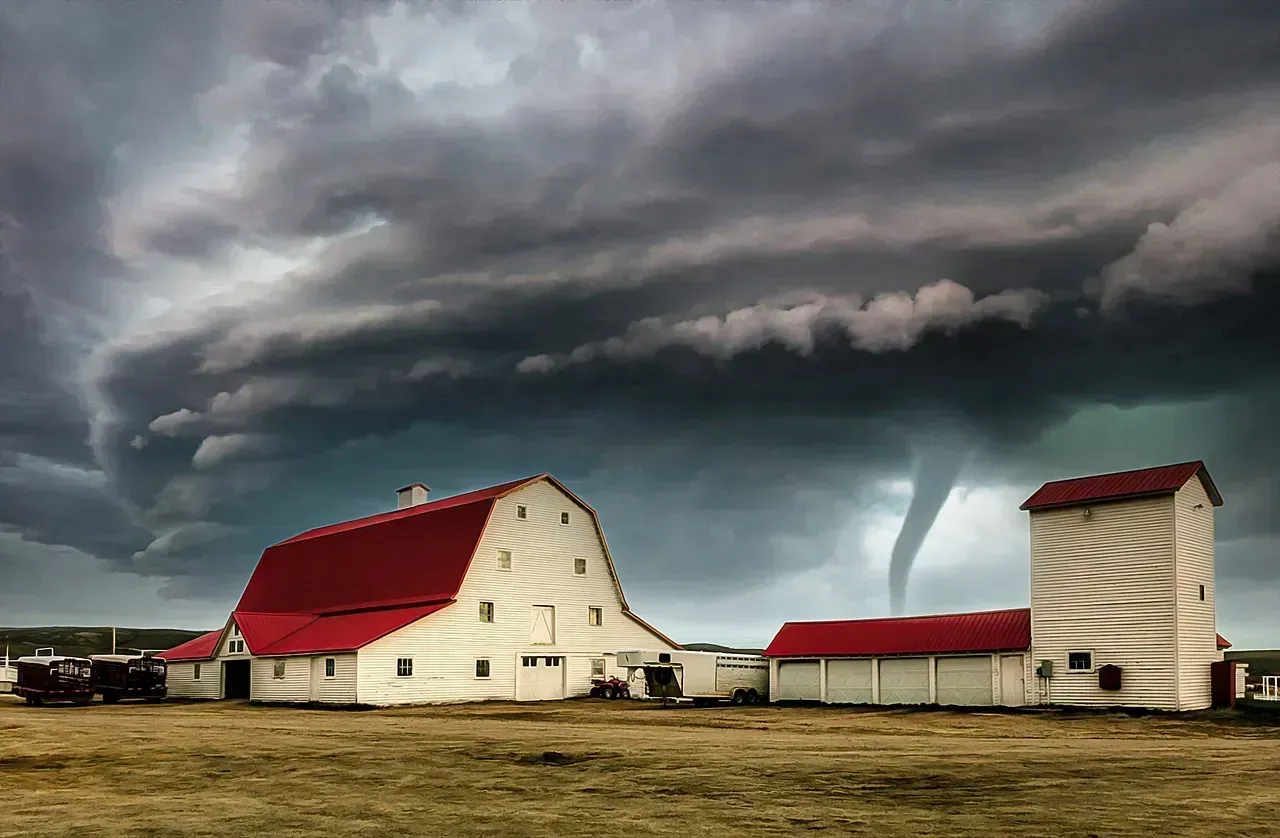
One persistent habit is opening windows to equalize pressure. The Storm Prediction Center says to forget that old notion, because the tornado will blast open the windows for you. Time spent on the windows is time not spent getting to shelter.
Another is trying to flee by car. NWS guidance says a motor vehicle is the least desirable place to be, since cars, buses, and trucks are easily tossed by tornado winds. If you’re already home, stay in your interior room.
Prepare Before a Watch Becomes a Warning
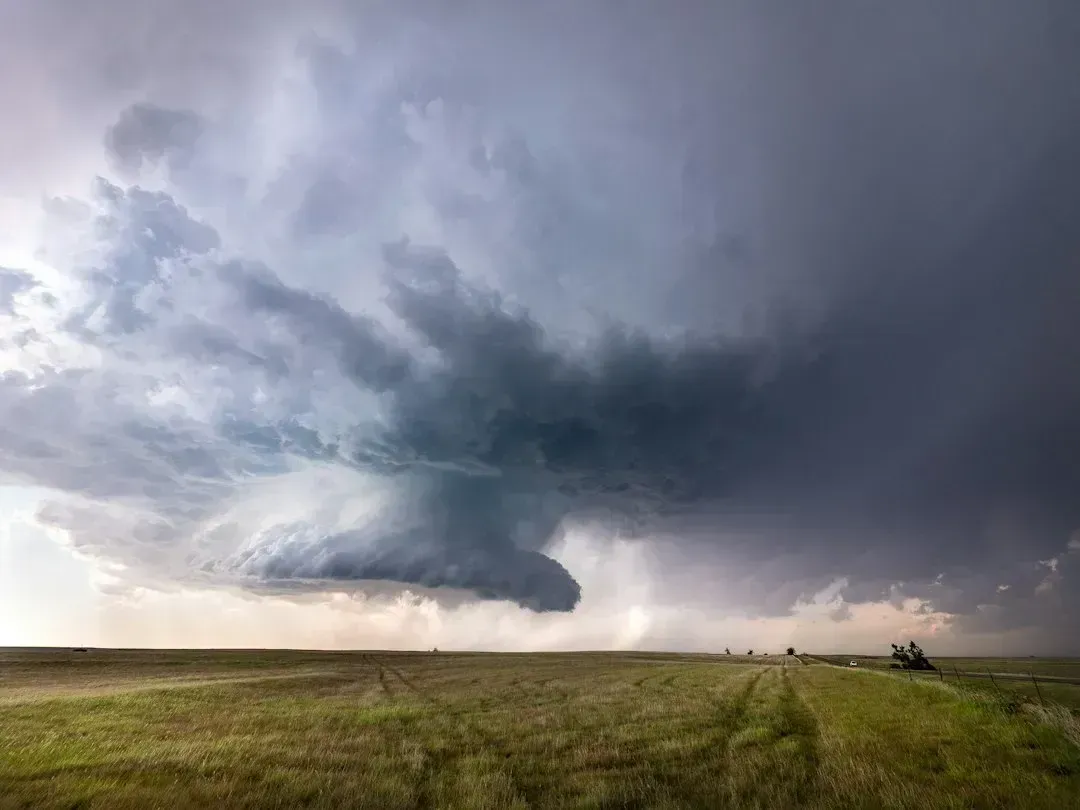
A watch and a warning call for different actions. During a watch, continue normal activities but stay informed and be ready to get to shelter if tornadoes develop quickly. A Springfield, Missouri NWS sheet adds that you should locate your radio, phone, wallet, blanket and flashlight.
It also recommends you make sure your NOAA Weather Radio has fresh batteries and is set to receive warnings for your area. Discussing the plan ahead of time matters too, since the NWS notes that planning, preparing, and practicing are the key to surviving a tornado.
Consider a Safe Room for the Long Term
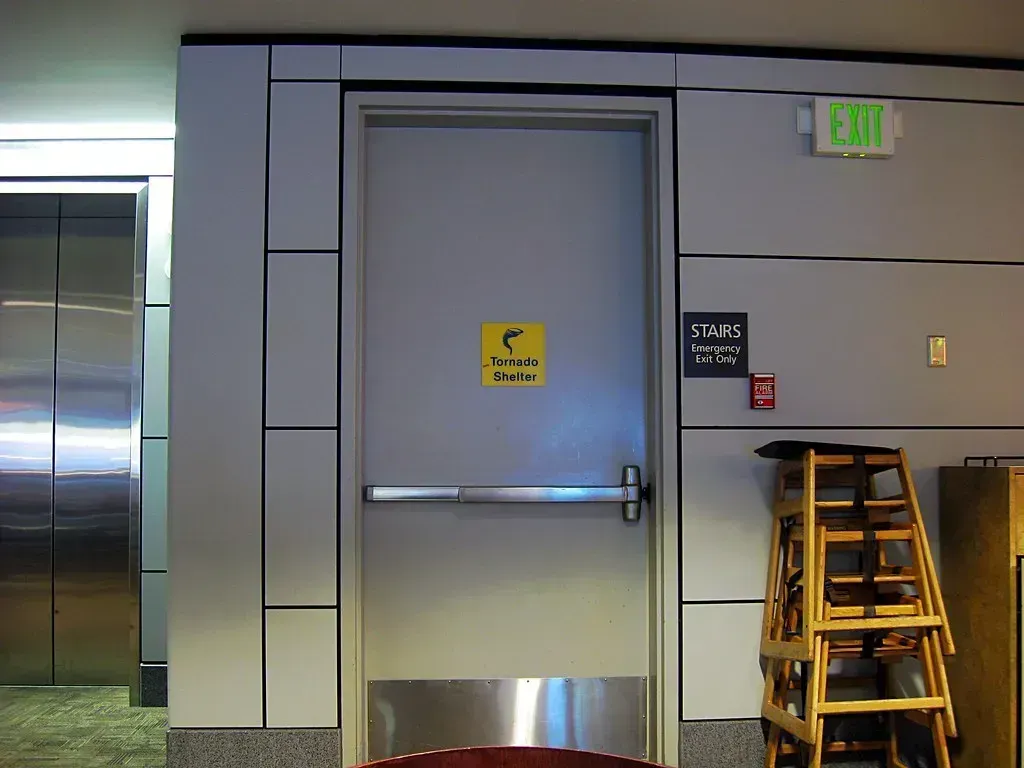
An interior room is the best option for many homes, though the NWS is honest about its limits. The agency notes that there is no completely safe place during a tornado, though some locations are much safer than others.
For people building a house, the Storm Prediction Center suggests that especially east of the Rockies, you consider an underground tornado shelter or an interior safe room. A properly built shelter is the closest substitute for a basement.
Mobile Homes Are a Different Case
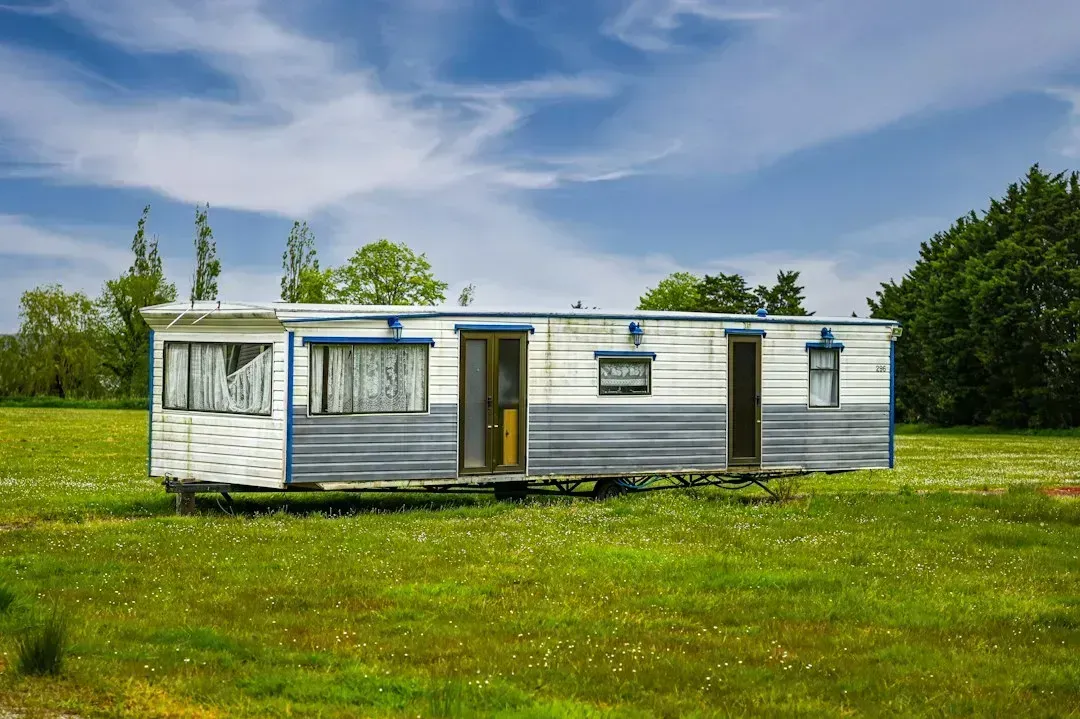
The interior room advice applies to modern, enclosed houses, not mobile homes. A Springfield NWS sheet states that mobile homes provide no protection from tornadoes, so residents should plan an escape to a nearby sturdy building.
The CDC agrees that even mobile homes with tie-down systems cannot withstand tornado winds. Identify your shelter before the storm, and go there at the first sign of trouble.
