

- Phantom Energy Sucking Power 24/7 – 7 Home Electronics Quietly Inflating Utility Bills - November 14, 2026
- A Million-Mile Storm Raging for Centuries – 6 Violent Weather Wonders in Our System - November 14, 2026
- Animals Flee Hours Before the Tremor – 7 Natural Warnings Before Disasters Strike - November 14, 2026
A boomtown built for speed
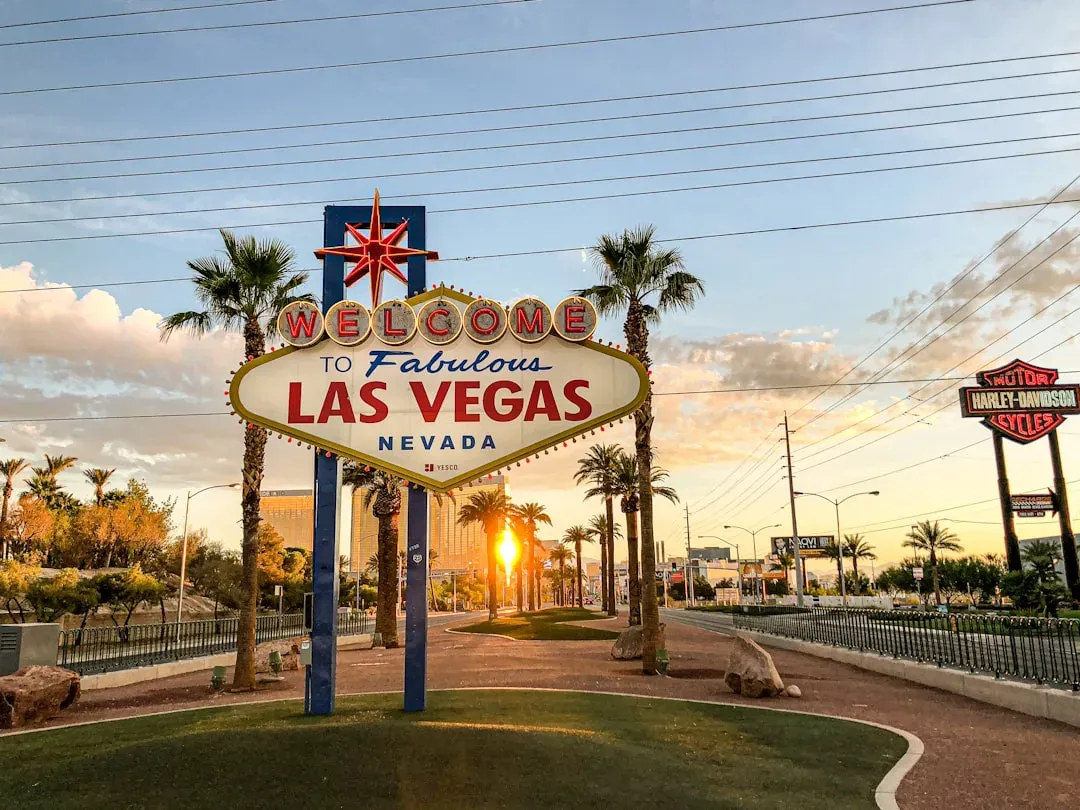
Las Vegas spent the early pandemic years as one of the country’s defining migration stories. Remote workers left expensive coastal metros in search of space and lower costs, and Las Vegas offered both, along with warm weather and no state income tax. The result was a surge in homebuilding and prices that felt almost impossible to slow down.
That momentum did not fade gently. According to a Redfin analysis, Las Vegas is the fastest-cooling housing market in the U.S., marked by a significant drop in home sales and a surge in inventory, a stark contrast to the boomtown days of the pandemic. The city that once symbolized runaway growth is now the poster child for a market working its way back down to earth.
The Redfin numbers that started the conversation
The label was not casual commentary. It came from a formal Redfin analysis that ranked major metro areas using a set of concrete metrics rather than a general impression of the market. Redfin’s analysis ranked U.S. metropolitan areas based on year-over-year changes in homes sold, median sale price per square foot, share of homes that went under contract within two weeks, average sale-to-original-list price ratio, median days on market, and inventory, as of June 2025. That is a lot of ways to measure a slowdown, and Las Vegas topped nearly all of them.
Las Vegas came out cooling faster than any other major U.S. housing market, with home sales down 10.2% year over year and inventory up a whopping 44.8%, the largest gain among the metros Redfin analyzed. Those are not small adjustments. They point to a market that shifted from scarcity to surplus in a fairly short window.
Inventory pile-up: more homes, fewer buyers
Supply is often the clearest signal of where a housing market is headed, and Las Vegas supply has been climbing at a pace few other cities have matched. The total number of homes for sale in Las Vegas rose 31% year over year in July, the biggest increase of any major U.S. metro area and roughly triple the national increase, marking a year straight of 20%-plus inventory increases. That kind of sustained buildup does not happen overnight.
The reason is not that people stopped wanting to sell. It is that buyers pulled back. Supply is piling up in Las Vegas because would-be homebuyers are sitting on the sidelines, with pending home sales falling 8.6% year over year in July and closed sales falling 8.5%. A wave of listings met a shrinking pool of willing buyers, and prices had nowhere to go but soften.
Price cuts become the new normal
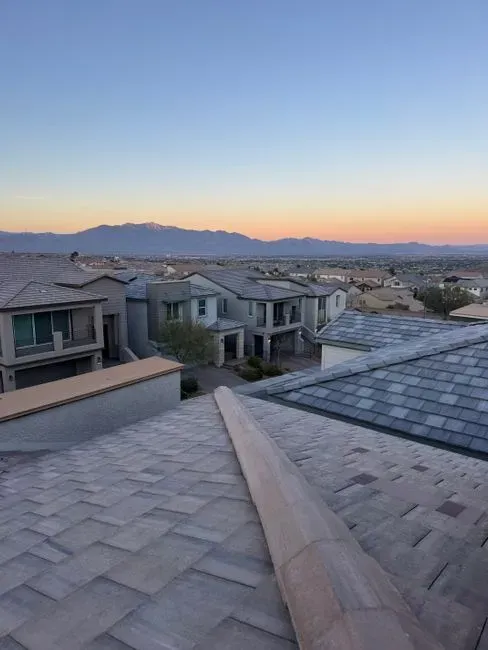
Nothing tells the story of a cooling market quite like the share of sellers trimming their asking price. In Las Vegas, that share has become impossible to ignore. Price reductions swept through 39.7% of Las Vegas-Paradise metro’s single-family home listings during the week ending Nov. 7, 2025, marking a pronounced shift in seller behavior as the market settles into neutral conditions. That is nearly two out of every five homes on the market getting a price adjustment.
Sellers who priced ambitiously found out quickly that the old playbook no longer worked. Sellers who overpriced by more than 3 to 4 percent faced extended days on market and eventual price reductions that often landed them below where a correct initial price would have set the anchor. The market has been recalibrating in real time, and buyers have taken notice.
Why locals cannot buy their own city
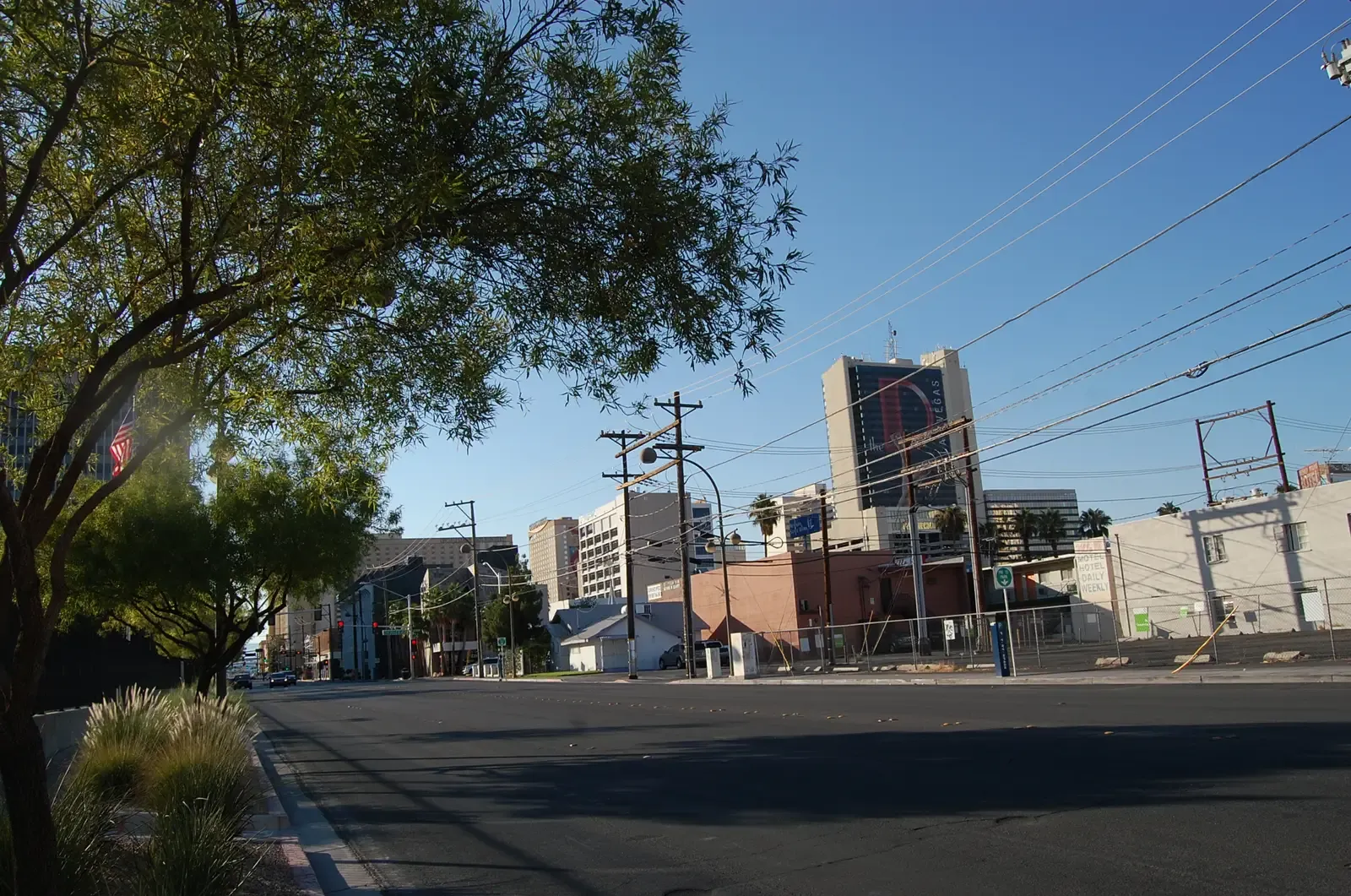
Ironically, the cooling has not made Las Vegas cheap. It has simply exposed how far prices had drifted from what local wages can support. Most homes are unaffordable for Las Vegas locals, with just 20% of Las Vegas listings affordable to a family earning the local median income, meaning the typical household would need to spend 40% of their income to buy the median-priced home. That is a wide gap from the standard benchmark.
Housing economists generally use a simple rule of thumb to define affordability. A home is typically considered affordable if a household spends no more than 30% of its income on housing. Las Vegas locals are well beyond that line, which helps explain why so many would-be buyers have simply stepped back and waited.
Renting starts to look like the smarter move
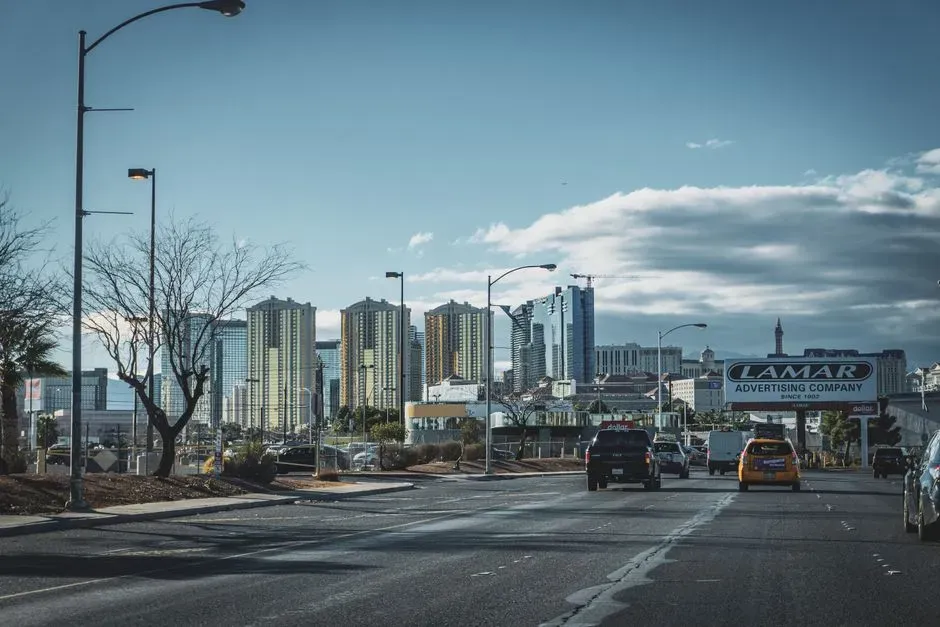
When ownership stretches a budget this thin, renting becomes the more rational choice for a lot of households. That dynamic has played out clearly in Las Vegas over the past year. Renting is more affordable in Las Vegas, where the median monthly asking rent sits at $1,586. Against a median home price well above four hundred thousand dollars, that gap is hard to ignore.
Rental data backs up the sense that even the rental side of the market has lost some of its pandemic-era heat. Zumper’s 2025 rental report shows rental rates in the valley could only rise slightly next year and have actually dropped year over year this year. Fewer people are being priced into panic decisions, and that alone changes the tenor of the whole market.
Las Vegas is not cooling alone

Part of what makes this story interesting is that Las Vegas is not an isolated case. It is the most extreme example of a broader pattern playing out across the Sun Belt. Redfin’s ranking of the metros cooling fastest placed Las Vegas first, followed by Sacramento, Denver, Fort Lauderdale, Orlando, San Diego, Miami, Seattle, Washington D.C., and Oakland. Nearly all of those cities share a common thread of rapid pandemic-era growth followed by a hard reset.
The contrast with more stable markets is striking. Six of the ten metros holding up best are in the Rust Belt, whereas the fastest-cooling metros are concentrated in the Sun Belt, a region once known for decades of economic decline that is now experiencing less out-migration as the pandemic-era population shift to the South slows. Las Vegas simply sits at the far end of a spectrum that includes Phoenix, Austin, and several Florida metros.
Tourism jitters and economic uncertainty pile on
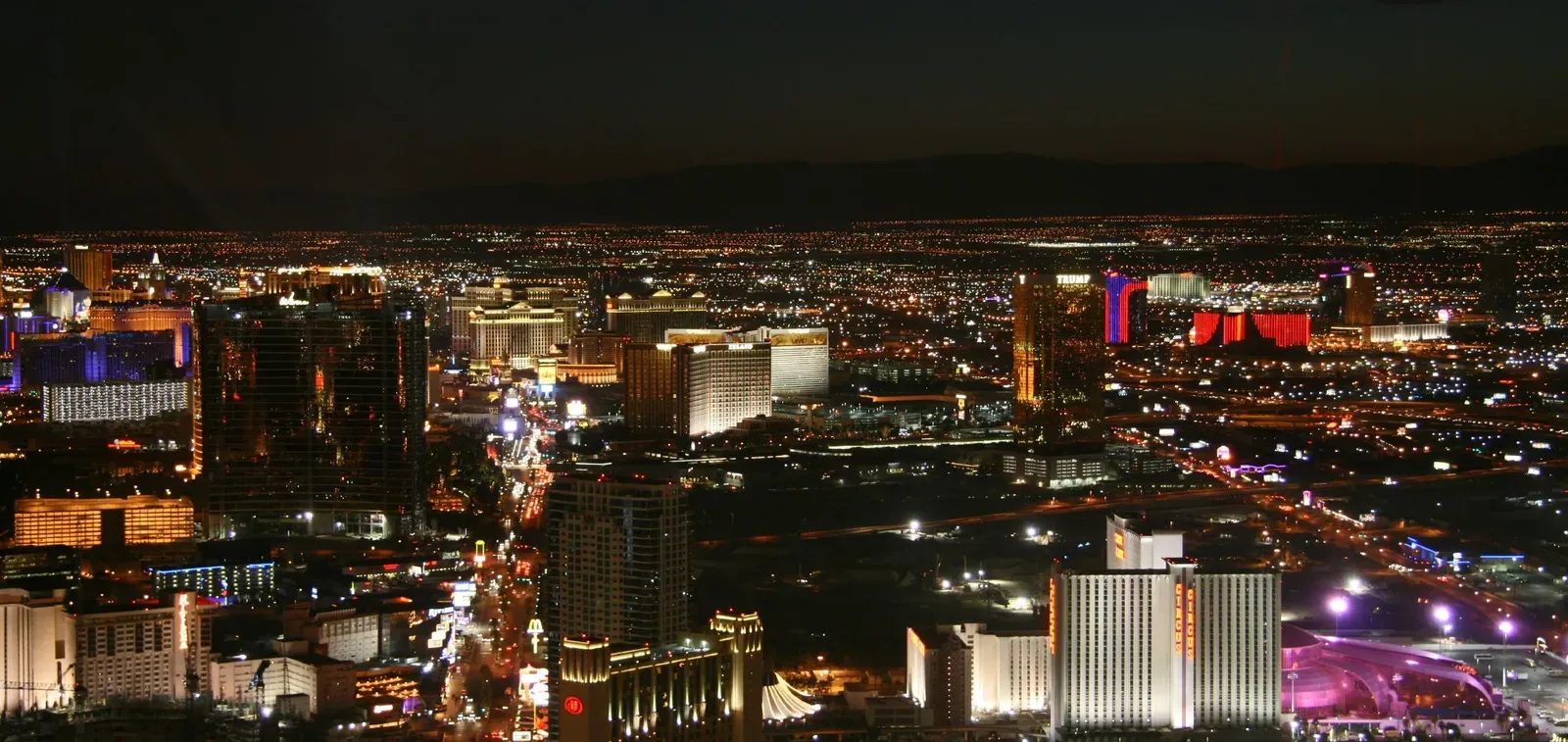
Las Vegas’s economy has always leaned heavily on visitors, conventions, and discretionary spending, which makes it more sensitive to economic mood swings than most cities. When that mood sours, the effect shows up quickly in housing demand. The overall U.S. housing market has been slow for many months due to high homebuying costs and widespread economic uncertainty, and a recent Redfin analysis found that Las Vegas is cooling faster than any other metro area in the country. A softening tourism sector has only added to that pressure.
Mortgage rates have played a role as well, though not always in the direction people expect. Mortgage rates are the single biggest variable shaping the 2026 Las Vegas market, with the 30-year fixed rate peaking above 8% in late 2023 and retreating to the 6.2% to 7.0% range as of mid-2026. That partial relief has not been enough to reignite the kind of urgency buyers showed a few years ago.
What comes next: normalization, not collapse
Despite the dramatic headlines, most local data points toward a gradual reset rather than a crash. Recent price movement has been modest rather than severe. Home prices and sales in the Las Vegas area declined in April 2026 from a year earlier, the latest sign that one of the nation’s hottest housing markets in recent years is continuing to normalize, with the median price of existing single-family homes falling 1.3% to $473,875. That is a correction, not a freefall.
Analysts following the market closely describe the trajectory in similarly measured terms. Unless wage growth accelerates or interest rates plunge dramatically, Las Vegas home prices are likely to drift lower into 2026, not a crash but a gradual normalization that allows affordability to realign with incomes. For a city that spent years defined by extremes, a slow return to balance might be the least dramatic outcome of all, and also the healthiest one.
The takeaway
Las Vegas earned its reputation as America’s fastest-cooling city the same way it earned its earlier reputation as a pandemic boomtown: through numbers too large to argue with. Inventory piled up, price cuts spread, and buyers who once competed for scraps suddenly found themselves with options. None of that means disaster is coming. It mostly means a market that ran hot for a few unusual years is finally settling into something closer to normal, even if normal feels unfamiliar after all the noise that came before it.
