


- Will travel insurance cover weather-related flight delays and cancellations? - November 11, 2026
- 8 Cities Where the Weather Changes So Fast Locals Carry Everything - November 11, 2026
- 10 Traditional Building Techniques From Hot Climates Architects Are Revisiting - November 10, 2026
Walk away from a campfire and you get cooler. The Sun doesn’t follow that rule. Its visible surface sits at roughly 6,000 kelvin, close to 10,000°F, yet the thin atmosphere floating above it reaches temperatures in the millions of degrees.
Physicists have known about this oddity for about a century, and it still carries the plain name of the coronal heating problem. Spacecraft that now fly through the Sun’s outer atmosphere are finally giving researchers direct measurements to work with.
A Temperature Jump That Shouldn’t Happen
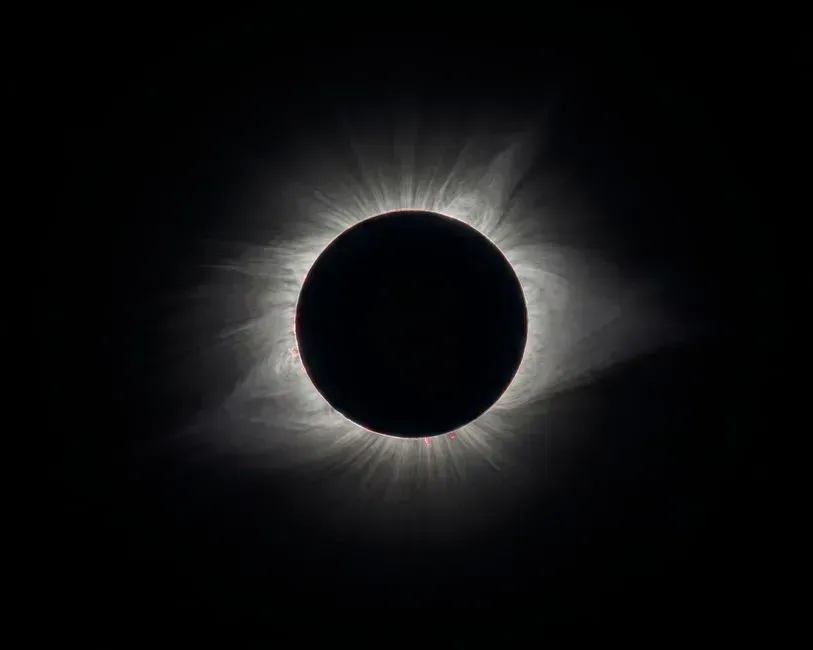
The ordinary expectation is simple. The Sun’s energy is made by fusion in its core, so temperatures should fall steadily as you move outward. The puzzle is why the atmosphere is far hotter than the surface, when the surface is much closer to the core.
The scale of the gap is striking. The European Space Agency notes the corona is more than 150 times hotter than the surface. That isn’t a small discrepancy that better arithmetic could fix.
How the Puzzle Was First Spotted

The corona is easy to see during a total solar eclipse, when the Moon blocks the bright disk. For a long time, though, nobody knew how hot it really was. The puzzle was first discovered in 1939, according to IFLScience.
Strange spectral lines in coronal light eventually turned out to come from heavily ionized iron, which only forms at extreme temperatures. That finding pushed the question into mainstream physics. Heat flowing outward from the Sun’s surface couldn’t account for it.
Why Simple Heat Flow Fails
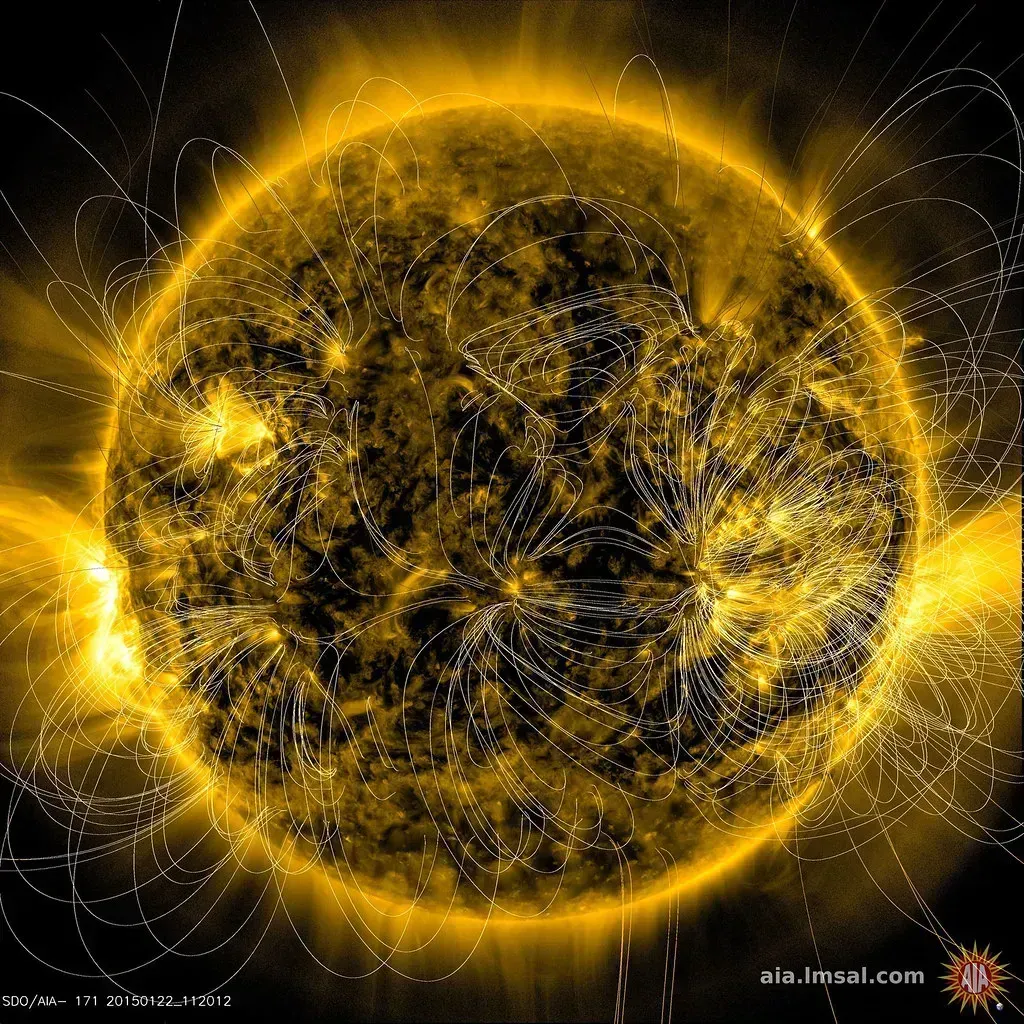
Heat moves from hot to cold on its own. Moving it the other way, from a cooler surface to a hotter atmosphere, requires some other source of energy being delivered and converted. So the heating has to come from something besides ordinary conduction or radiation.
The best candidate is the Sun’s magnetic field. The churning gas just below the surface constantly shakes and twists the magnetic field lines that rise into the corona. Those motions carry energy upward, and the open question is how that energy ends up as heat.
The Nanoflare Idea
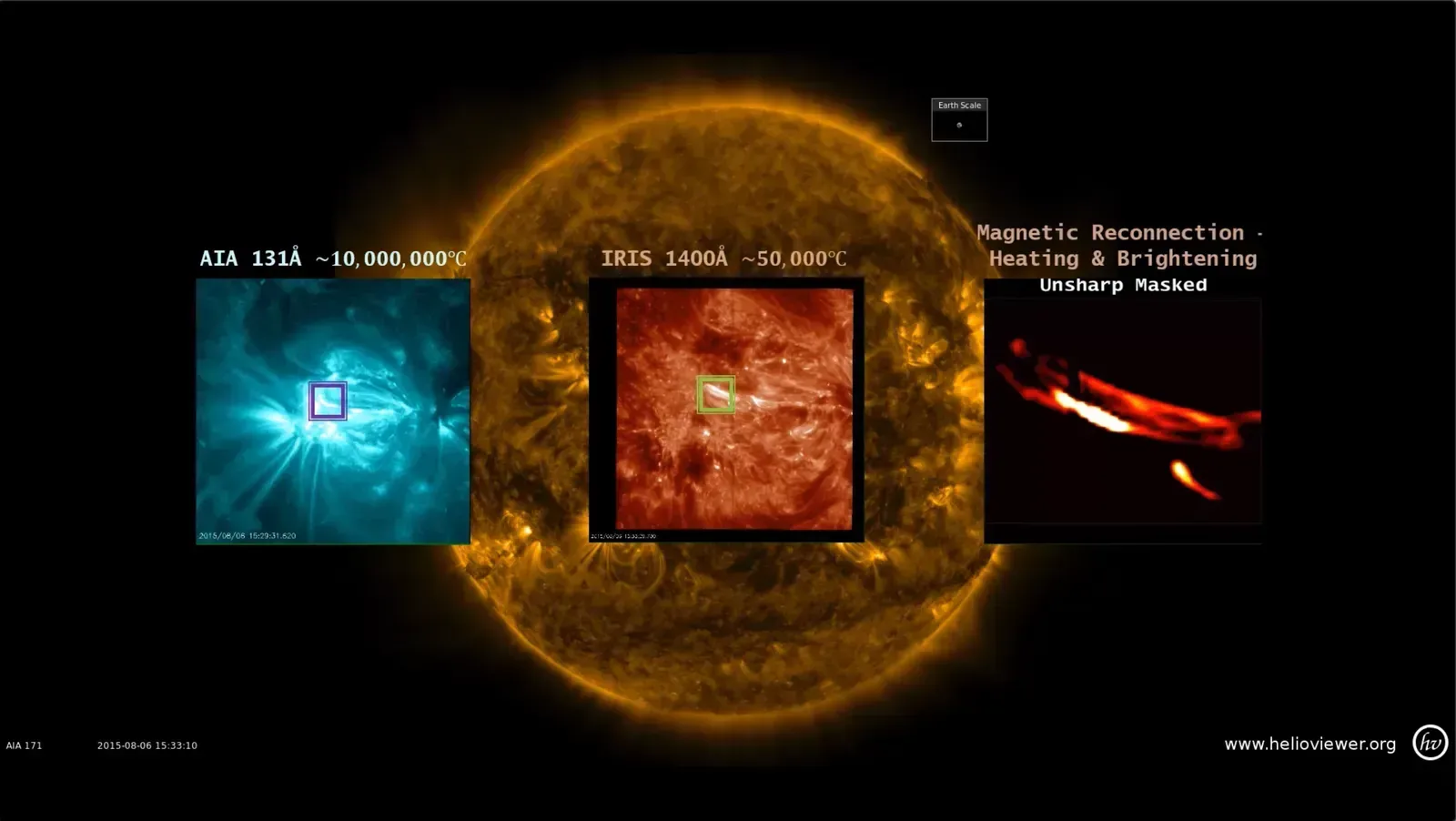
One family of explanations says the corona is heated by countless tiny explosions. Magnetic field lines get tangled, snap and reconnect, and each event releases a small burst of energy. Researchers call these events nanoflares, and the idea is that enough of them could keep the whole atmosphere hot.
The difficulty is that individual events this small are very hard to observe. Instruments can see the aftermath in extreme ultraviolet light, but tallying every little burst is a different matter. That leaves the idea plausible without being fully proven.
Waves That Carry Energy Upward
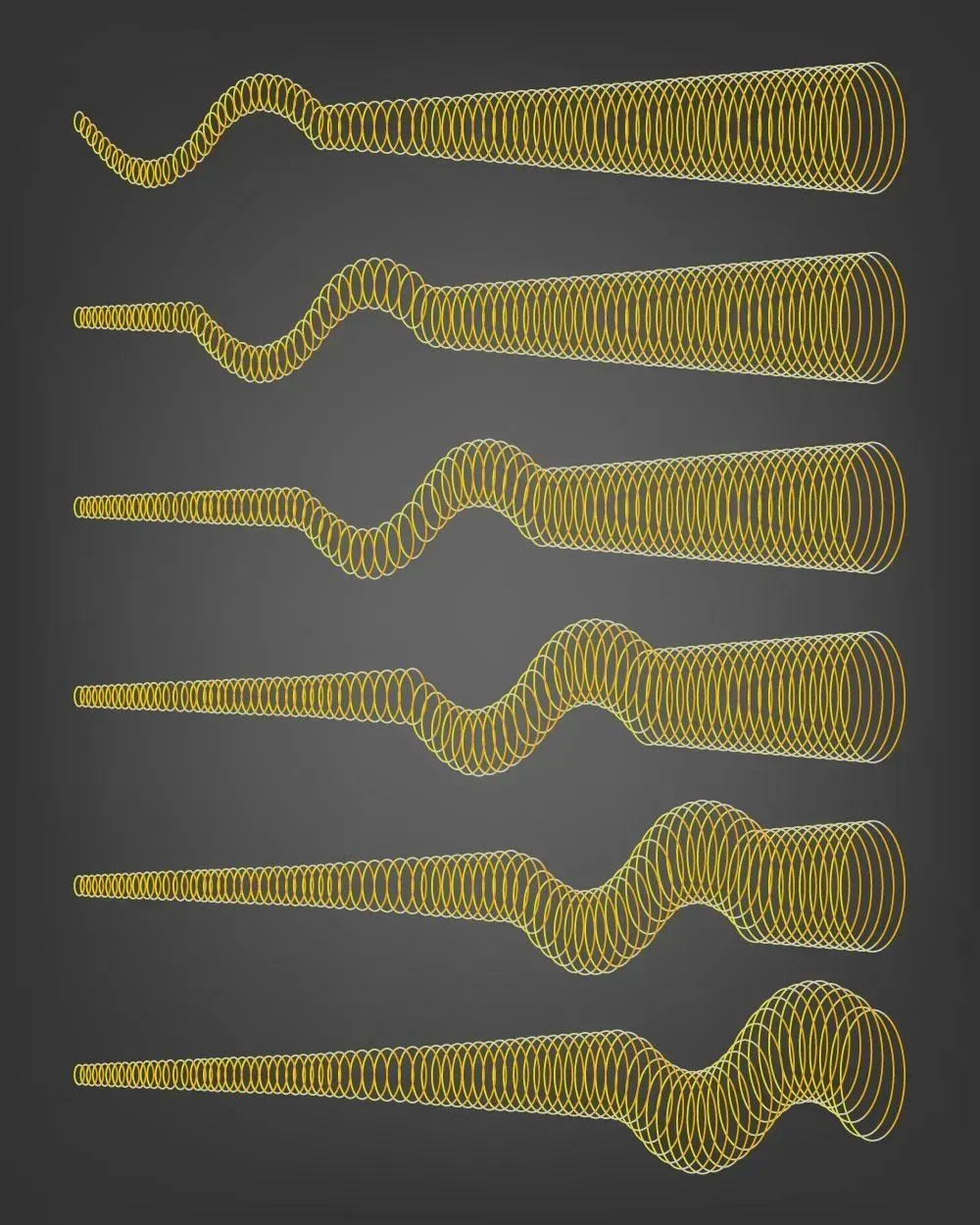
A second family of explanations relies on waves. Alfvén waves travel along magnetic field lines like ripples along a plucked string, and they can haul energy from the surface into the corona. If those waves break down and dissipate, they would turn that energy into heat.
The big question is how that breakdown happens. Turbulence is widely thought to be a central element in addressing these questions. Waves traveling in opposite directions can collide and cascade into smaller and smaller eddies, until the energy finally becomes heat.
Measuring the Heating Rate for the First Time
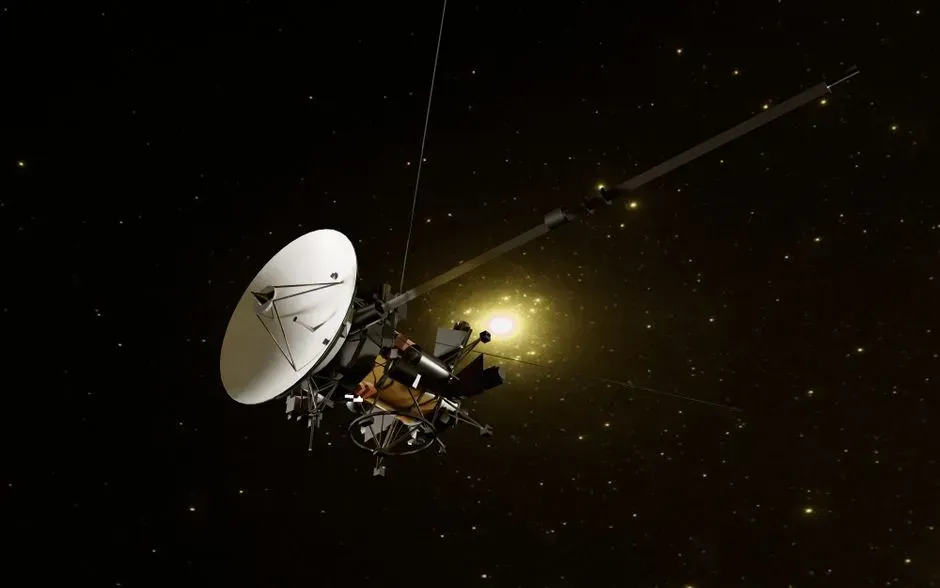
Studying turbulence takes more than one vantage point. ESA explains that a single spacecraft can’t gather all the data needed. So Solar Orbiter and NASA’s Parker Solar Probe were lined up to observe the same plasma.
The results were notable. Together the spacecraft made the first simultaneous measurements of the corona’s large scale structure and the plasma’s small scale properties, leading to the first combined estimate of the coronal heating rate. ESA was careful to add that more work is needed before the heating problem can be called solved.
Switchbacks Ruled Out as the Main Cause
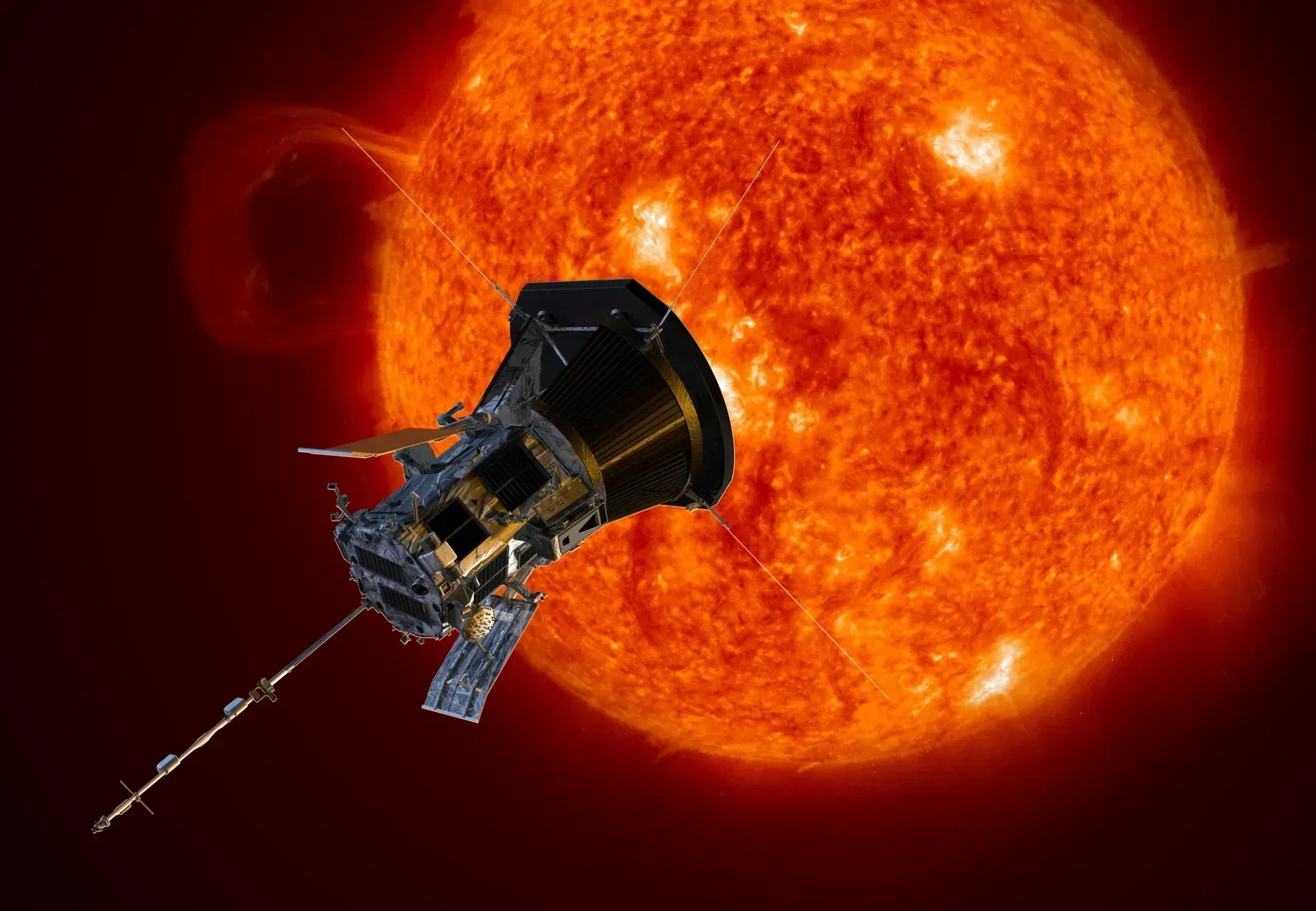
Parker Solar Probe has also helped eliminate suspects. The probe found sudden S-shaped kinks in the magnetic field, nicknamed switchbacks, and some researchers wondered whether they might supply the heat. In July 2024, ScienceDaily reported that Parker had ruled out these S-shaped bends as a cause of the corona’s heat.
That kind of negative result is still progress. Each explanation that’s discarded narrows the field of what’s left. Waves and turbulence remain the leading contenders.
The Helicity Barrier Gets Observational Support
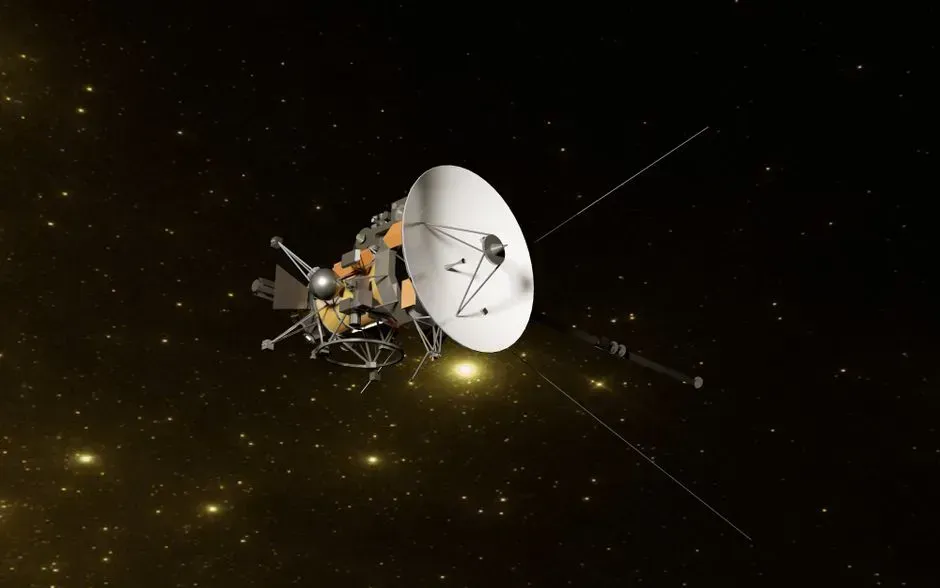
In 2025, a study using Parker data reported direct evidence for a theorized helicity barrier. It’s described as a threshold where the turbulent process that converts mechanical energy into heat behaves differently near the Sun. The idea is that the barrier limits how easily wave energy cascades down to small scales, which may change which particles get heated.
The analysis drew on the probe’s early passes. The researchers examined data from the first 10 orbits and combined several datasets to cover a broader range of scales. Supporters say it may help explain temperature signatures in the solar atmosphere, as well as why different solar wind streams vary so much.
Dust Enters the Picture
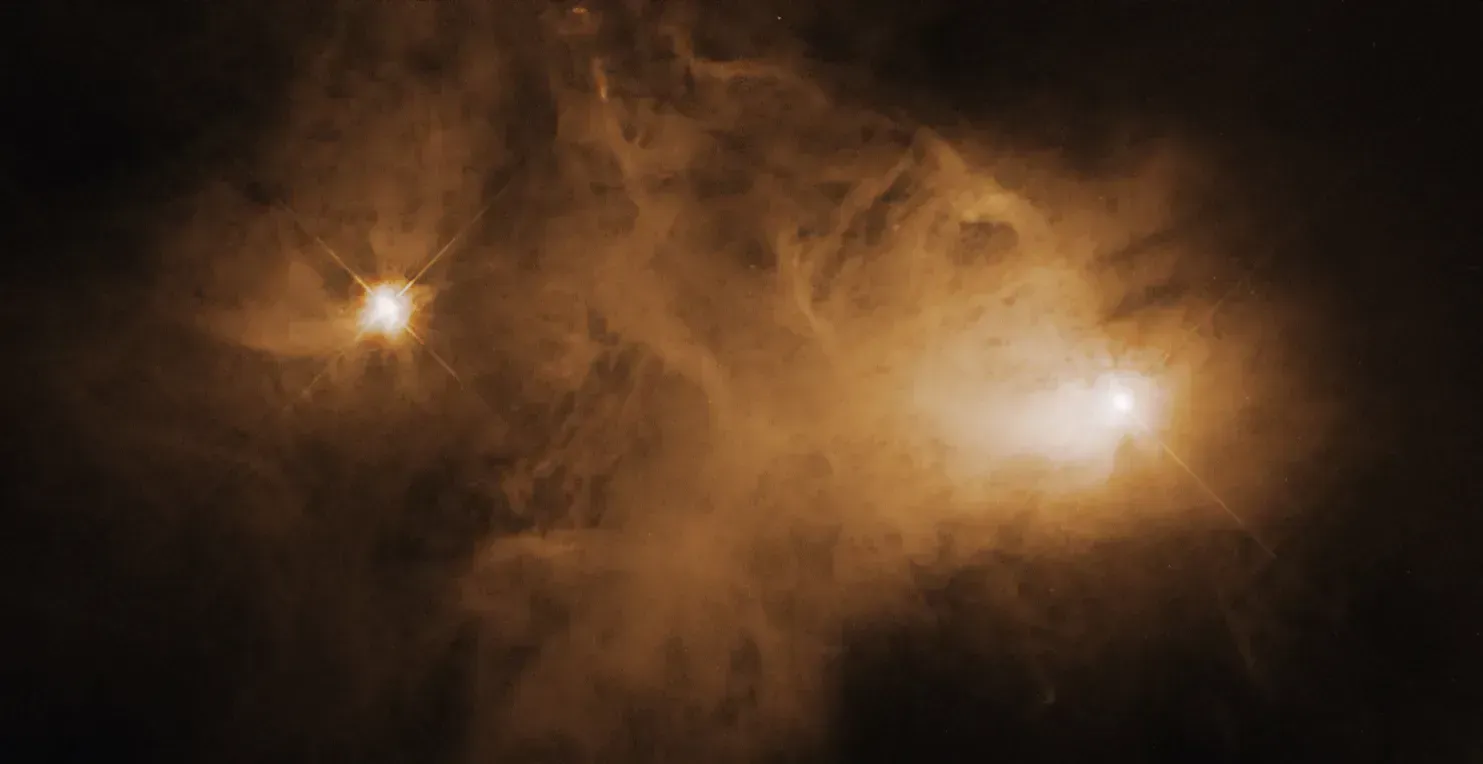
A 2026 paper added an unexpected ingredient. Dust wasn’t normally included in heating models, because grains a million times heavier than electrons or ions weren’t expected to survive the corona’s temperatures. Parker’s detections of dust near the Sun prompted a rethink.
The study, published in The Astrophysical Journal, found that dust mass tends to extend wave energy transport, while dust charge enhances local energy deposition. The authors suggest dust should be treated as an active part of coronal heating. As with other recent results, it refines the picture without settling it.
Where the Research Stands
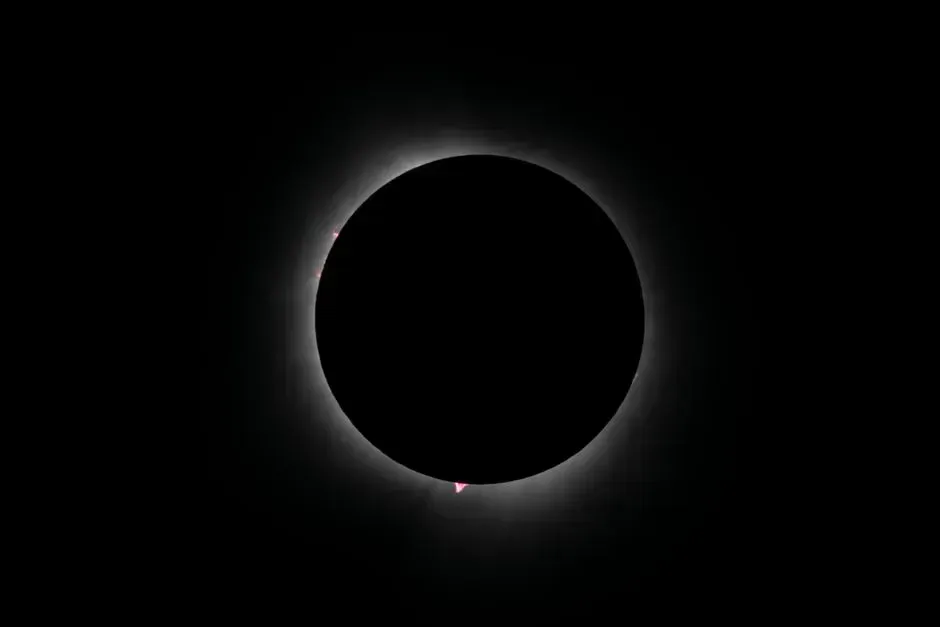
No single mechanism has been declared the winner. Nanoflares, wave turbulence, the helicity barrier and even dust may each contribute, in different regions of the corona and in different amounts. The coronal heating problem is still listed among the fundamental unsolved mysteries in solar physics.
Parker Solar Probe keeps passing through the corona, and Solar Orbiter keeps watching from a distance. The two missions are coordinating further joint observations as their orbits line up in the coming years.
