

Early risers along much of the sunlit hemisphere got a small reminder this week of how quickly space weather can shift. Sunspot region AR4524, a cluster that had been quietly rotating into view for days, suddenly became the center of attention as the sun ejected material toward Earth with more force than forecasters had expected.
NOAA’s Space Weather Prediction Center, the federal office responsible for tracking these events, moved to revise its guidance within hours, a pace that shows how much monitoring capability has improved even as the sun itself remains stubbornly unpredictable.
What actually happened on the sun
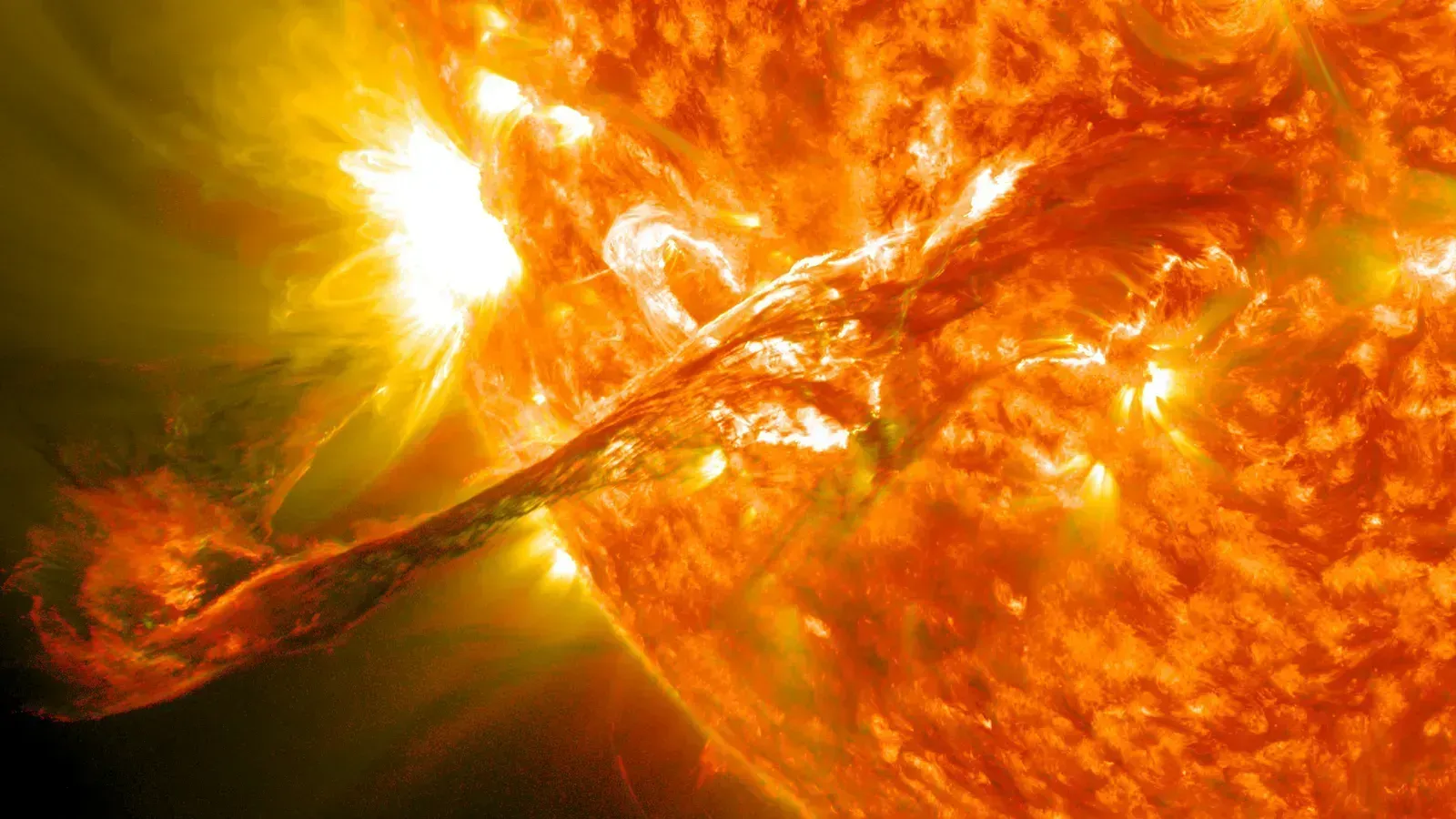
The trouble started with a burst of activity from AR4524, a sunspot group that had developed what scientists call a beta gamma magnetic structure, a configuration known for producing stronger flares. Solar observers saw at least four CMEs launch from sunspot region AR4524 over September 5 and 6, and these were racing through interplanetary space with the potential to merge into a combined punch.
That merging possibility is part of what caught forecasters off guard. Individually, each ejection might have been manageable, but the prospect of multiple clouds of plasma arriving close together raised the stakes considerably, since overlapping impacts tend to produce stronger geomagnetic effects than any single event would on its own.
NOAA’s swift response and revised wording
Once the CMEs were confirmed heading toward Earth, NOAA updated its outlook to reflect a higher likelihood of geomagnetic disturbance than earlier forecasts had suggested. Sun news from September 8, 2026 noted that the first blast of solar material arrived, sparking a G1 storm that morning, with more storms expected to follow, potentially reaching G2 to G3 levels along with auroras.
That kind of rapid revision is standard practice at the agency, but it still matters to the people who rely on the numbers. Airlines rerouting polar flights, satellite operators, and power grid managers all watch these updates closely, since even a moderate storm can nudge operational decisions in a way calmer space weather wouldn’t.
Why the flare caught forecasters by surprise
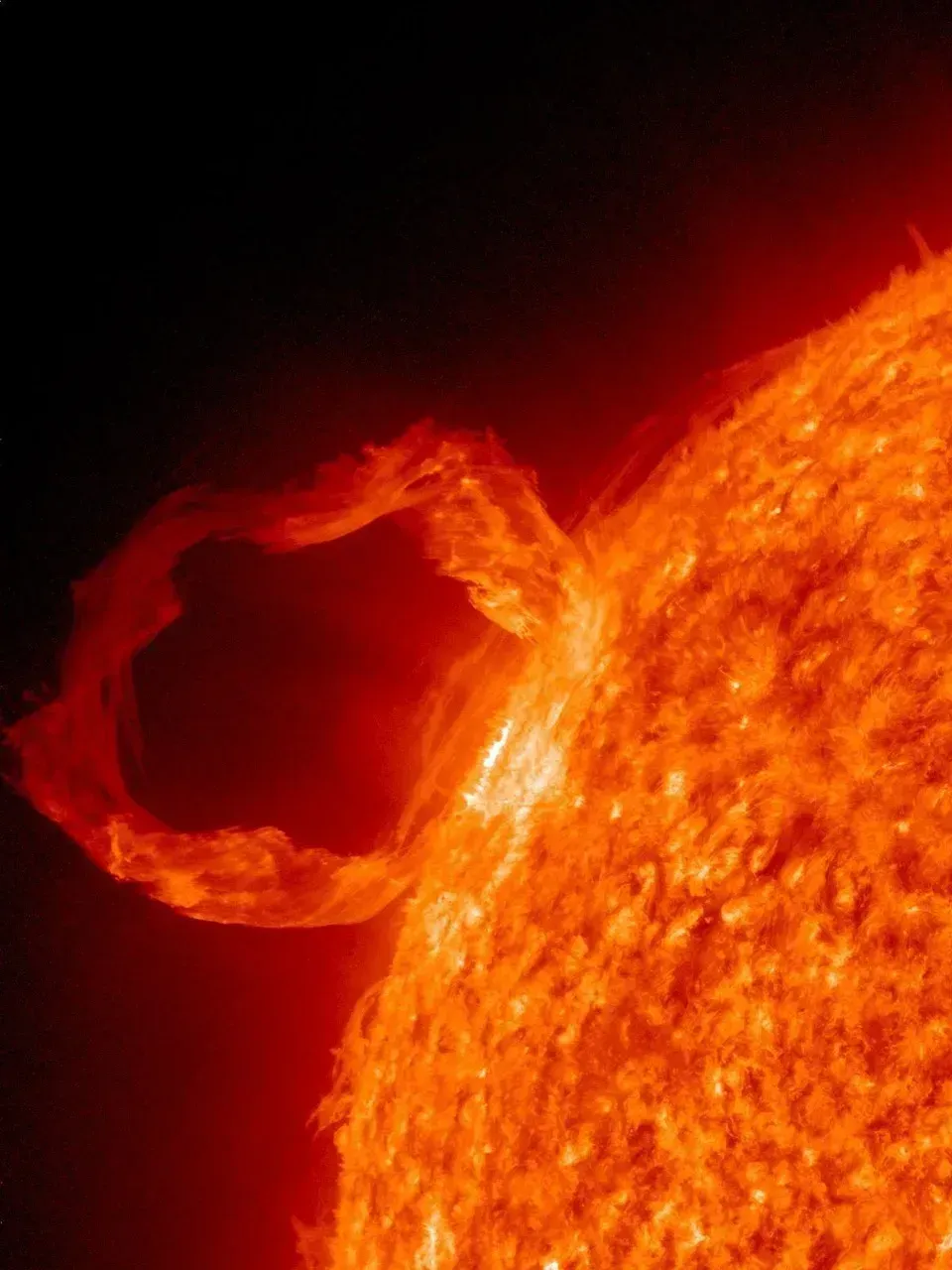
Solar flares themselves are notoriously hard to predict with precision. A solar flare is a sudden burst of X-ray and ultraviolet radiation, released when tangled magnetic field lines on the sun’s surface break and reconnect, and because the radiation travels at the speed of light, it reaches Earth in about eight minutes, meaning the flare itself can’t be predicted in advance.
Coronal mass ejections behave a bit differently, giving forecasters more lead time but not perfect certainty. A CME is a cloud of plasma that travels more slowly, taking one to three days to reach Earth, and a flare and a CME often occur together, but not always, since a powerful flare may have no ejection at all, and vice versa. That gap between what can be seen instantly and what can only be estimated is exactly where surprises tend to creep in.
How this event compares to earlier solar cycle 25 activity
This season has not been quiet by any measure. Earlier in the year, NASA recorded several strong eruptions, including an X8.1 solar flare at 23:59 UTC on February 1, 2026, one of the more intense bursts of the current solar cycle.
More recently, NASA’s Solar Dynamics Observatory captured a flare on June 30, 2026, that was classified as an X1.1 event, following a similar eruption earlier that same month. On June 3, 2026, the observatory recorded another flare, this one classified as X1.0. Against that backdrop, the September event stands out less for its raw intensity and more for how quickly multiple ejections stacked up in a short window.
The mechanics behind NOAA’s alert scales
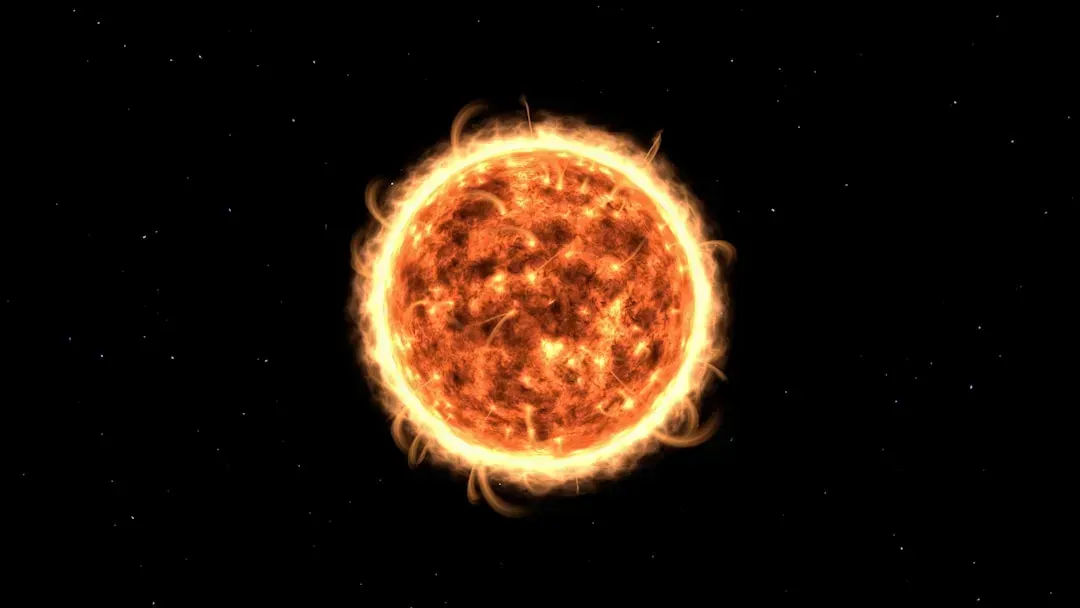
NOAA relies on a tiered classification system to communicate risk in plain terms to the public and to industry. Each letter in the solar flare classification is roughly ten times more powerful than the one before it, with A, B, and C representing background and weak flares with practically no effect on Earth, M representing moderate flares that can cause brief radio disturbances in polar regions, and X representing the most powerful category.
Separate from flare classification, geomagnetic storms get their own G scale, running from G1 up to G5, based on how strongly a CME disturbs Earth’s magnetic field once it arrives. Recent messaging from the agency has repeatedly referenced storm levels climbing from G1 toward the G2 to G3 range as the incoming material interacts with the magnetosphere, which is the kind of range that produces visible auroras well outside the polar regions.
The role of new monitoring tools like SOLAR-1
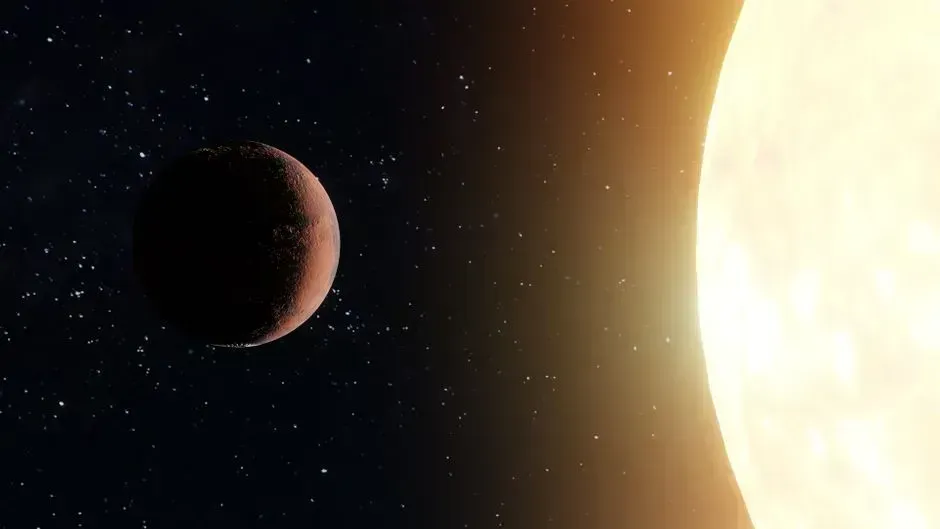
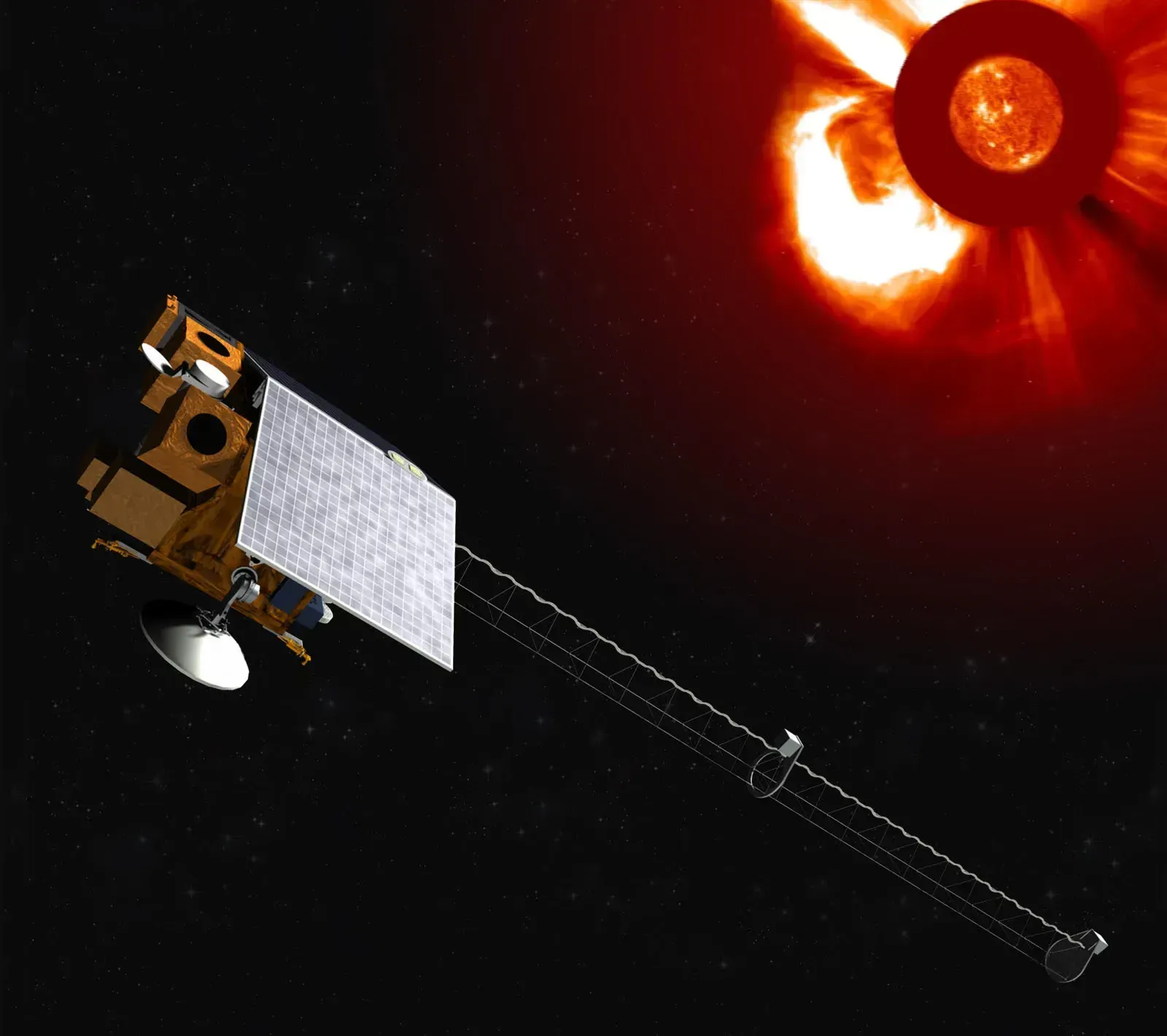
Part of why NOAA could revise its advisory so quickly this time comes down to improved instrumentation. Coronagraph imagery is now available from NOAA’s Space Weather Observations at L1 to Advance Readiness, known as SOLAR-1, with its Compact Coronagraph 2 instrument declared operational in June 2026.
That new coronagraph gives forecasters a clearer, more direct view of material leaving the sun’s corona, rather than relying solely on secondary indicators. It is a meaningful upgrade for an agency that has historically had to infer a lot about CME behavior from indirect signals, and it likely played a part in how fast the recent advisory update went out.
What sky watchers and citizen observers are reporting
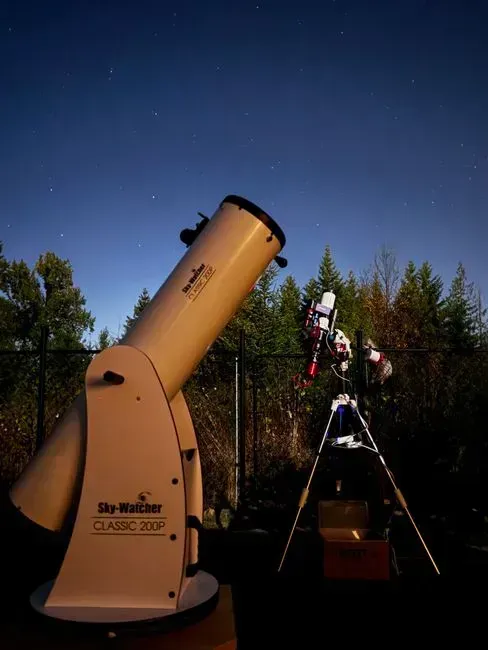
Away from official channels, amateur solar photographers have been tracking the same activity with striking consistency. One observer in Sedona, Arizona, described the solar disk as displaying seven numbered sunspots, noting that AR4524 has a beta gamma magnetic field that poses a threat for M-class solar flares.
Another observer in Santiago, Chile, offered a similar read on the situation. That observer wrote that several sunspots were on the solar face but flare activity remained at basal levels, while noting that Kp index and solar wind speed had increased. These grassroots observations tend to echo, almost in real time, what official agencies eventually confirm through their own instruments.
What comes next for forecasters and the public
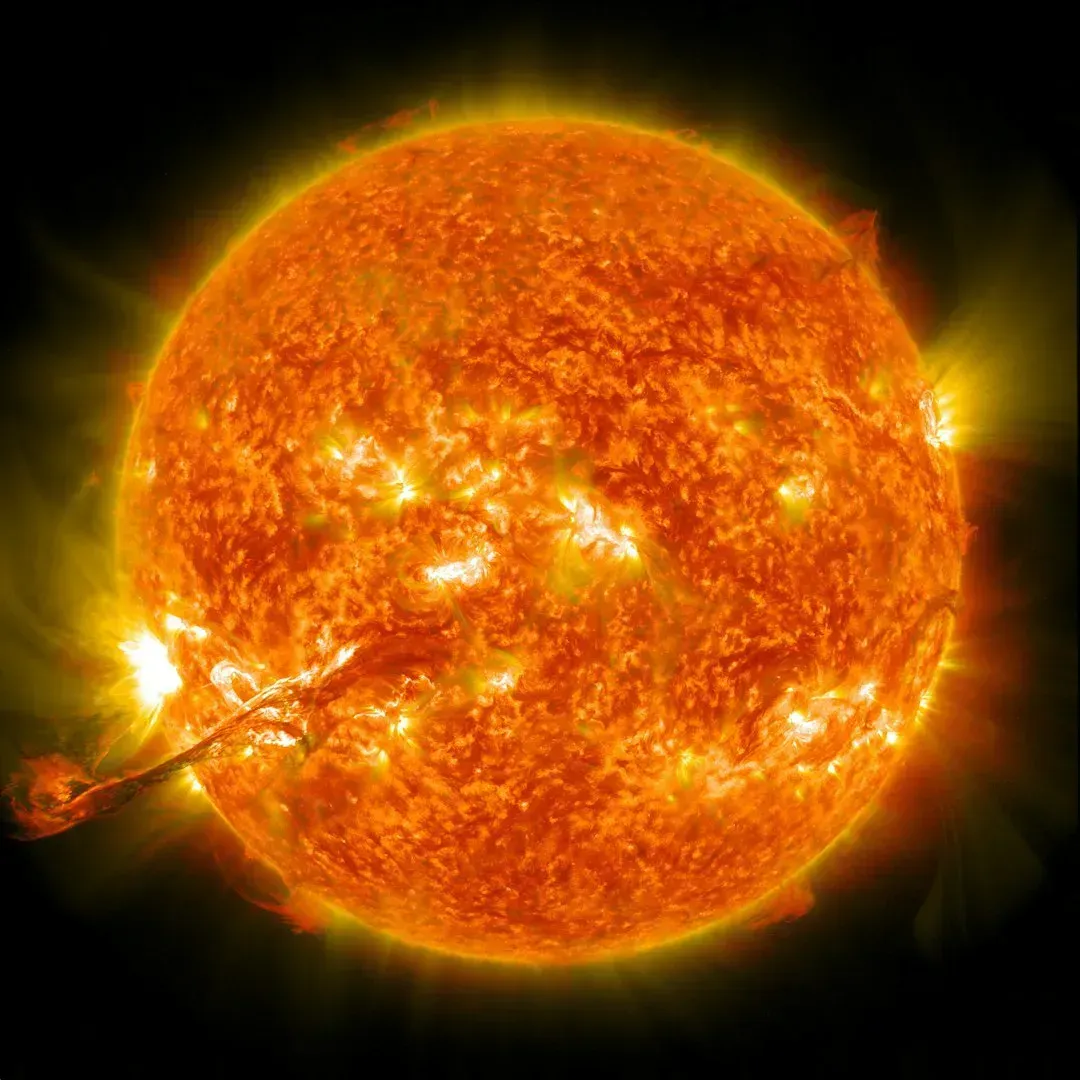
With multiple CMEs already in transit and more solar rotation bringing active regions into direct alignment with Earth, NOAA’s advisory is likely to see further adjustments in the days ahead. Storm strength forecasts in particular tend to firm up only once a CME’s leading edge is detected by instruments positioned between the sun and Earth, so some uncertainty is simply built into the process.
For most people, the practical upshot is limited: brief radio hiccups, a slightly elevated chance of GPS timing errors, and, if the storm strengthens as some models suggest, a decent shot at seeing aurora further from the poles than usual. Anyone with a specific dependence on high frequency radio or precision navigation systems has good reason to keep an eye on NOAA’s updates over the coming stretch, since the current run of solar activity does not appear finished yet.

- I Asked AI and a Waste Auditor How to Cut My Household Trash – Where They Disagreed - November 12, 2026
- Einstein’s equations suggest gravity can reconnect like the sun’s magnetic field - November 12, 2026
- This Map Shows Which States Get the Most Severe Storms Each Year – And It’s Not What You’d Expect - November 12, 2026
