

- Real Estate Analysts Just Changed Their Mind About the Safest Places to Buy – Here’s Why - November 12, 2026
- Black Holes Firing Beams at Near-Light Speed – 5 Cosmic Engines Warping Spacetime - November 12, 2026
- Silent Rogue Worlds Drifting in Total Dark – 6 Planets Ejected From Their Star Systems - November 12, 2026
1. Bald eagle
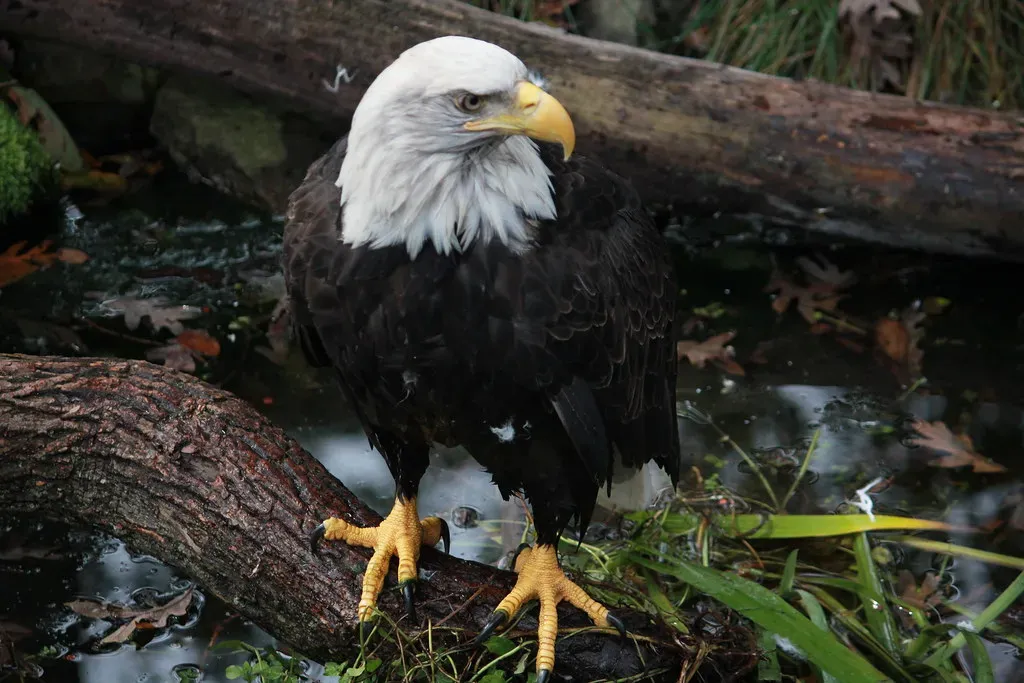
Few recoveries in American wildlife history are as dramatic as the bald eagle’s. In the 1950s, there were fewer than 1,000 birds left in the country. The culprits were widespread pesticide use, habitat destruction, and direct persecution by fishermen and livestock owners who saw the birds as a nuisance rather than a national symbol.
Today the picture looks completely different. The U.S. Fish and Wildlife Service conducted extensive surveys across much of the United States outside Alaska in 2009 and generated an estimated population of 72,434 bald eagles, then updated that estimate to 316,700 based on surveys conducted in 2018-2019, over four times greater than in 2009. The bird’s recovery was formally recognized when it was delisted from the Endangered Species Act in 2007, and it earned an additional honor in December 2024 when Congress formally designated it as the country’s national bird.
2. Gray wolf
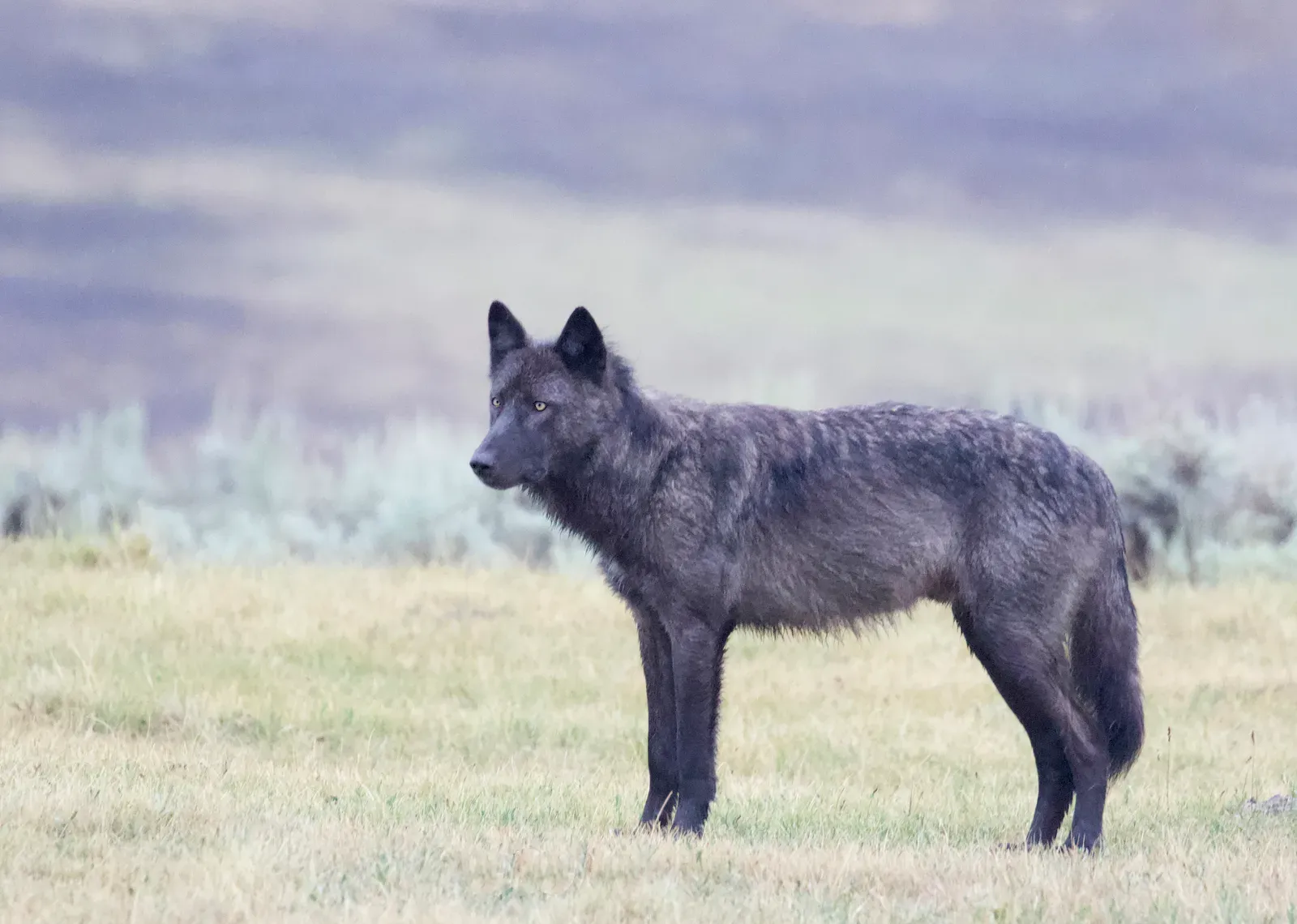
Gray wolves were nearly wiped out of the lower 48 states by the mid-20th century, surviving only in isolated pockets like Michigan’s Isle Royale and parts of Minnesota. Reintroduction efforts in Yellowstone National Park and central Idaho during the 1990s helped kickstart a broader recovery across the northern Rockies and Pacific Northwest.
Washington State offers one of the clearer recent snapshots of this trend. The wolf population there increased to a minimum of 270 wolves and 49 packs in 2025, and after a decline in 2024, the state’s minimum year-end wolf count increased by 17.4% to its highest count to date, with 23 of these packs confirmed as successful breeding pairs. The species is not fully recovered everywhere, particularly in western Washington, but the broader trajectory across the western United States has been upward for years.
3. Green sea turtle
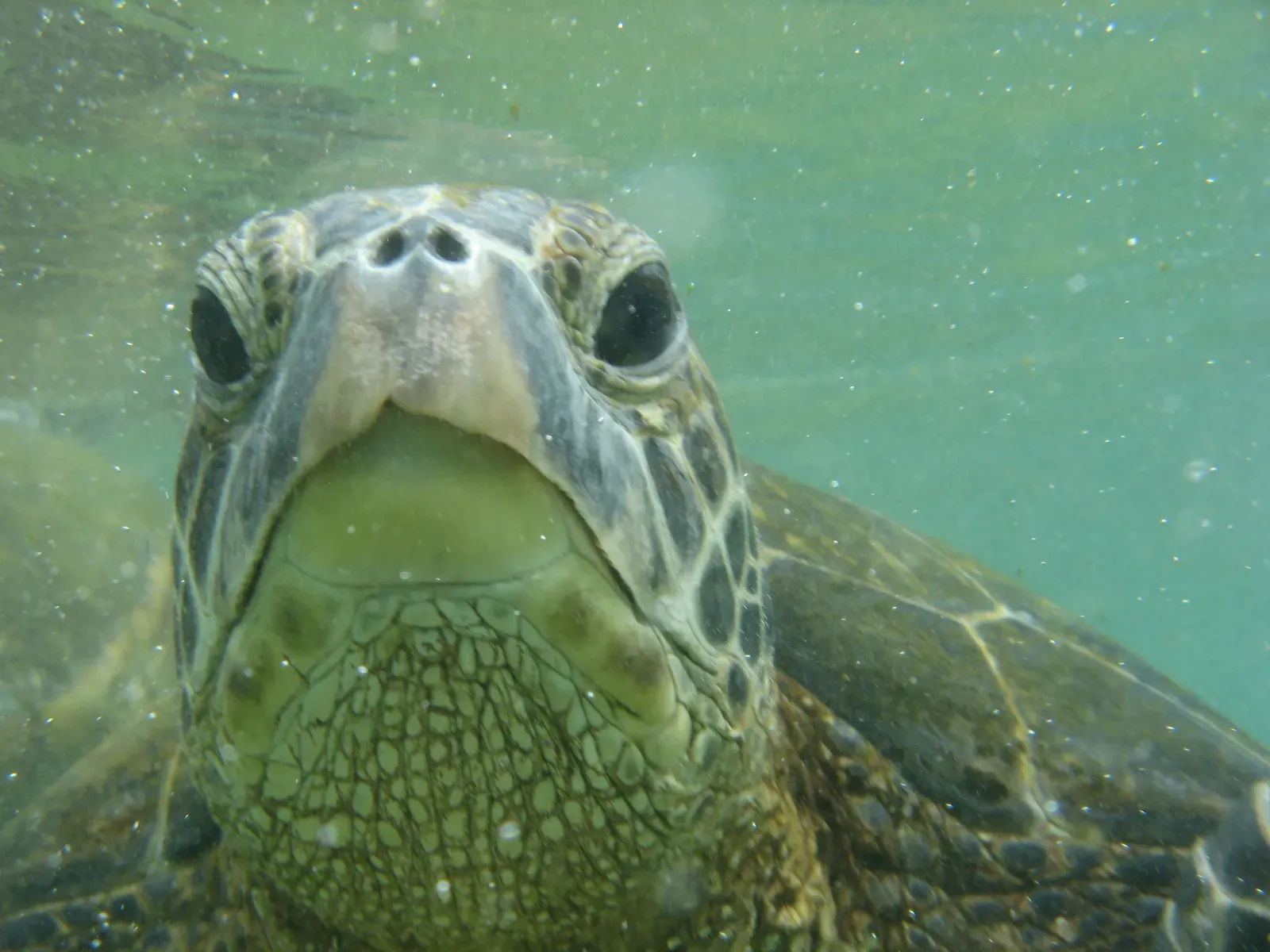
Sea turtles face threats on nearly every front, from plastic pollution to beach development to bycatch in fishing nets. Yet the green sea turtle has managed a genuine turnaround, driven largely by decades of coordinated nesting beach protection and fisheries reform across multiple countries.
The scale of this recovery became official in late 2025. In October 2025, the IUCN reclassified the green sea turtle from Endangered to Least Concern at the global level. This shift reflects a roughly 28% increase in nesting populations since the 1970s, attributable to long-term international collaboration on habitat protection, fisheries management, and community-based conservation.
4. Saiga antelope
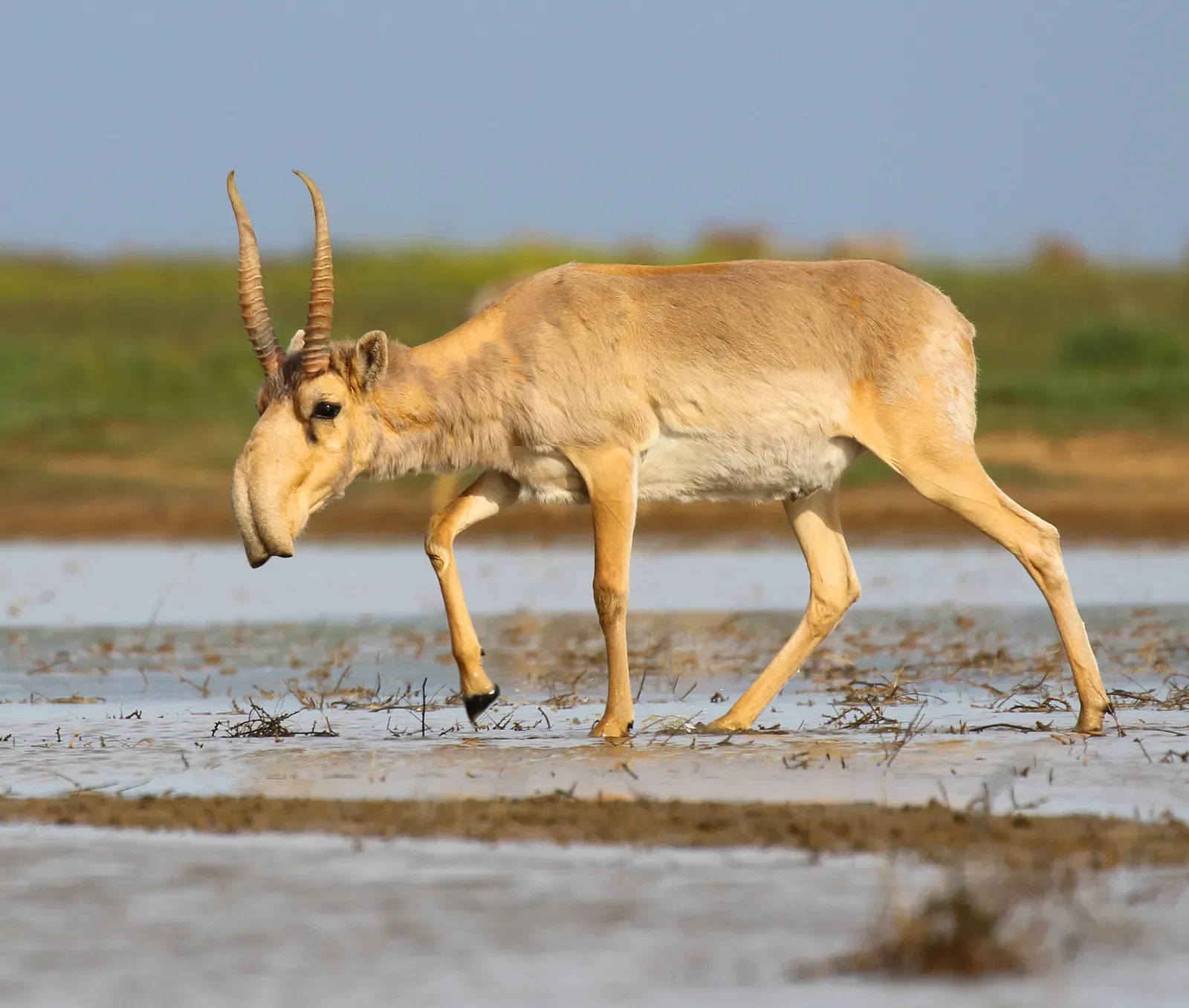
The saiga, a strange-looking steppe antelope native to Central Asia, has had one of the most volatile population histories of any large mammal. A catastrophic disease outbreak in 2015 killed off a huge portion of the Kazakh population almost overnight, a loss that seemed impossible to reverse.
What followed instead was one of the fastest wildlife recoveries on record. Despite the mass die-off of 200,000 saigas in 2015, the Kazakh population has bounced back from fewer than 50,000 animals in 2006 to nearly 4 million in 2025, easing their conservation status from critically endangered to near threatened. Much of this rebound is credited to large-scale habitat protection through the Altyn Dala Conservation Initiative in Kazakhstan, protecting and revitalizing over 10 million hectares of steppe, wetlands and semi-desert.
5. Iberian lynx
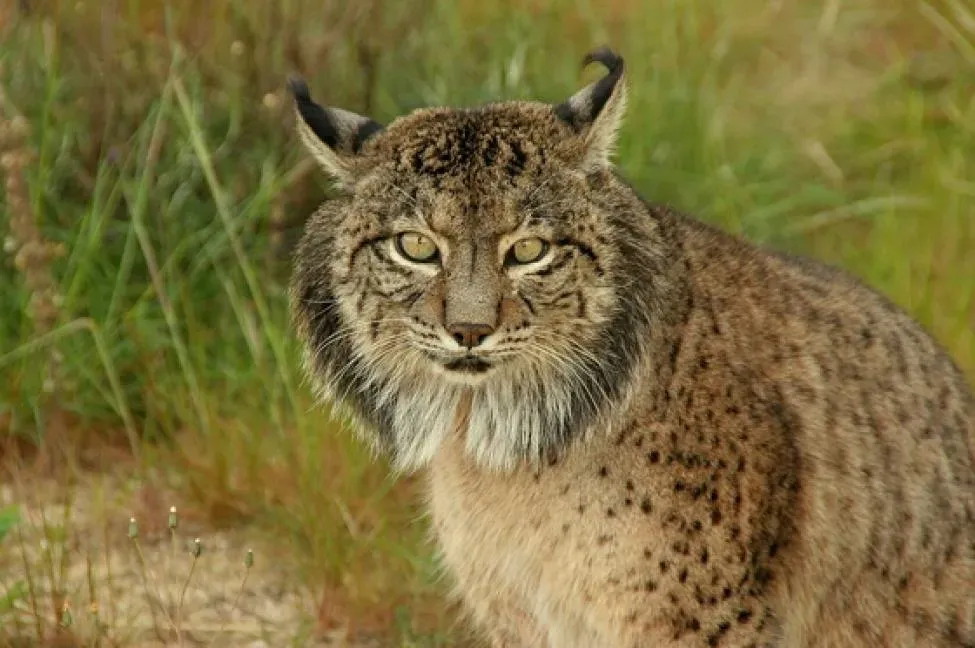
The Iberian lynx, native to Spain and Portugal, was for years considered the most endangered wild cat on the planet, with numbers dropping into the low double digits. Habitat loss and a collapse in its primary prey, the European rabbit, pushed the species to the very edge of extinction.
Coordinated breeding programs and habitat restoration have since turned things around considerably. The Iberian lynx moved from Endangered to Vulnerable, reaching 2,021 individuals today, up from just 94 in 2002. Conservationists across Spain and Portugal continue to monitor the population closely, but the trend line has been consistently positive for more than a decade now.
6. Mountain gorilla
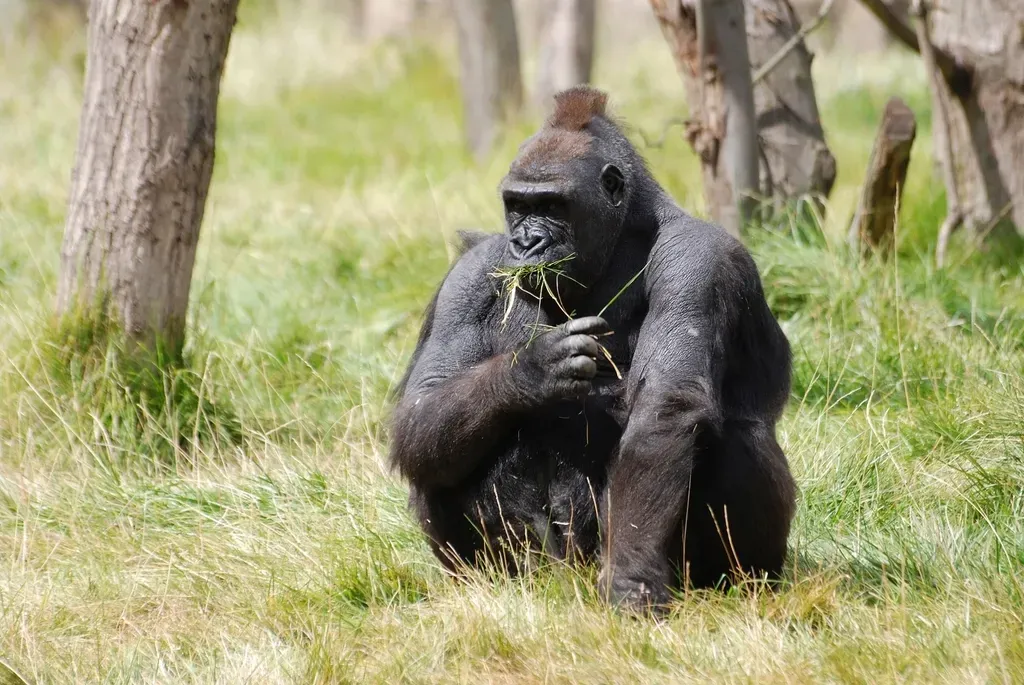
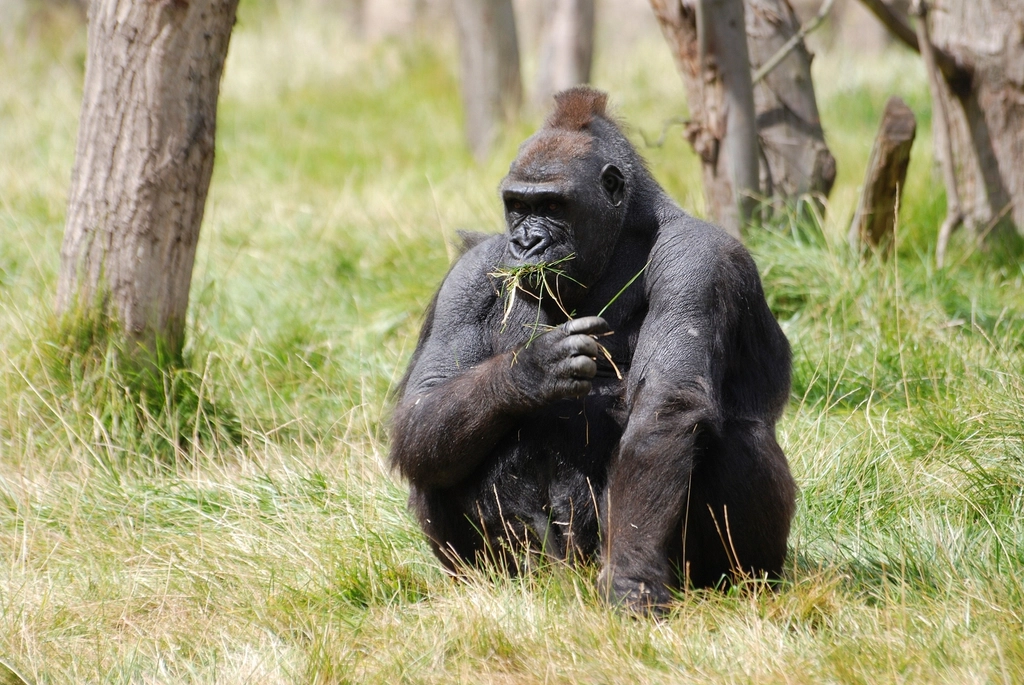
Confined to a narrow strip of forest spanning parts of Rwanda, Uganda, and the Democratic Republic of Congo, mountain gorillas have long been vulnerable to poaching, disease, and habitat encroachment from surrounding human populations. Their small, fragmented range made any population loss feel especially precarious.
Cross-border conservation efforts have paid off in measurable ways. Thanks to increased conservation, restoration, and animal health measures, gorilla numbers have doubled over the last 30 years, though confined to two misty forests in central Africa, there are only about 1,000 mountain gorillas in the wild. That number still sounds small, but for a species once projected to disappear entirely, doubling in three decades counts as a genuine success.
7. Przewalski’s horse (takhi)
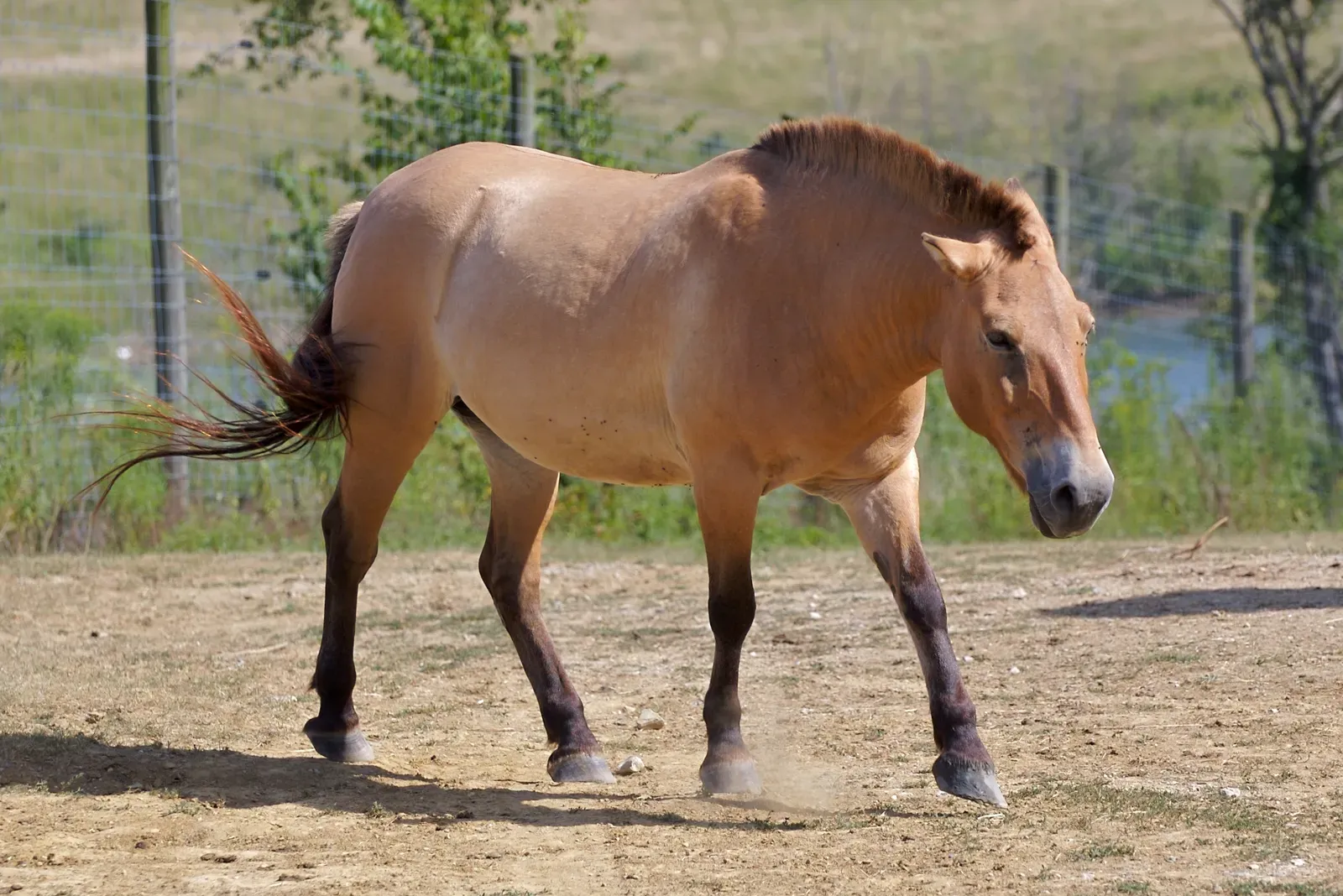
Przewalski’s horse, known locally as the takhi, is the only truly wild horse species left on Earth, and it was declared extinct in the wild during the 20th century. Every living takhi today descends from a small founder population preserved in zoos, making its return to the wild one of the more remarkable rewilding stories of the past fifty years.
Mongolia’s Hustai National Park has become the centerpiece of that recovery. As of 2026, the park’s count has risen to 450, while the total number of takhis in Mongolia has exceeded 1,000, accounting for half of the global population. The success of the initial reintroduction program has led to the creation of two additional protected areas in Mongolia, and takhis have since been reintroduced in China, Kazakhstan, and even Spain.
8. North Atlantic right whale
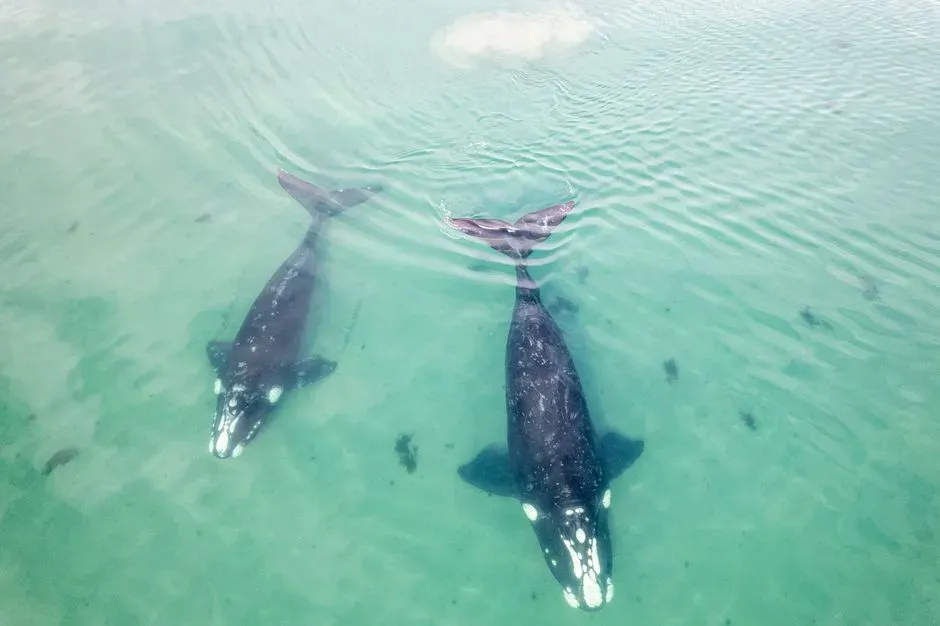
The North Atlantic right whale remains one of the rarest large whale species on the planet, threatened chiefly by ship strikes and entanglement in fishing gear along the U.S. East Coast. For years, calving numbers stayed dangerously low, fueling concern that the species could slide toward functional extinction.
Recent calving seasons have offered a rare bit of encouraging news. Each fall through spring, North Atlantic right whales give birth in the shallow, coastal waters of the Southeast, and this calving season, 23 calves were born, the highest number since 2009. Throughout the season, there were approximately 500 sightings of 129 right whales in the Southeast, suggesting reproductive health is improving and potentially moving the species toward more positive recovery trends.
9. Southern white rhino
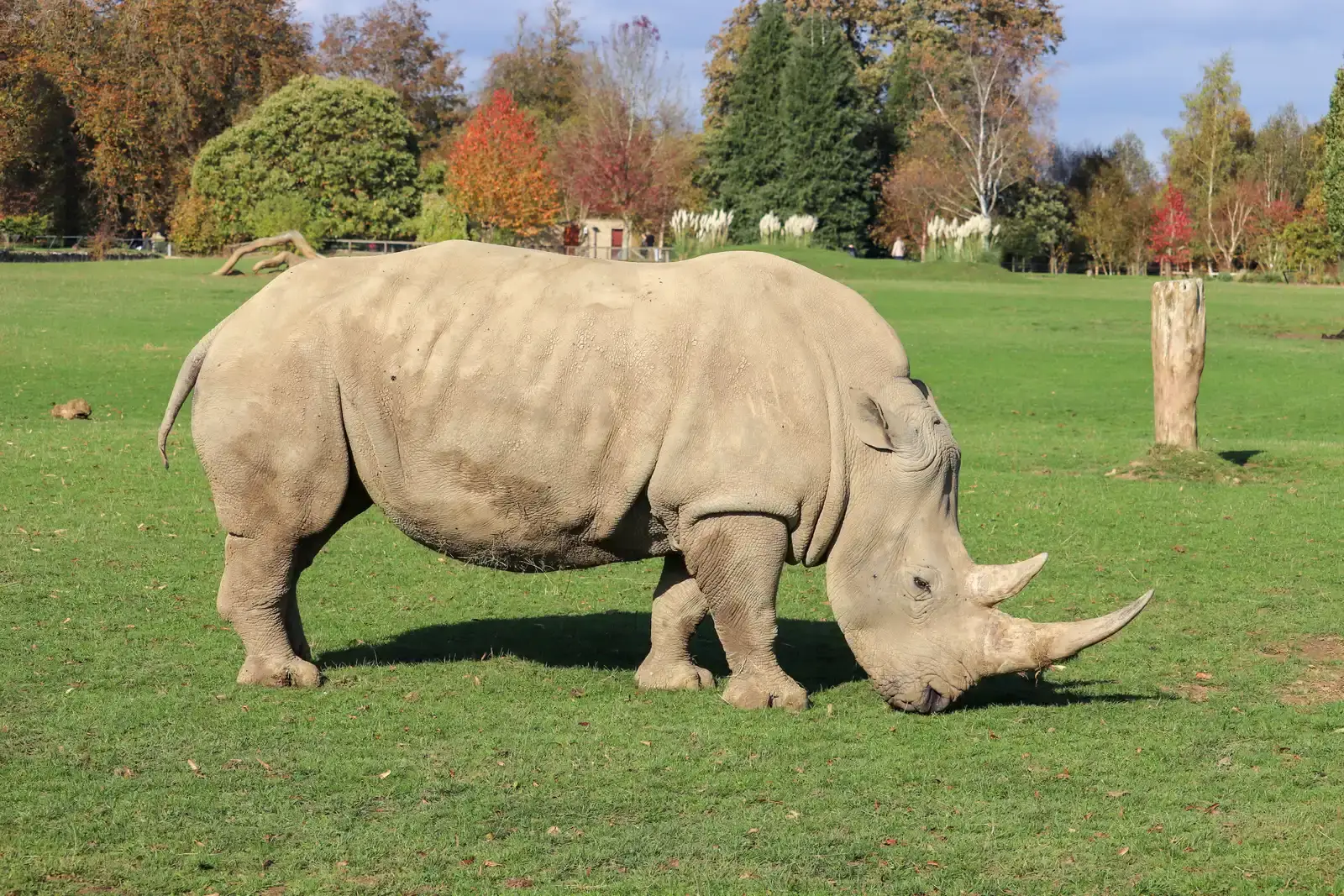
Rhinos across Africa have battled relentless poaching pressure for decades, driven by demand for their horns in illegal wildlife trade. Southern white rhinos came dangerously close to disappearing before targeted protection zones and anti-poaching units began to slow the losses.
Zimbabwe’s numbers illustrate just how far things have come in certain protected regions. Zimbabwe now protects 614 critically endangered black rhinos and 415 white rhinos, a combined count that hasn’t reached this level in over 30 years, representing one of the most meaningful wildlife comebacks in Africa in a generation. Elsewhere on the continent, large-scale rewilding programs are moving thousands more rhinos into newly secured habitat, spreading the population risk across a wider geographic footprint.
10. Jaguar
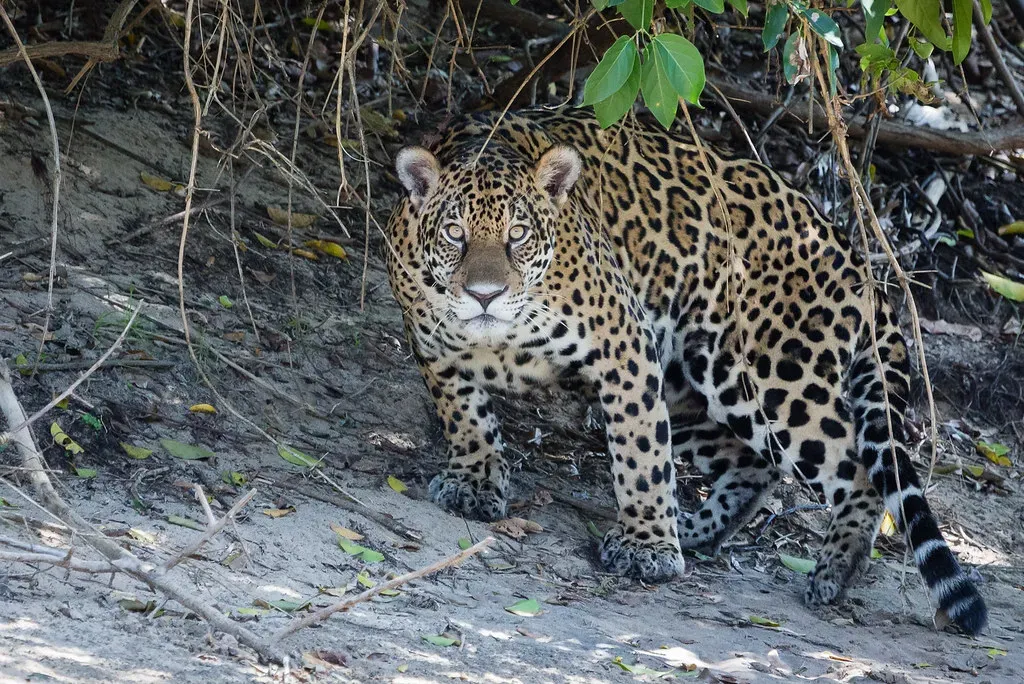
Mexico’s jaguar population has faced steady pressure from deforestation, agricultural expansion, and human-wildlife conflict, particularly in regions where ranching overlaps with jaguar territory. Tracking the species accurately has always been difficult given its elusive, solitary nature.
A recent nationwide count offered the clearest picture yet of how the population is actually faring. 5,326 jaguars were confirmed across Mexico in 2025, the largest mammal census ever conducted in the country. That figure has given conservationists a firmer baseline for future protection efforts and a reason for cautious optimism about the species’ long-term prospects in the region.
11. Persian leopard
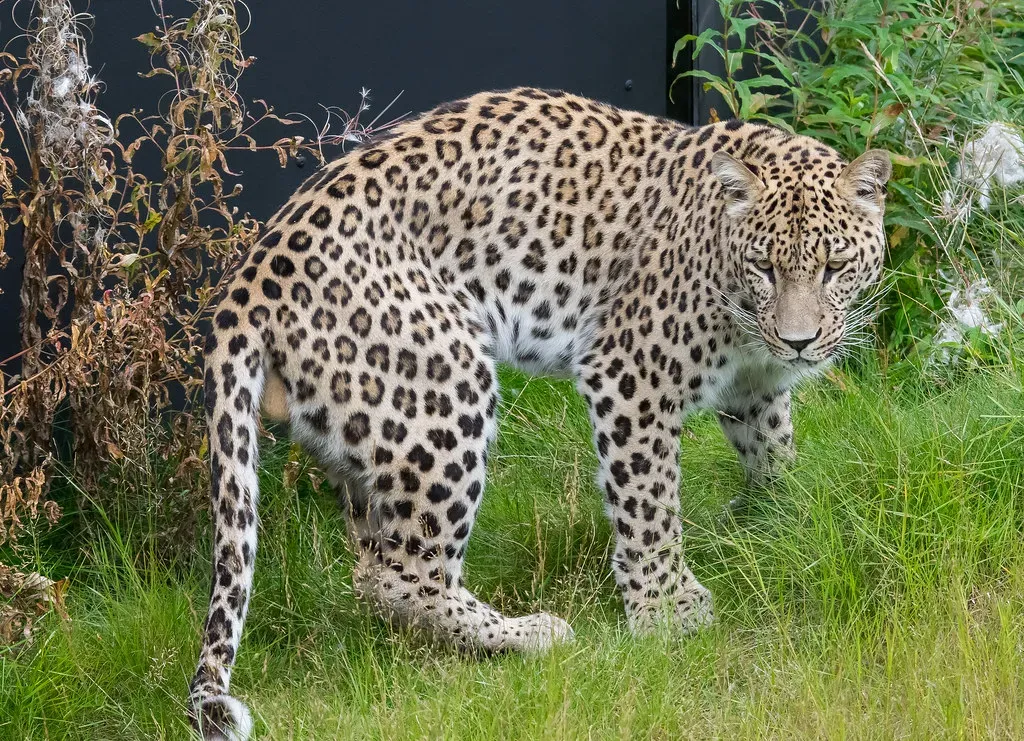
The Persian leopard, native to the mountains of Central Asia and the Caucasus, has spent years on the brink, hunted for its pelt and squeezed out of habitat by human development. With a global population under 1,000 individuals, every confirmed sighting carries outsized significance for the species’ future.
Recent camera trap evidence from Turkmenistan has offered genuinely hopeful signs. Camera traps in Turkmenistan’s Kopet Dag mountains are confirming Persian leopard sightings, including females with cubs, in areas where the endangered cats had disappeared for years, and with fewer than 1,000 Persian leopards surviving globally, every confirmed breeding record carries significant conservation weight. Researchers see the expanding range as a promising, if still fragile, indicator that the population may be stabilizing after years of retreat.
None of these recoveries mean the underlying threats have disappeared. Habitat loss, climate shifts, and human conflict still shape the daily odds for every species on this list. What these numbers do show is that sustained, well-funded conservation work can move the needle, sometimes dramatically, even for animals that once seemed beyond saving.