


- Phantom Energy Sucking Power 24/7 – 7 Home Electronics Quietly Inflating Utility Bills - November 14, 2026
- A Million-Mile Storm Raging for Centuries – 6 Violent Weather Wonders in Our System - November 14, 2026
- Animals Flee Hours Before the Tremor – 7 Natural Warnings Before Disasters Strike - November 14, 2026
Open any aurora app and the first number you’ll probably see is Kp. It’s a small figure between zero and nine, and it tends to decide whether people bundle up and drive out of town or stay on the couch.
The number is useful, though it doesn’t tell the whole story. Knowing what it measures, and what it leaves out, makes forecasts much easier to trust.
What the Kp Index Actually Measures
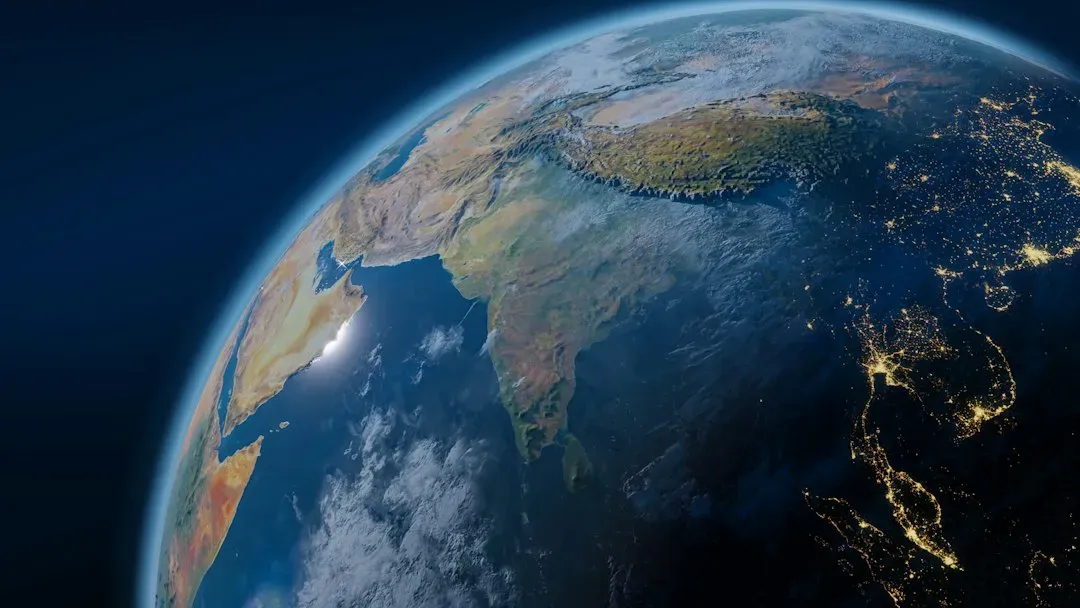
The Kp index is a scale of planetary geomagnetic activity from zero to nine, updated every three hours. It describes how disturbed Earth’s magnetic field is, not how bright the sky will look in your backyard.
The index was introduced by Julius Bartels in 1949. The finalized value comes from GFZ Potsdam, which averages readings from 13 ground magnetometer stations at mid latitudes in both hemispheres.
Why a Higher Number Pushes the Lights South
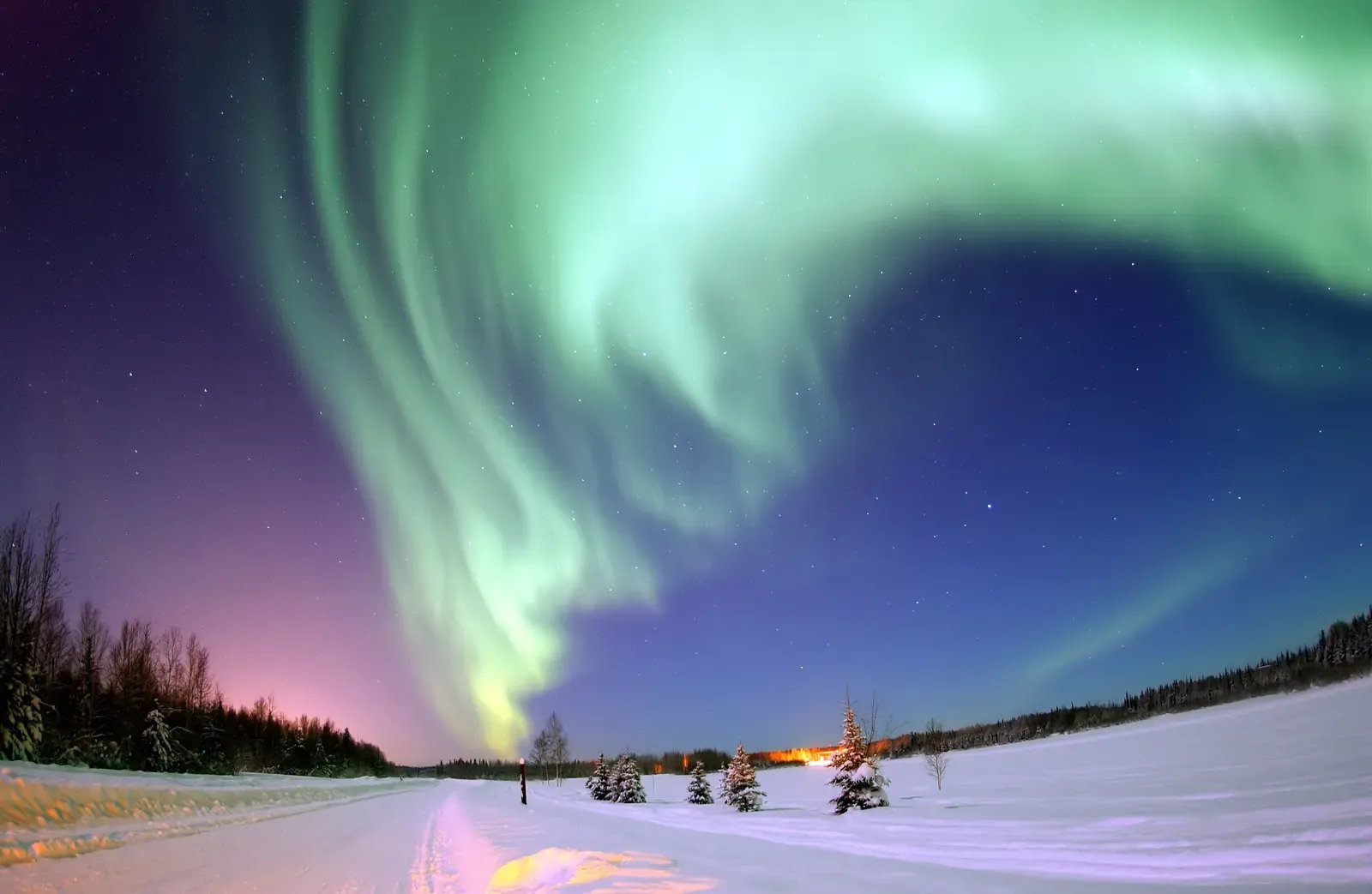
Aurora forms in an oval around the magnetic poles. When geomagnetic activity rises, that oval widens toward the equator. The higher the Kp, the further south the aurora is visible.
That’s why a quiet night can still be spectacular in northern Iceland or Alaska, where the oval sits overhead. Farther south, you need a stronger disturbance before anything shows up on the northern horizon.
How Kp Connects to NOAA’s G Scale
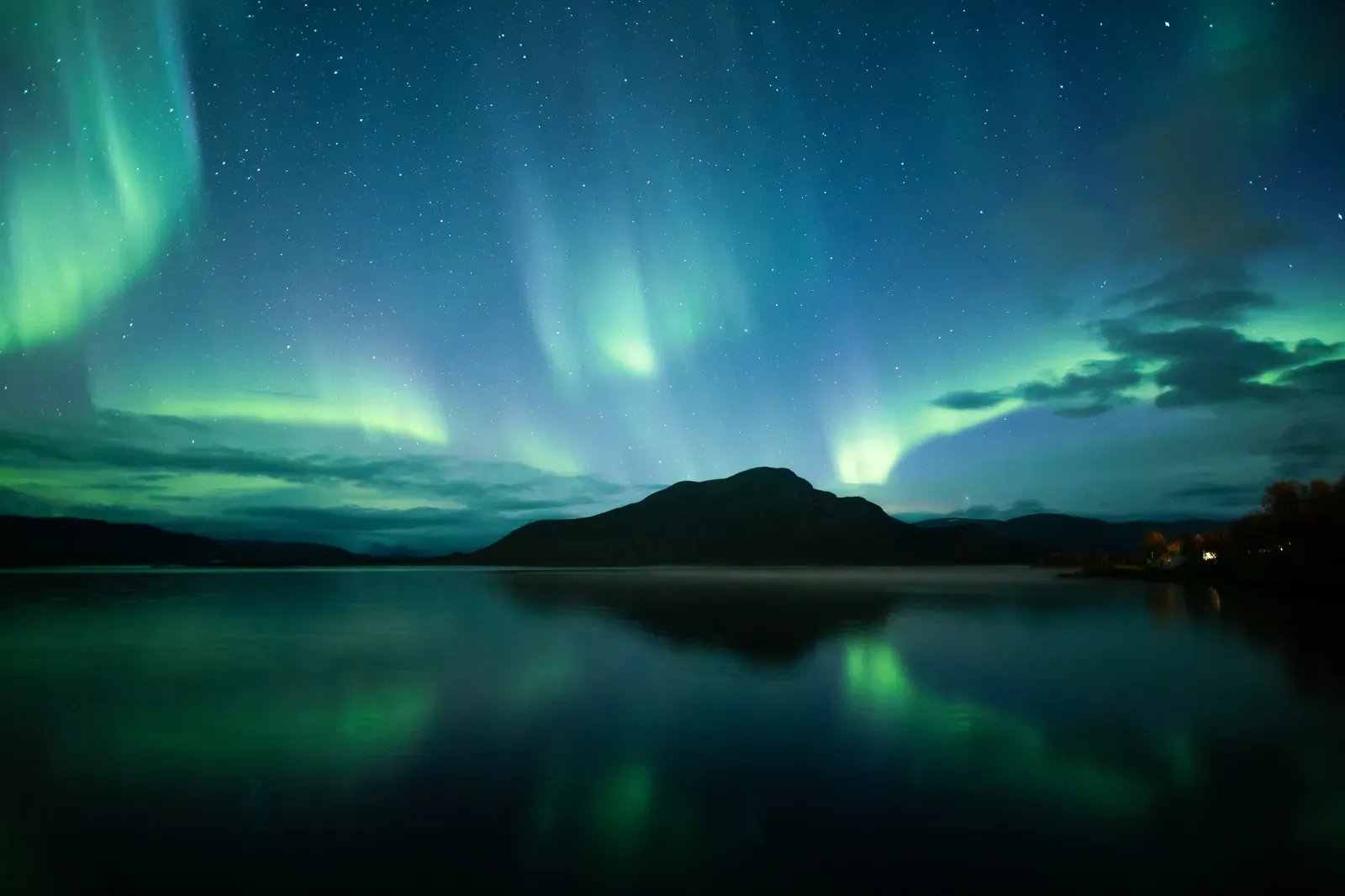
NOAA translates Kp into a storm label for the public. Kp 5 is G1, the minor level, and Kp 9 is G5, the extreme level. Kp 6 is G2 (moderate) and Kp 7 is G3 (strong).
NOAA’s own aurora dashboard shows Kp 8 and the lower end of 9 as G4, with only a full Kp 9 counted as G5. Anything below Kp 5 isn’t rated as a storm at all, even though aurora can still be seen at high latitudes.
What Kp 5 Looks Like on the Ground
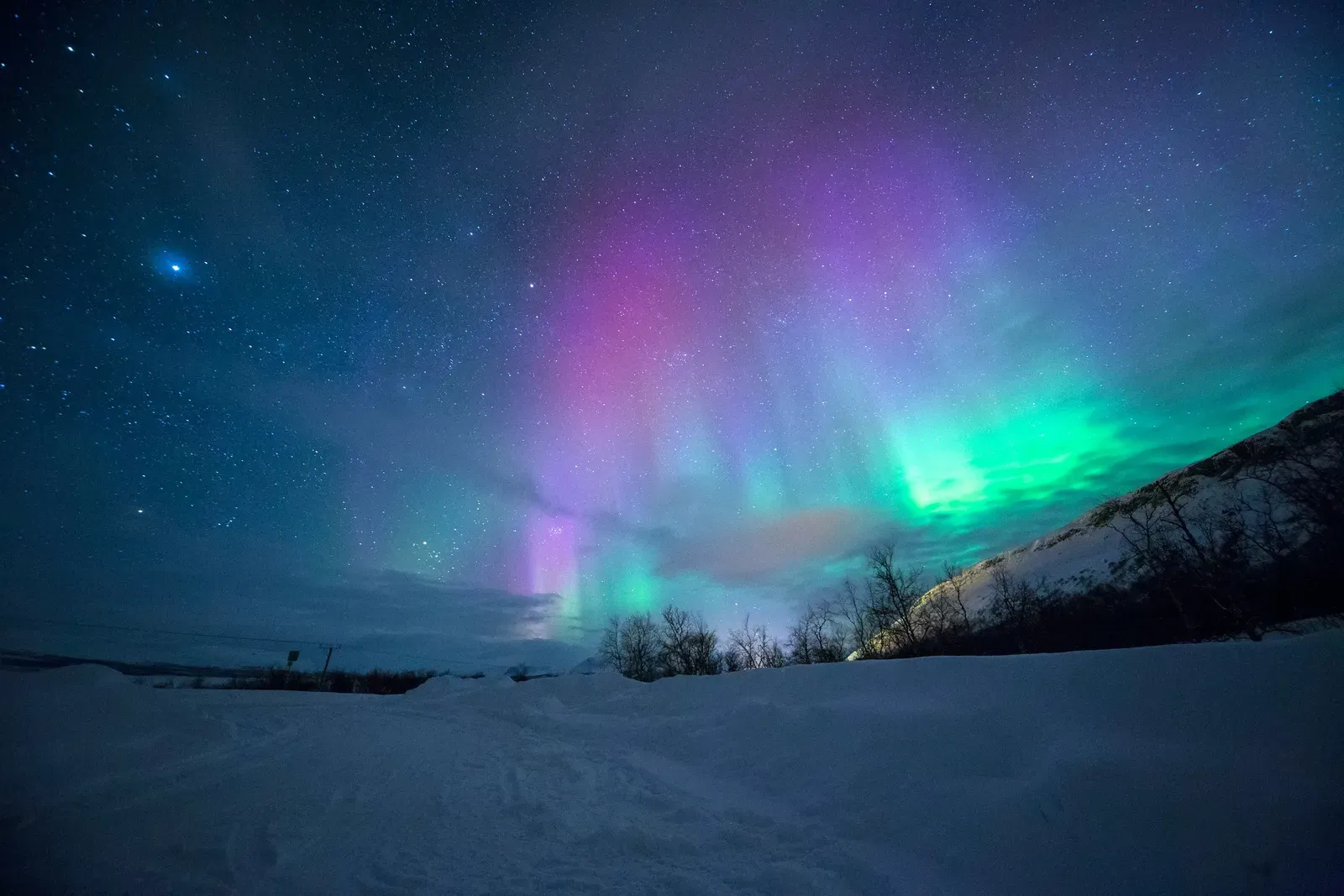
A G1 storm is the level most hobbyists actually chase. At Kp 5, aurora is possible across the far northern United States, including Maine, Michigan, Minnesota, Wisconsin and the Dakotas.
Possible is the key word. At that level the glow is often faint, low on the horizon, and easier to pick up with a phone camera than with the naked eye.
What the Biggest Storms Show
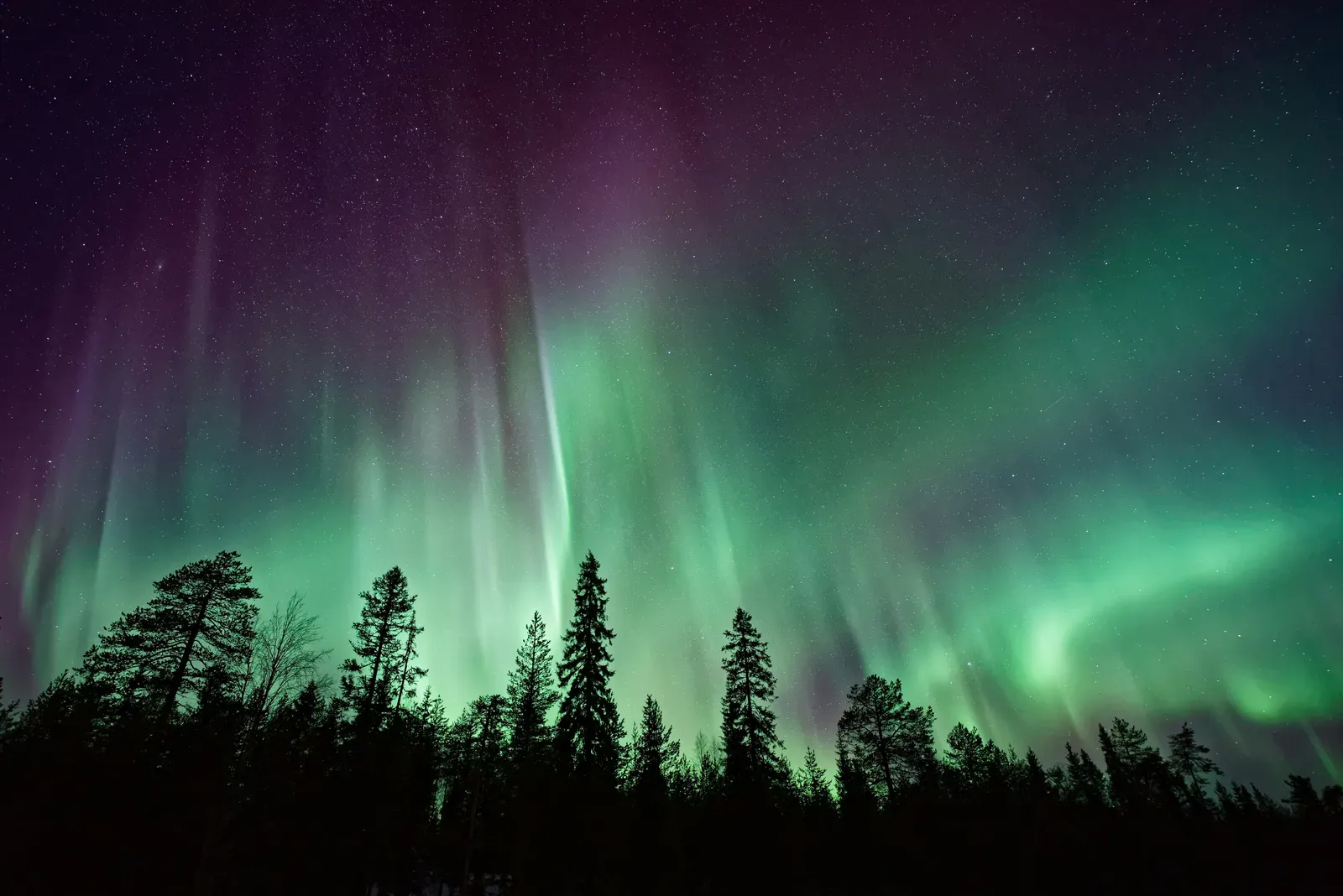
A G5 storm struck on May 10 and 11, 2024, the first since the Halloween storms of October 2003, and aurora was seen as far south as Texas, Mexico, the Bahamas and the Caribbean. The event reached a Kp of 9.
Another look at the data shows how rare it was. The Ap index on May 11 was 271, the second highest ever recorded, behind only 280 in November 1960.
Solar Cycle 25 and the Recent Run of Storms
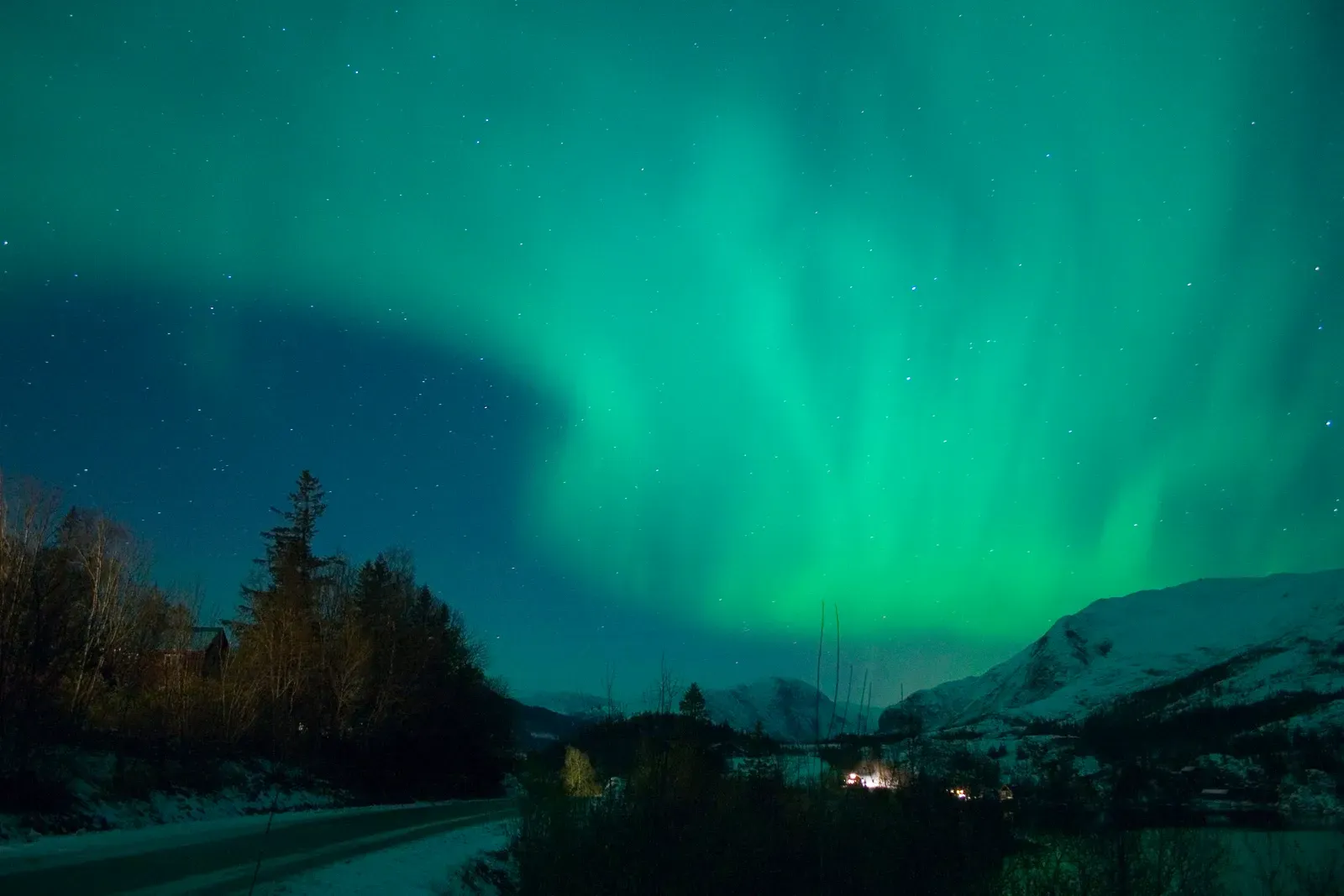
Aurora frequency follows the sun’s roughly eleven year rhythm. Solar Cycle 25 began in 2019 and peaked in late 2024, proving more active than predicted, with several G4 events through 2024 and 2025.
One example is October 2024. NOAA issued a G4 watch after a fast coronal mass ejection from a flare on October 8. Activity continued the following year, and one 2025 record lists daily Kp peaks of about 9 in May and about 8.7 on October 9.
Why Clouds and Darkness Still Win
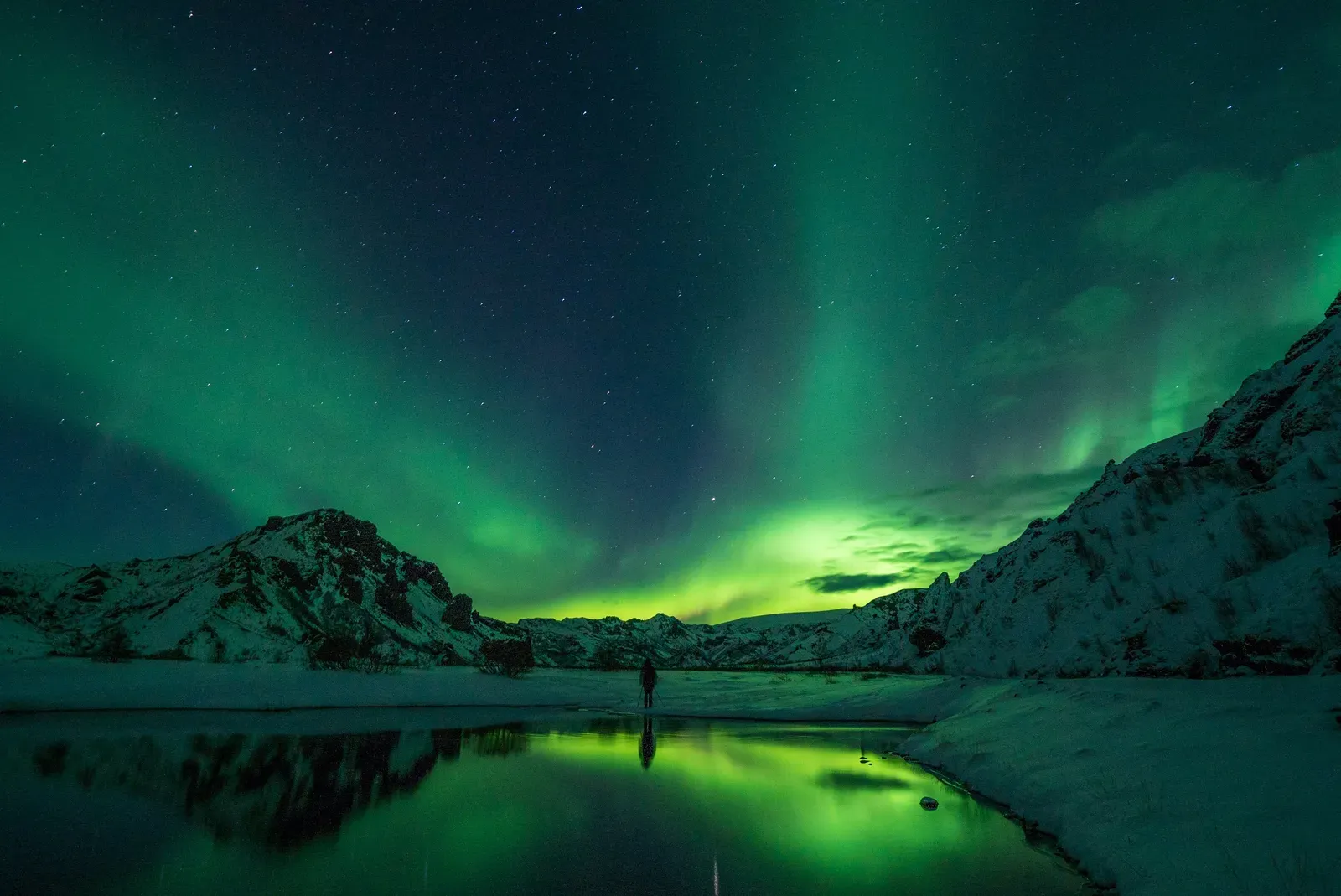
Kp can be sky high and still deliver nothing. During the May 2024 storm, observers across mainland Europe saw vivid aurora only under clear skies after dark, while cloudy cities saw nothing despite identical Kp readings.
So check the cloud forecast and the moon phase along with Kp. Light pollution matters too, since city glow can wash out a modest display. A dark site with a clear northern view often beats a bigger storm seen from a bright suburb.
Where to Find Reliable Forecasts
The best free source is the government one. NOAA’s Space Weather Prediction Center offers 30 minute, 3 day and 27 day outlooks. The three day forecast is handy for planning, while the 30 minute view helps you decide when to step outside.
Know the difference between estimates and final numbers. NOAA publishes estimated Kp values using its own magnetometers, while the official three hour Kp is published by GFZ. Most apps use the quick estimates, so small mismatches are normal.
Reading the Number With the Right Expectations

Kp is a good guide to how far south the aurora might reach. It is not a promise of color, brightness, or timing, and forecasts can change as solar wind conditions shift.
Pair the number with your latitude, clear skies and a dark horizon. With those in place, Kp 5 can be worth the drive, and a quiet reading can still be enough if you’re far enough north.
