


- The Planet Where It Rains Liquid Glass – 7 Alien Worlds Defying Known Physics - November 14, 2026
- Stars Consuming Entire Worlds – 6 Planetary Systems Swallowing Their Own Worlds - November 14, 2026
- The Ground Liquefies Like Water – 6 Silent Fault Lines Geologists Watch Closely - November 14, 2026
Most people who think about moving to central Idaho picture the mountains first. The stars tend to come later, usually on the first clear night, when the porch light is off and the sky looks crowded.
The region around Ketchum, Sun Valley and Stanley is formally recognized for its darkness. Living inside that kind of protected landscape shapes daily routines in ways a visitor wouldn’t expect. Here are six of them.
The Darkness Is Official, and It Has a Paper Trail
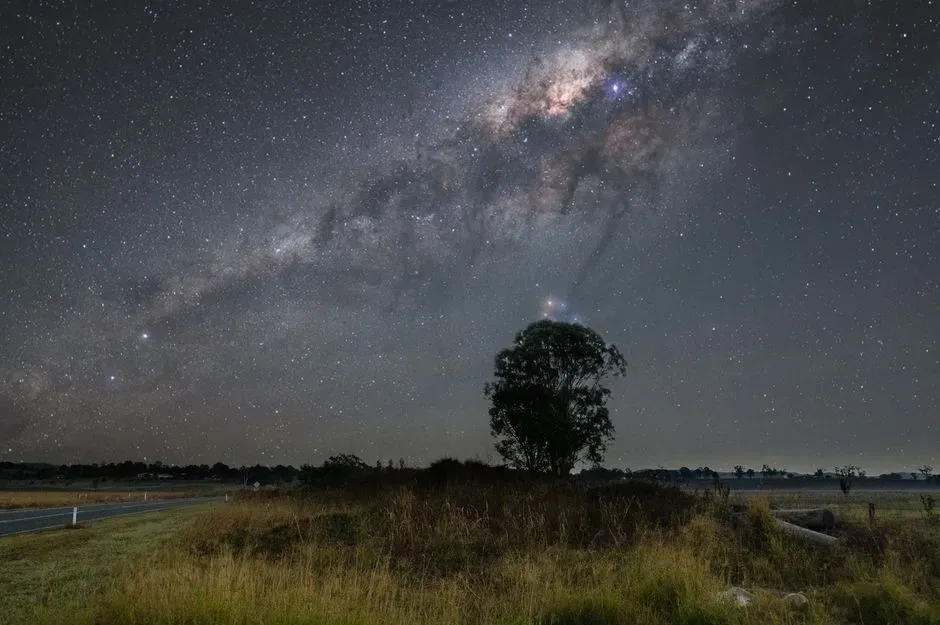
The Central Idaho Dark Sky Reserve was designated on December 18, 2017, and is the first gold tier dark sky preserve in the United States. At the time it was one of only 12 such reserves worldwide. The label isn’t decoration, because it rests on measurements and local agreements.
Several sky quality meters are installed along State Highway 75 in the core area. The designation came after nearly two decades of work by local leaders, residents and business owners to manage light pollution. New residents quickly learn that the darkness is the result of years of decisions, not an accident of geography.
Your Light Fixtures Become a Civic Topic
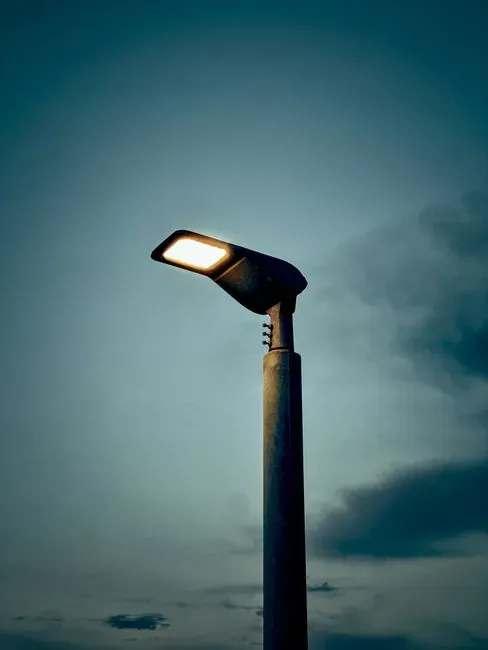
Buying a house here means paying attention to outdoor lighting in a way most Americans never do. Ketchum passed one of the first dark sky ordinances in Idaho in 1999, aiming to reduce glare and unnecessary lighting at night. Other jurisdictions in Blaine County followed.
In practice that means shielded fixtures that point down, not out. The reserve also encourages a voluntary habit. Visitors and residents are asked to observe Dark Hours by turning off unnecessary lighting by 10 p.m. and following principles for responsible outdoor lighting.
The Town Sits Inside a Much Bigger Protected Area
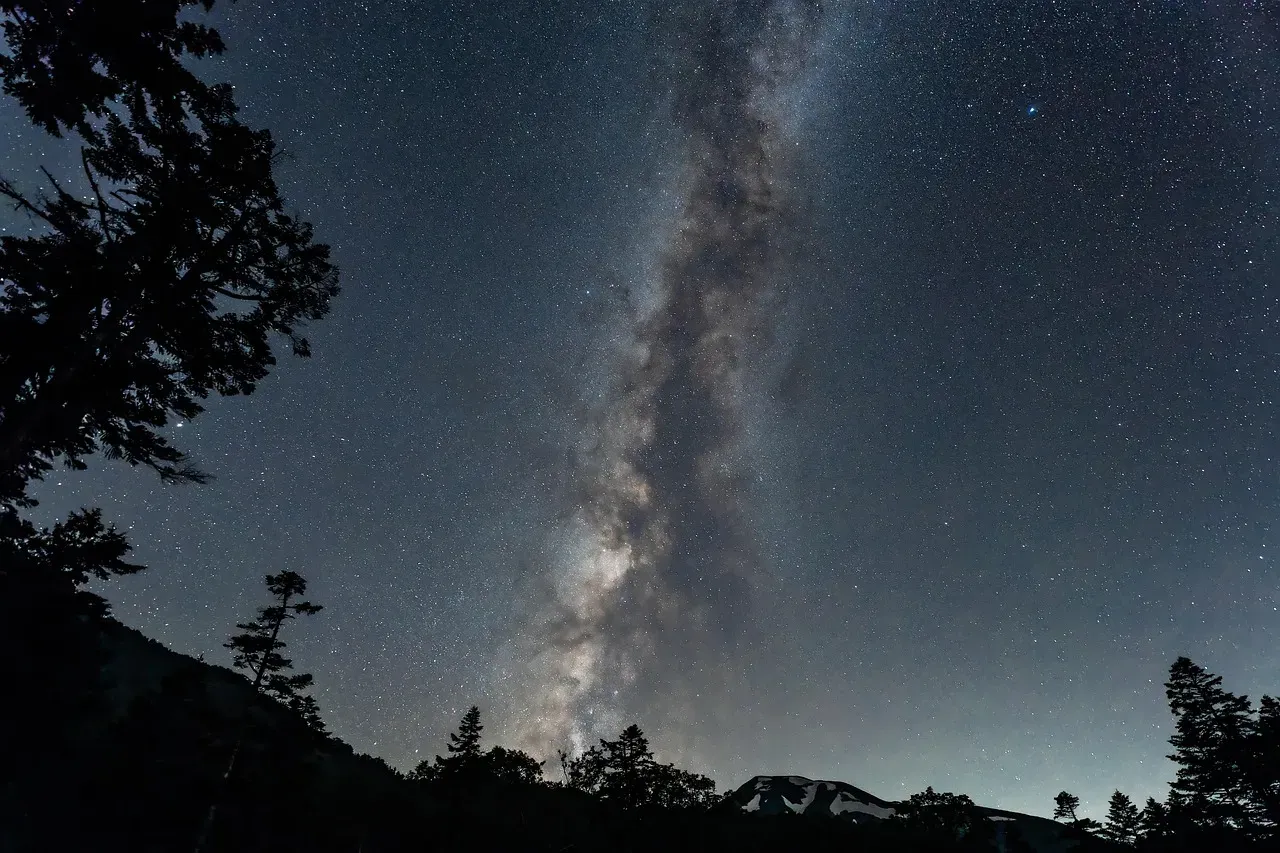
The reserve is large. It covers 1,416 square miles, or 906,000 acres, and stretches from Ketchum to Stanley across four counties, plus the entire Sawtooth National Recreation Area. It is the third largest International Dark Sky Reserve in the world.
Because of how it’s built, much of the surrounding land stays undeveloped. Most of the acreage is public land within the Sawtooth National Forest, including parts of three designated Wilderness areas. A reserve needs a protected core, and it must be surrounded by populated communities that support the core’s preservation. Residents are part of that arrangement.
Weekends Start to Follow the Sky
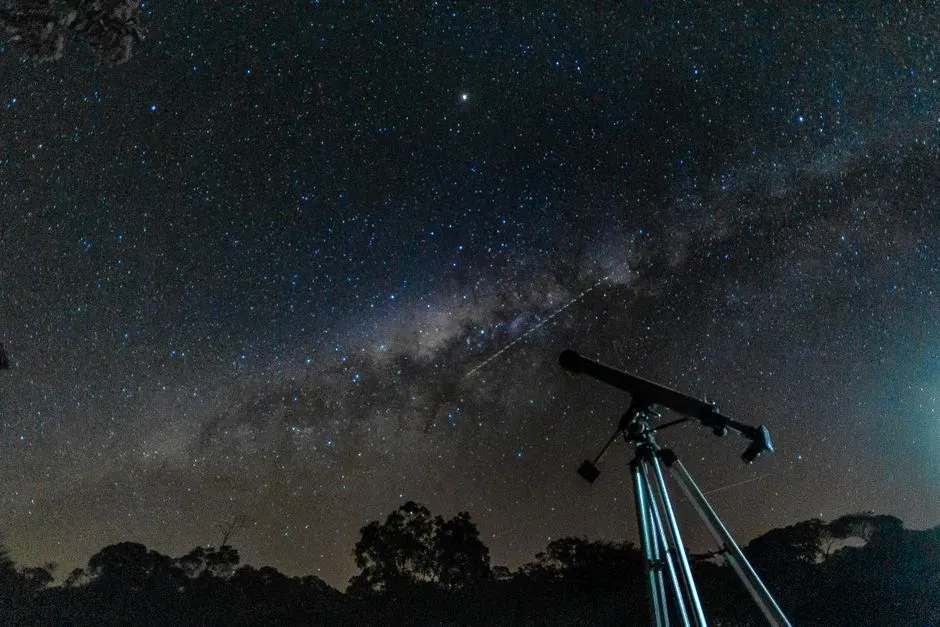
Stargazing stops being a special occasion when it’s right outside the door. The reserve hosts gatherings for celestial events such as solstices and meteor showers. Workshops at the Sawtooth Botanical Garden in Ketchum cover star navigation, night sky photography and identifying constellations.
You don’t need gear to take part. Your eyes will do the trick, though binoculars and telescopes are welcome. Mercury, Venus, Mars and Jupiter can all be spotted from the reserve, depending on the season.
Wildlife Becomes Part of the Argument for Darkness
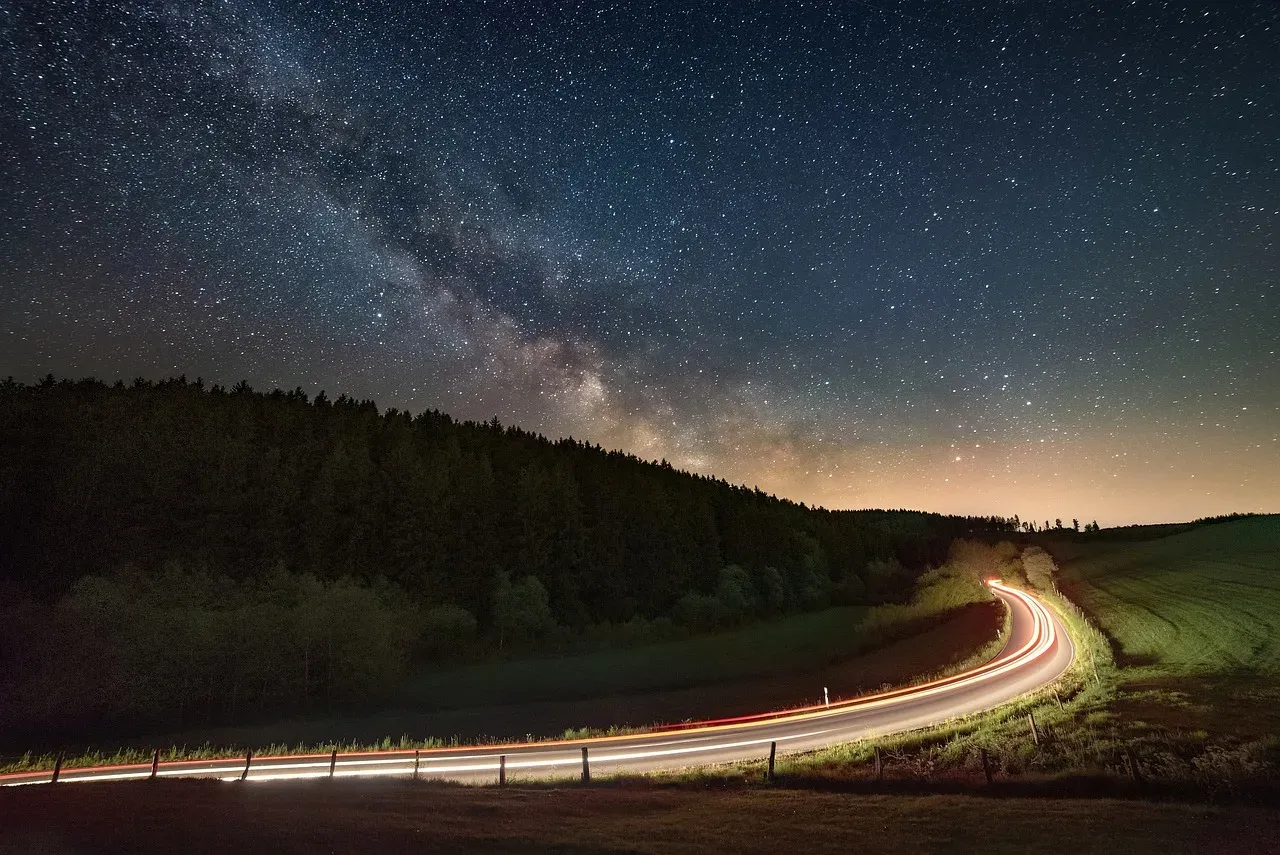
The case for dark skies isn’t only about astronomy. A growing body of evidence links artificial brightening of the night sky to negative impacts on human health, wildlife and ecosystems. That concern helped push local leaders toward action.
Supporters say the reserve can help limit artificial light that harms amphibians, birds, mammals, insects and plants. The area is also busy by day, and visitors are likely to spot elk, mountain goats or native birds. Living here puts you close to both the daytime and nighttime sides of that ecosystem.
Community Ties Run Deeper Than the Zoning Code
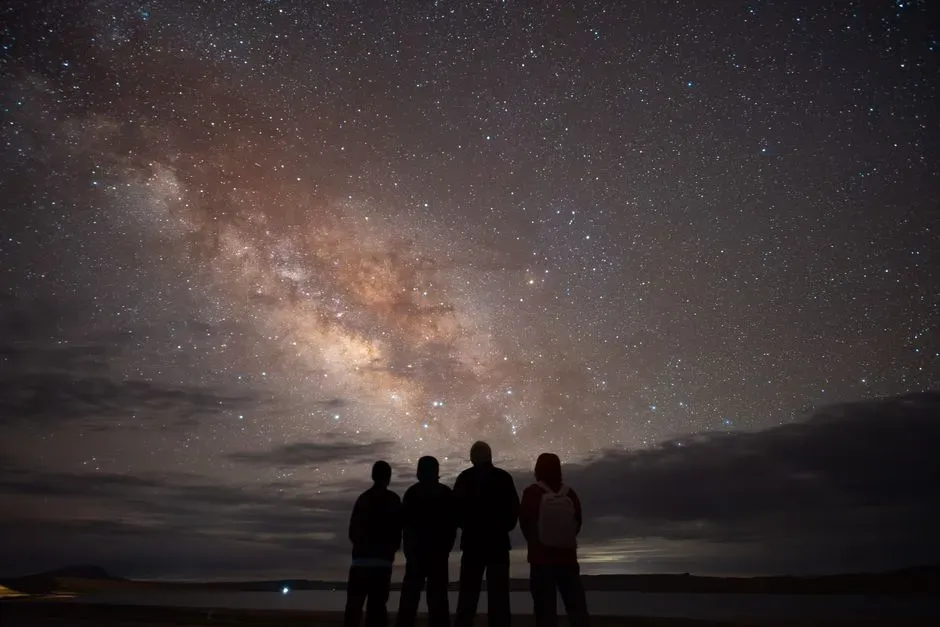
The reserve grew out of cooperation among many groups. Credit goes to the cities of Ketchum, Sun Valley and Stanley, Blaine County, the Idaho Conservation League, businesses, private landowners and public land managers. That mix explains why dark sky ideas show up in town meetings and business decisions.
The movement also started with persistence. A California surgeon who loved astronomy petitioned planning and zoning commissions in the mid 1990s, and Ketchum was the first to come on board in 1999. In 2017 Ketchum also received the International Dark Sky Community title. Newcomers inherit a shared project with more than two decades of history behind it.
