


- The Planet Where It Rains Liquid Glass – 7 Alien Worlds Defying Known Physics - November 14, 2026
- Stars Consuming Entire Worlds – 6 Planetary Systems Swallowing Their Own Worlds - November 14, 2026
- The Ground Liquefies Like Water – 6 Silent Fault Lines Geologists Watch Closely - November 14, 2026
Most climate talk happens in big rooms: summits, boardrooms, policy papers. Meanwhile, a surprising amount of the real activity happens in kitchens, laundry rooms and hallway recycling bins. Researchers who study household behavior keep finding that everyday routines add up, and that women often lead them.
The habits below come up again and again in surveys and academic studies. They’re modest, practical and mostly cheap, which is probably why they stick.
Planning meals to cut food waste
Households are a huge part of the food waste problem. In 2022, about 1.05 billion tons of food were wasted globally, and households accounted for more than half of that total. That makes the home fridge one of the most meaningful places to act.
In a survey of people in Italy, most of whom were women, females scored higher than men on a food waste prevention index, meaning they reported more frequent waste-reducing behaviors. The same study found that women were more likely to look for information on food waste and to use apps to reduce it. Meal planning, smarter shopping lists and surplus food apps are the usual tools.
Sorting recycling more carefully

Putting items in the right bin sounds simple, yet confusion about the rules is common. The UK’s WRAP runs a Recycling Tracker, and its spring 2025 round interviewed 5,438 adults across the UK who handle rubbish and recycling in the home. It’s a useful snapshot of what people actually do at the bin.
The survey also found that clear guidance matters. Those who received recent communication from their council reported higher confidence in their recycling and saw it as more worthwhile. The UN notes more generally that women are more likely to recycle and minimize waste.
Turning things off and using less energy

The easiest energy habits are the ones people adopt first. An OECD survey covering households in nine countries found that households tend to adopt energy saving behaviors that are easy and cheap to implement. Turning off lights when leaving a room is the classic example.
That survey, called EPIC, was carried out in 2022 and covers over 17,000 households. The vast majority of respondents reported switching off lights. It’s not glamorous, but it’s a habit that nearly everyone can manage.
Choosing energy efficient appliances
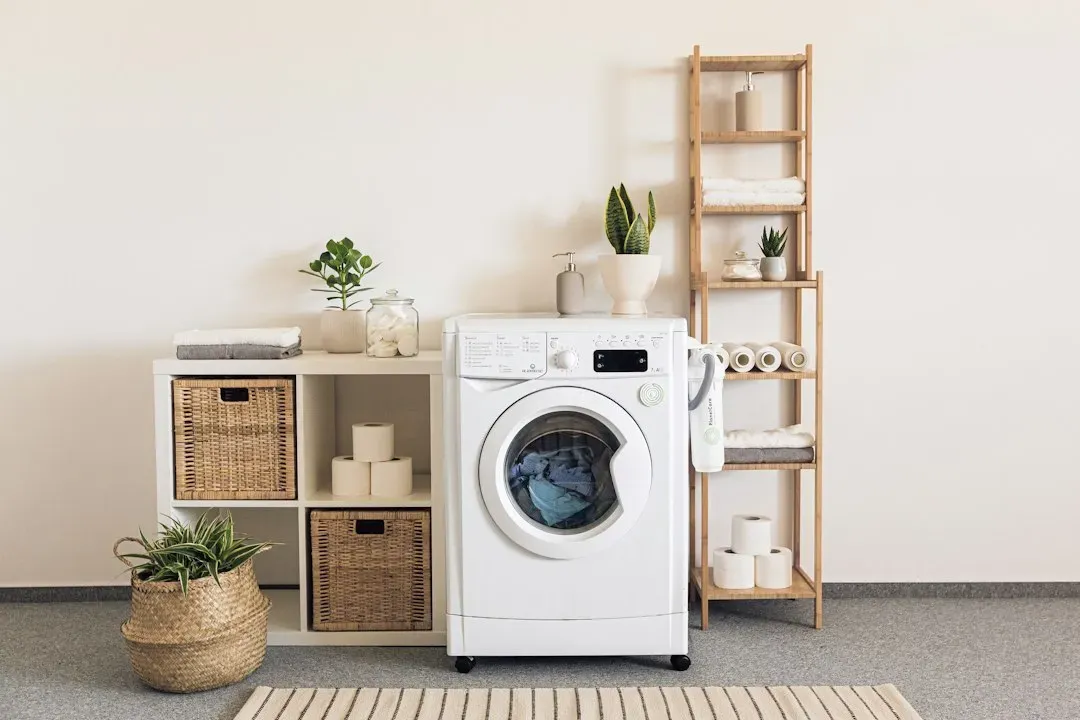
Bigger purchases matter too, and women often steer them. A recent study in the journal Energy Policy notes that the literature suggests women significantly influence the purchase of energy efficient appliances. The researchers set out to examine their role in promoting low carbon household behavior.
The reasoning is straightforward. Household appliances are described as the most important recurring sources of a household’s carbon footprint. A more efficient fridge or washing machine keeps paying off for years.
Eating more plant based meals
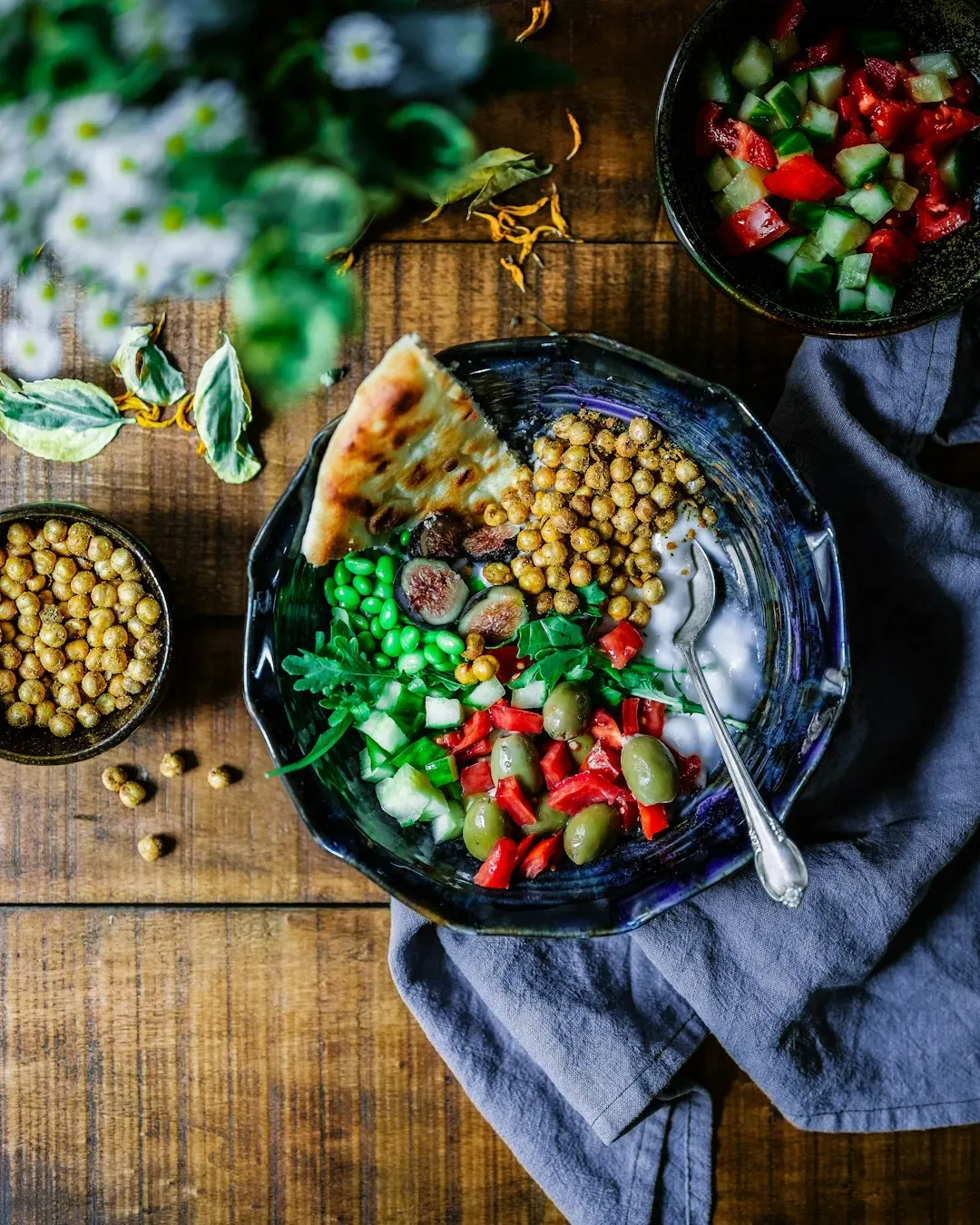
Diet is a quieter climate habit, but it counts. A study of 870 adult women in Türkiye looked at green eating, which includes primarily plant based eating, limiting red meat, choosing local and seasonal foods, and avoiding highly processed foods. It also linked those eating habits to food waste prevention.
The background science is fairly consistent. Studies have shown plant based diets use water and energy more efficiently and have a lower environmental footprint than meat based diets. Many women describe the shift as gradual, such as a few meatless dinners each week, rather than a total overhaul.
Carrying reusable cups and containers

Reusables are among the most visible green habits. A study published in July 2026 followed nearly 2,800 Australians over four years as part of the National Climate Action Survey. It looked at people who used reusable cups and containers, among other behaviors.
The results addressed a common worry that small habits distract from bigger change. Participants who recycled, used reusables, took public transport, ate greener or cycled were no less likely to support wider climate policies and collective action. In other words, the cup in your bag doesn’t seem to replace caring about the larger picture.
Buying eco-labeled and organic products
Shopping is where household decisions meet the market. According to the UN, in wealthier societies women drive 70 to 80 per cent of all consumer purchasing decisions. That gives their preferences real weight.
The same UN page says women are more likely to buy organic food and eco-labeled products. Labels aren’t a perfect guide, since standards vary, but they give shoppers a quick way to compare options.
Saving water around the house
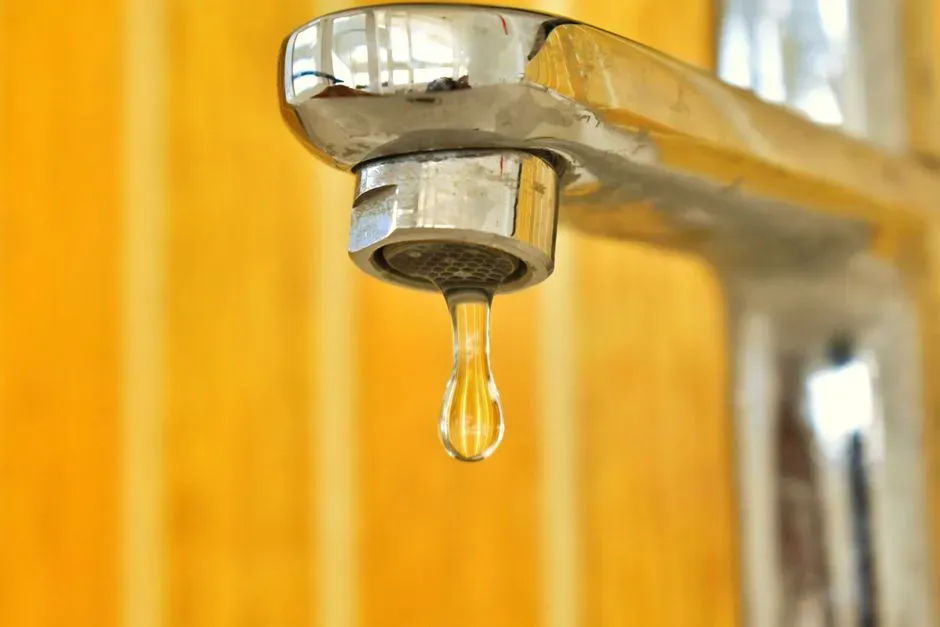
Water use is the habit that often gets overlooked in climate conversations. Heating and moving water takes energy, so shorter showers and full laundry loads help on both fronts. The UN highlights that women are more likely to save water and energy in the household.
Evidence on specific water habits is thinner than for recycling or food waste, so it’s best to treat it as a general pattern rather than a precise measure. Still, the routine is easy to start with, since it needs no new equipment: turning off the tap while brushing teeth, fixing a leaky faucet, running the dishwasher only when it’s full.
