
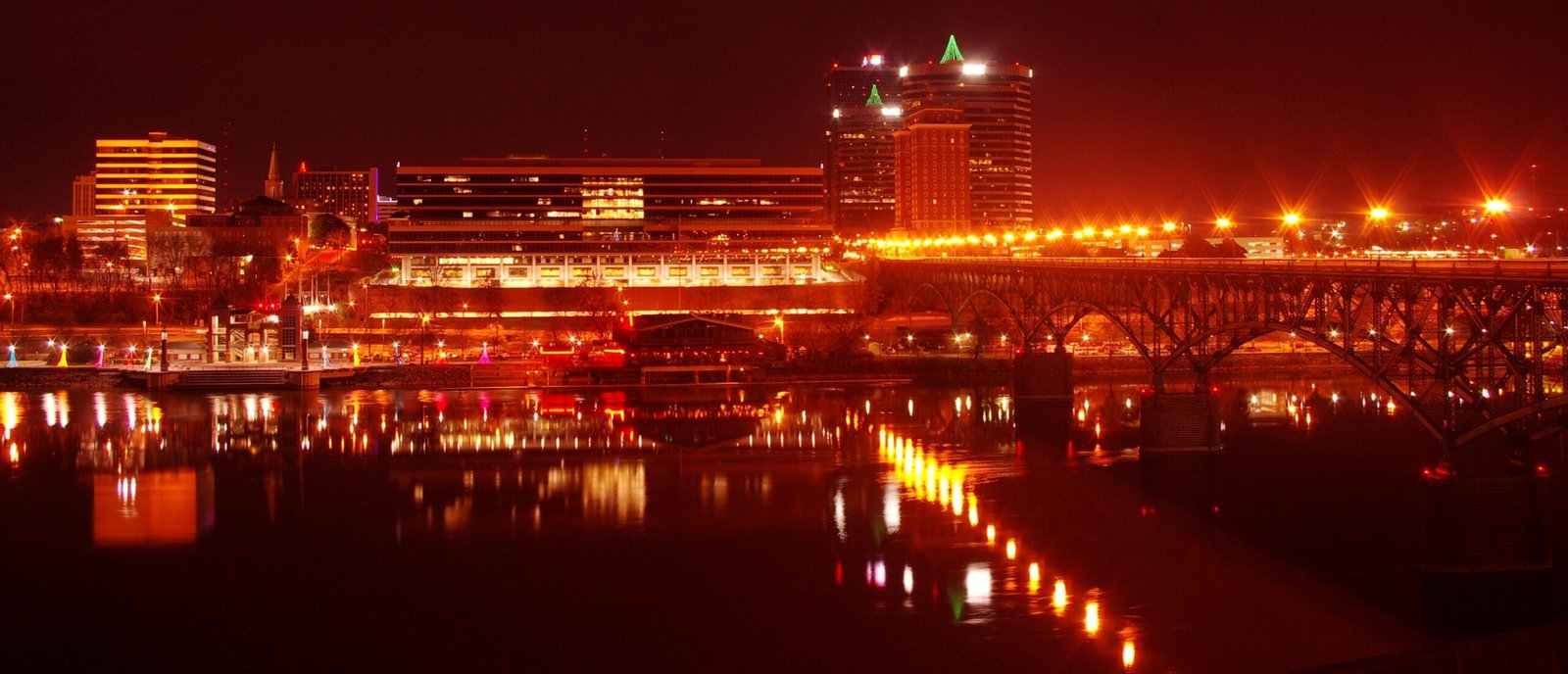
Climate modelers have spent the past few years building increasingly detailed maps of where Americans are likely to move as coastlines flood and heat records break. Most of the early headlines went to the Great Lakes region, places like Buffalo and Duluth that market themselves as cool, water-rich alternatives to the Sunbelt. Yet a quieter pattern has been forming across parts of the South itself, in mid-sized cities with mountains, rivers, or simply enough distance from the coast to look appealing on a risk map.
These six cities are not marketing themselves as disaster shelters. Still, population data, flood-risk models, and migration trackers keep pointing to the same places as the South’s own internal safe harbors, at least for now.
Asheville, North Carolina
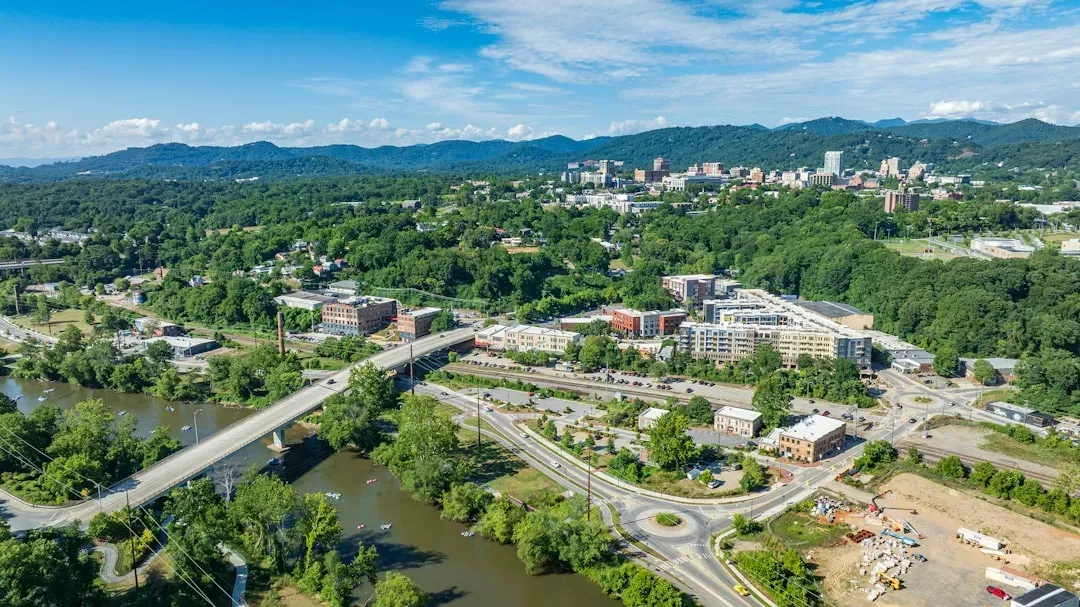
Asheville has carried the “climate haven” label longer than almost any other Southern city, and the reasoning behind it is straightforward. Media outlets and real estate agents named the city a “climate haven” because of its cooler-than-normal temperatures in the South and a location far inland from the flooding-pummeled coasts. Sitting in the Blue Ridge Mountains, Asheville drew a steady stream of newcomers from Texas, California, and Florida who wanted distance from wildfires and hurricanes.
That reputation collided with reality in 2024. Asheville sits at 2,000 feet above sea level, nearly 300 miles from the nearest coastline, yet Hurricane Helene still brought catastrophic inland flooding to the region. The storm was a sobering reminder that elevation alone does not guarantee safety, even as more than 3.2 million Americans have already migrated out of areas with increased flood risk nationwide.
Chattanooga, Tennessee
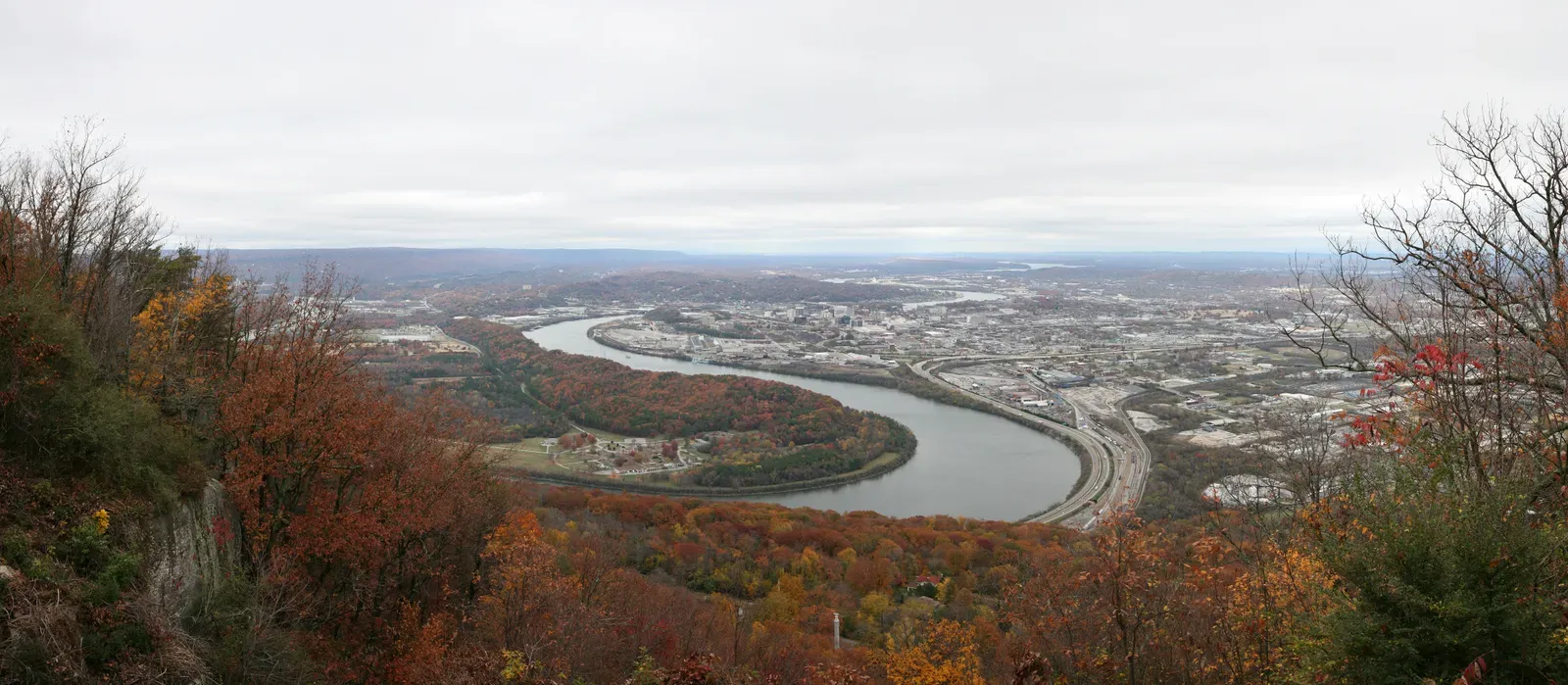
Chattanooga has spent the last several years openly wrestling with the fact that its own weather is changing. The Chattanooga area has experienced record rainfall and flooding, excessive heat and wildfires, and the impacts of tornadoes and a global pandemic in recent years, prompting the city to launch a formal regional resilience planning effort with local utilities and private partners.
Risk models still rate the city as comparatively manageable. The city of Chattanooga has moderate risk from flooding, with 14,063 properties at risk of flooding over the next 30 years. Local climate trackers do flag other concerns, noting that about 94% of buildings in Chattanooga, TN are at risk of wildfire, with the risk level for these buildings rated significant, which is a detail city planners are watching closely as growth continues.
Knoxville, Tennessee
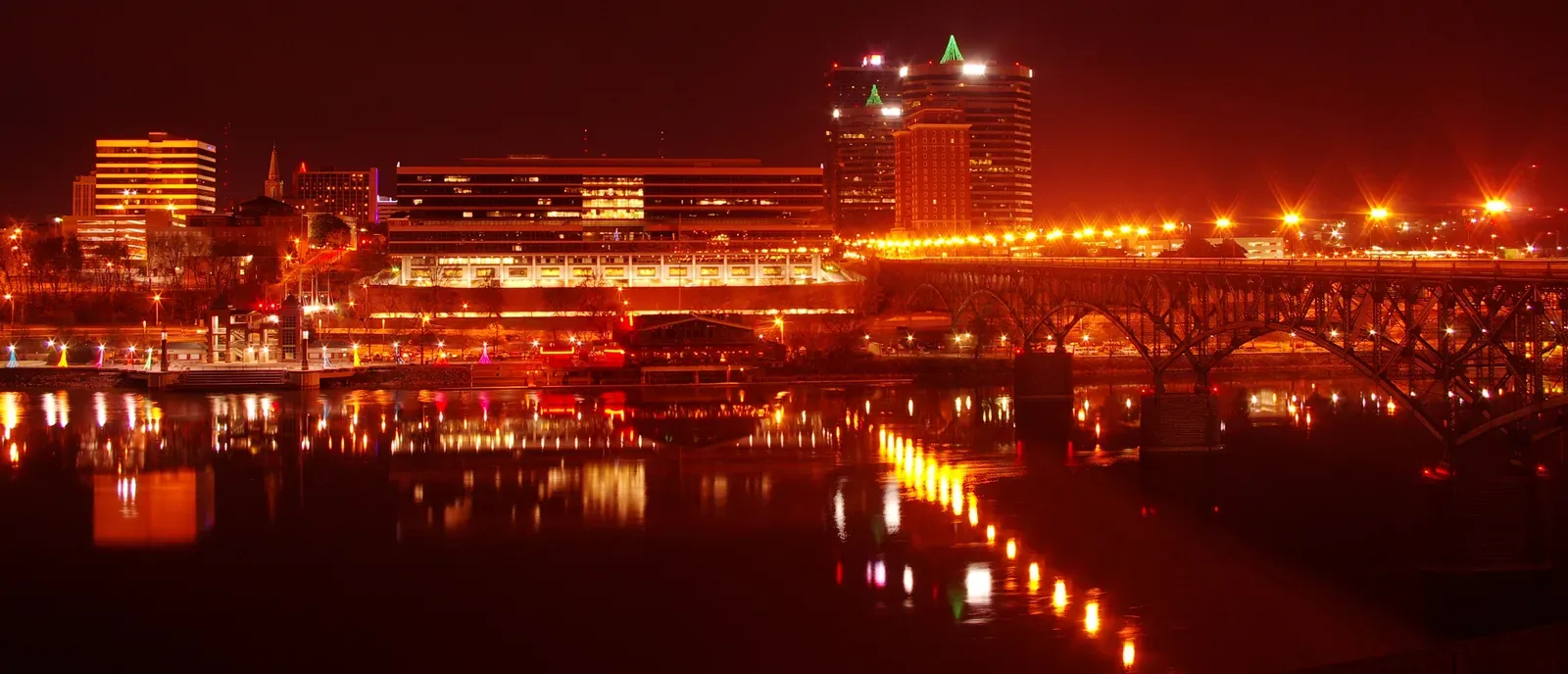
Knoxville rarely gets the same media attention as Asheville, but researchers studying Appalachian resilience keep putting it on the same short list. One may also expect to hear cities such as Knoxville, TN, Morgantown, WV, and many other localities of Central Appalachia discussed as ideal places to relocate for those seeking areas more resilient to climate change, thanks largely to the region’s elevation and distance from major fault lines and coastlines.
The city also benefits from a newer, less climate-specific trend: remote workers picking destinations for lifestyle reasons rather than job proximity. This sustains growth in cities like Knoxville, Tulsa, Fort Collins, Bellingham, and Portland, Maine that would not register on purely job-market-driven migration patterns. Combine that with the region’s mountain geography, and Knoxville quietly checks several boxes at once for people thinking a decade or two ahead.
Greenville, South Carolina
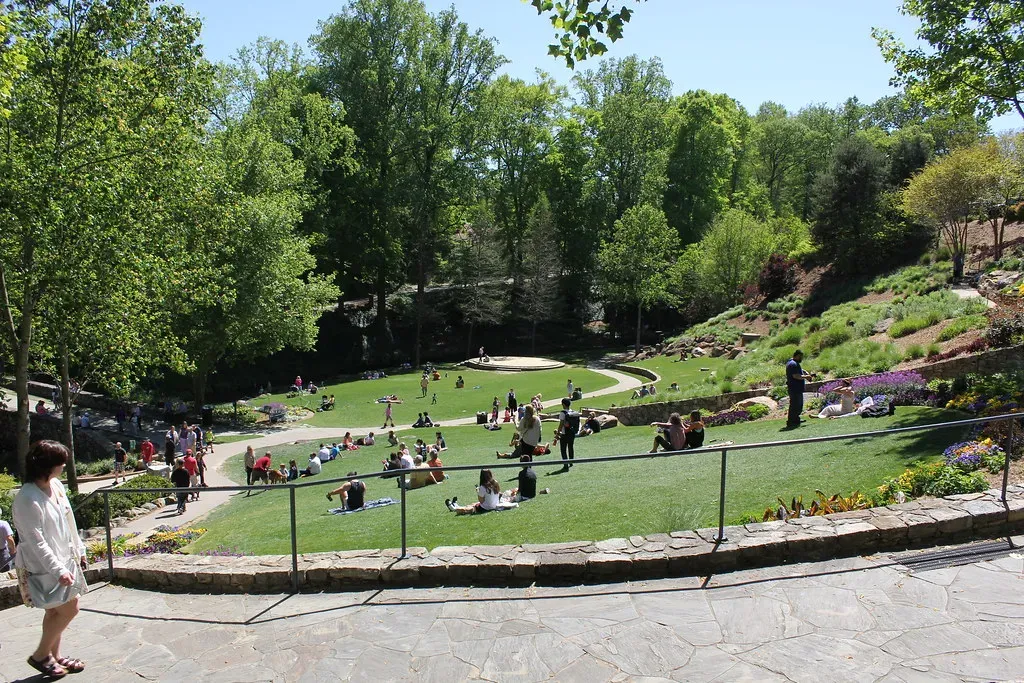
Greenville’s growth numbers are hard to ignore. From the 2020 Census to July 1, 2025, the Greenville metro added 85,894 people for an estimated population of 1,014,101, a growth rate of 9.3 percent that slightly outpaced the statewide growth rate of 8.8 percent during the same period. Zoom out to the state level and the trend gets even starker, since South Carolina emerged as the fastest-growing state per capita in 2025, adding nearly 80 residents per 10,000 people already living there.
Some of that appeal is explicitly tied to weather that avoids extremes. Greenville offers four true seasons, but without harsh New England winters or Florida’s oppressive summer heat, a balance that real estate agents in the area describe as one of the first things newcomers notice. Set in the foothills of the Blue Ridge Mountains, the city sits close enough to Asheville and the coast that residents get options without taking on the highest risks tied to either extreme.
Huntsville, Alabama
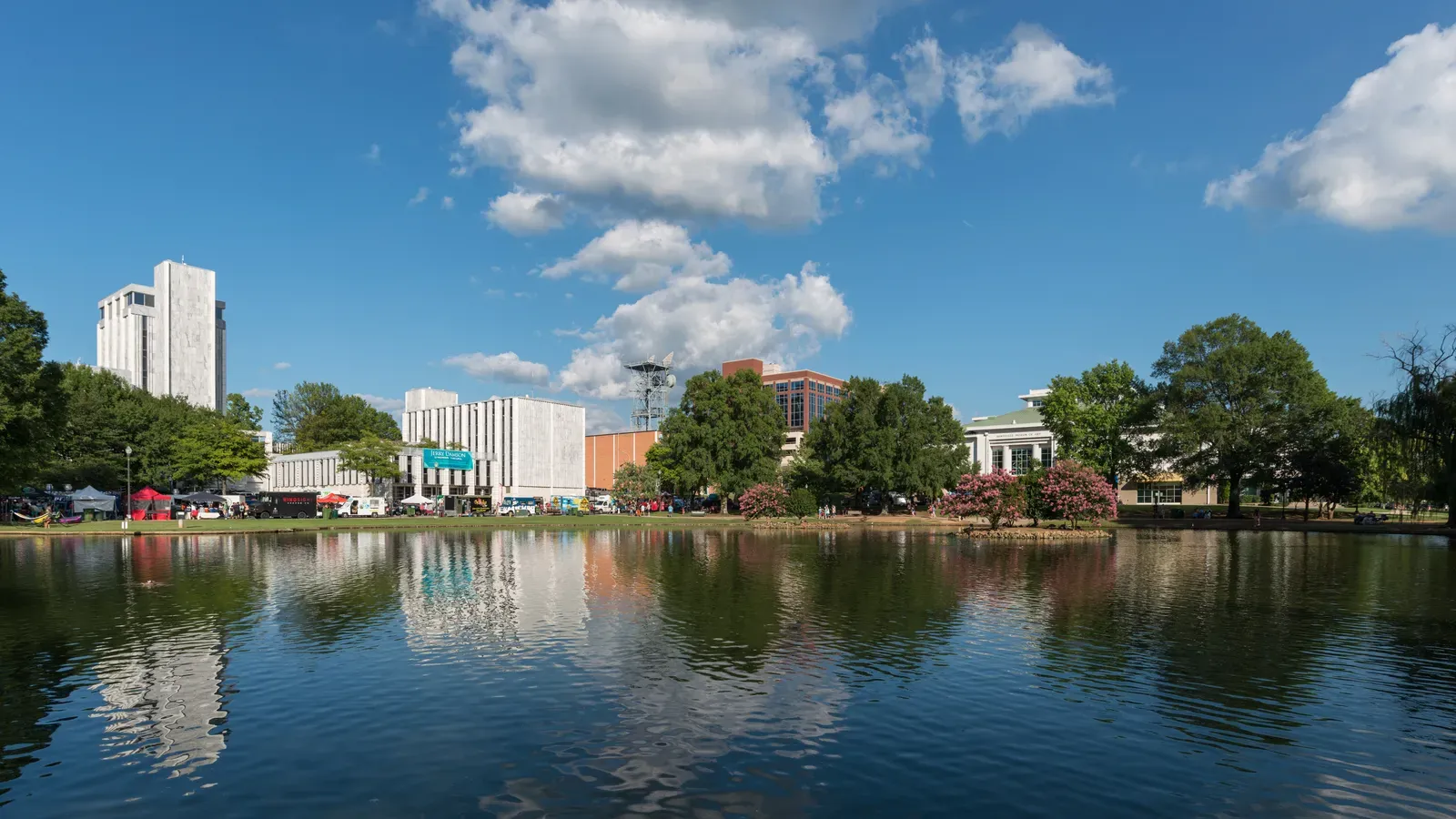
Huntsville’s climate math looks reassuring on paper. The city of Huntsville has moderate risk from flooding, with 17,891 properties at risk of flooding over the next 30 years, representing 20.3% of all properties in the city. That places it in a similar bracket to Chattanooga, comfortably below cities along the Gulf Coast or the Atlantic seaboard.
Huntsville’s economy adds another layer of pull that has nothing to do with weather. The city has long anchored major federal aerospace and defense operations, including NASA’s Marshall Space Flight Center and the Redstone Arsenal complex, which keeps a steady flow of engineers and skilled workers arriving regardless of climate considerations. When a city offers both a stable job base and a middling risk profile, it tends to show up on relocation shortlists for reasons beyond any single factor.
Raleigh, North Carolina
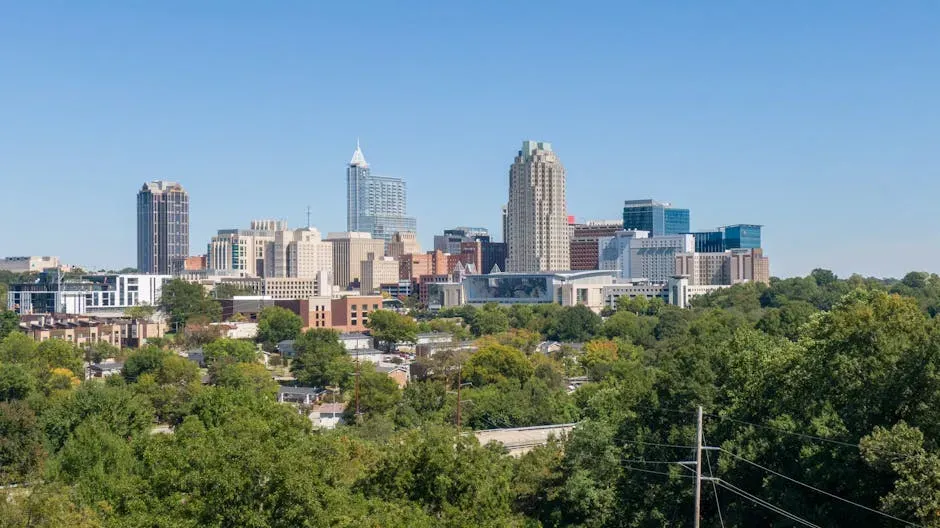
Raleigh’s pull is less about escaping danger and more about combining safety with opportunity. Raleigh consistently appears across multiple 2026 migration datasets as one of the most active destination metros in the country, and the reasons go well beyond weather. The Research Triangle anchored by Duke University, UNC-Chapel Hill, and NC State drives one of the strongest educated-workforce concentrations in the Southeast, with major employers including Fiserv, IBM, and Cisco making the job market more genuinely knowledge-economy-oriented than most Southern growth metros.
Housing costs remain part of the draw as well. Housing prices have risen significantly from their pre-pandemic levels but remain below comparable tech-adjacent markets in Austin, Denver, or the Bay Area. Inland, away from hurricane-prone coastal counties, and backed by a diverse economic base, Raleigh has quietly become one of the Southeast’s steadiest bets for people weighing both climate exposure and career prospects at the same time.

- The Shoreline Sucked Dry in Seconds – 5 Tsunami Signals Beachgoers Mistake for Low Tide - November 14, 2026
- 9 Dark-Sky Destinations Around the World Where the Stars Look Unreal - November 14, 2026
- The Fault Line That Never Slips – 7 Locked Seismic Zones Overdue for a Massive Release - November 14, 2026
