

The real answer: New Orleans tops the list
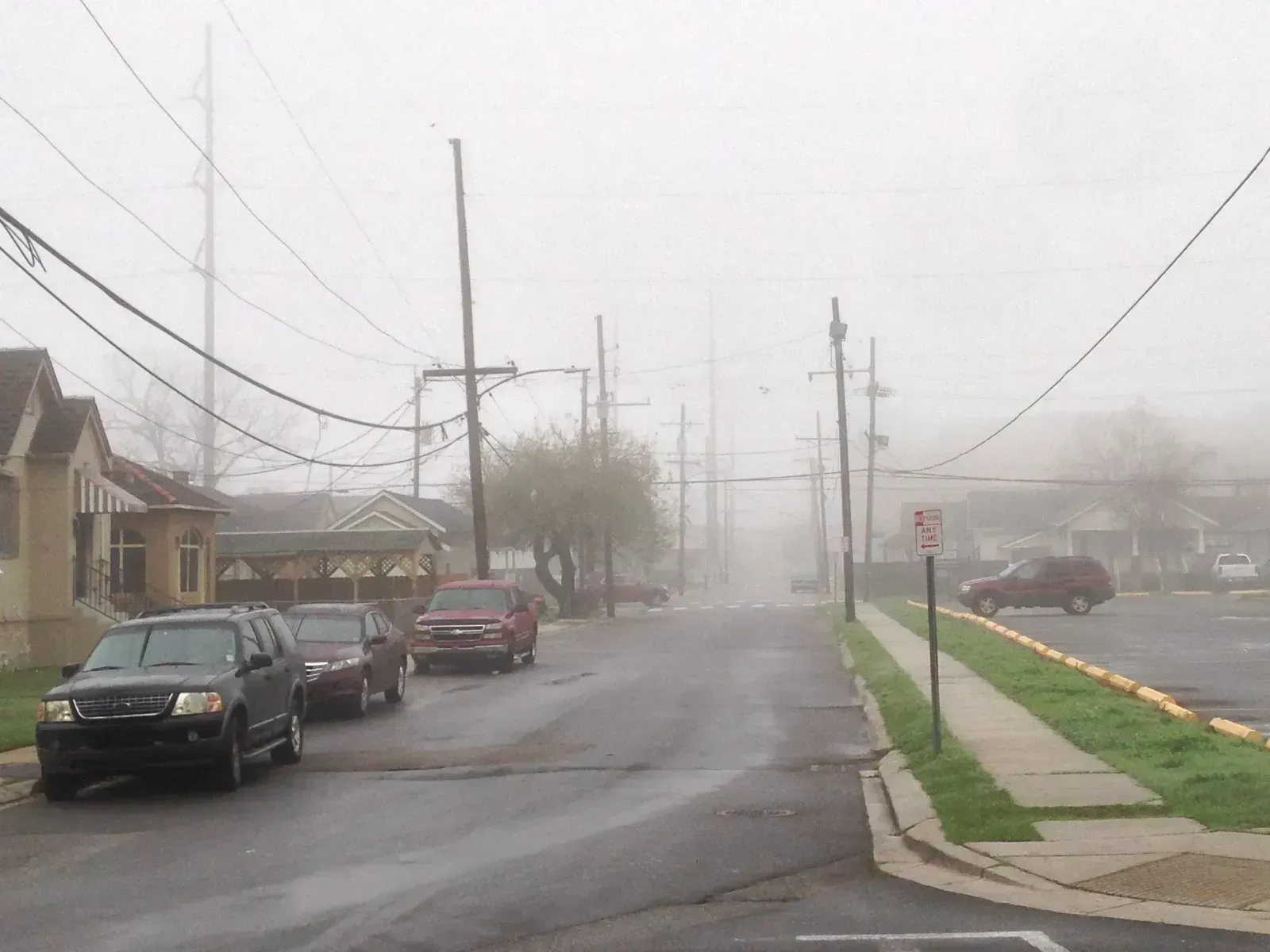
According to data compiled from National Oceanic and Atmospheric Administration climate records, New Orleans experiences an annual average of 200 days of fog, making it the foggiest city in the United States, with another 118 days per year when the sky is cloudier than normal. That’s not a close race. New Orleans beats out San Francisco and nearly every other major American city on raw fog-day counts.
The city’s setting near the Gulf of Mexico, combined with the Mississippi River and surrounding wetlands, creates almost constant moisture in the air. New Orleans has a subtropical climate and is known for its high humidity. That humidity, paired with cool overnight temperatures for much of the year, is exactly the recipe fog needs to form and linger.
Why the Bayou breeds so much fog
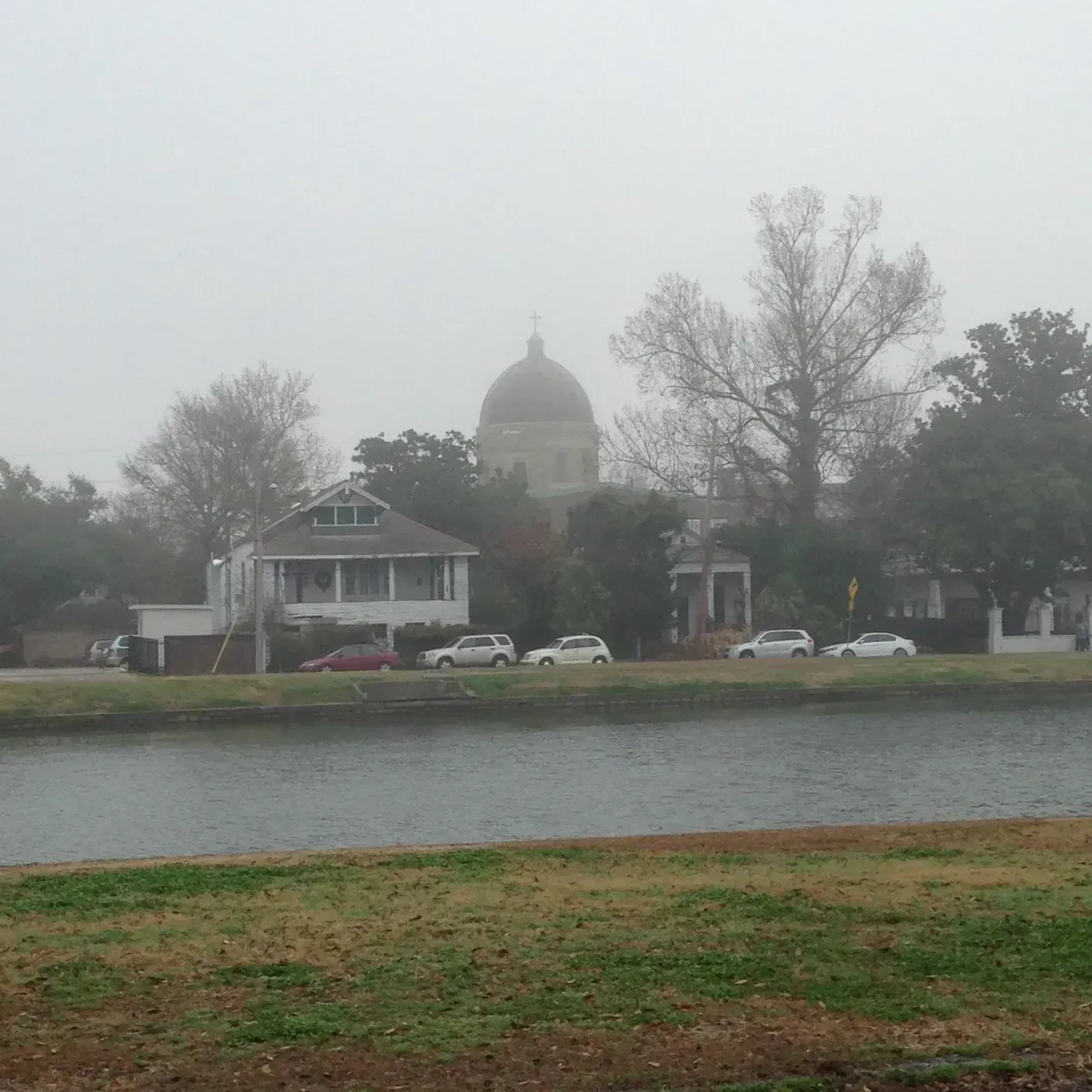
Fog isn’t random weather. It forms when warm, moist air cools rapidly, usually overnight, and the water vapor condenses into tiny droplets suspended near the ground. Louisiana’s flat terrain, dense network of waterways, and subtropical warmth give it ideal conditions for this to happen almost year round, particularly in the cooler months.
Locals in the region have a name for the most extreme version of this weather. When the dense fog on most cool, still mornings mixes with an external occurrence, such as smoke from marsh or brush fires, a “super fog” is categorized and can wreak havoc on the freeways in and around southern Louisiana by reducing visibility to the point of creating dangerous driving conditions. It’s a distinctly regional hazard, one most Americans outside the Gulf South have never heard of.
San Francisco’s famous “Karl the Fog” is more myth than metric
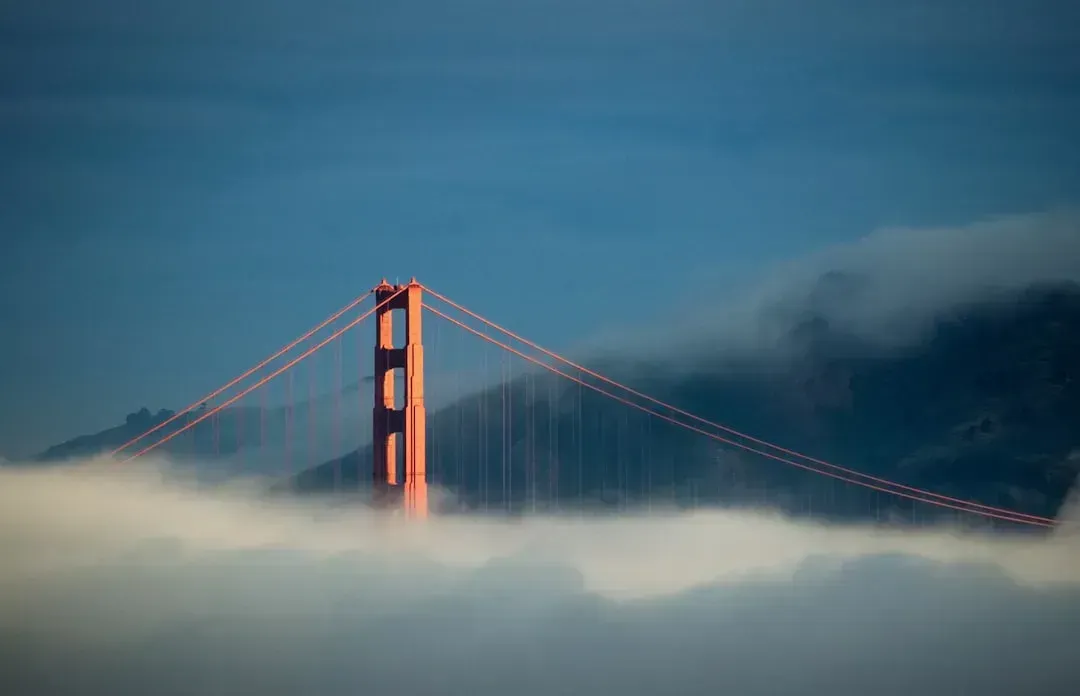
San Francisco’s fog is genuinely iconic. It rolls in through the Golden Gate almost on cue during summer evenings, and residents have even given it an affectionate nickname. San Francisco’s fog has become so iconic that locals have given it a personality, affectionately naming it Karl, and the city’s unique geography creates perfect conditions for marine fog formation throughout the year.
Yet iconic doesn’t mean statistically dominant. San Francisco does not top the list on raw fog days. The City by the Bay sees 200 foggy days a year and the windiest spot on the Pacific Coast. Even at 200 days, that ties it with New Orleans rather than putting it clearly ahead, and several other locations edge past it entirely.
Point Reyes and Cape Disappointment: the foggiest places, not cities
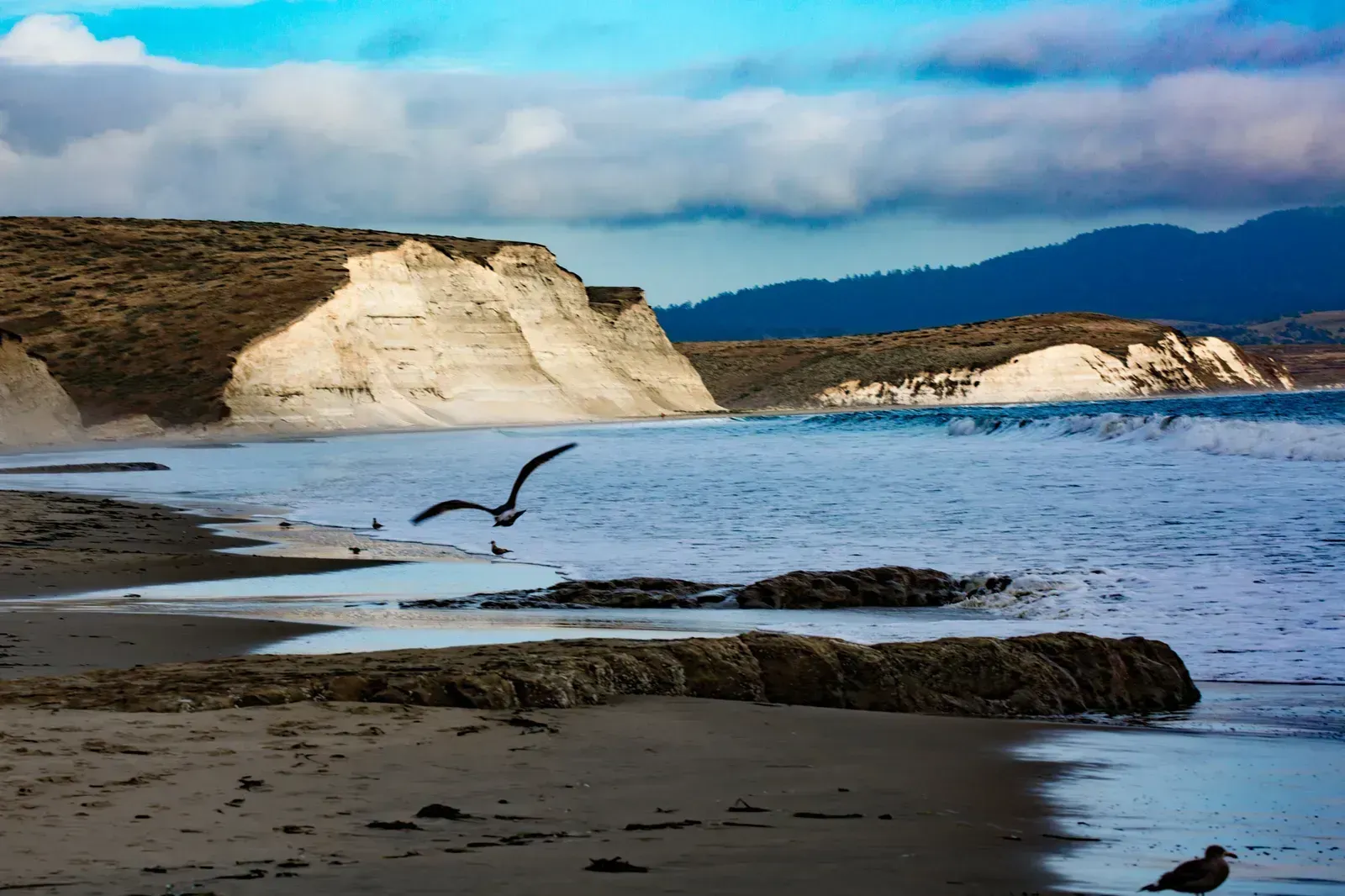
If you loosen the definition from “city” to simply “place,” two rugged coastal spots dominate the conversation. Point Reyes, a windswept peninsula just north of the Bay Area, is often cited as the true fog champion of the West Coast. Point Reyes is the second-foggiest place in North America at 200 foggy days a year and is also the windiest place on the Pacific Coast.
Further north, a headland with an unfortunate name gives Point Reyes real competition. Cape Disappointment sees about 2,552 hours of fog a year, which is the equivalent of about 106 days, making it one of the foggiest places in the United States. Neither location is technically a city, which is exactly why New Orleans keeps the crown when the question is specifically about American cities.
Raleigh and the mystery of “valley fog”
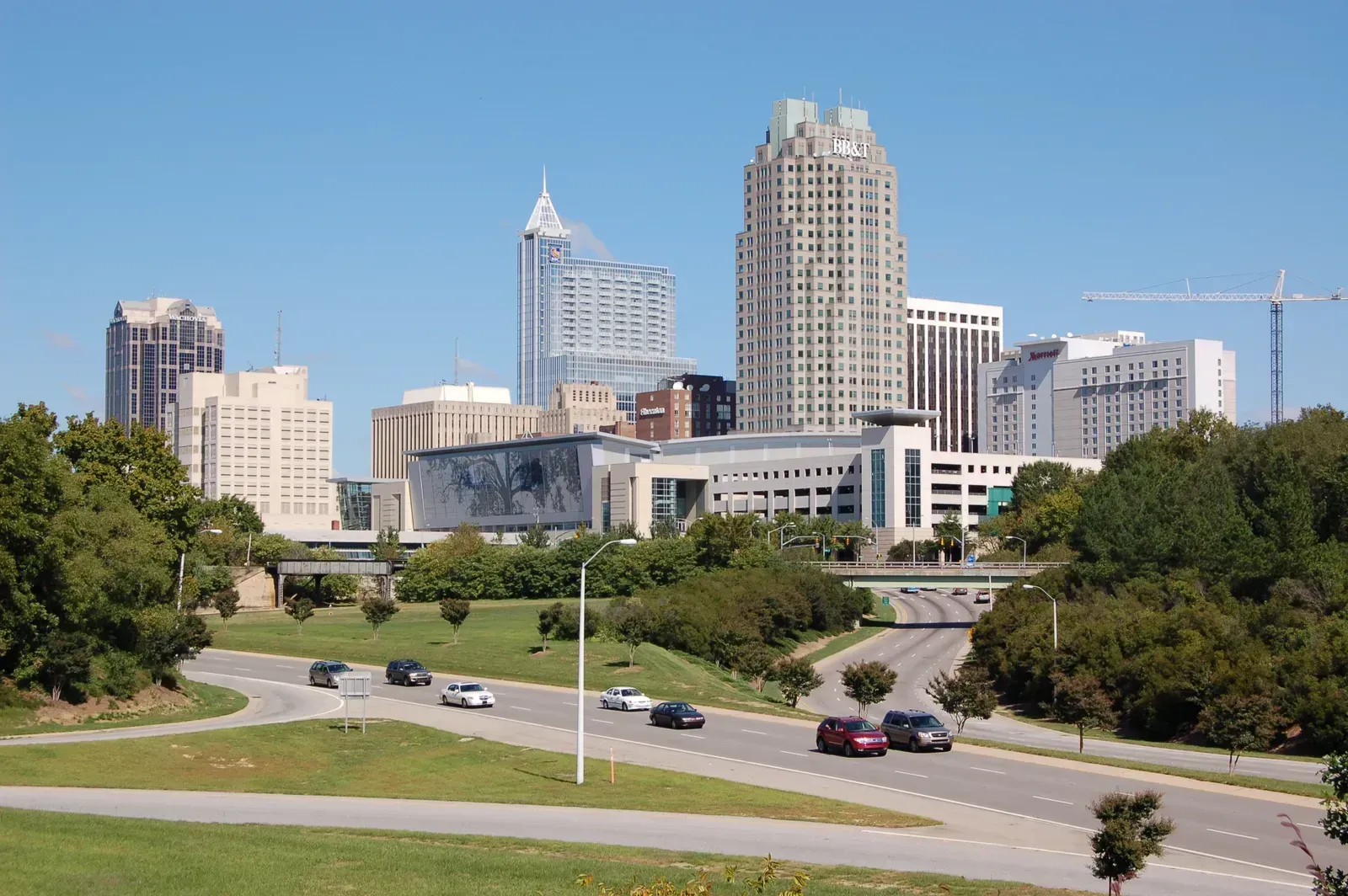
New Orleans isn’t alone at the top. Raleigh, North Carolina, sits surprisingly close behind it in the fog rankings, and for a completely different geographic reason. Raleigh, which receives 198 days of fog on average, also has a very humid climate, though the fog generated along this coastal city is far different from that in New Orleans.
The Piedmont region’s terrain plays a direct role in this. The city’s proximity to the Appalachian Mountains influences the weather in this particular region, creating conditions known as “valley fog.” Cold air settles into low-lying areas overnight, trapping moisture beneath it until the morning sun eventually burns it away.
How NOAA actually measures a “foggy day”
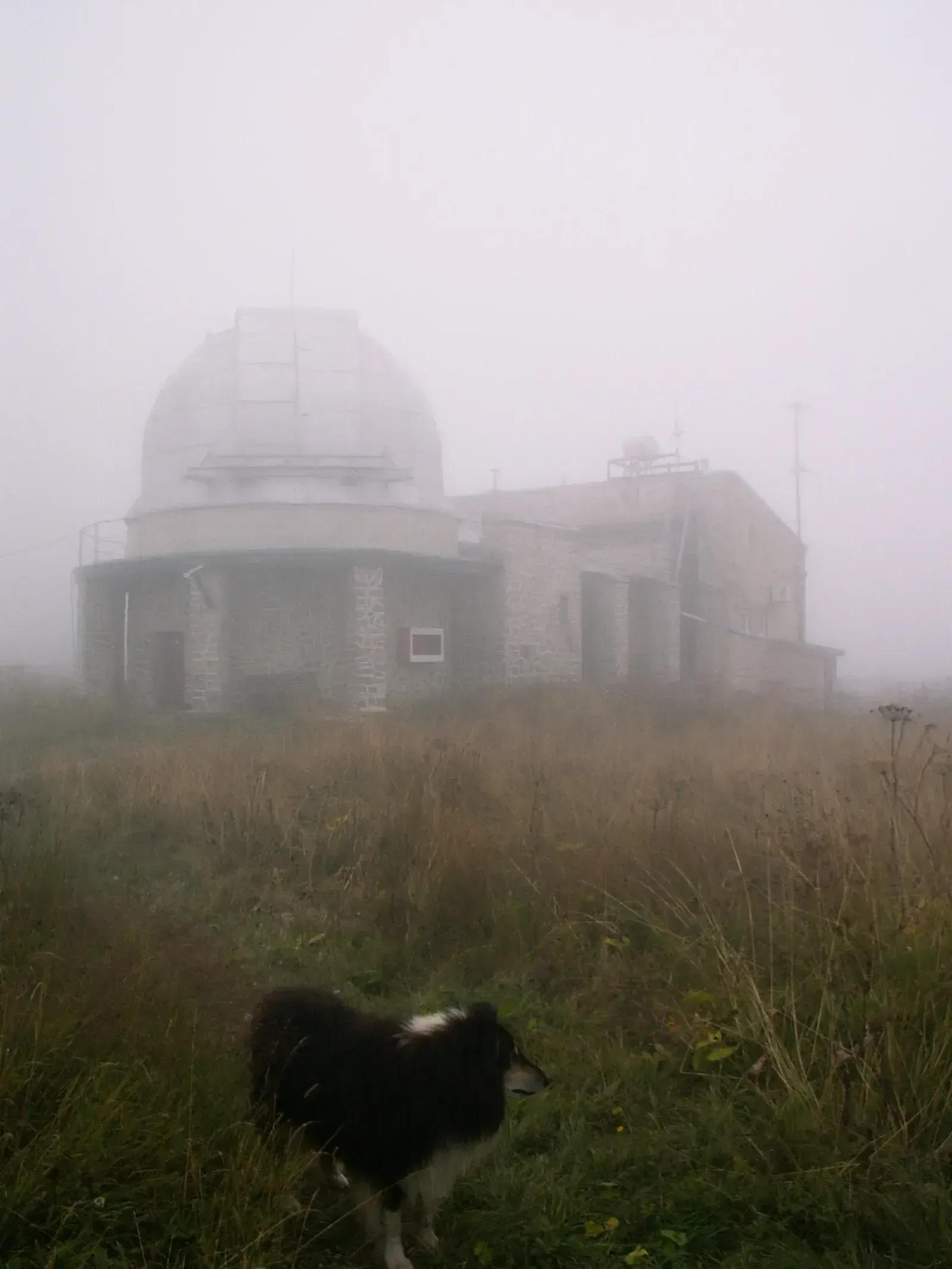
Ranking cities by fog isn’t a matter of opinion. Researchers rely on decades of federal weather station records to build these lists. The rankings are compiled based on the average number of days with fog per year, with data sourced from the National Oceanic and Atmospheric Administration.
A “foggy day” in these records typically means visibility dropped low enough, generally under a set threshold measured in fractions of a mile, for a station to officially log fog conditions at some point during that day. This standardized approach is why comparisons between wildly different climates, from humid Gulf Coast cities to arid coastal headlands, can still be made on a level playing field. It also explains why some famously “moody” cities weather-wise don’t actually rank as high as their reputation suggests.
Other American cities that quietly battle heavy fog
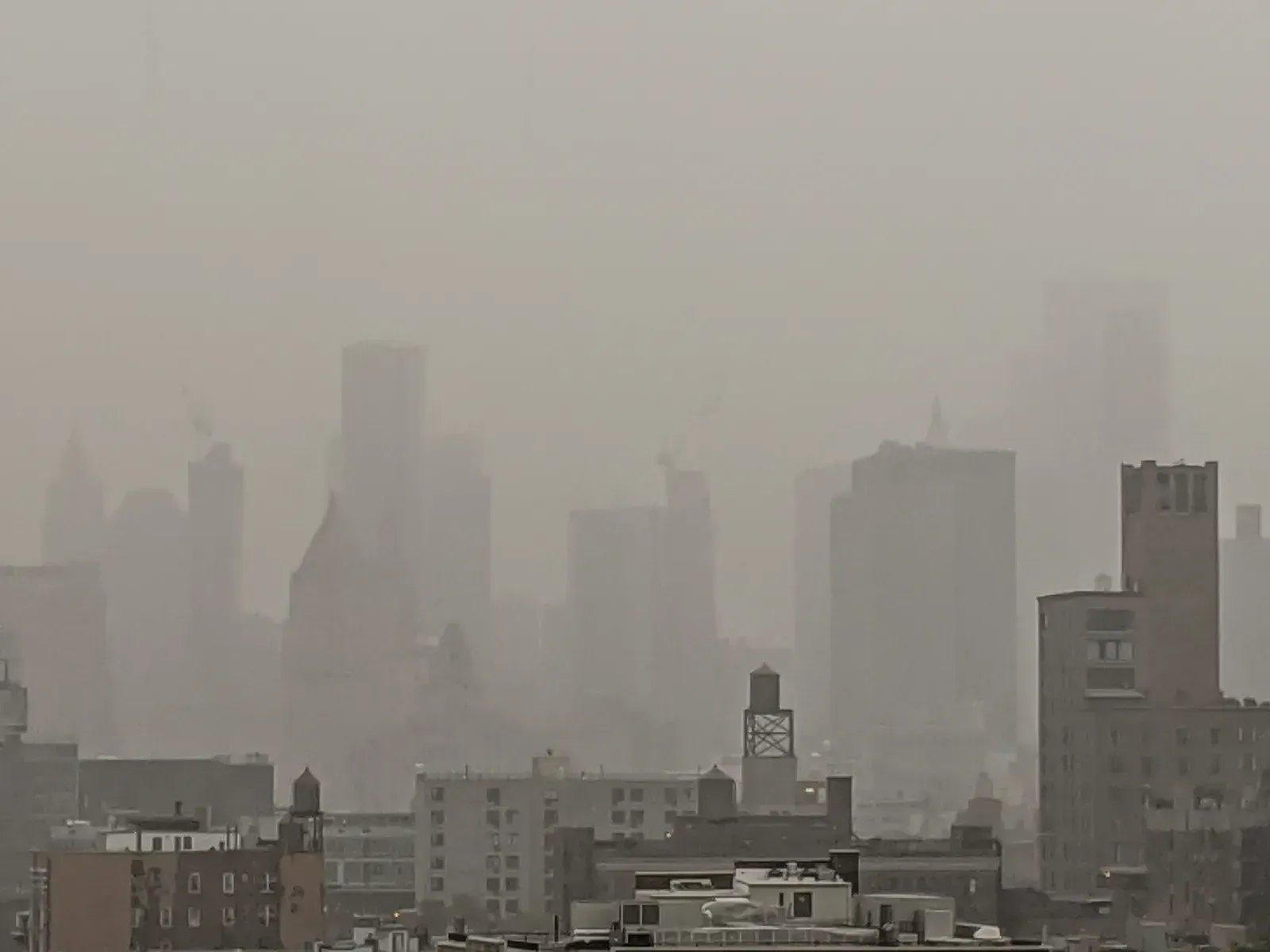
Beyond the household names, a handful of Midwest and Rust Belt cities post surprisingly high fog totals. Buffalo, New York, typically experiences an average of 174 foggy days each year, with heavy clouds covering 80 to 90 percent of the sky for approximately 208 days, in a humid continental climate featuring hot, dry summers and colder winters. Indianapolis and Columbus aren’t far behind.
Indianapolis, situated in Indiana, records an average of 175 foggy days annually. Columbus experiences an average of 166 foggy days annually, and the city also sees 190 days a year when heavy clouds cover the sky, in a humid climate with very hot summers and cold winters. These inland cities rarely come up in casual conversation about fog, yet the data places them well ahead of plenty of coastal towns people assume are foggier.
New Orleans’ “super fog” is a genuine safety concern
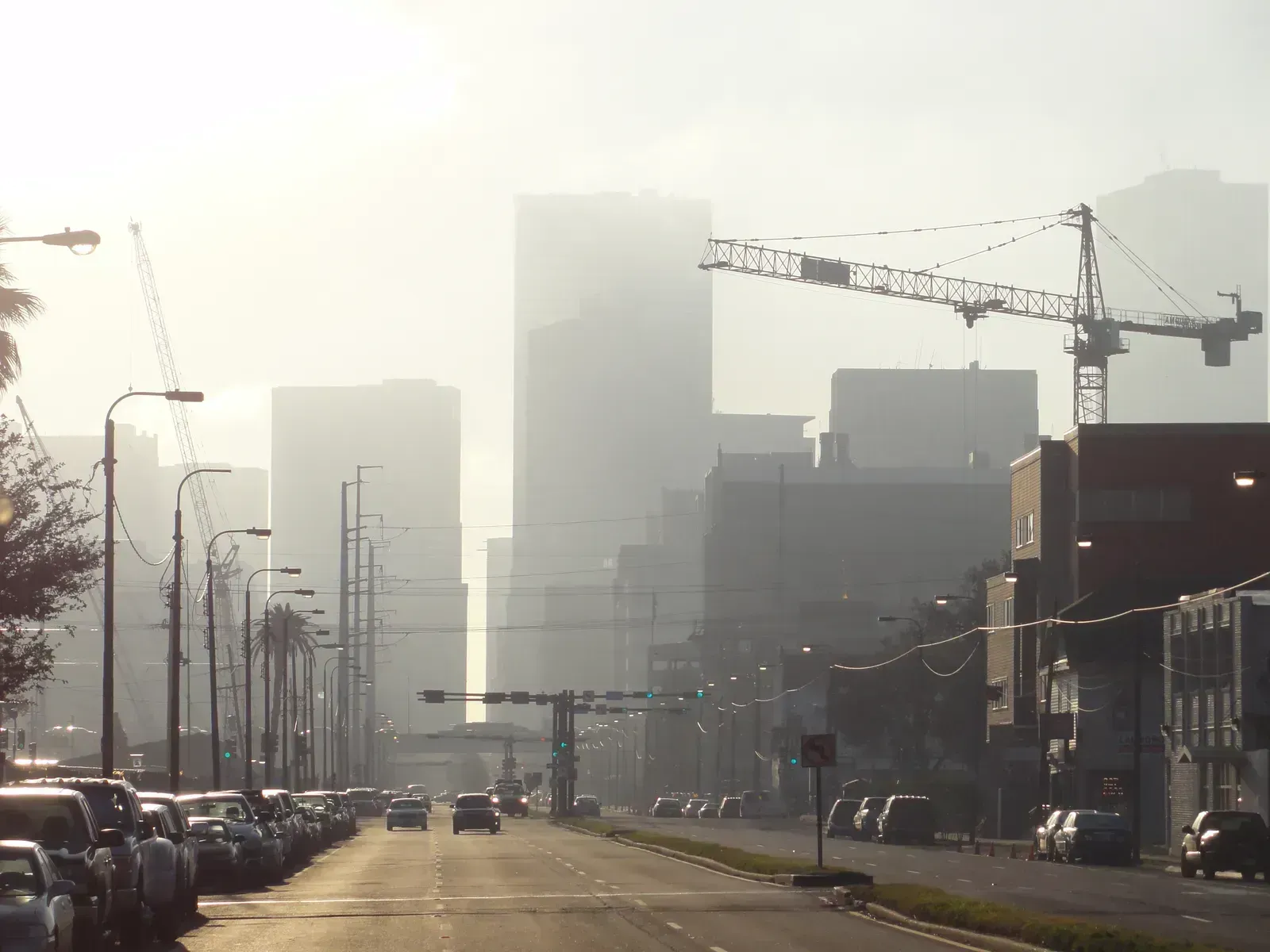
Fog in New Orleans isn’t just an atmospheric quirk that makes streetlights look moody. When conditions combine dense morning fog with smoke from marsh fires, a phenomenon locally known as super fog can drop visibility to near zero on major highways. This has led to multi-vehicle pileups on interstates in and around the region over the years, a hazard that’s specific to the Gulf South’s mix of wetlands and agricultural burning practices.
Louisiana transportation officials monitor these conditions closely during burn season, sometimes issuing advisories or temporary road closures when smoke and fog are expected to overlap. It’s a reminder that the same humid, low-lying geography that gives New Orleans its jazz-and-shotgun-house charm also makes it one of the more genuinely hazardous fog environments in the country, not just the foggiest by the numbers.
Grand Banks: putting America’s fog into world context
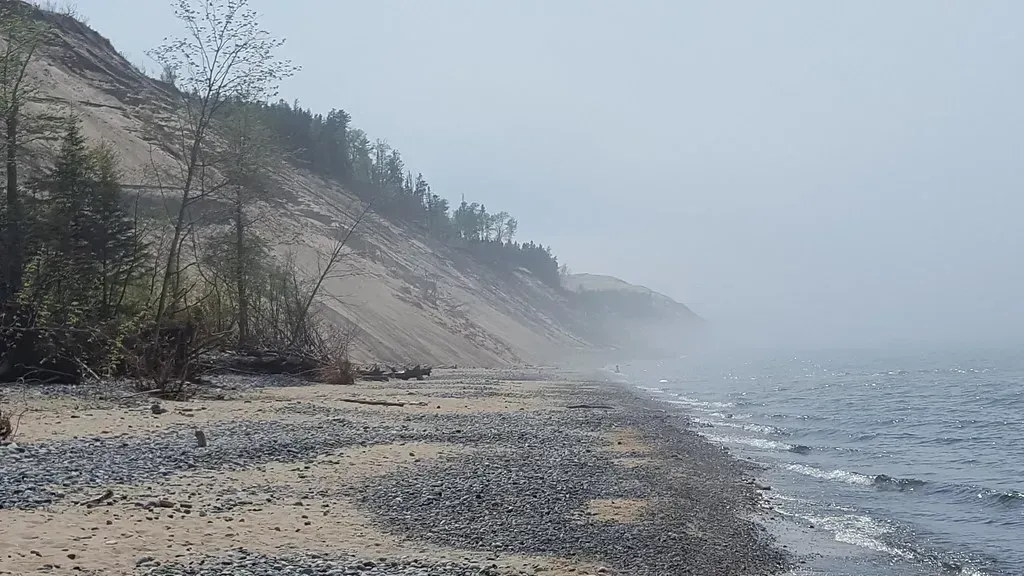
Even New Orleans, Point Reyes, and Cape Disappointment fall short of the planet’s undisputed fog capital. That title belongs to a stretch of ocean off Canada’s Atlantic coast. The Guinness Book of World Records lists Grand Banks as the foggiest spot in the world, with 206 foggy days a year, produced when the cold Labrador current collides with the warmer Gulf Stream.
That collision of temperature zones is the same basic mechanism driving fog everywhere else on this list, just on a larger and colder scale. It’s worth remembering that fog, wherever it forms, always comes down to the same simple physics: warm moisture meeting a cooler surface or air mass. The scenery changes from Louisiana bayous to Newfoundland shipping lanes, but the underlying science stays remarkably consistent.
Final thoughts
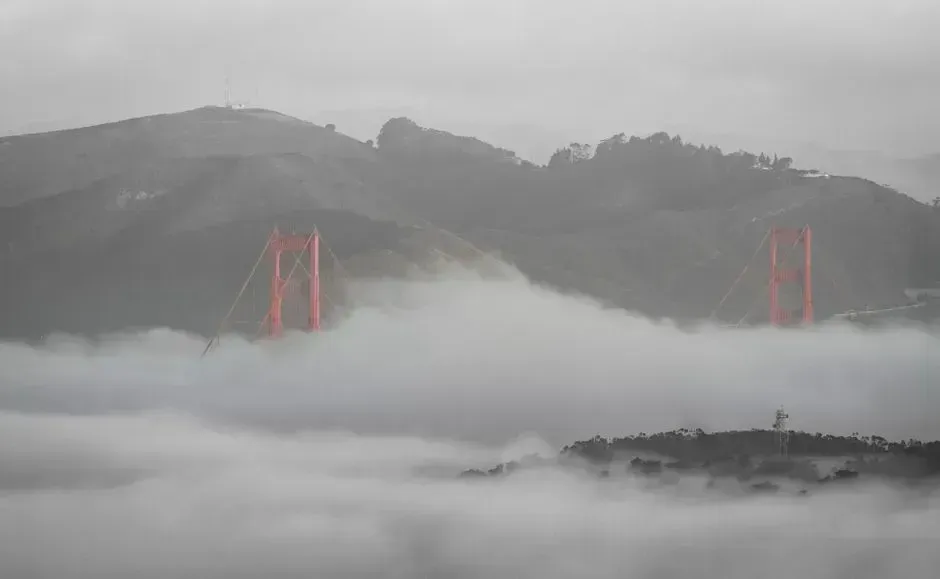
The next time someone brings up San Francisco as the ultimate symbol of American fog, it’s worth mentioning that the actual data tells a different story. New Orleans holds the honor among genuine cities, while wilder, less populated stretches of coastline like Point Reyes and Cape Disappointment push the numbers even higher outside city limits. Fog, it turns out, has far more geography behind it than reputation alone would suggest.

- The Shoreline Sucked Dry in Seconds – 5 Tsunami Signals Beachgoers Mistake for Low Tide - November 14, 2026
- 9 Dark-Sky Destinations Around the World Where the Stars Look Unreal - November 14, 2026
- The Fault Line That Never Slips – 7 Locked Seismic Zones Overdue for a Massive Release - November 14, 2026
