


- Phantom Energy Sucking Power 24/7 – 7 Home Electronics Quietly Inflating Utility Bills - November 14, 2026
- A Million-Mile Storm Raging for Centuries – 6 Violent Weather Wonders in Our System - November 14, 2026
- Animals Flee Hours Before the Tremor – 7 Natural Warnings Before Disasters Strike - November 14, 2026
1. Black holes do not suck everything in like a vacuum
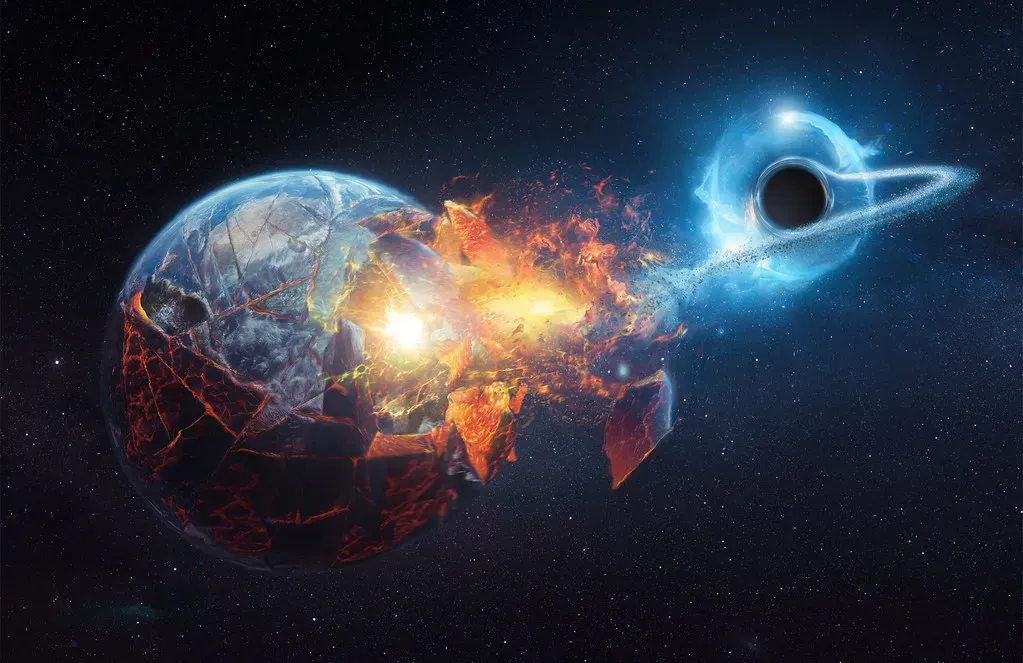
The gravity of a black hole works exactly the way any other object’s gravity does, following the same inverse square law that governs planets and stars. If our Sun were somehow swapped for a black hole of identical mass, Earth’s orbit would not change at all, because the gravitational pull depends on mass and distance, not on the object being a black hole. Objects only get pulled in if they cross the point of no return known as the event horizon, and most matter in the universe simply orbits at a safe distance instead.
What actually makes black holes dangerous to nearby matter is proximity, not some special sucking force. Gas and stars that wander too close can be torn apart by tidal forces or funneled into an accretion disk, but that is a matter of orbital mechanics playing out at extreme scales. Far enough away, a black hole is just another heavy object curving spacetime, no different in principle from any other massive body.
2. The famous black hole images are not pictures of the event horizon itself
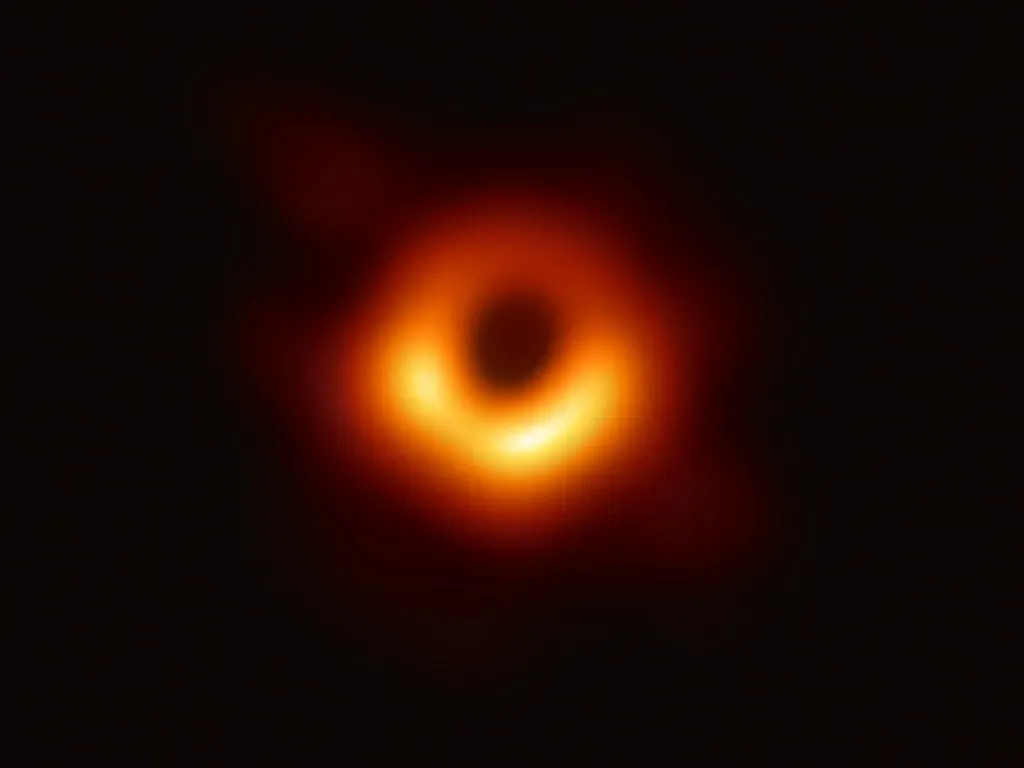
When the Event Horizon Telescope released its now iconic images of the black holes at the center of M87 and later our own galaxy, many people assumed they were looking directly at the event horizon. In reality, the event horizon emits no light and cannot be photographed at all. Although we cannot see the event horizon itself, because it cannot emit light, glowing gas orbiting around the black hole reveals a telltale signature, a dark central region called a shadow, surrounded by a bright ring like structure formed by light bent by the black hole’s powerful gravity.
That distinction matters more than it might seem, because the bright ring is really an image of superheated gas and bent light, not the boundary itself. Recent EHT work has pushed this further, with newer observations of M87 revealing changing polarization patterns in the swirling gas around the black hole. Scientists studying this data have even detected extended jet emission near the base of the ring for the first time, something the original 2019 image could not show.
3. Black holes are turbulent, changing environments, not static objects
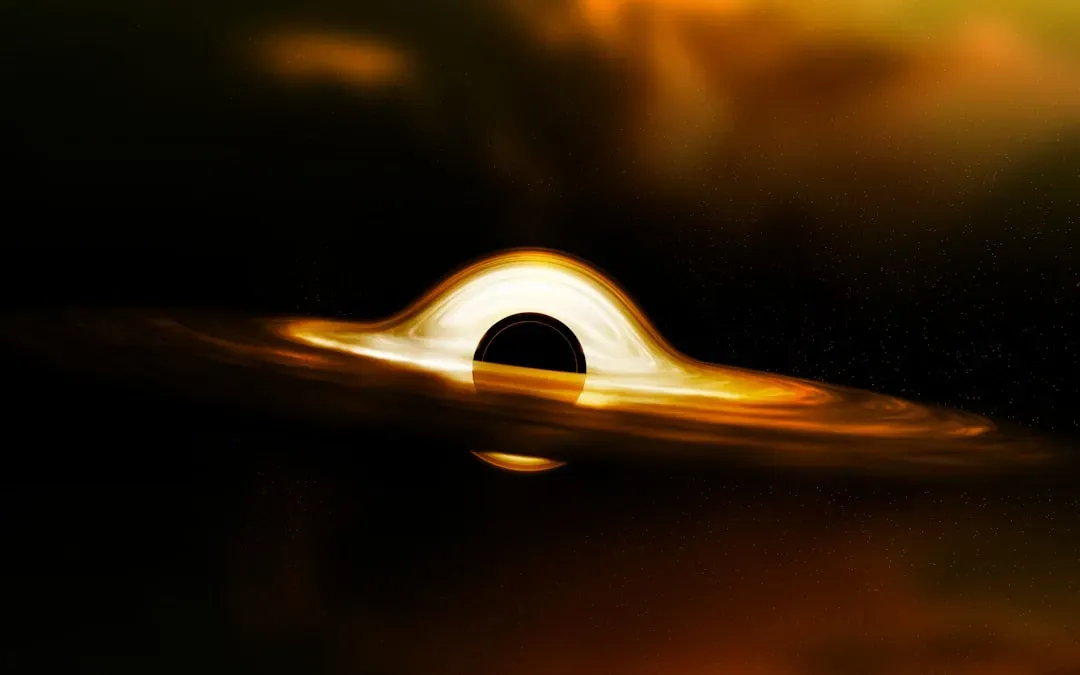
For a long time, black holes were treated almost like fixed geometric shapes described entirely by their mass and spin. Newer, multi year observations tell a messier story. Astronomers have witnessed the magnetic field of M87*, a supermassive black hole at the center of the M87 galaxy, completely flip direction between 2017 and 2021, marking the first time scientists have observed such dramatic change in the extreme environment surrounding a black hole.
This kind of variability was not expected to be so dramatic on such a short timescale for an object that massive. The discovery gives researchers new clues about how these systems feed themselves and launch their jets. It also means the picture of a black hole as an unchanging cosmic fixture needs some updating, since the region right around one can behave more like weather than architecture.
4. Black holes can be almost featureless, but maybe not entirely
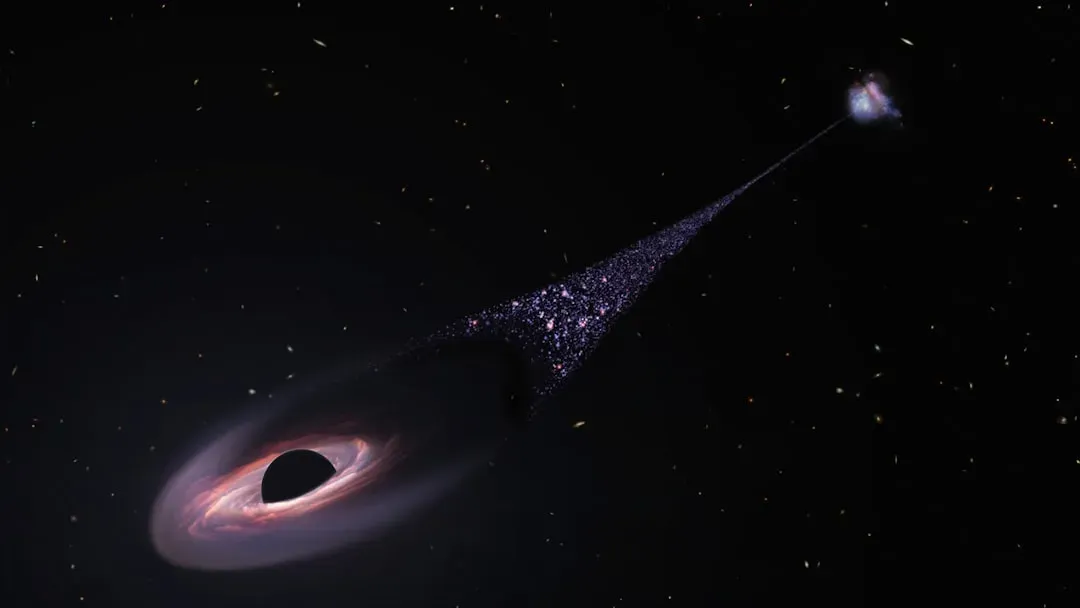
According to general relativity, a black hole’s outward appearance boils down to just two numbers, how much it weighs and how fast it spins. This is sometimes called the no hair theorem, the idea that black holes cannot carry any other distinguishing marks. According to Einstein’s theory of gravity, black holes have only a small handful of distinguishing characteristics, though quantum theory implies they may have more, and a recent experimental search found that any of this extra hair has to be pretty short.
That last finding, published in 2025, is a genuinely open question rather than settled science. It suggests black holes might carry subtle quantum fingerprints beyond mass and spin, even if those fingerprints are faint and hard to detect. The takeaway is not that black holes are secretly complicated objects, but that physicists are still testing the boundaries of how simple they really are.
5. There was supposed to be a mass range where black holes could not exist
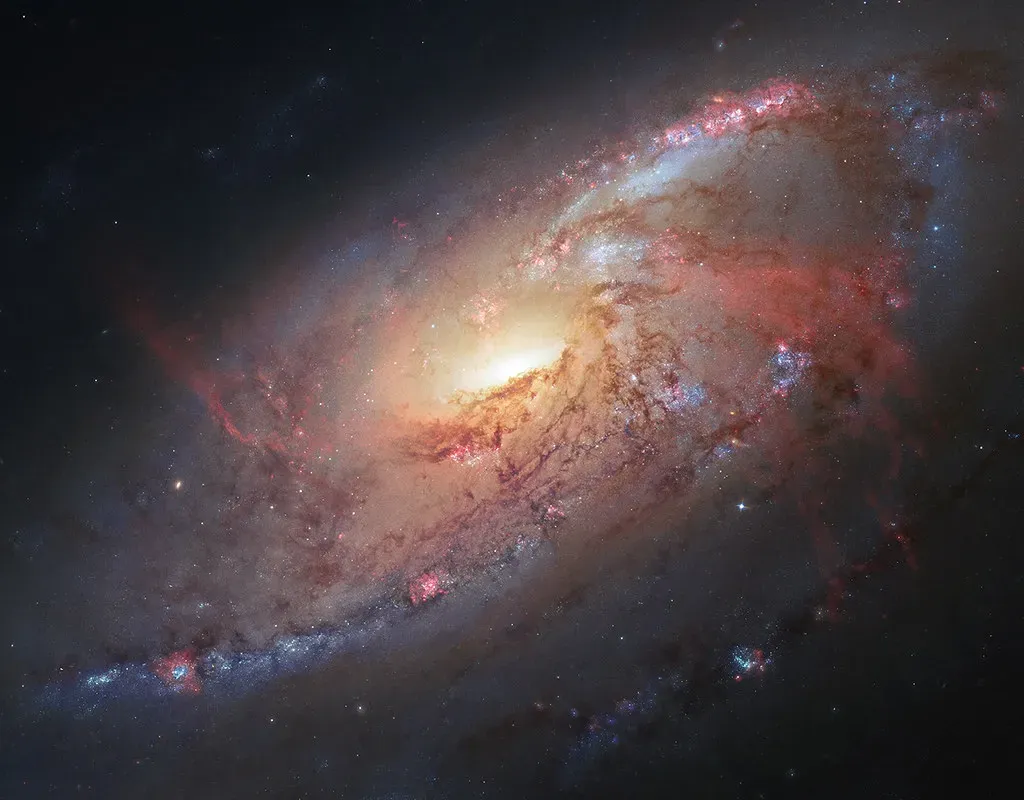
Stellar physics predicts a gap in black hole masses, roughly between seventy and one hundred forty times the mass of the Sun, where a process called pair instability supernovae is thought to destroy a dying star so thoroughly that no black hole remnant should be left behind. Black holes formed through supernovae are not expected to fall within a specific mass range, about 70 to 140 times the mass of the Sun, a limit that arises from pair-instability supernovae, which obliterates stars so completely that nothing is left behind. For years, this gap was treated as close to a law of nature.
Then came GW231123, a 2023 gravitational wave detection that did not respect the rule. The black holes observed in that event landed right in the middle of that forbidden range, prompting astrophysicists to question long-held models of stellar death and black hole formation. A 2025 simulation from the Flatiron Institute later showed that rotation and magnetic feedback can allow black holes to form inside that supposedly forbidden zone after all, which means the mass gap is real but far less absolute than scientists once assumed.
6. Supermassive black holes are not supposed to grow this fast
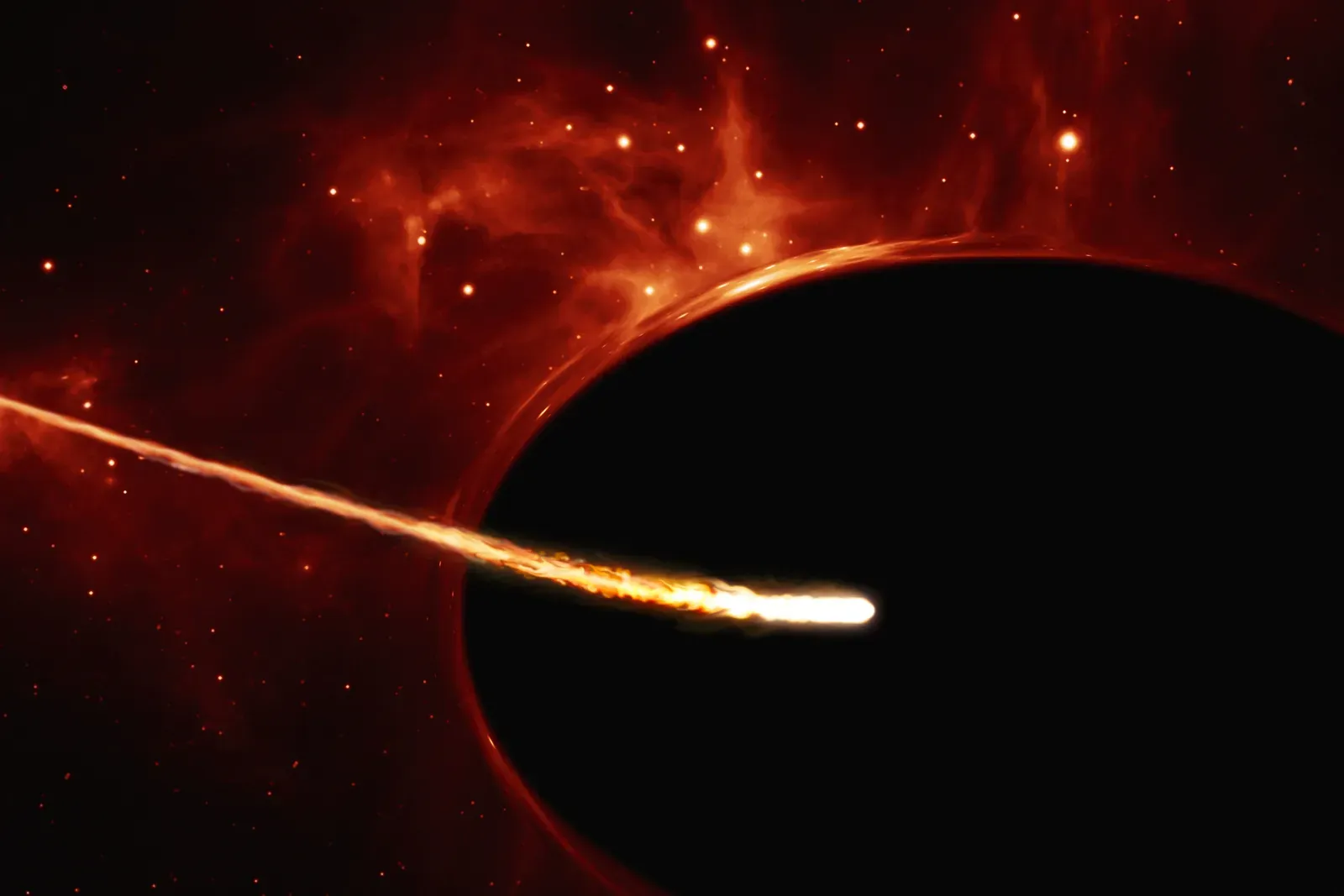
Textbook models suggest that supermassive black holes, the kind found at the centers of galaxies, need a very long time to build up their enormous mass through steady accretion. Supermassive black holes typically take billions of years to form, but the James Webb Space Telescope is finding them not that long after the Big Bang, before they should have had time to form. That mismatch has become one of the more persistent puzzles in modern astrophysics.
Researchers have floated several explanations, including the possibility that dark matter played a role in jump starting early black hole growth in the young universe. None of these ideas are fully confirmed yet, and the field is still working through competing models. What is clear is that the old assumption of slow, steady growth over cosmic ages does not match what Webb is actually seeing in the distant universe.
7. Falling into a black hole does not look the way people imagine
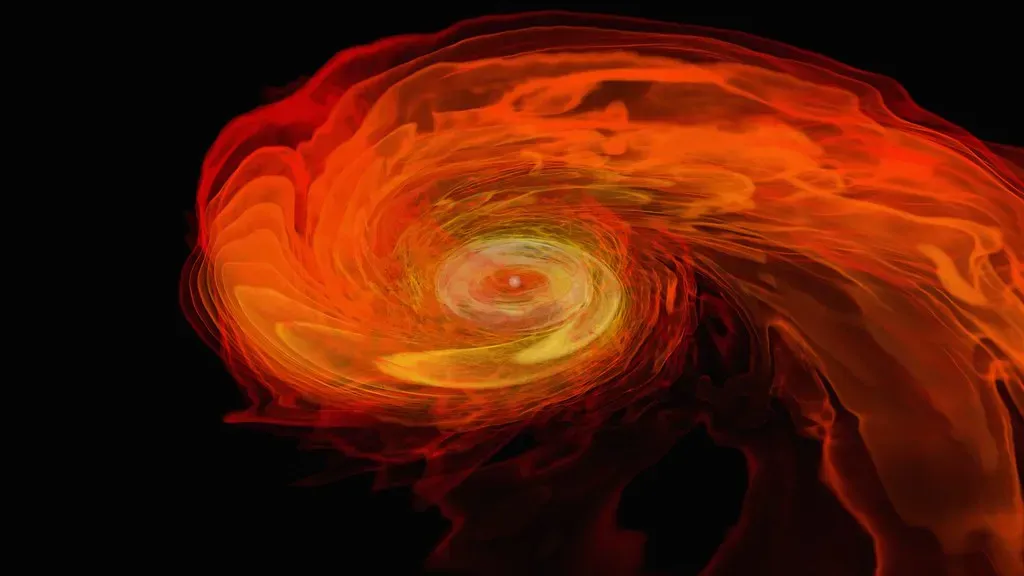
Popular depictions often show an object falling into a black hole and simply vanishing at the horizon, as if crossing some visible line. From the outside, that is not really what happens. Because of how gravity bends time near a black hole, an outside observer would see anything approaching the horizon appear to slow down and fade rather than cross a clean boundary in an instant, a consequence of extreme gravitational time dilation rather than any dramatic disappearing act.
From the perspective of whatever is actually falling in, the experience would be different again, and for a large enough black hole, crossing the horizon itself might not even feel like anything special happens at that exact moment. The dramatic effects come later, deeper inside. This mismatch between what an outside observer sees and what an infalling object experiences is one of the more genuinely strange, and frequently oversimplified, aspects of black hole physics.
8. The black hole information paradox is still unresolved
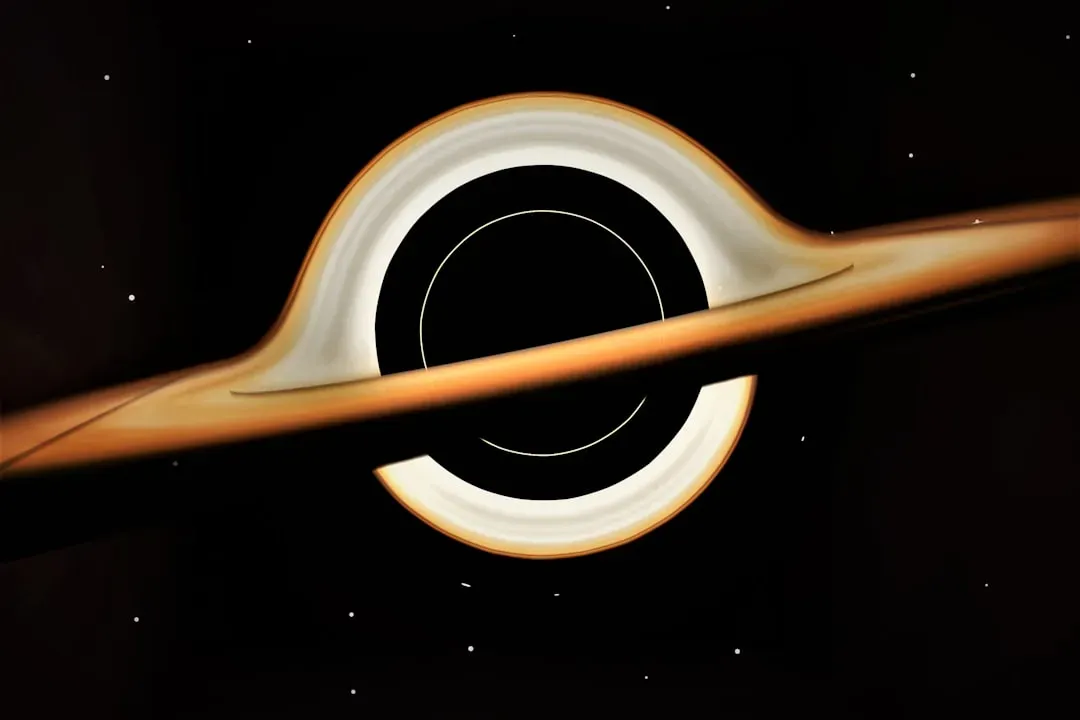
Many people assume physicists settled the question of whether information is destroyed inside a black hole. It has not been settled. Nearly 50 years ago, Hawking argued that black holes cause pure states to evolve into mixed states, a claim that effectively suggested information could be permanently lost when matter falls in and the black hole eventually evaporates through Hawking radiation.
That idea directly clashes with quantum mechanics, which insists information cannot simply vanish from the universe. A 2025 paper on the topic, part of a dedicated special issue in the journal Entropy, underscores that this remains an active area of theoretical debate rather than a closed case. Various proposed resolutions exist, from holographic principles to modified black hole interiors, but no single explanation has become the accepted consensus among physicists.
9. Black holes might double as tools for studying dark matter
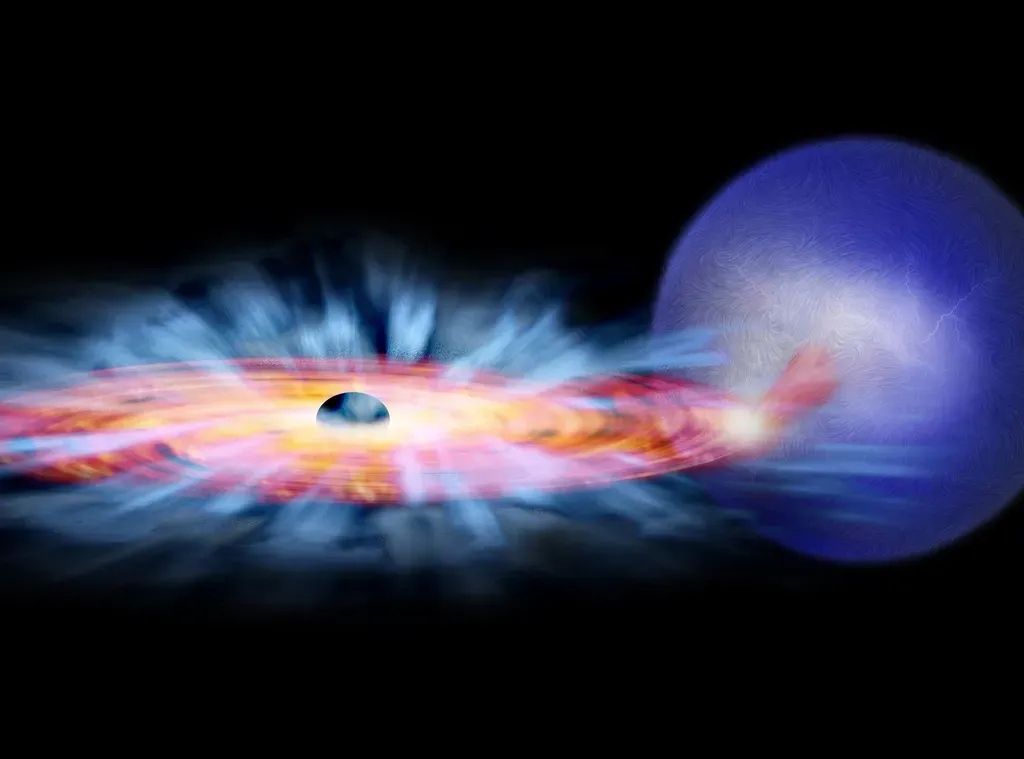
It is easy to think of black holes purely as objects to be explained, rather than instruments that can help explain something else entirely. Recent work flips that framing. According to a 2025 Physical Review Letters study, black holes could help solve the dark matter mystery, since the shadowy regions in black hole images captured by the Event Horizon Telescope can act as ultra sensitive detectors for the invisible material that makes up most of the universe’s matter.
Dark matter itself remains one of astronomy’s biggest open questions. Dark matter makes up roughly 85% of the universe’s matter, but scientists still don’t know what it actually is. The idea that a black hole’s shadow, the same dark region photographed by the EHT, might reveal signs of dark matter annihilation is a fairly recent twist, and it turns black holes from mysteries into potential research tools in their own right.
Taken together, these corrections do not make black holes any less strange. If anything, the real science is stranger than the shorthand version most of us grew up with, full of shifting magnetic fields, unresolved paradoxes, and mass ranges that were supposed to be off limits until they weren’t. What is changing is not the black holes themselves, but how much more precisely astronomers can now watch them behave.