

The comforting phrase that lulls people into complacency
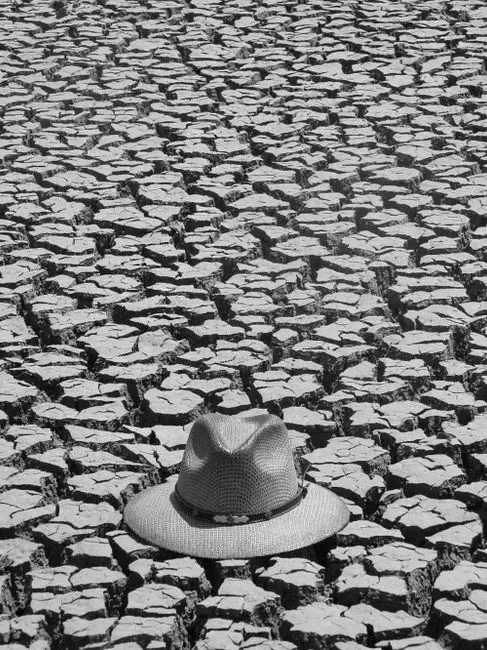
The line about dry heat being more tolerable did not come from nowhere. There is a kernel of truth in it, since sweat does evaporate faster when the air holds less moisture, and that evaporation is genuinely the body’s main cooling mechanism. The problem is that this partial truth gets stretched into a much bigger claim, one suggesting that dry heat is somehow safe or manageable at any temperature.
That stretch is where the danger lives. People who repeat the phrase often use it to justify skipping precautions they would otherwise take in a humid climate, like carrying water or limiting time outdoors. A saying meant to explain a physiological nuance ends up functioning as permission to ignore the thermometer altogether.
What scientists actually mean by dry heat
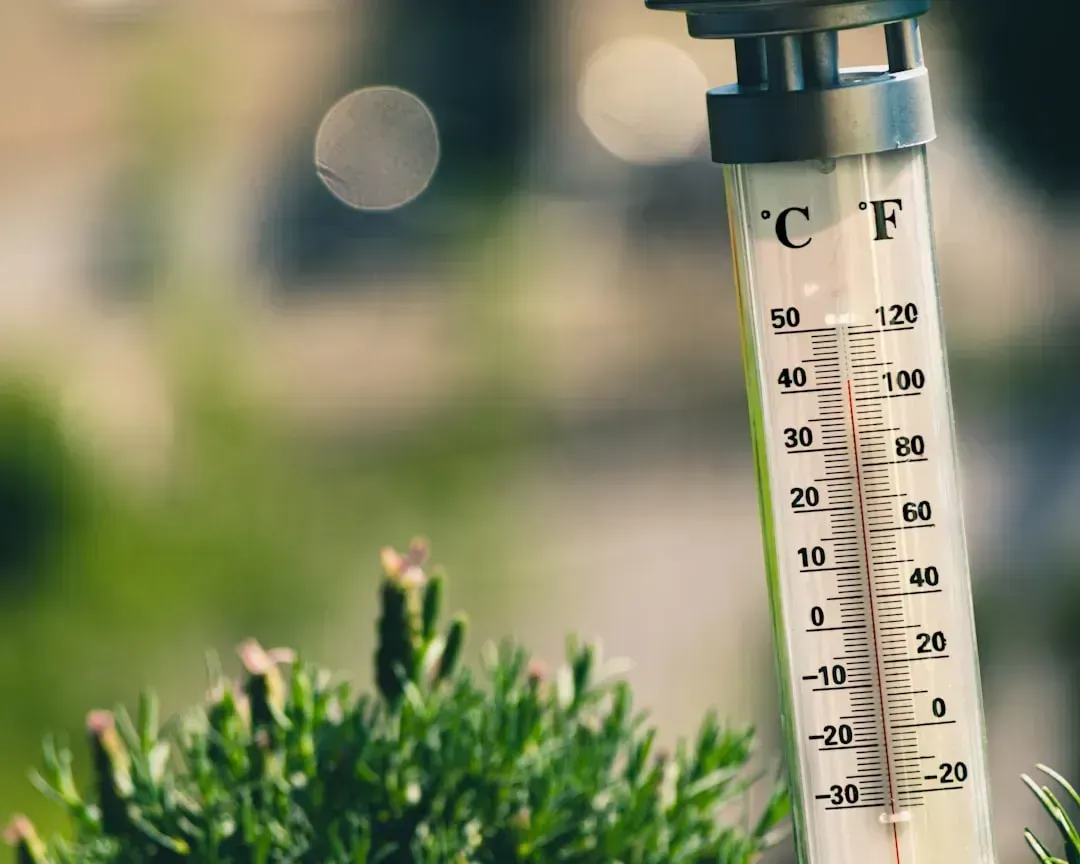
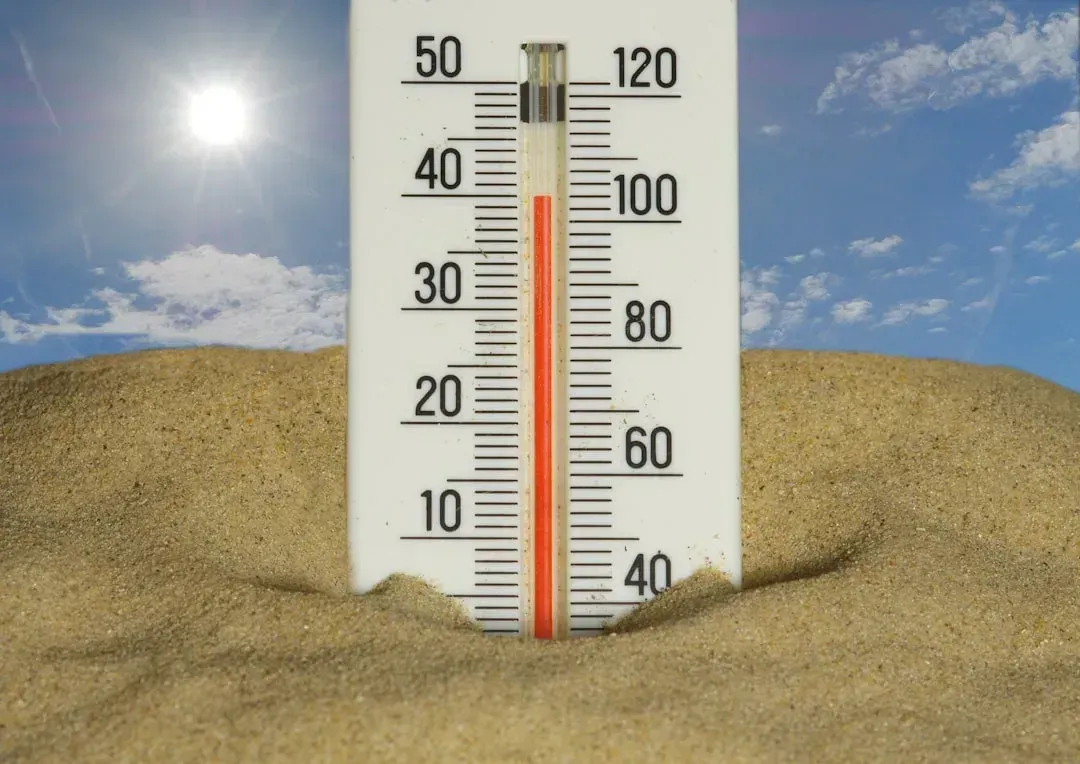
When meteorologists talk about dry heat, they are usually referring to dry bulb temperature, which is simply the number you see on a standard thermometer. Dry-bulb temperature is what we usually use to refer to the measurement of ambient air temperature. It says nothing on its own about how much moisture is in the air or how effectively a body can cool itself.
The more medically relevant measurement is wet bulb temperature, which factors in humidity by wrapping a thermometer bulb in a damp cloth. It combines humidity and temperature to better reflect heat stress on humans, as the body’s ability to cool itself through sweating is reduced at higher humidity. In dry conditions, that wet bulb reading drops well below the air temperature, which is exactly why 115 degrees in Phoenix and 100 degrees in Houston can feel and behave so differently on paper, even if both are dangerous in practice.
The hydration trap hiding inside every dry summer day

Here is the part that rarely makes it into casual heat talk. When sweat evaporates almost instantly off the skin, a person can lose enormous amounts of fluid without ever feeling visibly drenched. In a humid climate, sweat pools and clings, giving an obvious visual cue that the body is working hard. In dry air, that same volume of sweat vanishes so quickly that many people underestimate how much water they have actually lost.
Medical experts have pointed out that this fluid loss is often the very first threat to the body’s ability to function safely in the heat, regardless of how comfortable the air feels. This is important because dehydration is the first threat to our ability to function in heat. Someone can walk around all day in dry heat feeling relatively fine, right up until dizziness, cramping, or confusion arrive with little warning.
Acclimatization has limits that dry heat quietly exposes
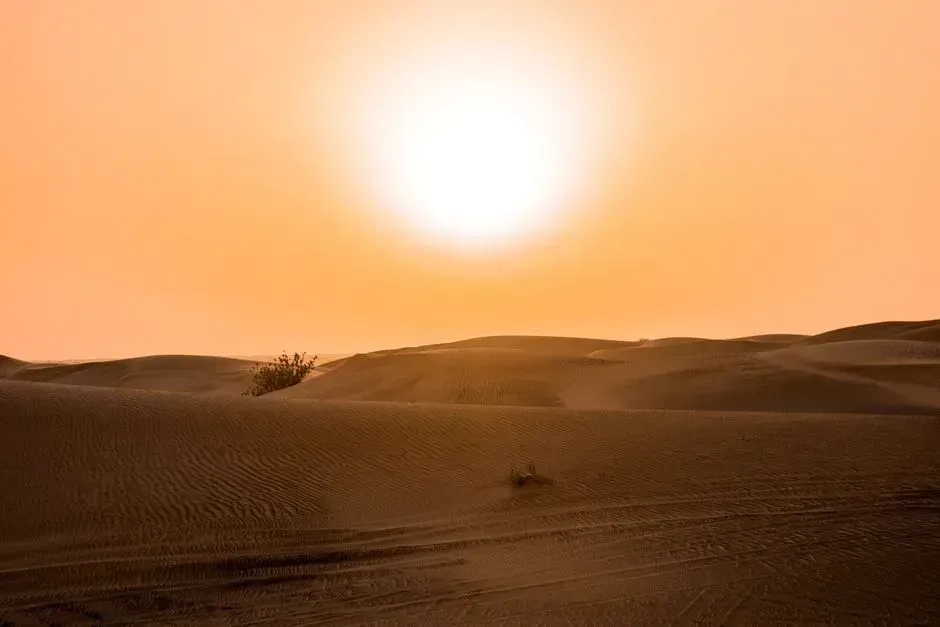
Longtime desert residents often assume that years of living through triple digit summers have made their bodies tougher, and to some extent that is true. Repeated heat exposure does trigger real physiological adaptations, like earlier and more efficient sweating. But that adaptation only stretches so far before it simply runs out of room to help.
Public health officials in Arizona have noted that familiarity with extreme heat can create a false sense of tolerance among longtime residents. Phoenix residents who have lived in the Valley for years may underestimate the danger at temperatures above 110°F. Familiarity with summer heat can create a false sense of tolerance. Heat illness is not purely a question of experience or toughness, since at high enough temperatures, the body’s cooling mechanisms can be overwhelmed regardless of prior experience.
When the ground itself becomes a weapon
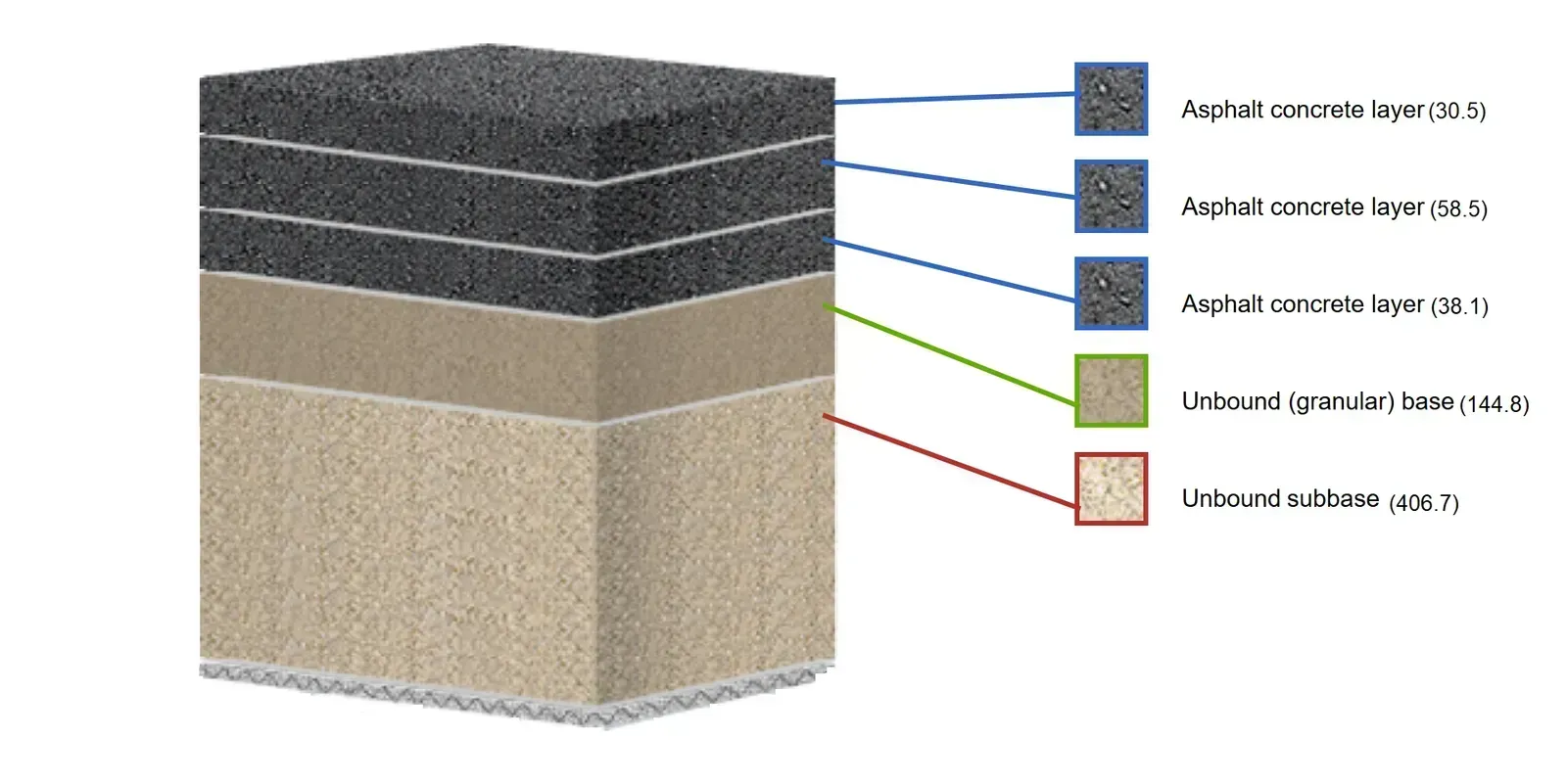
Dry heat has a side effect that humid climates rarely produce in the same way, and it has nothing to do with sweat at all. Asphalt and concrete absorb sunlight extremely efficiently, and in a place with intense, unfiltered desert sun, surface temperatures climb far beyond the air temperature reported on the news. Asphalt’s dark color and the nature of its ingredients make it absorb 95 percent of the solar radiation that hits it.
Pavement in direct summer sun in cities like Phoenix can reach temperatures close to 180 degrees Fahrenheit, hot enough that young children, older adults and homeless people are especially at risk for contact burns, which can occur in seconds when skin touches a surface that hot. In one recent Phoenix summer, hospitals reported that since the beginning of June, 50 people have been hospitalized with such burns, and four have died at a single regional medical center. A simple stumble on a sidewalk, something that would be a minor scrape almost anywhere else, becomes a medical emergency in dry desert heat.
The nights that never really cool down
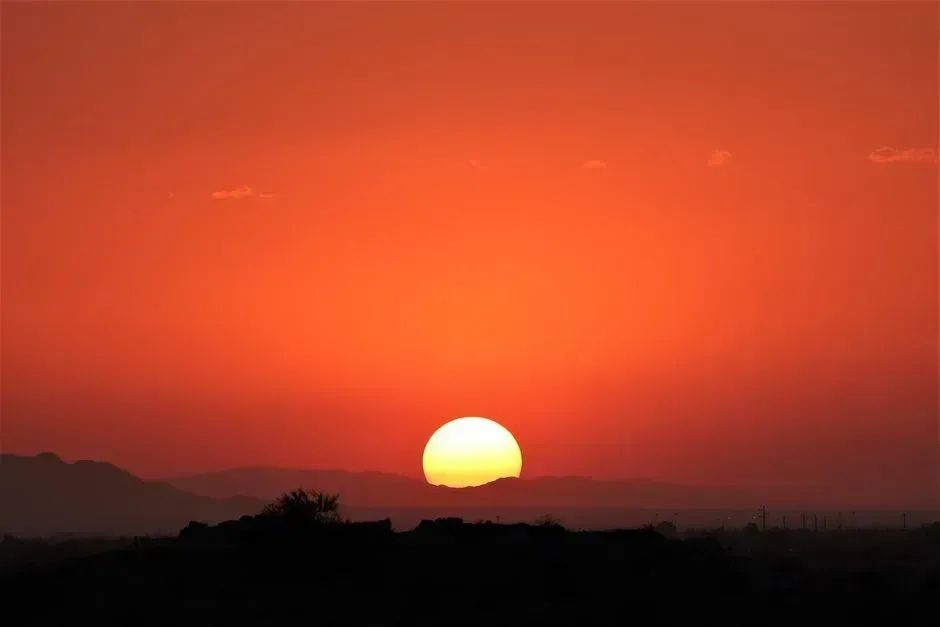
One thing humid climates often get, even during brutal heat waves, is a bit of overnight relief as moisture in the air interacts with cooling temperatures. Extremely dry regions can lose that cushion entirely. During a recent extreme heat stretch in Phoenix, meteorologists noted that the city had received only a small fraction of its expected summer rainfall by mid July.
That lack of rain has consequences beyond drought concern alone. Phoenix has received only 0.32 inches of rain in all of 2026, far below the expected 3-plus inches by this point in July. The exceptionally dry conditions reduce overnight humidity and evaporative cooling effects that normally provide some relief. Without that modest nighttime dip, bodies and homes never fully recover before the next scorching day begins, and that cumulative strain adds up fast.
Who actually pays the highest price
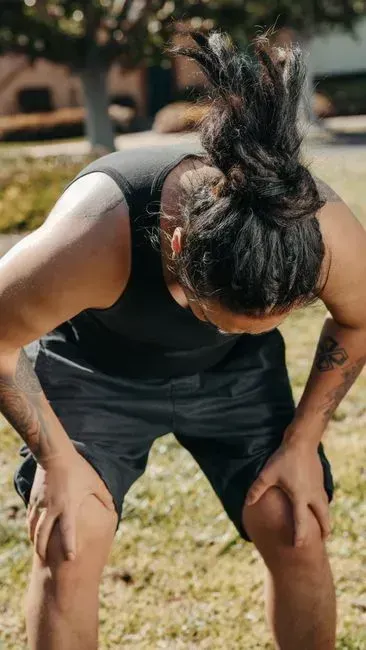
Dry heat danger is not distributed evenly across a population. Some groups face structurally higher risk regardless of how careful they try to be, largely because their bodies or circumstances leave less margin for error. This includes children, older adults, pregnant people, outdoor workers, athletes, and people without access to cooling.
People experiencing homelessness face a particularly brutal version of this risk, since they often cannot escape peak afternoon heat at all. Burn center data from the Southwest shows that unhoused individuals make up a disproportionate share of severe heat injury cases, and homeless people are also disproportionately affected, accounting for around 30% of the patients treated last year. Older adults carry their own burden too, since falls combined with hot pavement can turn a routine stumble into a life threatening injury.
What the death toll numbers actually show
Skeptics of the danger sometimes point to the fact that dry desert cities have thrived for decades despite the heat. The mortality data tells a more complicated story, one that has shifted considerably over the past ten years. Metro Phoenix has seen heat-related deaths rise dramatically over the last decade. In 2014, there were 61 deaths. In 2024, there were 608.
The most recent seasons have not offered much comfort either. Maricopa County recorded 645 people lost their lives in Maricopa County due to the heat in 2023, and by 2025 officials confirmed roughly 430 heat related deaths in the county, with early 2026 tracking data showing the toll running even higher than the year before at the same point in the season. Health officials have also noted that more than three-quarters of the deaths happened outdoors, a detail that undercuts the idea that simply being acclimated to the region offers meaningful protection.
Everyday habits and medications that quietly raise the risk

Dry heat danger rarely acts alone. It tends to interact with ordinary parts of daily life that people do not usually connect to heat illness at all, from common medications to simple lifestyle habits. Certain drug classes interfere directly with the body’s ability to regulate temperature or retain fluid, which becomes especially risky in an environment where dehydration already sneaks up unnoticed.
Public health guidance consistently flags a familiar list of culprits, noting that medications that suppress thirst, dehydrate, or interfere with the body’s ability to regulate heat increase your risk of suffering a heat-related illness: antihistamines, decongestants, ADD/ADHD medications, antidepressants, overactive bladder medications, heart medications, and psychotropic medications. Alcohol use compounds the problem further, since drinking alcohol within 24 hours of working in the heat can increase the risk of dehydration and heat illness. None of these risk factors are unique to dry climates, but the deceptive comfort of low humidity makes people far less likely to notice trouble building until it has already arrived.
Rethinking a phrase that has outlived its usefulness
The saying about dry heat was never entirely wrong, just badly incomplete. Lower humidity really does help sweat evaporate and really does make certain temperatures more survivable than the same number would be in a swamp like climate. The mistake is treating that partial advantage as a blanket safety guarantee, when in practice it hides some of the clearest warning signs the body would otherwise give.
Anyone living in or traveling through a hot, arid region would do well to treat the phrase as a half truth rather than a rule of thumb. Hydration schedules, shade planning, and awareness of pavement and vehicle interiors matter just as much in the desert as they do anywhere else, arguably more, since the usual cues that something is wrong tend to arrive later and with less warning. The next time someone shrugs off a triple digit forecast with that familiar line, it might be worth remembering just how much that comfort has quietly cost.

- The Shoreline Sucked Dry in Seconds – 5 Tsunami Signals Beachgoers Mistake for Low Tide - November 14, 2026
- 9 Dark-Sky Destinations Around the World Where the Stars Look Unreal - November 14, 2026
- The Fault Line That Never Slips – 7 Locked Seismic Zones Overdue for a Massive Release - November 14, 2026
