


- NASA invites students to design a moon base in $1 million challenge - November 11, 2026
- Why Some People Can Feel a Storm in Their Joints, According to Experts - November 11, 2026
- 7 Foods That Taste Better on a Rainy Day, According to Chefs - November 11, 2026
Mountain ranges often create striking contrasts in climate, with one side supporting dense forests and abundant rainfall while the opposite slope remains arid and sparse. This phenomenon, known as a rain shadow, arises from the way air masses interact with topography. It shapes landscapes across the globe and influences everything from plant life to local water supplies.
Travelers crossing certain passes notice the shift almost immediately, moving from misty woodlands into dry expanses within a short distance. The effect stems from fundamental atmospheric processes rather than random chance. Understanding these dynamics reveals why some regions thrive while others struggle with limited moisture.
Understanding the Basic Mechanism
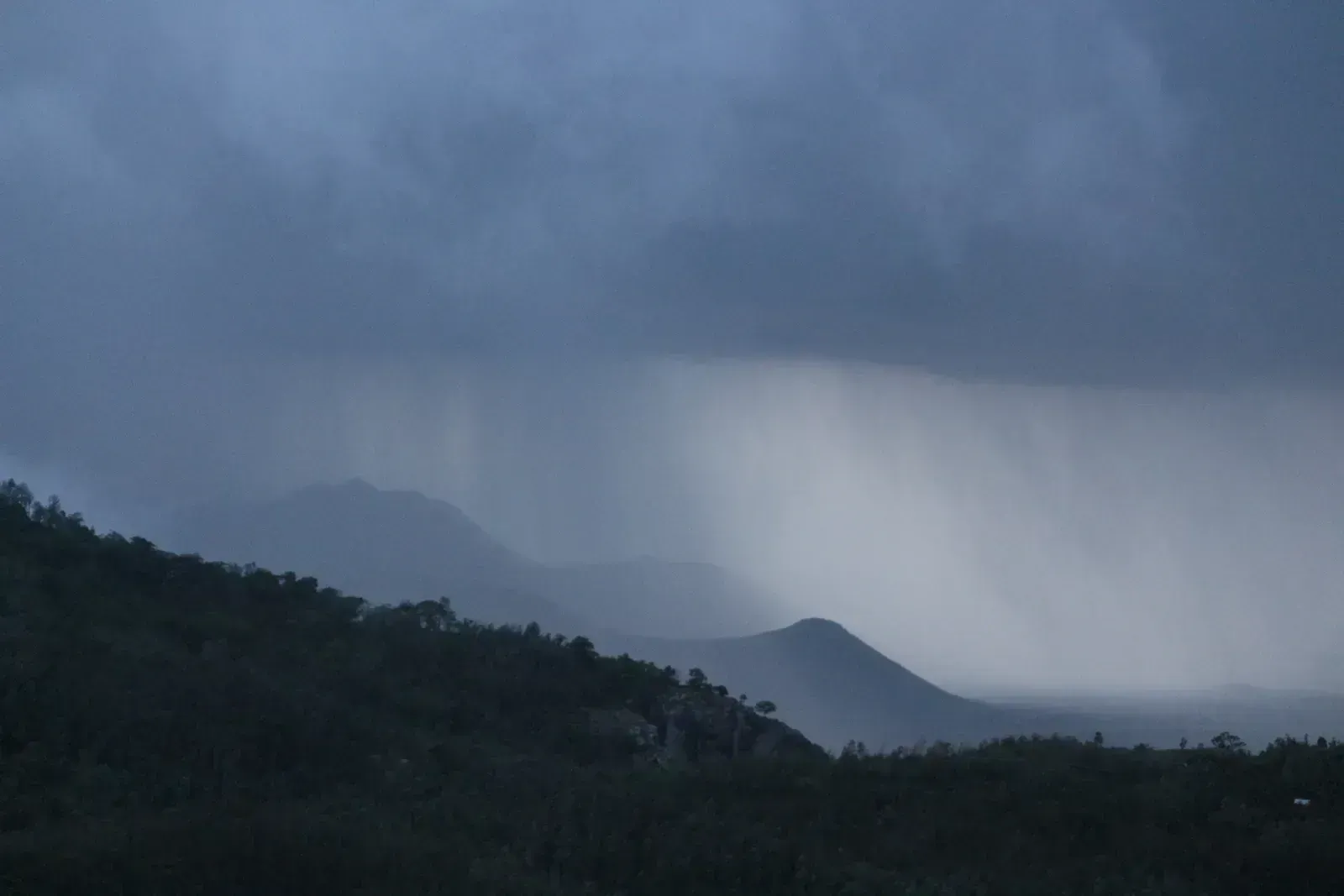
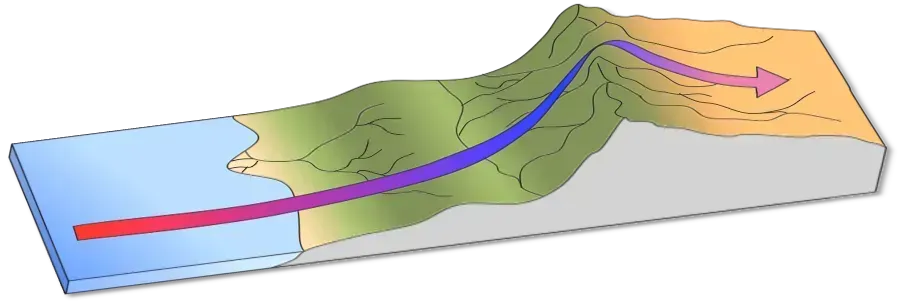
Prevailing winds carry moist air toward a mountain barrier, forcing it upward along the slopes. As the air ascends, it expands and cools due to lower pressure at higher elevations. This cooling triggers condensation, forming clouds and eventually releasing precipitation on the facing side.
The process depends on consistent wind directions and sufficient moisture in the incoming air. Without these conditions, the contrast between sides would be far less pronounced. Mountains act as natural barriers that redirect atmospheric flow in predictable ways.
The Process of Air Rising and Cooling
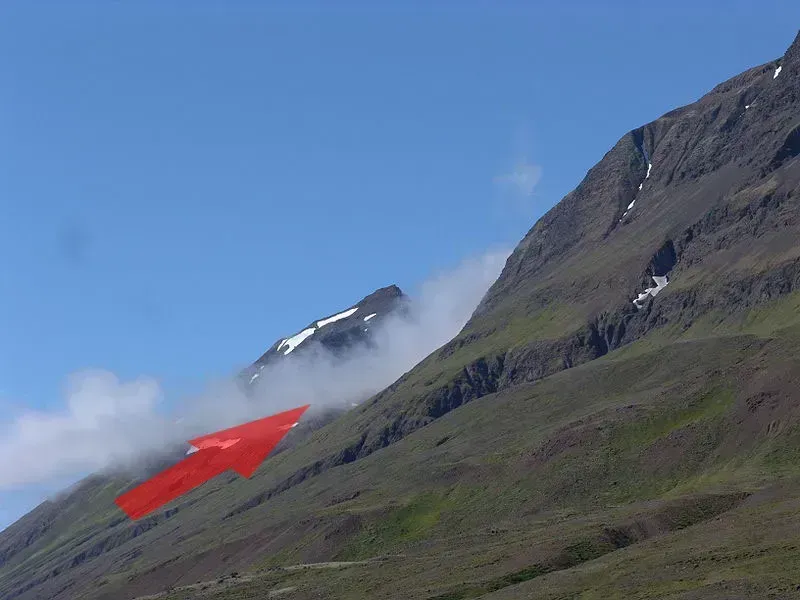
When moist air encounters rising terrain, it has nowhere to go but up, a movement called orographic lift. The temperature drops roughly six degrees Celsius for every thousand meters of elevation gain. This steady cooling reduces the air’s capacity to hold water vapor.
Cloud formation begins once the air reaches its dew point, the temperature at which saturation occurs. Observers often see thick cloud banks hugging the windward slopes during these events. The physics involved follows basic gas laws that apply universally in the atmosphere.
Precipitation on the Windward Slopes
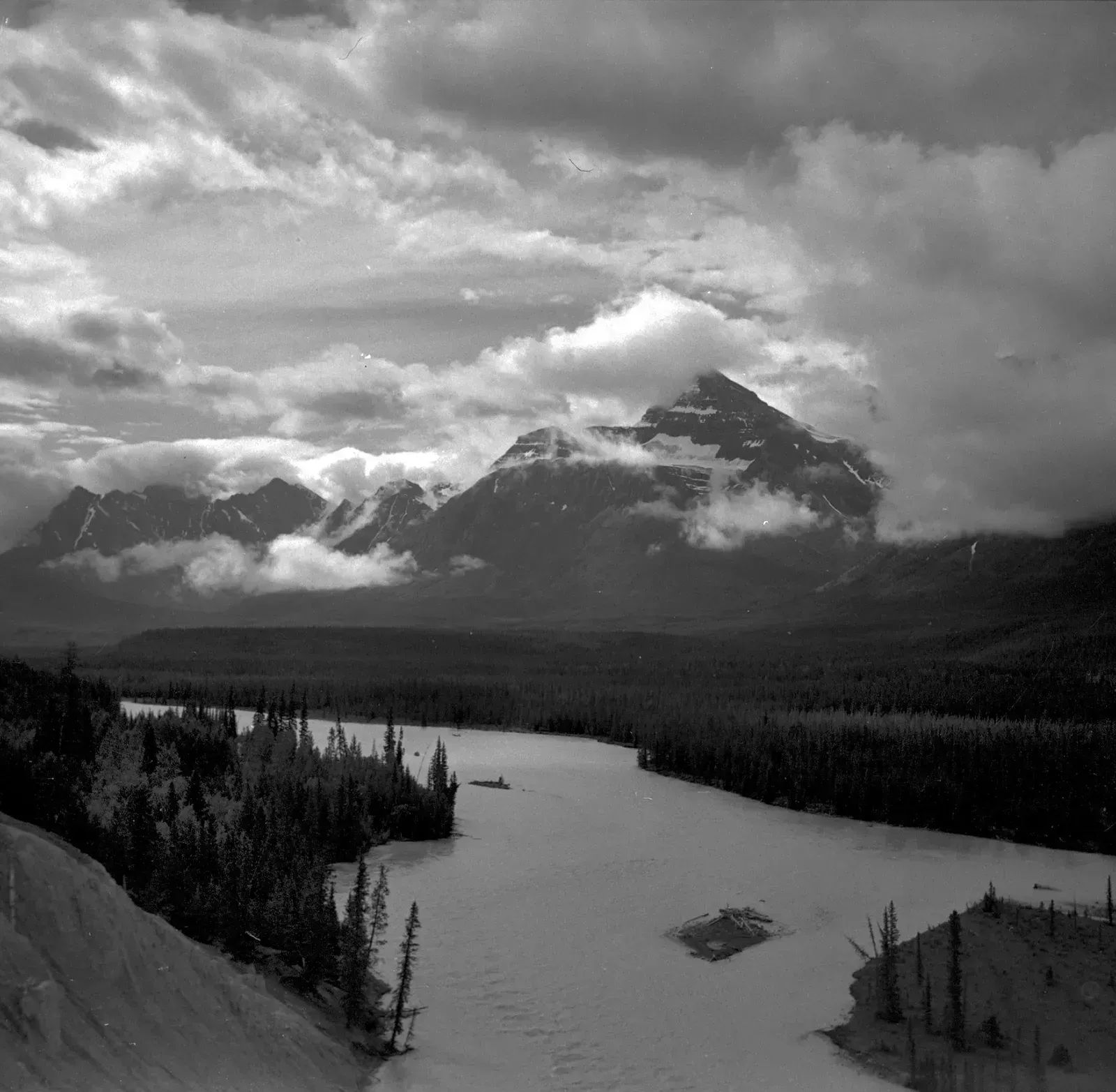
Once clouds develop, rain or snow falls as the air continues to rise and cool further. Heavier precipitation tends to concentrate at mid-elevations where the cooling effect peaks. This creates lush conditions with reliable water sources for vegetation and streams.
Many windward regions receive several times more annual rainfall than surrounding lowlands. The extra moisture supports rich soils and diverse ecosystems over time. Records from weather stations confirm these patterns hold across multiple decades of observation.
The Descent of Dry Air on the Leeward Side
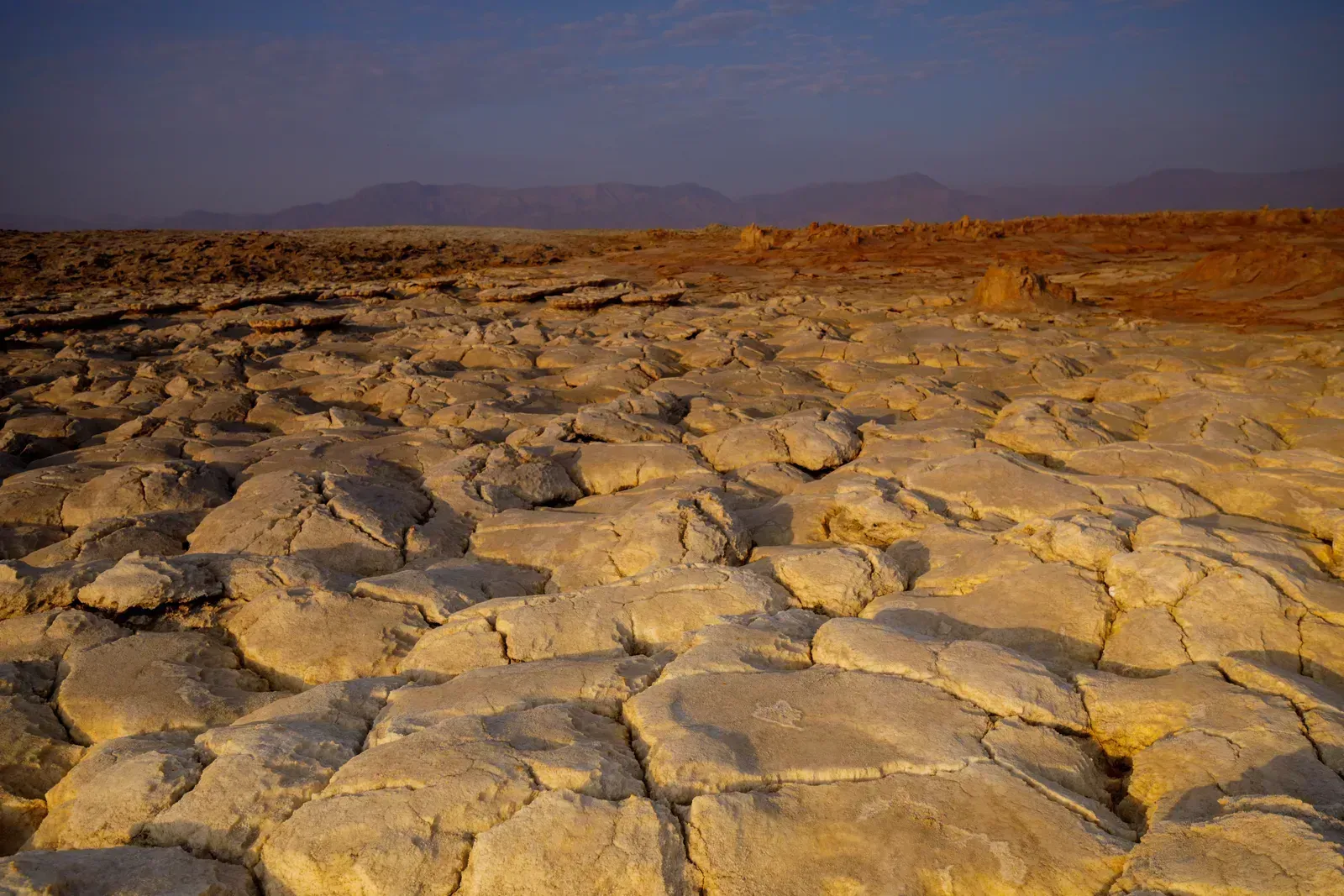
After losing most of its moisture, the air descends the opposite slopes and compresses under increasing pressure. Compression warms the air, allowing it to hold more water vapor without releasing any. This warming and drying effect intensifies as the air sinks toward lower elevations.
The result is clear skies and minimal chance for new cloud development on the leeward side. Deserts often form in these zones because the air arrives already depleted of moisture. The temperature increase can reach several degrees, further suppressing rainfall.
Real-World Examples from Major Mountain Ranges
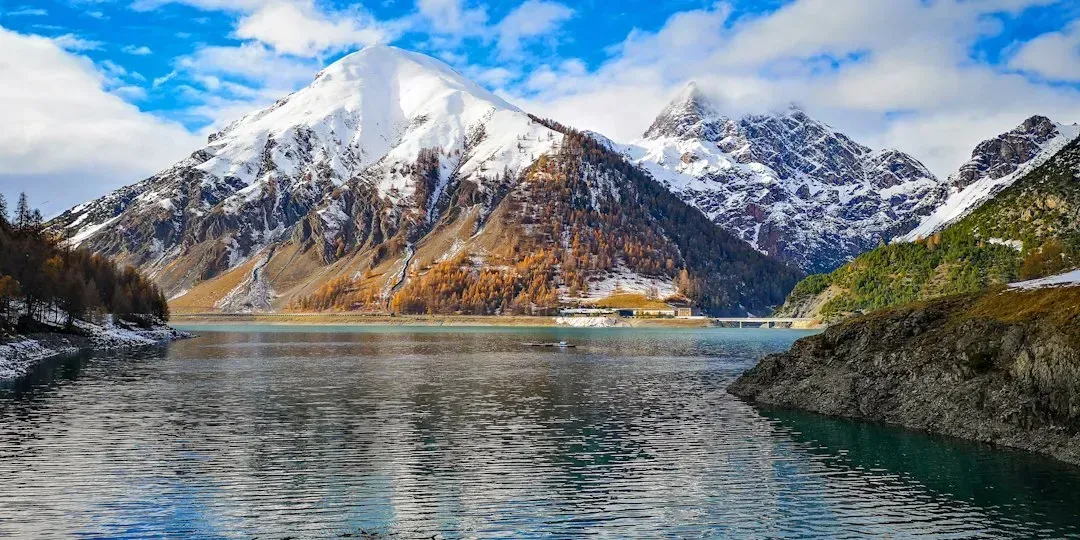
The Sierra Nevada in California demonstrates the effect clearly, with heavy snow and forests on the western side giving way to the dry Great Basin to the east. Similar patterns appear in the Andes, where the Atacama Desert sits in the rain shadow of the peaks. The Himalayas create arid conditions in parts of Tibet while supporting monsoon-fed greenery on their southern flanks.
These examples span different continents and climates yet follow the same underlying rules. Data from long-term monitoring stations show consistent differences in annual precipitation totals between the two sides. The scale of the mountains determines how far the shadow extends across the landscape.
Ecological Consequences of Rain Shadows
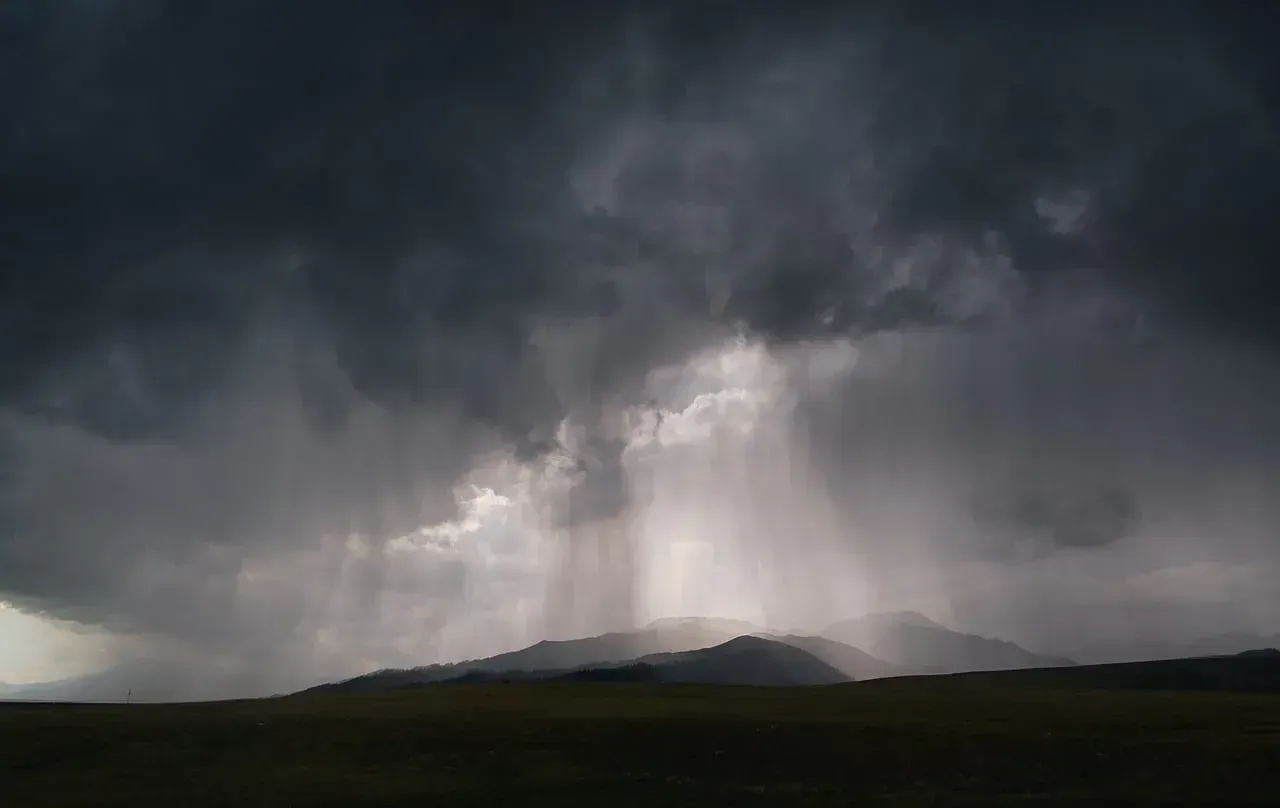
Windward slopes often host dense coniferous forests and abundant wildlife due to steady water availability. In contrast, leeward areas support drought-adapted plants such as cacti and shrubs that conserve moisture efficiently. Biodiversity tends to be lower in the drier zones because fewer species can survive the limited rainfall.
Soil development also differs markedly, with richer organic layers forming where rain falls regularly. Streams and rivers originating on the wet side may dwindle quickly once they cross into the shadow region. These ecological divides create distinct habitats separated by just a few kilometers of terrain.
Human Adaptations and Challenges
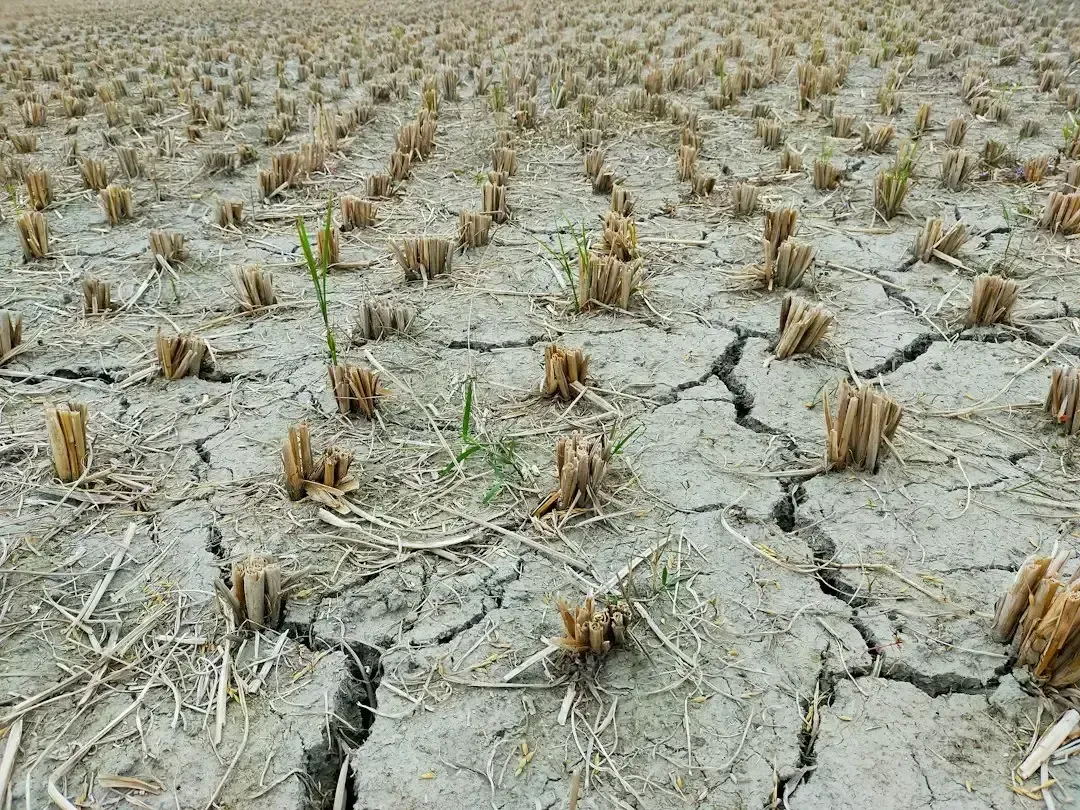
Communities on the wet side often rely on agriculture and forestry that benefit from reliable precipitation. Settlements in the rain shadow must develop irrigation systems or focus on activities suited to arid conditions, such as ranching or mining. Water rights and management become critical issues where supplies are scarce.
Historical records show that some civilizations flourished by harnessing mountain runoff while others faced repeated droughts in shadowed areas. Modern infrastructure like reservoirs helps mitigate the imbalance, yet the fundamental contrast remains. Planning for these differences improves long-term sustainability in affected regions.
The Lasting Influence of Rain Shadows
Rain shadows continue to shape weather patterns and landscapes in ways that affect daily life across many continents. Their influence extends beyond immediate slopes to influence regional climates and resource distribution. Recognizing these patterns helps explain why certain areas remain green while others stay brown year after year.
The interplay between mountains and atmosphere offers a clear reminder of how topography steers natural processes. Appreciating this dynamic encourages thoughtful approaches to land use and conservation in varied environments. Ultimately, rain shadows highlight the elegant yet powerful role of elevation in determining where moisture falls.
