


- 10 Traditional Building Techniques From Hot Climates Architects Are Revisiting - November 10, 2026
- 2026 Atlantic hurricane season winding down? El Niño eases late-season storm threat - November 10, 2026
- Could the Great Pacific Garbage Patch be altering the ocean’s color? - November 10, 2026
Mountain snow is easy to think of as scenery or a ski-season bonus. In fact it works like a slow-release reservoir, holding winter precipitation in the high country and letting it go through spring and summer. As the planet warms, that reservoir is changing in how much it holds, how long it lasts and when it empties.
The picture isn’t the same everywhere, and the research reflects that. Some ranges are losing snow quickly, others more slowly, and a few measurements are still debated. What follows sticks to what published studies and agencies have found.
Why Warmer Air Matters More Than Total Precipitation
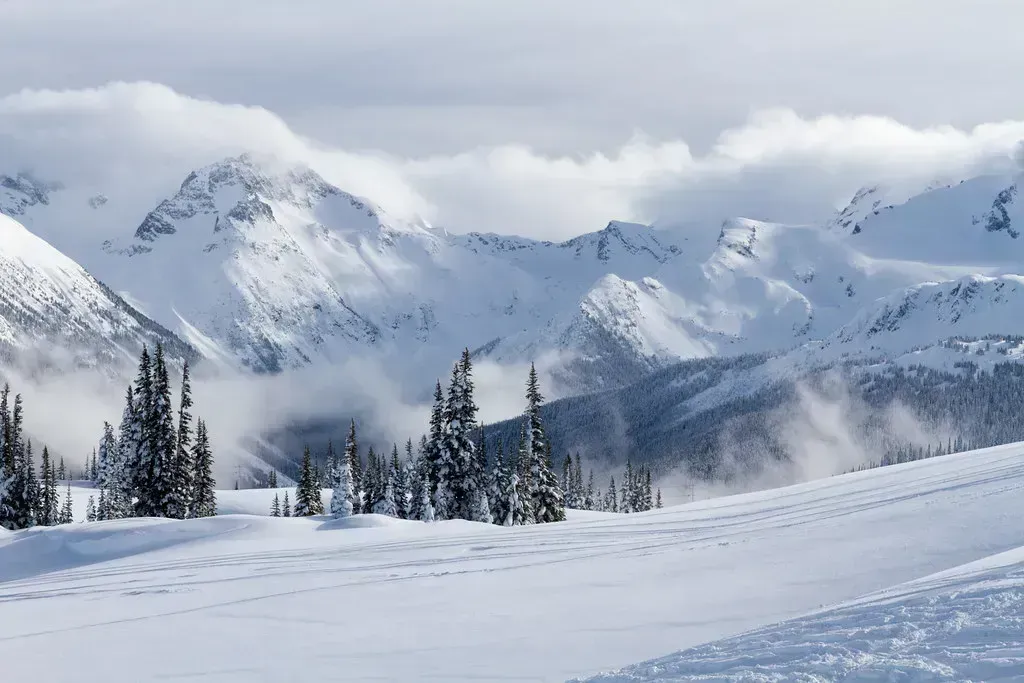
Snowpack depends on temperature as much as on how much falls from the sky. A storm that drops snow at 0 °C can fall as rain at 2 °C. That is why a mountain range can get a normal amount of precipitation and still end up with a thin snowpack.
A study in npj Climate and Atmospheric Science reported that mountains warmed at a mean rate of 1.19 °C from 1979 to 2022 (a mean global warming rate of 1.19 °C from 1979 to 2022). Even small shifts like this can push marginal elevations past the freezing threshold. The effect is strongest where winters are already mild.
More Rain, Less Snow
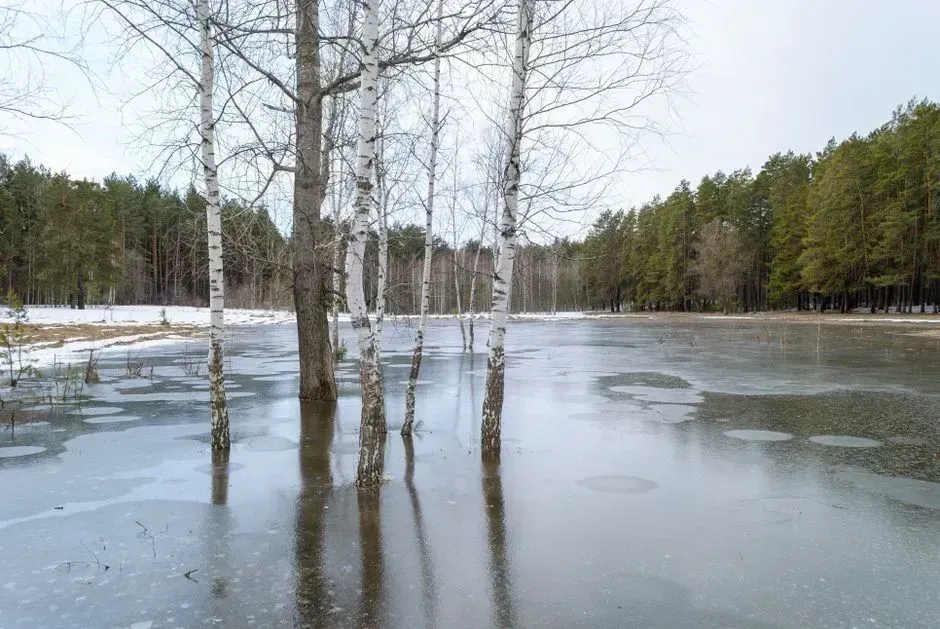
When the rain-snow line climbs, water that once stayed frozen runs off right away. USGS researchers working in the Rocky Mountains have linked snowpack decline there to unusual springtime warming, more precipitation falling as rain rather than snow, and earlier snowmelt. These changes feed one another.
The consequences reach beyond skiing. Rain on snow can speed up melt and raise flood risk, and it removes water from storage that downstream communities count on later in the year. Because the snow never accumulates, the loss shows up as lower summer flows rather than as a dramatic single event.
Earlier Melt and a Shorter Snow Season
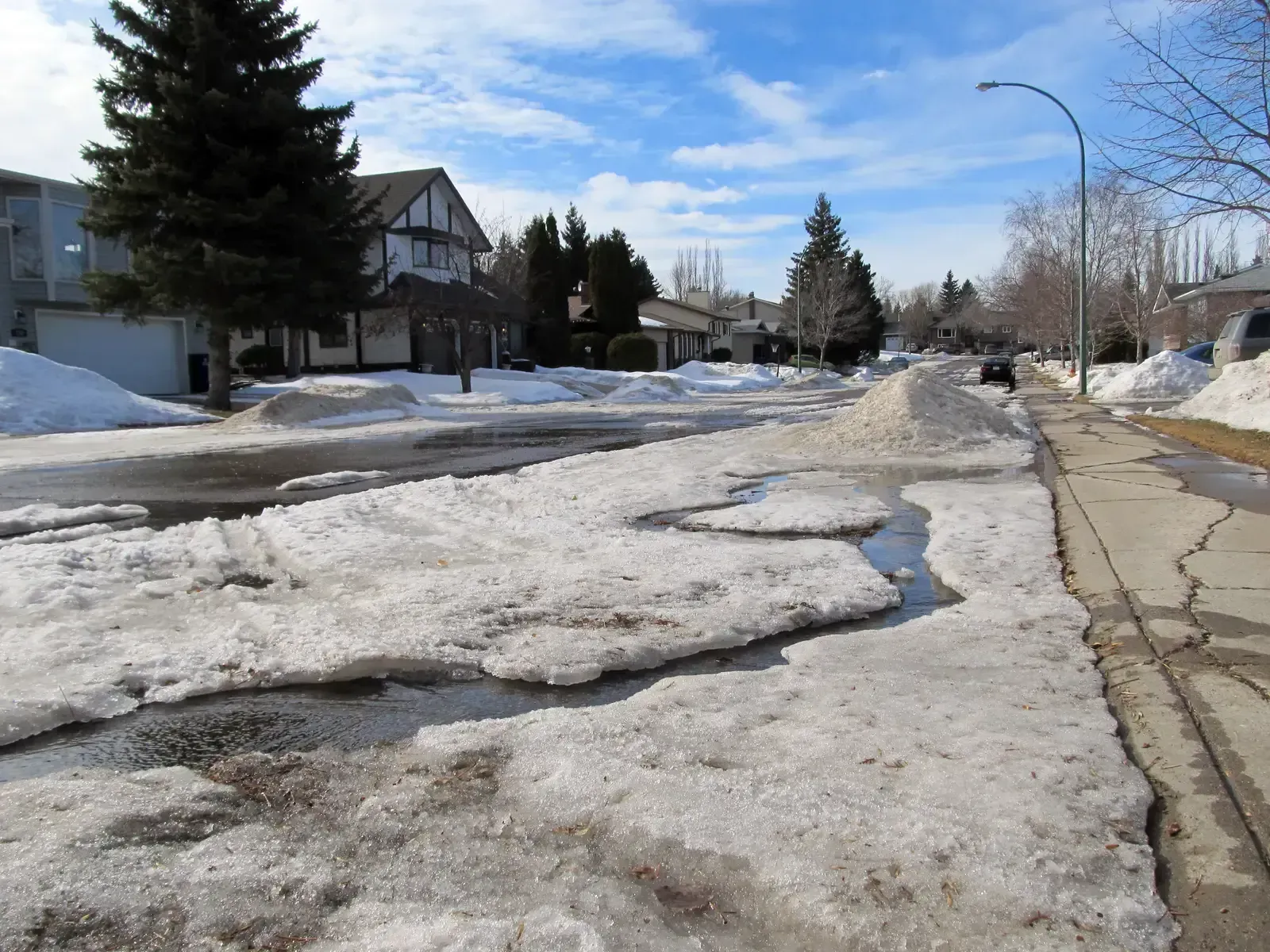
Warming also moves the calendar. Scripps Oceanography scientists noted that some regions can see snowpack melt a month earlier, while others have been relatively unaffected as temperatures rose. The date when all winter snow has melted is a useful measure, because it shows how much time the snow store has left.
Their analysis of nearly four decades of Western U.S. observations found the fastest changes in coastal regions and the south, with smaller changes in the northern interior. In practical terms, the Sierra Nevada, the Cascades and southern Arizona mountains look more vulnerable than the Rockies or Utah’s ranges (much more vulnerable to rising temperatures).
What the Western United States Has Already Lost
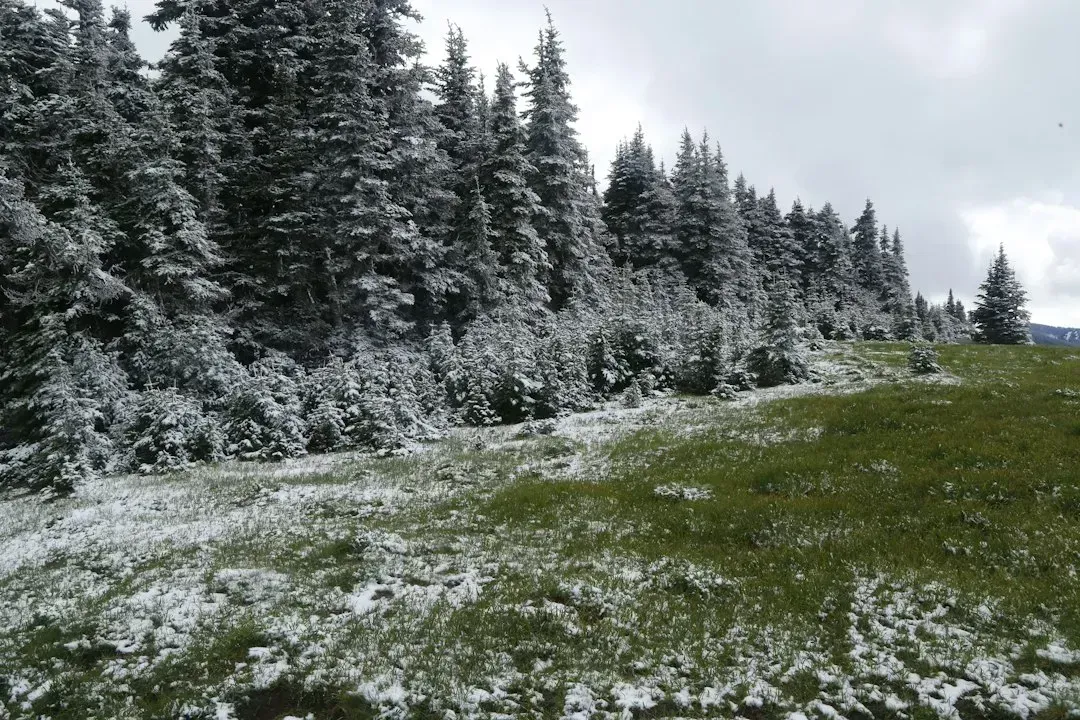
The Western U.S. is among the best-studied cases. One analysis found that total snowpack there declined by roughly 15 to 30 percent, a volume of water comparable to the West’s largest man-made reservoir, Lake Mead. The declines were largest in spring, in the Pacific states and in locations with mild winters (largest in spring, in the Pacific states, and in locations with mild winter climate).
Attribution studies point to human influence. An international team including a Lawrence Livermore scientist estimated that up to 20 percent of the loss in annual maximum snowpack water over three decades was due to human activity. Their projection was that a further loss of up to 60 percent could occur within 30 years, based on the snowpack’s state at that time. That is a projection, not a certainty, and it depends on emissions.
The Rockies in a Longer Perspective
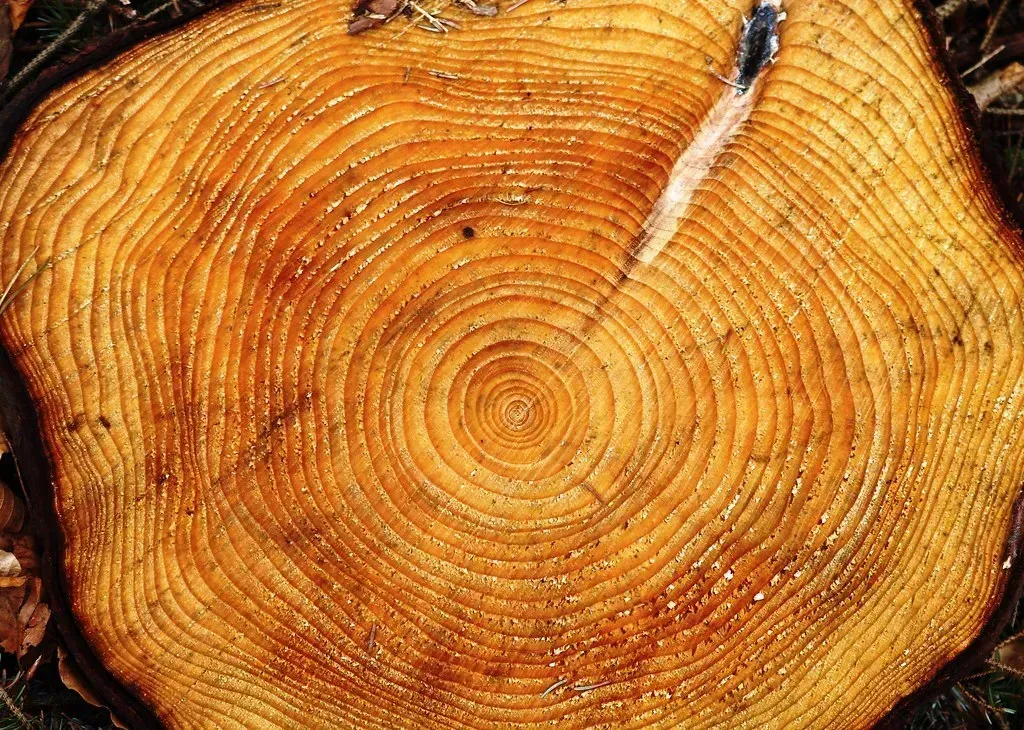
Tree rings give scientists a way to check whether modern declines are just natural swings. The USGS team used 66 tree-ring chronologies reaching back 500 to more than 1,000 years. They concluded that the last three decades of decline were unusual compared with the past few centuries.
The northern Rockies have been hit hardest. According to the lead author, much of that region sits at lower, warmer elevations, which makes its snowpack more sensitive to seemingly small increases in temperature. A single big snow year in the north, he noted, was only a blip in a century-long decline.
The European Alps and Ski Tourism
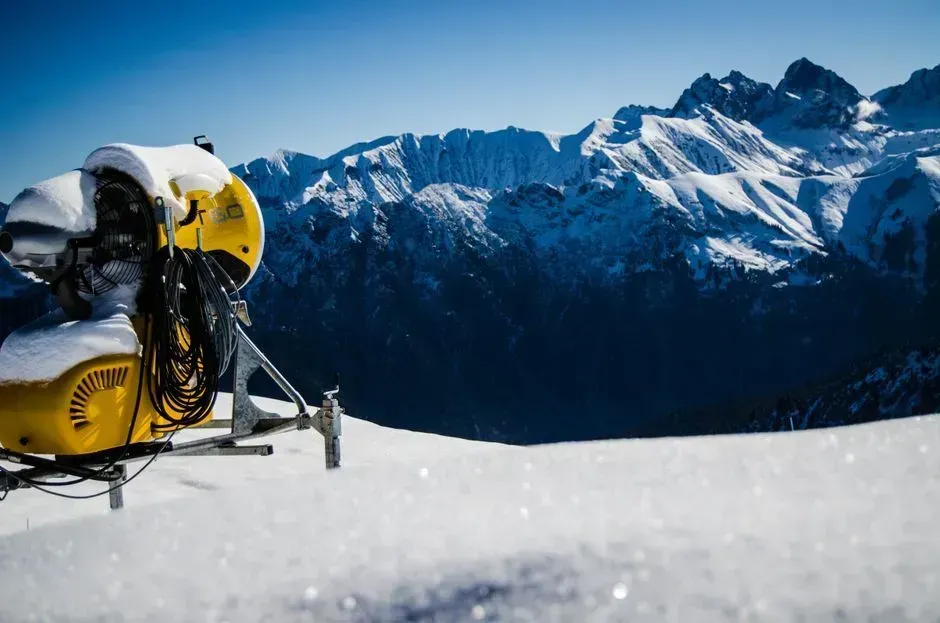
Alpine research shows a similar trend. A 2026 remote sensing study used Landsat data from 1985 to 2024 across 43 basins and found that snow reliability has decreased in nearly all Alpine ski areas. The strongest losses came late in the season and at the geographic edges of the range.
The economic stakes are high because the Alps are described as the largest winter tourism destination in the world by revenue. The authors note that several smaller ski areas have closed permanently since 1980. They also report that all Alpine regions face rising costs from growing reliance on snowmaking.
A Global Pattern With Uneven Results
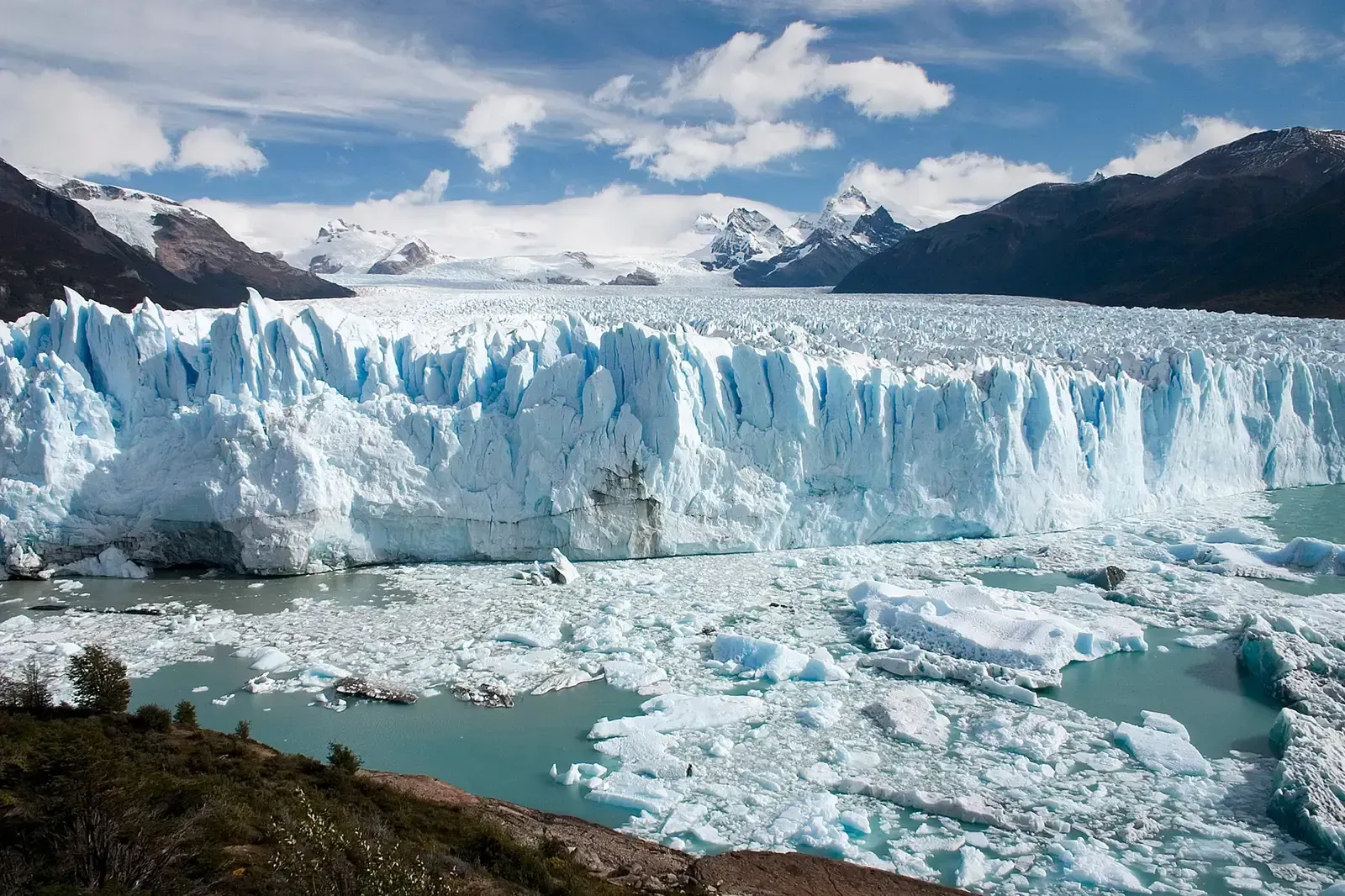
Worldwide, the trend points down, but not uniformly. A 2024 study of snow that persists for more than six months found a significant global mean decline of 7.79% over 44 years. Patagonia showed the largest drop, at about 13 percent, while Peru and Alaska showed the weakest trends (Patagonia (~13.15%); contrary, Peru and Alaska showed the weakest trends).
Data sources can disagree, especially in High Mountain Asia. The same study found that one reanalysis dataset showed snow cover increasing there and in the Caucasus, while satellite-based data showed widespread decline (EASE indicated a widespread decline). That is a reminder that measuring mountain snow is hard, and that conclusions for specific ranges should be held with some caution.
Future Risks: Low-Snow Years and Water Supply
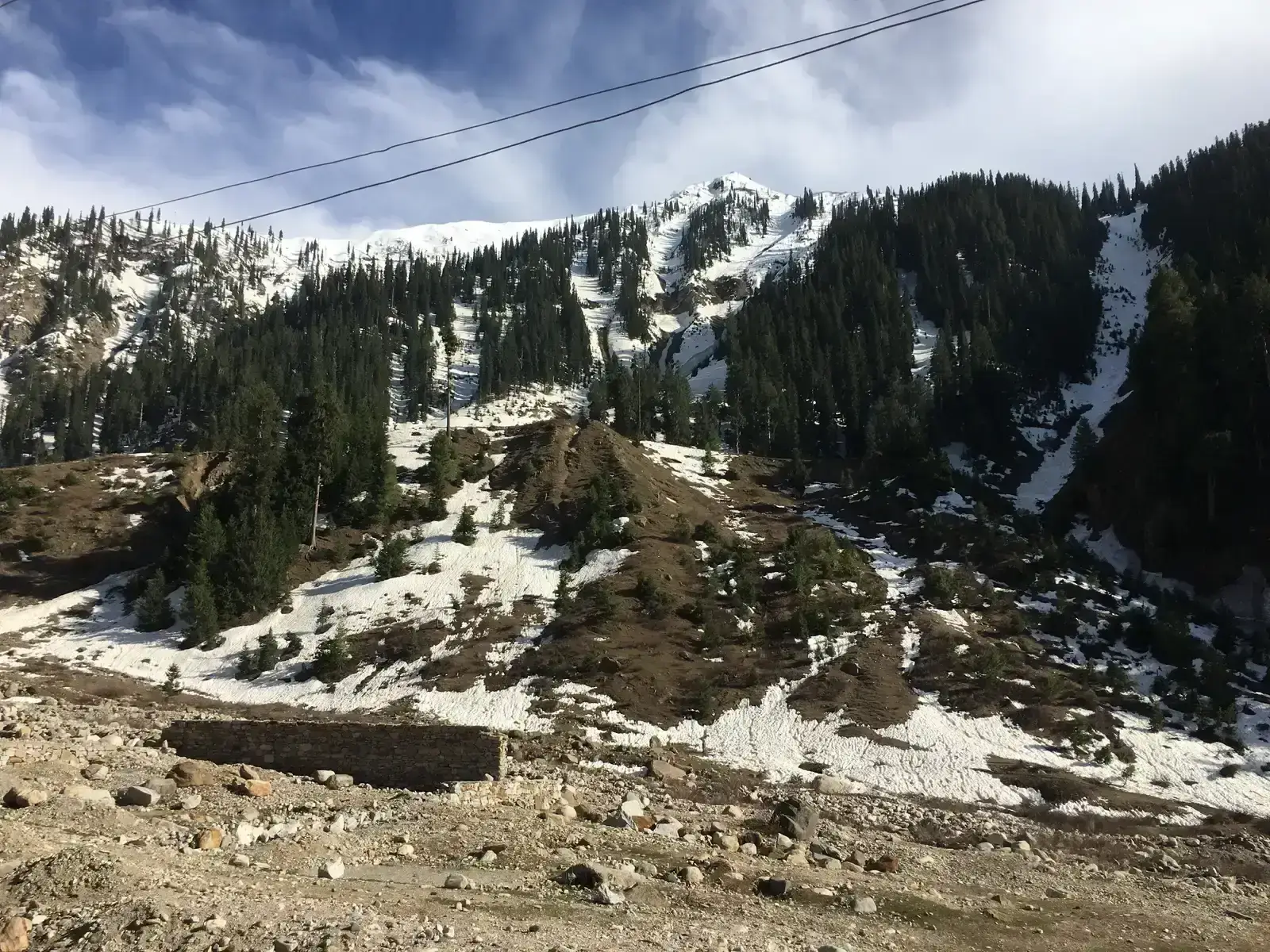
Looking ahead, Department of Energy–supported modeling suggests that roughly 2.5 °C of warming above pre-industrial levels is likely to bring low-to-no snow years more than 10 years in a row in many mountain areas. During such stretches, runoff drops by about 10 percent less each year than it otherwise would. For regions that depend on snowmelt for farms and cities, that’s a meaningful change.
Adaptation will look different by place. Where snow is most sensitive, planners may need to rely more on reservoirs, groundwater and efficient use, since the natural storage is shrinking. The research stops short of one universal forecast, but the direction is consistent: less snow held at lower elevations, and less of it lasting into summer.
Conclusion
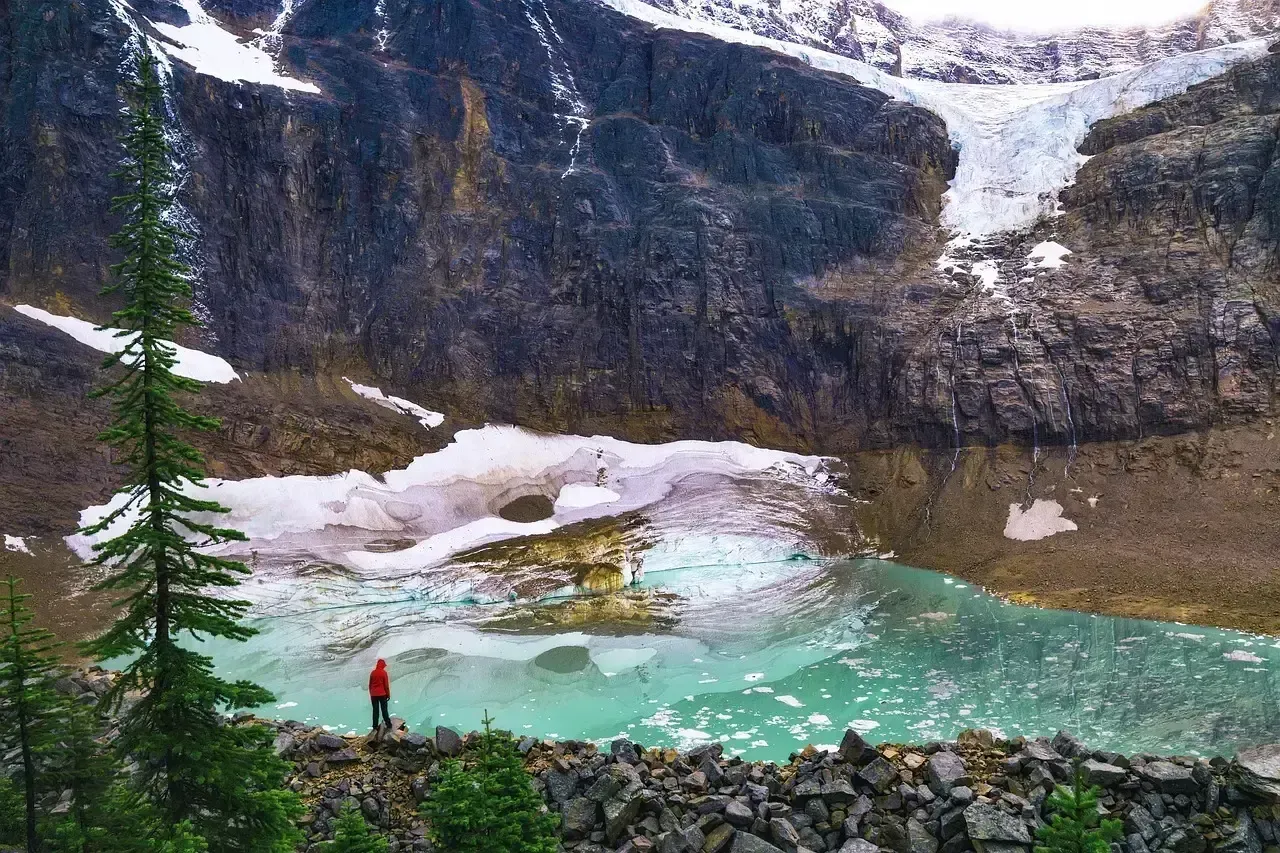
Climate change is reshaping mountain snow through warmer temperatures, more rain, earlier melt and shorter seasons. The Western U.S., the Alps and many other ranges show measurable declines, though the pace varies with elevation, latitude and proximity to the coast. Some regional data remain uncertain, particularly in High Mountain Asia.
Snowpack is a piece of natural infrastructure that quietly supports water supplies, ecosystems and mountain economies. Watching how it changes is one of the clearest ways to see warming at work in the high country.
