

1. Juneau, Alaska
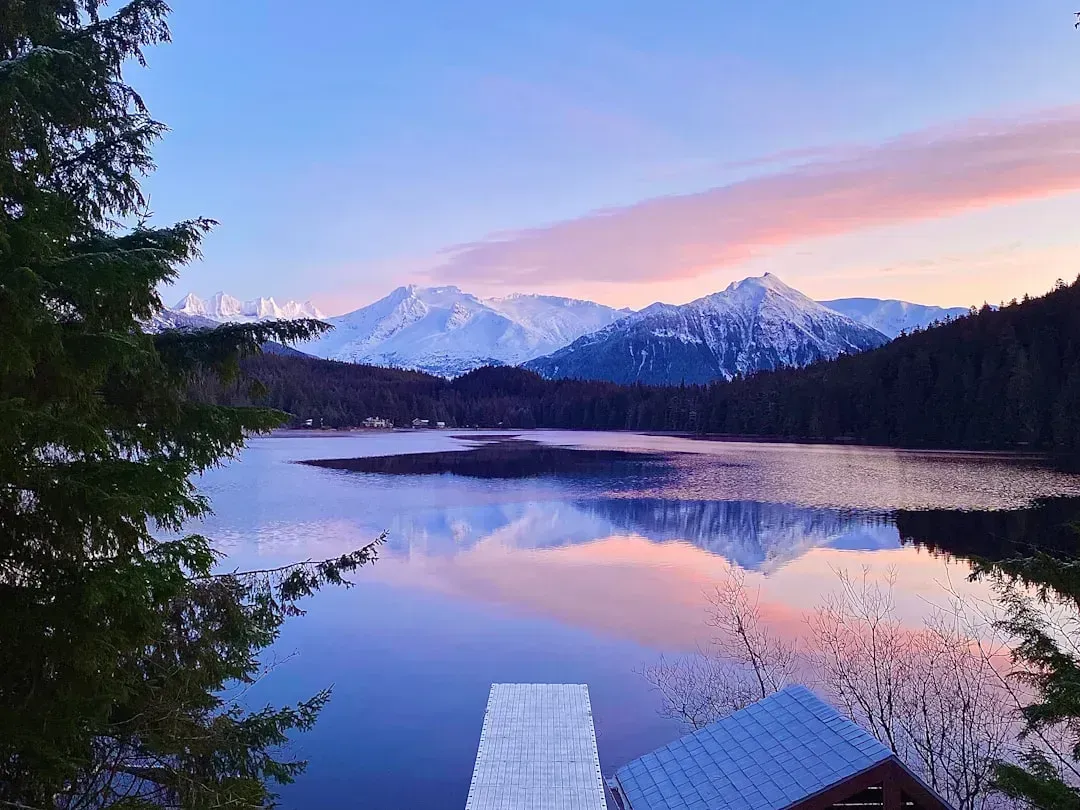
Juneau sits at the top of the most recent WalletHub safety analysis, and the reasoning holds up under scrutiny. The Alaskan capital of Juneau took the top spot in a ranking of the “safest” cities in the U.S., based on their natural disaster risk, according to the study released Monday by WalletHub, the personal finance website. Its remote coastal position keeps it insulated from the hazards that dominate the Lower 48.
Its northern position keeps hurricanes, major tornadoes, and massive wildfires at bay, offering residents rare protection from the big threats that plague other regions. That said, the city isn’t hazard free. Winter storms do roll through, and heavy snowfall is a given. Steep terrain can trigger landslides, and occasional flooding demands attention. Remoteness also means evacuation routes are limited, so supply chains matter more here than in cities connected by highways.
2. Vancouver, Washington
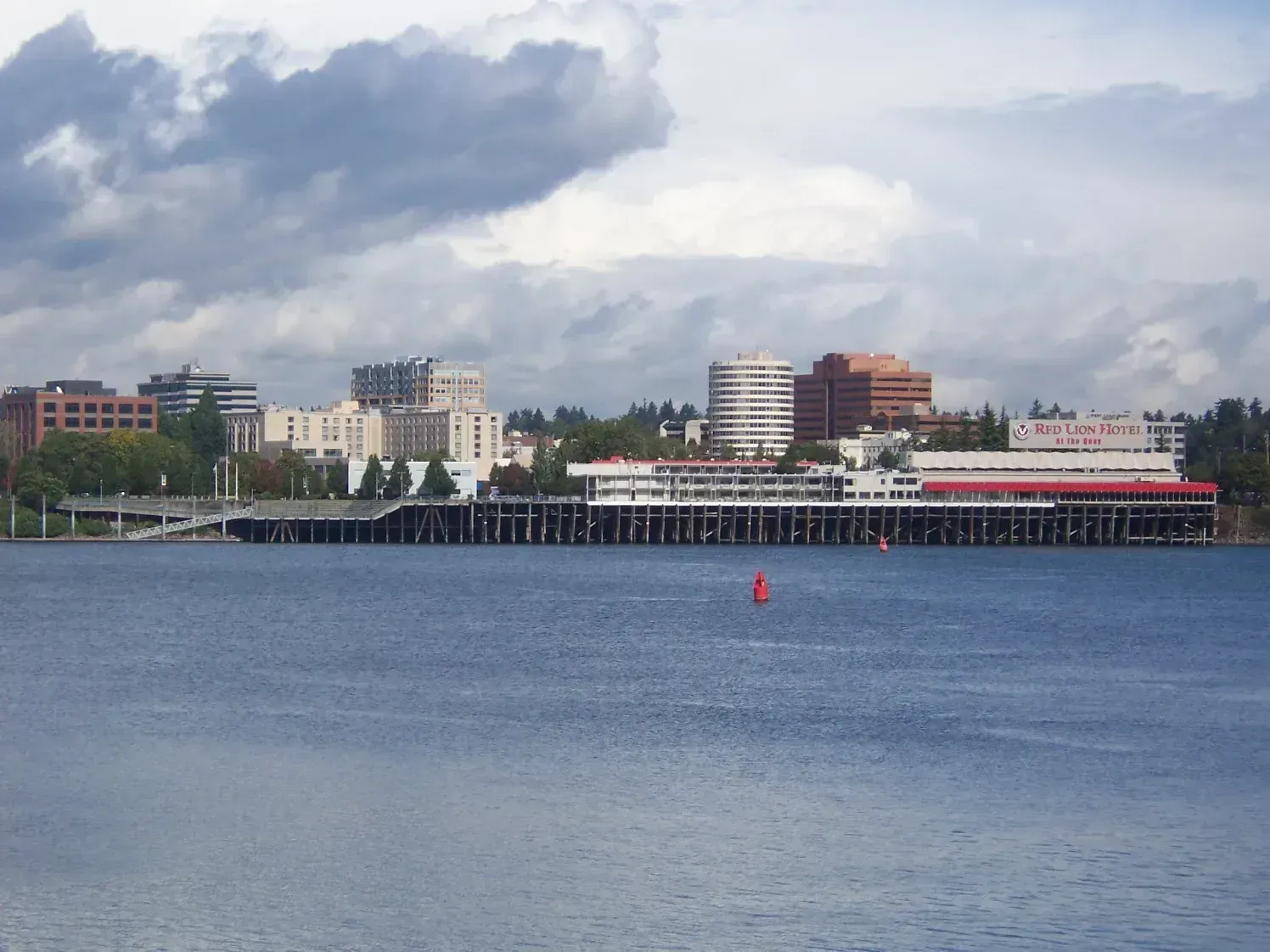
Just across the Columbia River from Portland, Vancouver claimed second place in the same WalletHub ranking. Juneau was followed by Vancouver in Washington state, Anchorage in Alaska, Lewiston in Maine and Casper in Wyoming in the top five safest cities. The metro area benefits from a temperate climate and distance from major fault zones that plague other parts of the Pacific Northwest.
Property data firm CoreLogic has reached similar conclusions about the broader region. Portland and surrounding cities like Vancouver (Washington) and Hillsboro (Oregon) scored high on CoreLogic’s ZIP code rankings. Flooding remains the primary concern locally, though it’s an infrequent one rather than an annual threat.
3. Anchorage, Alaska
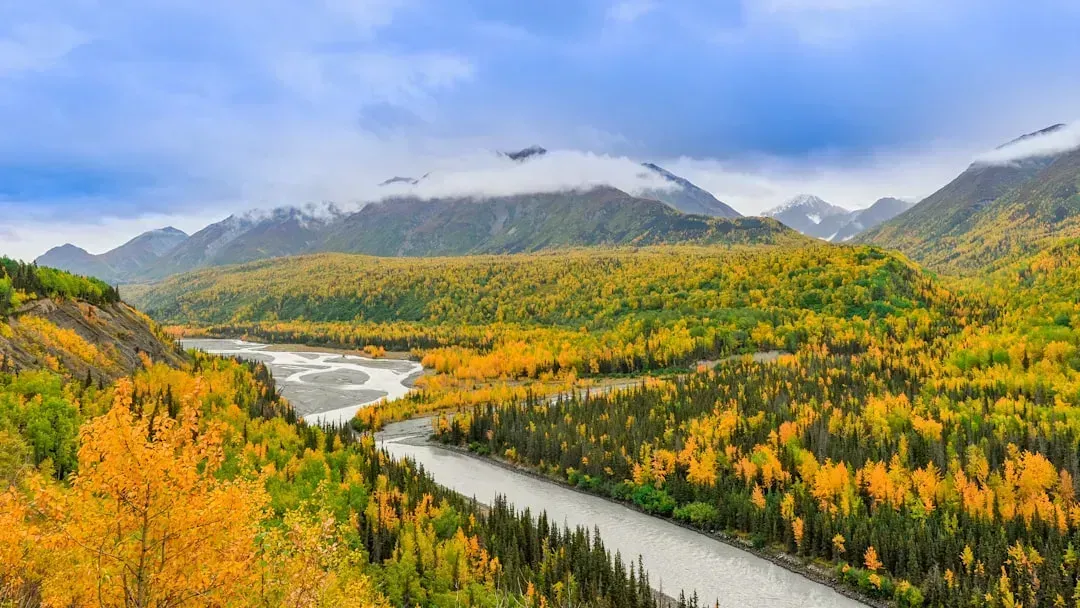
Alaska’s largest city rounds out the top three in the WalletHub study, a notable achievement for an urban center of its size. Its position shields it from hurricanes entirely, and the tectonic activity that shaped the region historically has become far better understood and engineered around in recent decades. Building codes updated after past seismic events have made structures considerably more resilient than they once were.
Anchorage’s isolation, much like Juneau’s, carries its own tradeoffs. Harsh winters and occasional avalanche risk in surrounding terrain require year-round vigilance, but these are manageable, predictable challenges rather than sudden catastrophic events. Residents who choose to live here trade hurricane anxiety for cold-weather preparedness, a trade many consider worthwhile.
4. Lewiston, Maine
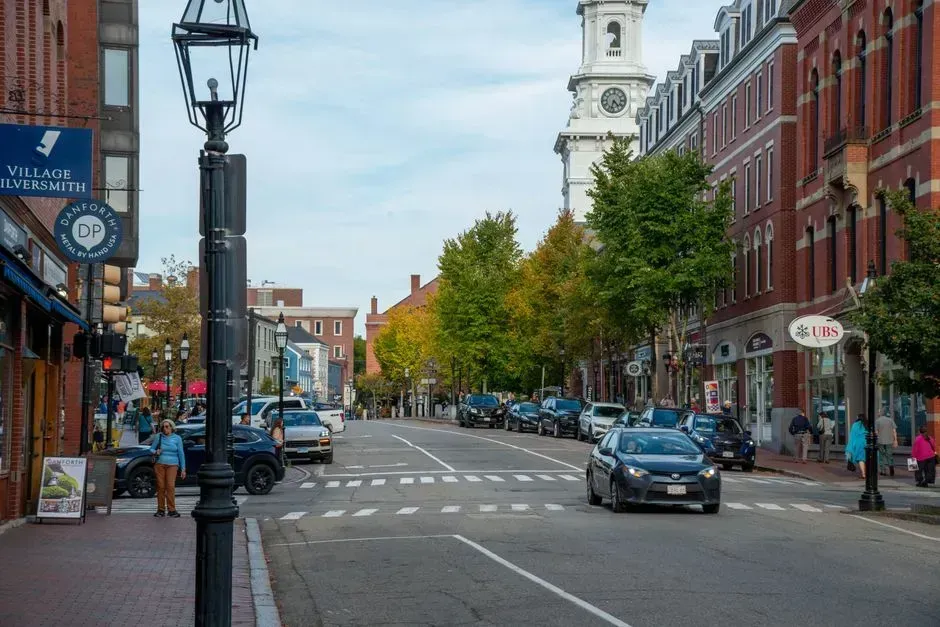
New England rarely comes up in disaster-risk conversations, and Lewiston is a good example of why. Lewiston earns its spot on this list by dodging the worst nature can throw at the East Coast. Data shows it ranks among the lowest for disaster risk nationwide, while also scoring well on financial stability measures that help communities bounce back quickly. That financial resilience matters as much as the low hazard exposure itself.
Geography does most of the heavy lifting here. Maine’s location means major hurricanes lose steam before arrival, though nor’easters still pack a punch with heavy snow and wind. Rivers can overflow during extreme weather, and coastal areas face occasional flooding. Even so, Lewiston’s track record makes it a hidden gem for anyone seeking New England charm without constant disaster alerts.
5. Casper, Wyoming
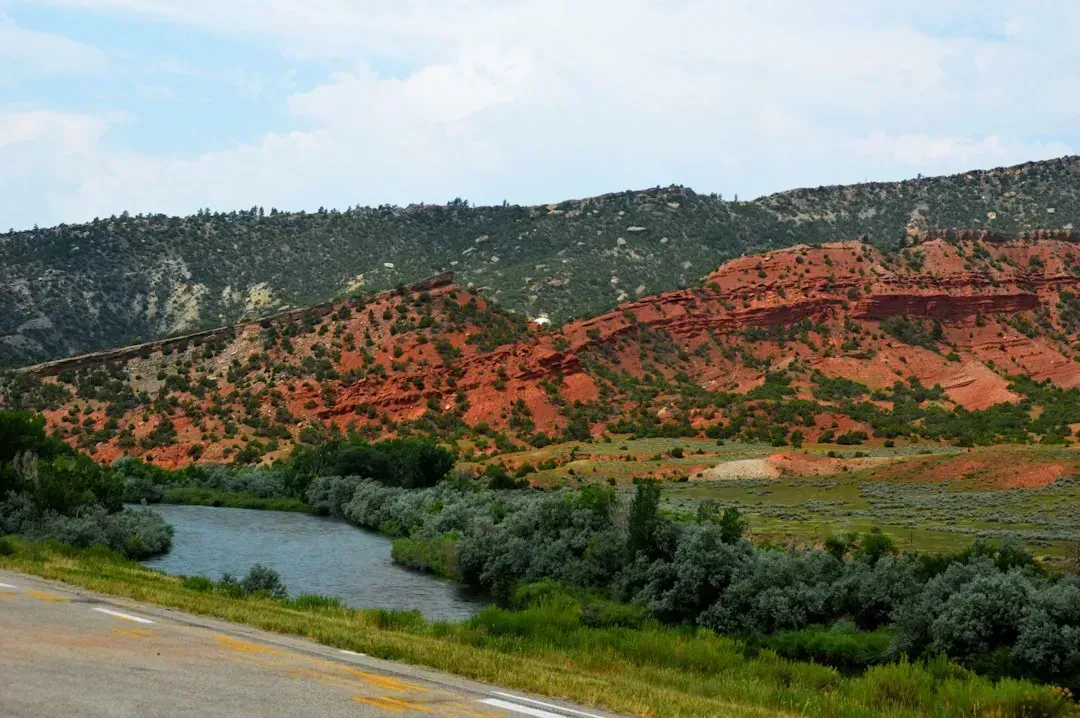
Casper’s ranking might surprise people who associate the Great Plains with tornado risk, but the numbers tell a different story. Out where the prairie meets the mountains, Casper ranks fifth-lowest for natural disasters among nearly 200 cities studied. Wyoming’s wide-open spaces might suggest vulnerability, but the state’s overall risk profile stays remarkably low compared to crowded coasts or fire-prone West. The city also earned recognition beyond just disaster metrics.
Its overall safety credentials go further than weather alone. In addition to its ranking among cities with the lowest risk of natural disasters, Casper ranked as the “second-safest city” overall in the U.S., topped only by South Burlington in Vermont in the overall ranking of cities across all metrics. Wind and winter cold are the main nuisances, but neither carries the destructive potential of hurricanes or major earthquakes.
6. South Burlington, Vermont
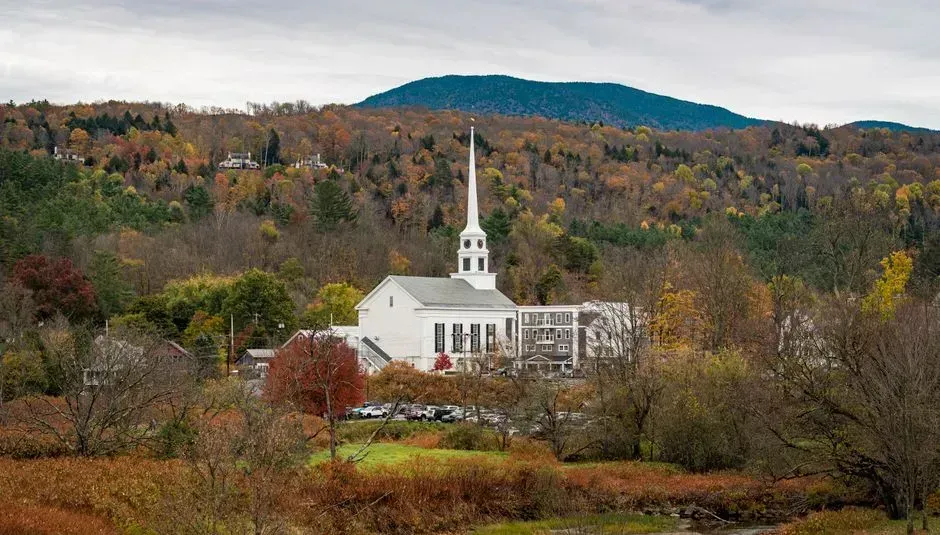
South Burlington took the crown as the single safest city overall in the most comprehensive recent comparison of American cities. Casper ranked as the “second-safest city” overall in the U.S., topped only by South Burlington in Vermont in the overall ranking of cities across all metrics. Its position in the Green Mountains provides a natural buffer against most large-scale weather disasters.
The surrounding landscape plays a direct role in that protection. Vermont’s mountainous landscape acts like a natural shield, keeping hurricanes and tornadoes far from Burlington and its neighbor, South Burlington. Both cities land near the top of safety rankings thanks to strong emergency systems and geography that favors calm over chaos. River flooding during heavy rain events remains the community’s most consistent weather concern.
7. Pittsburgh, Pennsylvania
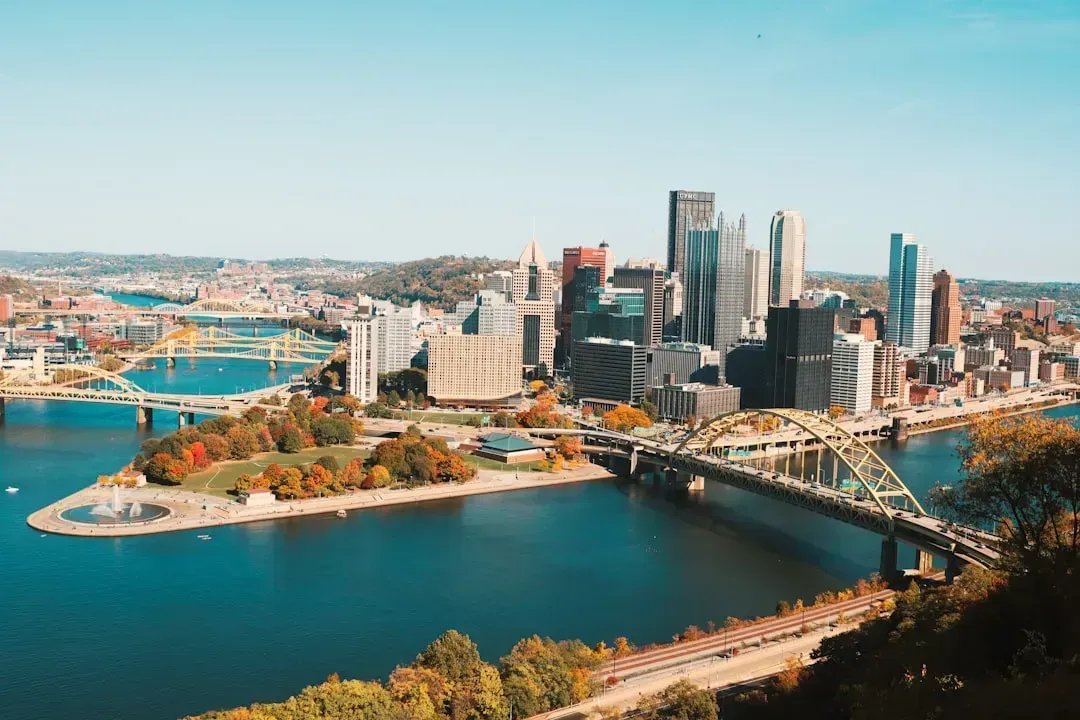
Among major American cities, Pittsburgh stands out as unusually well protected according to FEMA’s own risk mapping. While most cities have some areas of risk, Pittsburgh is the lowest-risk major city, with only very low and relatively low risks in the metro area. That’s a rare distinction for a city of its population size and industrial history.
Insurance data backs up the geographic advantage. Pittsburgh is another city where homeowners insurance is affordable, costing just over $1,700 each year on average. The city ranks average on overall vulnerability, but has little risk of wildfire or storms. Heavy precipitation and localized flooding remain the main things residents keep an eye on each spring.
8. Cleveland, Ohio
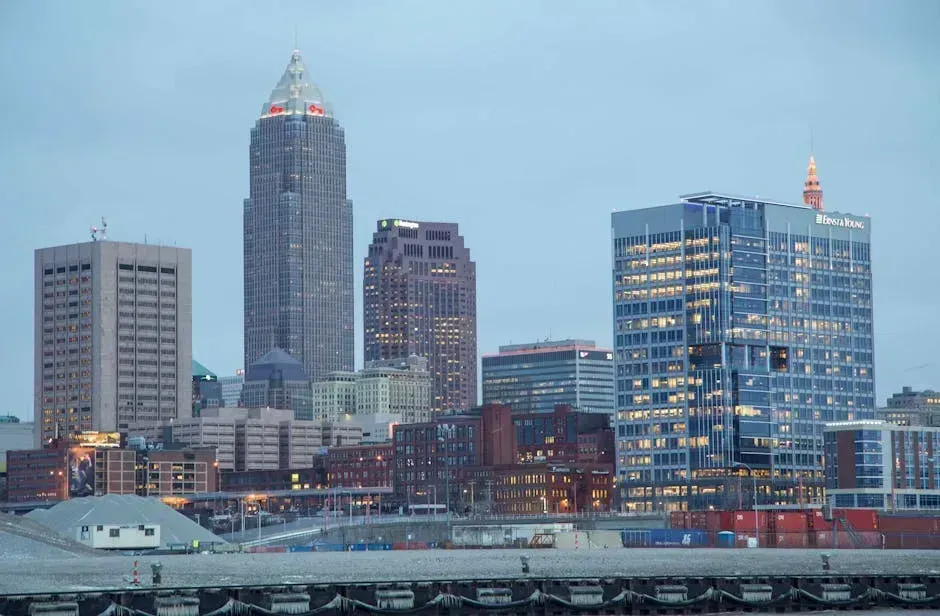
Cleveland has repeatedly shown up near the top of safety rankings, largely thanks to its inland Great Lakes location. If you are looking for a large city that is safe from natural disasters, Cleveland is the safest urban center on this list. Its distance from both coastlines removes hurricane risk from the equation entirely.
Freshwater access adds another practical benefit beyond safety alone. Cleveland’s access to freshwater (sourced from Lake Erie), and distance from the oceans further make it an attractive choice for relocation. The city’s quality-of-life factors, from walkable neighborhoods to affordable housing, only reinforce why it consistently appears on these lists.
9. Minneapolis-St. Paul, Minnesota

The Twin Cities region combines a favorable inland location with genuinely low exposure to the disasters that dominate national headlines. Known as the Twin Cities, Minneapolis and St. Paul can be a great consideration for those seeking to live with less fear of nature’s wrath. Being inland, the region is virtually safe from hurricanes and floods, and earthquake occurrences are exceptionally rare here as well.
Cold winters are the tradeoff, but the region has adapted its infrastructure accordingly. Also, the cities are built to combat brutal winter conditions, with snow removal systems and heating infrastructure in place to avoid issues that can emerge from harsh seasonal weather. Wildfires and tornadoes are quite infrequent in Minnesota, but the state has some programs and agencies set up to manage these situations if they arise.
10. Syracuse, New York
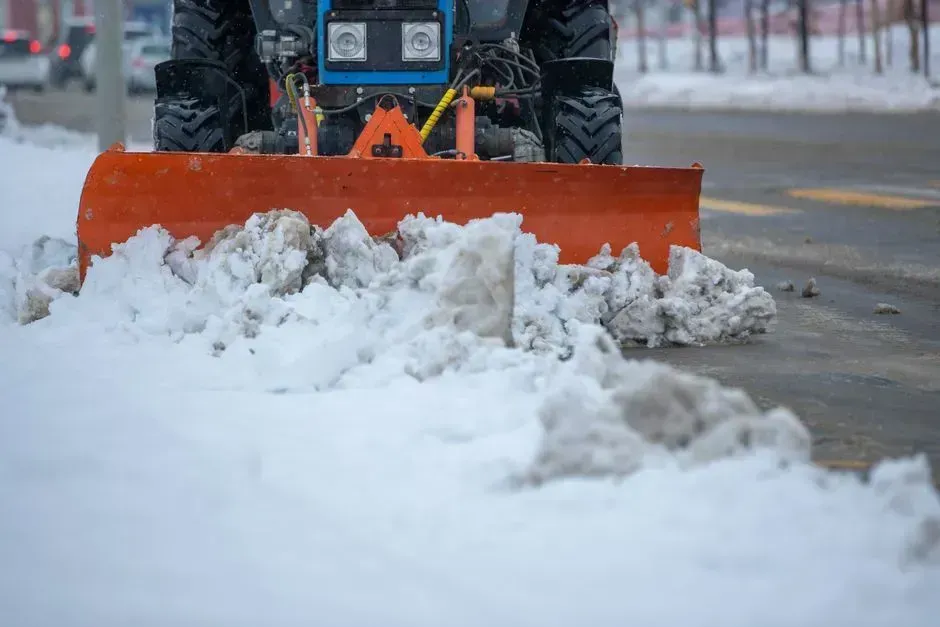
Syracuse closes out this list as one of the most consistently cited safe havens in upstate New York. Syracuse, New York, is one of the safest cities in America from natural disasters. From its location in upstate New York, it is protected from all the most damaging forms of disaster. Syracuse is protected from earthquakes, hurricanes, droughts, heat waves, and flooding. That combination of protections is rare for a city of its size.
Snow is the main challenge, and the city has clearly figured out how to manage it. According to the data, Syracuse’s biggest threat is from ice storms, which rarely lead to loss of life or property. That natural protection has led it to top multiple lists for the safest cities in America from disaster. Local infrastructure investments in snow removal have only strengthened that reputation in recent winters.
What the Rankings Really Show
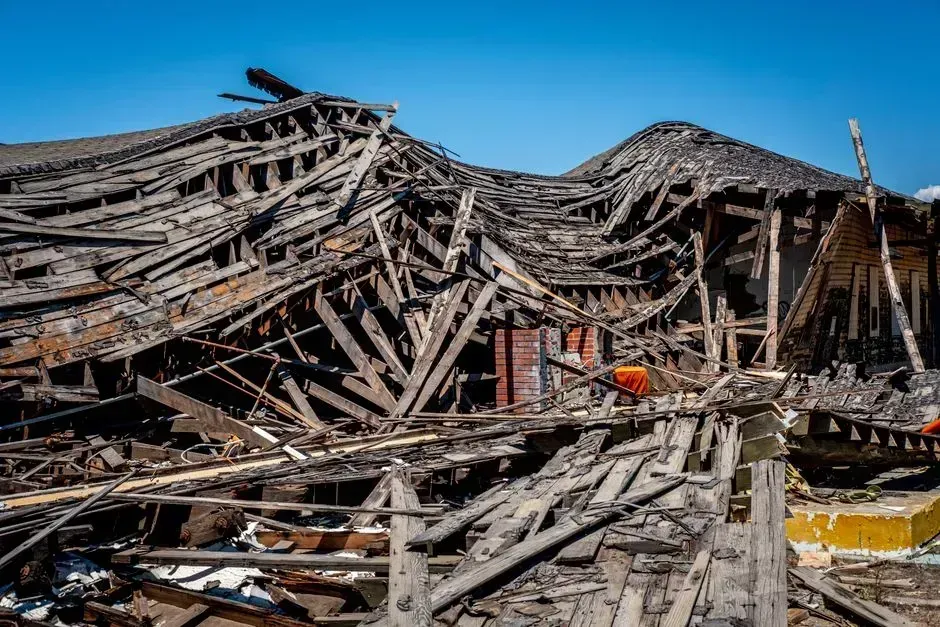
No city on this list is entirely immune to bad weather. What sets them apart is the absence of the catastrophic, high-damage events, hurricanes, major earthquakes, widespread wildfires, that drive both fatalities and long-term rebuilding costs elsewhere in the country. Geography does most of the work, but local investment in emergency systems and infrastructure resilience clearly matters too.
For anyone weighing a move with disaster risk in mind, these rankings offer a useful starting point rather than a final answer. Risk varies by neighborhood, not just by city, and it’s worth checking FEMA’s National Risk Index for any specific address under consideration. Still, the pattern across Alaska, the Upper Midwest, the Northeast, and Appalachia is consistent enough to take seriously.

- Mountains Taller Than Everest Collapsing in Microgravity – 6 Asteroid Oddities - November 12, 2026
- Why Flash Droughts Are Now Developing Twice as Fast as Decades Ago - November 12, 2026
- Iran war contributes to global fall in fossil fuel emissions, with a caveat - November 12, 2026
