

792 dollars: the new price tag on staying cool
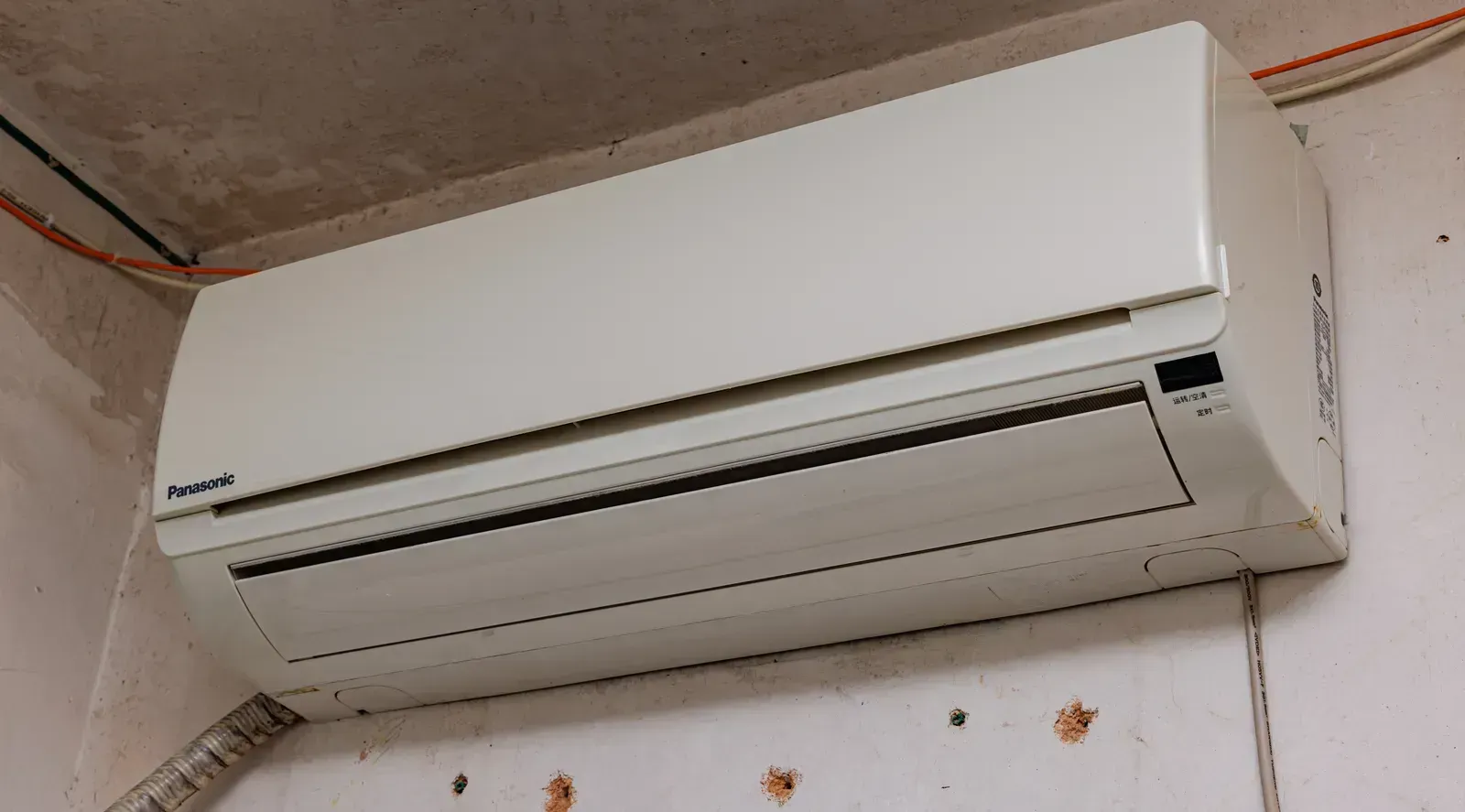
The average American household is projected to spend approximately $792 to cool their home this summer, according to a report from the National Energy Assistance Directors Association (NEADA) and the Center for Energy Poverty and Climate. That figure covers the traditional cooling season and represents a jump from the $717 households paid just one year earlier.
To put that in perspective, it works out to roughly $198 a month during the hottest stretch of the year. This isn’t a one-off spike either. It’s part of a pattern that NEADA’s executive director Mark Wolfe has described plainly: “Families are getting hit from both sides. Electricity prices continue to rise, and hotter summers mean households need to use more electricity simply to stay safe.”
10.5 percent: the size of this year’s jump
The headline number driving concern this season is the year-over-year increase itself. Cooling costs are set to climb 10.5% compared to last year, a rate that far outpaces general inflation. That kind of jump lands hard on household budgets that are already stretched thin by grocery and housing costs.
Part of the reason is straightforward physics. Even if a thermostat is set at the same temperature all summer long, a home uses more electricity when it’s 95 degrees outside than when it’s 80 degrees, because the system has to work much harder to maintain that temperature. Multiply that extra strain across millions of homes running longer hours, and the percentage increase starts to make sense.
Nearly 40 percent: the five-year climb since 2020
Zoom out a bit and the trend looks even steeper. Summer cooling costs have increased nearly 40 percent since 2020, driven by a combination of rising electricity prices and hotter summers that require households to run air conditioning systems longer and more frequently. That’s not inflation catching up. It’s a structural shift in how much energy a typical American home now needs just to stay at a safe indoor temperature.
Even after adjusting for inflation, the picture doesn’t improve much. Even adjusting for inflation, cooling costs are projected to be about 7 percent higher than they were six years ago. In other words, this isn’t simply prices rising everywhere equally. Cooling specifically has become a bigger line item on the household ledger.
1 in 6: how many households are already behind

Rising bills land differently depending on who’s paying them, and the data on that front is sobering. One in six U.S. households is currently behind on its utility bills. That’s not a marginal group. It represents tens of millions of homes walking into peak summer heat with an existing balance they haven’t been able to clear.
The consequences of falling behind aren’t hypothetical. Utilities disconnected electric service approximately 13.5 million times in 2024, and nearly 40 percent of households earning less than $50,000 report difficulty paying energy bills. For those families, a hot week isn’t just uncomfortable. It can become a genuine safety issue if the air conditioning gets shut off entirely.
25 billion dollars: the debt piling up nationwide

Individual struggles add up to a striking collective figure. Total utility debt is projected to reach approximately $25 billion by the end of 2026. That’s money owed to utility companies across the country, much of it accumulated during back-to-back seasons of extreme heat and extreme cold.
Assistance programs haven’t kept pace with that growth. Only 26 states offer summer cooling assistance to help Americans pay their bills, and 33 states have no protections in place to prevent utility companies from shutting off customers’ access to electricity when they’re behind on payments. That patchwork of protection means the same heat wave can mean very different financial risk depending entirely on which state a household happens to live in.
3 percent per degree: the number that actually helps
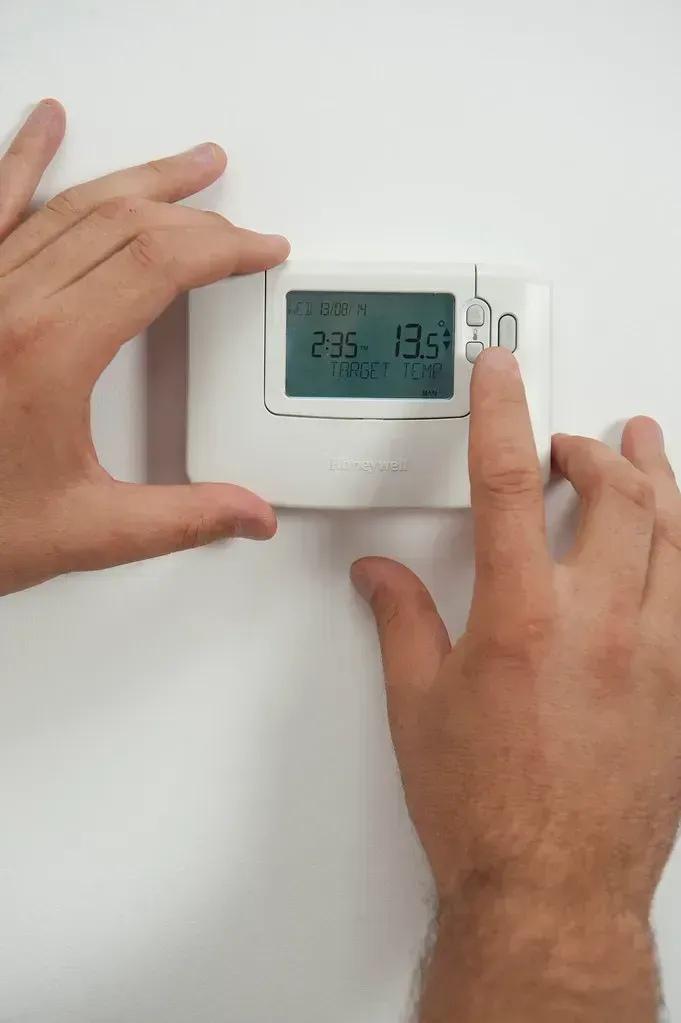
Amid all the bad news, there’s one figure worth holding onto because it’s actionable. According to Wolfe, “for every one degree you turn your cooling up, you can save 3% on your electric bill.” He suggests easing into it gradually, adjusting the thermostat by one degree every few days over a week or two rather than making a jarring change all at once.
Regional variation matters here too, since not every household is starting from the same baseline. NEADA’s regional forecasts for this summer range from a biggest hike of 13.8% down to a smallest increase of 4.9%, with the Southwest region, which includes Arizona, expected to see the largest jump in cooling costs. Knowing where your region falls on that scale is a useful starting point for deciding how aggressively to adjust habits at home.
Where this leaves household budgets

Taken together, these six numbers describe a cooling season that costs more in almost every direction at once: higher prices per kilowatt hour, more hours of usage, and less financial cushion for millions of households to absorb the difference. Data center energy consumption, higher natural gas prices, and necessary repairs to the electric grid are all pushing up electricity costs on top of the heat itself. None of those pressures are likely to ease quickly, which is part of why groups like NEADA are pushing for expanded assistance programs rather than treating this as a temporary spike.
For now, the practical takeaway is fairly simple even if the underlying economics are complicated. Small adjustments, like nudging the thermostat a degree or two and keeping cooling equipment properly maintained, won’t erase a national trend. They can, however, make a real difference on the bill that actually lands in your mailbox this month.

- The Shoreline Sucked Dry in Seconds – 5 Tsunami Signals Beachgoers Mistake for Low Tide - November 14, 2026
- 9 Dark-Sky Destinations Around the World Where the Stars Look Unreal - November 14, 2026
- The Fault Line That Never Slips – 7 Locked Seismic Zones Overdue for a Massive Release - November 14, 2026
