


- The Planet Where It Rains Liquid Glass – 7 Alien Worlds Defying Known Physics - November 14, 2026
- Stars Consuming Entire Worlds – 6 Planetary Systems Swallowing Their Own Worlds - November 14, 2026
- The Ground Liquefies Like Water – 6 Silent Fault Lines Geologists Watch Closely - November 14, 2026
Pacific Palisades and the Los Angeles hillsides, California
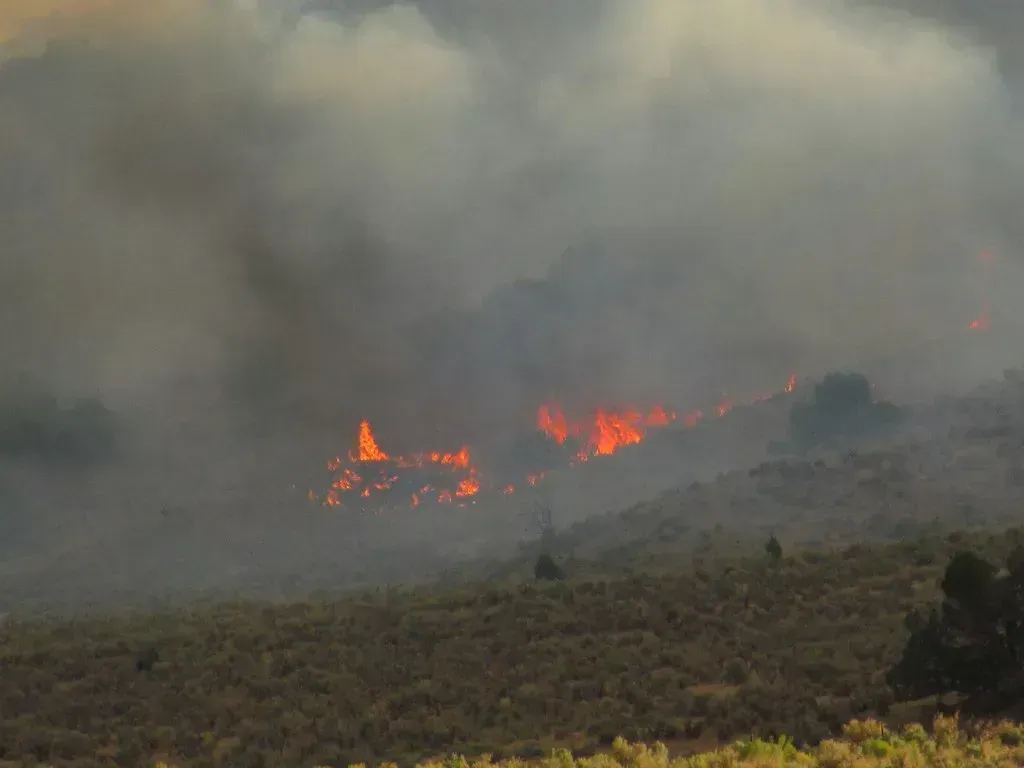
No community in the country currently carries a heavier wildfire burden than the hillside neighborhoods of Los Angeles. With incredible wildfire losses in 2025, Los Angeles ranks as the most dangerous city on recent risk lists, with an overall wildfire risk score of 98 percent, the highest of any area analyzed. That figure reflects steep canyon terrain, dense brush, and homes built right up against wildland.
Property risk in the area is also high, with damage more likely than in 85 percent of all U.S. cities. California as a whole is not far behind in raw numbers either. In 2024, the state of California had nearly 1.1 million acres burned. When wind-driven fires reach neighborhoods like the Palisades, the combination of terrain, drought, and dense housing turns a wildland blaze into something closer to an urban firestorm.
San Diego and its inland suburbs, California
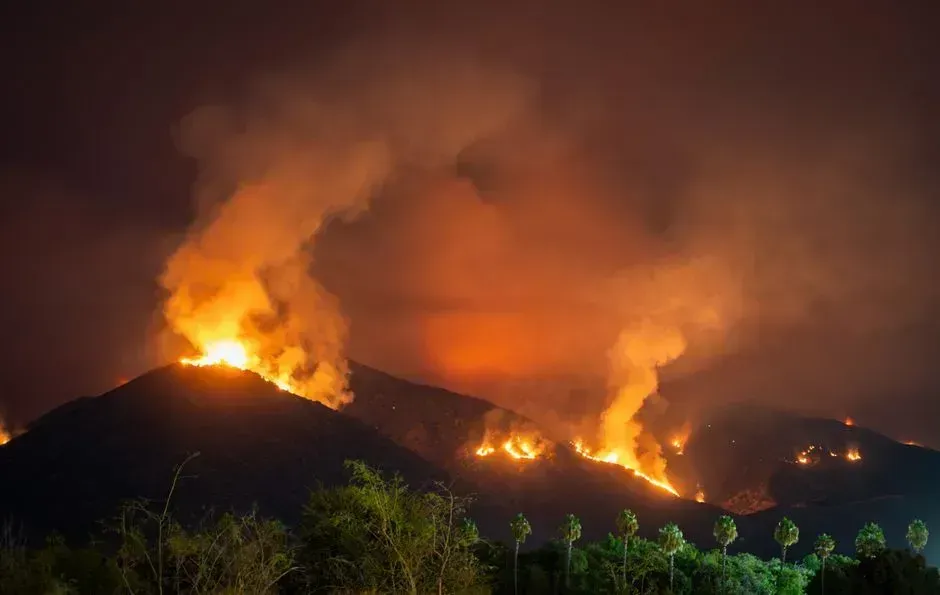
San Diego rarely gets the same headlines as Los Angeles, but its risk profile is nearly as severe. San Diego is another high-risk city in California, with an overall wildfire risk higher than 95 percent of the country and a chance of property damage greater than 85 percent of U.S. cities. Oddly enough, that danger has not yet fully translated into higher insurance costs there.
The real exposure sits just inland, where coastal moisture disappears. Communities such as Poway, Ramona, Lakeside, and Barona sit far enough inland that they no longer benefit from the marine layer’s moisture, leaving them at very high wildfire risk. Escondido, Oceanside, and Temecula round out the list of very high-risk spots in the region. These are ordinary suburban towns, not remote mountain outposts, which is exactly why the risk catches so many residents off guard.
Santa Rosa, California
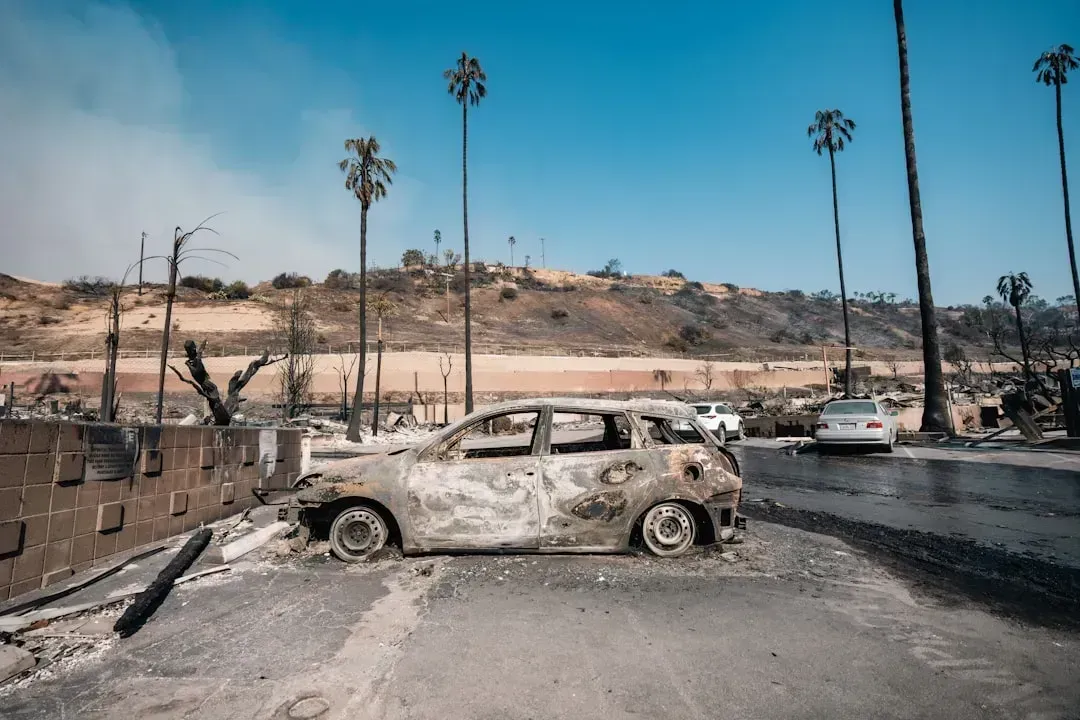
Santa Rosa has already lived through more than one catastrophic fire, and the scars are still visible in some neighborhoods. During the 2017 Tubbs Fire, one hard-hit area saw roughly a third of its homes destroyed in a single night. Approximately one-third of the area was burned during the Tubbs Fire in 2017, when about 75 homes there were destroyed, though most have since been rebuilt.
Two years later, the Kincade Fire tested the same corner of Sonoma County again. A local homeowners association developed its wildfire action plan following input gathered during recent Firewise assessments and an after-action review of the 2017 Tubbs and 2019 Kincade fires that affected the community. In one particularly unlucky pocket, a homeowners association was hit hard by the 2017 Tubbs wildfire, with all but one home completely destroyed. Santa Rosa’s repeated exposure has made it something of an unwilling laboratory for wildfire recovery.
Superior and Louisville, Colorado
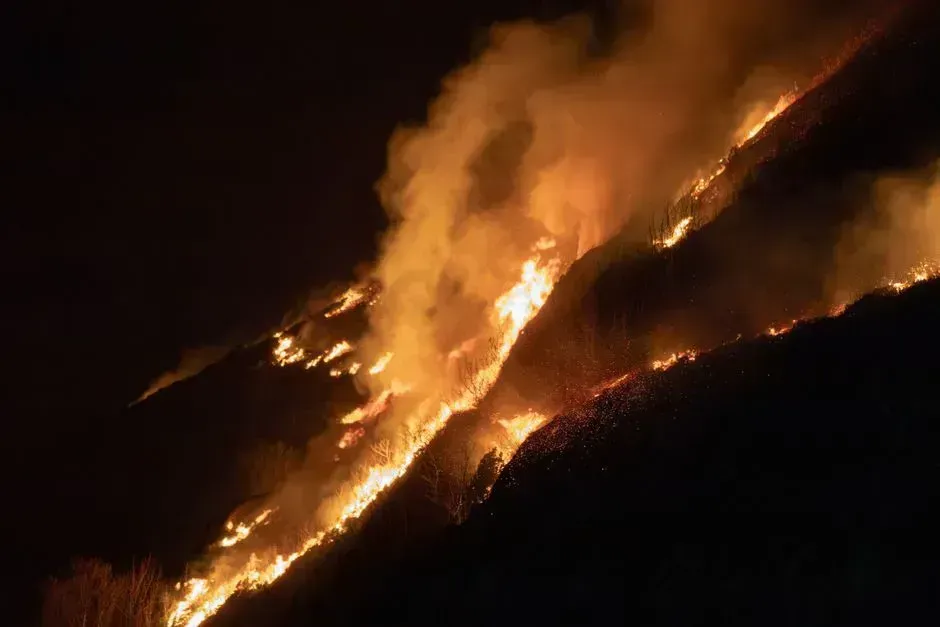
Colorado’s Front Range suburbs prove that wildfire risk isn’t only a California or a forest problem. Grassland fires driven by high winds can move through subdivisions with startling speed, as residents of Superior and Louisville learned firsthand when a winter grass fire tore through their neighborhoods and destroyed more than a thousand homes in a matter of hours, one of the costliest residential wildfires in state history.
The statewide numbers back up why this corridor remains a concern. In Wyoming, about 69 percent of properties could be at major risk of a wildfire in the next 30 years, and Colorado has the next highest figure, with 53 percent facing major risk. Unlike the chaparral hillsides of California, the danger here often comes from dry grass and open plains right at the edge of suburban streets, a landscape that looks harmless until the wind picks up.
Reno, Nevada
Reno sits at the edge of the Great Basin, a region that had its roughest fire season in years during 2025. Nevada experienced its worst wildfire season since 2020 that year, with 690 fires scorching over 395,000 acres, fueled by drought, invasive cheatgrass, and lightning strikes across the Great Basin. Cheatgrass in particular has reshaped fire behavior across the interior West, since it dries out early and burns fast, carrying flames across ground that used to act as a natural break.
The effects reached well beyond the fire lines themselves. Wildfire smoke blanketed Reno, Las Vegas, and surrounding communities for extended stretches, driving PM2.5 levels into unhealthy ranges and prompting public health alerts statewide. For a city that isn’t typically grouped with California’s fire hot spots, that kind of sustained smoke exposure is a reminder that the Great Basin’s fire risk has become a year-to-year reality rather than an occasional scare.
Paradise, California
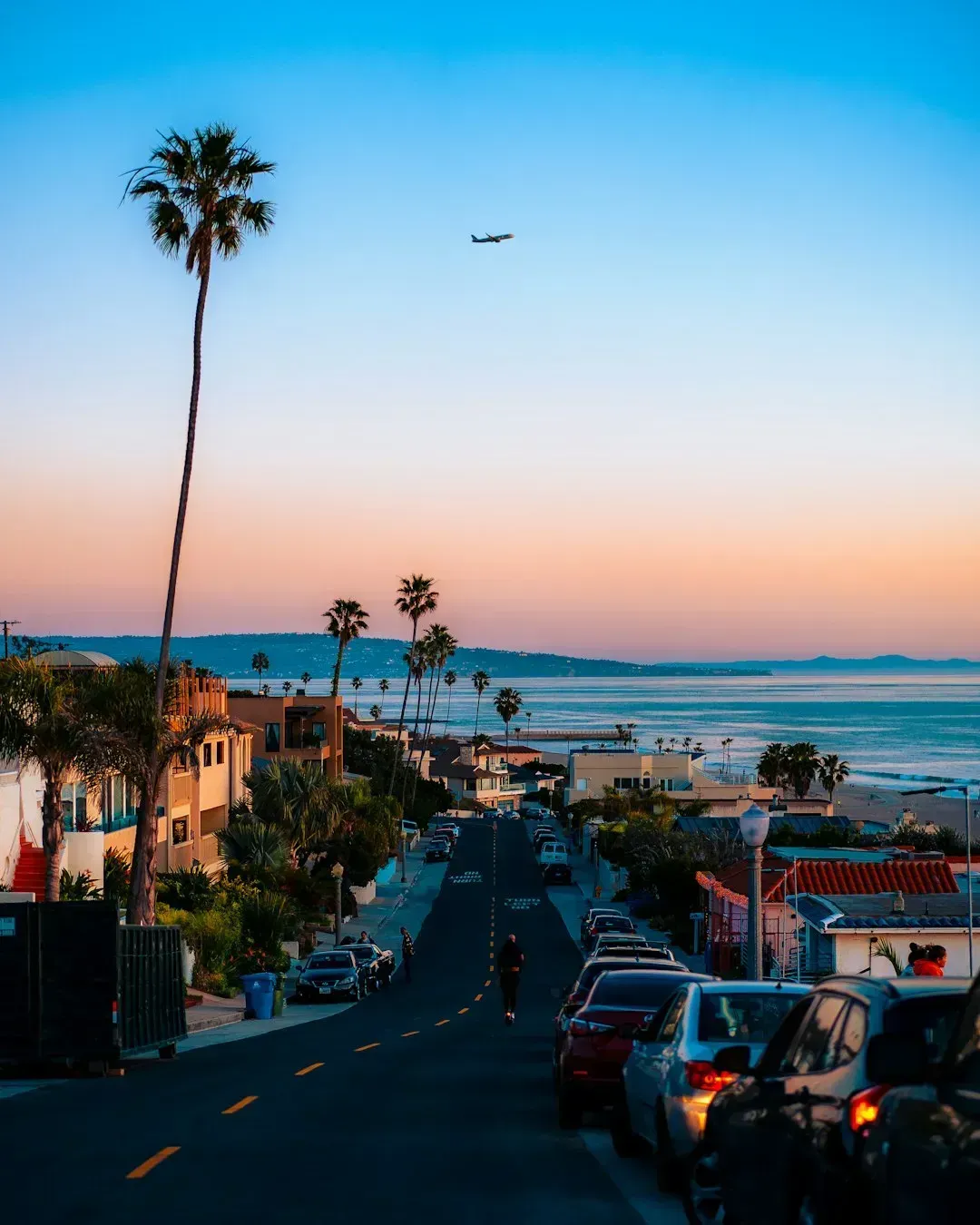
Few towns in America understand fire risk as intimately as Paradise. The Camp Fire in November 2018 ravaged the town, destroying more than 18,000 homes, businesses, and other structures and killing at least 85 people across a 153,336-acre path of destruction. What has happened since then is arguably more notable than the disaster itself.
Paradise residents are now taking part in the Wildfire Prepared Home program, run with the nonprofit Insurance Institute for Business and Home Safety, to ensure new homes use fire-resistant materials and higher building standards. New construction in town is required to carry the IBHS Wildfire Prepared Home designation, with builders following new protocols that include fire-resistant vents, gutters, roofing, and siding materials. The shift has started to pay off in the insurance market too, since Mercury Insurance began writing new homeowners policies in Paradise starting in January 2025. A town that was nearly erased is now used as a reference point for how rebuilding to a higher standard can change outcomes.
Talent, Oregon

Talent sits in Oregon’s Rogue Valley, an area better known for pear orchards than wildfire, until the 2020 Almeda Fire tore through it. The rebuilding that followed has turned parts of town into a working showcase of ember-resistant design. One family’s new home was the very first rebuilt in the Almeda Fire zone, and they avoided planting any vegetation next to the house as one of several firewise steps meant to make it far less vulnerable to fire.
State support helped make those upgrades affordable. Oregon’s Fire Hardening Grant Program, a partnership between the state building codes division and counties, offered rebates for fire-resistant siding and roofing, ember-resistant vents, and other measures that make homes more resistant to wildfire damage. On top of that, the Energy Efficient Wildfire Rebuilding Incentive program offered $3,000 for a home rebuilt to current code and $6,000 for one built above code, with those amounts rising to $7,500 and $15,000 for low- and moderate-income households. Talent shows that fire resistance doesn’t have to come at the homeowner’s full expense if the funding is structured right.
Parkdale, Oregon
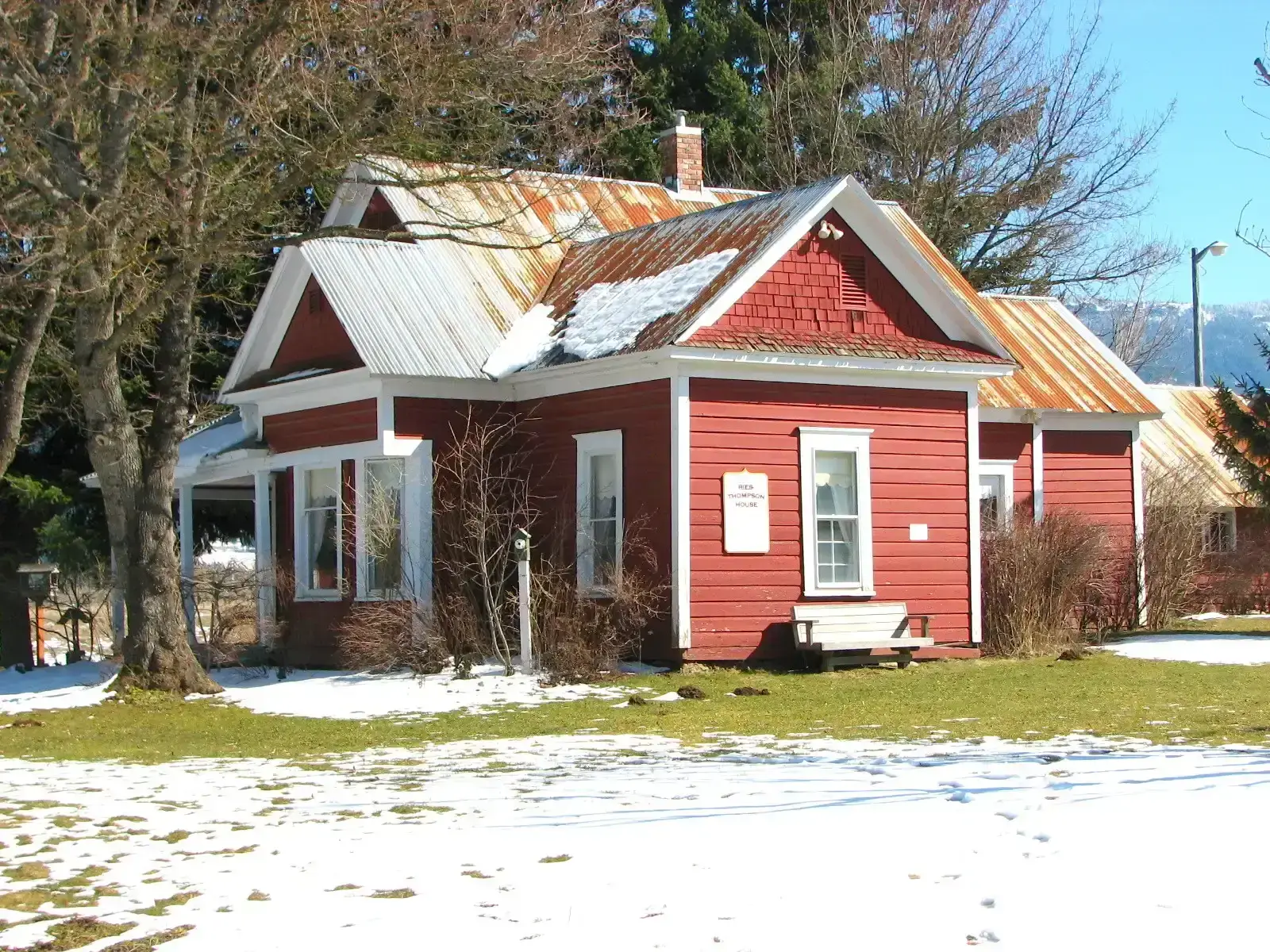
Parkdale is a small community in Hood River County, and it offers a quieter but equally instructive example. Rather than rebuilding after a disaster, residents there organized before one struck. Hood River County currently has seven Firewise Communities, with several more in the early stages of formation.
The push started informally, with neighbors attending a local wildfire preparedness event and later forming their own group to tackle defensible space and vegetation thinning on Hess Road. Educational efforts there cover how to harden homes and yards against flying embers, since 90 percent of homes lost in wildfire are due to flying burning material, along with how neighbors can organize before, during, and after a fire. Small infrastructure fixes matter too, including a bridge that features signage letting first responders know whether they can safely cross in an emergency. None of it is dramatic on its own, but the cumulative effect is a community that isn’t waiting for a fire to start taking precautions.
Magalia and Butte County, California
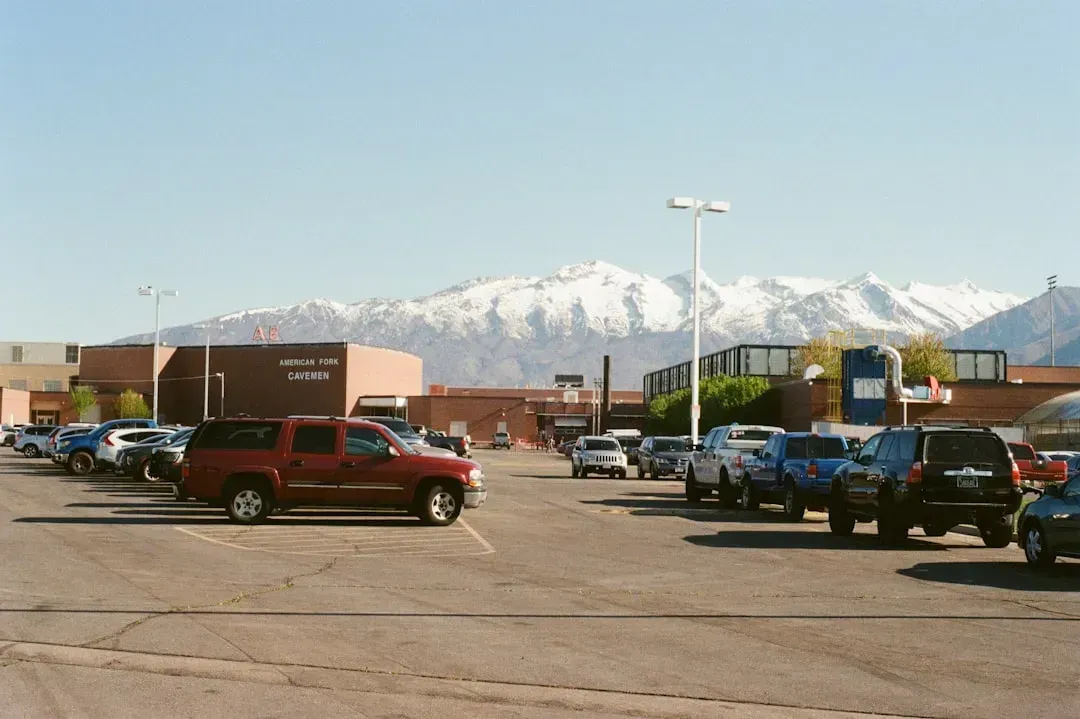
Just up the ridge from Paradise sits Magalia, another Camp Fire-affected community that has leaned heavily on the Butte County FireSafe Council to rebuild wildfire resilience from the ground up. What sets the effort apart is the relationship between the organization and the people it serves. The Butte County FireSafe Council builds trust through shared experiences and consistency, since its staff are community members, friends, and family of the people they educate and support, not outsiders coming in.
That local credibility has translated into steady, ongoing action rather than a one-time push. Butte County residents regularly share information and resources about forest health and wildfire through the council. While there have been great strides in resiliency in Butte County, the council recognizes the work never really stops, and through community-based actions it is genuinely seeing communities become more resistant and resilient to wildfire. It is slow, unglamorous work, but it is the kind that tends to hold up when the next fire season arrives.
What separates risk from resilience
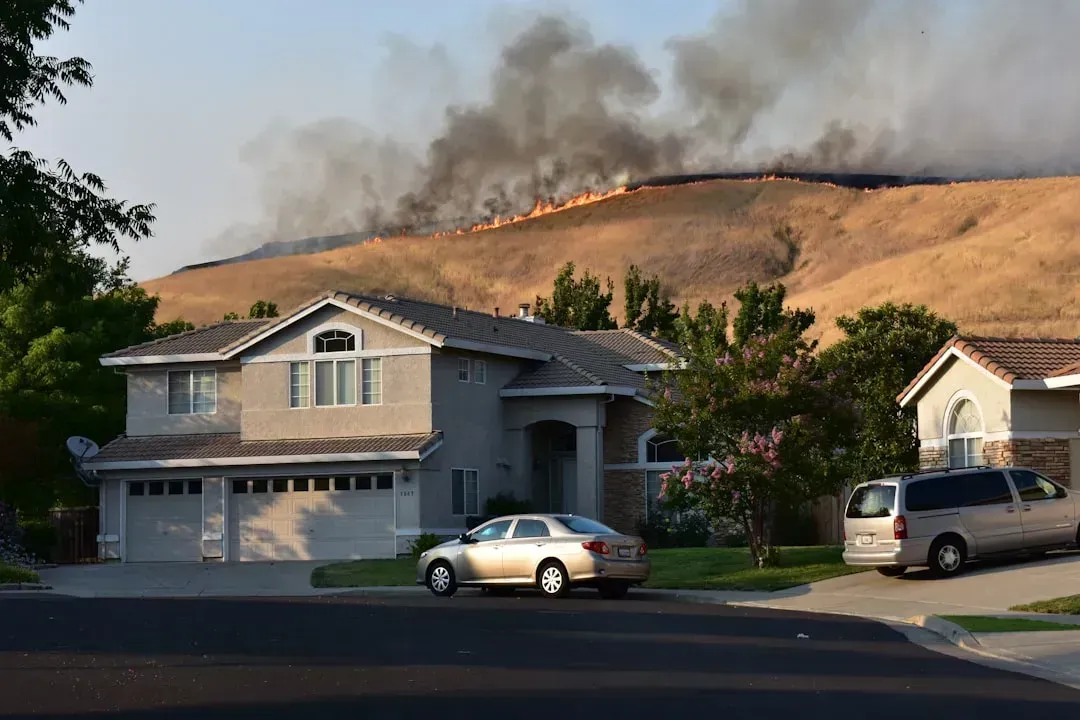
Looking at these nine towns side by side, the difference rarely comes down to geography alone. Los Angeles, San Diego, Santa Rosa, the Colorado suburbs, and Reno all sit in places where terrain, drought, and wind conspire against them, and no amount of preparation erases that underlying exposure. What changes the outcome is whether a community treats fire as an occasional emergency or as a permanent feature of local life.
Paradise, Talent, Parkdale, and Magalia didn’t get lucky. They got organized, often after losing everything first, and rebuilt with materials, funding programs, and neighbor-to-neighbor coordination that most towns only think about once the smoke is already visible on the horizon. That gap between reacting and preparing is likely to matter more with each passing fire season, not less.
