

Every so often, a European sky turns amber, cars wake up under a film of reddish grit, and people post photos of strangely glowing sunsets. The cause is usually mineral dust lifted from the Sahara and carried north on shifting winds. It’s a natural process, but recent research suggests it isn’t as minor as it looks.
This article covers what happened in early 2026, what a major new study says about long-term trends, and why the dust matters for both lungs and landscapes. It also explains the science behind the colorful skies.
The March 2026 Plume That Reached Much of Western Europe
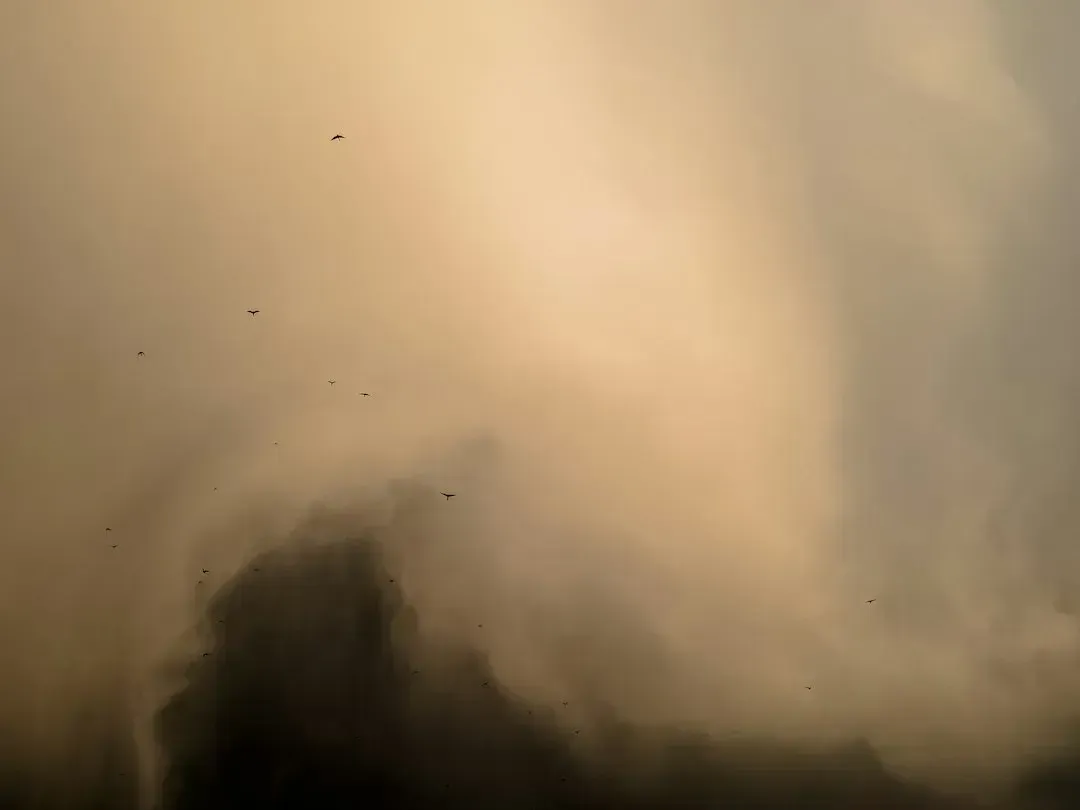
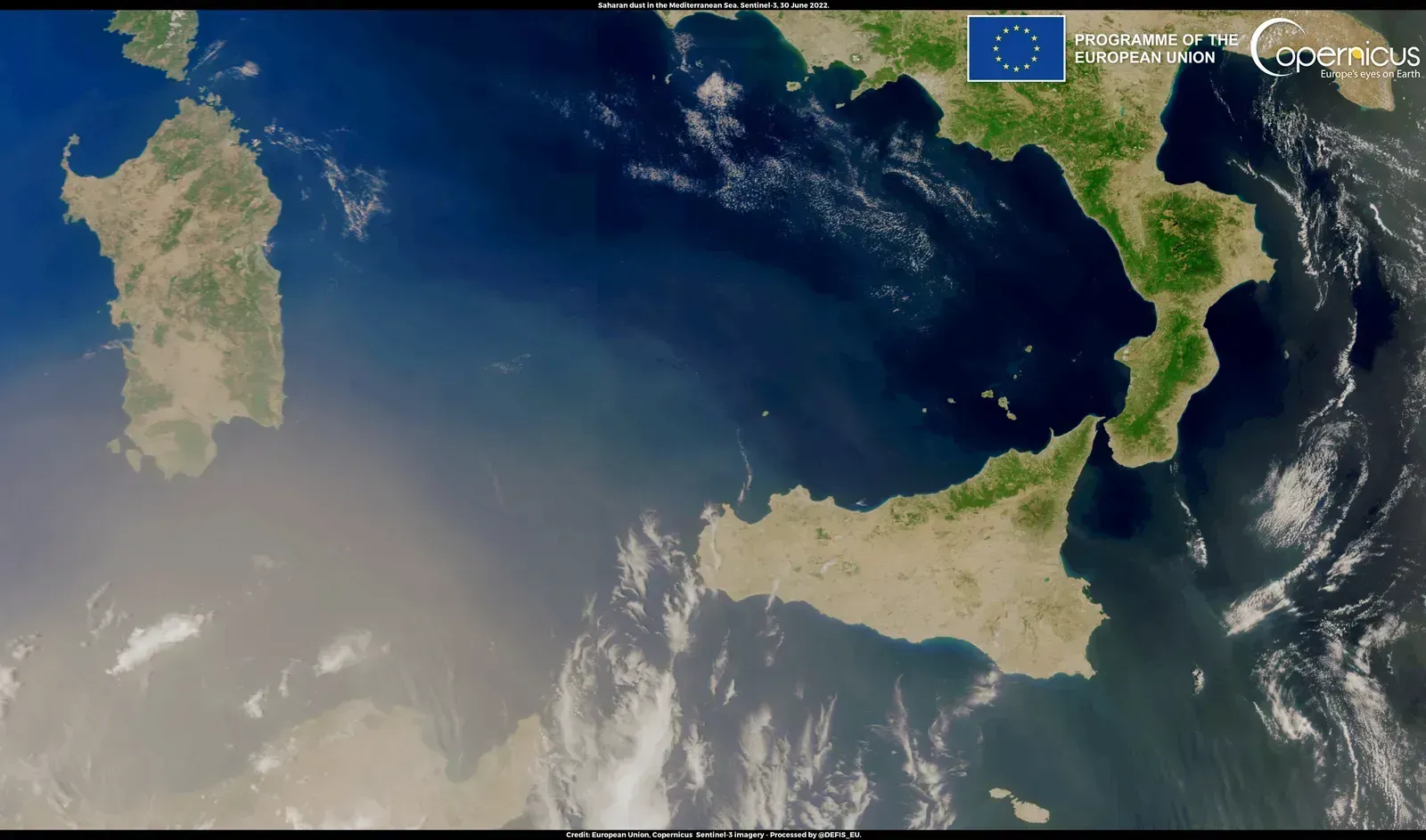
In late February and early March 2026, a large dust cloud moved from North Africa toward Europe. The plume, known as a calima in Spain, affected Spain, Portugal and France. It later spread further, and reached as far north as Ireland before moving east toward the UK, eastern France, western Germany, the Netherlands, Belgium and Italy.
Satellites tracked the event closely. NASA’s Suomi NPP satellite observed the Saharan plumes drifting over France on March 5, 2026. The Copernicus Atmosphere Monitoring Service also mapped it, showing a plume stretching from the North African coast as far as the United Kingdom.
What Dust Does to the Air You Breathe
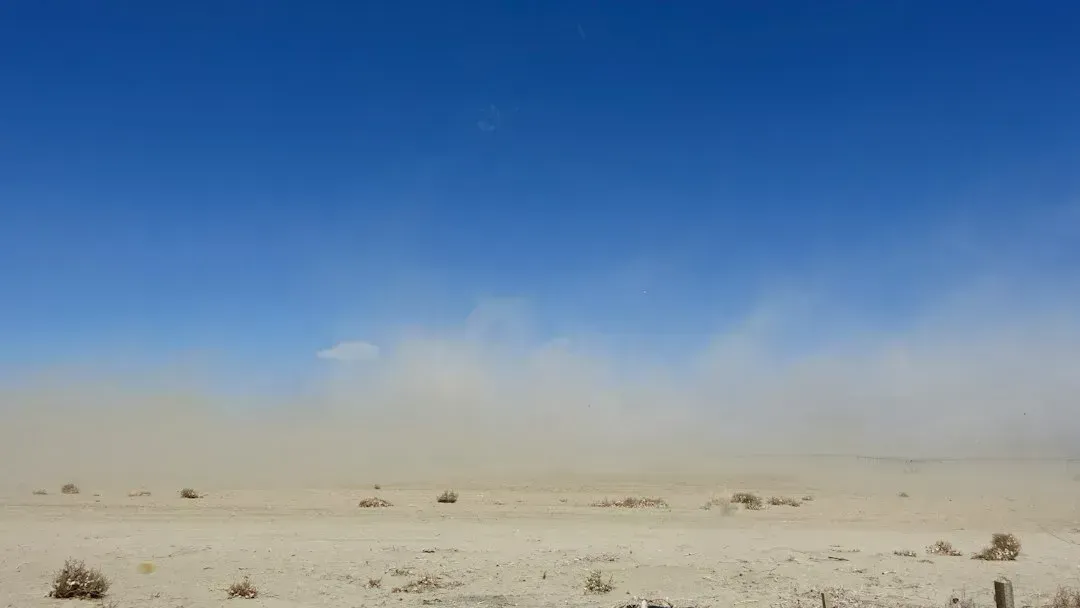
Desert dust shows up in air quality data as coarse particulate matter. During the March episode, PM10 concentrations exceeded EU standards, according to Copernicus. Another report noted that air quality indices in several cities reached the “unhealthy for sensitive groups” category, mainly because of higher PM10 and PM2.5.
Authorities responded with practical advice. Spain’s AEMET and France’s AtmoSud advised people with respiratory conditions to limit outdoor activity until conditions improved. For most healthy people, a short episode is mainly an irritation. Those with asthma or heart and lung conditions are the ones to watch. Sorry, I need to correct that and deliver the full article cleanly.
The March 2026 Plume That Reached Much of Western Europe
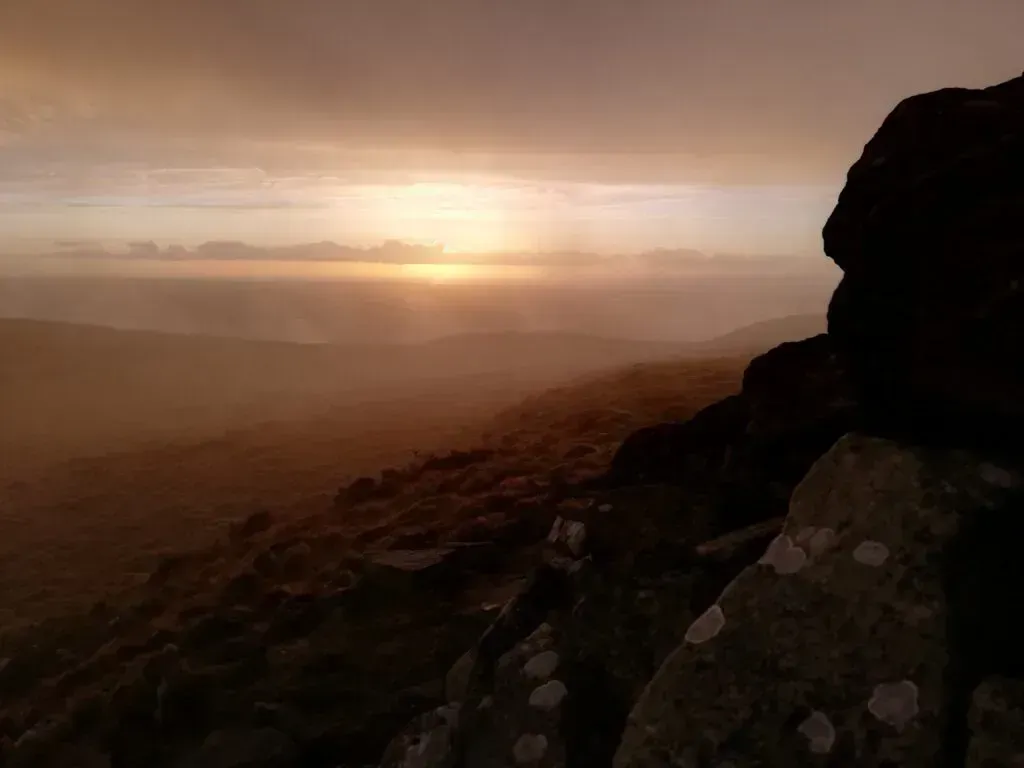
In late February and early March 2026, a large dust cloud moved from North Africa toward Europe. The plume, known as a calima in Spain, affected Spain, Portugal and France. It then spread further, and reached as far north as Ireland before moving east toward the UK, eastern France, western Germany, the Netherlands, Belgium and Italy.
Satellites tracked the event closely. NASA’s Suomi NPP satellite observed Saharan dust plumes drifting over France on March 5, 2026. The Copernicus Atmosphere Monitoring Service mapped it too, showing a plume stretching from the North African coast as far as the United Kingdom.
What Dust Does to the Air You Breathe
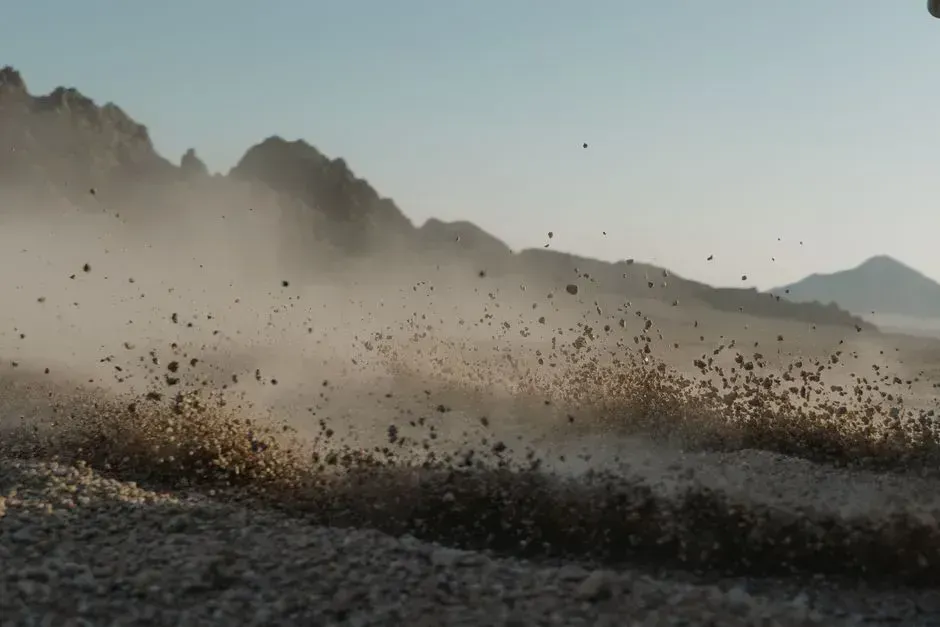
Desert dust shows up in monitoring data as particulate matter. During the March episode, Copernicus reported that PM10 concentrations exceeded EU standards. Another report noted that air quality indices in several cities reached the “unhealthy for sensitive groups” category, mainly because of higher PM10 and PM2.5.
Authorities responded with practical advice. Spain’s AEMET and France’s AtmoSud advised people with respiratory conditions to limit outdoor activity until conditions improved. For most healthy people an episode is mainly an irritation, while those with asthma or heart and lung conditions should be more careful.
Why Orange Skies and Dramatic Sunsets Happen
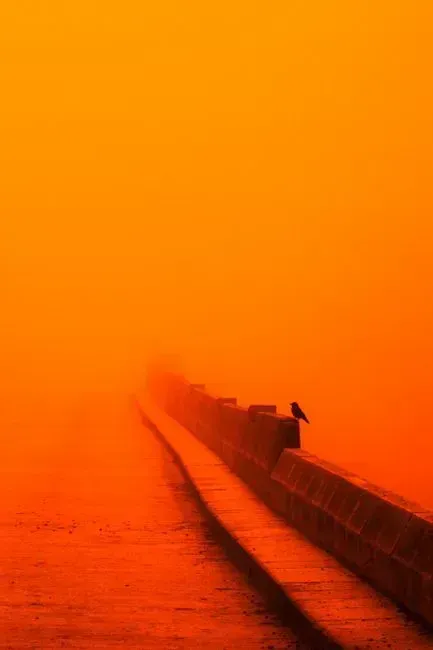
Dust doesn’t only dirty the air, it changes how sunlight travels through it. Observers during the March event reported orange sunsets, hazy skies, and a layer of fine dust on surfaces. The general physics is well established: airborne particles scatter shorter blue wavelengths and let more of the red and orange light through, especially when the sun is low.
That’s why a dusty evening can look richer than a clear one. The effect is strongest when a thick layer sits between you and the horizon. The same haze, however, signals that particle levels near the ground may be elevated.
Blood Rain and Muddy Cars
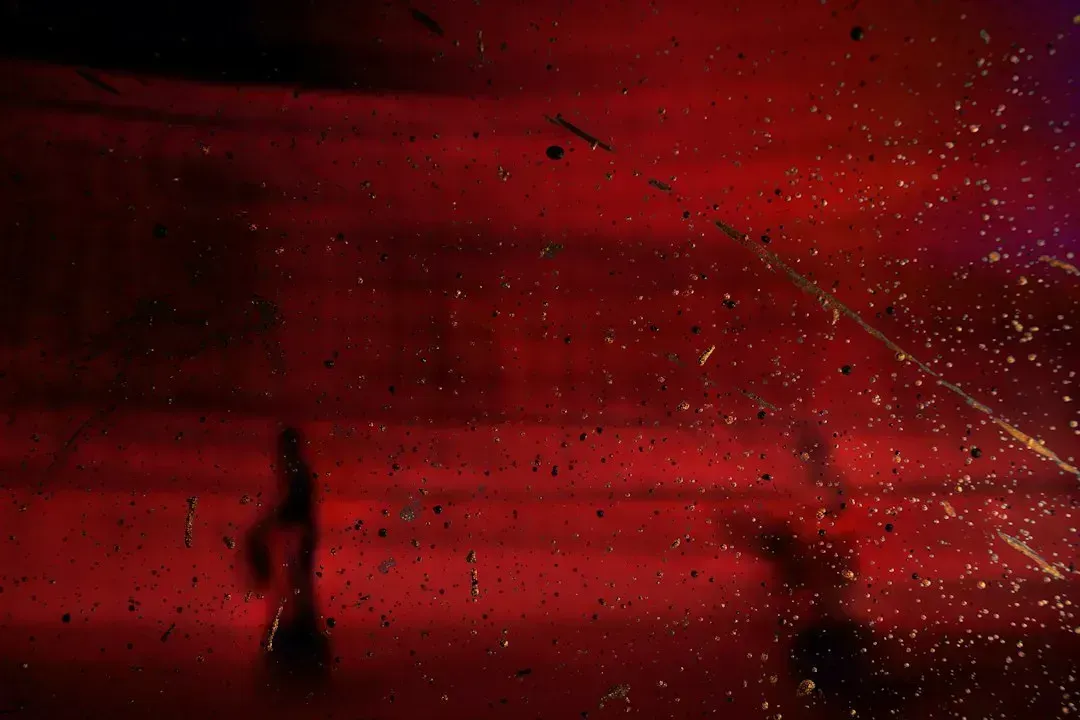
Dust doesn’t always stay in the air. Storms encountered some of the dust, causing particles to fall with rain and coat surfaces with a brownish residue. The phenomenon is often nicknamed blood rain, and dirty rain fell in parts of Spain, France and the United Kingdom in March 2026.
Rainfall has a useful side effect for air quality. Forecasters at the time expected that frontal rainfall and stronger Atlantic winds would promote washout and dilution of the dust layer. In other words, the muddy windscreen is a sign the air is clearing.
A Decade of Data: Dust Is Increasing
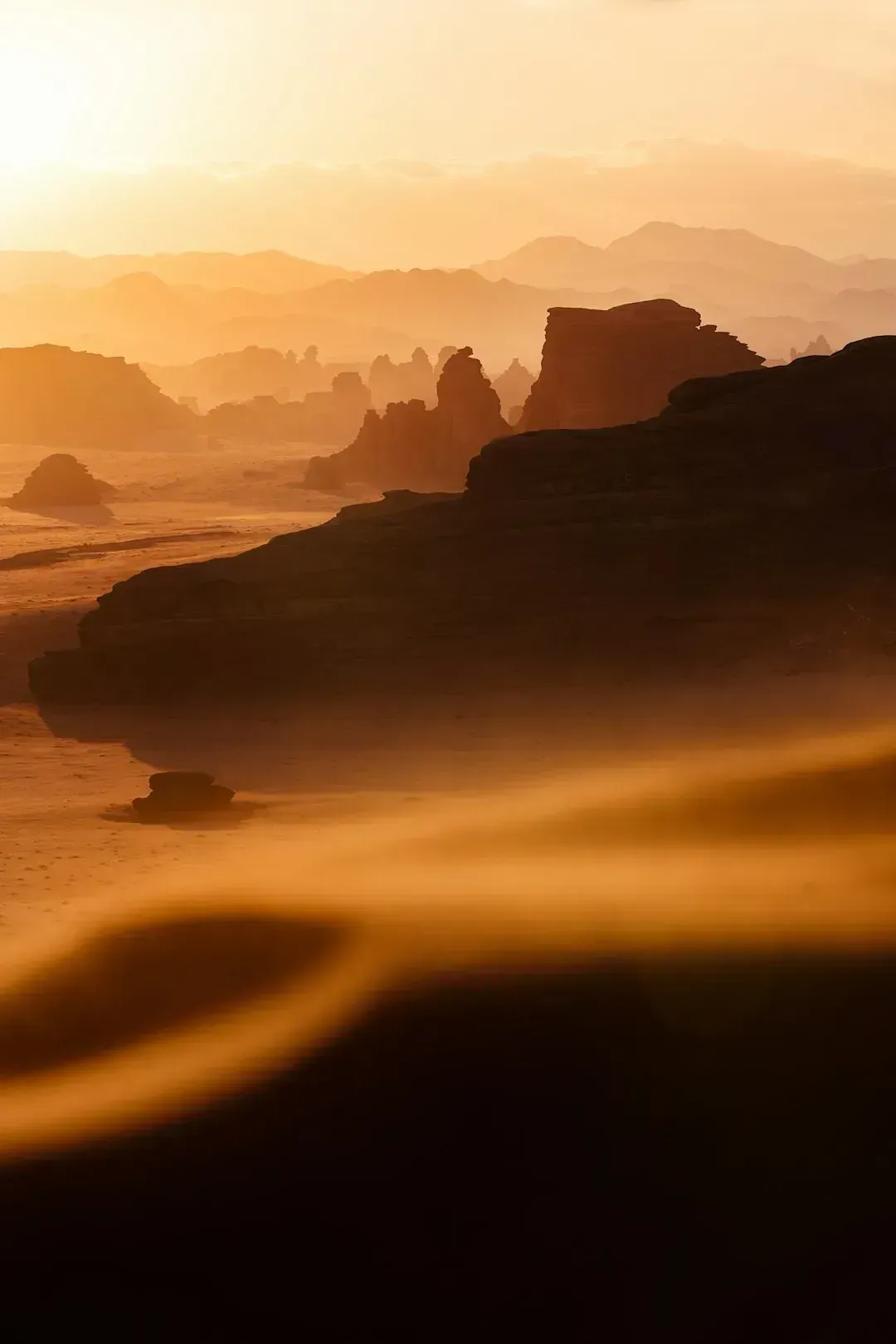
A study published in Nature in July 2026 offers the clearest long-term picture yet. Researchers at the Paul Scherrer Institute and colleagues collected 10 years of data from more than 100 measuring stations and combined it with artificial intelligence. They found that desert dust in the European atmosphere has increased by 10% to 25%.
The numbers differ by region. Southern Europe averages 5.3 micrograms per cubic meter, more than twice the 2.1 measured in central and northern Europe. Meanwhile, particulate matter from transport, industry and households is decreasing thanks to current regulations, so dust is eating into those gains.
Why More Dust Is Coming North
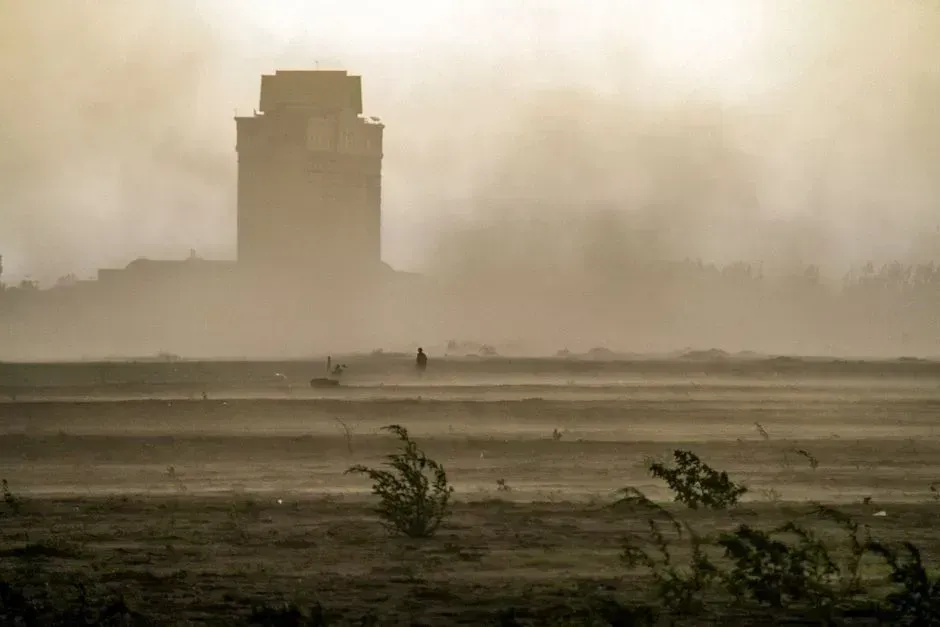
The researchers point to two main drivers. One is an alteration in atmospheric circulation that draws African air masses toward Europe, and the other is increased dryness in parts of North Africa, which raises dust emissions. Dust episodes are also seasonal, as intrusions are common in early spring when southerly flow interacts with surface heat over North Africa.
The long-term outlook is less clear cut. A March 2026 overview noted that hotter, drier conditions may boost dust transport by 40 to 60 percent by 2100, while changes in vegetation and wind patterns can reduce storm frequency. Projections like these carry real uncertainty, so they’re best read as possibilities rather than forecasts.
Southern Europe Lives With It Most
For Spain and Portugal, dust is a regular visitor. Xavier Querol of IDAEA-CSIC said that Spain experiences African dust episodes for about one third of the year, and the daily limit value for protecting human health can often be exceeded. In the Canary Islands, dust episodes affect 40% of days.
Central Europe sees the dust less often, yet it still matters. A German study of Baden-Württemberg for 2020 to 2024 describes Saharan dust as a significant but episodic contributor to particulate matter in central Europe, complicating air quality management and regulatory compliance. A single event can push a station over a limit even when local emissions haven’t changed.
Beyond Health: Solar Power and Policy Responses
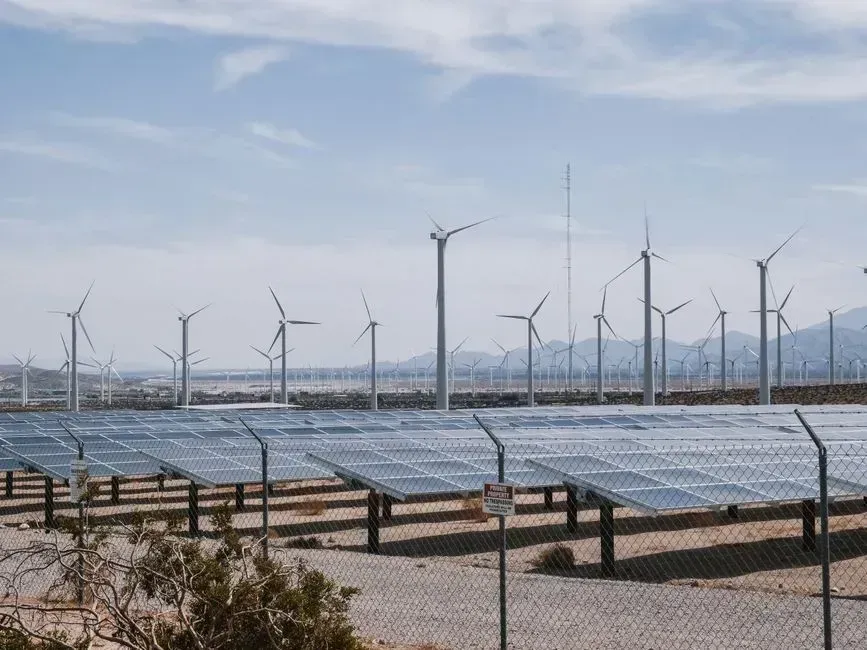
Dust affects more than lungs. Summaries of the new research highlight that rising dust threatens air quality, human health, and solar energy efficiency. Panels covered in dust or shaded by haze produce less electricity, which matters as Europe builds out solar capacity.
The study’s authors suggest practical steps. These include coordinating early warnings and reducing human-made emissions on the days with the highest dust concentrations. The idea is simple: if nature adds particles, avoidable sources should be trimmed at those moments.
Conclusion: A Natural Phenomenon With a Changing Footprint
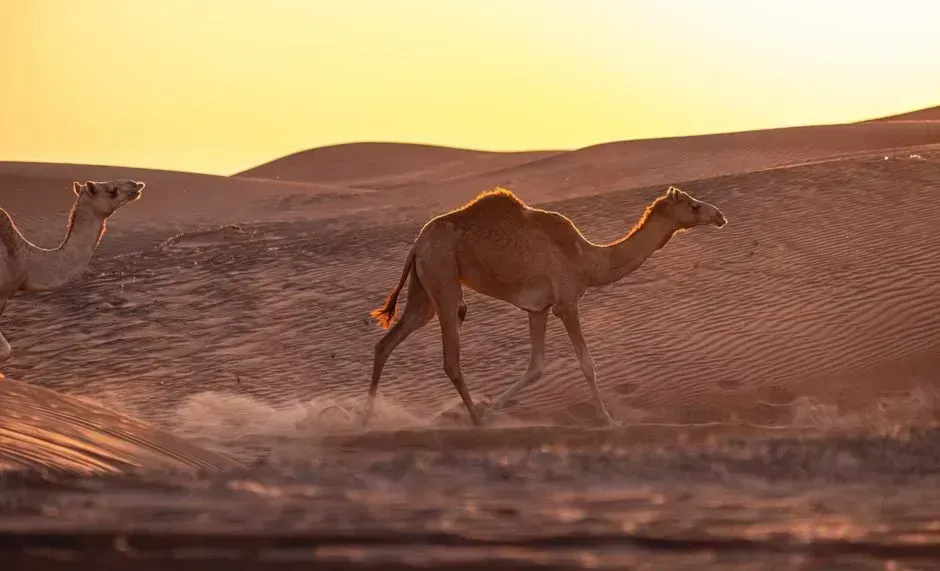
Saharan dust has always crossed the Mediterranean, and the glowing sunsets it produces are harmless in themselves. What’s changing is the amount, which has risen over the past decade according to a large pan-European dataset. That makes dust a growing factor in how Europe measures progress on clean air.
Next time the sky turns orange, enjoy the view, but check your local air quality reading before heading out for a run. The beauty and the particles arrive together.

- I Asked AI and a Waste Auditor How to Cut My Household Trash – Where They Disagreed - November 12, 2026
- Einstein’s equations suggest gravity can reconnect like the sun’s magnetic field - November 12, 2026
- This Map Shows Which States Get the Most Severe Storms Each Year – And It’s Not What You’d Expect - November 12, 2026
