


- Forest Floors Glowing Blue in Complete Darkness – 6 Bioluminescent Fungi in Nature - November 13, 2026
- 8 American Cities Where Summers Could Feel Dramatically Different by 2050 - November 13, 2026
- Meet America’s Next Retirement Hotspot: The Small City Nobody Saw Coming - November 13, 2026
Every year, a growing tree adds a layer of wood. In a wet year that layer is often wide. In a dry one it can be thin and tight. Line up enough of these layers from enough trees, and you get a record of past moisture that can run back centuries.
Instrumental weather records usually cover only a century or so, and in many places far less. Tree rings fill that gap. Recent studies from Europe, Asia and North America show how the method is being used right now, and where its limits lie.
How a Ring Becomes a Rainfall Record
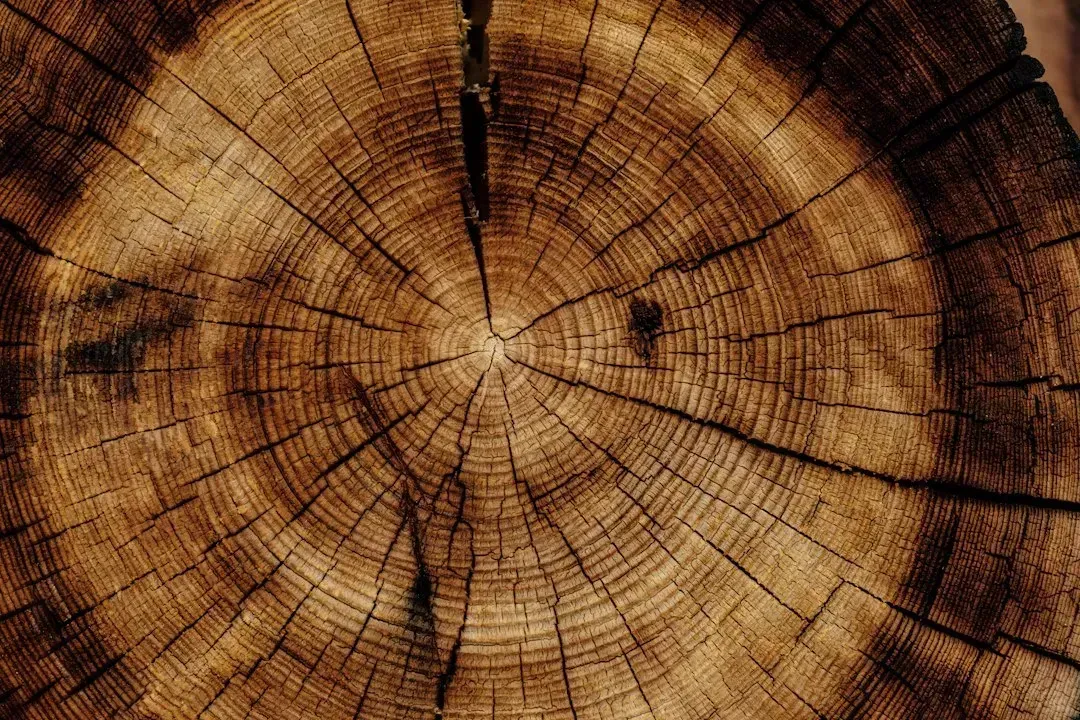
Trees in dry or cold settings tend to be limited by one main factor, and that factor leaves a mark in ring width. Researchers measure the rings, remove age-related growth trends, and compare the result with modern climate data. A 2025 study in the Himalayas, for example, used a Himalayan cedar chronology and found its strongest link to the Palmer Drought Severity Index in the March to May period (r = 0.636, p < 0.001, n = 114).
That match is what makes a reconstruction credible. If the rings track measured drought during the overlap years, scientists can cautiously extend the relationship backward in time. It is a statistical bridge, and it is only as good as the calibration behind it.
Reading Ring Width in the Northwest Himalayas
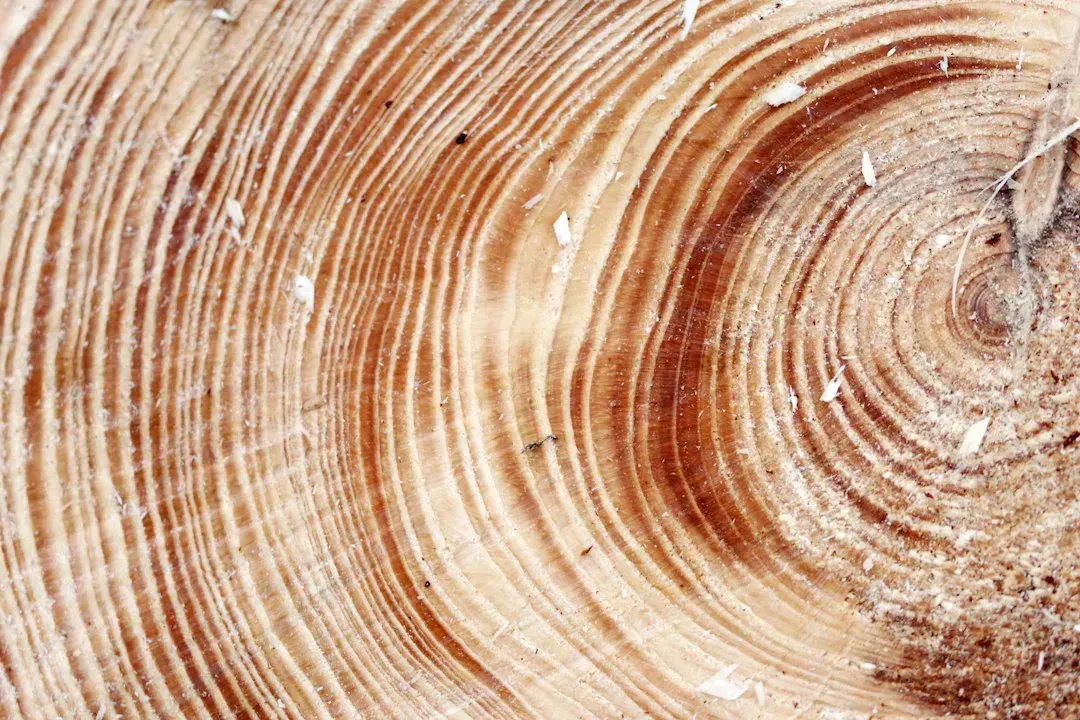
The Himalayan work, published in the International Journal of Climatology in September 2025, built a chronology of more than 300 years from Cedrus deodara in Lug Valley, Kullu. Its title reports increased pre-monsoon droughts over the past two centuries. The authors argue that pre-monsoon dryness is the dominant growth-limiting factor there.
The record also shows rhythm. A spectral analysis identified cycles of 80, 33, 6, 2.3 and 2 years. Such cycles suggest periodic climate variability, though they describe patterns in one valley and shouldn’t be stretched to the whole mountain range.
Five Centuries of Rain in Eastern Spain
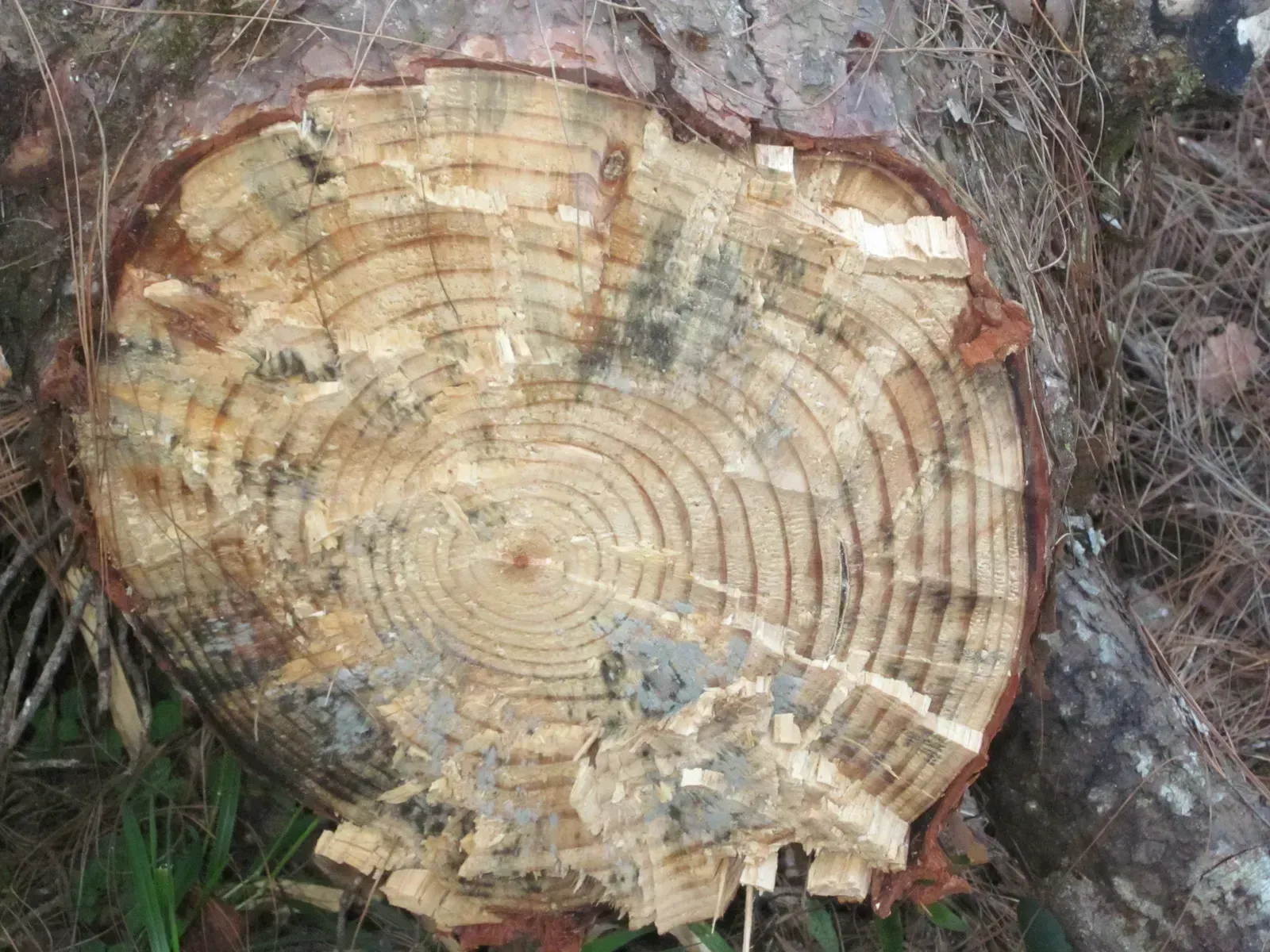
In the western Mediterranean, a 2025 study in Climate of the Past reconstructed precipitation for the Iberian Range from 1505 to 2024. It used Pinus sylvestris and Pinus nigra ring widths and targets a 320-day window from mid-August to the end of June. That window reflects the period when rainfall matters most for the trees’ growth.
The record flags dry extremes in years such as 1526, 1527, 1879, 1931, 2005 and 2012, all below the 5th percentile. The authors also checked the rings against independent historical evidence, namely rogation ceremony records, church rituals held to pray for rain, covering 1650 to 1899. Agreement between tree rings and written history strengthens confidence in both.
Oxygen Isotopes: A Second Kind of Ring Signal
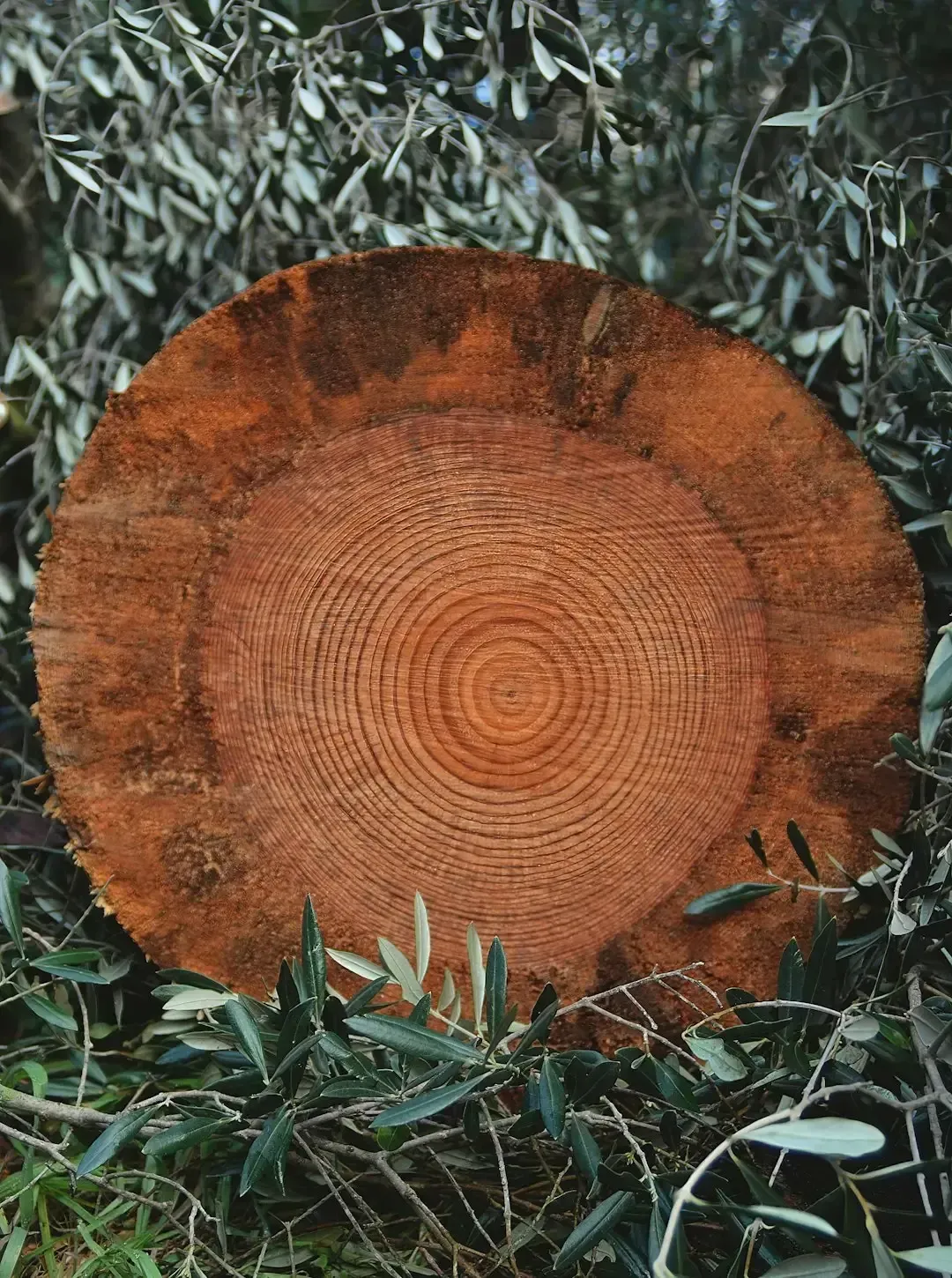
Ring width isn’t the only clue. The chemistry of the wood can also carry a moisture signal. A 2025 Biogeosciences study of oak in Romania’s Letea Forest built a δ18O chronology spanning 1803 to 2020 from seven individual time series.
The isotope values correlated negatively with cloud cover, humidity and precipitation, and positively with temperature and sunshine. The authors used this to reconstruct drought for roughly two centuries and linked dry conditions to high pressure over the North Atlantic. Isotopes can be less affected by tree biology than width, though the lab work is more demanding.
Four Centuries on the Loess Plateau
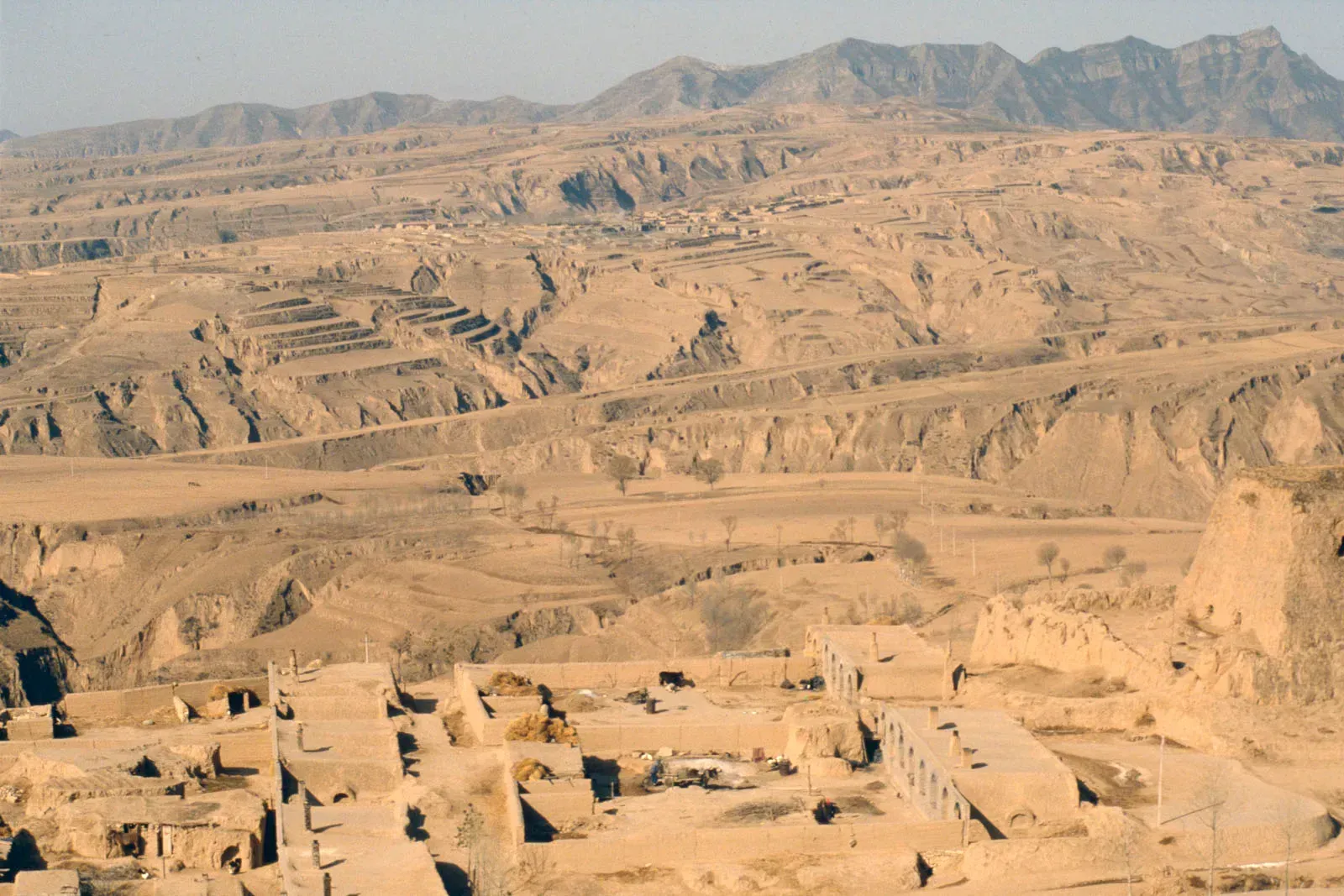
Another recent study built a 407-year drought record, 1610 to 2016, for the western Loess Plateau. It used Chinese pine from the Kongtong Mountains and April to July scPDSI. The tree rings showed a significant correlation with scPDSI of r = 0.74, a fairly strong calibration.
The authors also examined links to the Atlantic Multidecadal Oscillation, a slow ocean pattern. Findings like this suggest that distant ocean conditions can shape regional dryness over decades. Such links are interpretations of statistical association, so they work best when backed by atmospheric analysis.
From Drought Maps to Jet Stream Patterns
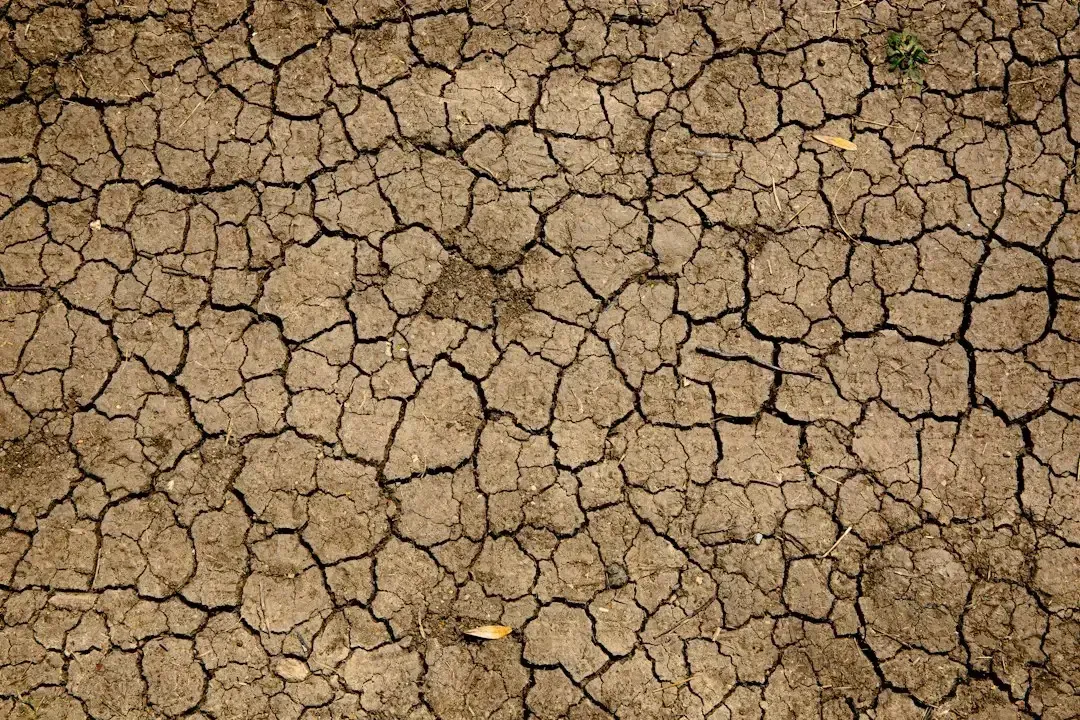
Tree rings can reveal more than local moisture. A University of Arizona-led team, reported in October 2025, used established tree-ring drought atlases to identify consistent patterns in the Great Plains, the US Southwest and Central Europe. Those regions are known to feel a locked jet stream pattern called wave5.
They calibrated a model with atmospheric data from 1948 to 2018, then applied it to the rings. The result was the first long-term reconstruction of wave5 activity, going back 1,000 years. It’s a clever use of drought records as an indirect weather archive.
What the Past Says About Future Drought
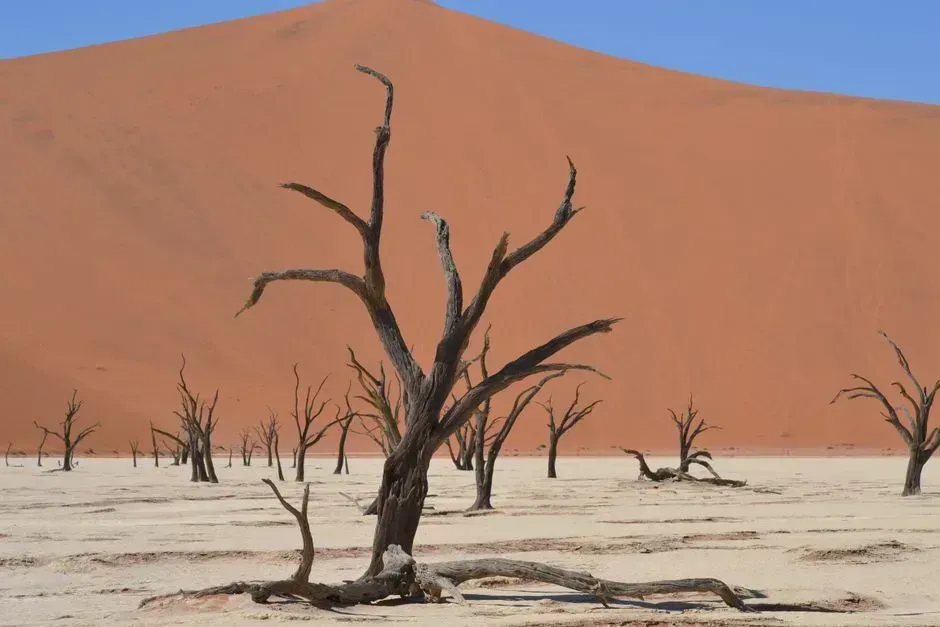
Paleoclimate records help test climate models. In northern Italy’s Po River basin, researchers combined tree rings, historical records and models. They found that future droughts are projected to be 11% longer and 12% more severe. Agreement between reconstructions and simulated past conditions supported the team’s projections.
The study also notes that past droughts, such as those in the Medieval Climate Anomaly, were longer, but future events may be more intense. That is a useful reminder that history offers context, not a script.
Conclusion
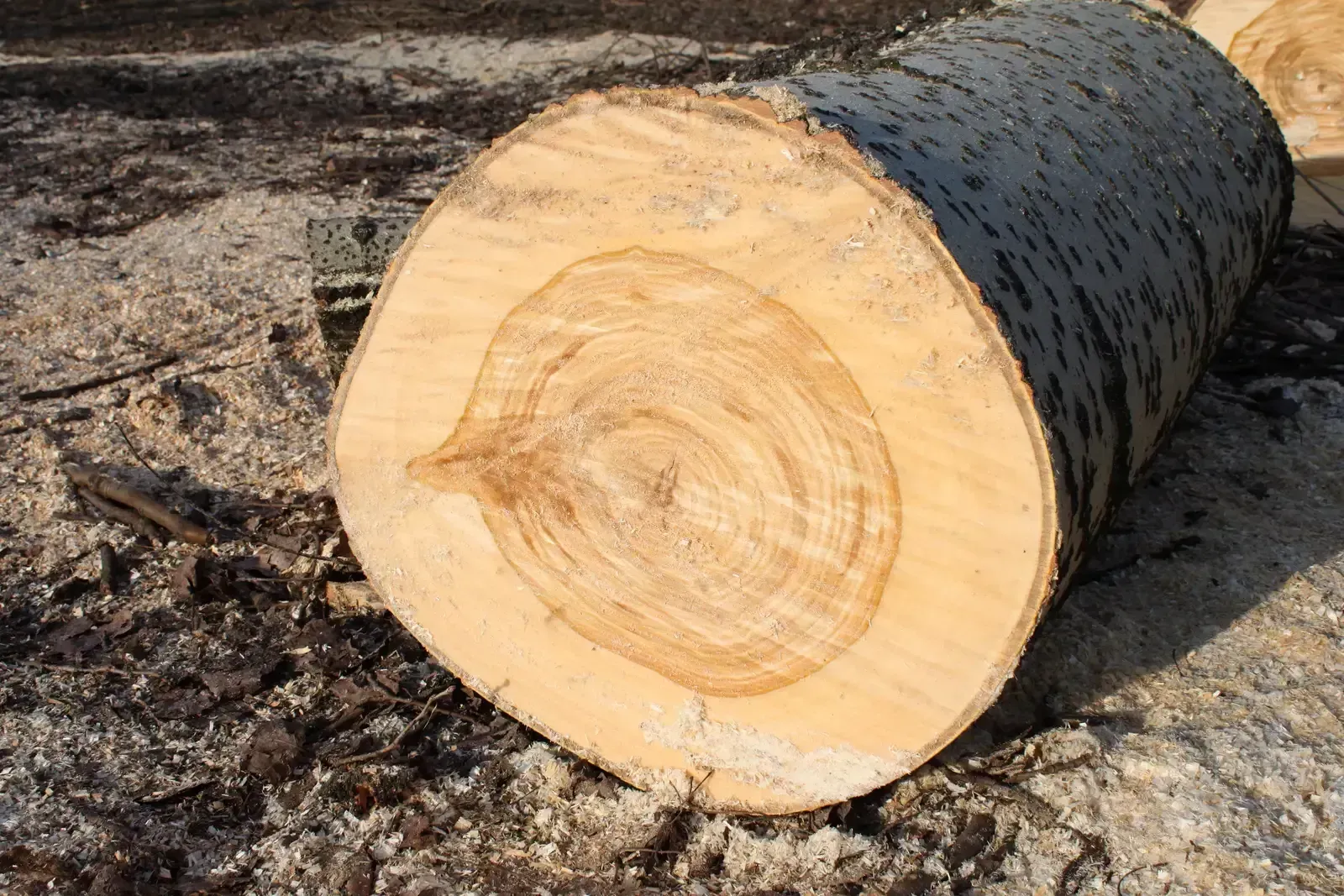
Tree rings turn short weather records into long ones. Recent work from the Himalayas to Spain, Romania and China shows that, when calibrated against modern data and checked against other evidence, they reveal dry spells, wet spells and the circulation patterns behind them. Every reconstruction has limits, from species and site effects to the share of variance explained, so careful testing matters.
A cross-section of wood is a small thing, yet it can hold a few centuries of weather. Reading it well is how we learn what normal has really looked like.
