


- 10 Home Upgrades That Can Lower Summer Cooling Costs - November 10, 2026
- 10 Questions to Ask Before Buying a Home in a Flood Zone - November 10, 2026
- 9 Coffee-Growing Regions Reporting Lower Yields as Temperatures Rise - November 10, 2026
A rocket launch lasts a few minutes, and most people only see the bright streak and the crowd. The exhaust doesn’t end there. It is released straight into the stratosphere and above, a region that surface weather rarely cleans.
That is why atmospheric scientists have paid closer attention to launches since 2024. The industry is growing quickly, and the research is still catching up. Here is what recent studies show, and where the uncertainty remains.
Why the Upper Atmosphere Is Different
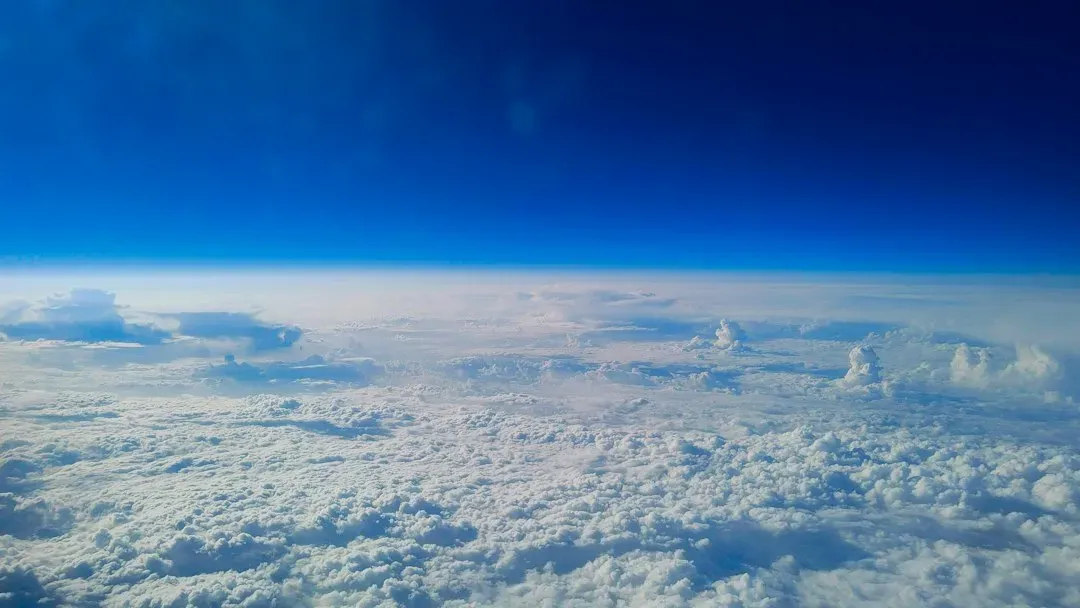
Pollution near the ground gets washed out by rain and mixed by weather. Rockets inject soot much higher, where air moves slowly and cleanup is harder, so particles can linger for years. The stratosphere also holds the ozone layer, which shields life from ultraviolet radiation.
Researchers at ETH Zurich report that emissions from rockets and re-entering debris in the middle and upper atmosphere can remain up to 100 times longer than emissions closer to the surface. A small amount of material can therefore matter more than its mass suggests.
A Launch Industry Growing Fast
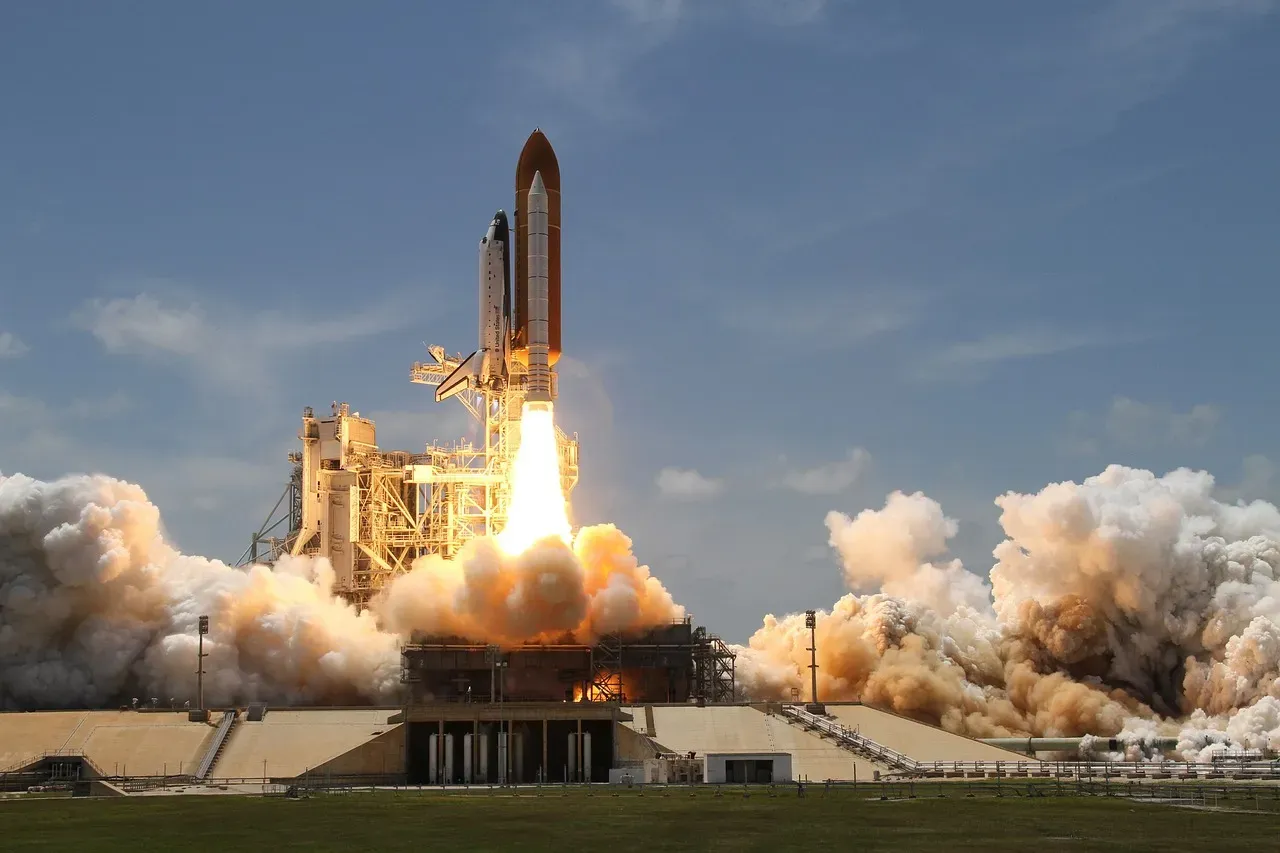
The number of launches has climbed sharply in the past few years. ETH Zurich’s summary of recent work says the figure reached 258 by 2024 and is expected to keep rising rapidly. Another report notes that annual launches have more than doubled since 2019.
University College London researchers found that rocket launches more than tripled emissions of soot and CO2 in the upper atmosphere between 2020 and 2024, mainly because of megaconstellations such as Starlink and OneWeb. Satellite deployment, not tourism, is the main driver of that growth so far.
Soot, the Pollutant Scientists Worry About Most
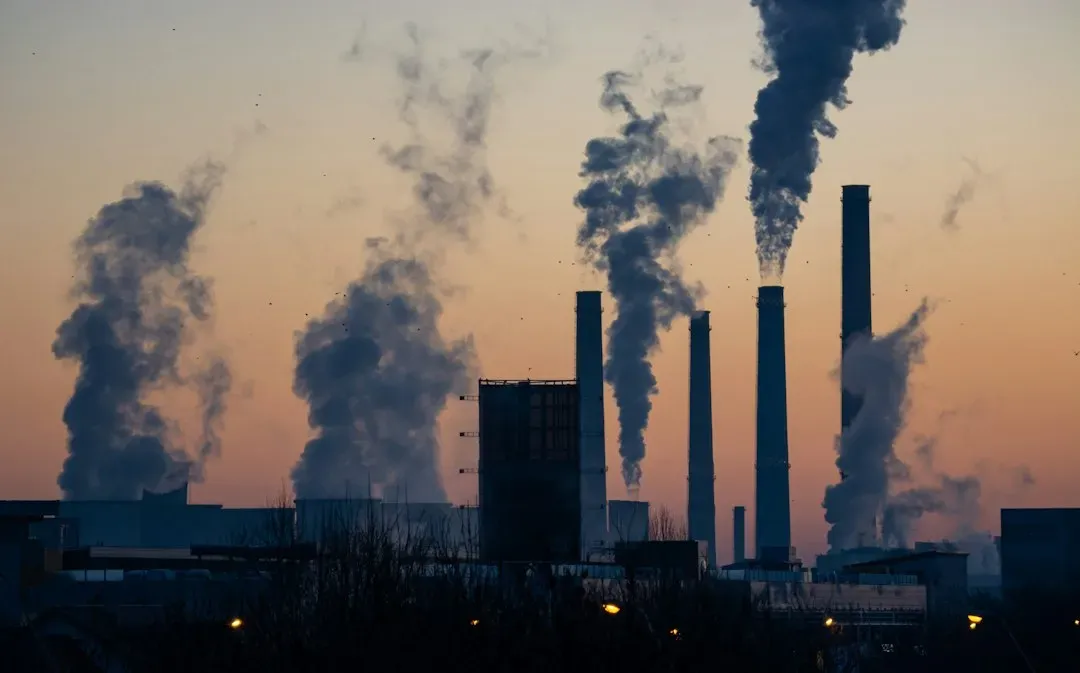
Black carbon, or soot, comes from burning kerosene based fuel. In a study published in Earth’s Future, soot lingering in the upper atmosphere was found to be 540 times more effective at altering climate than soot from ground sources such as cars and power plants. The particles absorb sunlight, which warms the air around them.
Projections from the same research team suggest that megaconstellation launches since 2019 could contribute about two fifths of the space sector’s climate impact by 2029. The overall effect on surface temperature looks small. Soot from launches has a mild cooling effect, though it is minimal next to the expected warming from climate change.
Chlorine and the Ozone Question
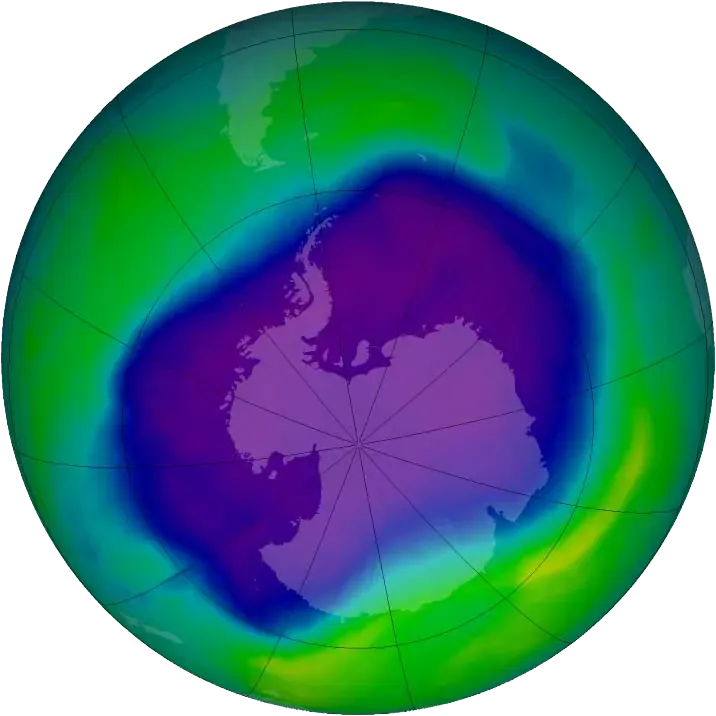
Solid rocket motors release chlorine, which is a direct threat to ozone. A 2025 modeling study led by Laura Revell tested two growth scenarios. It found near global annual ozone decreases of 0.17 percent and 0.29 percent under the conservative and ambitious scenarios.
The losses are uneven. The largest result was an extra 3.9 percent depletion over Antarctica in spring. Context matters here, because global mean ozone is still about 2 percent below levels measured before CFC damage began. Even small added losses could slow that recovery.
Where Space Tourism Fits In
Tourist flights are a small slice of total launches today. A 2022 study in Earth’s Future estimated that contemporary launch and reentry emissions had small global ozone effects, but stronger effects in the upper stratosphere and larger ones under a space tourism growth scenario.
The authors of related work concluded that routine space tourism launches may undermine Montreal Protocol progress on Arctic springtime ozone in the upper stratosphere. That is a projection tied to assumed growth, not a measurement of what suburban or orbital tourism flights do now.
What Happens When Satellites Come Down
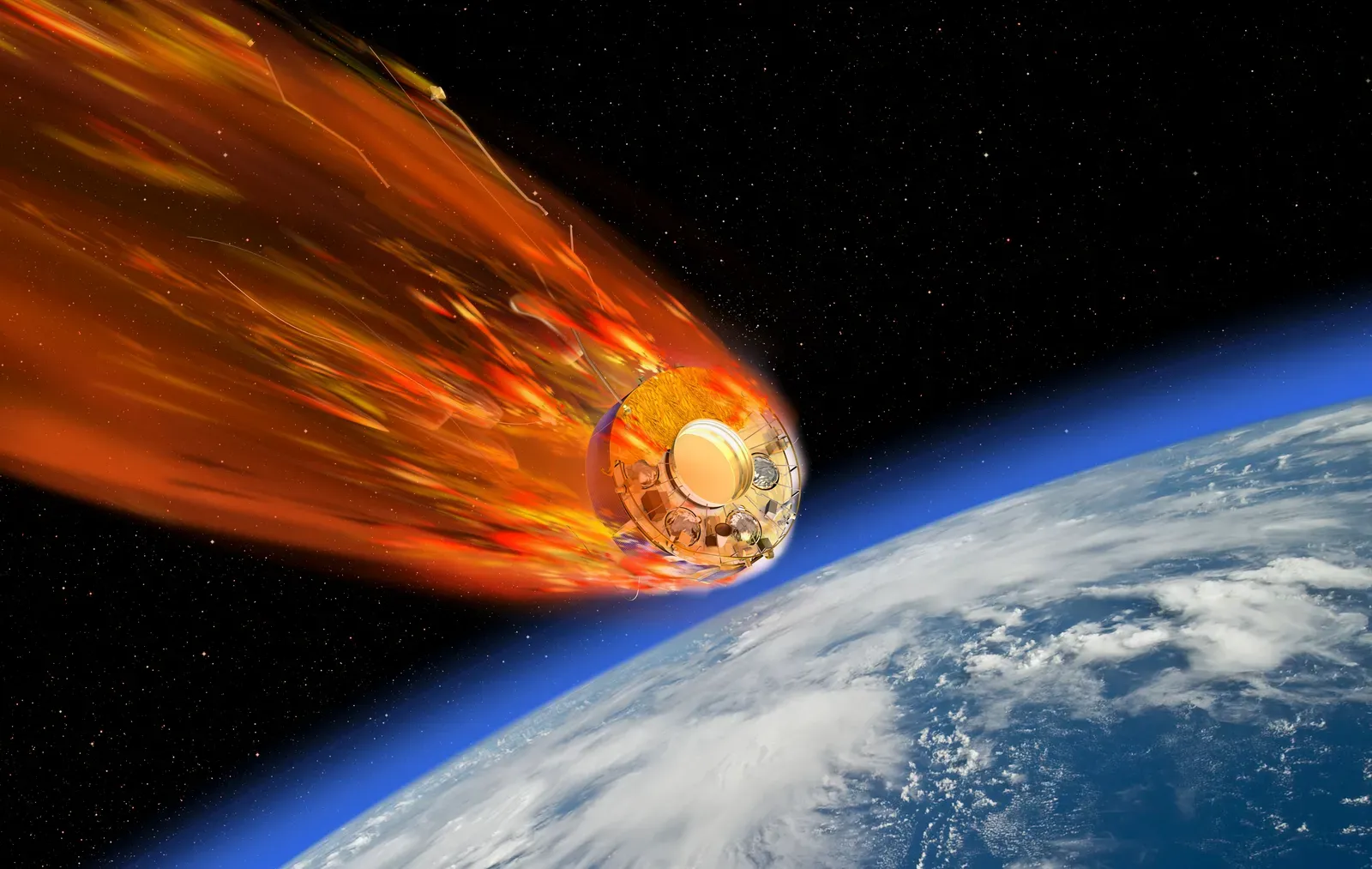
Launches are only half the picture. Old satellites burn up on reentry, and aluminum oxides are the main byproduct, and they are known catalysts for chlorine activation that depletes stratospheric ozone. A 2024 study from the University of Southern California modeled this process at the atomic scale.
It found that a typical 250 kilogram satellite, about 30 percent aluminum, generates roughly 30 kilograms of aluminum oxide nanoparticles on reentry. Satellites that reentered in 2022 raised atmospheric aluminum about 29.5 percent above natural levels.
Metals Already Found in the Stratosphere
This is not only a modeling exercise. A study published in 2023 found unusually high amounts of vaporized metals such as aluminum, copper and lithium in the stratosphere, an anomaly attributed to rocket launches and satellite reentries.
More recent fieldwork continues the trail. At an ESA workshop in 2025, researchers described back trajectories showing that an air mass sampled at their site had passed a spot west of Ireland where a Falcon 9 upper stage re-entered about 20 hours earlier. Direct detection like this gives models something real to test against.
Looking Ahead to 2040
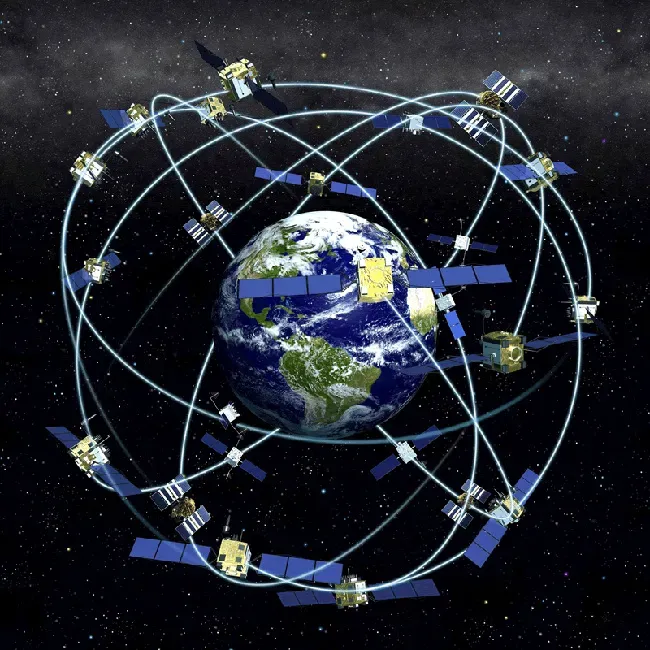
NOAA scientists simulated what a larger fleet might do. They modeled 10 gigagrams of aluminum oxide per year, a level consistent with expected megaconstellation growth by 2040. The aerosols build up in the stratosphere, with a 20 to 40 gigagram burden poleward of 30 degrees latitude, between 10 and 30 kilometers.
The temperature changes were modest. Small heating changes led to 1.5 kelvin anomalies in the mesosphere and stratosphere at Southern Hemisphere high latitudes. The authors treat this as a scenario, not a forecast.
Fuel Choices and Open Questions
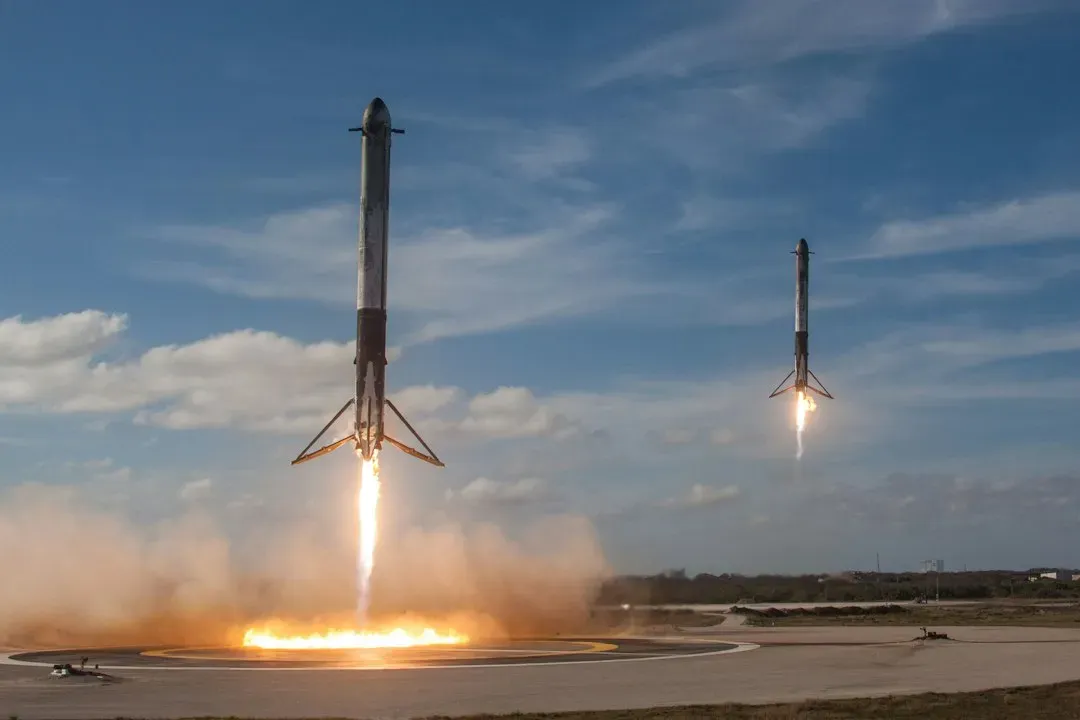
Propellant shapes the exhaust. Kerosene is dense, easy to handle and high performing, but it produces black carbon. Methane engines, used on vehicles such as Starship and New Glenn, can reduce soot compared with kerosene.
Still, cleaner is not the same as clean. Michele Bannister of the University of Canterbury has cautioned that methane fuels are not a solution on their own, since results depend on rocket size, combustion efficiency and flight profile. Real emissions testing of these newer engines is still needed.
Where the Science and Policy Stand
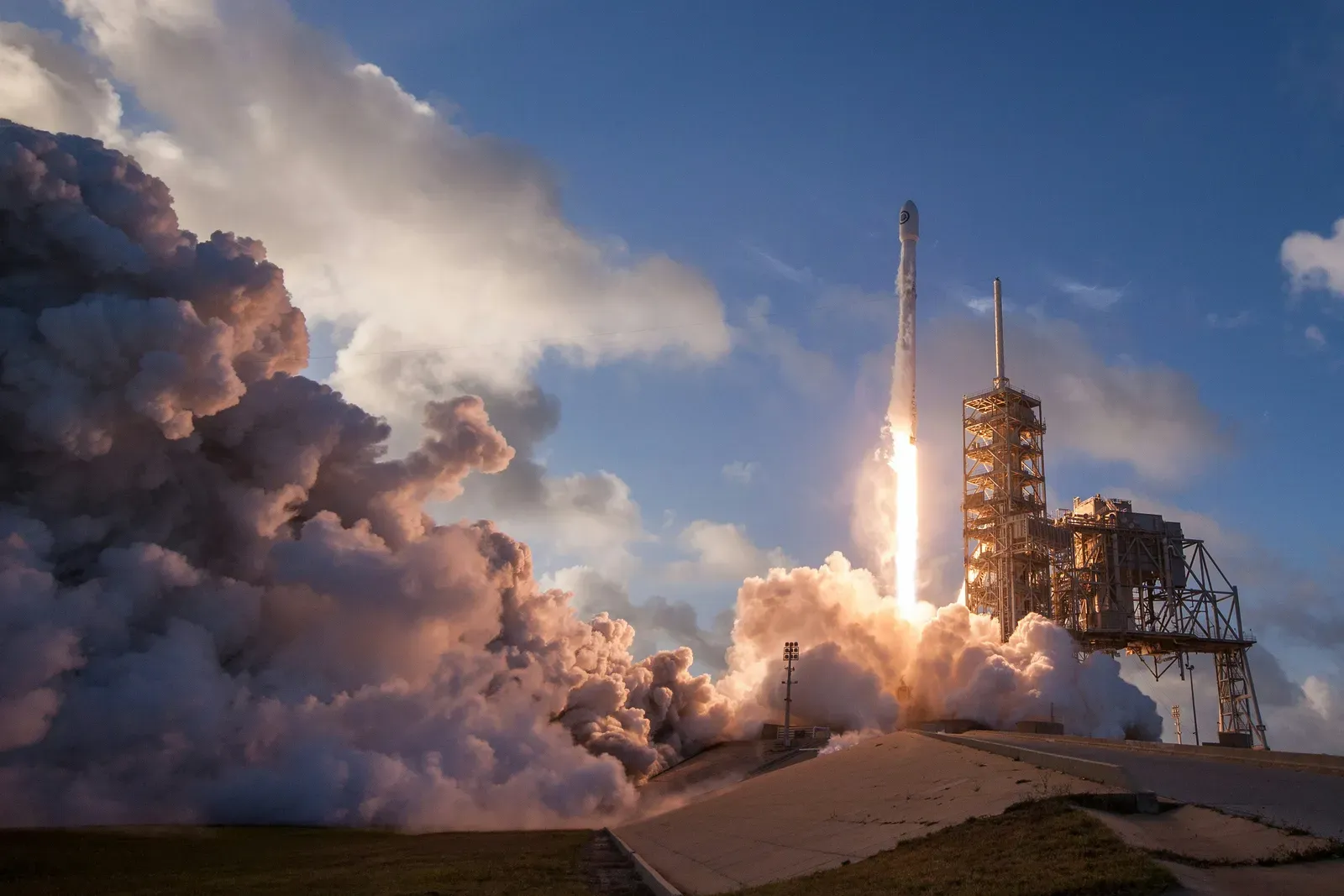
Researchers describe the field as young. UCL scientists built an emissions tracker covering launches and reentries, which shows a rapid rise in pollution since 2020, especially soot, carbon dioxide and carbon monoxide. Separately, ESA has been running workshops and measurement campaigns on reentry pollution.
The 2026 Earth’s Future paper on megaconstellations concludes that current ozone depletion from launches is small, future impacts are uncertain, and the rapid growth highlights a need for regulatory action. No binding international rules yet target upper atmosphere launch emissions specifically.
