

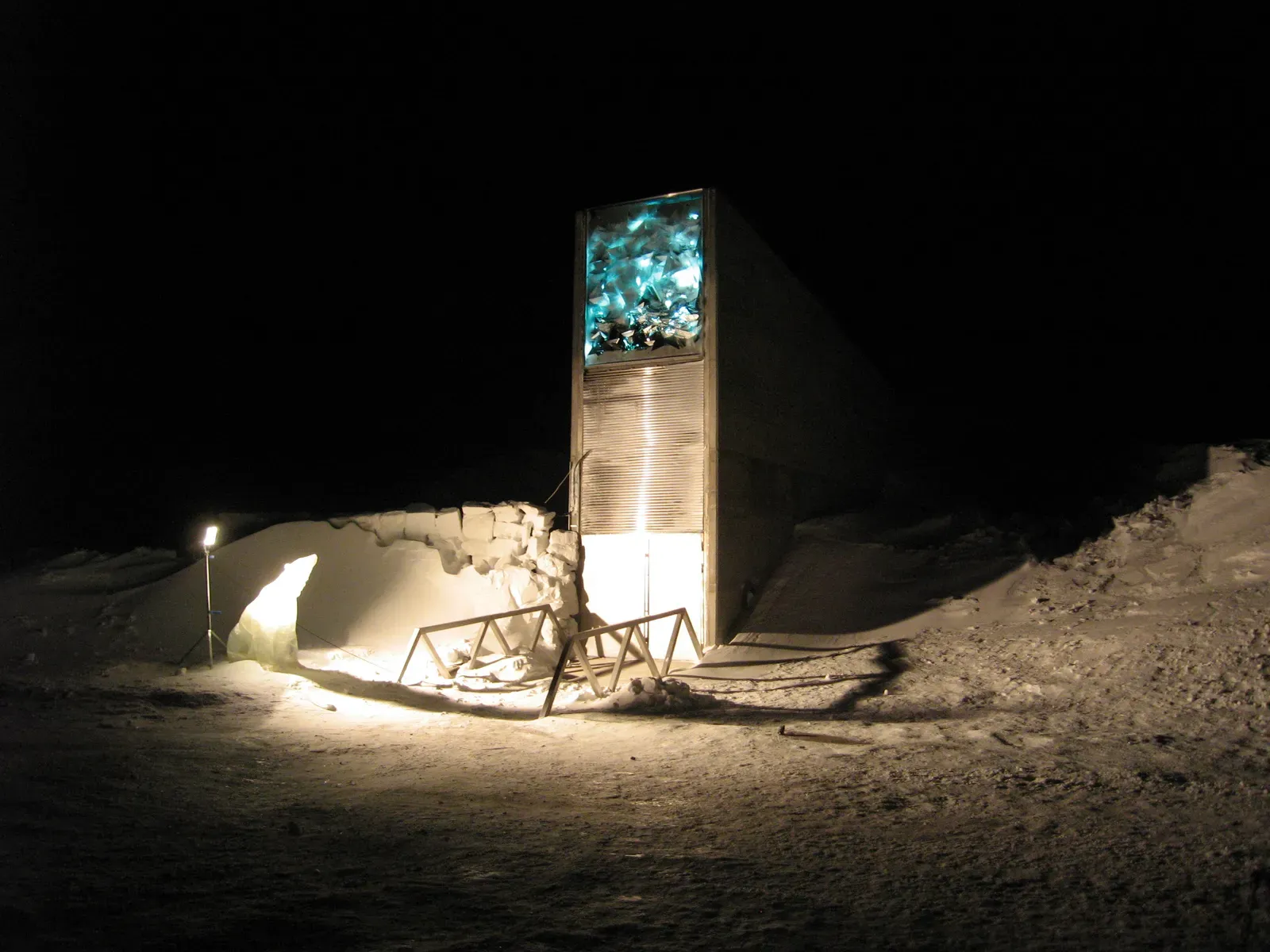
Deep inside a mountain on a Norwegian island, well north of the Arctic Circle, there is a vault that most people will never see. It holds no gold and no documents. It holds seeds, packed in sealed foil, waiting in case something goes wrong elsewhere.
The Svalbard Global Seed Vault has been taking deposits since 2008, and its collection keeps growing. The numbers from 2026 show how far the project has come, and how much of it depends on ordinary genebanks sending boxes north.
A Vault Built Into Arctic Rock
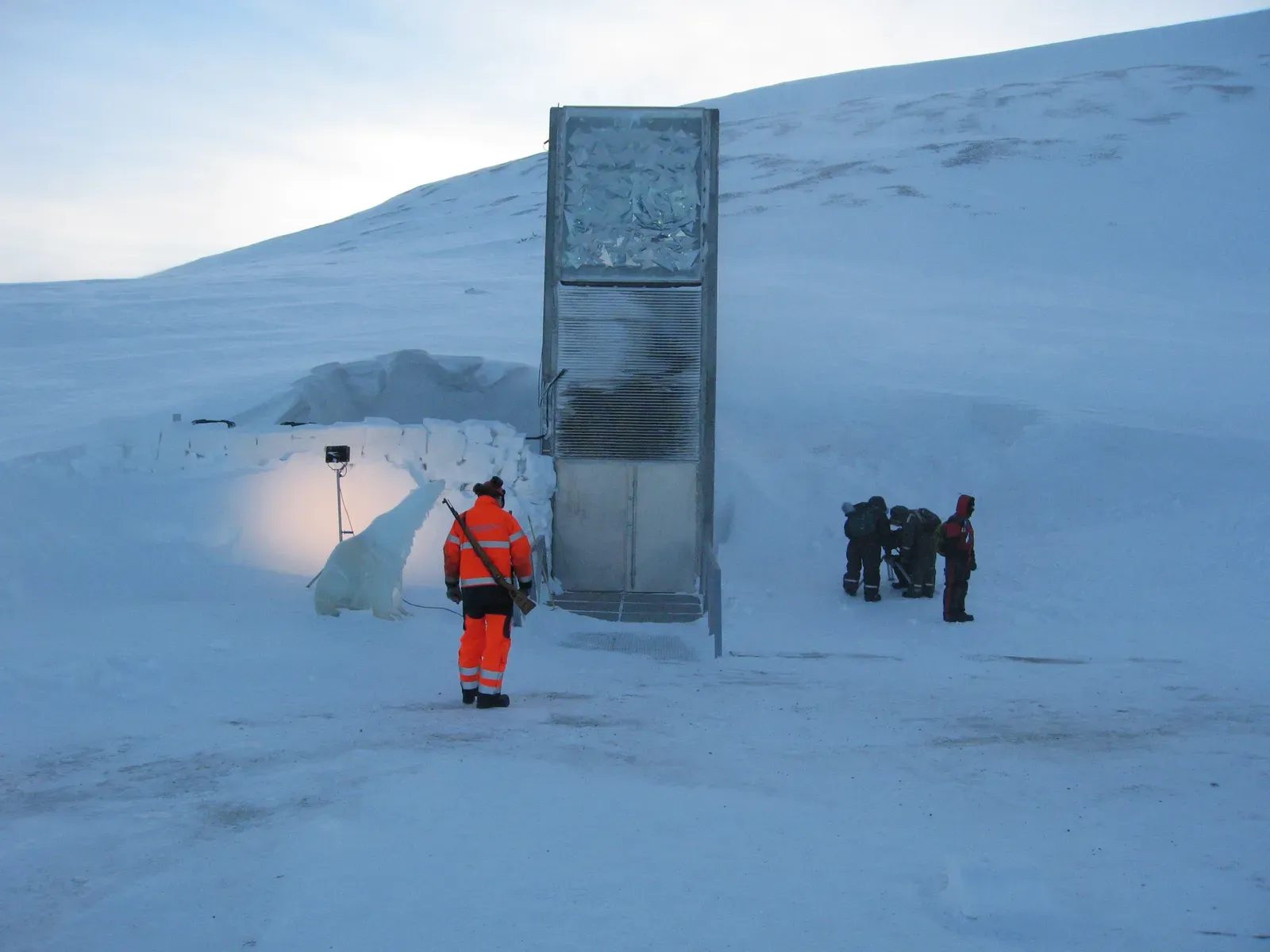
The facility sits inside a rocky mountain on Spitsbergen, in the Svalbard archipelago. It’s located under permafrost and managed by the Norwegian Government, the Nordic Genetic Resource Center (NordGen), and the Crop Trust. That three-way arrangement splits the responsibilities between a state owner, a Nordic operator and a crop diversity charity.
The location was chosen for its cold, stable conditions. Frozen ground helps keep the seeds cold even if mechanical systems fail, which is the point of a backup built for the long term.
A Backup, Not a Library
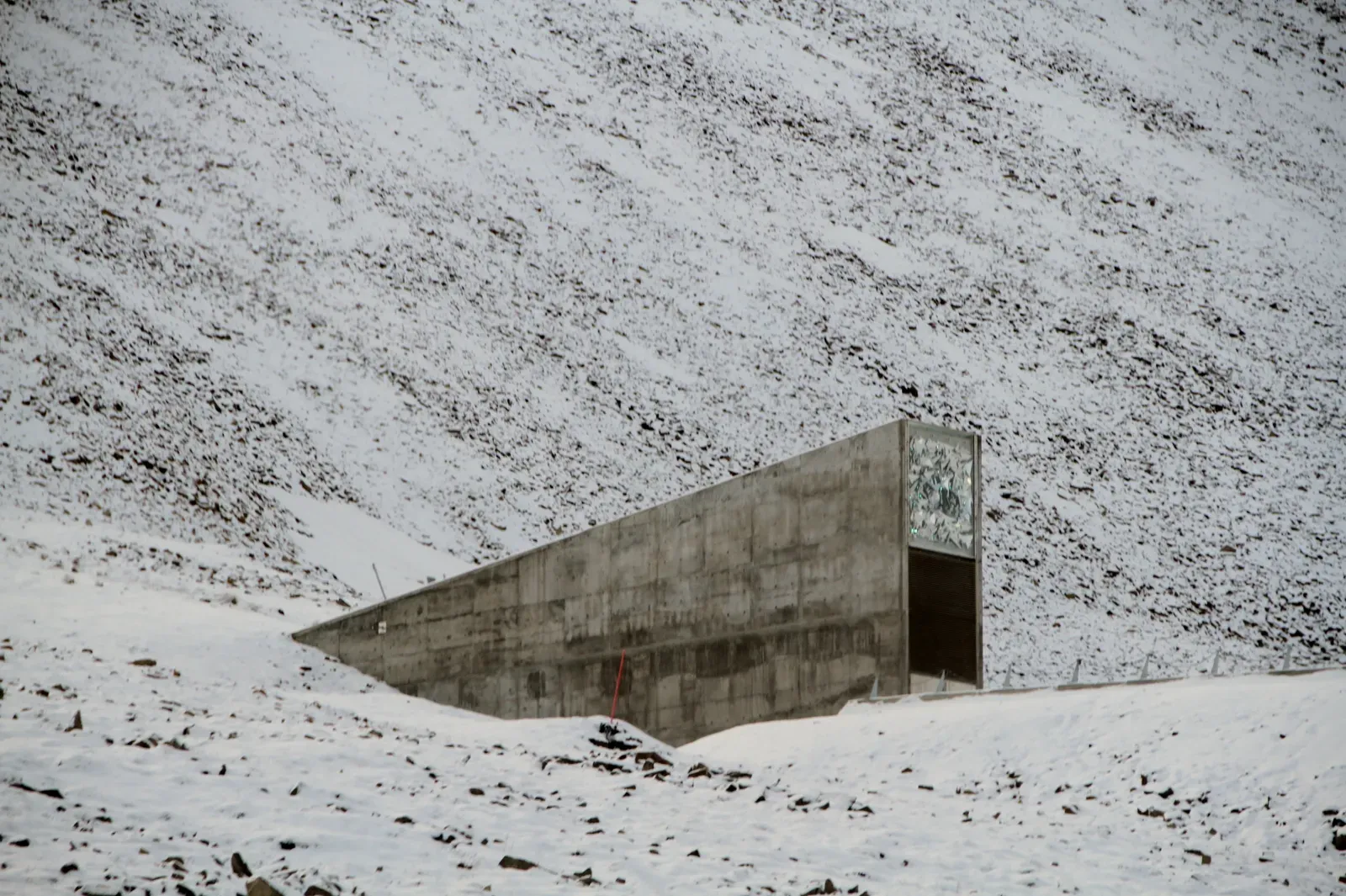
The vault’s job is easy to misunderstand. Genebanks deposit duplicate seed samples for long-term safekeeping while keeping ownership of their collections. The vault isn’t a lending service either, because it does not distribute seeds.
What it does offer is a way to recover. If seeds are lost elsewhere, the backups stored in Svalbard can be withdrawn and used to restore them. Norway’s government describes it as a safety deposit box where genebanks can store copies of their unique collections free of charge.
How Big the Collection Is in 2026
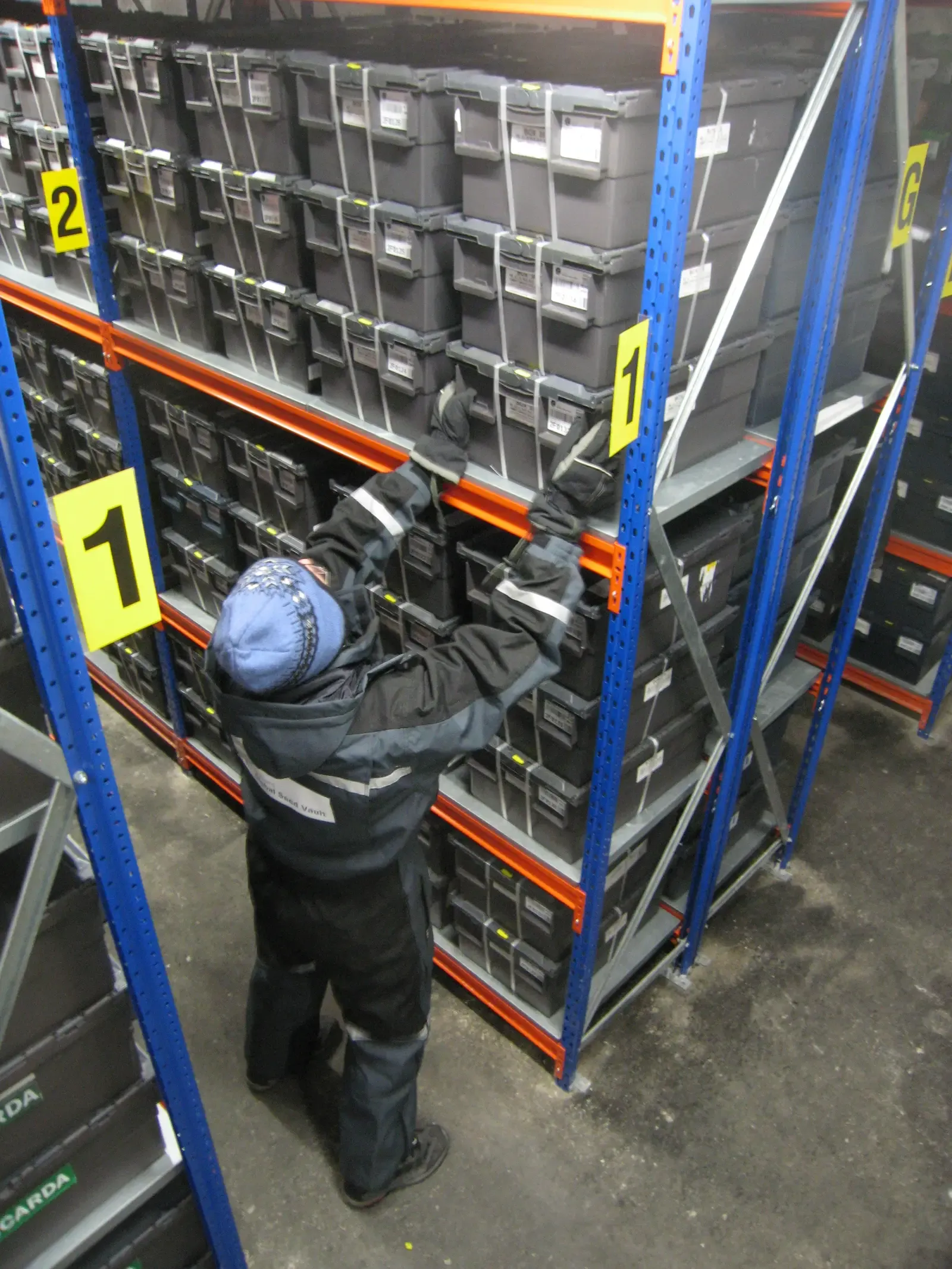
The scale has passed a notable mark this year. In June, the 70th deposit since 2008 brought the total to 1,401,285 seed samples. That put the collection past 1.4 million samples for the first time.
Crop Trust’s figures also give a sense of who is involved. As of 2026, the vault safeguards more than 1.4 million samples from 134 institutions around the world. A sample here means one packet of a particular variety, not a single seed.
Room for Millions More
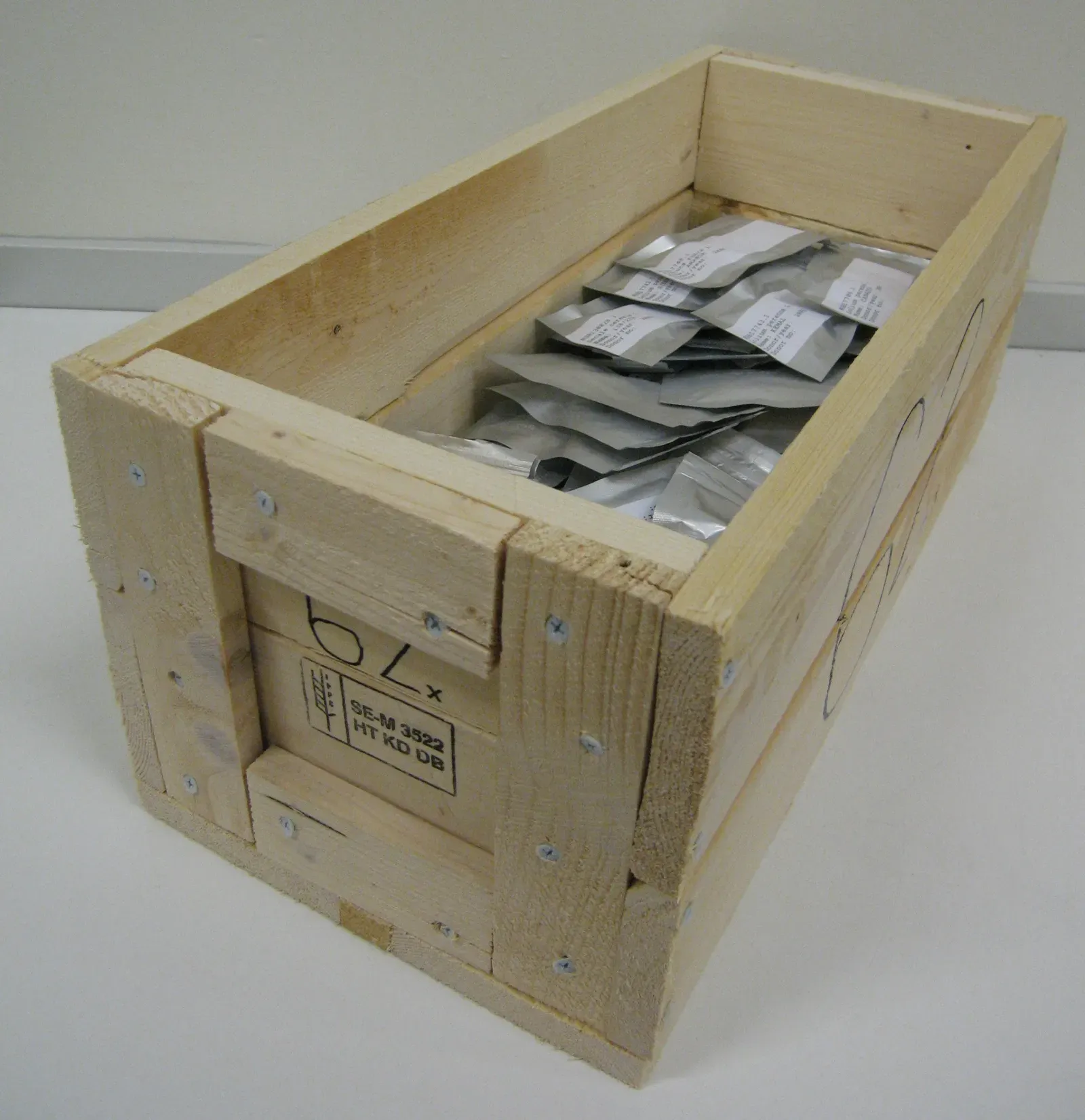
The vault is far from full. It can store 4.5 million samples, and with about 500 seeds per packet, that means up to 2.5 billion seeds. The current collection uses roughly under one third of that capacity.
That spare space matters because many collections around the world still lack a backup abroad. Programs that help genebanks prepare and ship their material are part of how the vault fills up over time.
The February 2026 Deposit and an Olive First
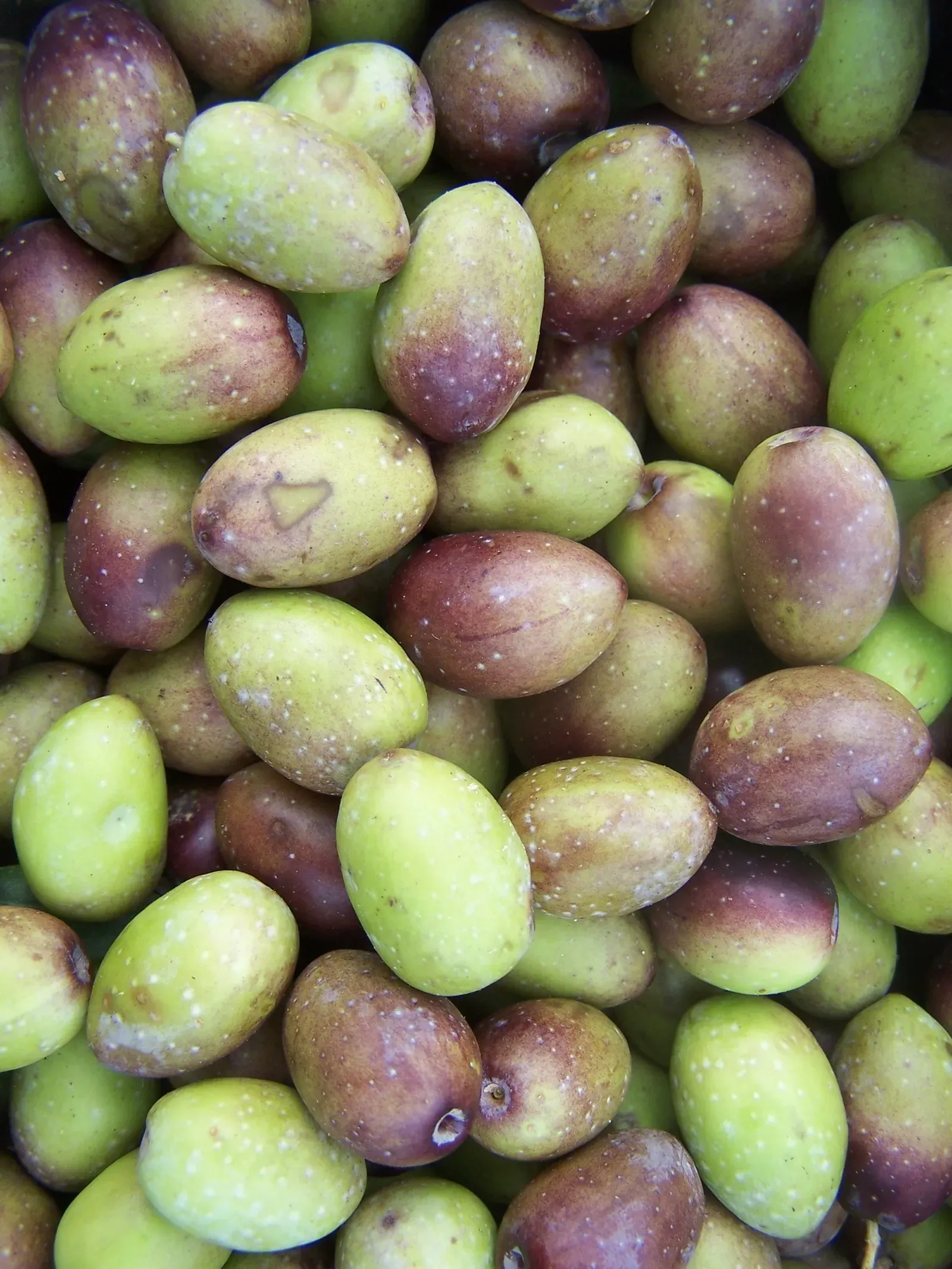
The year’s first deposit happened in late February. Guatemala and Niger deposited for the first time, the vault received its first olive seeds, and 7,864 samples from 10 depositors arrived. Those figures come from the Crop Trust announcement, though the vault’s own page lists slightly different totals, likely reflecting updated counts.
The olive deposit was notable. It included wild olive seeds from Spain and seeds of the 50 most important cultivated olive varieties worldwide. The work was an outcome of the European research project GEN4OLIVE, led by the University of Córdoba.
Farmers’ Varieties From Guatemala
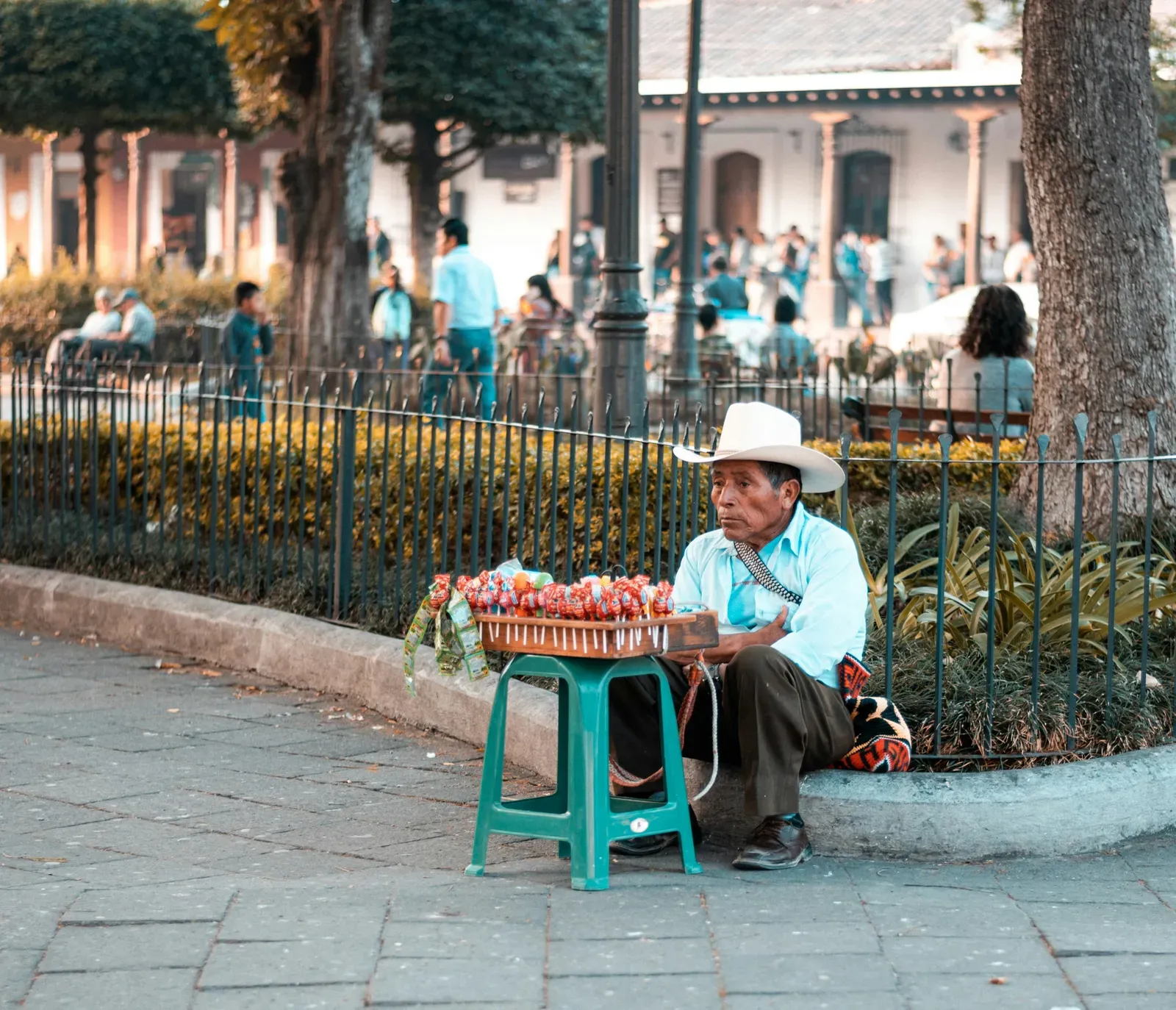
Guatemala’s contribution shows what the vault can protect beyond big institutions. The national genebank contributed 950 samples across 10 species, such as beans, maize, squash and amaranth. Some of that material came from farmers through a community seedbank in the Sierra de los Cuchumatanes.
Traditional varieties like these are often the ones at risk, since they depend on local farming habits. Backing them up in Svalbard gives them a second home outside their region.
The June Deposit and New Depositors
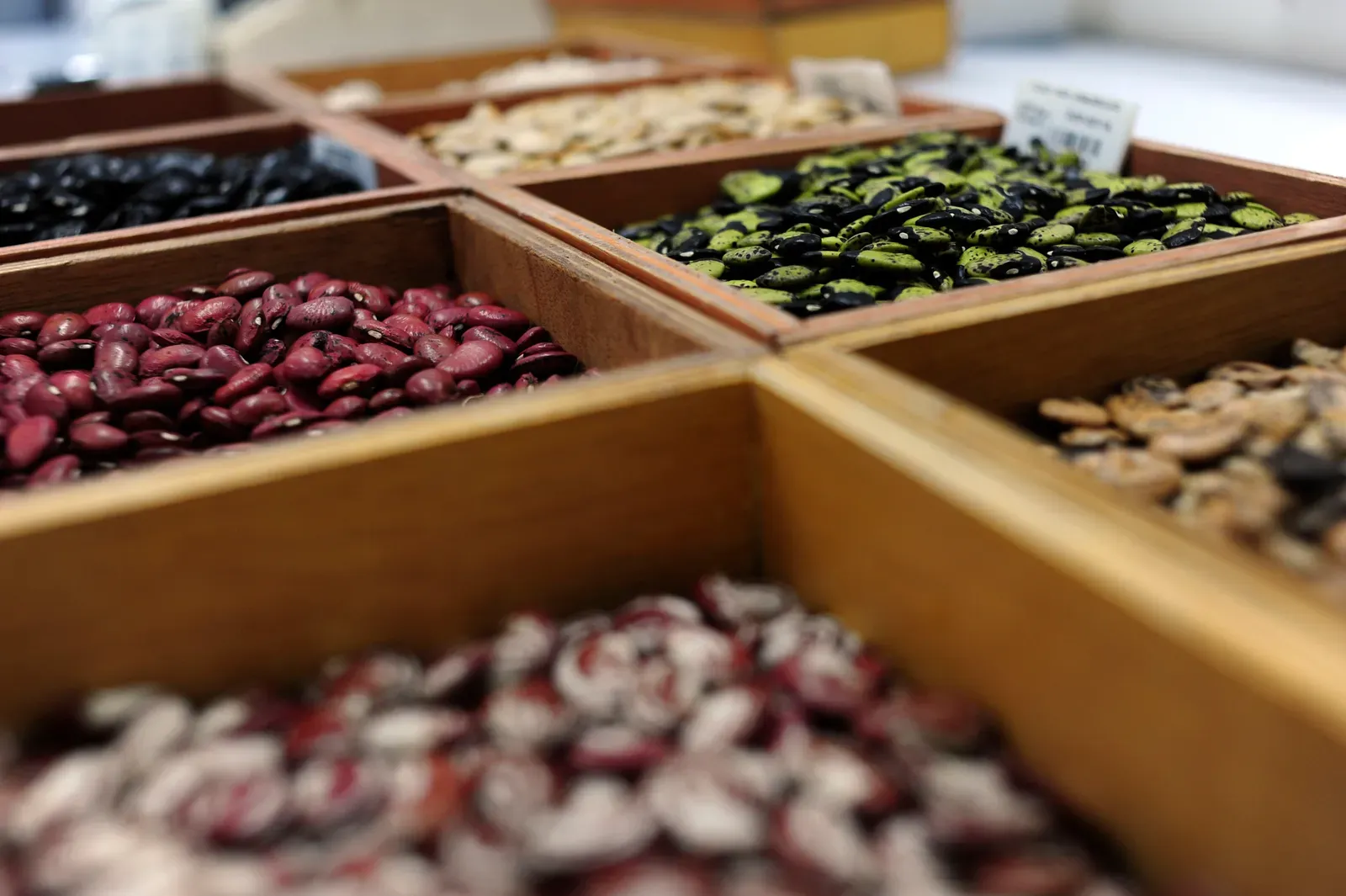
The second opening of the year was larger. It brought in 15,387 samples from 11 genebanks. The list included a range of vegetables, legumes and cereals from places such as Brazil, Poland, Morocco, Taiwan and the United States.
Two newcomers appeared in the details too. Burkina Faso’s CONAGREP and Niger’s INRAN were listed as new, supported by the Biodiversity for Opportunities, Livelihoods and Development partnership’s funding stream. Their samples included crops such as sorghum, pearl millet and cowpea.
Ukraine Returns in October
The most recent deposit came this month. Thousands of seed samples were secured in Svalbard as 21 genebanks from across the world took part. Ukraine deposited 773 samples.
Norway’s ministry presents it as Ukraine’s first deposit since the outbreak of the war. According to FAO, the country’s genebank collection holds more than 150,000 seed samples. In total, more than 16,000 samples arrived in October 2026.
Recognition and Ongoing Support

The vault also gained international attention this year. It received the Princess of Asturias Award for International Cooperation, honoring the partnership and trust that underpin its work.
Support for depositors continues too. By the end of 2024, 29 partners from 24 countries had deposited almost 24,000 samples with help from the BOLD project. Programs like that help explain why new names keep appearing on each deposit list.
What the Vault Holds Today
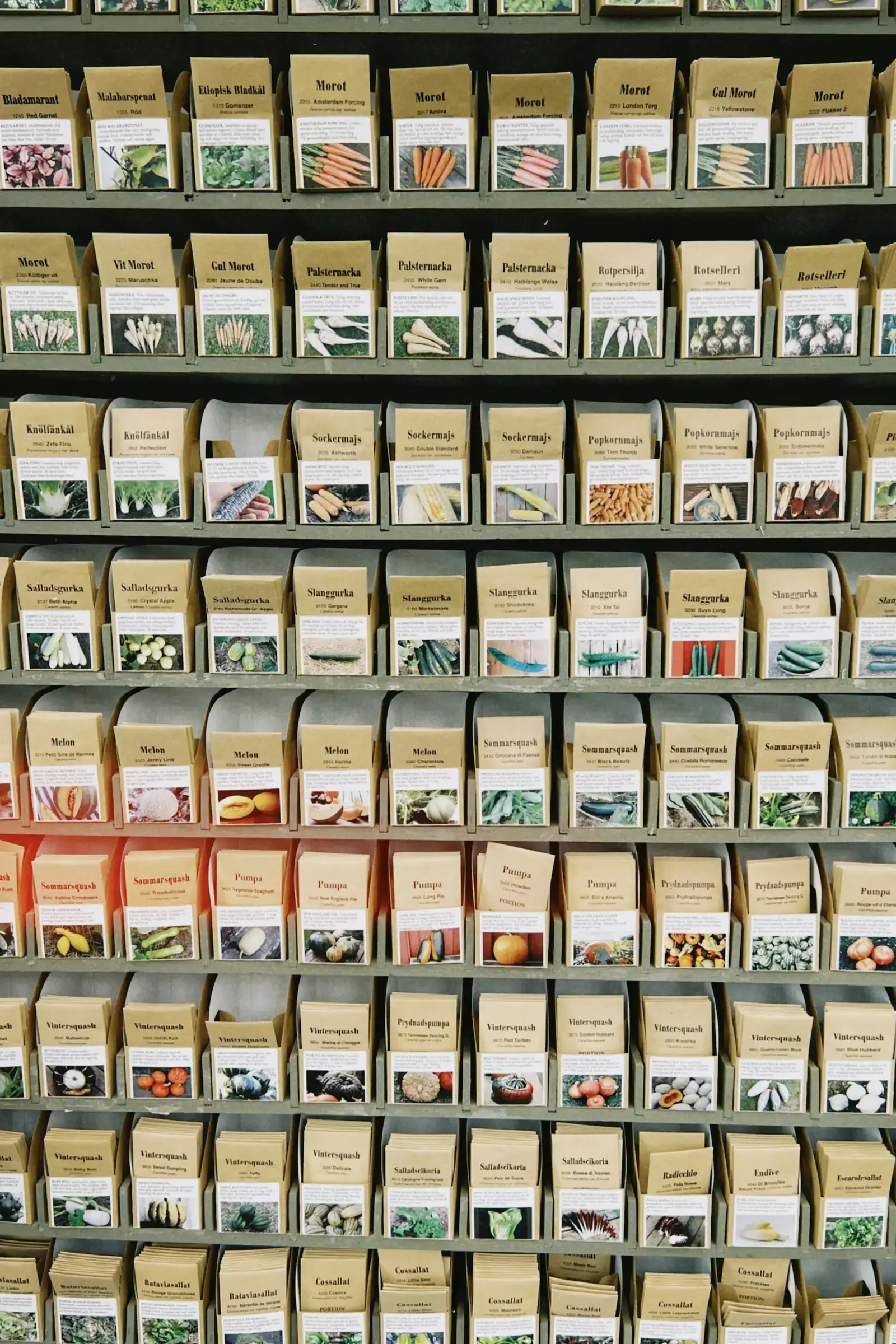
Crop Trust describes the vault as the world’s largest backup facility for crop diversity. Norway’s ministry says it holds more than 1.4 million seed samples belonging to over 130 genebanks.
Seeds stored there include varieties of staples such as maize, rice, wheat and potato. Each deposit remains the property of the genebank that sent it, ready to be withdrawn if the original collection is ever lost.

- Crows Remembering Human Faces for Decades – 6 Bird Behaviors Far Smarter Than We Knew - November 15, 2026
- 8 Things Astronauts Do on Their First Day in Orbit That Rookies Find Strange - November 15, 2026
- 11 Everyday Routines That Are Completely Normal on the Space Station but Baffle Everyone on Earth - November 15, 2026
