- 9 Items Experienced Skywatchers Bring Along That Beginners Always Wish They’d Packed - November 12, 2026
- I Moved to Tornado Alley in Oklahoma – 7 Things I Did Not Anticipate About Storm Season - November 12, 2026
- VR tool shows how rising seas could flood Fort Lauderdale - November 12, 2026
Meteorological drought: when the sky stops delivering
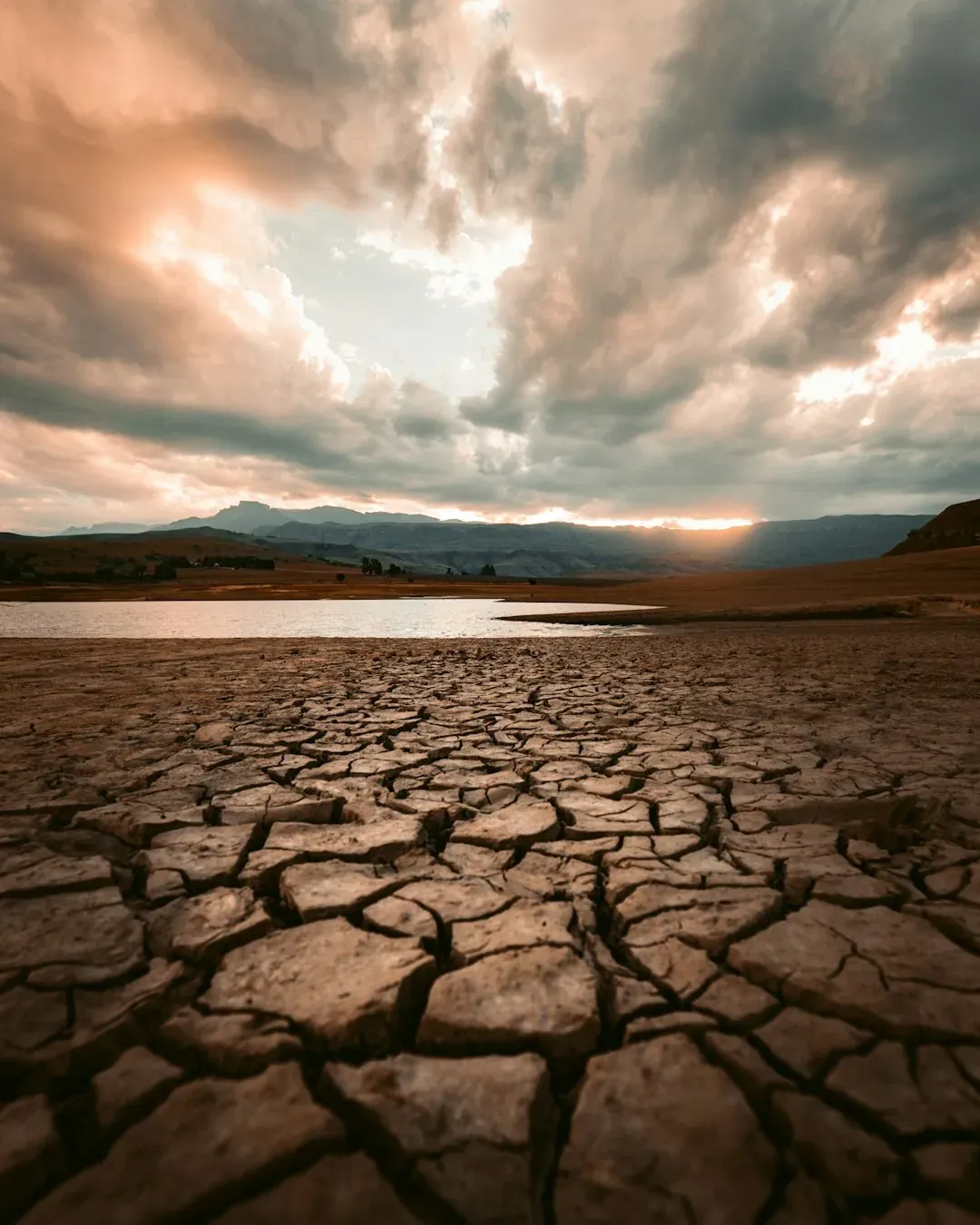
This is the starting point for every other type of drought. Meteorological drought is simply a measurable shortfall of precipitation compared to what a region normally expects over a given stretch of time. It’s a measure of departure of precipitation from normal, defined solely on the relative degree of dryness. What counts as “dry” varies enormously by location, since a rainless month in the Mojave Desert means something very different than a rainless month in coastal Georgia.
Climatologists typically track this using tools like the Standardized Precipitation Index, which compares current rainfall against historical averages for the same location and season. All droughts originate from a deficiency of precipitation, though other types of drought and impacts cascade from this deficiency. It’s the first domino, and depending on how a region’s geography and water systems are built, everything else follows at its own pace.
Agricultural drought: when the soil can’t keep up
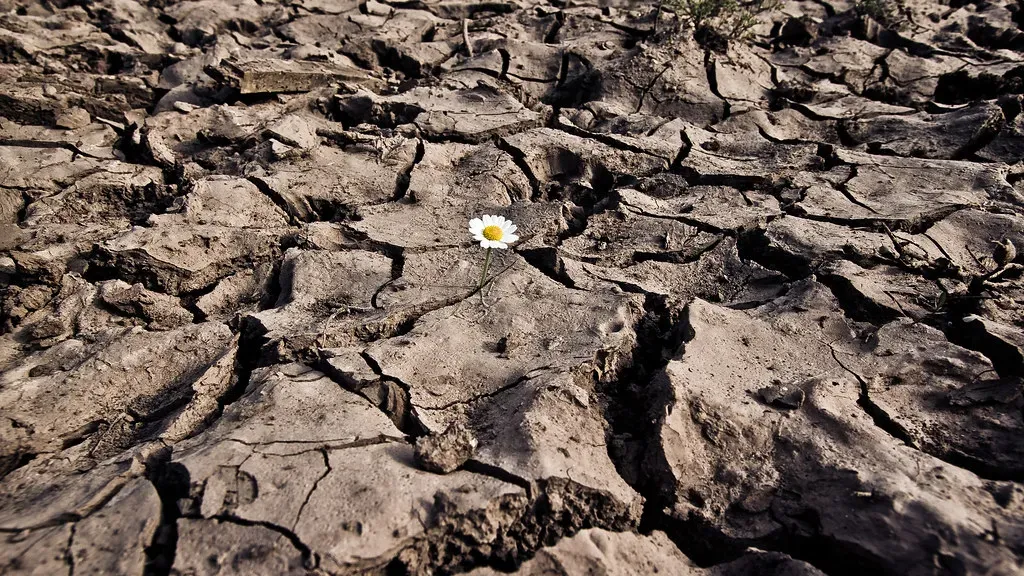
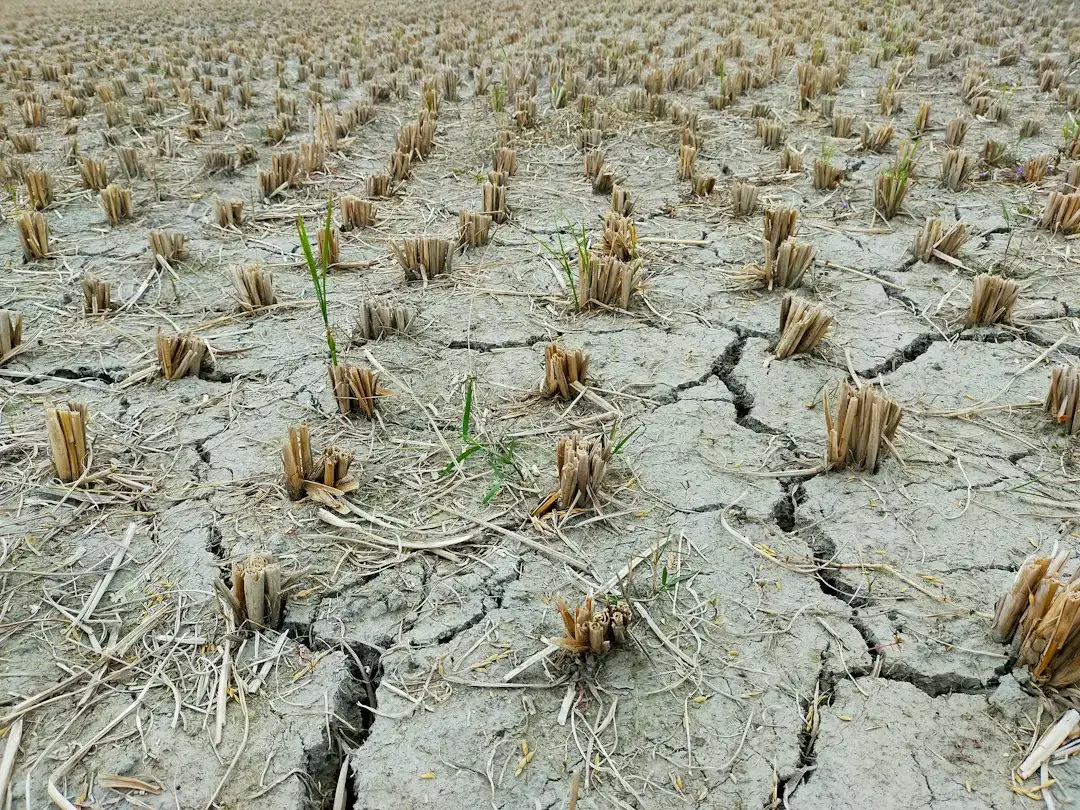
Agricultural drought shows up next, and it’s the one farmers feel first and most directly. It links characteristics of meteorological or hydrological drought to agricultural impacts, focusing on precipitation shortages, evapotranspiration differences, and soil water deficits, occurring when there isn’t enough water available for a particular crop to grow at a particular time. Two farms in the same county can experience this differently depending on soil type, crop choice, and irrigation access.
A field of shallow-rooted vegetables might show stress within days of reduced rainfall, while deep-rooted orchard trees can draw on subsoil moisture for weeks longer. A plant’s demand for water is dependent on prevailing weather conditions, biological characteristics of the specific plant and its stage of growth, as well as the physical and biological properties of the soil. This is also why agricultural drought can strike hard and fast, since a poorly timed dry spell during flowering or germination does more damage than the same rainfall deficit spread evenly across a growing season.
Hydrological drought: the slow drain on rivers and reservoirs
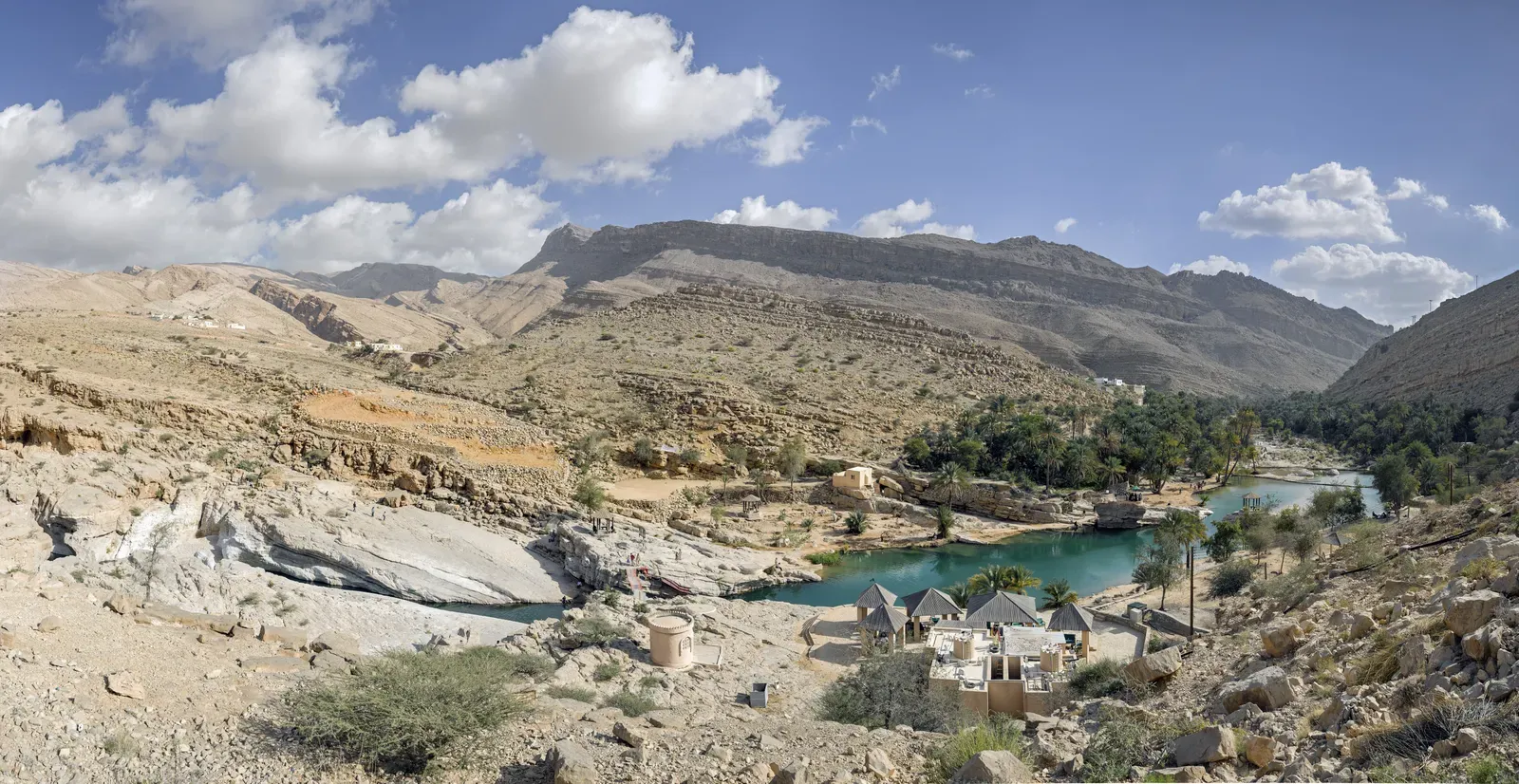
Hydrological drought is the laggard of the group. It’s related to the effects of periods of precipitation shortfall on surface or subsurface water supply, rather than to precipitation shortfalls directly, and it’s typically out of phase with or lags the occurrence of meteorological and agricultural droughts because more time elapses before precipitation deficiencies show up in these components of the hydrological system. Rivers, lakes, and aquifers have enough stored volume to buffer short dry spells, so it can take months or even years of below-normal rainfall before reservoir levels or groundwater tables noticeably drop.
That delay cuts both ways. Regions can look fine on the surface long after rain has returned, because groundwater recovery lags even further behind. Where irrigation is necessary for agriculture, agricultural drought is really determined by hydrological drought, which is part of why western water managers watch snowpack and reservoir data as closely as short-term weather forecasts.
Socioeconomic drought: when supply and demand collide
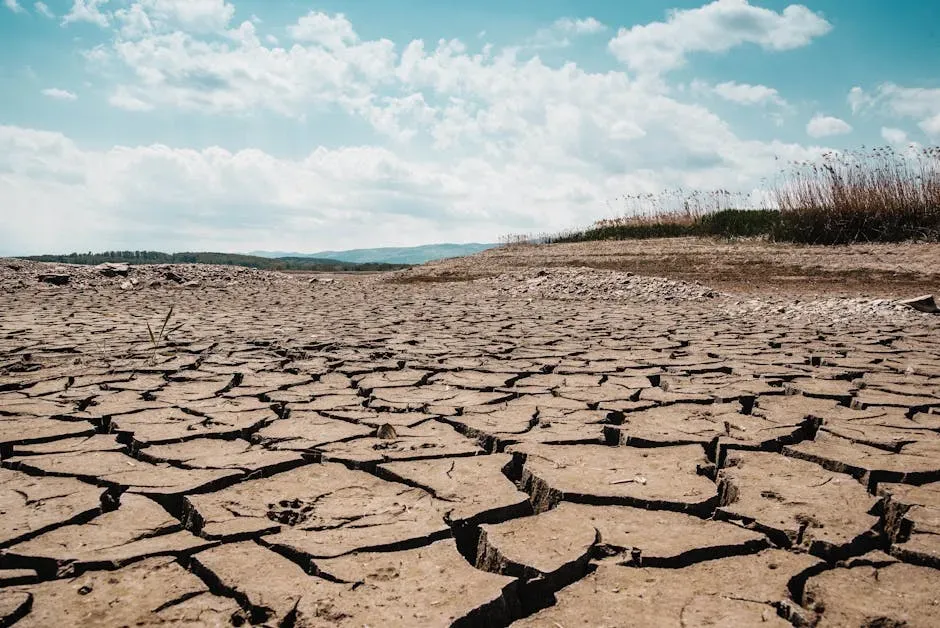
The fourth type doesn’t measure water directly at all. Instead, it measures what happens to people and economies when the other three types combine with growing demand. Socioeconomic definitions of drought associate the supply and demand of some economic good with elements of meteorological, hydrological, and agricultural drought, differing from the other types because its occurrence depends on the time and space processes of supply and demand to identify or classify droughts.
This is why a region can technically have “normal” rainfall on paper yet still experience real scarcity, if population growth, agricultural expansion, or industrial water use has outpaced what the local supply can reliably provide. The supply of many economic goods depends on weather, for example water, forage, food grains, fish, and hydroelectric power, and socioeconomic drought occurs when demand for an economic good exceeds supply as a result of a weather-related shortfall in water supply. Rising electricity prices tied to reduced hydropower output, or spiking grocery costs after a bad harvest, are both textbook symptoms of this fourth category.
How the four types connect in the real world
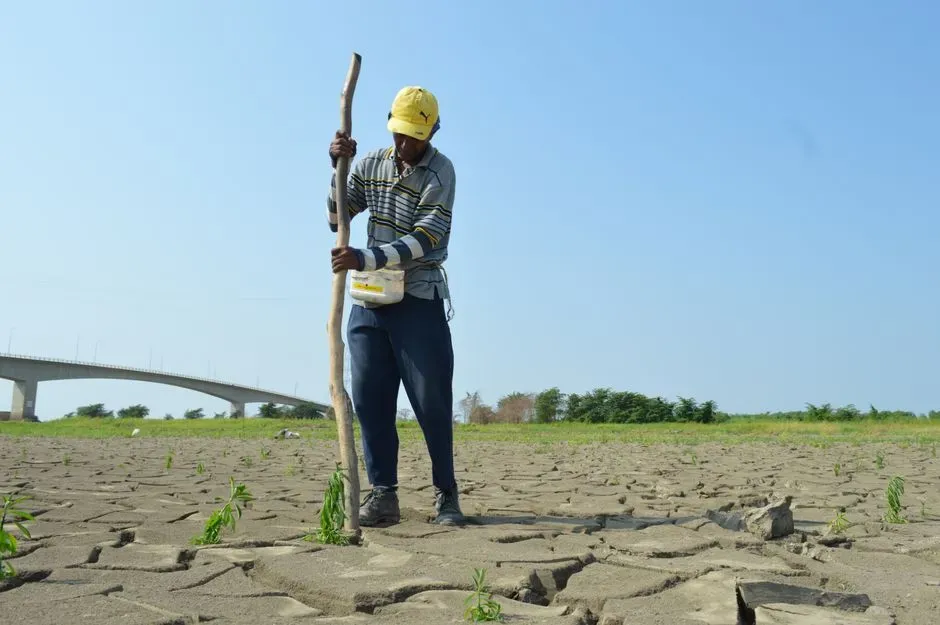
These categories rarely operate in isolation. A single region typically experiences all four types – meteorological, agricultural, hydrological, and socioeconomic – each triggered by different conditions and impacting different sectors. The sequence usually starts with a rainfall deficit, spreads into soil moisture stress within weeks, then trickles into rivers and reservoirs over a longer horizon, and finally surfaces as economic strain if the underlying shortage persists.
Monitoring agencies track all four simultaneously precisely because of this staggered timeline. In the United States, the National Integrated Drought Information System coordinates drought monitoring across multiple federal agencies, including NOAA, USDA, and the National Drought Mitigation Center, while the US Drought Monitor provides weekly updates showing drought severity using data from climate stations, satellites, soil moisture sensors, and reservoir levels. That layered approach exists because no single measurement, whether it’s rainfall totals or reservoir levels, tells the whole story on its own.
Why the distinction actually matters
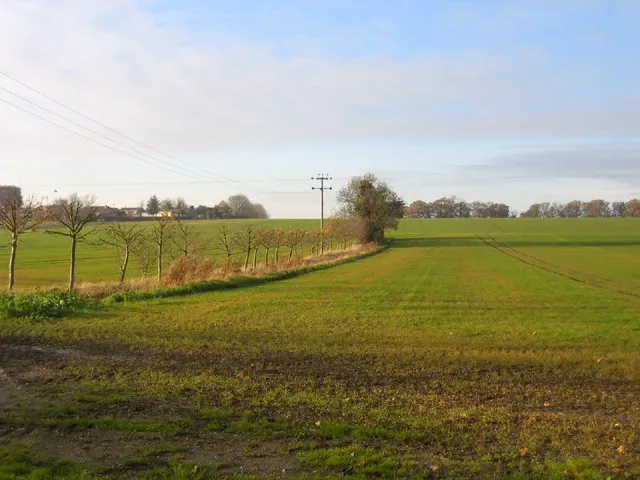
Knowing which type of drought a region faces isn’t just academic. It shapes practical decisions, from when farmers switch to drought-resistant crop varieties to when city officials impose water restrictions. Drought is the absence of precipitation, rather than the presence of an event such as a hurricane, tornado, or fire, and it’s often described as a creeping phenomenon because it slowly impacts many sectors of the economy and operates on many different timescales.
That slow, sector-by-sector spread also explains why drought response tends to be messier than response to sudden disasters. Droughts typically don’t damage structures except for the collateral phenomena of wildfires, and their diverse and diffuse impacts are usually spread over time and space, which makes the provision of disaster relief a far more complex task than it is for other natural hazards. Recognizing which stage a drought has reached, meteorological, agricultural, hydrological, or socioeconomic, helps decision makers target the right tools at the right moment instead of reacting only after the damage has already spread through the whole system.
Final thoughts