

- Will travel insurance cover weather-related flight delays and cancellations? - November 11, 2026
- 8 Cities Where the Weather Changes So Fast Locals Carry Everything - November 11, 2026
- 10 Traditional Building Techniques From Hot Climates Architects Are Revisiting - November 10, 2026
1. What each term actually promises
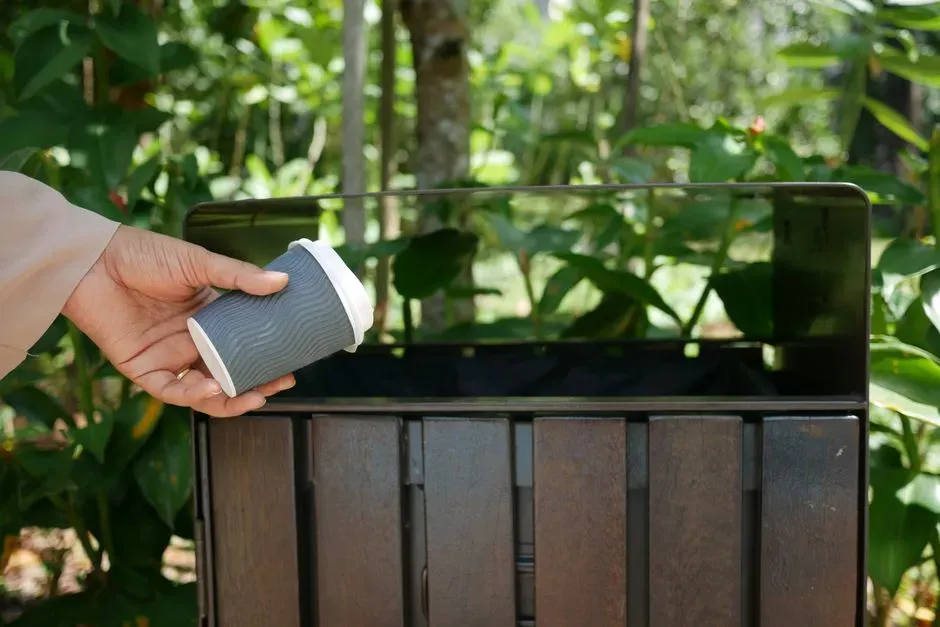
Biodegradable simply means a material can be broken down by microorganisms over time. There’s no fixed timeline attached to the word on its own, and no guarantee about what it leaves behind. A material could technically be biodegradable while taking decades to disappear or while leaving behind fragments that aren’t exactly harmless.
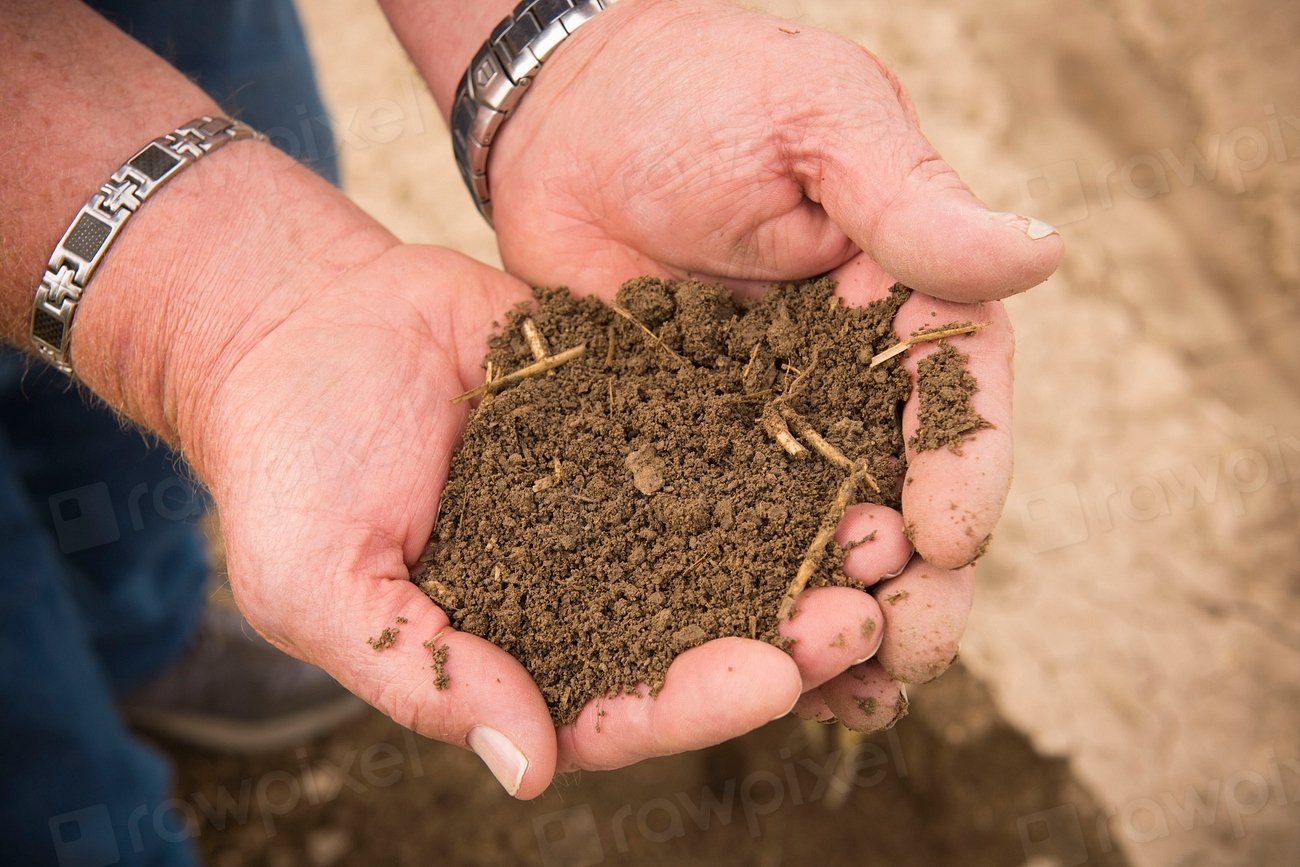
Compostable is a narrower, more demanding claim. The ASTM definition states that a compostable material is one capable of undergoing biological decomposition in a compost site as part of an available program, breaking down into carbon dioxide, water, inorganic compounds, and biomass at a rate consistent with known compostable materials. In other words, compostable products aren’t just breaking down, they’re becoming something useful.
2. The timeframes involved are worlds apart
Compostable products operate under strict clocks. Under EN 13432, after 12 weeks of composting with biowaste, less than 10 percent of the original mass may remain on a 2mm sieve, and at least 90 percent of the material must convert to carbon dioxide, water, and biomass within 6 months. That’s a hard deadline, not a suggestion.
Biodegradable materials carry no such requirement. A plastic bag labeled “biodegradable” might take years or even decades to fully break down, depending on sunlight, oxygen exposure, and microbial activity in its environment. Without a certifying standard attached, the word “biodegradable” tells you almost nothing about how long you’ll actually be waiting.
3. Compostable products need specific conditions to work
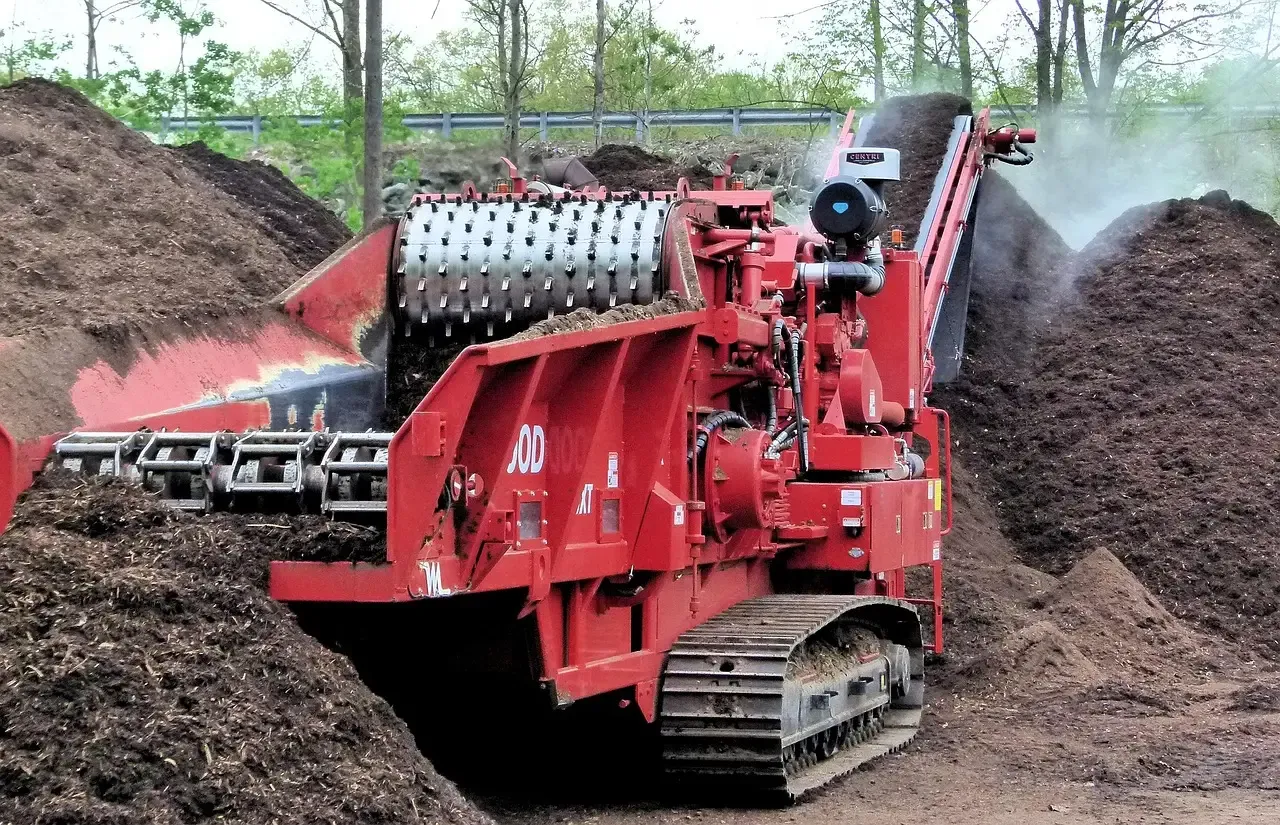
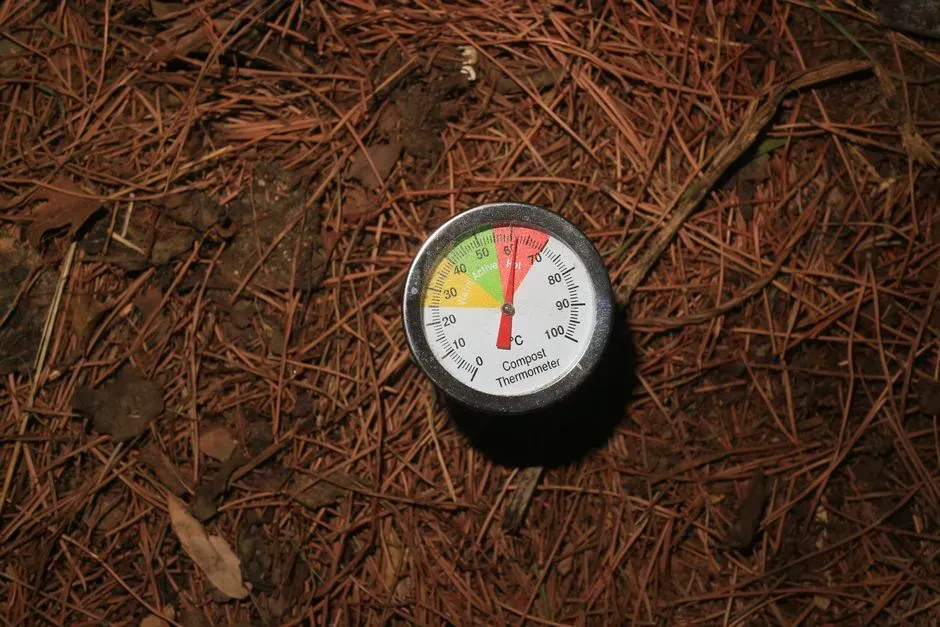
Most compostable packaging you’ll find labeled with a seedling logo or a BPI certification mark isn’t designed for your backyard bin at all. Composting these products at home is not recommended, since ASTM D6400 products require sustained temperatures of 55°C to 60°C that home compost systems don’t achieve. That heat only exists reliably in industrial composting facilities.
Biodegradable materials, by contrast, are generally expected to break down in more ordinary environments, whether that’s soil, water, or open air, without needing engineered heat or moisture. That flexibility sounds appealing, but it’s also part of why the term is so loosely applied. A material that biodegrades slowly in a landfill devoid of oxygen isn’t doing much good for anyone.
4. The testing standards behind each claim differ sharply
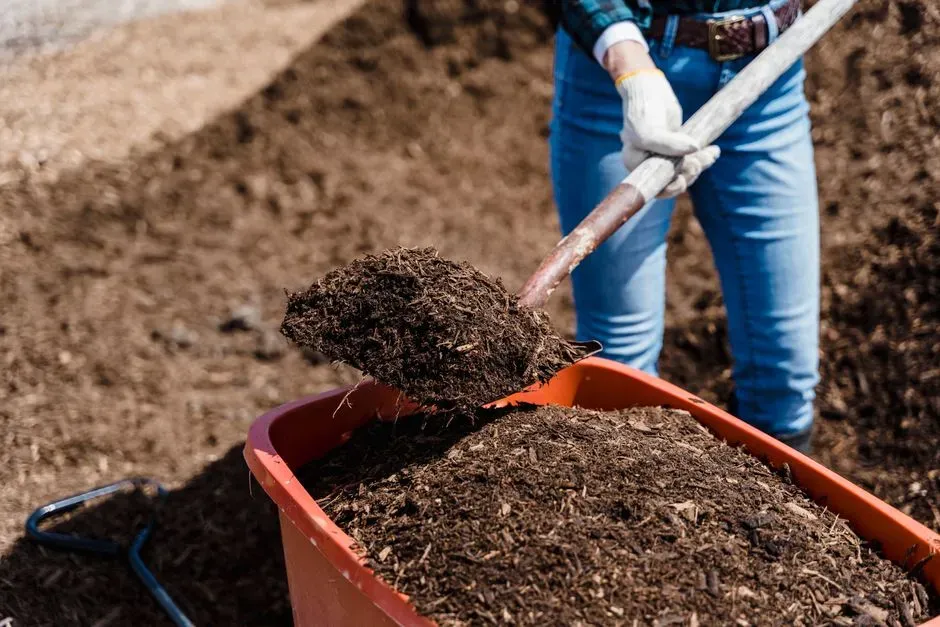
Compostable claims are backed by rigorous, internationally recognized testing protocols. Both major standards require disintegration into non-distinguishable pieces, conversion of carbon to carbon dioxide at specified levels, no eco-toxicity in the finished compost, and heavy metal concentrations below half of recommended values. These four requirements work together, since a product that biodegrades quickly but leaves toxic compost behind is no good, and neither is one that stays in chunks for months, meaning all four boxes must be checked.
Biodegradable, meanwhile, has no single universal test that manufacturers must pass before slapping the word on a label. In the United States and much of the world, there’s still no legally binding certification tied to the term itself. That gap is exactly why “biodegradable” has become a favorite word for marketing teams looking for an eco-friendly halo without the paperwork.
5. What’s left behind tells the real story
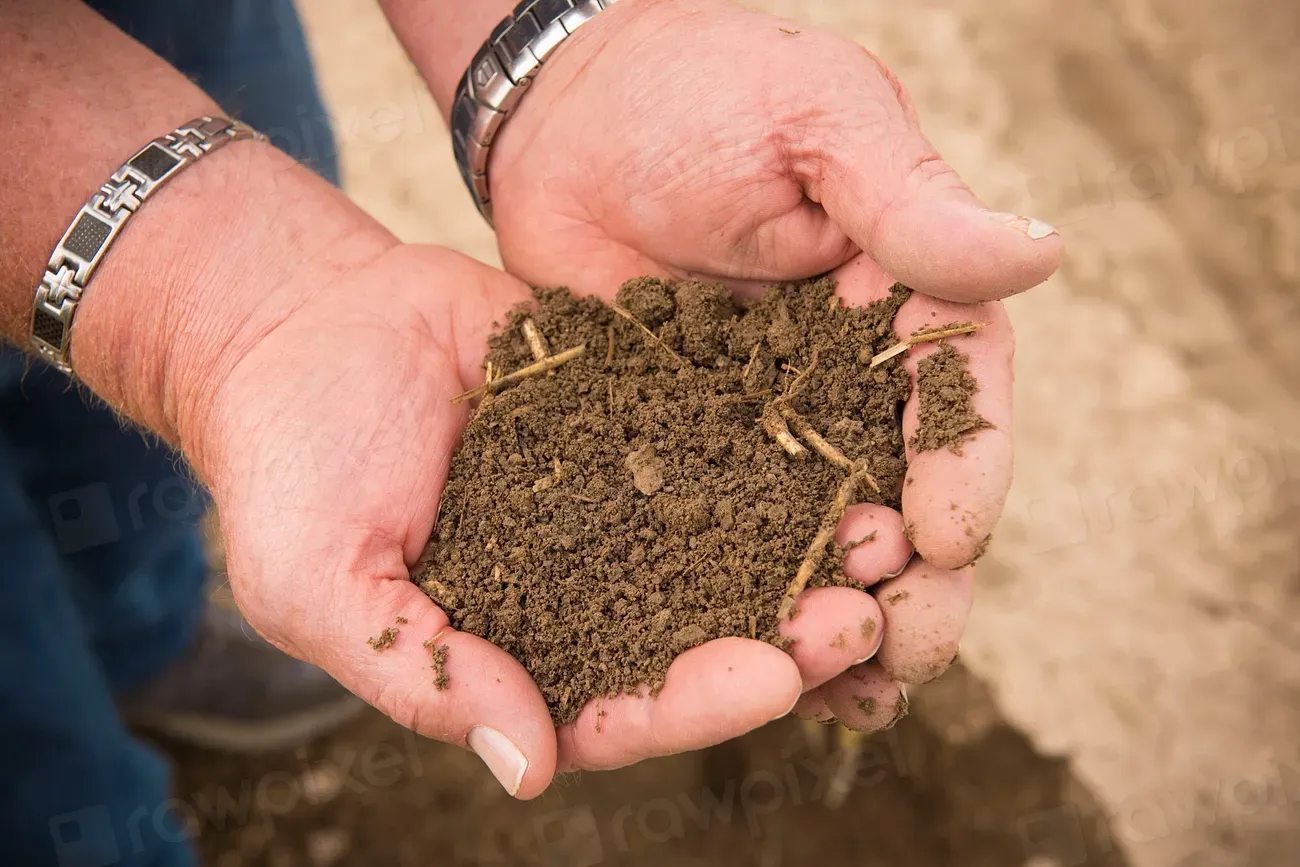
Compostable materials are required to produce something genuinely beneficial. Ecotoxicity testing compares plant growth, typically using summer barley, in compost made with the test packaging versus a control, and both emergence rate and biomass must exceed 90 percent of that control result. The end product has to support life, not just disappear.
Biodegradable products offer no such assurance. A material can technically qualify as biodegradable while breaking into microplastic fragments or releasing substances that aren’t particularly friendly to soil or water ecosystems. This is the crux of why environmental groups have grown more cautious about the term over the past couple of years. Breaking down isn’t automatically the same as breaking down safely.
How to tell the difference on packaging you actually buy
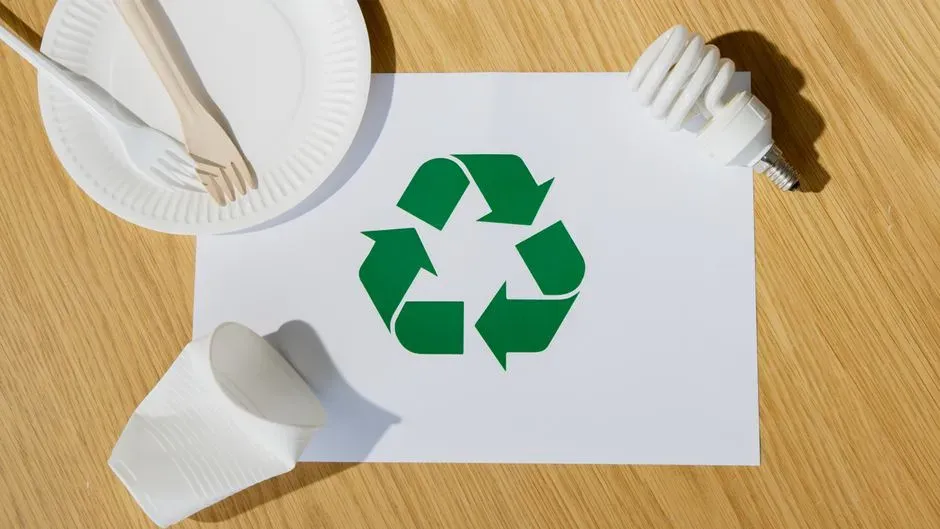
Look for certification logos rather than trusting the words alone. ASTM D6400 defines the rules, while BPI, the Biodegradable Products Institute, is the organization that verifies products meet those rules, essentially writing the exam and then grading it. A seedling logo from BPI or a TÜV Austria “OK compost” mark means a product has passed actual laboratory testing, not just a marketing decision.
If a package only says “biodegradable” with no certification number, no standard referenced, and no timeframe given, treat that claim with a healthy dose of skepticism. Several U.S. states have tightened labeling laws in recent years specifically because vague biodegradable claims misled consumers, and regulators haven’t been shy about calling out greenwashing. When in doubt, the presence of a real certification body is usually the most reliable signal you’ll find on the box.
