

1. Stilt houses that outsmart flooding seasons
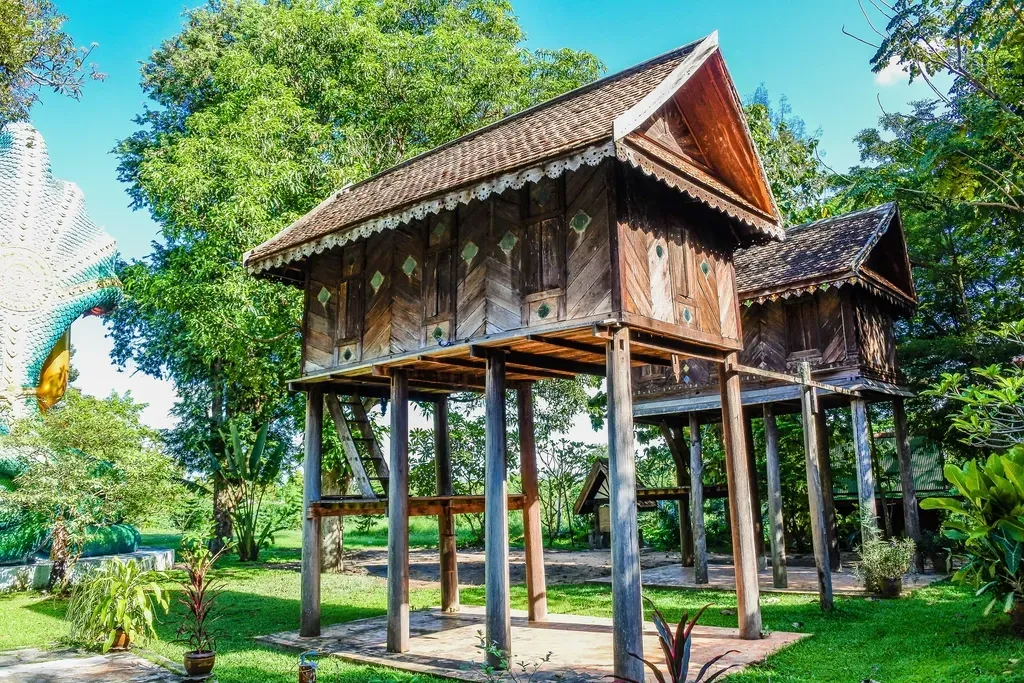
In parts of Southeast Asia and West Africa, entire villages sit on wooden or bamboo stilts above rivers, lakes, or seasonal floodplains. This isn’t a design quirk; it’s a direct response to monsoon cycles that can raise water levels by several feet within days. Communities in places like Ganvie in Benin or the Tonle Sap floating villages in Cambodia have built their entire social and economic life around water that rises and falls predictably each year.
Fishing happens from the front porch, boats replace bicycles, and children learn to paddle before they learn to walk far distances. The climate doesn’t just inconvenience these communities during flood season, it actively shapes their architecture, transportation, and daily rhythm for the entire year. Stilt construction has become so specialized that builders pass down techniques for choosing wood that resists rot in standing water for generations.
2. Siesta culture born from midday heat

The traditional afternoon siesta in Spain, parts of Latin America, and the Mediterranean wasn’t originally about laziness or leisure. It developed because working outdoors during peak heat hours, often between early afternoon, posed real health risks in regions where summer temperatures regularly exceed 35 degrees Celsius. Splitting the workday allowed people to labor in fields or markets during cooler morning and evening hours instead.
Even as urban economies have moved away from strict siesta schedules, the cultural rhythm lingers in how shops close midday and dinner gets pushed to nine or ten at night. Climate researchers have noted that as heatwaves intensify across southern Europe, some employers are reconsidering split shifts as a practical health measure rather than a cultural relic. The pattern that once felt old-fashioned may end up looking forward-thinking again.
3. Icelandic geothermal heating shaping entire cities
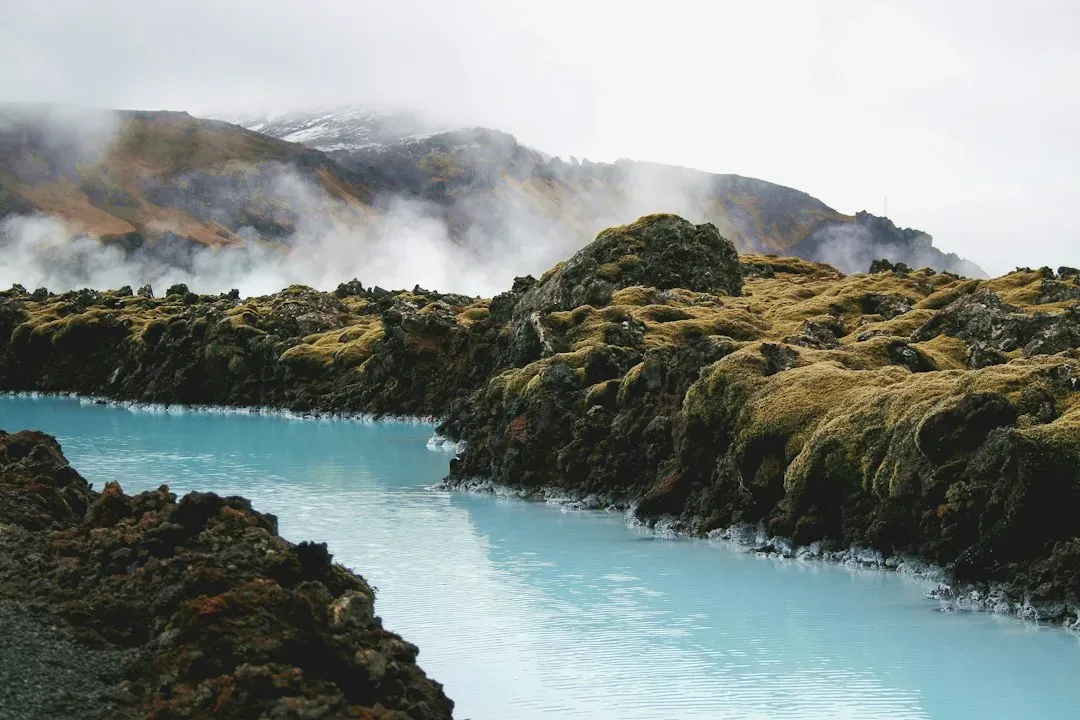
Iceland sits on a volcanic hotspot, and that geology has turned geothermal energy into the backbone of daily life rather than a niche technology. Reykjavik heats nearly all of its buildings using geothermal water pumped from underground reservoirs, a system that became widespread after the oil shocks of the 1970s made imported fuel painfully expensive. The country’s cold, dark winters made cheap, reliable heat a matter of survival rather than convenience.
This has produced strange side effects, like heated sidewalks that melt snow automatically and outdoor geothermal pools that stay open through blizzards. Icelanders swim outside in freezing air because the water itself stays around 38 to 40 degrees Celsius. The climate that could have made the island brutally inhospitable instead handed its residents one of the cleanest and cheapest heating systems on the planet.
4. Monsoon timing dictating Indian wedding seasons

Across much of India, wedding season clusters heavily around specific months, largely because monsoon rains and extreme summer heat make outdoor celebrations impractical or outright dangerous. Weddings often concentrate in cooler, drier stretches between November and February, when temperatures are milder and the risk of sudden downpours drops significantly. This isn’t superstition dressed up as tradition, it’s a scheduling decision shaped by decades of predictable seasonal weather.
Astrologers do help select specific auspicious dates within this window, but the broader window itself is climate-driven. Venues, caterers, and decorators build entire business cycles around these few months, sometimes booking years in advance. When erratic weather patterns shift monsoon timing, as has happened more frequently in recent years, wedding planners have had to adjust expectations for what used to be a reliable calendar.
5. Underground living in Australia’s outback heat
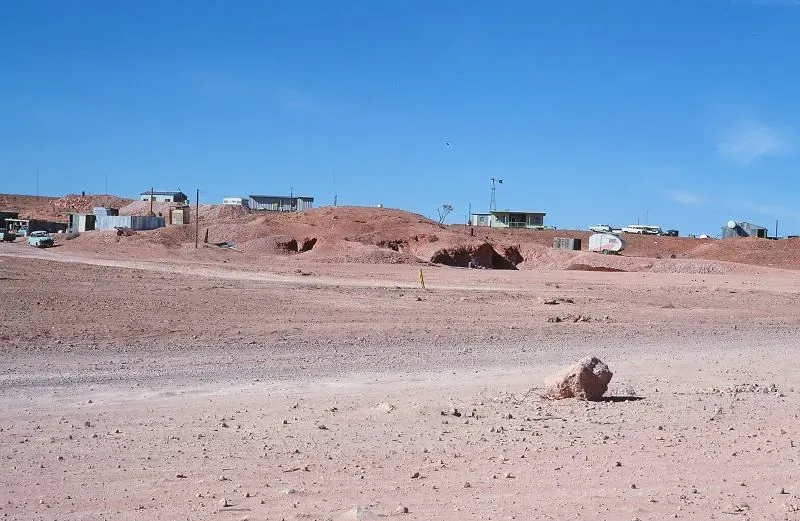
The town of Coober Pedy in South Australia is famous for something unusual: a large share of its residents live underground in homes carved directly into sandstone hills. Surface temperatures in this arid opal-mining region can climb past 45 degrees Celsius during summer, making conventional above-ground housing expensive to cool and uncomfortable to inhabit. Underground dwellings, known locally as dugouts, maintain a stable, comfortable temperature year-round without heavy reliance on air conditioning.
This isn’t just about houses either. Coober Pedy has underground churches, shops, and even a hotel, all built into the rock for the same thermal reasons. It’s a striking example of how extreme climate can push an entire community to essentially build itself into the earth rather than fight the heat on the surface.
6. Scandinavian design obsessed with maximizing light
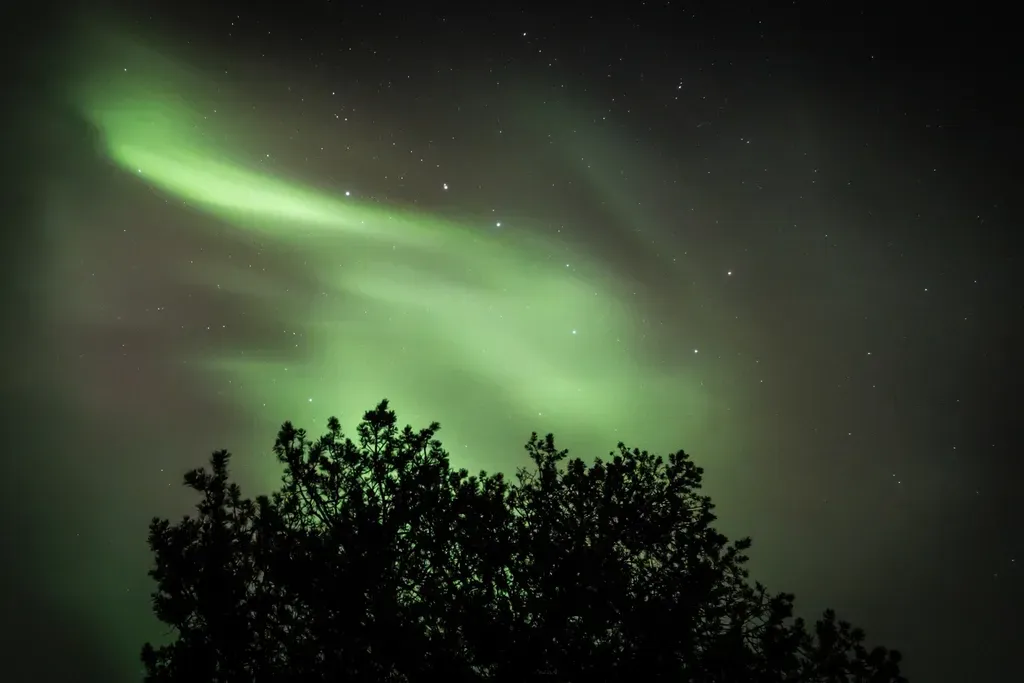
In Nordic countries, long dark winters where the sun barely rises have shaped an entire design philosophy centered on light. Homes favor large windows, pale color palettes, and minimal window coverings specifically to pull in every available bit of daylight during short winter days. Cities like Oslo and Stockholm see only a handful of daylight hours in December, sometimes fewer than six.
This climate reality also explains the popularity of light therapy lamps and candle culture, both of which help offset the psychological toll of extended darkness. Furniture design that prioritizes brightness and simplicity, often labeled as Scandinavian minimalism internationally, actually traces back to a practical need to combat seasonal gloom. What looks like an aesthetic choice abroad is, at home, a coping strategy refined over centuries.
7. Andean coca chewing as an altitude survival tool

In high-altitude regions of Bolivia and Peru, chewing coca leaves has long been a practical response to living at elevations above 3,600 meters, where oxygen levels drop and altitude sickness is common. The leaves contain mild stimulant properties that help ease fatigue, hunger, and the headaches associated with thin mountain air. This practice predates any modern medicinal understanding and remains deeply embedded in daily Andean life today.
Markets in cities like La Paz sell coca leaves openly for this purpose, distinct from the processed drug derived from the same plant. Visitors to high-altitude Andean regions are often offered coca tea specifically to help their bodies adjust faster. It’s a clear case of a harsh, oxygen-poor climate producing a very specific, very old cultural habit that outsiders sometimes misunderstand entirely.
8. Dutch land engineering against constant flood risk
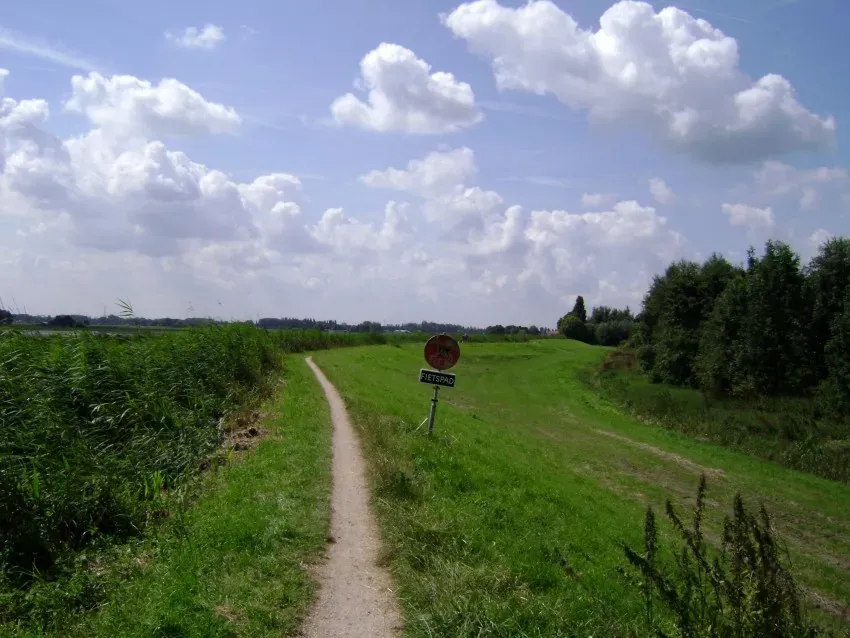
Roughly a third of the Netherlands sits below sea level, and centuries of contending with North Sea flooding have shaped Dutch society into one of the most flood-adapted cultures on Earth. The country’s extensive system of dikes, pumps, and canals isn’t a modern climate response, it dates back hundreds of years, though it has been dramatically reinforced since catastrophic floods in the mid-20th century. Water management has become so central that it influences urban planning, agriculture, and even national identity.
Dutch children learn about water systems in school the way other countries teach basic geography. As sea levels rise with global warming, the Netherlands has continued investing in floating neighborhoods and adjustable flood barriers, extending a climate relationship that has always defined the nation. Few countries anywhere have built as much of their culture around holding back water.
9. Sahara heat shaping loose, flowing desert clothing
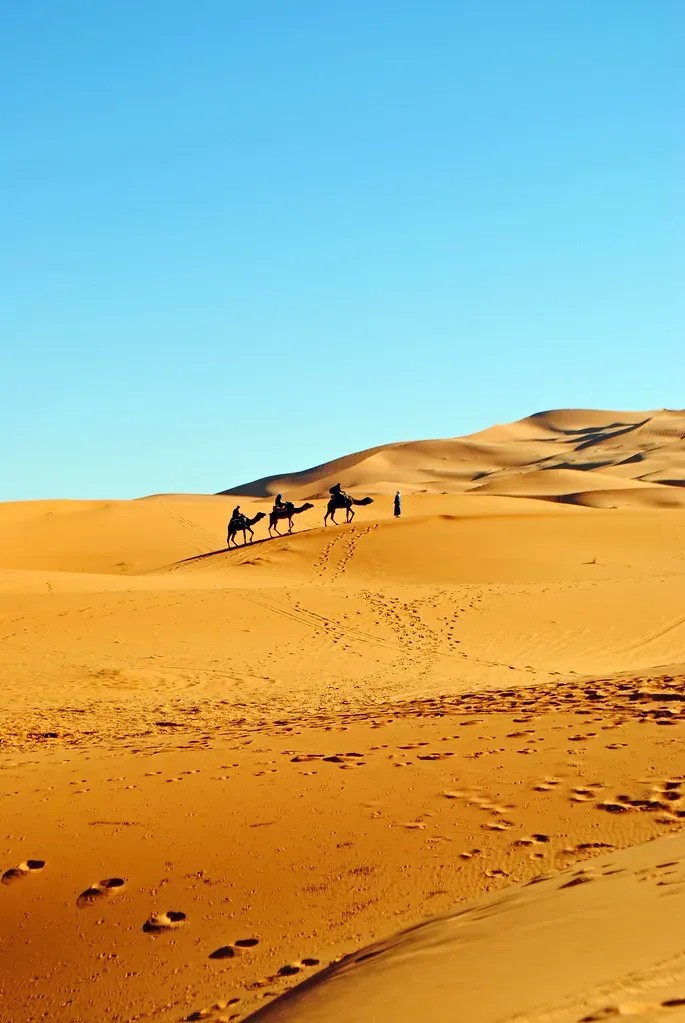
Traditional clothing across Saharan and Sahelian regions, like the flowing boubou robes worn in parts of West Africa or the loose, layered garments common among Tuareg communities, developed specifically to manage extreme desert heat. Loose fabric allows air to circulate against the skin, while covering most of the body actually reduces direct sun exposure and slows moisture loss. This is the opposite of what many people assume, since minimal clothing seems intuitively cooler in hot climates.
Indigo-dyed turbans and veils worn by Tuareg men serve a dual purpose, protecting against both sun and the fine sand carried by desert winds. These clothing traditions have persisted for centuries because they solve a very specific climate problem better than modern alternatives often do. Fashion historians studying desert cultures consistently point to thermal regulation as the primary driver behind these enduring styles.
10. Alpine cattle migration following mountain seasons
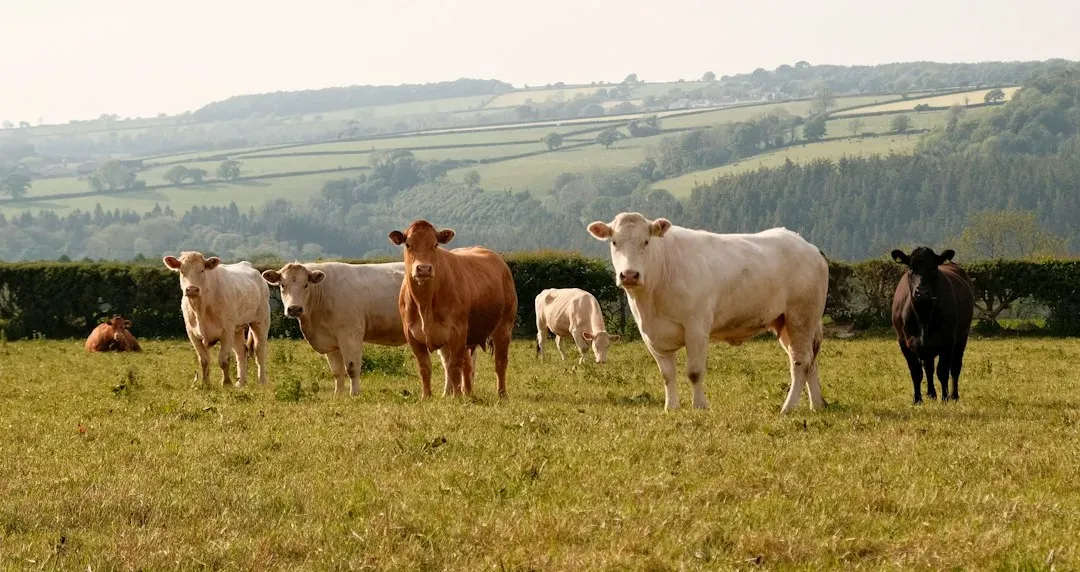
In Switzerland, Austria, and other Alpine regions, a centuries-old practice called transhumance involves moving livestock to higher mountain pastures in summer and back down to valleys as temperatures drop. This seasonal migration follows the melting and freezing patterns of alpine snow, since higher pastures only become accessible and grassy for a few months each year. Farmers time these moves with remarkable precision, often within the same week annually based on historical patterns.
The practice has shaped entire village economies, festival calendars, and even cheese-making traditions, since different altitude grasses affect milk flavor throughout the season. Alpine descent festivals, where decorated cows return to valley villages, remain popular tourist draws in countries like Switzerland today. Climate scientists tracking earlier snowmelt in the Alps have noted that these migration schedules are gradually shifting, forcing farmers to adapt timing that had stayed consistent for generations.
11. Japanese seasonal cuisine tied to precise weather shifts

Japan’s culinary culture is built around a concept called shun, which refers to eating ingredients at their exact peak seasonal moment, often tied to very specific weather windows lasting just weeks. Cherry blossoms, matsutake mushrooms, and certain fish varieties are prized specifically because their availability is climate-locked to narrow periods each year. This isn’t casual seasonal eating like in many countries, it’s a refined cultural practice with its own vocabulary and expectations.
Restaurants change menus multiple times per season to track these shifts, and missing a specific ingredient’s brief window is considered a genuine culinary loss rather than a minor inconvenience. Japan’s distinct four seasons, shaped by its geography between continental and oceanic climate influences, made this level of precision possible in the first place. Few food cultures anywhere have turned climate timing into such a detailed, almost ceremonial art form.
These patterns show up in architecture, clothing, food, and daily schedules across wildly different parts of the world, yet they all trace back to the same root cause: people adapting, often ingeniously, to the specific climate they were handed.
- Blue whales vanish from the Galápagos, and scientists suspect El Niño - November 11, 2026
- 8 Famous Battles That Were Decided by the Weather - November 11, 2026
- Black Sunday 1935: 9 Photos From the Worst Dust Storm of the Dust Bowl Era - November 11, 2026
