
1. Houston, Texas
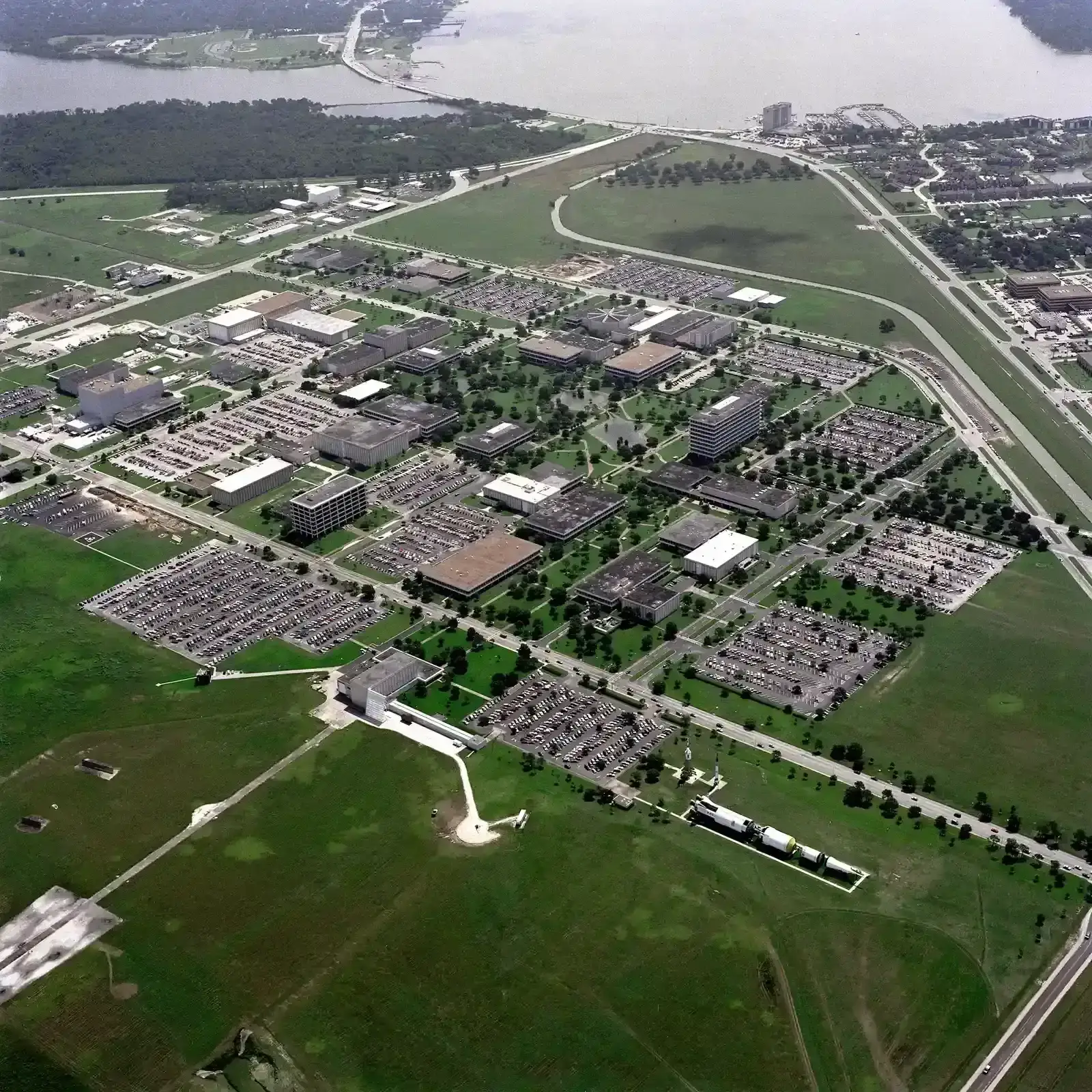
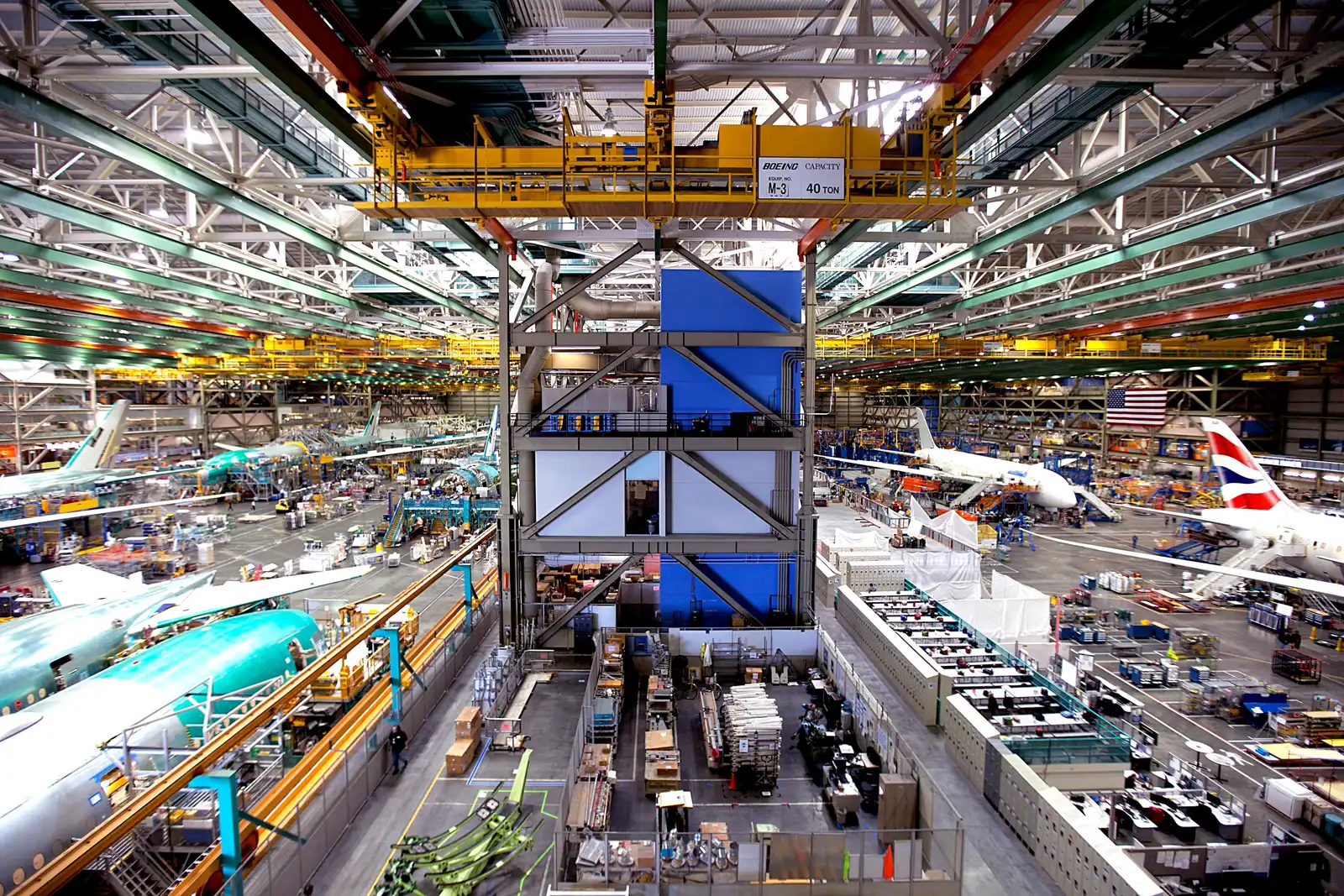
Houston’s aerospace identity has always been tied to human spaceflight, and that hasn’t changed. NASA’s Johnson Space Center and its surrounding cluster keep Houston a national hub for human spaceflight and aerospace engineering. What’s shifted is the pace of activity around it, with private space companies adding to the workforce that once belonged almost entirely to NASA contractors.
The city’s broader economic story matters here too. Houston is the fourth-largest metro in the country and one of only a handful of US cities with a serious foothold in five major industries at once, energy, healthcare, aerospace, ports, and finance. Salaries in the sector are competitive as well, with average aerospace pay landing near six figures thanks to expanding space exploration activities and competitive quality of life due to no state income tax and affordable housing.
2. Huntsville, Alabama
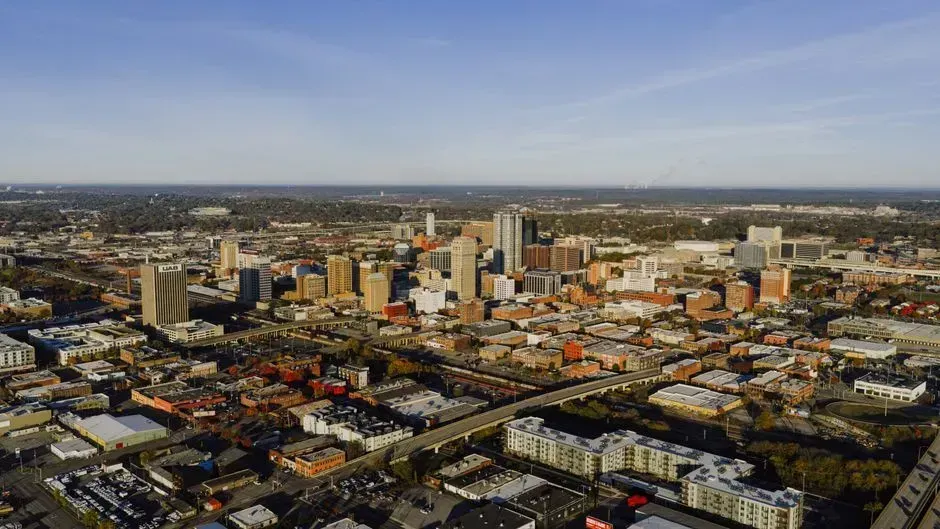
Huntsville has spent decades building a reputation as the “Rocket City,” and lately the nickname feels more accurate than ever. A new industry ranking placed the metro at number five nationally, and the group behind it pointed to something simple: it has the deepest concentration of aerospace and defense engineering talent in the country, and that talent pool took decades to build.
The momentum shows up in the numbers too. Huntsville jumped from 16th to 4th and now sits at number 2 among large cities in a recent ranking, which noted it “consistently enjoyed one of the fastest-growing job markets in the country” and “has firmly established itself as a major defense and aerospace hub.” Manufacturing has been the standout, with the sector growing 37.6% from 2019 to 2024, far outpacing the national growth rate of 2.7% over the same period. Add in the pending arrival of roughly 1,400 Space Command jobs over the next five years, and it’s easy to see why companies keep choosing this corner of Alabama.
3. Phoenix, Arizona

Phoenix doesn’t always get top billing in aerospace conversations, but the numbers tell a different story. The metro has quietly become one of the fastest-growing aerospace and defense hubs in the U.S., supported by strong military infrastructure, supply chain depth, and a rapidly expanding manufacturing base.
What stands out is the sheer scale of the workforce already in place. Greater Phoenix now counts over 40,000 aerospace and defense workers in the region, supported by a dense network of suppliers and contractors. The area also benefits from proximity to testing ranges and military installations, which continues to draw in companies looking for both talent and space to build.
4. Seattle, Washington
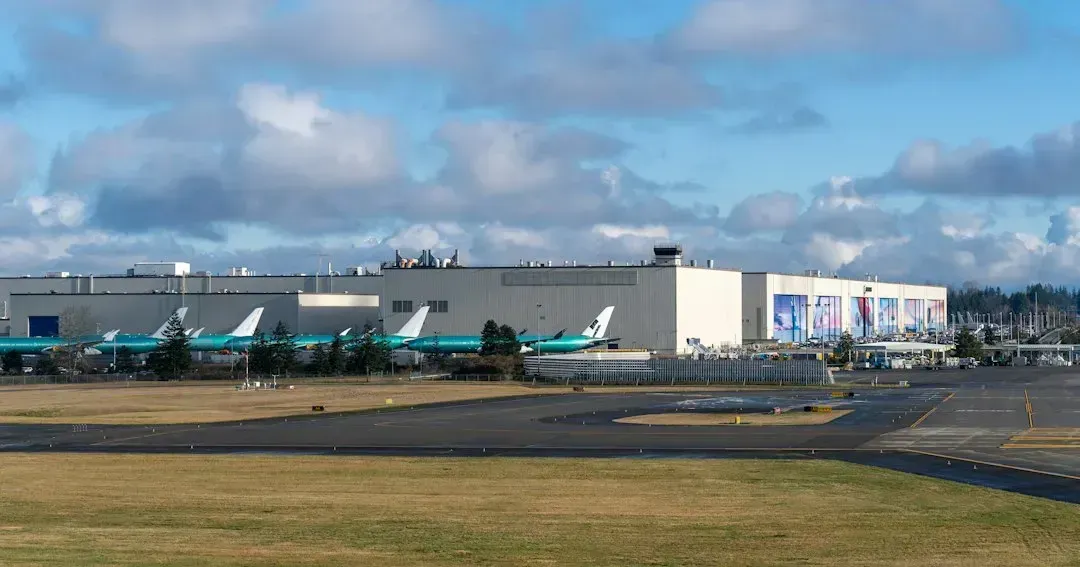
Seattle’s aerospace story has always been inseparable from Boeing, and that relationship still shapes the local job market. Average aerospace salaries in the region sit around $130,000, and the area benefits from Boeing’s strong presence and numerous suppliers.
It’s not just legacy manufacturing keeping the region relevant. Continuous commercial aircraft production and aerospace technology innovation draw skilled labor to the Seattle metropolitan area, where a dense industry cluster and infrastructure investments underpin long-term market expansion rather than temporary surges. Competition for premium engineering roles remains stiff, but the depth of the supplier network means there’s steady demand across experience levels, not just at the top.
5. Dallas-Fort Worth, Texas
Dallas-Fort Worth has become one of the busiest corners of the Texas aerospace boom, fueled largely by the state’s growing relationship with private space companies. Texas is experiencing rapid growth due to significant investments from private space companies like SpaceX and Blue Origin.
The region’s appeal goes beyond flashy headlines about rocket launches. Houston and Dallas-Fort Worth’s expanding aerospace clusters enjoy lower living expenses and favorable business environments, signaling a structurally robust labor market rather than a hiring spike. Hiring here tends to skew toward experienced engineers, with Texas primarily seeking mid-career and senior aerospace engineers, centered around its robust space and defense industries near Houston and Dallas, with hiring surges tied to government contracts.
6. Denver, Colorado

Denver’s aerospace sector has grown steadily for years, and recent numbers back up the reputation. Industry employment in the state is up 24% in five years and there are more than 2,000 aerospace businesses with 56,000 employees, according to OEDIT.
Colorado’s aerospace workforce also commands strong pay. The state ranked 13th nationwide for aerospace jobs, increasing 14.4% between 2020 and 2025, and it also ranked 13th for average earnings for aerospace workers, at $161,397. New satellite and propulsion companies keep choosing the Front Range too, including a rocket motor manufacturer that opened a new rocket-motor manufacturing plant in Longmont just last year. Not everything has been smooth sailing, though. The state did lose some ground when the White House ordered the relocation of the U.S. Space Command headquarters to Alabama from Peterson Space Force Base in Colorado, and in 2025, the state lost 171 jobs in the industry even as it had added over 9,000 aerospace jobs between 2019 and 2025.
7. Colorado Springs, Colorado

Just south of Denver, Colorado Springs has carved out its own niche within the state’s aerospace economy, one built heavily around defense and satellite technology. The city hosts more than 250 companies that provide advanced technologies in national defense, global positioning and related fields, giving it a distinct identity from its neighbor to the north.
Recent project announcements show the momentum hasn’t slowed. One satellite company recently selected Colorado Springs for its U.S. expansion to build its Satellite Assembly, Integration, and Testing facility, creating 61 jobs in the area. The city’s direct ties to military contracts continue to be its biggest draw, offering direct access to military contracts and defense partnerships that commercial space companies want.
Taken together, these seven cities show that aerospace hiring in 2026 isn’t concentrated in just one or two traditional hubs anymore. It’s spreading across the Sun Belt, the Mountain West, and the Southeast, shaped by a mix of legacy manufacturers, defense contractors, and newer commercial space players all competing for the same pool of engineering talent. For workers with the right skills, that competition is turning into real opportunity, whether they’re looking at rocket propulsion in Alabama, satellite systems in Colorado, or commercial aircraft production in the Pacific Northwest.
- The Shoreline Sucked Dry in Seconds – 5 Tsunami Signals Beachgoers Mistake for Low Tide - November 14, 2026
- 9 Dark-Sky Destinations Around the World Where the Stars Look Unreal - November 14, 2026
- The Fault Line That Never Slips – 7 Locked Seismic Zones Overdue for a Massive Release - November 14, 2026
