

San Diego rarely makes headlines for its weather. Summers don’t scorch the coast, winters don’t freeze it, and the daily forecast can read like a copy of yesterday’s.
That steadiness isn’t luck. It comes from a handful of geographic and atmospheric forces that work together along this stretch of Southern California.
The Pacific Ocean as a Thermostat
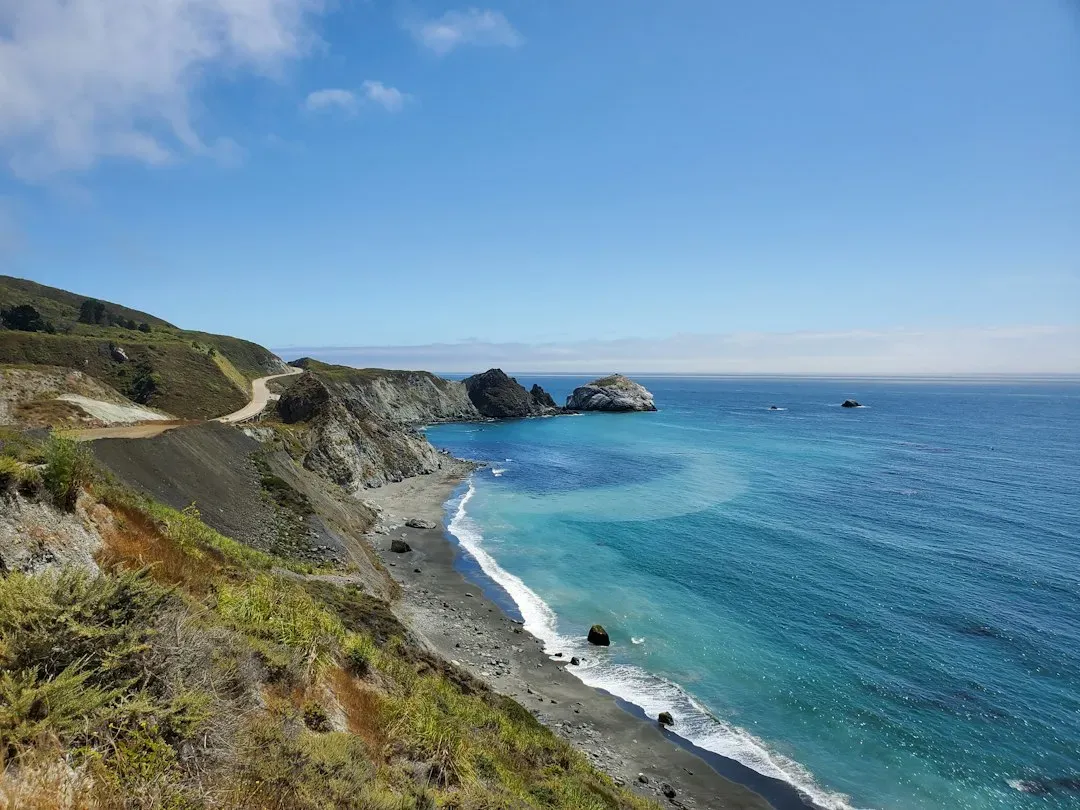
Water heats and cools far more slowly than land. San Diego sits right on the Pacific, so the ocean absorbs summer heat and releases it gradually in winter. That buffering keeps the gap between the warmest and coolest months small.
The National Weather Service’s long-term records for the city show average highs in the mid 60s Fahrenheit in winter and the mid to upper 70s in late summer. Few large American cities have such a narrow seasonal range.
The Cool California Current

Offshore, the California Current carries cold water southward from the North Pacific along the West Coast. This keeps local ocean temperatures cooler than you’d expect at this latitude. Surfers know the result well, since a wetsuit is common even in summer.
Air passing over that cool water is chilled before it reaches shore. The effect holds down coastal summer highs and explains why San Diego beaches feel far milder than inland desert towns at similar latitudes.
The Marine Layer

Locals call the gray morning overcast May Gray in spring and June Gloom in early summer. It’s the marine layer, a cool, moist blanket of air that forms over the ocean and drifts inland overnight. It typically burns back toward the coast by afternoon.
This cloud cover reflects sunlight in the morning and traps a little warmth at night. The result is cooler days and gentler nights, which trims the temperature swings you’d otherwise see.
The Eastern Pacific High Pressure System

A semi permanent area of high pressure usually sits over the northeastern Pacific, especially in the warm season. Sinking air within it suppresses storm development and keeps skies stable. It also helps strengthen the temperature inversion that traps the marine layer near the surface.
In winter this system shifts south and weakens at times, which lets storms reach the coast. That seasonal movement is a main reason San Diego’s rain arrives in the cooler months rather than summer.
A Subtropical Latitude

San Diego sits at roughly thirty three degrees north. That’s far enough south that the sun stays relatively high even in December, so winter days never get very short or weak. It’s also far enough from the equator to avoid the relentless heat and humidity of the tropics.
The balance matters. Daylight and solar angle stay moderate across the year, which keeps seasonal change gentle and keeps freezing temperatures uncommon along the coast.
A Mediterranean Style Rain Pattern

The region has what climatologists call a Mediterranean climate, with mild, wetter winters and long, dry summers. San Diego’s annual rainfall is modest, generally around ten inches at the airport. Most of it falls between late fall and early spring.
Dry summer air means low humidity and little thunderstorm activity near the coast. Even in the wet season, storms tend to be brief, so the sunny stretches between them are long.
Coastal Mountains and Terrain

Mountain ranges east of the city, including the Peninsular Ranges, act as a barrier. They block much of the extreme heat of the interior deserts from flowing westward on typical days. They also shape rainfall, since moisture tends to fall on the windward slopes.
The barrier isn’t perfect. When Santa Ana winds blow from the interior, warm, dry air descends toward the coast and can raise temperatures sharply, mostly in fall and winter. These episodes are the main exception to the city’s usual calm.
Daily Sea and Land Breezes

On sunny afternoons, inland areas heat up faster than the ocean. Rising warm air draws cooler marine air onshore, creating the familiar sea breeze. It often arrives late morning or afternoon and lowers coastal temperatures just when heat would peak.
At night the pattern reverses weakly as land cools. This daily exchange keeps the coast ventilated, and it’s one reason temperatures climb noticeably the farther you drive from the water.
The Short Version

Ocean buffering, a cool offshore current, the marine layer, stable high pressure, a subtropical latitude, a Mediterranean rain cycle, sheltering mountains, and daily sea breezes together explain San Diego’s mild weather.

- 6 Cities In The Americas Expanding Bike Lanes And Public Transit - November 19, 2026
- Sunbeams Piercing Low Clouds – The Particle Scattering Behind Crepuscular Rays - November 18, 2026
- If You Secretly Do These 10 Things Before Winter, You’re Probably More Prepared Than Most - November 18, 2026
