

- Phantom Energy Sucking Power 24/7 – 7 Home Electronics Quietly Inflating Utility Bills - November 14, 2026
- A Million-Mile Storm Raging for Centuries – 6 Violent Weather Wonders in Our System - November 14, 2026
- Animals Flee Hours Before the Tremor – 7 Natural Warnings Before Disasters Strike - November 14, 2026
For most of modern history, coastal towns fought the water with seawalls, sandbags, and stubborn optimism. That calculus is shifting. A small but growing number of communities, from Arctic river villages to Welsh seaside towns, have quietly concluded that the smarter move is not to hold the line but to move behind it, packing up entire neighborhoods and resettling them somewhere higher and drier.
These are not hypothetical exercises or distant climate models. Some of these relocations are already underway, others are mid-vote, and a few have been finished long enough to reveal what actually happens once the moving trucks leave. Here is a look at seven places where managed retreat has moved from policy paper to lived reality.
1. Isle de Jean Charles, Louisiana
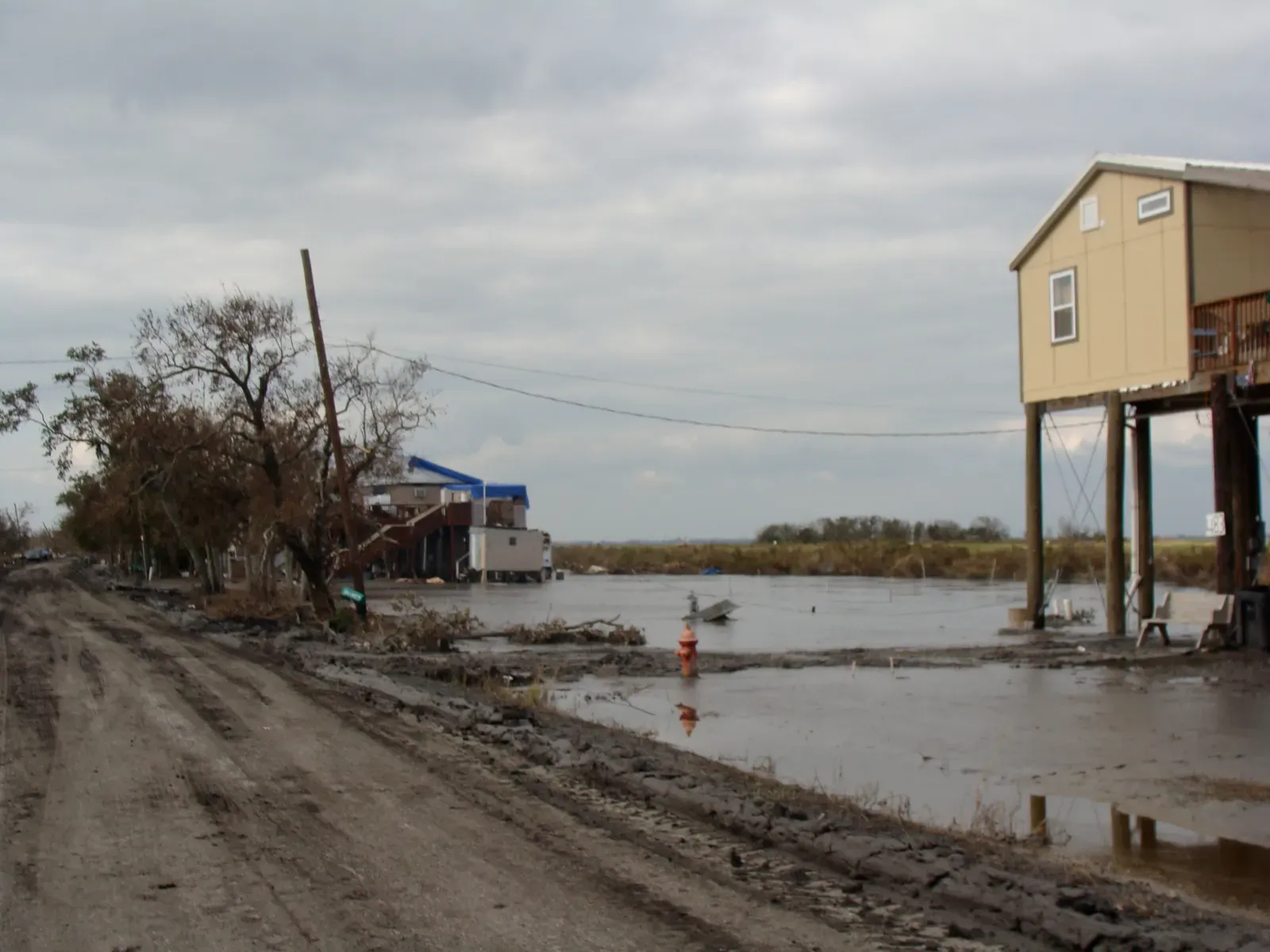
Isle de Jean Charles sits in Terrebonne Parish, home to a Native American community that has lived there for generations. Coastal land loss has taken a toll on the island, which once encompassed more than 22,000 acres, with now only 320 acres remaining. In 2016, the state secured federal money to help residents move, and Louisiana was awarded $48.3 million in Community Development Block Grant funds to work with residents of Isle de Jean Charles to develop and implement a structured and voluntary retreat from the island into safer communities.
The resettlement site, known as The New Isle, sits roughly forty miles inland near Schriever, and the selected site is about 40 miles north of Isle de Jean Charles and is a higher, safer and more resilient location, which residents agreed in November 2019 to name The New Isle. It became the nation’s first federally funded HUD climate-resilience grant to relocate a Louisiana community effected by climate change, though reporting years later found the outcome mixed. What was supposed to be a model for how the government could get people out of harm’s way along the country’s steadily eroding coastlines has instead become a cautionary tale for the estimated 2.5 million Americans who could be forced to relocate away from the coast over the next 25 years.
2. Newtok, Alaska
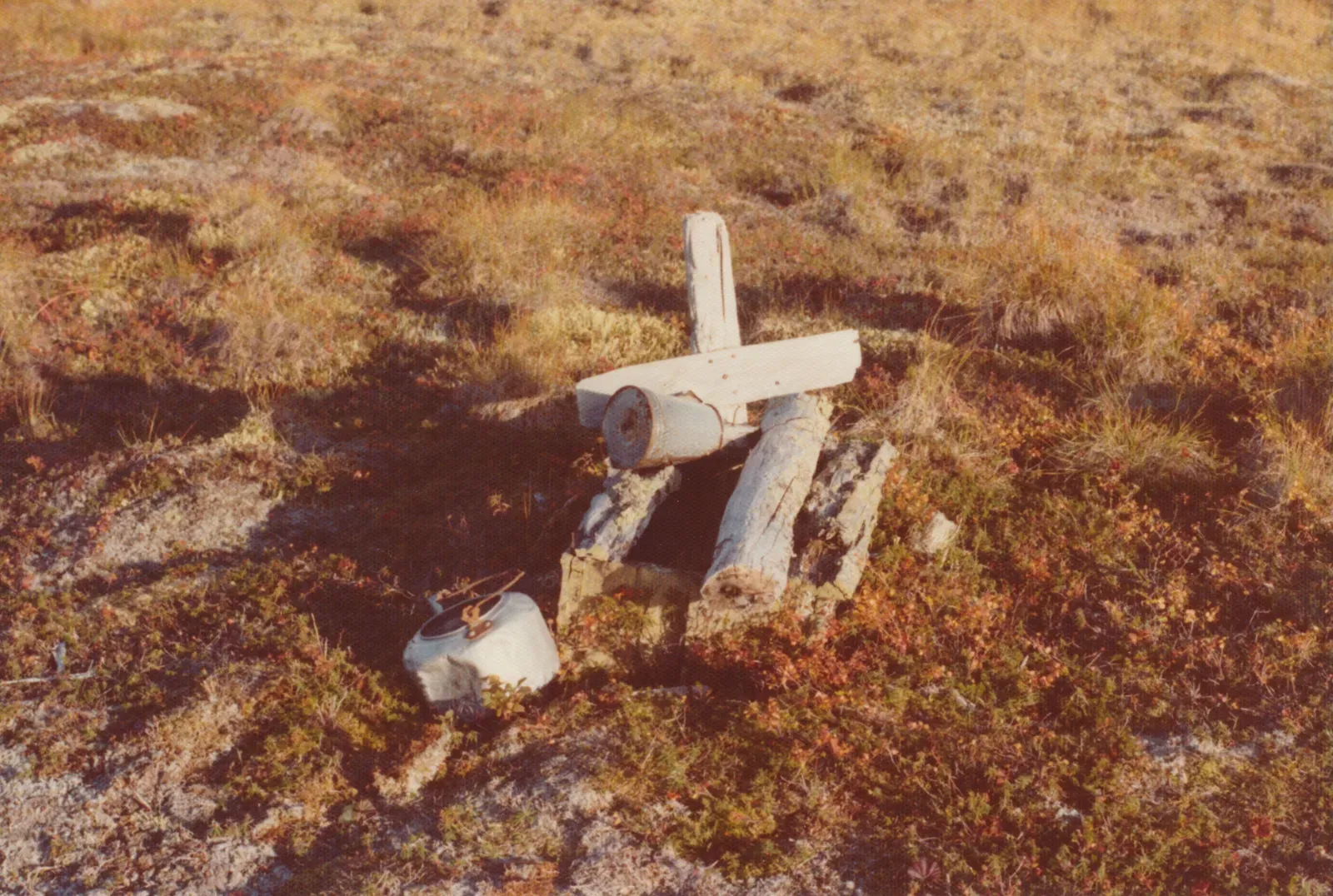
Newtok’s problem was never really flooding in the traditional sense. Newtok had to move because the permafrost under the community was deteriorating, and as a result the ground was sinking and the banks of the Ninglick River were eroding rapidly, about 70 feet of land washed away each year. Planning for a move to a new site called Mertarvik began decades ago, and it took nearly 40 years for the village of Newtok to relocate to a new site, Mertarvik, though the climate-driven relocation hasn’t gone entirely to plan.
By 2024, the transition was essentially complete on paper. The population is 0 as of late 2024, down from 321 in 2000, and the village has been abandoned. Yet the new site has struggled with its own growing pains, since as the population in the new community has increased, the critical infrastructure, including water, sewage treatment, and electricity, has all been challenged in the last two years, and a replacement school in Mertarvik is hoped to be completed in August 2026, with a total construction cost of roughly $56 million.
3. Kipnuk, Alaska
Kipnuk is the newest name on this list, and its story is still being written in real time. In October 2025, remnants of a Pacific typhoon slammed into Western Alaska, and tribal members from Kipnuk, a community of about 700 that was among the hardest hit, are now preparing for a possible complete relocation. Four months later, the tribe was still working through the decision from temporary offices hundreds of miles away, because four months after the remnants of a tropical typhoon wrecked communities in Western Alaska, hundreds of people who were displaced are considering abandoning their village altogether.
The vote is being treated as final rather than symbolic. The tribal vote is intended to be a final decision, and the environmental director for the Native Village of Kipnuk said, “Oh my gosh, we’re not going back.” Two candidate sites have already been scouted, and tribal leaders have picked out two potential relocation sites, both at least 40 feet above sea level, and are open to other suggestions. Scientists note the storm pattern itself is unusual, with one climate researcher observing that this is only the second storm of this intensity to shoot that gap in the autumn since 1950.
4. Oakwood Beach, Staten Island, New York
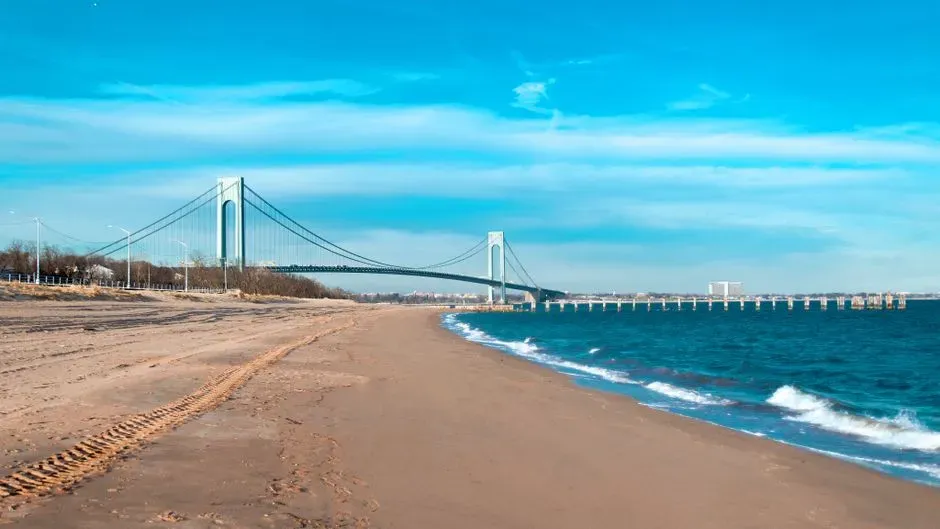
Unlike the Arctic villages, Oakwood Beach’s retreat was triggered by a single catastrophic night rather than a slow-motion erosion. When Superstorm Sandy ravaged New York on October 29, 2012, Oakwood Beach was one of the hardest hit areas, as a 14-foot storm surge, among the highest recorded in the city, swept across the neighborhood. New York State responded with an unusually generous buyout, agreeing to pay pre-storm prices for the destroyed properties, demolish them, and never redevelop the land, so that residents would be out of harm’s way and armed with money to resettle elsewhere, while nature would retake the area over time.
The uptake was striking for what is usually a politically fraught program. Calls for “managed retreat” are usually political non-starters, but in the tight-knit, blue-collar community of Oakwood Beach, 170 of 184 homeowners registered to be bought out pretty much immediately. More than a decade later, on the eastern shore of Staten Island, the neighborhood that was once a tight-knit working-class community of roughly 300 homes is today unrecognizable, a barren landscape of empty lots and flooded streets, and almost everyone has left.
5. Fairbourne, Wales
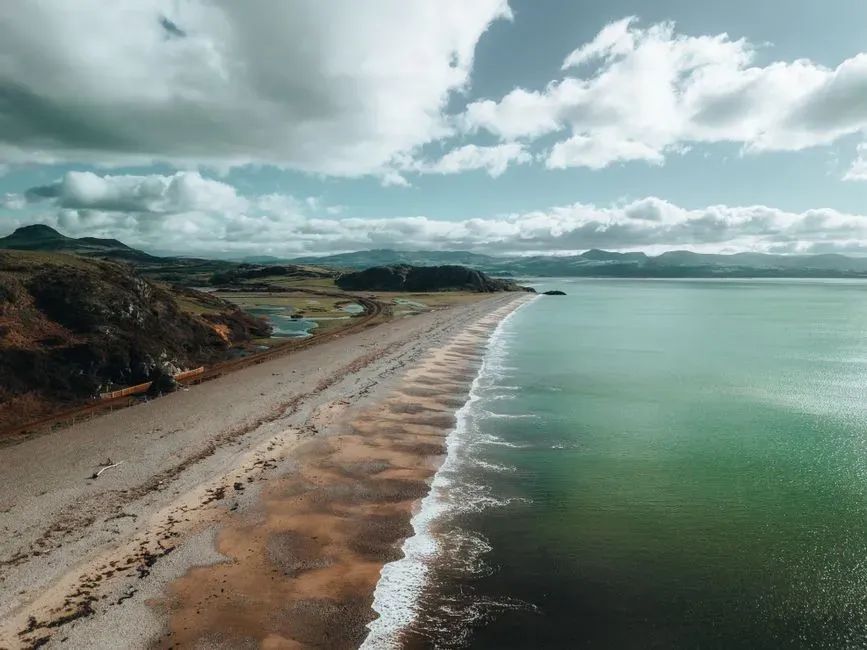
Fairbourne is one of the clearest examples of a government publicly naming a deadline for abandonment. Welsh authorities have determined that due to the threat of rising sea levels and storm surge, the coastal village of Fairbourne in west Wales will need to adopt a policy of managed realignment between 2025 and 2055. The scale of the plan is significant for a village of its size, since it will require the relocation of properties, businesses and 850 residents.
What happens to the land afterward is just as notable as the relocation itself. Once residents have moved, the area will then be turned back into a tidal salt marsh. Fairbourne has become something of a reference case in climate adaptation circles precisely because the timeline is so explicit, giving residents and businesses roughly three decades of advance notice rather than a sudden post-disaster scramble.
6. Winthrop, Massachusetts
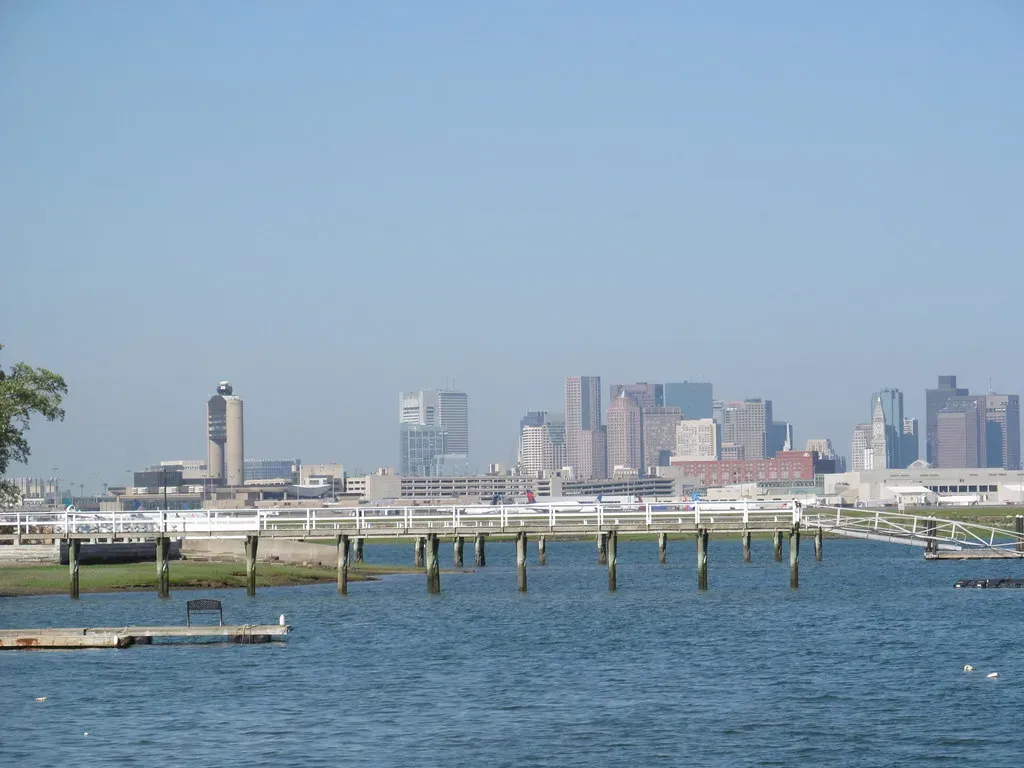
Winthrop’s path toward retreat looks less like a single announcement and more like a slow accumulation of flooded streets and community meetings. There is broad recognition across Massachusetts state agencies and practitioners that sea level rise is coming, storm surge is here and coastal flooding is happening with regularity. That recognition has translated into direct conversations with residents, and by May 2025, a community engagement session in Winthrop drew 25 people who specifically came to talk about managed retreat, including their potential interest in property buyouts.
Winthrop is also a hub for a broader regional effort. In June 2025, a Proactive Coastal Relocation Network came together for the first time for a day-long workshop at the Boston Nature Center to discuss challenges and effective approaches, with the workshop set to be held again in summer 2026. The state’s own coastal management office has been building policy infrastructure to match, as the Massachusetts Office of Coastal Zone Management’s ResilientCoasts initiative draft plan, released in spring 2025, recognizes the state’s role in supporting coastal municipalities and residents planning for a range of adaptation options.
7. Vunidogoloa, Fiji
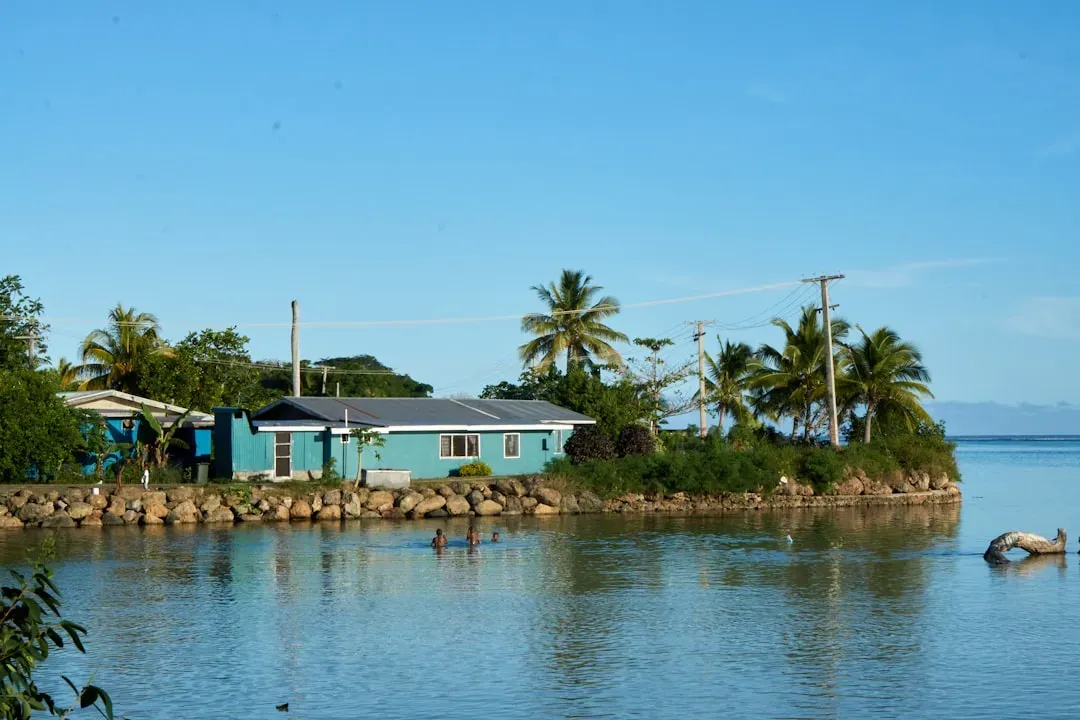
Outside the United States and United Kingdom, Fiji offers one of the earliest complete examples of a government-led coastal relocation carried out from start to finish. The village of Vunidogoloa, on Vanua Levu island, was moved roughly two kilometers inland after decades of saltwater intrusion and repeated flooding made the original shoreline site unworkable for farming and daily life. The Fijian government funded the construction of new homes on higher ground and coordinated the move as a full community transfer rather than a piecemeal series of individual buyouts.
Vunidogoloa is frequently cited in international climate policy discussions as one of the first fully executed climate relocations of an entire village, predating the more publicized American and European cases by several years. Fiji has since identified dozens of additional coastal villages facing similar pressure, suggesting Vunidogoloa was less a one-off case than an early entry in a much longer list still being written across the Pacific.
