
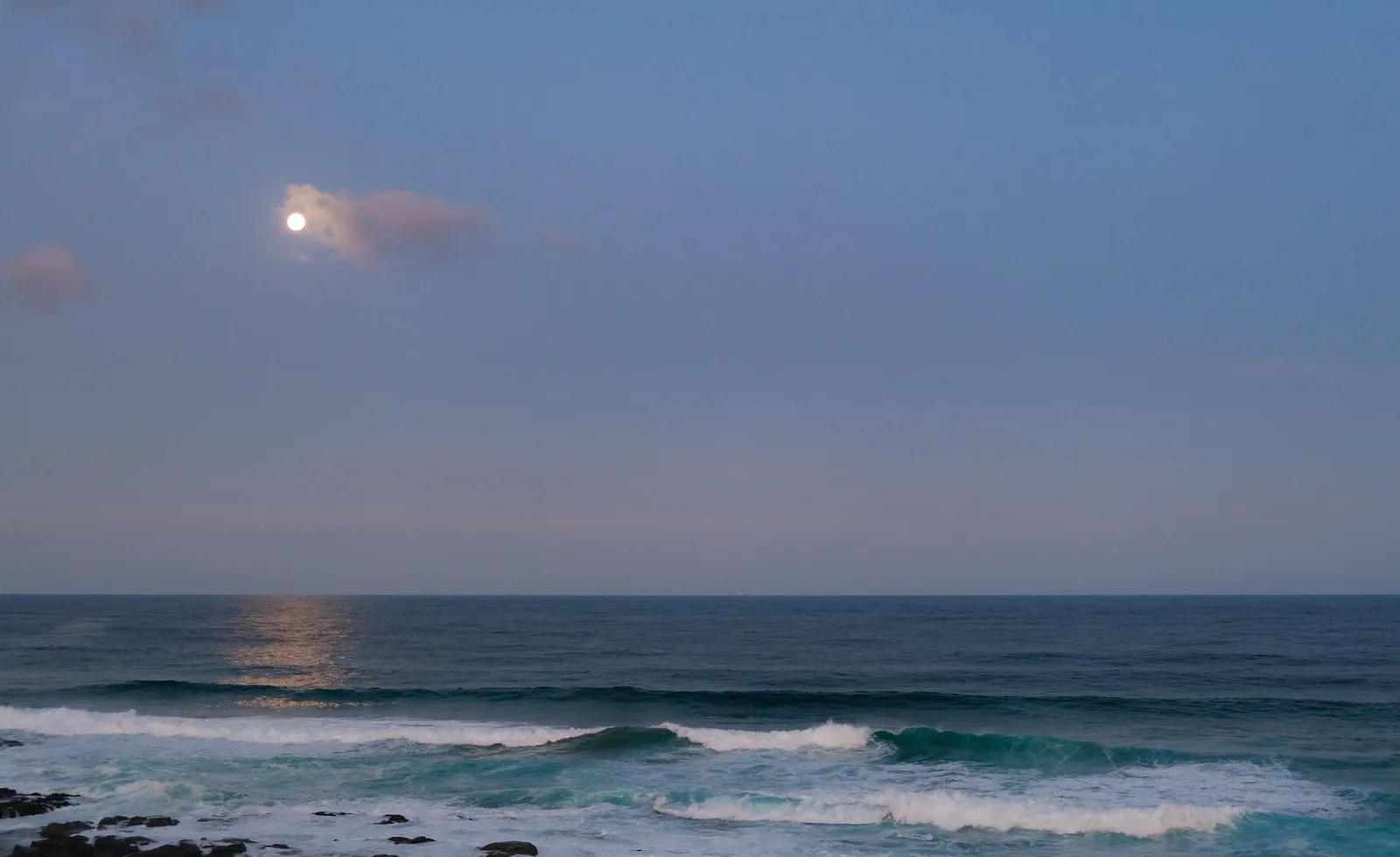
Your fingernails grow at roughly the same pace the Moon moves away from us. That’s a strange thing to picture, since the Moon sits about a quarter of a million miles out, and nothing about the night sky looks like it’s changing.
Still, the retreat is real, measured, and tied to something you can watch from any beach. The ocean is doing the pushing.
A Number Pinned Down by Lasers
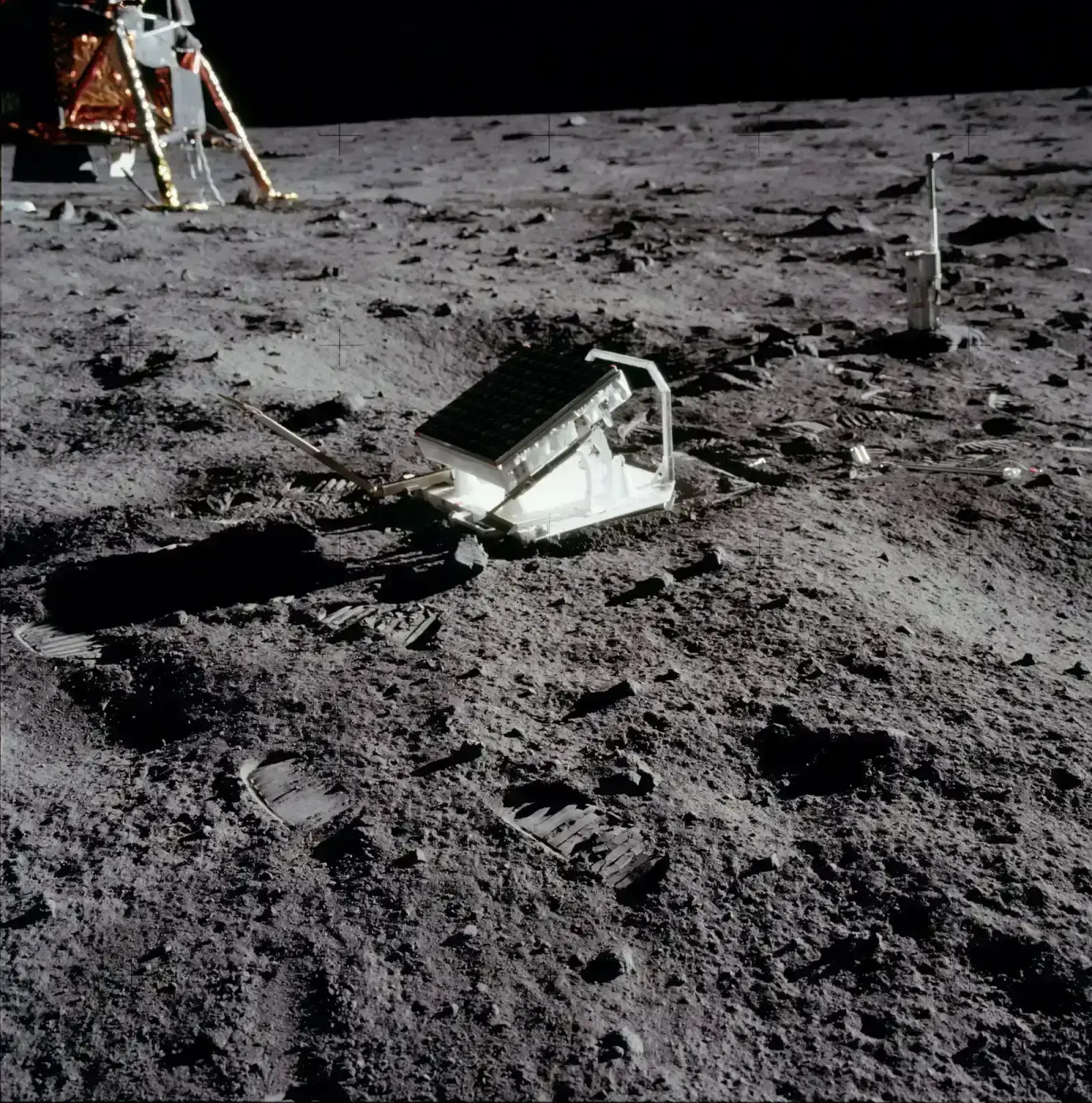
The commonly quoted figure is about 3.8 centimeters per year, or 1.5 inches. The Moon is spiraling away from Earth at an average rate of 3.8 cm (1.5 in) per year, as detected by the Lunar Laser Ranging experiment. That rate comes from direct measurement, not from a computer guess.
A more precise version appears in recent summaries of the data. The best interpretation of five decades of lunar laser ranging data is 3.83 centimetres per year. The tiny uncertainty shows how well constrained the figure has become.
How the Experiment Works
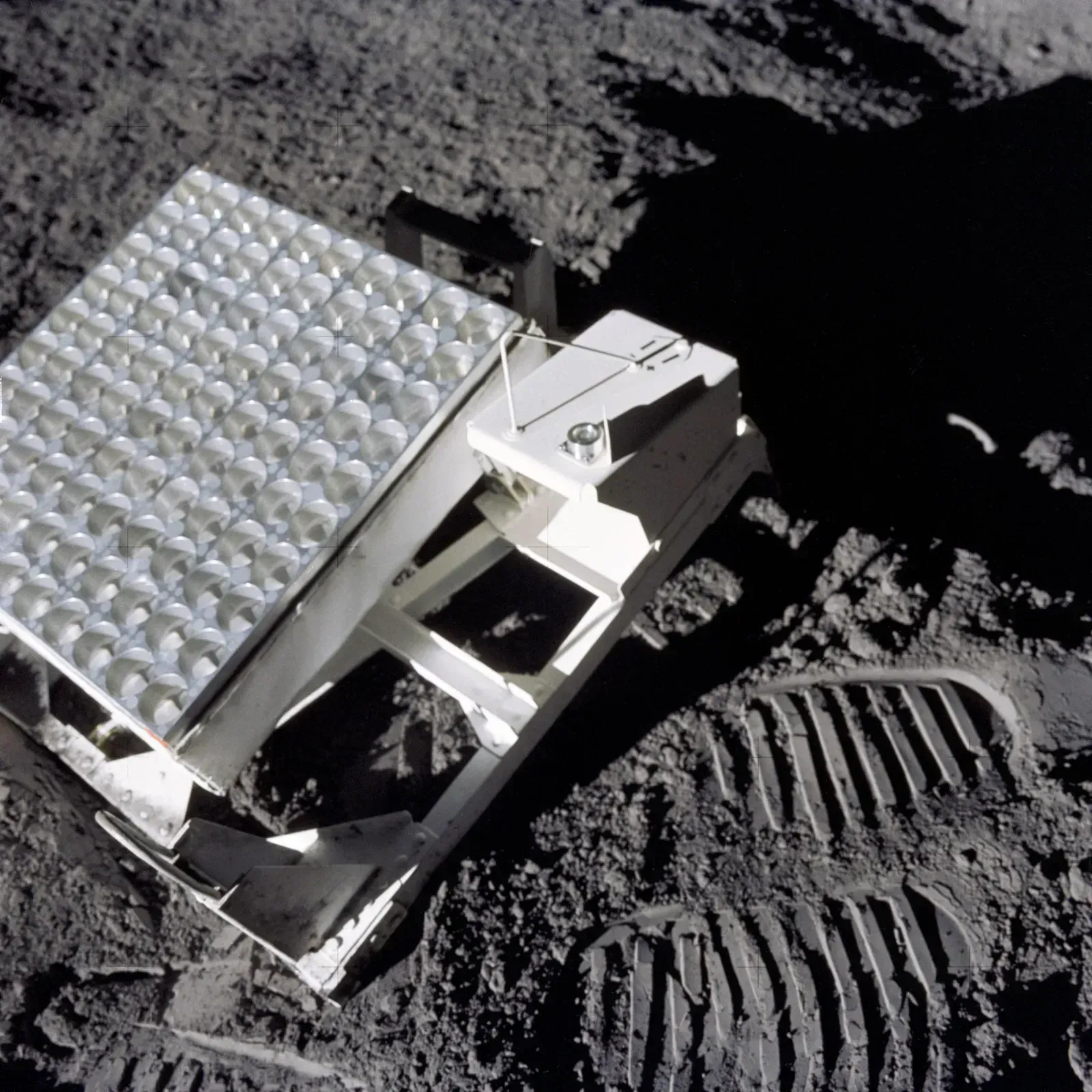
The first laser ranging retroreflector was positioned on the Moon in 1969 by the Apollo 11 astronauts. Observatories on Earth fire short laser pulses at it and time how long the light takes to come back.
Light’s speed is known, so the travel time gives the distance. The APOLLO project’s documentation puts the ranging precision at about one millimetre in Earth-Moon distance. Repeat that for decades, and the slow growth in distance shows up clearly.
Why Tides Are the Engine
The Moon’s gravity pulls the oceans into bulges on the near and far sides of Earth. If Earth didn’t spin, those bulges would line up with the Moon. It does spin, though, so things get more interesting.
As Earth spins, it drags the tidal bulges slightly ahead of the line between Earth’s centre and the Moon. The leading bulge tugs the Moon forward along its orbit, which gives it a little extra energy. So the Moon climbs, imperceptibly, into a higher orbit each year.
Earth Pays the Price
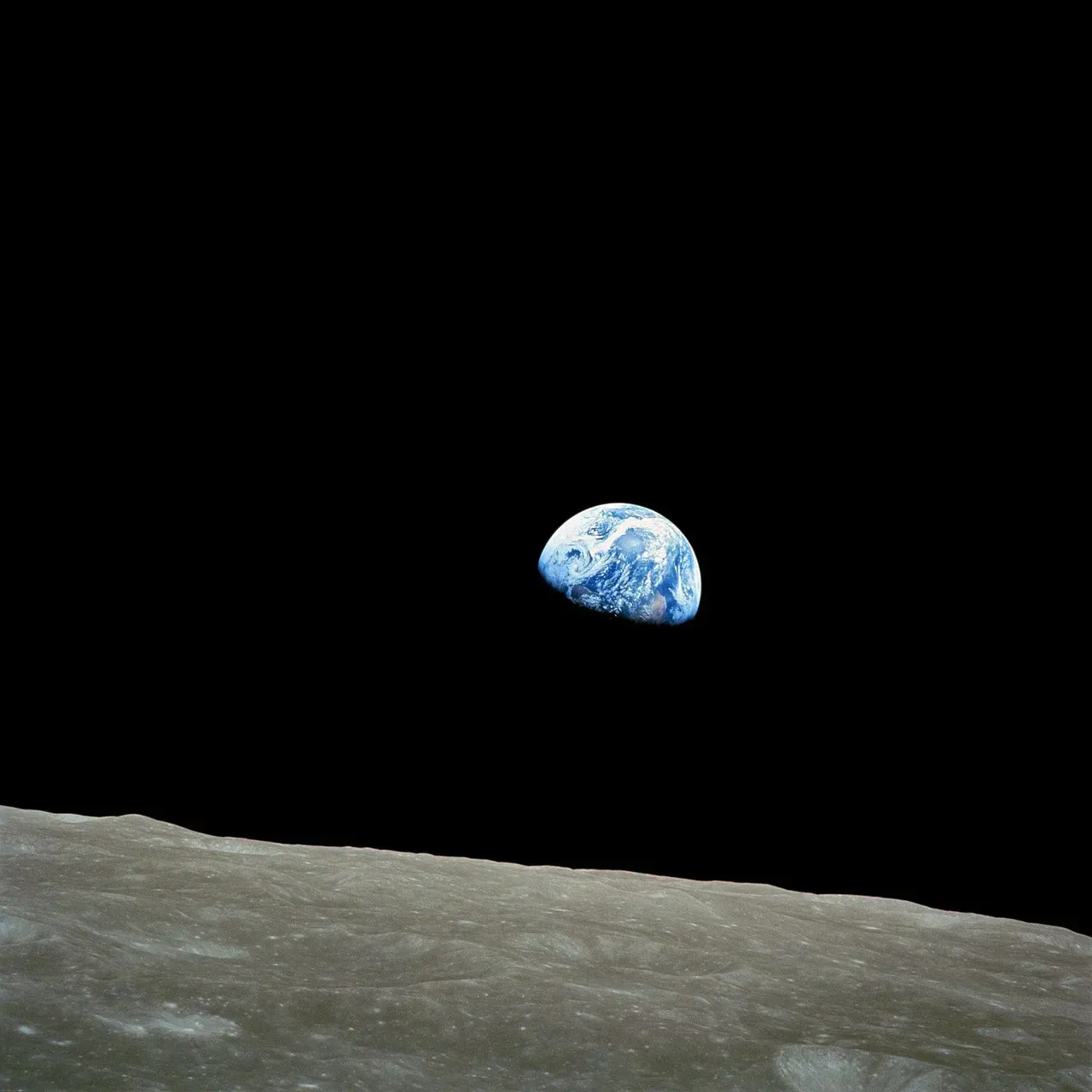
Nothing in physics comes free. The Moon’s angular momentum progressively increases at the expense of that of the Earth. Earth gives up spin, and the Moon takes it.
So our days are getting longer, though very slowly. Lunar orbital parameters predict a corresponding increase in day length of about 2.395 milliseconds per century. Other factors, such as shifting ice and the planet’s interior, also nudge the length of day, so tides aren’t the whole story.
Friction in the Oceans
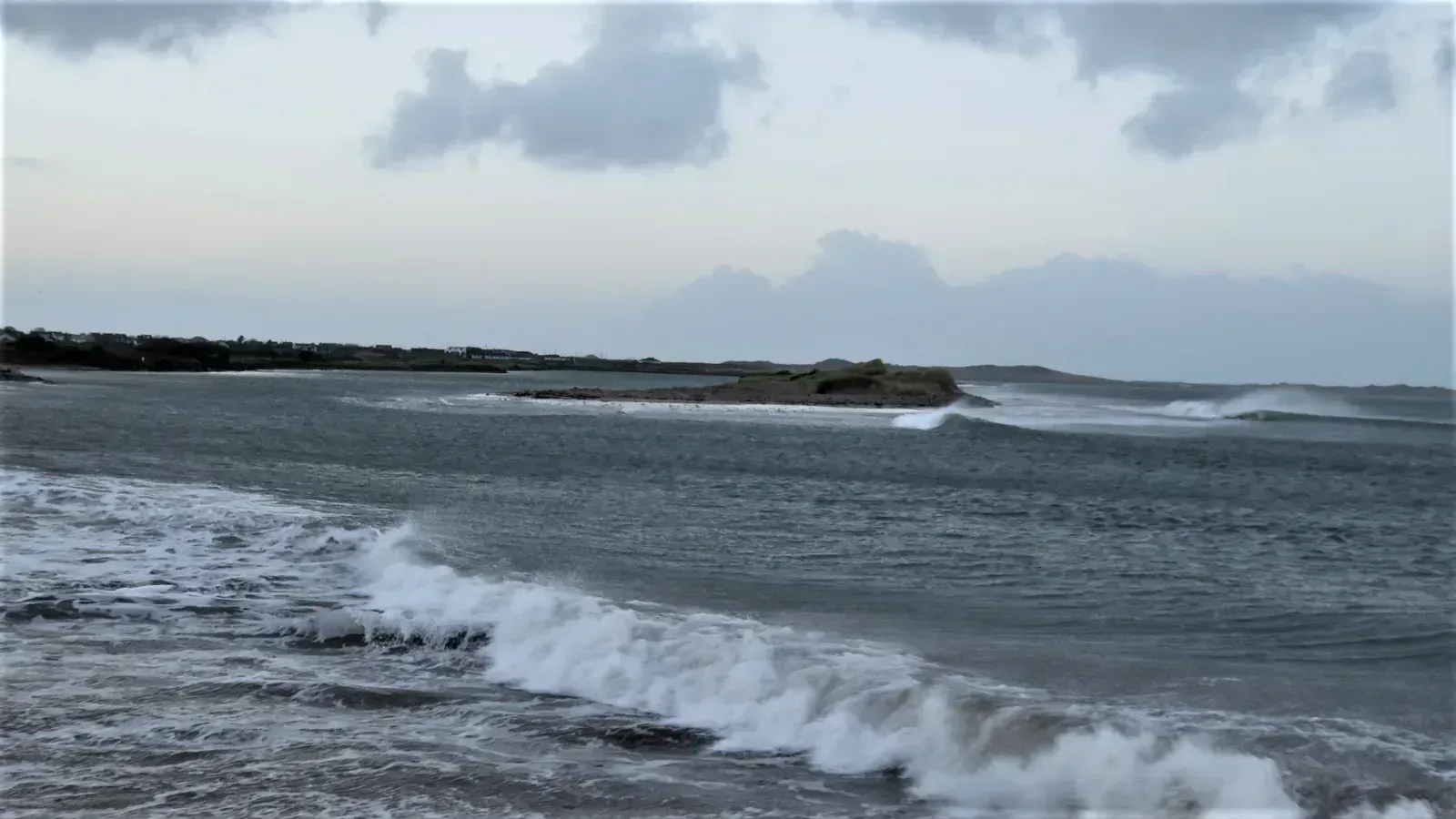
The drag on the bulges comes from friction. Water sloshing against shorelines and across shallow seas turns motion into heat. That is where the energy the Moon gains ultimately comes from.
The solid Earth flexes slightly too, but the oceans dominate. Due to tidal friction, the Earth’s rotation slows down and the Moon goes away. The shape of the ocean basins matters, which is one reason the rate isn’t the same in every era.
A Rate That Hasn’t Always Been Constant
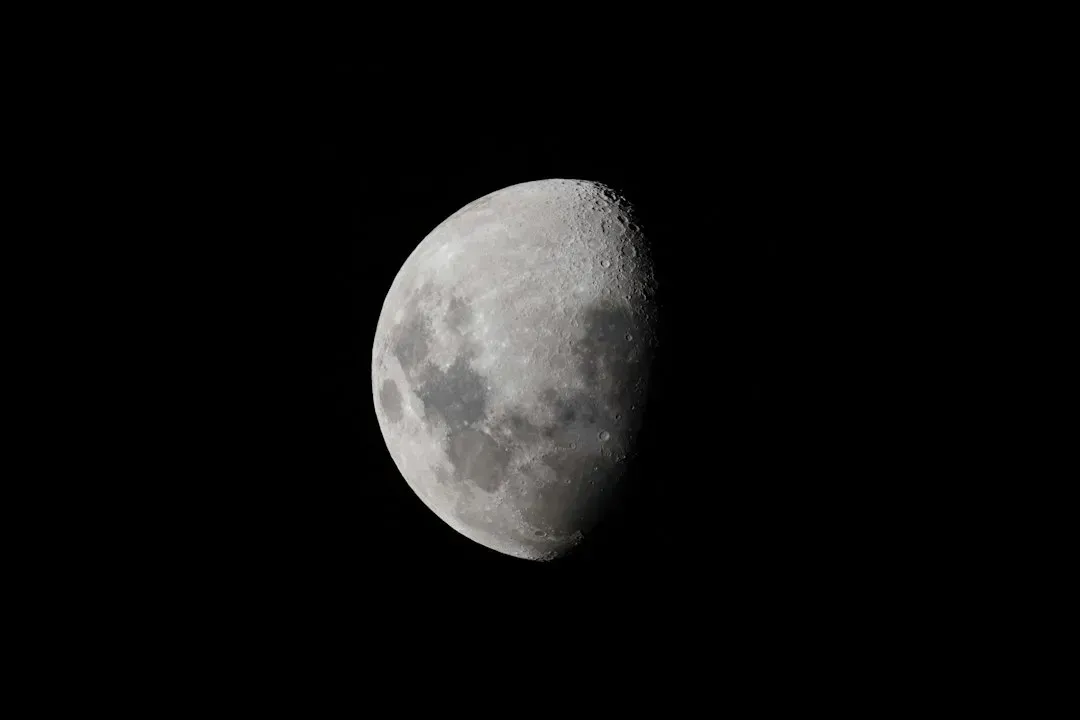
Run the current speed backward, and you hit a problem. Projected naively backwards, 3.83 centimetres per year puts the Moon in contact with Earth about 1.5 billion years ago. Yet the Moon is far older than that.
The answer is that the recession rate has changed over time. It is believed this rate has recently increased, since scientific consensus supports an age of about 4 billion years. Ocean geometry shifts as continents move, which changes how efficiently tides dissipate energy.
Clues Hidden in Ancient Rock
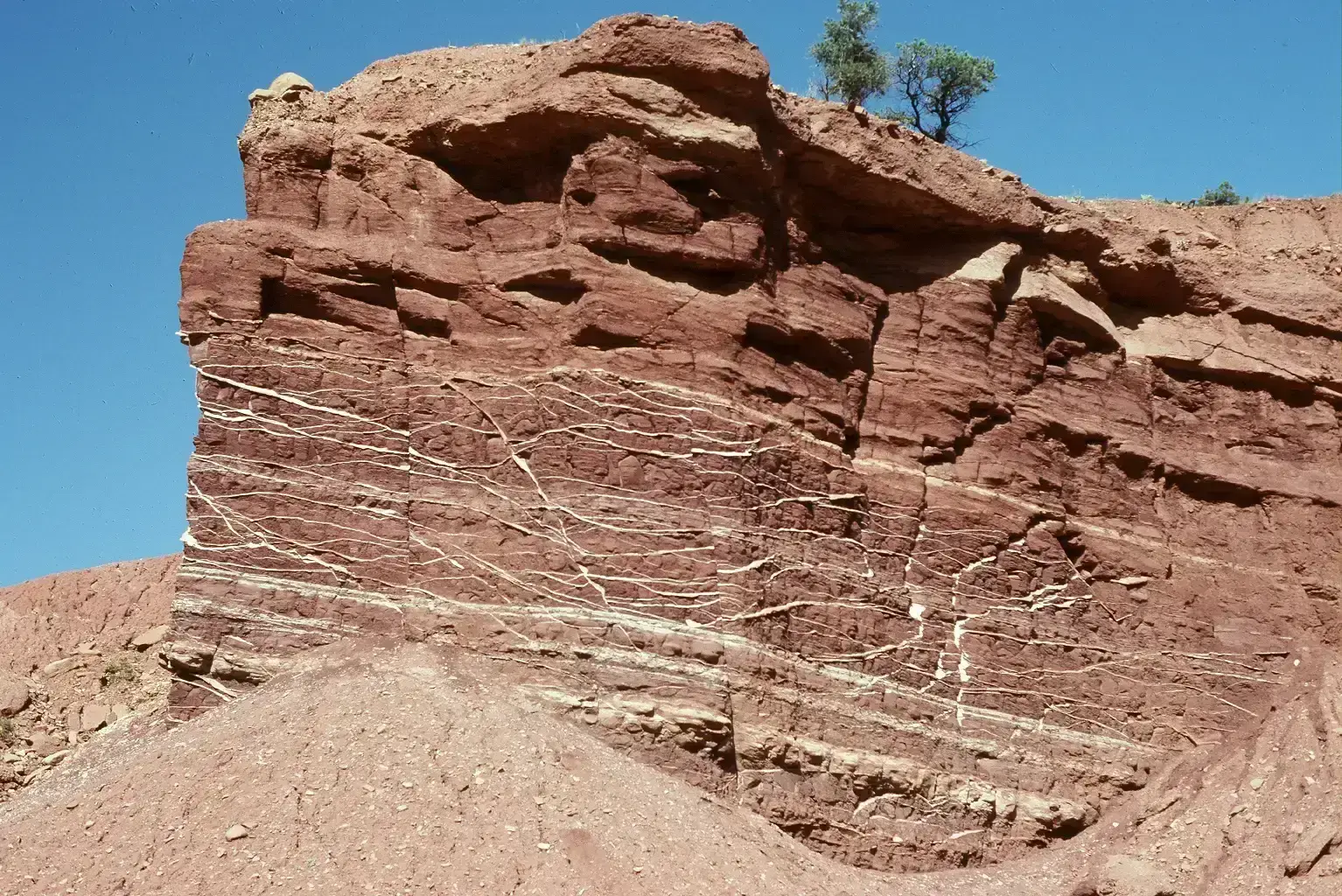
Geology offers a second line of evidence. Some sedimentary layers record tidal cycles, and the pattern of thicker and thinner layers tracks the spring and neap rhythm of the month. Combined with Kepler’s third law, these measurements let researchers reconstruct Earth’s spin and the Moon’s orbital period when the rocks formed.
Eclipse records give another check. Ancient solar and lunar eclipse records from 720 BC to 1600 AD support a rate closer to 1.78 milliseconds per century. The estimates differ a bit by method, which is normal when comparing very different kinds of data.
Resolving a Fifty Year Puzzle
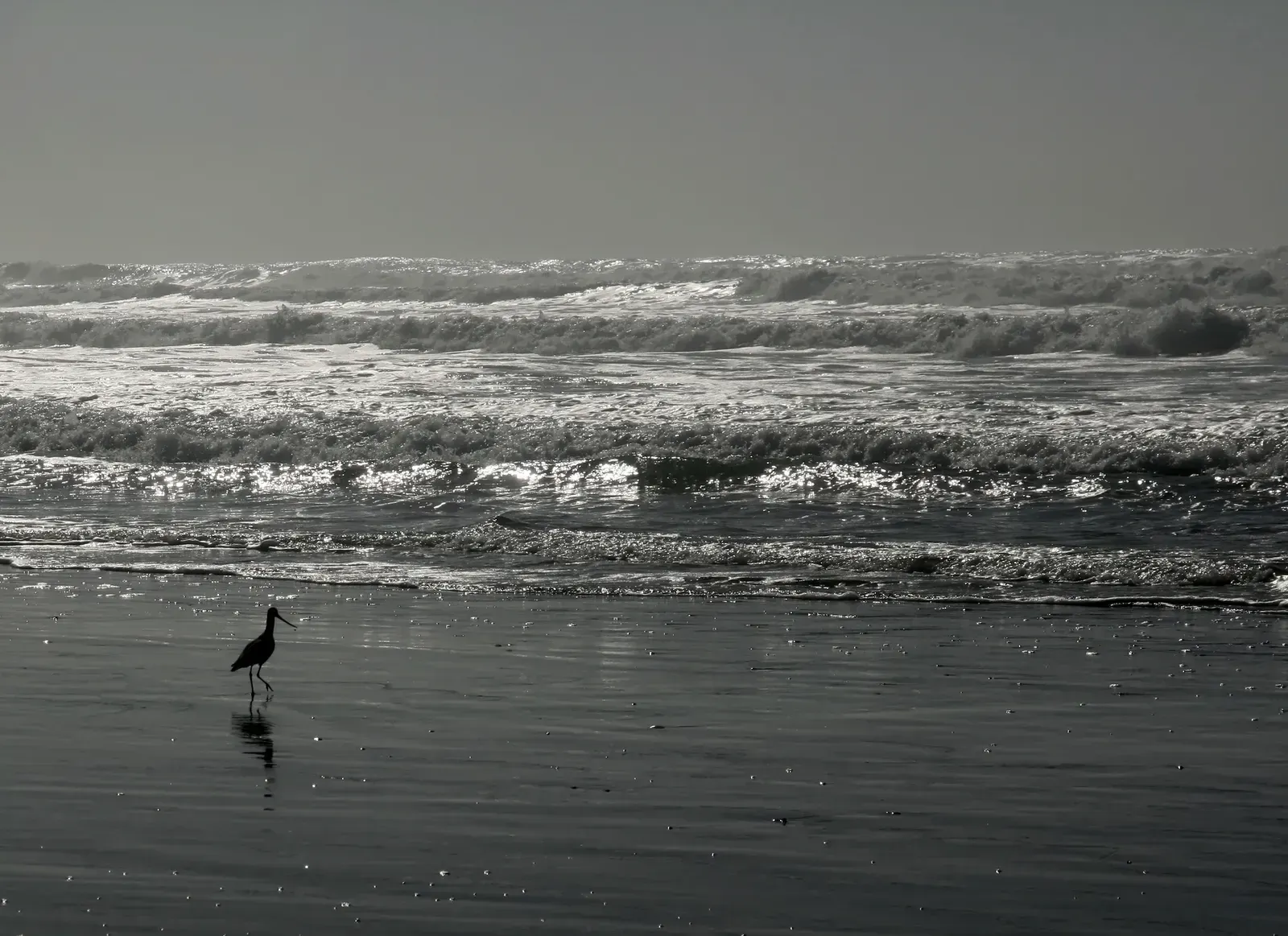
Researchers at the Paris Observatory’s IMCCE built a physical model to reconcile the puzzle. Until then, no physical model accounted for both the measured tidal dissipation and the age of the Moon.
Their model fits both constraints. Only the combined model also fits the best available geological data, including tidal rhythmites and cyclostratigraphic records. It doesn’t settle every detail, but it shows the numbers can fit together.
A Much Closer Moon in the Distant Past
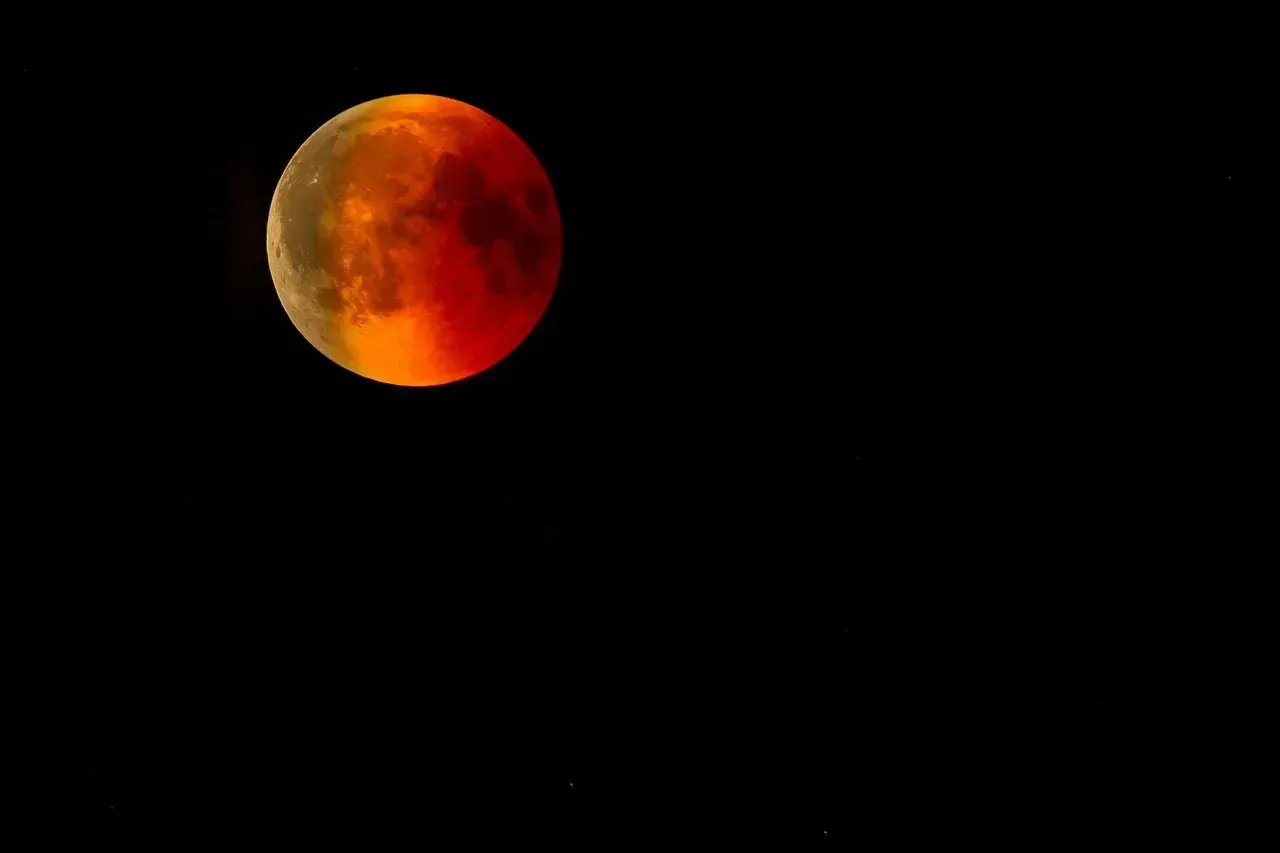
Early on, the Moon hung much nearer. Just after its formation, our satellite circled much closer, and each day on Earth was only around four hours long. Tides would have been far more dramatic.
Today the average distance is 384,399 km (238,854 mi). At the present rate, the change is far too small to notice in a human lifetime. Over geological time, though, it adds up to a different Earth-Moon system.
What the Drift Means for the Future
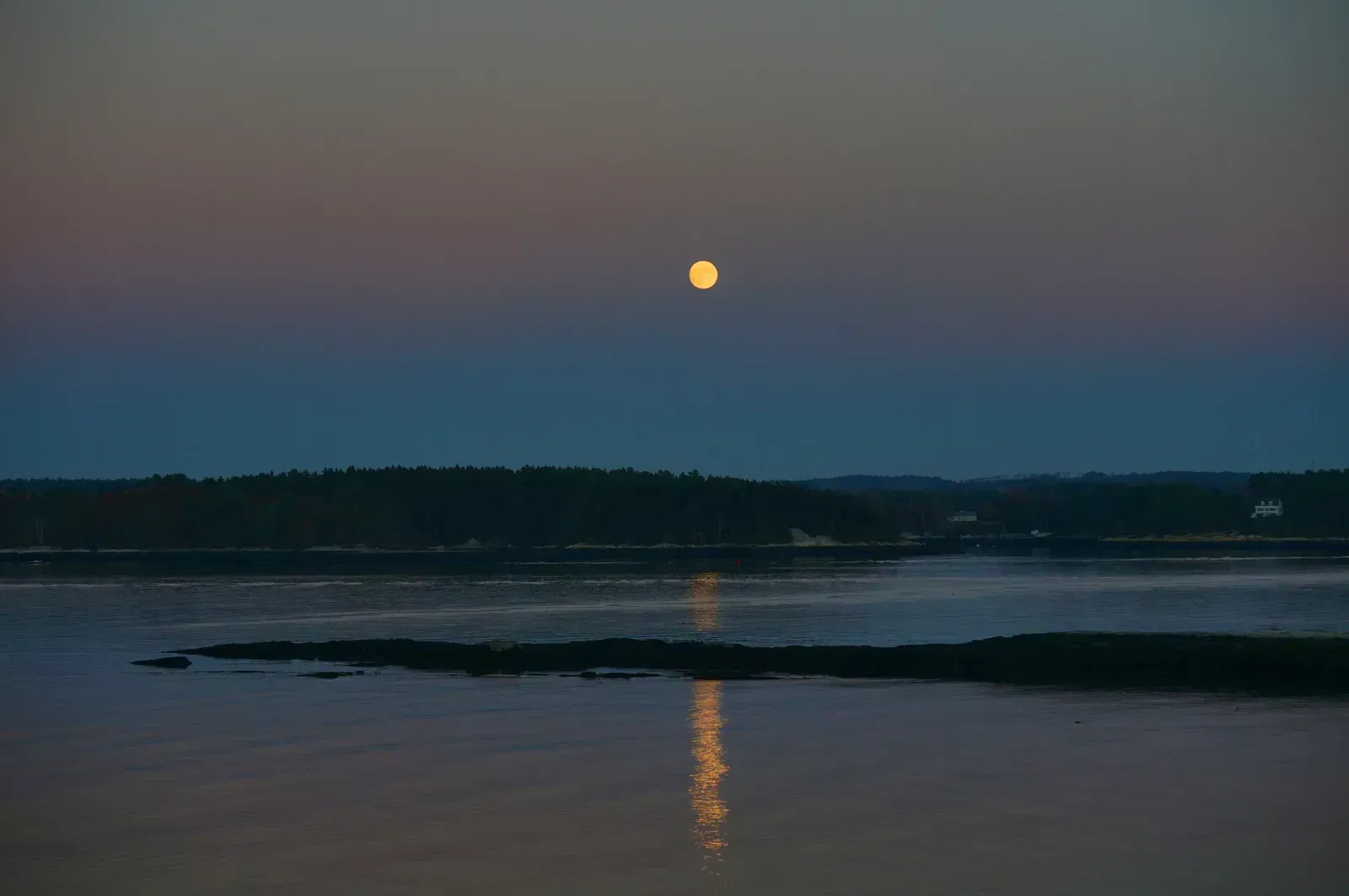
In the long run, the Moon’s tidal pull on the oceans will weaken as it moves out. The tidal amplitude produced by the Moon on Earth’s oceans will decline over deep time. Days will keep lengthening by small amounts.
Nothing dramatic will happen soon. Eclipses will gradually change character, as the Moon’s apparent size shrinks very slightly. Measurements from the reflectors Apollo left behind will keep tracking the drift, millimeter by millimeter.

- The Shoreline Sucked Dry in Seconds – 5 Tsunami Signals Beachgoers Mistake for Low Tide - November 14, 2026
- 9 Dark-Sky Destinations Around the World Where the Stars Look Unreal - November 14, 2026
- The Fault Line That Never Slips – 7 Locked Seismic Zones Overdue for a Massive Release - November 14, 2026
