

Snow is usually measured in inches or centimeters, but the biggest totals are better pictured in stories. They include ski lifts buried to their towers, roads walled in by drifts taller than buses, and whole towns that plan their winters around shovels and plows.
The below are known mostly for yearly snowfall, though a few also hold records for single storms or the deepest snow cover. Mountains, coastlines, and big lakes all have a hand in it. Some of these spots are remote peaks, while others are real cities with commuters and school runs.
Mount Baker, Washington
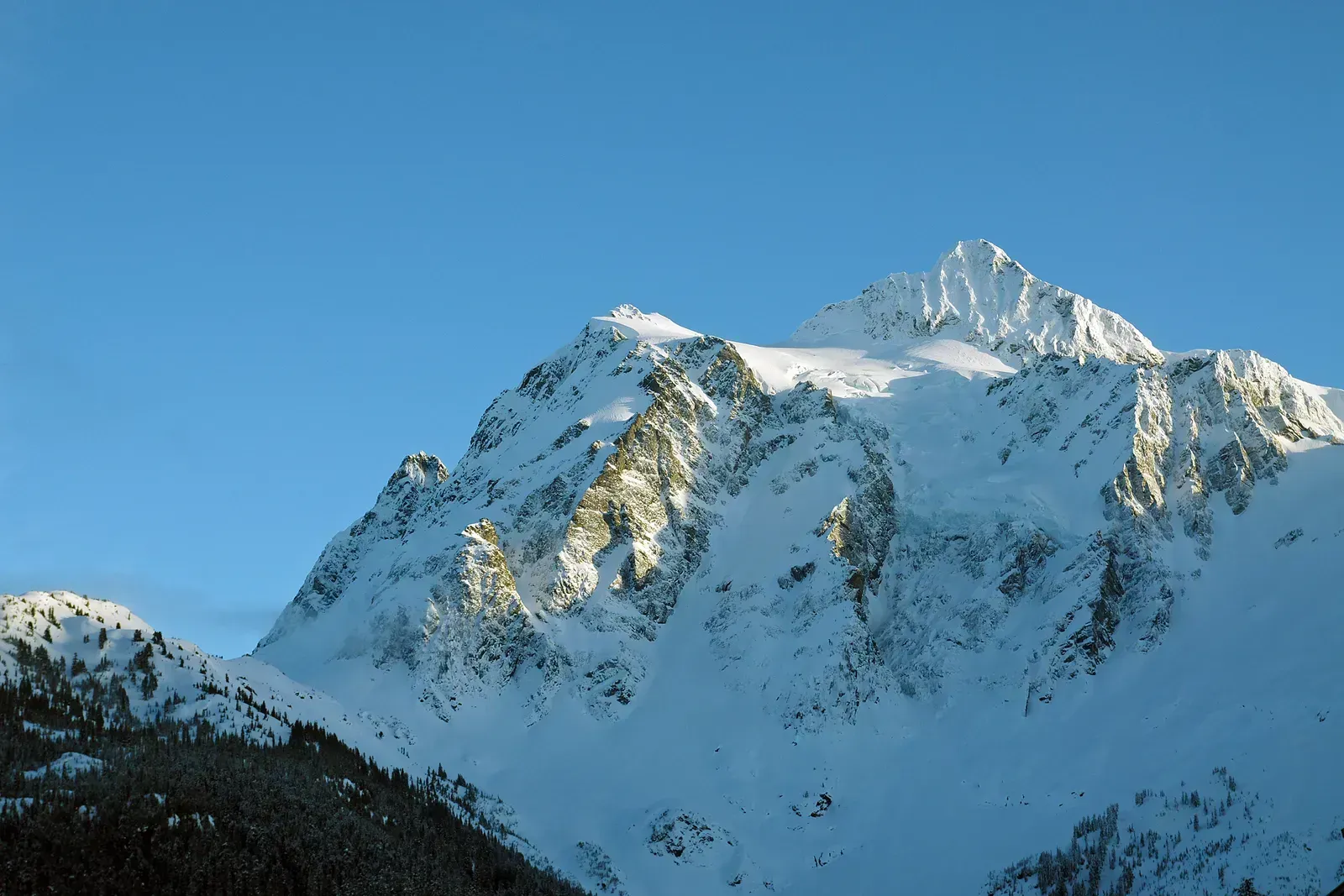
Mount Baker Ski Area in the North Cascades holds the world record for snowfall in a single season. During the 1998 to 1999 winter, it recorded 1,140 inches, which is 95 feet. The figure was officially recognized by Guinness World Records.
Moist air from the Pacific runs straight into the Cascades there and is forced upward, cooling as it climbs. The result is heavy, steady snowfall. Even in a normal year, the area’s average is several hundred inches.
Aomori City, Japan
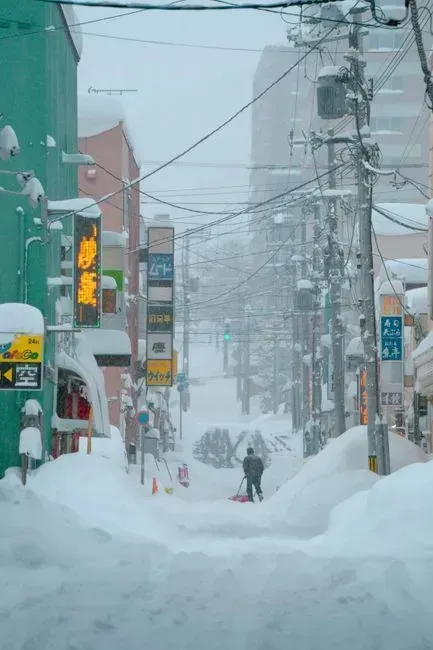
Aomori, at the northern tip of Honshu, is generally called the snowiest city among places with a sizable population. Its yearly snowfall averages roughly 300 inches, or around 7.9 meters. The city has a population of a couple hundred thousand, and winter life there is very much a routine.
The cause is the Sea of Japan. Cold, dry winds from Siberia pick up moisture and warmth over the water, then dump snow when they reach land. This pattern is often called sea effect snow, and it turns the whole western side of northern Japan into one of the snowiest regions anywhere.
Sapporo, Japan
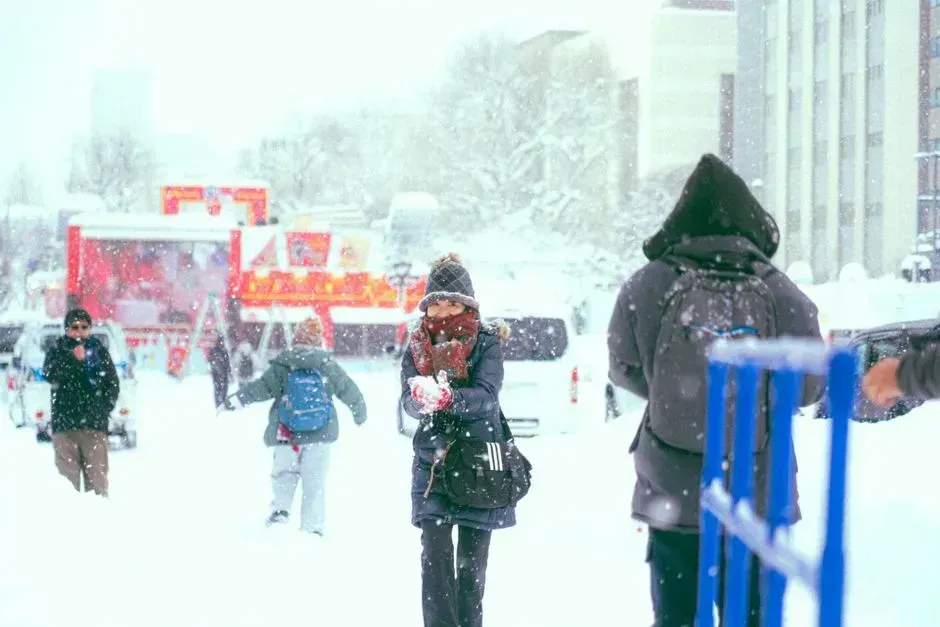
Sapporo is on the island of Hokkaido and has nearly two million residents. That makes it the snowiest major city in the world by a wide margin. Annual snowfall is typically around 190 inches, or about five meters.
The city has built its identity around winter. Its Snow Festival, held each February, features huge sculptures and draws visitors from across Japan and abroad. Meanwhile, the municipal snow removal system, with its fleets of plows and melting facilities, is a significant public operation.
Sukayu Onsen and the Hakkōda Mountains
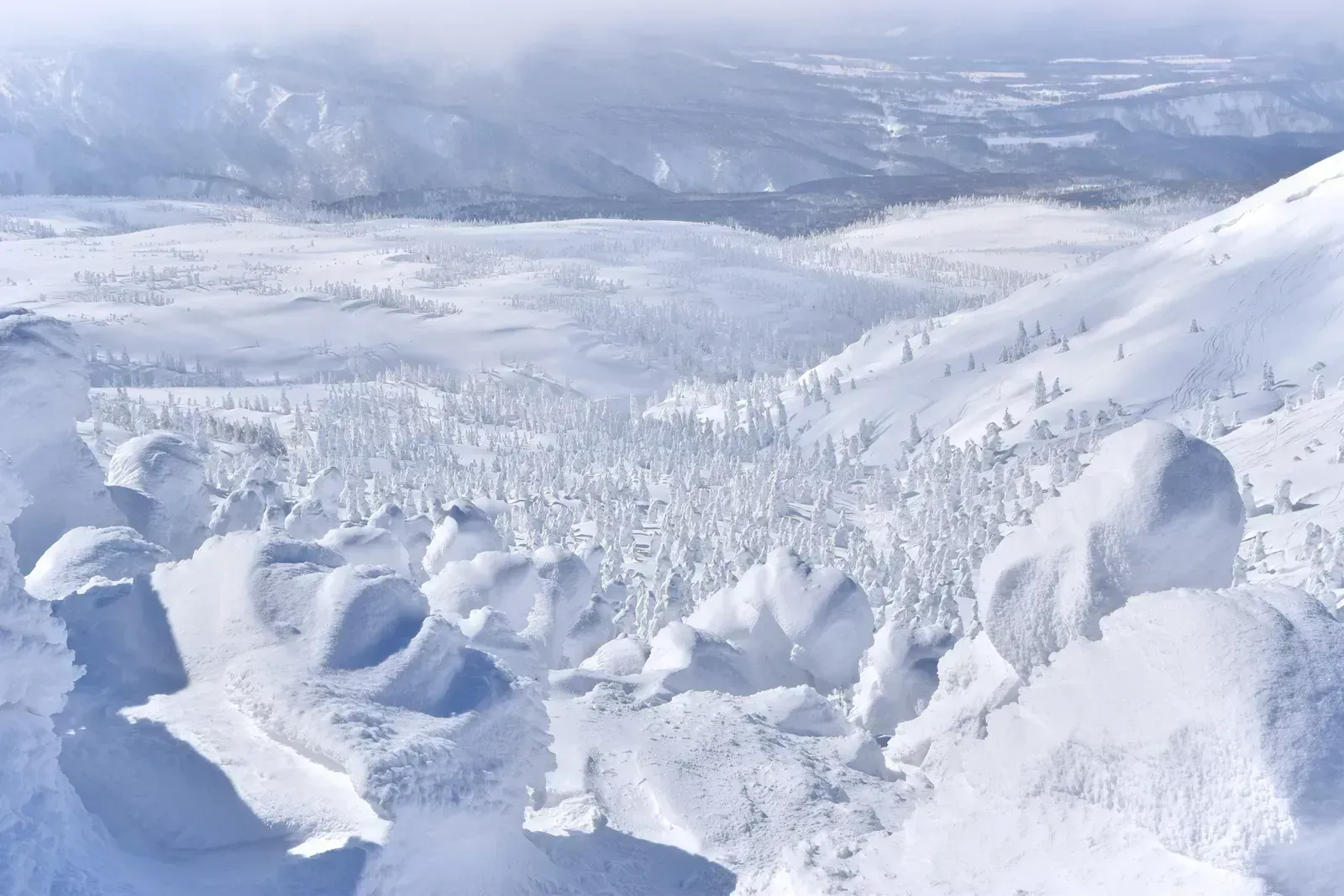
Not far from Aomori, the Hakkōda Mountains hold a hot spring village called Sukayu Onsen. Its weather station is often cited as one of the snowiest inhabited places on the planet. Seasonal snowfall there is commonly reported at well over fifteen meters.
Snow depth can pile up past the height of a house. The roads are cleared each year to form narrow, towering corridors that tourists visit in spring. Fed by the same Siberian winds, the mountains wring out even more snow than the nearby coast does.
Mount Ibuki, Japan
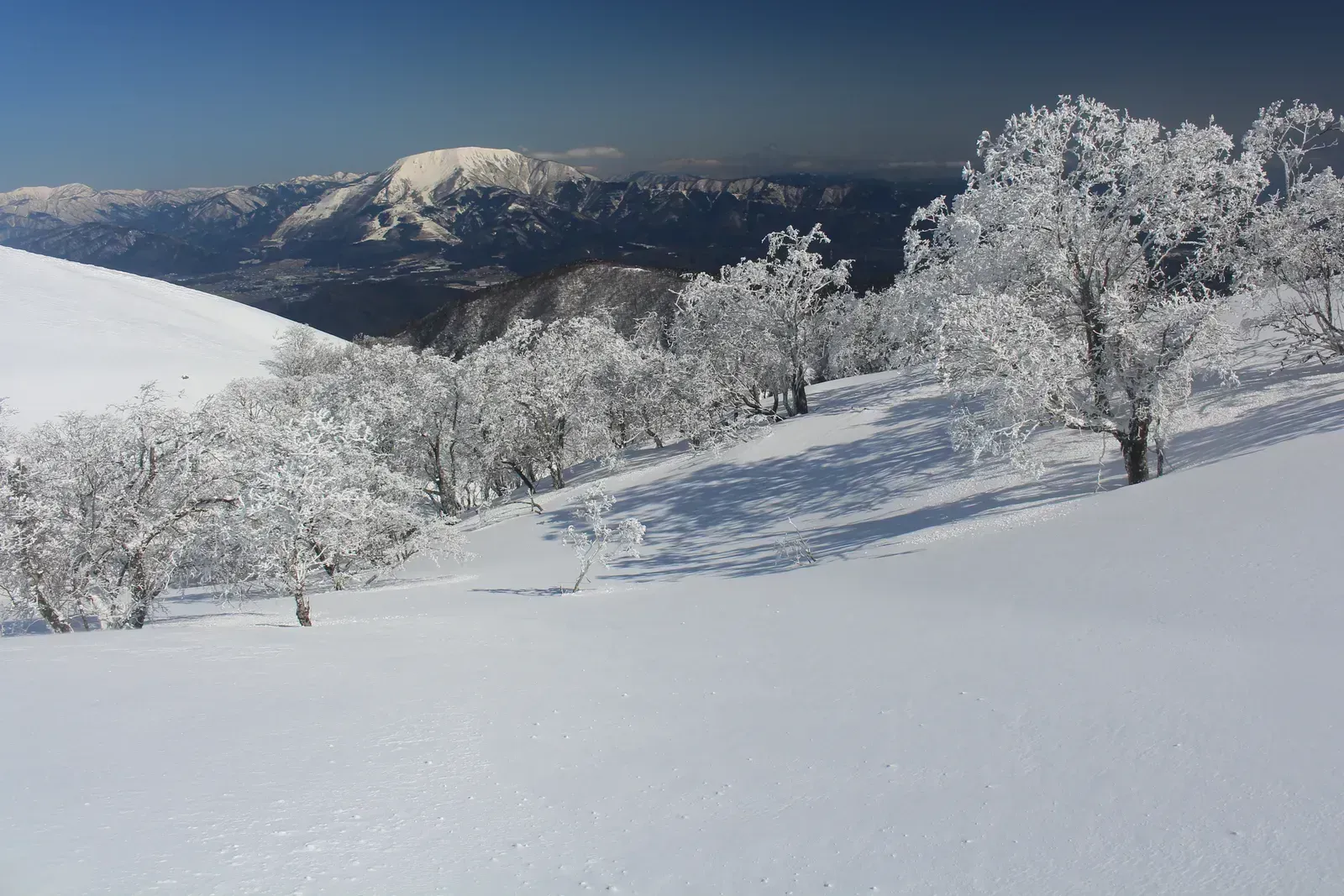
Mount Ibuki, on the border of Gifu and Shiga prefectures, holds a different kind of record. On February 14, 1927, observers measured a snow depth of 11.82 meters. The World Meteorological Organization recognizes it as the deepest snow cover ever recorded on the ground.
Depth and total snowfall are not the same thing, because snow compacts and melts over a winter. That’s why a mountain can hold the depth record without topping the list for seasonal totals. Ibuki’s position, where winter air from the Sea of Japan gets squeezed into the central mountains, helps explain the extremes.
Mount Rainier and Paradise, Washington
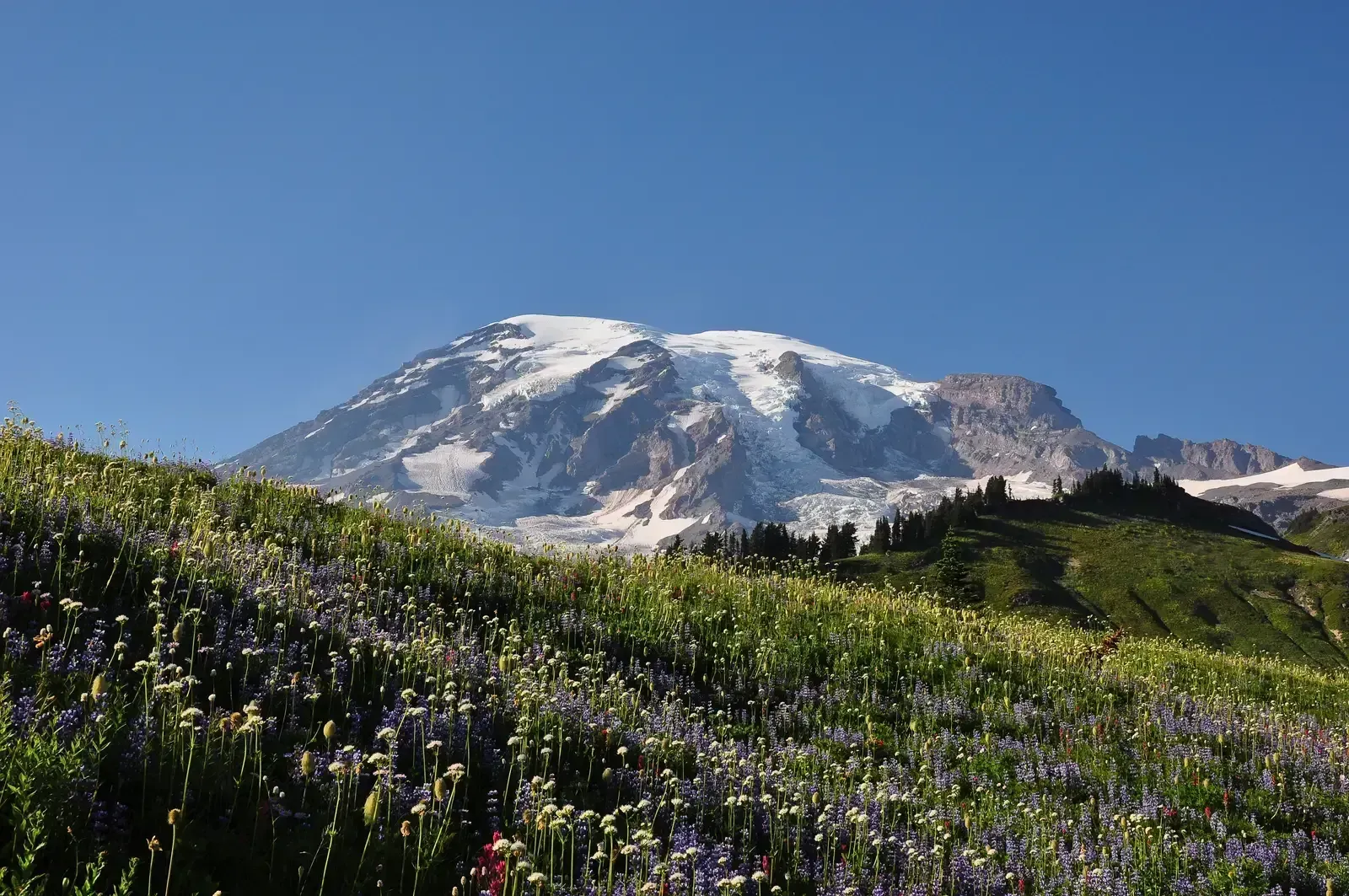
Paradise, on the southern flank of Mount Rainier, is one of the snowiest places in the United States with regular weather observations. During the 1971 to 1972 season, it recorded 1,122 inches, or 93.5 feet. That was the world record for a single season until Mount Baker topped it in 1999.
The National Park Service has measured snowfall at Paradise for decades. In an average winter, the total is more than 600 inches. The same Pacific storm track that feeds Mount Baker feeds Rainier, and the volcano’s height adds to the effect.
Valdez and Thompson Pass, Alaska
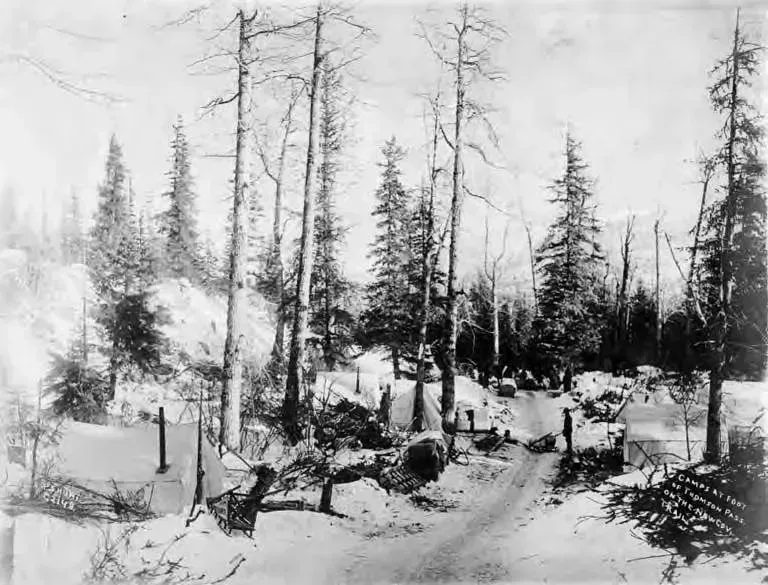
Valdez sits at the head of a fjord on Prince William Sound, and it regularly gets more than 300 inches of snow a year. Storms from the Gulf of Alaska move onto the Chugach Mountains and stall there. Residents tend to treat deep snow as ordinary.
Thompson Pass, just inland, has held some striking records. It received 974.5 inches during the 1952 to 1953 season, which stands as the Alaska record. In December 1955, the pass also recorded 62 inches of snow in 24 hours.
Tamarack and the Sierra Nevada, California
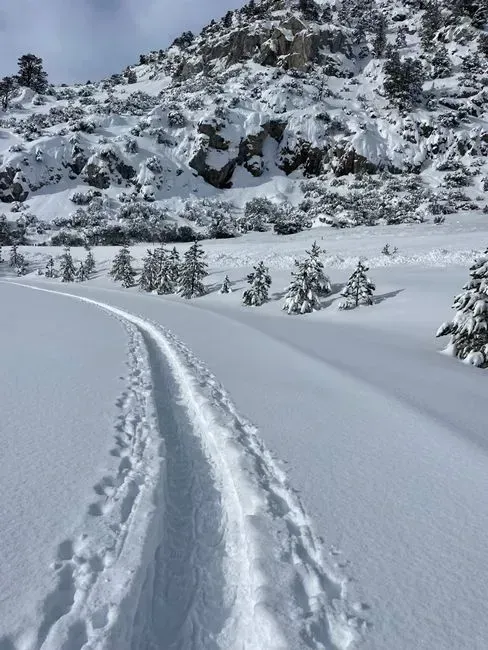
The Sierra Nevada is not often the first place people think of for extreme snow. The range collects powerful Pacific storms, though, and its higher passes can get several hundred inches in a typical winter. Tamarack, a former weather station in the Sierra, recorded 390 inches in January 1911, which is still the most ever measured in a single month in the United States.
The Donner Pass area is also famous for its deep snow, and it has stopped trains and highways many times. The heaviest storms often come as atmospheric rivers that deliver warm moisture and then drop it as snow at higher elevations. Water from that snowpack supplies much of California’s summer water, which is why officials track it closely every spring.
Tug Hill and the Great Lakes Snowbelt
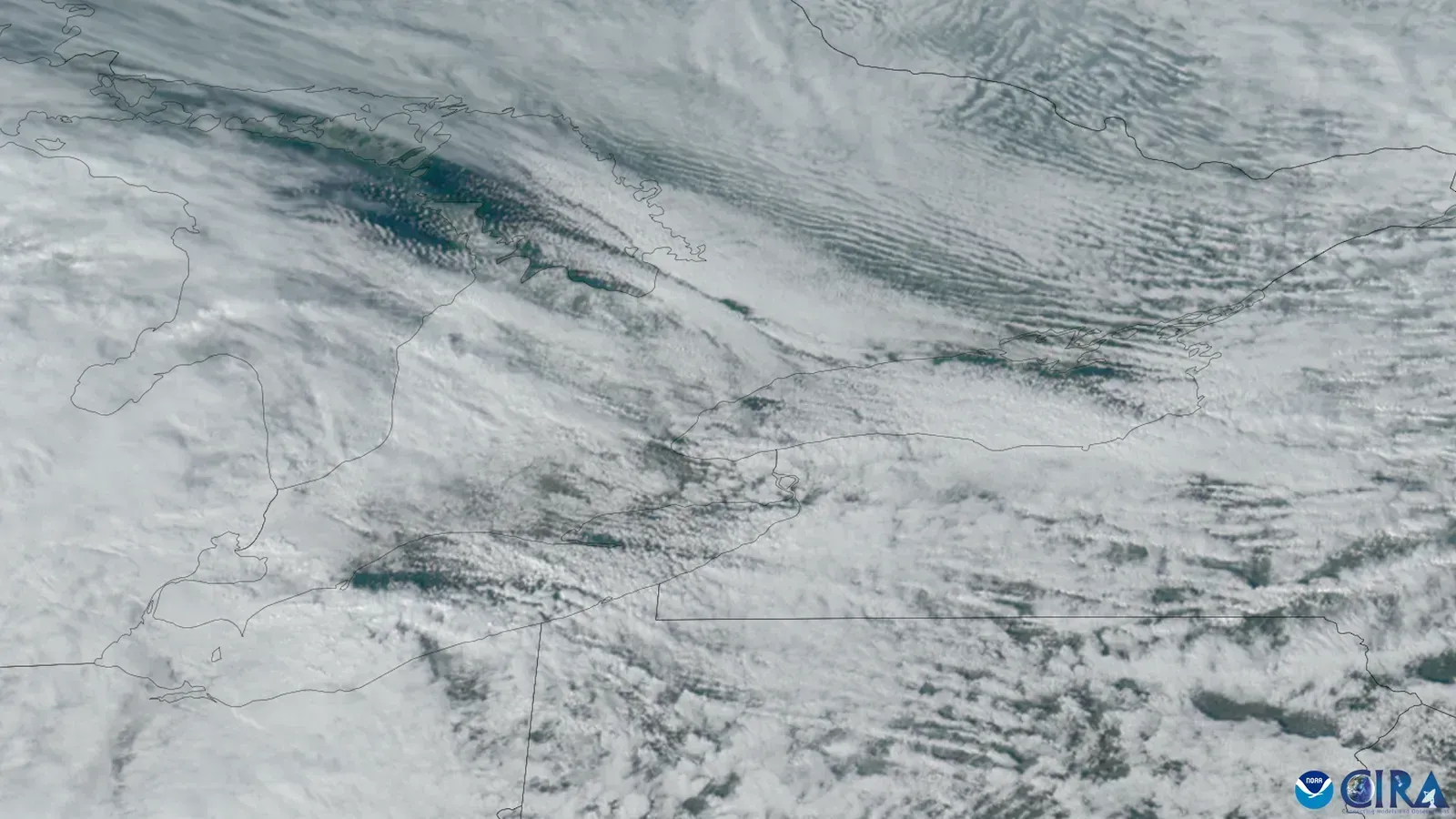
The Tug Hill Plateau in upstate New York is the snowiest part of the eastern United States, with yearly totals often above 200 inches. Cold air crosses the relatively warm waters of Lake Ontario, picks up moisture, and drops it as snow when it reaches land. This is known as lake effect snow.
The bands can be narrow, so one town may be buried while a place a few miles away sees sun. Buffalo and Syracuse regularly make national headlines for this reason. In November 2022, one lake effect storm dropped several feet of snow in parts of the Buffalo area within a couple of days.

- Alaska’s Permafrost Is Thawing, And The Ground Under Roads, Homes And Runways Is Sinking - November 9, 2026
- Rainwater Harvesting Basics for Homes and Gardens - November 9, 2026
- Reusable Shopping Bags Must Be Used Many Times to Offset Their Production - November 9, 2026
