


- Record planetary extremes loom as the world’s largest climate summit begins - November 12, 2026
- Will travel insurance cover weather-related flight delays and cancellations? - November 11, 2026
- 8 Cities Where the Weather Changes So Fast Locals Carry Everything - November 11, 2026
Anyone who has spent a summer day at the beach knows the moment. The air has been warm and still, and then a steady, cooler wind starts moving in from the water. A few miles inland, the same afternoon can feel noticeably hotter and heavier.
That shift isn’t luck. It’s a well-studied weather pattern called the sea breeze, and it comes from a simple fact about how land and water handle sunlight. Here’s how it works, why it varies, and where its limits lie.
Land and Water Heat at Different Speeds
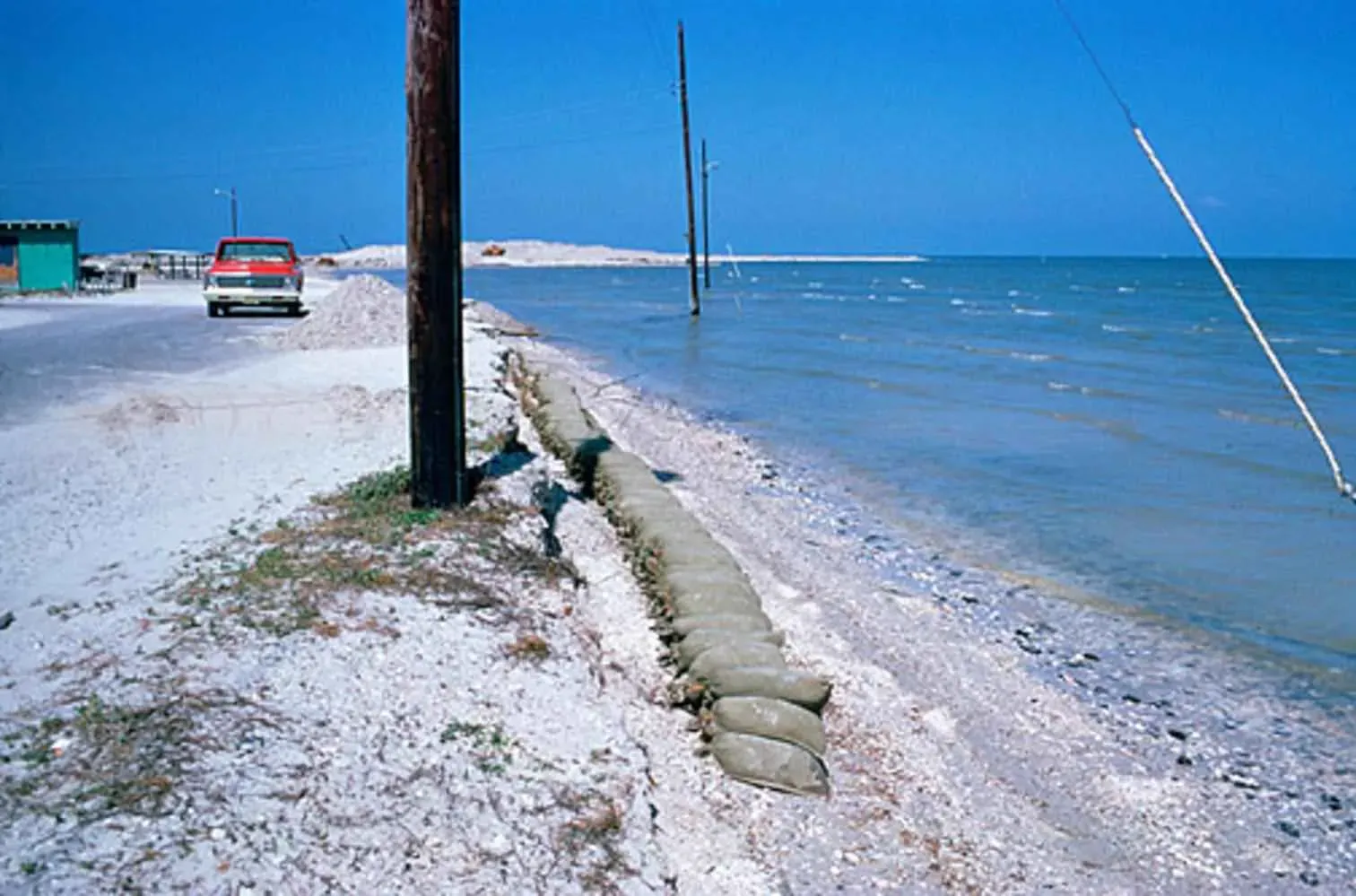
The sea breeze starts with a mismatch in heating. Land warms quickly under the sun, while water warms slowly. Water has a high heat capacity, and sunlight also penetrates and mixes into the upper layers of the ocean, so the heat gets spread through a larger volume.
Dry ground can’t spread heat that way. The energy stays in a thin surface layer, so the ground and the air above it heat up fast. By early afternoon, a coastal plain can be much warmer than the sea surface just offshore. That temperature gap is the engine for everything that follows.
How the Pressure Difference Creates Wind

Warm air is less dense than cool air. As air over the land heats, it expands and rises, which lowers the surface pressure there. Air over the cooler sea stays denser, so surface pressure over the water is relatively higher.
Air moves from higher pressure toward lower pressure, so cooler marine air flows onshore to fill the gap. Meteorological agencies such as the U.S. National Weather Service describe this as a thermally driven circulation. Higher up, the flow usually reverses and returns toward the sea, which completes a small loop of air.
The Daily Timeline of a Sea Breeze
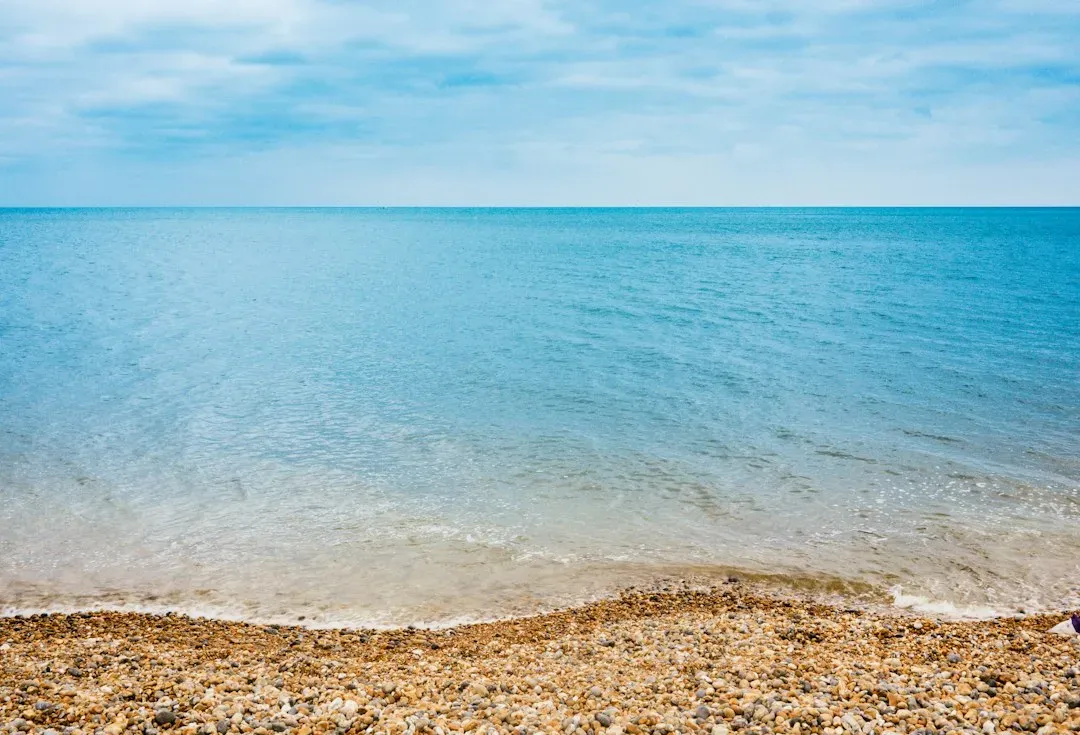
The breeze follows the sun. In the morning it’s usually calm, because the land hasn’t yet warmed enough to build a strong contrast. As the land heats, a light onshore wind often begins by late morning near the shoreline.
The breeze typically strengthens through the afternoon and then fades toward evening as the land cools. At night the pattern often flips into a gentler land breeze, with air flowing from the cooling land out to the relatively warmer sea. The timing can shift with season, latitude and local terrain.
The Sea Breeze Front and How Far Inland It Reaches
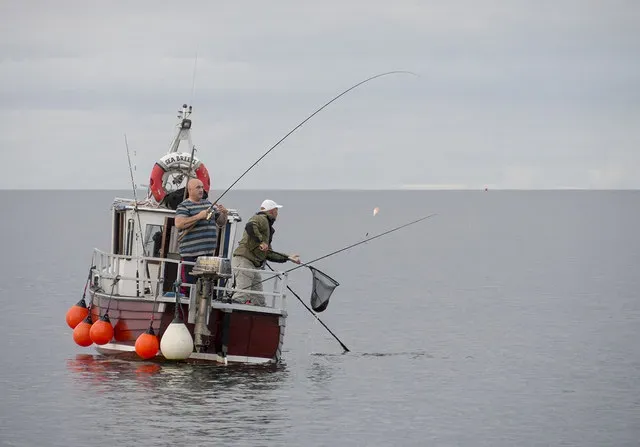
The leading edge of the cooler marine air is called the sea breeze front. As it passes, temperatures can drop, humidity can change, and wind direction can swing quickly. People sometimes notice it as a sudden cool gust on an otherwise hot afternoon.
How far the front travels depends on conditions. In many places it reaches a few miles to a few tens of miles inland, and under favorable conditions it can go farther. Because the cooling fades as the air warms over land, the effect is usually strongest close to the coast, which is why neighborhoods near the water often feel more comfortable than ones farther away.
Why It Feels Cooler, Not Just Measures Cooler

The air itself is cooler, but moving air also matters for comfort. Wind helps sweat evaporate and carries heat away from the skin, so a breeze makes a given temperature feel more bearable. That’s one reason a beach can feel pleasant at a temperature that would feel oppressive in a still parking lot.
Humidity complicates things. Marine air can be quite moist, so the relief is not always as large as the thermometer drop suggests. Still, in many regions the combination of cooler air and steady wind makes coastal afternoons feel clearly milder than inland ones.
What Strengthens or Weakens the Effect

The stronger the land-sea temperature contrast, the stronger the breeze tends to be. Clear skies, sunny days and cool offshore water all help. Regions with cold ocean currents or coastal upwelling, such as parts of the California coast, can show especially sharp contrasts with warm interior valleys.
Larger weather patterns can override it. A strong prevailing wind blowing offshore can hold the sea breeze back or keep it near the coast. Cloud cover, which limits land heating, can also weaken it. Coastline shape and nearby hills or mountains shape where the air flows and how fast.
Sea Breezes, Storms and Air Quality

Sea breezes don’t only change temperature. When the front pushes inland it can lift warm, moist air, and in humid regions this helps trigger afternoon thunderstorms. Florida is a classic example, where sea breezes from both coasts can collide over the peninsula and set off storms.
The circulation also affects air quality. Onshore flow can bring cleaner marine air, yet the recirculating loop can trap pollutants near coastal cities and carry them inland. Researchers studying coastal ozone episodes have long treated sea breeze patterns as an important factor, so the effect isn’t always purely beneficial.
Cities, Climate Change and Coastal Cooling

Urban areas can alter the pattern. Hot pavement and buildings increase the land temperature, which can intensify the contrast and, in some studies, change how the breeze moves through a city. Dense development can also block or slow the wind at street level.
How climate change will affect sea breezes is still an area of active research, and results vary by region, so it’s best not to assume a single outcome. What is well established is that warming land and sea surface temperatures both shape these local circulations. Local forecasts and long-term observations remain the best guide for any specific coast.
Conclusion

The sea breeze is a straightforward result of physics: land heats fast, water heats slowly, and air moves to balance the pressure that difference creates. The cooler afternoons that follow depend on timing, distance from the shore, humidity and the wider weather pattern.
So the next time a cool wind rolls off the water, you’re feeling a daily engine of heat and pressure at work. It’s one of the simplest weather systems to notice, and one of the most dependable.
