


- Phantom Energy Sucking Power 24/7 – 7 Home Electronics Quietly Inflating Utility Bills - November 14, 2026
- A Million-Mile Storm Raging for Centuries – 6 Violent Weather Wonders in Our System - November 14, 2026
- Animals Flee Hours Before the Tremor – 7 Natural Warnings Before Disasters Strike - November 14, 2026
Most people picture a tornado as a violently spinning funnel dropping from a dark sky, always churning in the same direction. It’s one of those facts that gets taught in school and repeated so often it feels absolute. Yet the reality is a bit more complicated, and a lot more interesting, than the standard explanation lets on.
The question of whether a tornado can spin “in reverse” depends on what you mean by reverse, and the answer requires pulling apart a few separate threads: planetary physics, local storm mechanics, and a handful of genuinely rare events that have left even seasoned meteorologists stunned. Here’s what the science actually says.
The Default Direction: Why Most Tornadoes Spin Counterclockwise
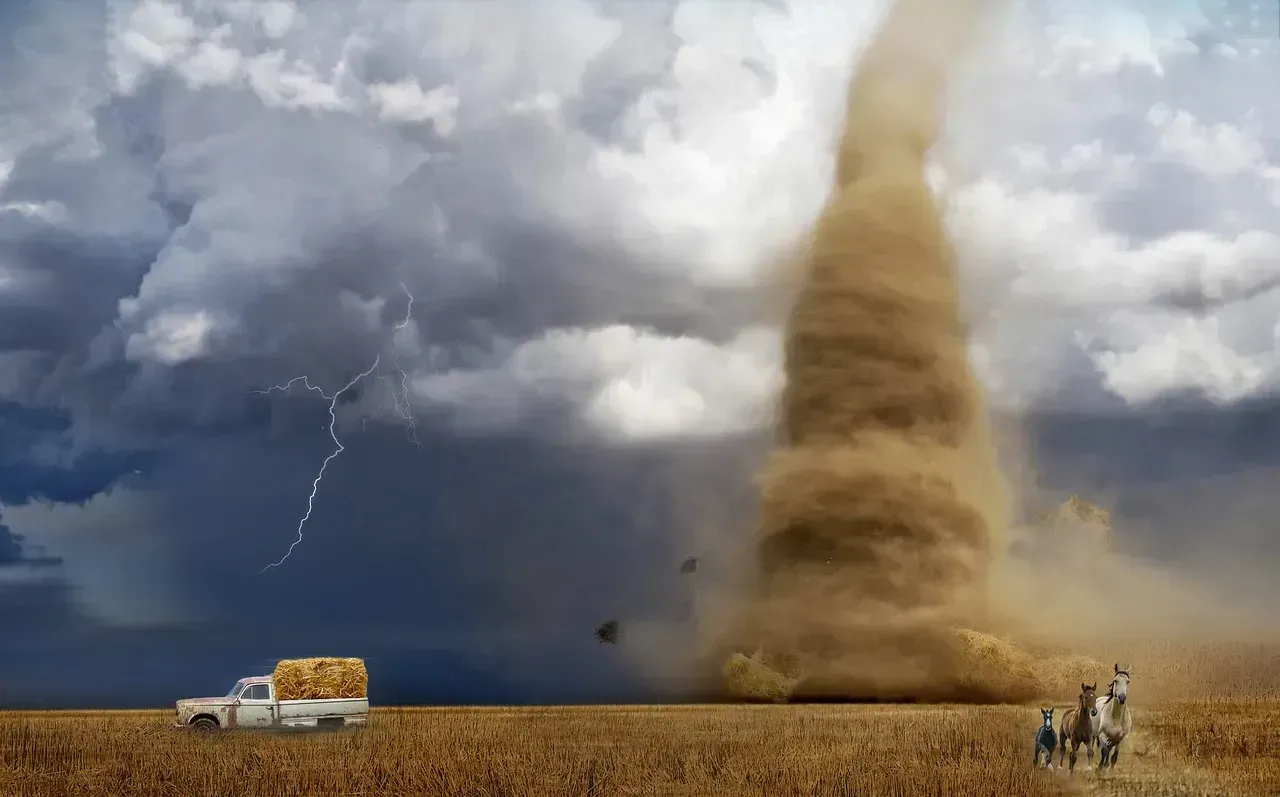
The direction of rotation is largely dictated by the hemisphere in which the tornado forms. The overwhelming majority of tornadoes observed in the Northern Hemisphere spin in a counterclockwise direction. This is so consistent that it’s considered a defining feature of the storms that produce them.
This preferred spin direction is the defining characteristic of the supercell thunderstorm from which most strong tornadoes descend. Conversely, tornadoes that form in the Southern Hemisphere typically rotate clockwise. This opposite spin, known as anti-cyclonic, follows the general pattern for storms in that region, and this directional bias is a fundamental aspect of atmospheric physics.
The Coriolis Effect: The Force Behind the Spin
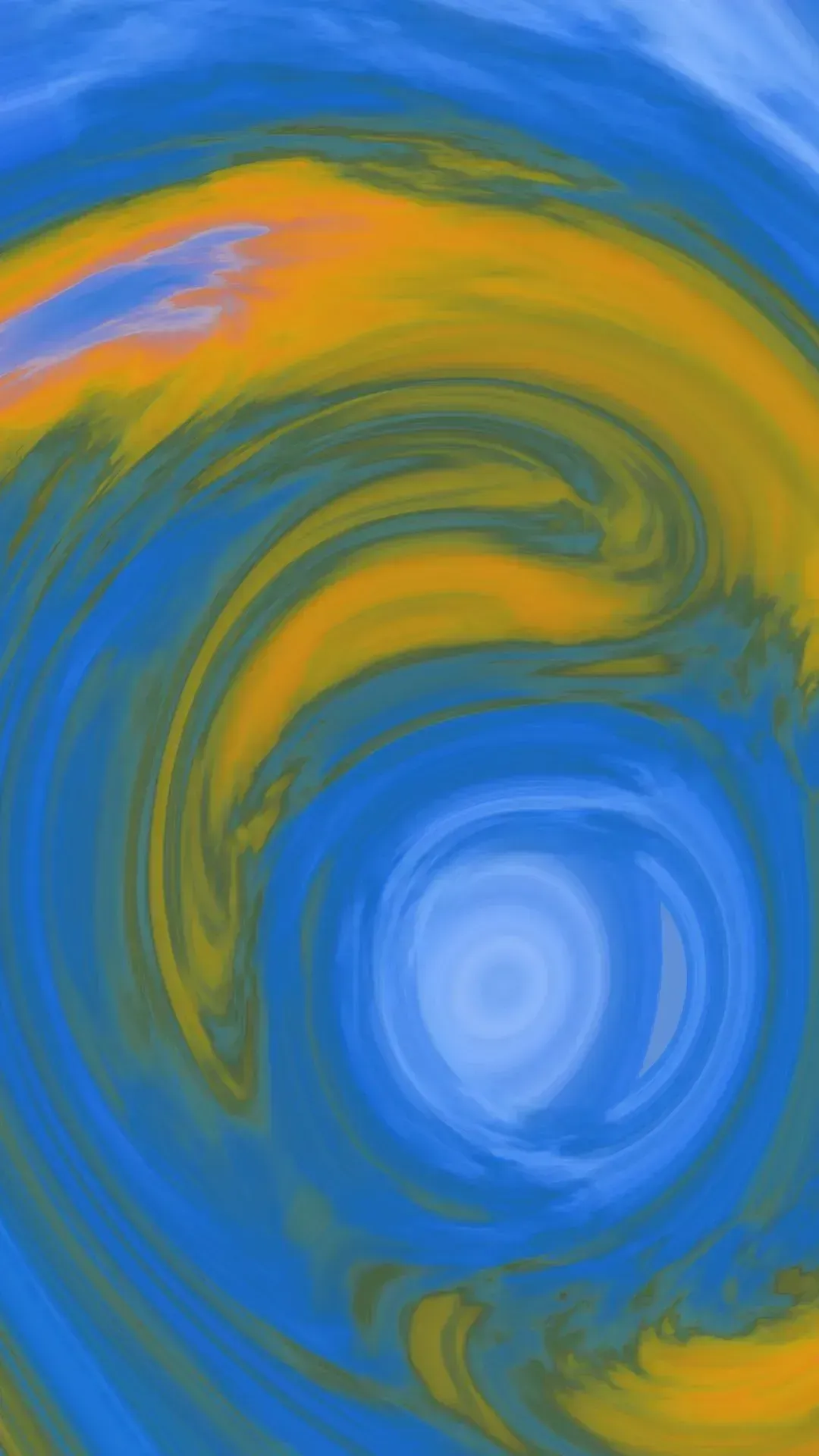
The general counterclockwise spin is due to the Coriolis Effect, which is the influence of Earth’s rotation on large-scale weather systems. As the planet spins, it causes moving air masses to deflect to the right in the Northern Hemisphere and to the left in the Southern Hemisphere. This deflection is a major factor for massive systems like hurricanes and the parent supercells of tornadoes.
While a tornado is too small and short-lived to be directly governed by the Coriolis Effect, the large-scale environment it forms within already possesses a strong counterclockwise rotation. The Coriolis force therefore indirectly controls the rotational pattern. Think of it less as the Coriolis force spinning the tornado itself, and more as it setting the table for the entire storm system.
Wind Shear: The Real Engine of Rotation
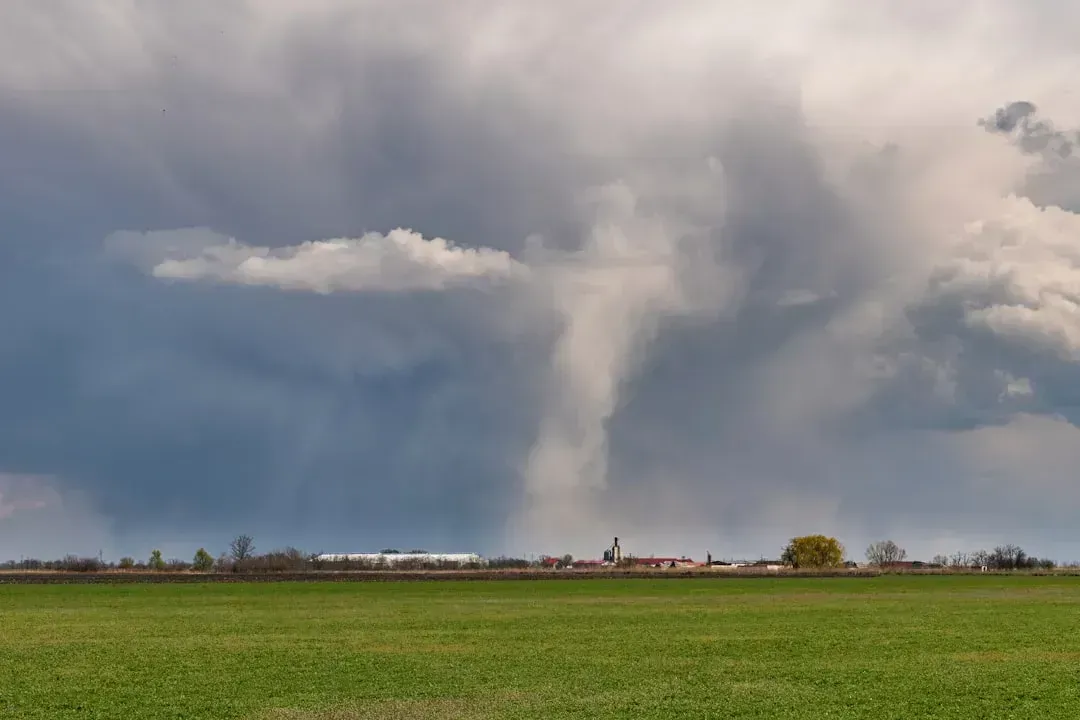
The process that creates the concentrated spin of a tornado begins with wind shear, which is a change in wind speed or direction with height. Vertical wind shear creates a horizontal, tube-like roll of spinning air in the lower atmosphere. For a tornado to form, the strong updraft of a supercell thunderstorm must lift and tilt this horizontal tube of air into a vertical orientation.
In general, thunderstorms occur when warm, humid air near the ground is overlaid by relatively cold air aloft, meaning temperatures cool rapidly with height. This variation of temperature with altitude results in what meteorologists call instability, which gives energy to thunderstorms. Tornadoes can form within thunderstorms when instability is accompanied by wind shear, which means large changes in wind speed or direction with altitude.
The Mesocyclone: What the Tornado Inherits
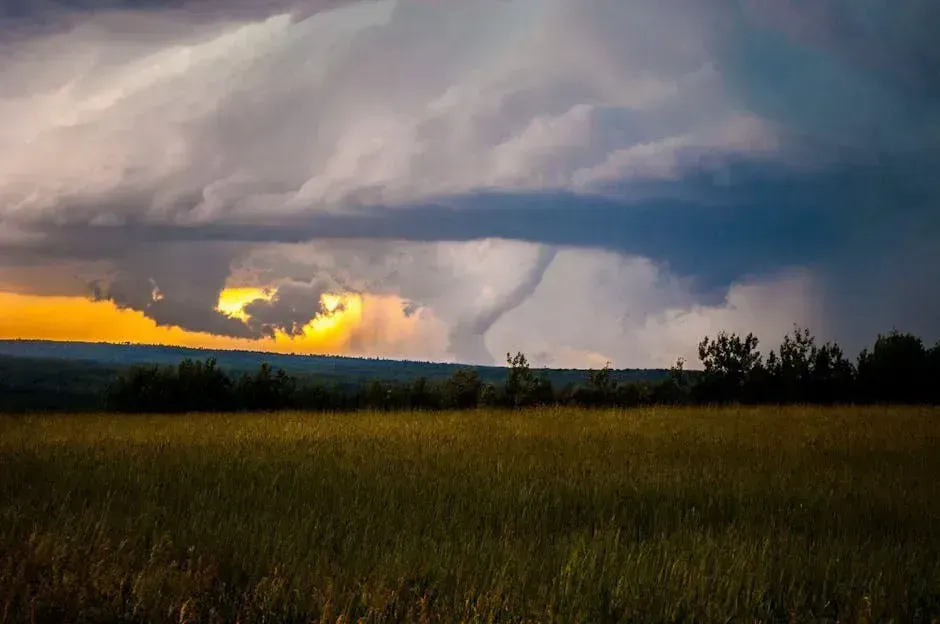
The rotating thunderstorm, known as a mesocyclone, is the direct precursor to the tornado. Since the vast majority of mesocyclones in the Northern Hemisphere are cyclonic, the tornadoes that ultimately drop from them inherit this counterclockwise momentum. This explains the statistical dominance of counterclockwise spinning tornadoes in the United States and other Northern Hemisphere regions.
The updraft that lifts the rotating column of air provides two different rotations to the supercell: cyclonic (counterclockwise) rotation and an anti-cyclonic (clockwise) rotation. The directional shear amplifies the cyclonic rotation and diminishes the anti-cyclonic rotation until all that remains is the cyclonic rotation called a mesocyclone. In other words, the storm’s own internal mechanics almost always filter out the clockwise component before a tornado ever touches down.
Yes, Reverse-Spinning Tornadoes Do Exist
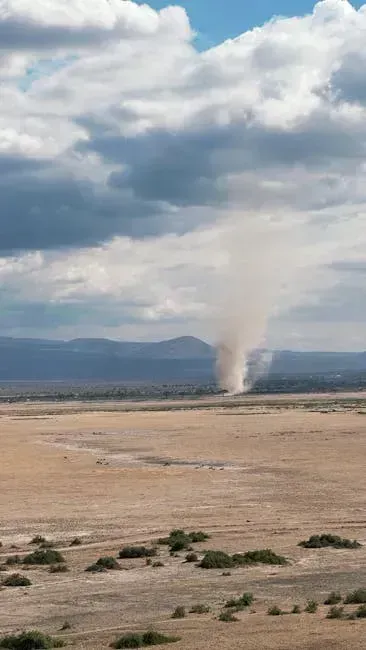
An anticyclonic tornado is a tornado which rotates in a clockwise direction in the Northern Hemisphere and a counterclockwise direction in the Southern Hemisphere. The term is a naming convention denoting the anomaly from normal rotation, which is cyclonic in upwards of 98 percent of tornadoes. So technically, what we call a “reverse” tornado is simply one that defies the overwhelming statistical norm.
In the Northern Hemisphere, the vast majority of tornadoes spin counterclockwise. In rare cases, just 1 to 2 percent of the time, they rotate the “wrong” way, moving clockwise instead. There has even been the occasional appearance of both counterclockwise and clockwise rotating tornadoes under the same thunderstorm. That alone is enough to challenge the assumption that rotation is always fixed.
How Anticyclonic Tornadoes Actually Form
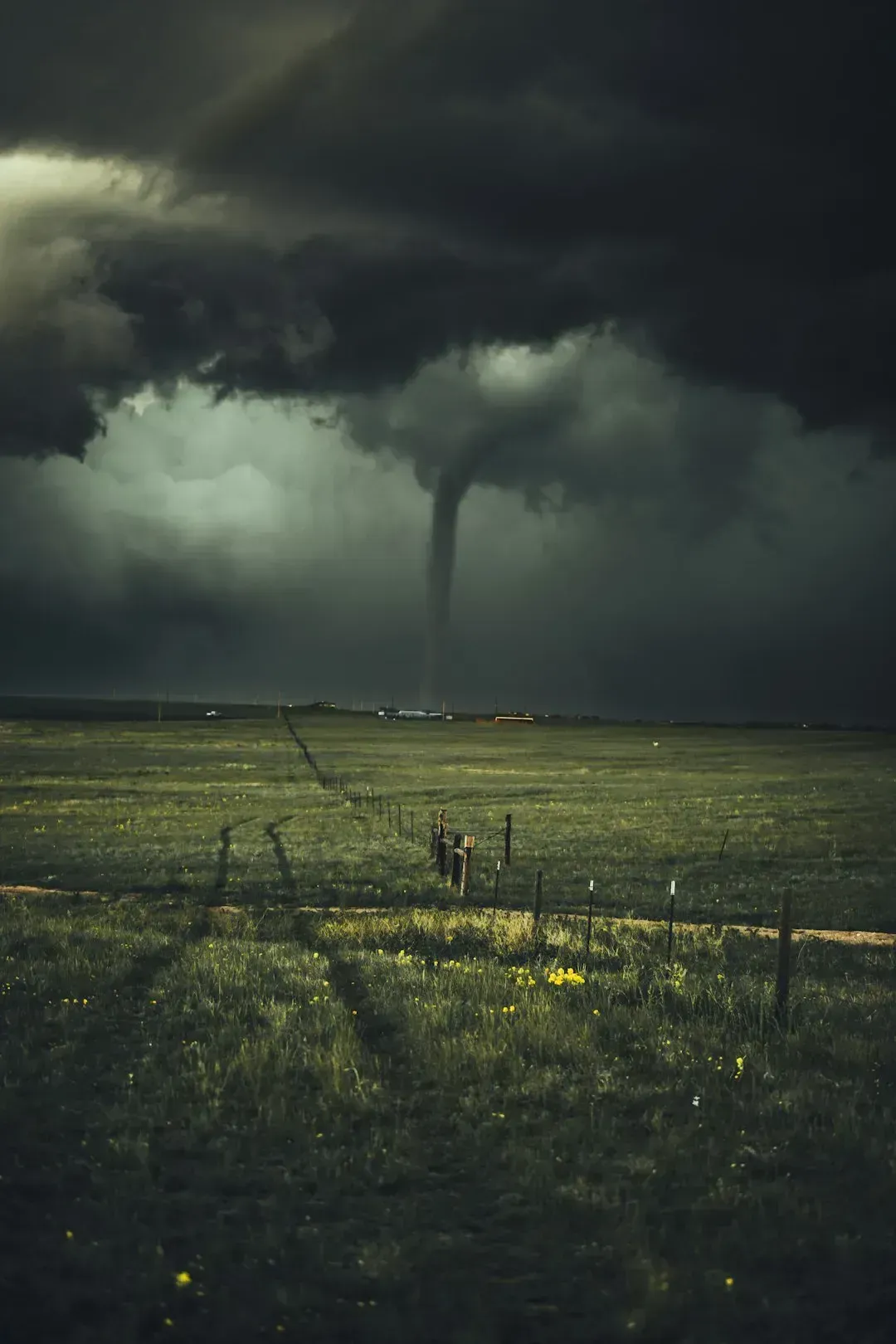
Many anticyclonic tornadoes are smaller and weaker than cyclonic tornadoes, forming from a different process, as either companion or satellite tornadoes, or nonmesocyclonic tornadoes. More rarely, they can be produced by an anticyclonic supercell, which is a thunderstorm that rotates clockwise from the outset.
The reason that tornadoes are able to rotate both ways is that they’re so small that friction and very small scale factors can play into which way they rotate. It’s a little bit harder for tornadoes to spin the opposite direction, which is why clockwise tornadoes are much less common. The physics doesn’t forbid it; the atmosphere simply makes it statistically unlikely.
The Oklahoma Event That Stunned Meteorologists
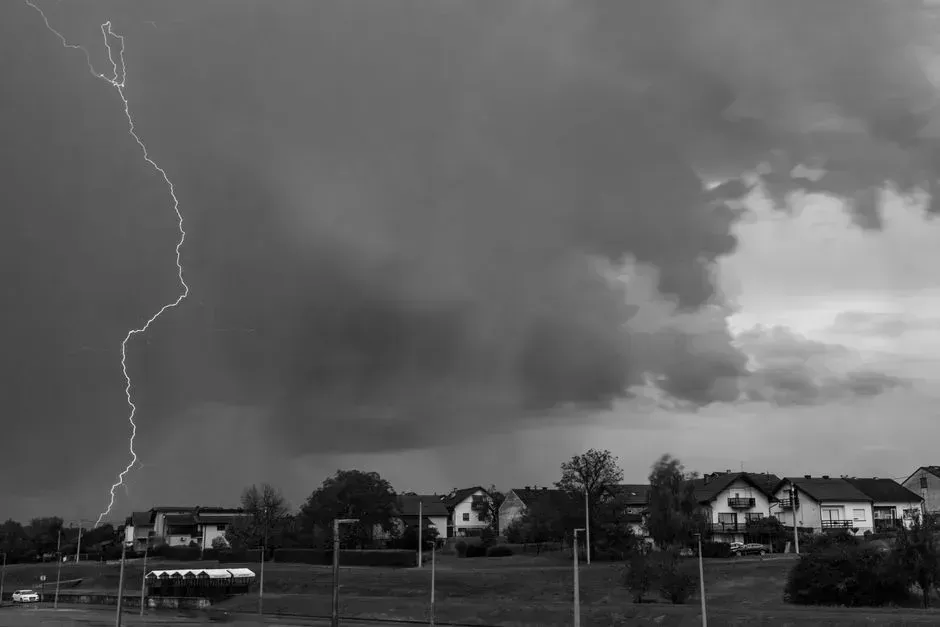
Powerful storms roared across parts of southern Oklahoma in late April 2024 and produced dangerous and unusual tornadoes, including one incredibly rare type. Multiple tornadoes were ongoing simultaneously in Tillman County when the weather got particularly strange. At least two of the tornadoes exhibited very odd behavior: one powerful tornado looped backward and recrossed its previous path, and another significant tornado spun in the “wrong” direction.
Meteorologists were surprised to see the rare weather phenomenon, called an anticyclonic tornado, on the evening of April 30 in Tillman County, just across the border from Texas. Its unconventional spin aside, the anticyclonic tornado was also unusual because, for a while, it was “nearly stationary.” While most anticyclonic tornadoes are brief and feeble, this one was incredibly powerful, with radar showing it had lifted debris thousands of feet into the air.
Thunderstorm Splitting and the Left-Mover Effect
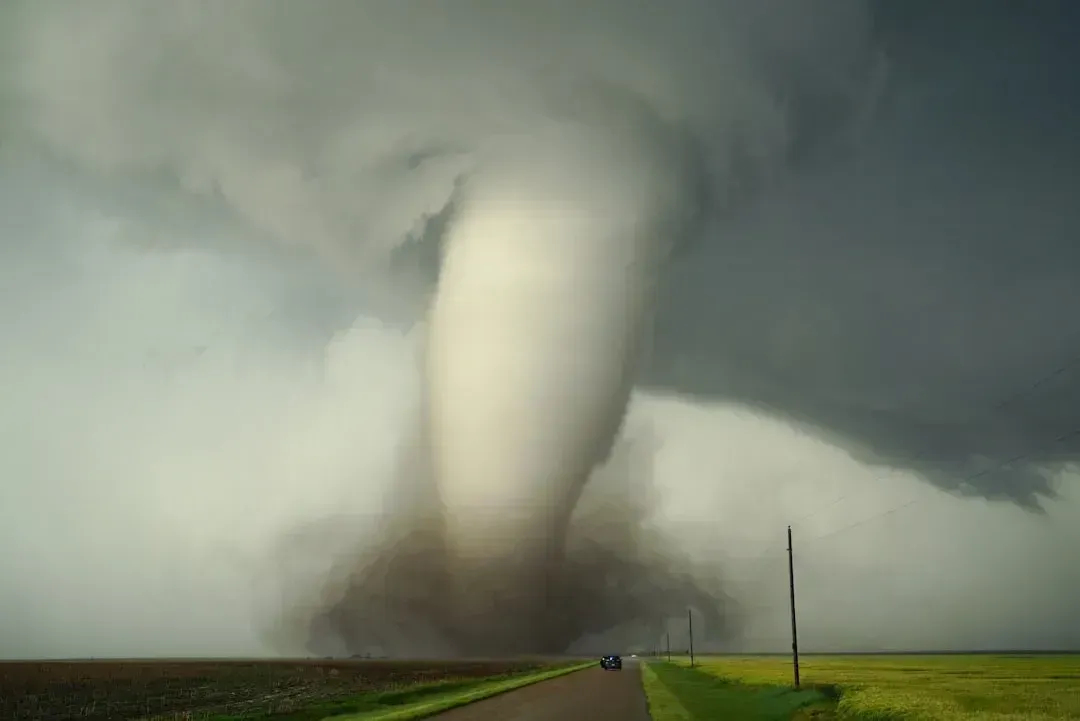
Thunderstorms often split, separating right down the middle. In meteorology, they’re called the left split and the right split. In the right split, with the counterclockwise spin of the low-pressure system, tornadoes are favored because of the rotation of the Earth. It’s a little bit harder for tornadoes to spin the opposite direction, which is why clockwise tornadoes are much less common.
On occasion, tornadoes form on both sides, and because of the way air flows through those splits, you’ll often get one that spins clockwise and one that spins counterclockwise. Typically, tornadoes spin counterclockwise about 90 percent of the time. The left-mover storm, which is the less common split product, is the storm environment most likely to yield an anticyclonic tornado.
The Southern Hemisphere: Where “Normal” Is Reversed
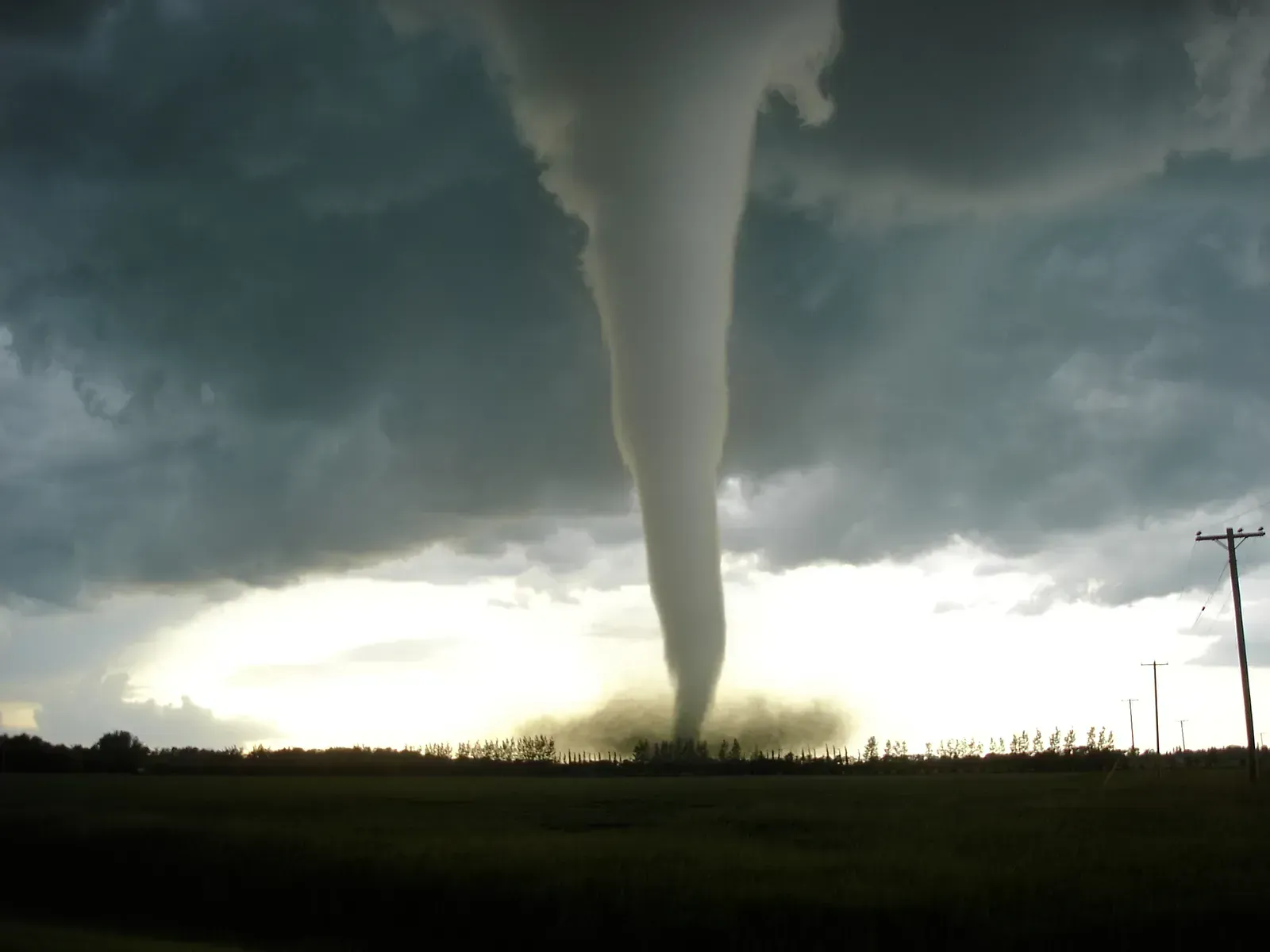
Tornadoes also spin clockwise in the Southern Hemisphere for all of the same reasons that they spin counterclockwise in the Northern Hemisphere. The vast majority of tornadoes in the world, probably around 75 percent, occur in North America. This geographic concentration means that the counterclockwise pattern feels universal to most observers, even though it’s really a Northern Hemisphere phenomenon.
If the warm winds blowing north from the equator meet cool upper-level winds out of the west, the tornado will rotate counterclockwise. If the warm equatorial winds blow to the south and clash with aloft winds, a tornado will rotate clockwise. This is because in both hemispheres, upper-level winds blow out of the west due to planetary rotation. The hemisphere flips the default, but the underlying atmospheric logic stays the same.
What This Means for Detection and Safety
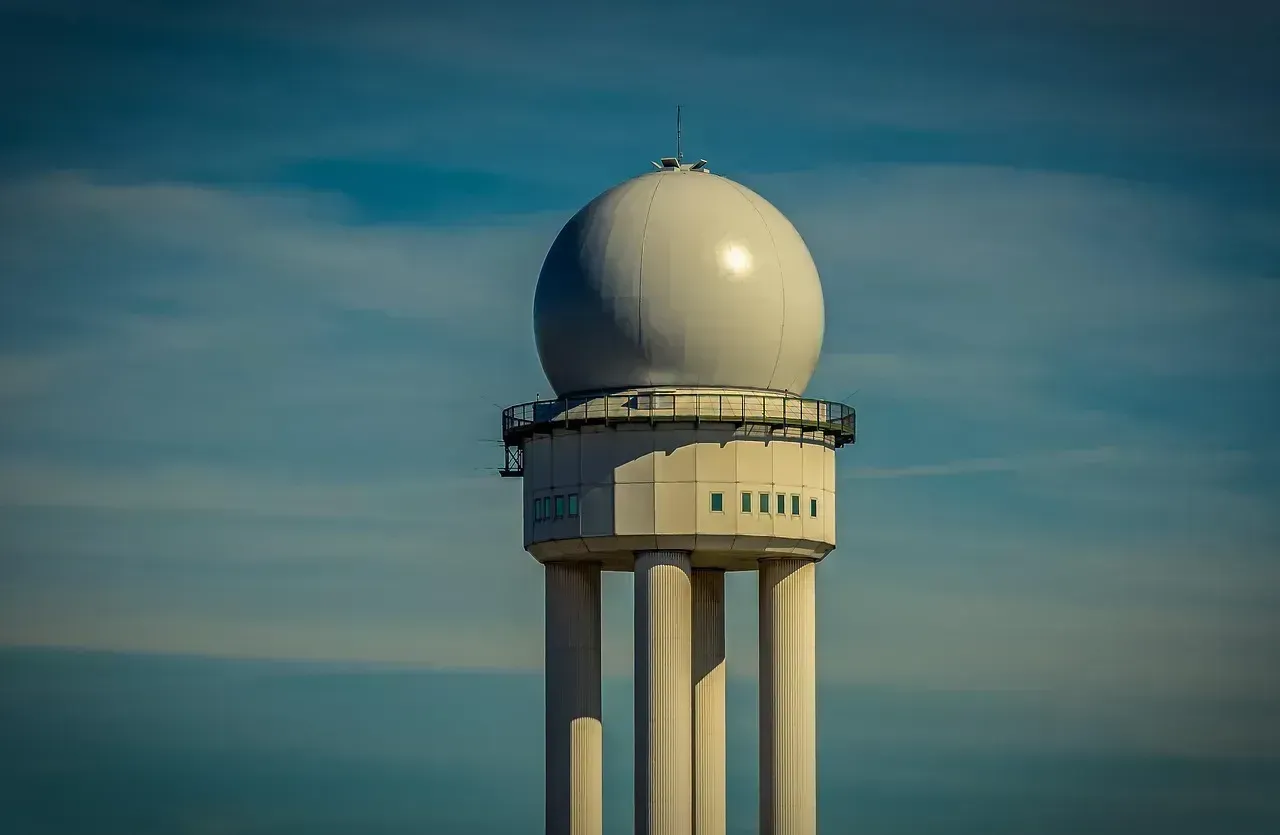
Doppler radar can measure the wind speed and direction inside storms. Tornadoes are usually indicated when radar scans show a rapid twisting of the winds in a counterclockwise direction, the same as a low-pressure center. But radar has also confirmed tornadoes showing rapid spin in a clockwise direction. This matters for forecasters trained to flag specific radar signatures as warning signs.
Tornado science classifies intensity via the EF0 to EF5 scale using three-second gusts, with around 1,200 tornadoes touching down annually in the United States, peaking in May and June. Rare anticyclonic tornadoes have been observed at high intensities, including the 1981 West Bend, Wisconsin tornado, which reached F4 intensity. The direction of spin, it turns out, does not cap the destructive potential of these storms.
The Coriolis Myth That Won’t Die
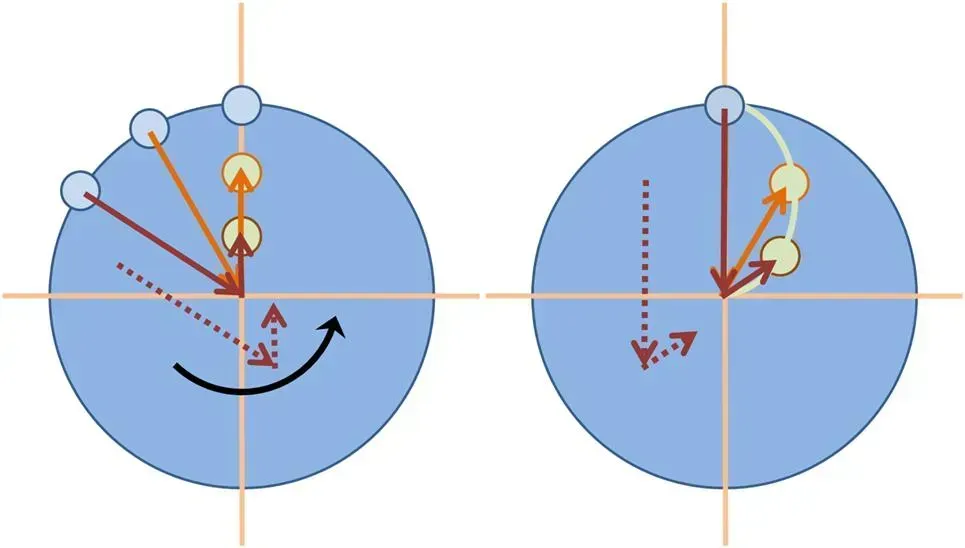
The existence of reverse-rotating tornadoes undercuts the common misperception that the direction of a tornado’s spin results directly from the Coriolis force. The Coriolis force only has a significant influence on the spin direction of Earth’s largest atmospheric and oceanographic circulation systems, such as the Gulf Stream, jet stream, trade winds, and hurricanes.
Rotation in synoptic-scale systems stems partly from the Coriolis effect, but thunderstorms and tornadoes are too small to be significantly affected. The Coriolis effect does not directly spin the tornado itself, as the vortex is too small and short-lived to be significantly affected. Instead, the Coriolis force organizes the massive parent storm system into a rotating entity, providing the environment for the tornado to form. The low-pressure system is already rotating cyclonically due to the planetary influence, and the tornado inherits this preferred rotational direction from the storm’s large-scale flow.
What Science Still Doesn’t Fully Understand

Scientists are still studying exactly how tornadoes form. Although some of the details of tornado formation are still being investigated, we know the ingredients for tornadoes in a broad sense. The gap between knowing what’s needed for a tornado and knowing exactly when and where one will drop from the sky remains one of meteorology’s persistent challenges.
Fully grasping how tornadoes function may not be straightforward, and predicting exactly when and where tornadoes will occur, and which way they will spin, seems even less so. The Oklahoma events of 2024 served as a reminder that atmospheric behavior can still surprise experts who have spent careers studying it. That gap between the rule and the exception is where a lot of the most interesting science lives.
