

- Atlantic Hurricane Activity Has Often Rebounded After Strong El Niño Years, Records Show - November 15, 2026
- The Planet Where It Rains Liquid Glass – 7 Alien Worlds Defying Known Physics - November 14, 2026
- Stars Consuming Entire Worlds – 6 Planetary Systems Swallowing Their Own Worlds - November 14, 2026
In June 2025, a professional horticulturalist named Aaron Bean was doing what bird banders often do on a remote cattle station in northern Queensland: watching, moving, and occasionally noticing things that didn’t quite fit. On this particular day, a small shrub with striking flowers caught his eye. He took some photos, uploaded them to an app, and unknowingly set off one of the more quietly remarkable moments in recent Australian botany.
A plant believed to have vanished decades ago has been rediscovered in remote northern Australia, thanks to a chance observation uploaded to the citizen science platform iNaturalist. The rediscovery of Ptilotus senarius (Amaranthaceae) was confirmed with a paper published by the CSIRO in the Australian Journal of Botany. What followed was a chain of events involving expert botanists, a cooperative landowner, and a race against the plant’s flowering season.
A Species That Disappeared in 1967
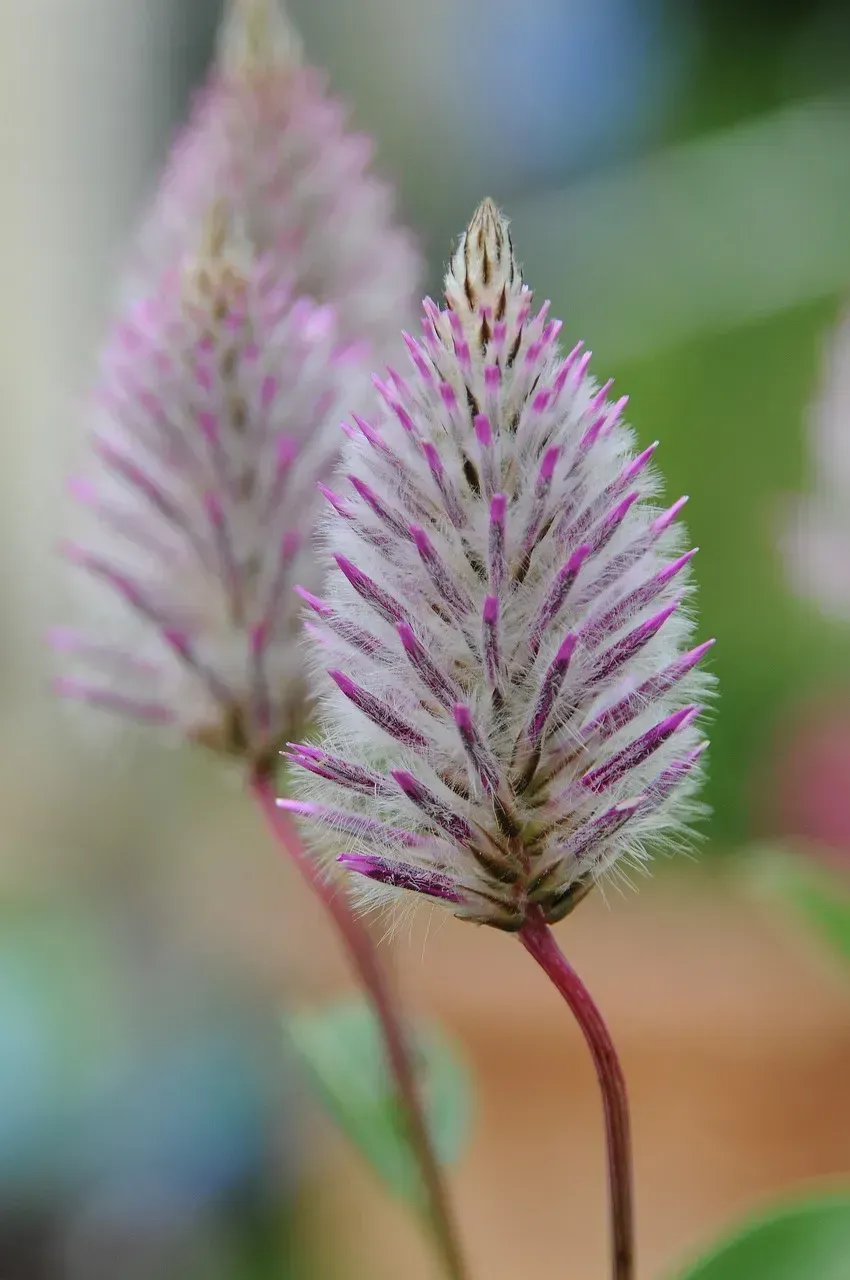
Ptilotus senarius is a delicate shrub with slender stems and striking purple-pink flowers that resemble a feathery firework. The plant occurs only in a narrow stretch of rugged terrain near the Gulf of Carpentaria and had not been collected since 1967. For nearly six full decades, no botanist, surveyor, or researcher had documented a single confirmed sighting.
It had been assumed to be among the roughly 900 plant species worldwide considered extinct in the wild since the mid-eighteenth century. Over the following six decades, native species across Australia had been under severe pressure. The nation’s population boomed, and there was widespread destruction of habitat combined with pressure from invasive species, disease, and climate change.
The Botanist Who Recognised It Immediately
Among the millions of observations shared on the platform, the photos caught the attention of botanist Anthony Bean from the Queensland Herbarium. He immediately recognized the species as Ptilotus senarius, a rare plant that had not been documented since 1967 and was widely considered extinct in the wild. Anthony Bean had actually described the species himself a decade earlier.
It was his enthusiasm about the plant that escalated the race to identify it. The team was determined to collect an example of the plant before it finished flowering, as its blooms are the most distinct component. With Aaron Bean’s photographs, Anthony Bean’s expertise, and help from the property owner in collecting a specimen, researchers were finally able to confirm that the species still survives.
A Secret Location for Good Reason
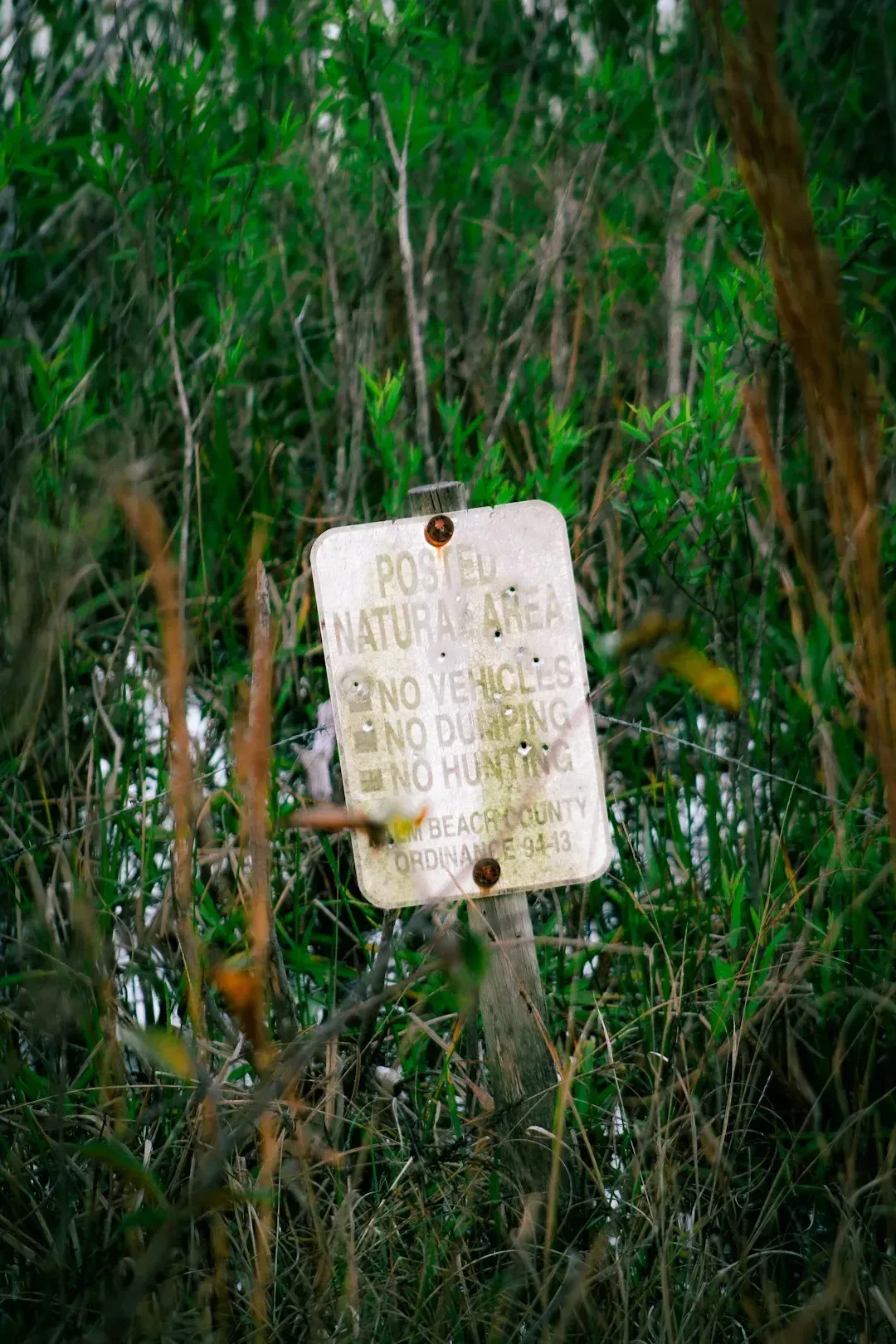
Lead author Thomas Mesaglio from the University of NSW confirmed the location of the find is being kept top secret, saying it was somewhere on a Gilbert River cattle station in northern Queensland. The decision to withhold the exact coordinates wasn’t arbitrary. Researchers were mindful that publishing a precise location for a critically rare plant, especially one on private land, carries real risks.
The Queensland Herbarium confirmed the plant’s identity after specimens were collected from the property. The species now appears on official biodiversity databases including the Atlas of Living Australia, where its conservation status can be monitored. While its population size and long-term outlook still require assessment, the rediscovery shows that some species considered lost may persist quietly in parts of the landscape that receive little scientific attention.
What the Plant Looks Like
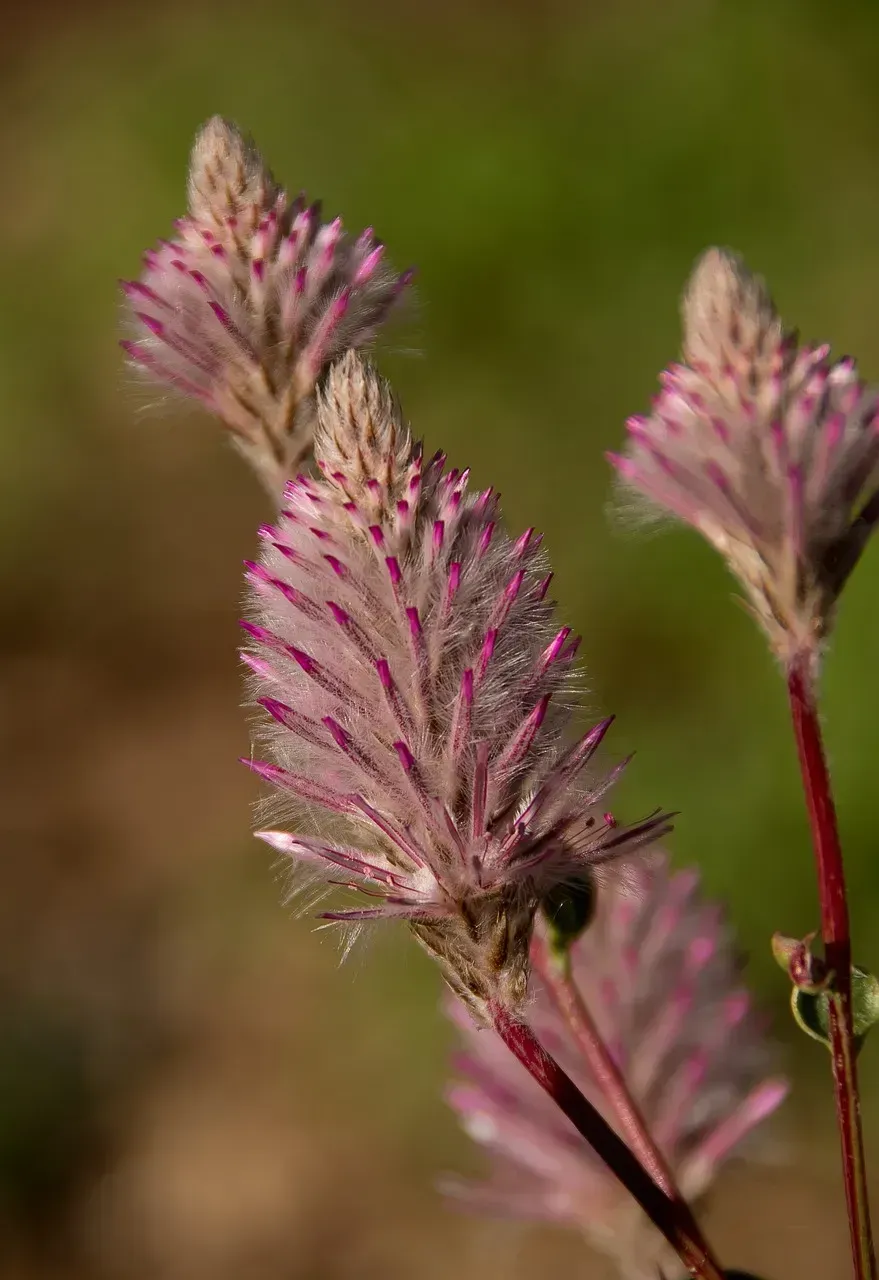
Ptilotus senarius is a small, slender shrub with pleasing purple-pink flowers that look a bit like an exploding firework with feathers. It belongs to the Amaranthaceae family, a broadly distributed group that includes plants found across tropical and subtropical regions worldwide. Despite its visual appeal, it remained entirely hidden from scientific record for the better part of six decades.
The species grows only in rugged terrain near the Gulf of Carpentaria in northern Australia. Before this rediscovery, no confirmed sightings had occurred for nearly 60 years. Each rediscovery must be confirmed through collections of physical specimens, with the photographic vouchers serving as the initial catalyst. In this case, the specimen collection proved the match was real.
Australia’s Broader Extinction Picture
Globally, more than 900 plant species are presumed to have gone extinct in the wild since the mid-1700s across a broad range of regions, growth habits, and taxa. At least roughly two in five plant species are considered to be currently threatened by extinction, and many will go extinct in the decades to come. Australia sits in a particularly exposed position within this global picture.
Australia stands out as having a relatively large number of both threatened and extinct plants, with almost 1,500 threatened plant taxa being listed under the Environment Protection and Biodiversity Conservation Act 1999. There have been over 20 animal extinctions in Australia alone since the 1960s, according to data collected by the Invasive Species Council. Against that backdrop, a confirmed rediscovery carries weight that goes well beyond botanical curiosity.
The Role iNaturalist Played
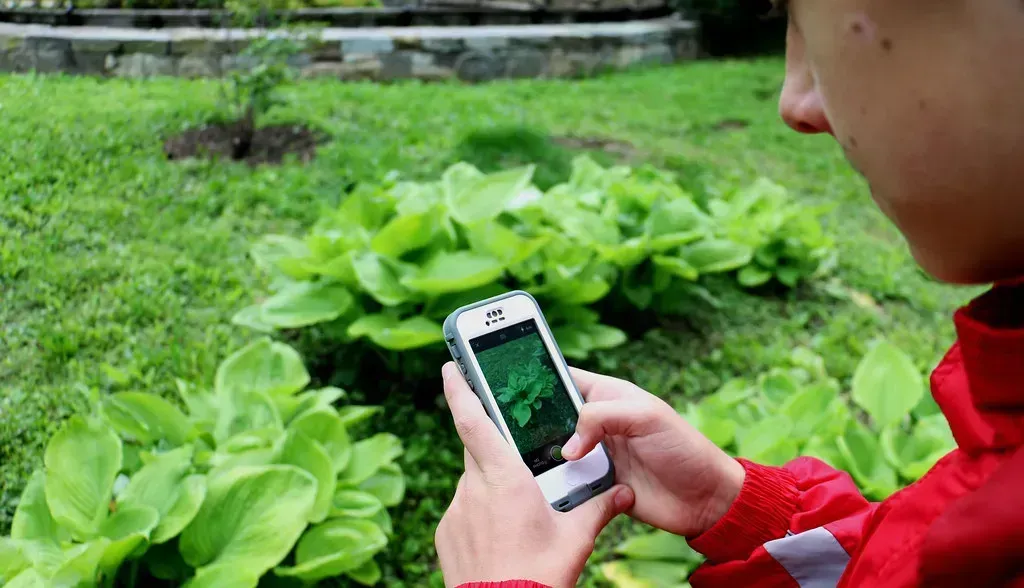
iNaturalist, one of the world’s biggest citizen science platforms, now includes nearly 300 million observations from around four million users covering more than five hundred thousand species. That scale matters. The platform’s ability to connect a casual photograph taken in an outback paddock with a senior expert in Brisbane is precisely the kind of connective tissue that formal science has historically lacked.
iNaturalist holds over 104 million verifiable photographic vouchers of plants from around the globe. The ability to capture and share observations instantly has become particularly important for species that exist in very small populations or survive in areas seldom visited by botanists. The platform’s data now supports nearly 7,000 scientific papers and has matured into a global data ecosystem since its founding in 2008 as a UC Berkeley project, later adopted by the California Academy of Sciences and National Geographic Society.
The Private Land Problem in Australian Conservation
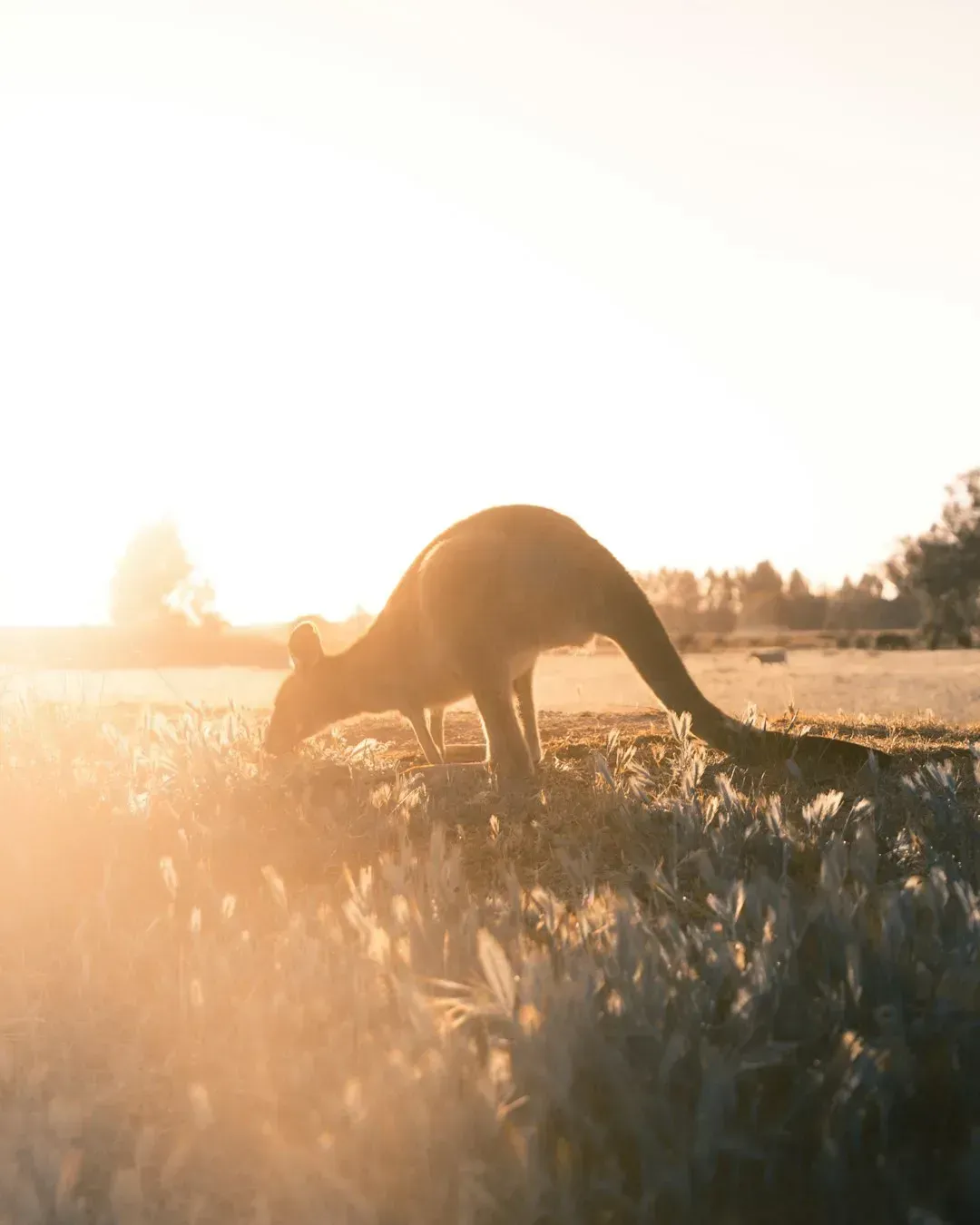
In a country as vast and ecologically varied as Australia, it is impossible for scientists to survey every region themselves. Access also presents a challenge. Around one-third of Australia is privately owned, which can limit where scientists are able to conduct fieldwork. This is a structural gap in how biodiversity monitoring works, not a failure of effort but of access.
Freehold land covers around 30 per cent of the Australian continent, and when including leaseholds and other private tenures, roughly 60 per cent of Australia is privately owned or managed. Researchers often struggle to access many of the most ecologically important sites. Researchers are now encouraging more people, especially landowners, to participate in citizen science projects and collect high quality observations.
A Pattern Bigger Than One Plant
There have been more than 400 documented rediscoveries of putatively extinct plant species occurring at an average rate of 16 per year during the past three decades. More than 120 taxa listed as extinct under state or federal legislation in Australia have since been rediscovered, most of them since the 1980s, and the majority after more than 75 years of remaining undetected.
This is just the latest example of an emerging trend: citizen scientists snapping pictures of plants and animals they encounter, uploading them to databases like iNaturalist, only to learn they’ve stumbled upon something thought to be lost or completely new to science. Similar citizen science efforts recently helped locate extinct oak trees in Texas and rediscover presumed extinct species globally. Increasingly, members of the public are photographing plants and animals they encounter and uploading them to online databases. In some cases, these observations are revealing species thought to be lost. In others, they are helping scientists identify organisms completely new to science.
What Happens Next for Ptilotus senarius
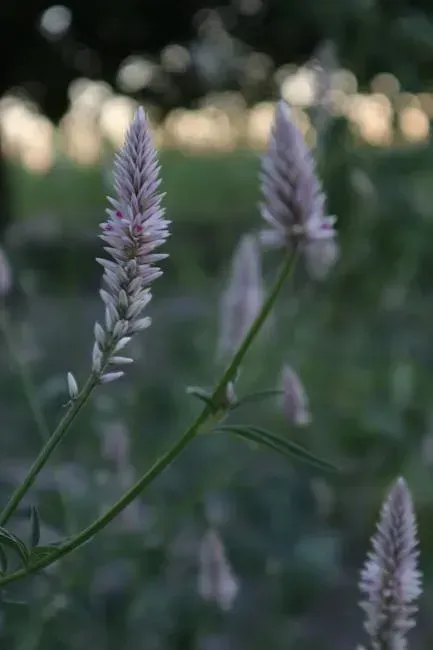
With Anthony and Aaron Bean’s keen eyes, and a landowner willing to gather a specimen, Ptilotus senarius is now confirmed to still be hanging on, and has actually recently moved onto the critically endangered species list where scientists and conservationists can help it. That formal listing matters, because it unlocks conservation resources and legal protections that weren’t previously available for a species considered already gone.
The researchers reporting the find say that the case demonstrates how digital platforms such as iNaturalist are reshaping conservation work. The discovery shows how routine uploads to the app can produce significant outcomes for biodiversity science. Without Bean’s June 2025 upload, the plant might have remained undetected indefinitely. The quiet persistence of a small shrub in a remote Queensland paddock, through cattle grazing, drought, and six decades of silence, is the detail that stays with you longest.
