


- The Planet Where It Rains Liquid Glass – 7 Alien Worlds Defying Known Physics - November 14, 2026
- Stars Consuming Entire Worlds – 6 Planetary Systems Swallowing Their Own Worlds - November 14, 2026
- The Ground Liquefies Like Water – 6 Silent Fault Lines Geologists Watch Closely - November 14, 2026
Ask most people where insurance companies are backing away from customers, and they will point to Florida or California without missing a beat. Those two states have dominated the headlines for years, and for good reason. But when you actually follow the paper trail of non-renewals, underwriting freezes, and market exits filed with state regulators over the past two years, the map looks different than the popular narrative suggests.
Some of the most significant retrenchment right now is happening in places that rarely get mentioned in the same breath as insurance crisis. States in the upper Midwest, health insurance markets far from any coastline, and auto insurers quietly stepping back from states with no hurricane exposure at all. Here is what the filings, earnings calls, and state insurance department notices actually show.
Illinois: the Midwest market nobody saw coming

Illinois has spent decades being thought of as a low-risk, low-drama insurance market. That reputation is fading fast. Illinois insurers have already pulled back, with Pekin Insurance pausing new policy writing and SECURA Insurance dropping policyholders, an early sign the state’s market is hardening.
The pressure did not come out of nowhere. Severe weather has always caused insurance challenges in Illinois, from freezing pipes to tornado and hailstorm damage, but as weather events become more extreme, insurers and policyholders are feeling the effects. Reporting on the state’s storm losses noted that Illinois rarely gets grouped with the high-profile insurance crisis states, but average home insurance costs there have risen by more than 48% over a recent two-year stretch, an extraordinary run-up for a state most people still think of as low-risk.
Minnesota’s quiet unraveling

Few states illustrate the mismatch between perception and reality better than Minnesota. Analysts tracking the region describe it plainly: Minnesota’s insurance market implosion is one of the most underreported financial stories in the Midwest right now. Costs there have risen 88.2% from 2020 to 2025, nearing a full doubling, with the average home insurance cost rising 34% in 2025 alone, hitting $3,530.
Insurers do not simply eat losses of that size. Insurers don’t absorb losses like that without a response, and the response is consistently nonrenewals in the neighborhoods where storm claim frequency is highest, with Twin Cities suburbs hammered by repeated hail events feeling this the most. That pattern is unfolding hundreds of miles from any ocean, driven almost entirely by hailstorms rather than the wildfires and hurricanes most people associate with insurance trouble.
Iowa and the hail corridor problem
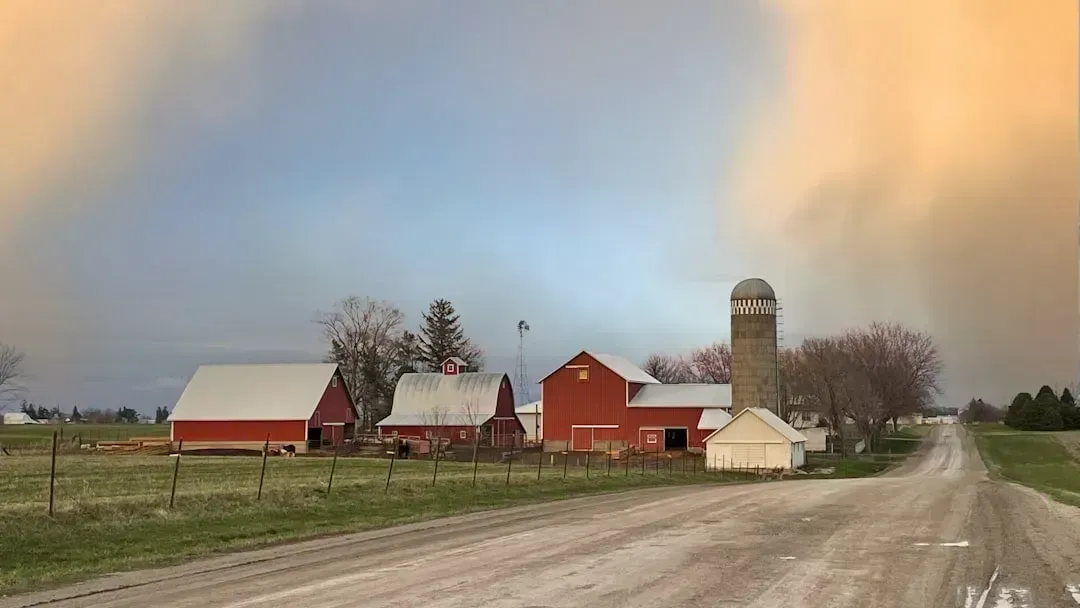
Iowa sits at the center of what meteorologists call the severe convective storm corridor, and its insurance market shows it. Iowa’s average home insurance cost jumped 28% in 2025 alone, reaching $2,802, with the cumulative increase from 2020 to 2025 reaching 96%, nearly a full doubling in five years. That kind of trajectory tends to precede a wave of coverage pullbacks rather than follow one.
The geography explains the vulnerability. Iowa sits directly in the severe convective storm corridor that has driven hail, straight-line winds, and tornado outbreaks across the Midwest. Industry watchers put it bluntly: when premiums double in five years, the nonrenewals follow close behind, and that’s not speculation, it’s the consistent pattern in every market that has gone before.
Michigan’s storm surprise

Michigan is another Great Lakes state that has quietly become a pressure point. The state saw a nearly 36 percent increase in insurance prices in the last two years, thanks to insurance companies absorbing losses from other parts of the country and an uptick in severe weather like thunderstorms, ice storms, flooding, and hail. These are not the catastrophic single events that make national news, but they add up quickly.
What makes Michigan distinct is the type of damage driving the retreat. Michigan is seeing more of these secondary perils that often generate a large number of low- to mid-range claims, and every year since 2011 the state has experienced at least one severe storm where losses exceeded a billion dollars, with five such storms occurring in 2024 alone. Despite the run-up, the state still remains relatively affordable by regional standards, which has kept it out of the spotlight even as insurers quietly adjust their exposure there.
Texas: not just hurricanes anymore
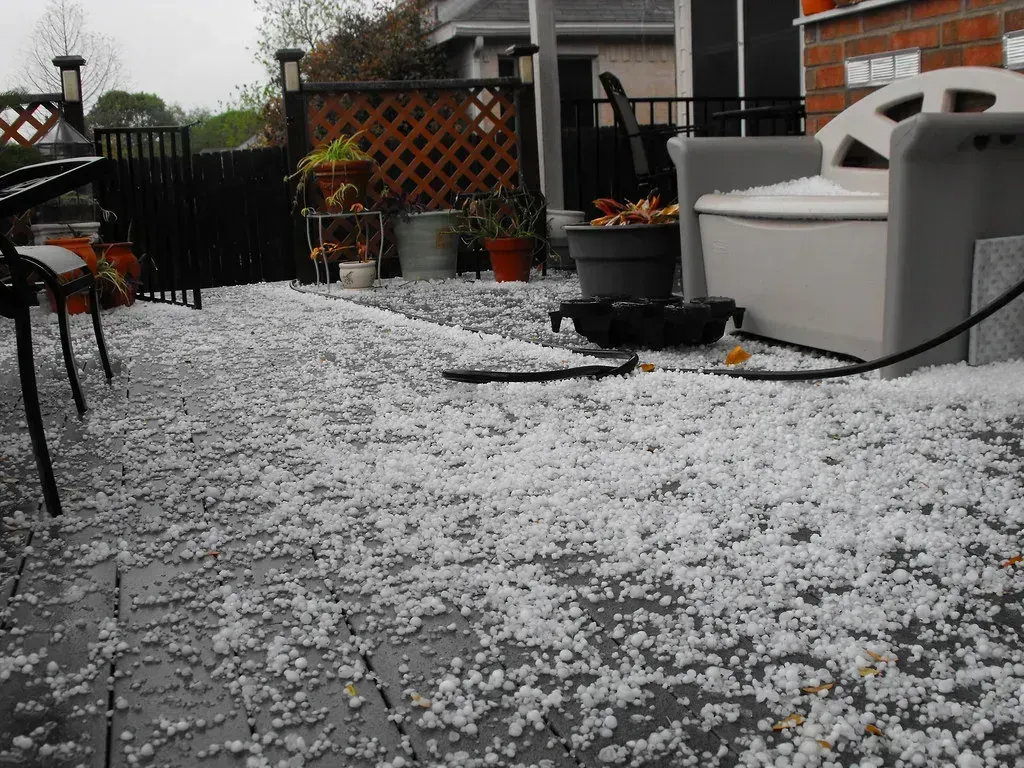
Texas gets plenty of attention for hurricane risk along the Gulf Coast, but the more urgent problem for insurers has been coming from inland storms. By mid-September the state had seen 17 separate billion-dollar weather events in a single year, including one hurricane that caused an estimated 6 billion dollars in damage, and wind and hail damage claims increased by 45% in the past year. Carriers responded fast and visibly.
One major insurer stopped writing and renewing policies in the state weeks before a major hurricane hit, and one month later another large national carrier temporarily halted home insurance policies in Texas and some Midwestern states, after Texas accounted for nearly 40% of that insurer’s storm losses in a single quarter. The strain has pushed more homeowners toward the state’s insurer of last resort, with Texas FAIR Plan policies increasing by 26% in the first half of 2024, according to a state insurance department report. Texas lawmakers have since moved to force more transparency, with a law passed during the 89th Texas Legislature, effective for all insurance decisions made on or after January 1, 2026, requiring insurance companies to automatically provide a written explanation when they decline, cancel, or choose not to renew a home or auto insurance policy.
The ACA marketplace retreat reshaping health coverage
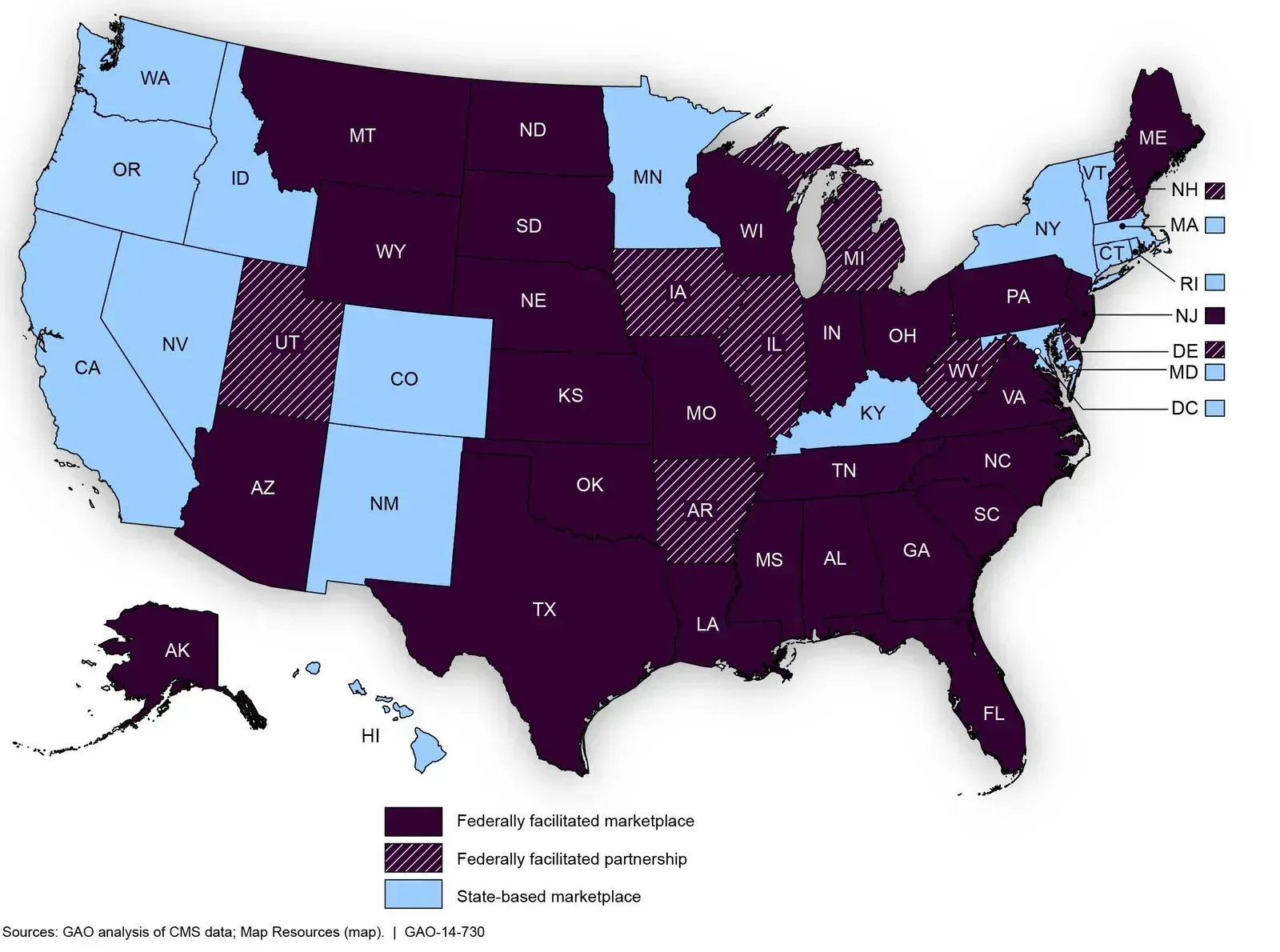
The pullback is not limited to home insurance. Health insurers have been walking away from the Affordable Care Act marketplace at a pace that has caught many enrollees off guard. Nine insurers have announced they will stop offering ACA marketplace plans, either nationally or in specific states, after the 2026 plan year, with the withdrawals coming amid declining enrollment nationwide, rising premiums and the expiration of enhanced premium tax credits at the end of 2025.
Industry analysts frame this as part of a broader shift in strategy rather than a temporary blip. Major insurers continue to pull back from the ACA marketplace as enrollment declines, bronze plan uptake surges and the expiration of enhanced premium subsidies reshape the risk pool heading into 2027. Even insurers staying in the market are shrinking their footprint, with many regional insurers shrinking service areas last year, and one of the country’s largest carriers expecting to shrink its ACA enrollment by roughly one third in 2026 as it prioritizes margin recovery.
Aetna and Baylor Scott and White stepping back

Aetna’s exit from the individual market has already rippled through the system. Aetna exited the ACA market at the end of 2025, forcing approximately 1 million enrollees across 17 states to find new coverage for 2026. That is one of the largest single-insurer marketplace exits in recent memory.
Regional players have followed a similar path on a smaller scale. Baylor Scott & White Health Plan said in April it will also no longer offer individual marketplace plans past 2026, a plan that covers about 100,000 enrollees, or roughly 2.6% of Texas ACA customers. In central Illinois, the effect has been especially concentrated, where only two health insurance companies are slated to offer marketplace health plans next year, halving the number of insurance issuers the region currently has.
Auto insurers trimming coverage in unexpected states

Auto insurance rarely gets the same attention as home or health coverage, but the same pattern of quiet retreat shows up there too, often in states with no obvious catastrophe risk. Regulatory filings from one Midwest-based carrier show it made the strategic decision to stop writing non-standard auto business in Illinois during the third quarter of 2025, with existing policies being non-renewed. These are not headline-grabbing exits, but they leave real gaps in coverage options for drivers who often have fewer alternatives to begin with.
Even the largest national carriers are adjusting their footing. Market dynamics shifted notably in 2026, when Progressive became the largest private auto insurer, with 70.2 billion dollars in trailing twelve-month premiums compared to State Farm’s 68.7 billion, a transition reflecting aggressive pricing strategies by Progressive and underwriting losses at State Farm that prompted conservative rate withdrawals. Meanwhile, Allstate has scaled back sharply on the commercial side, where commercial lines premiums written decreased 40.1%, or 63 million dollars, in the first quarter of 2025 compared with the prior year, primarily due to the strategic decision to stop writing new business and non-renew policies.
California and Florida: not the whole story anymore
None of this is meant to suggest California and Florida have solved their insurance problems. Both remain difficult, expensive markets. But the trend lines there are more mixed than the reputation suggests, with Florida’s Citizens Property Insurance shrinking as private carriers take policies back, and a 2025 hurricane season with no US landfall making for a strong year for the state’s property insurers, though Florida is still one of the most expensive states to insure a home even as the direction has turned.
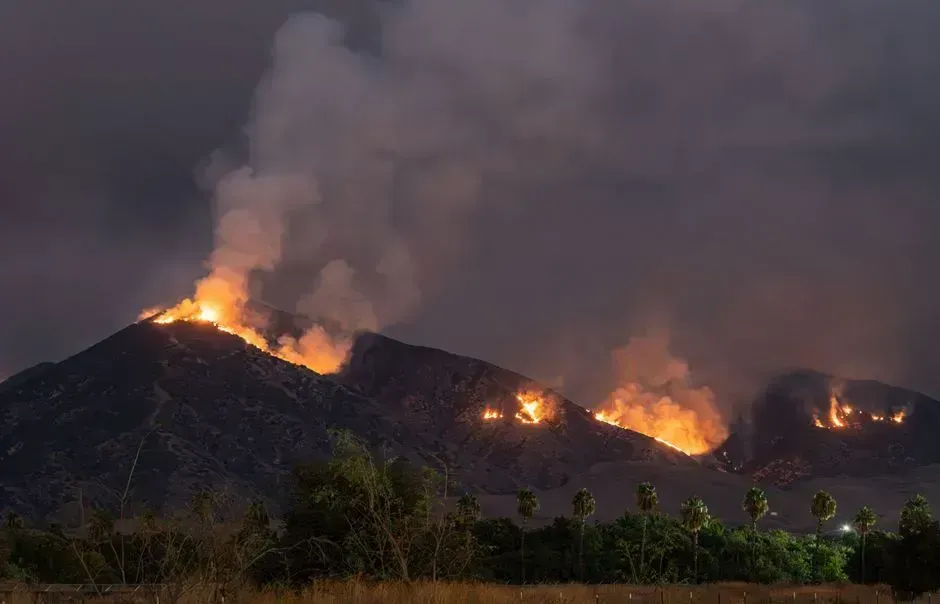
California, meanwhile, is still working through the aftermath of the 2025 Los Angeles wildfires, with regulators taking unusually direct action. Major insurers there recently limited new policies and sought large rate hikes due to wildfires, inflation, and reinsurance costs, and regulators even threatened to suspend State Farm’s license over claim handling from the fires. The state’s homeowners market remains tightly concentrated, with the market concentrated among a few major insurers, as the top five insurers, excluding the state’s insurer of last resort, account for 54% of the market share in 2023 direct written premium.
The takeaway

The map of insurance retreat in the United States has quietly redrawn itself. It now stretches well beyond the two states that dominate the conversation, reaching into hail-prone Midwest suburbs, health insurance exchanges in a dozen states, and auto insurance books that carriers have decided are no longer worth the risk. Florida and California still matter, but they are no longer the whole picture, and for millions of people living far from any coastline, the letter announcing a non-renewal or a marketplace exit can still arrive without warning.
