


- Record planetary extremes loom as the world’s largest climate summit begins - November 12, 2026
- Will travel insurance cover weather-related flight delays and cancellations? - November 11, 2026
- 8 Cities Where the Weather Changes So Fast Locals Carry Everything - November 11, 2026
Walk across a bog and the ground gives slightly under your feet. That soft, dark, waterlogged layer is the result of plant matter piling up for thousands of years. It’s also one of the largest natural carbon stores on land.
Wetlands cover a small share of the planet, yet their soils hold a disproportionate amount of its carbon. Research published between 2024 and 2026 has sharpened what scientists know about how much is stored, why it stays put, and what could set it free.
Why Waterlogged Soil Holds Carbon So Well
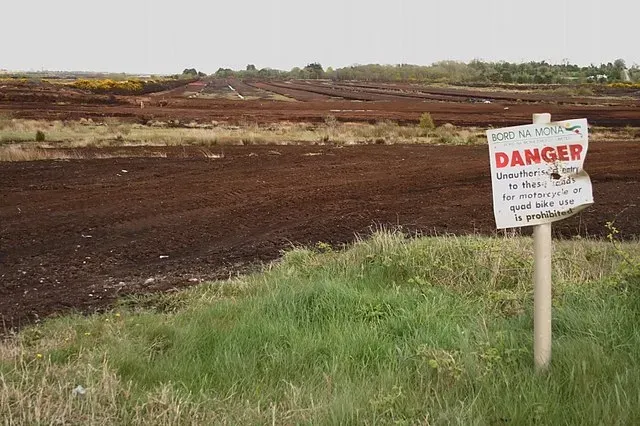
Peat forms when low oxygen, waterlogged conditions significantly slow the decay of dead plant matter, mostly mosses, sedges, grasses and other wetland vegetation. Because the material doesn’t fully break down, carbon stays locked in the soil rather than returning to the air.
Over time the layers thicken. Peat deposits typically reach roughly 6 to 16 feet deep, and left undisturbed, these wetlands accumulate massive amounts of carbon over millennia. Slow accumulation is the whole story here.
How Much of Earth’s Soil Carbon Sits in Peatlands
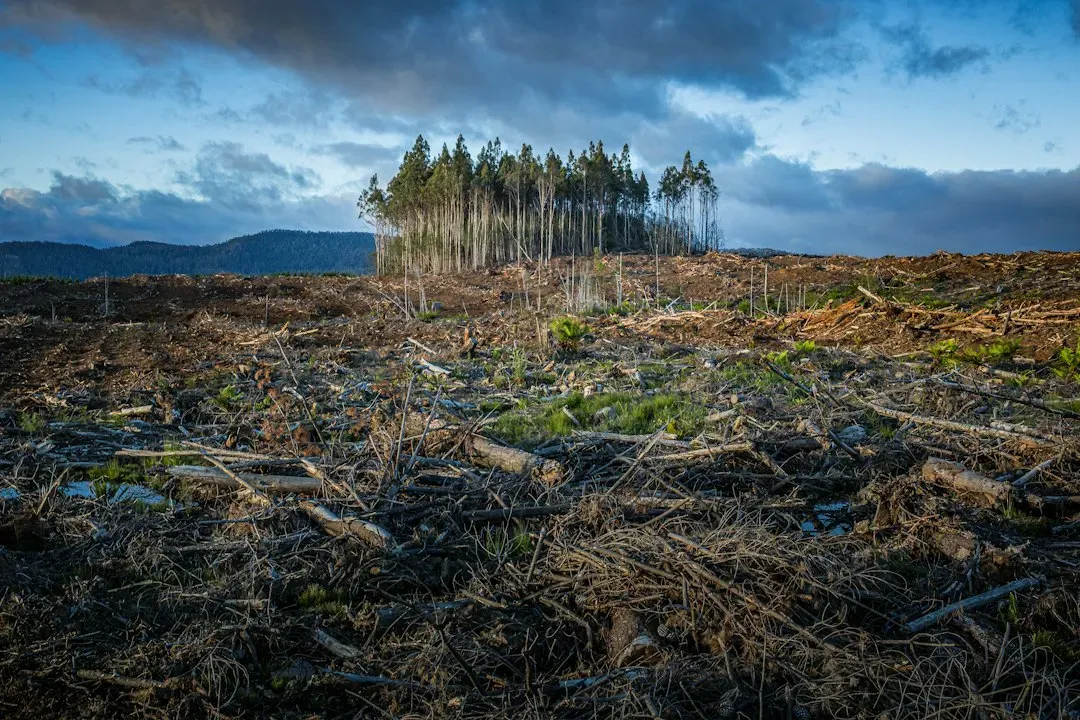
The numbers are striking. Peatlands cover only about 3 to 4 percent of Earth’s land surface, yet they store nearly one third of global soil carbon. A Cornell report on a 2025 study put the figure similarly, noting that peatlands hold more than 30 percent of the world’s soil carbon and preserve it for tens of thousands of years.
Estimates do vary a bit. A Georgia Tech researcher has described between a third and half of all soil carbon on Earth as sitting in peatlands. That range reflects real uncertainty in mapping and measurement, not disagreement about the basic picture.
A Bigger Store Than the World’s Forests
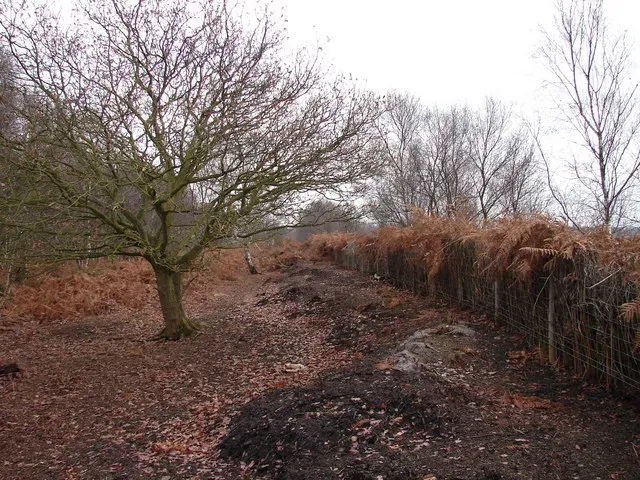
Forests get most of the attention in climate talk. Yet a 2025 assessment from the Wildlife Conservation Society and colleagues noted that these wetlands, covering just 3 percent of Earth’s surface, store 600 billion tons of carbon, more than all forest biomass combined.
The difference is where the carbon sits. In a forest much of it is in trunks and leaves, which can burn or be logged. In a peatland it is mostly underground, packed into soil that has been building for ages.
Beyond Peat: The Wider Family of Wetlands
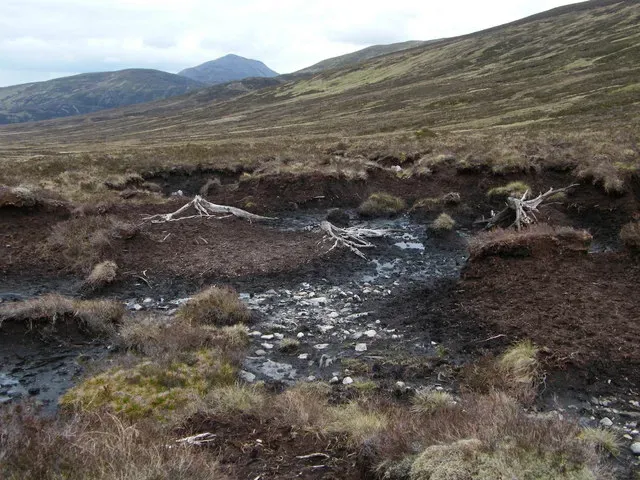
Peatlands are a type of wetland, not the whole category. A 2024 review of inland wetlands described them as vital for climate change mitigation, carbon and nutrient cycling, water quality, flood regulation and wildlife habitat. The same review set out to estimate soil carbon storage and sequestration rates across regions and climate zones.
It also flagged a limit on current knowledge. There are large biases in understanding of tropical peatland distribution, area and volume, which means global totals still carry real uncertainty. Better mapping is part of the fix.
What Happens When Peatlands Dry Out
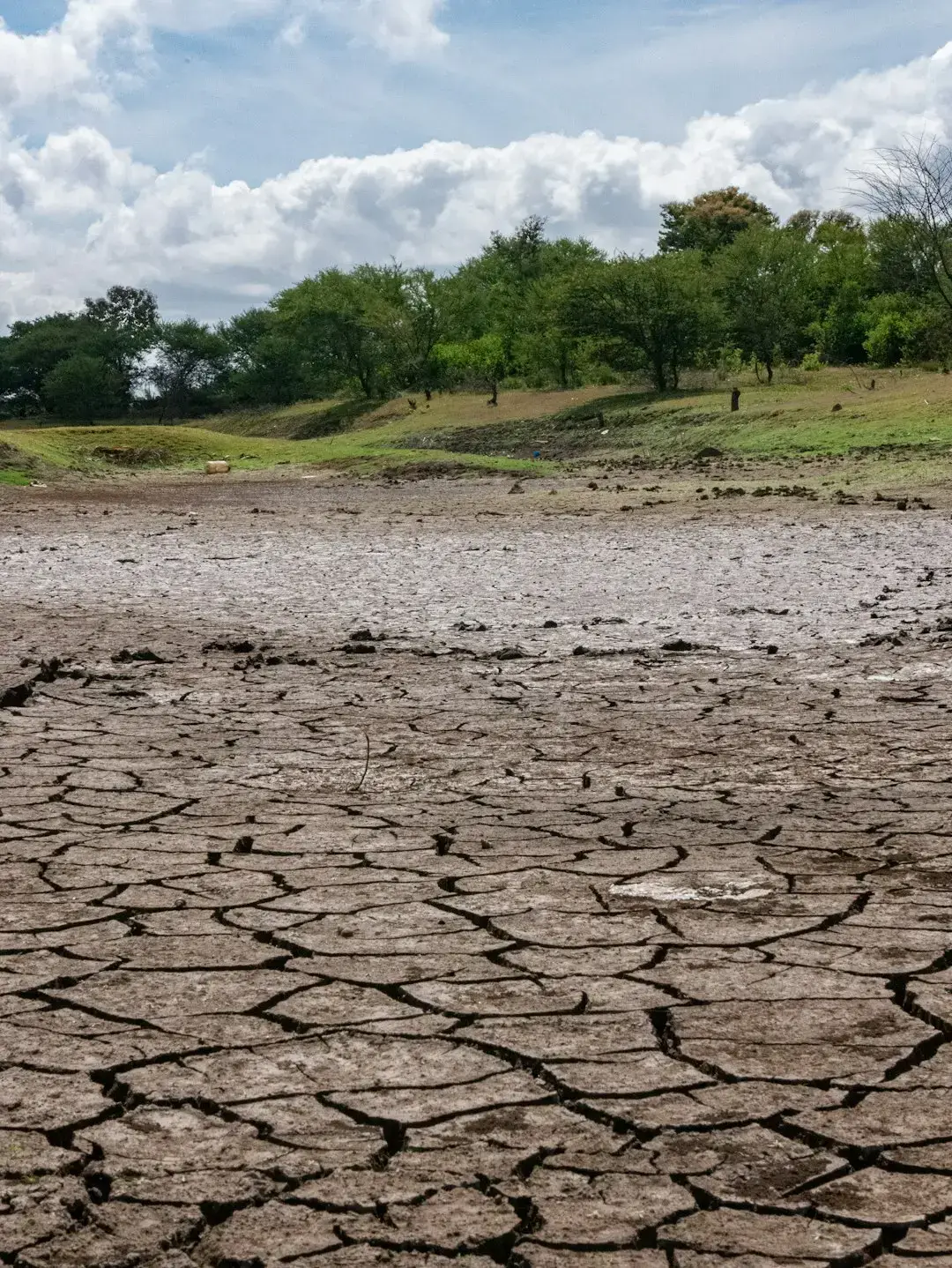
Water is what keeps the carbon safe. Once a peatland is drained or disturbed, oxygen reaches the stored material and decay speeds up. The 2025 conservation study explained that peatlands emit CO2 when they are drained, disturbed, extracted or removed to access resources or convert land to other uses such as farming.
Drought can do something similar without any human digging. In that sense a wet peatland behaves like a sealed jar, and drying it is like opening the lid.
Drought and Warming: A Result From Minnesota
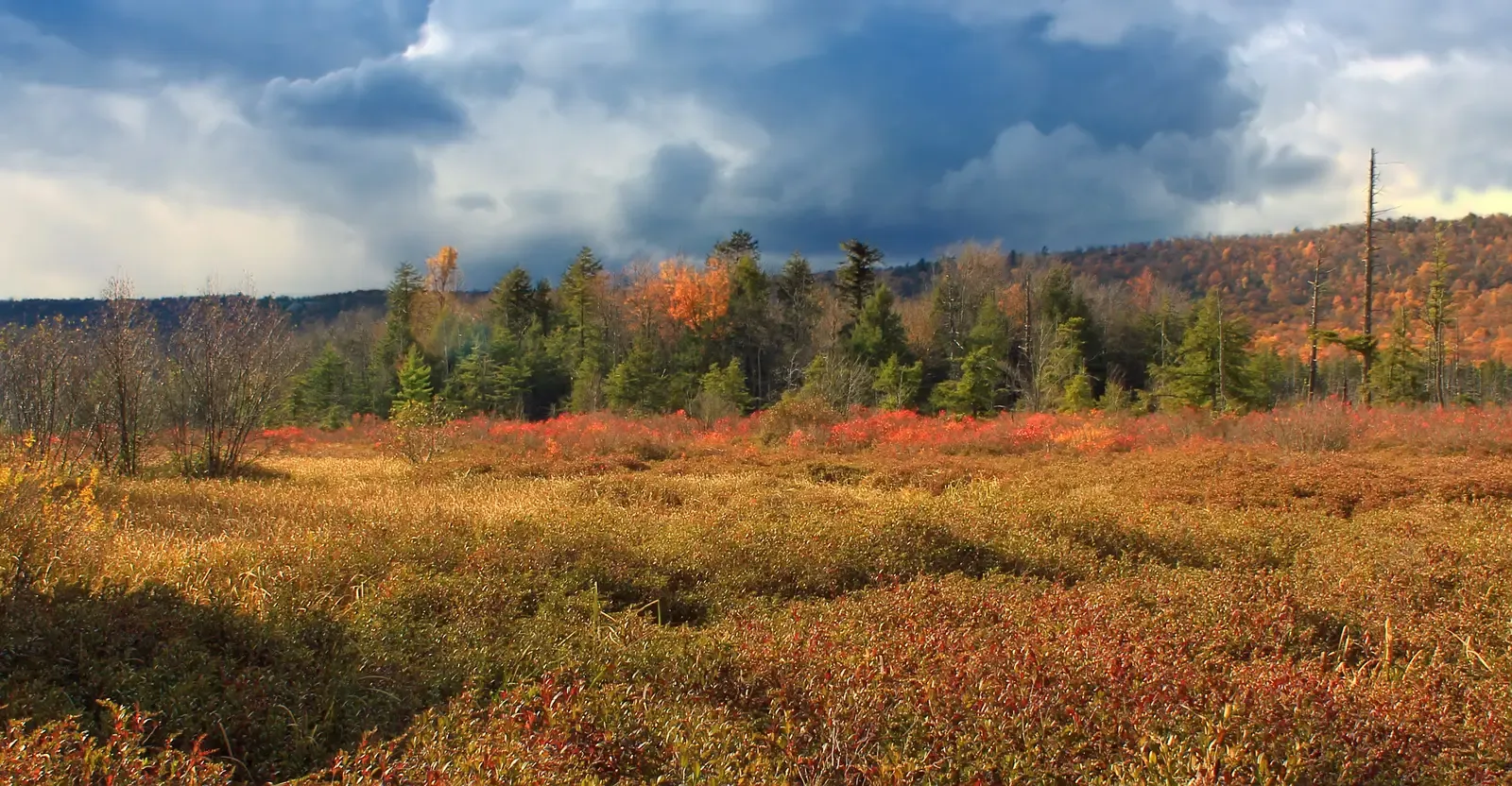
A study published in Science in October 2025 tested this at a boreal spruce bog in northern Minnesota. Researchers used 10 yurt like test chambers to mimic future conditions. Under warmer temperatures and elevated carbon dioxide, extreme drought increased carbon release from the peatland by nearly three times.
The Cornell summary of the work said that in a warming climate, extreme drought could erase up to 250 years of carbon stores in a matter of months. That is a result from one site and one experimental design. Still, it shows how quickly a slow store can turn into a source.
Carbon Dioxide and Methane Both Matter

Not all emissions from wetlands are the same. A 2025 Georgia Tech project focused on the ratio of gases released, because while both carbon dioxide and methane are greenhouse gases, methane is significantly more potent.
That makes the chemistry of a warming wetland important, not just the total carbon lost. Microbes in the soil largely decide which gas comes out, which is why researchers are studying them so closely.
Protection Lags Behind Importance
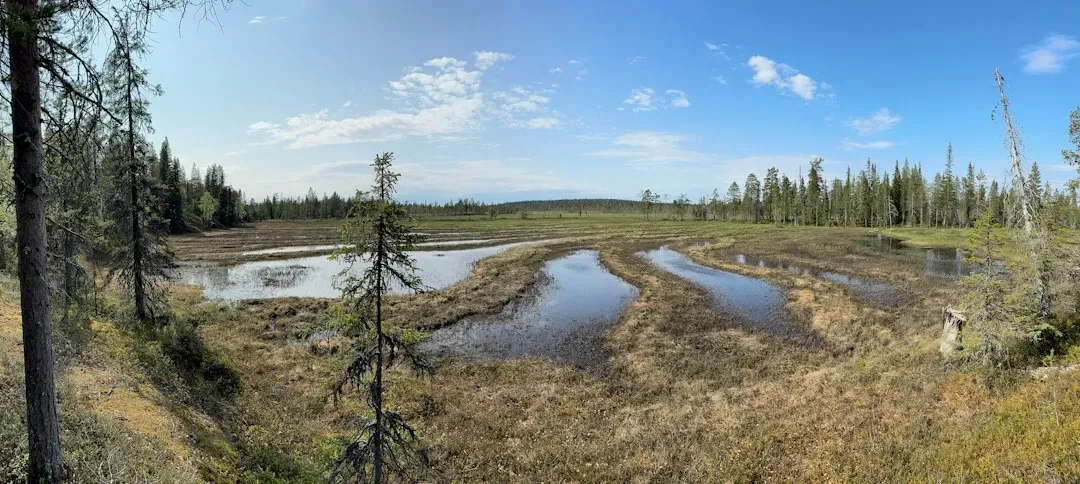
The 2025 study in Conservation Letters was described as the first global assessment of peatland conservation status. It found that only 17 percent of peatlands fall within a protected area. It also reported that nearly one quarter of the world’s peatlands are under heavy pressure from human encroachment, with farming the largest threat globally.
The authors called for urgent action, including strengthening Indigenous Peoples’ land rights. The gap between what these soils hold and how little of them is formally protected is the central finding.
Research Priorities for the Next Decade
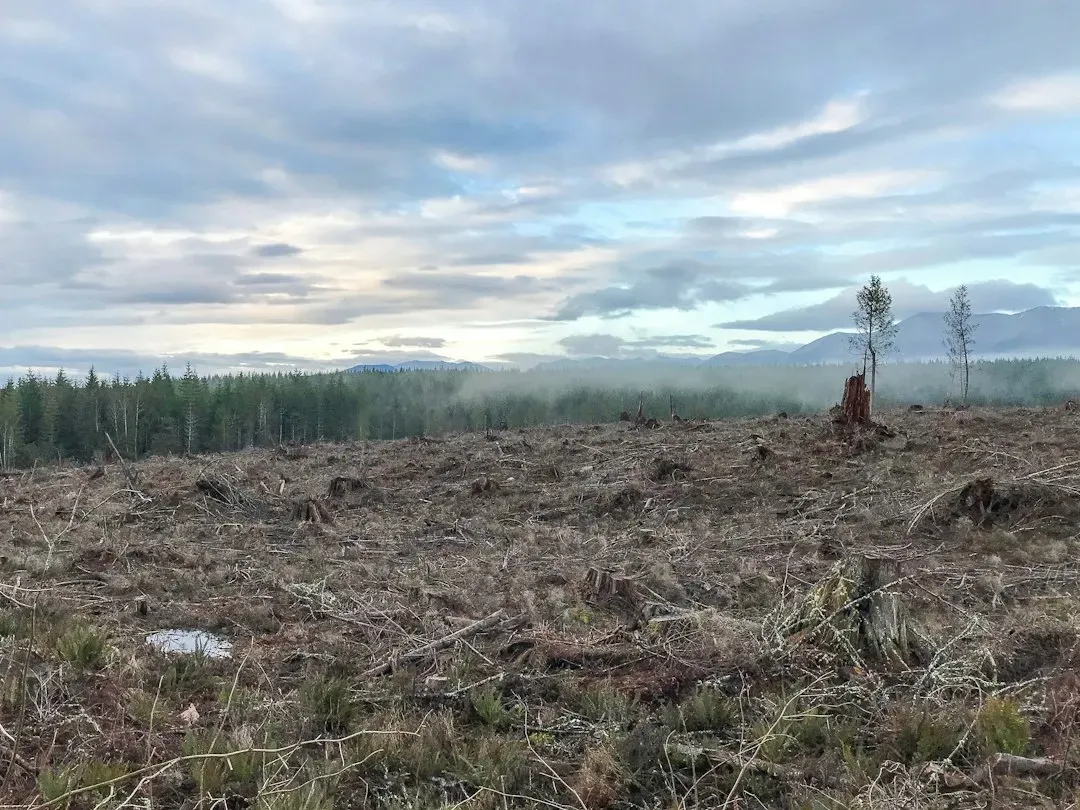
Scientists are now trying to organize what comes next. A 2026 paper in Communications Earth and Environment drew on 467 participants from 54 countries to identify 50 priority research questions. These span carbon dynamics, climate impacts, restoration and management, technology, and community and policy engagement.
The paper notes that peatlands worldwide are deteriorating under pressures from climate change and human disturbance. Its agenda is meant to guide peatland research over the next ten years.
